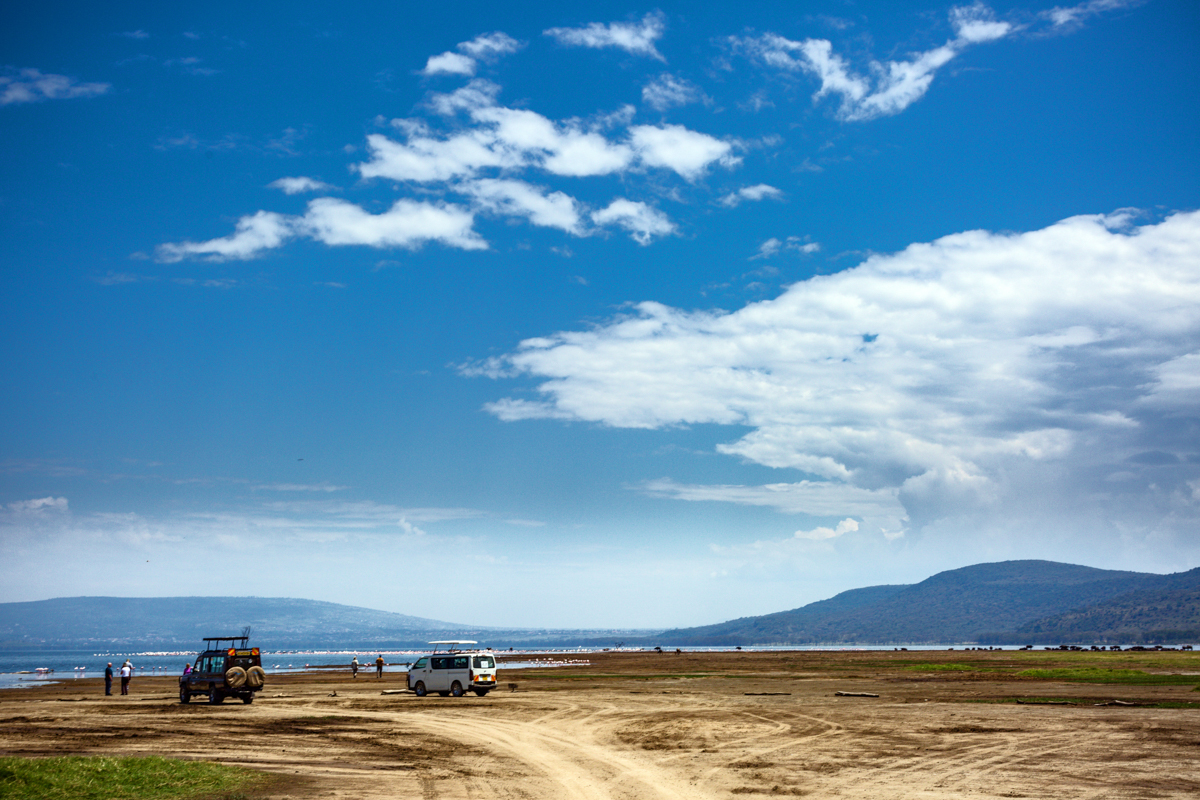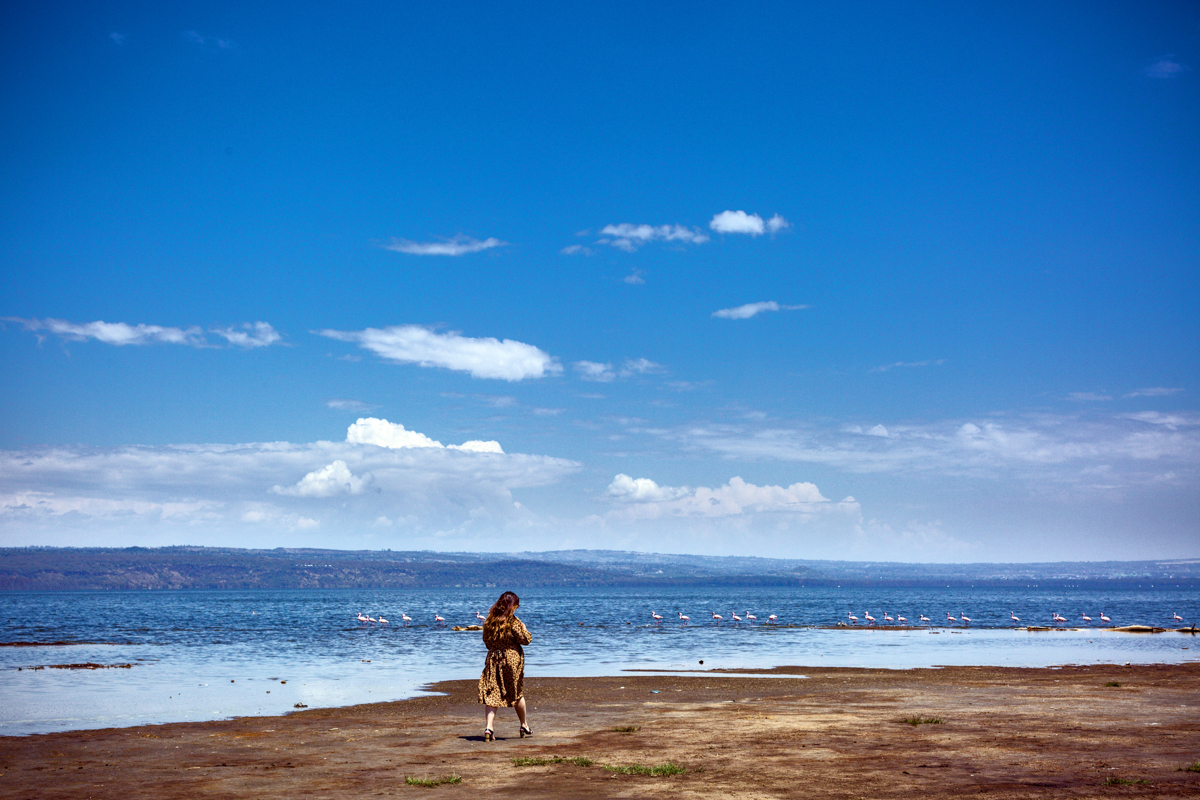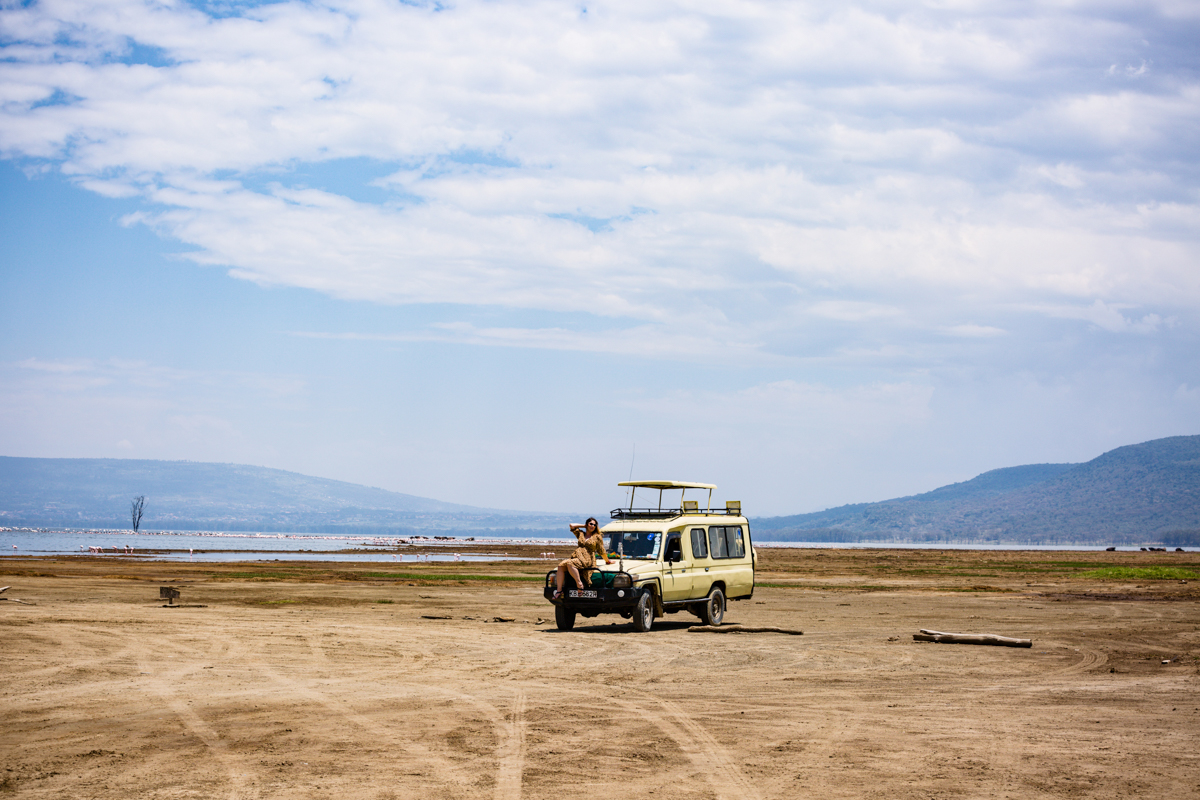
Lake Nakuru National Park, Kenya: The Complete Visitor’s Guide to Wildlife, Flamingos, Landscapes, Hiking, History and Conservation
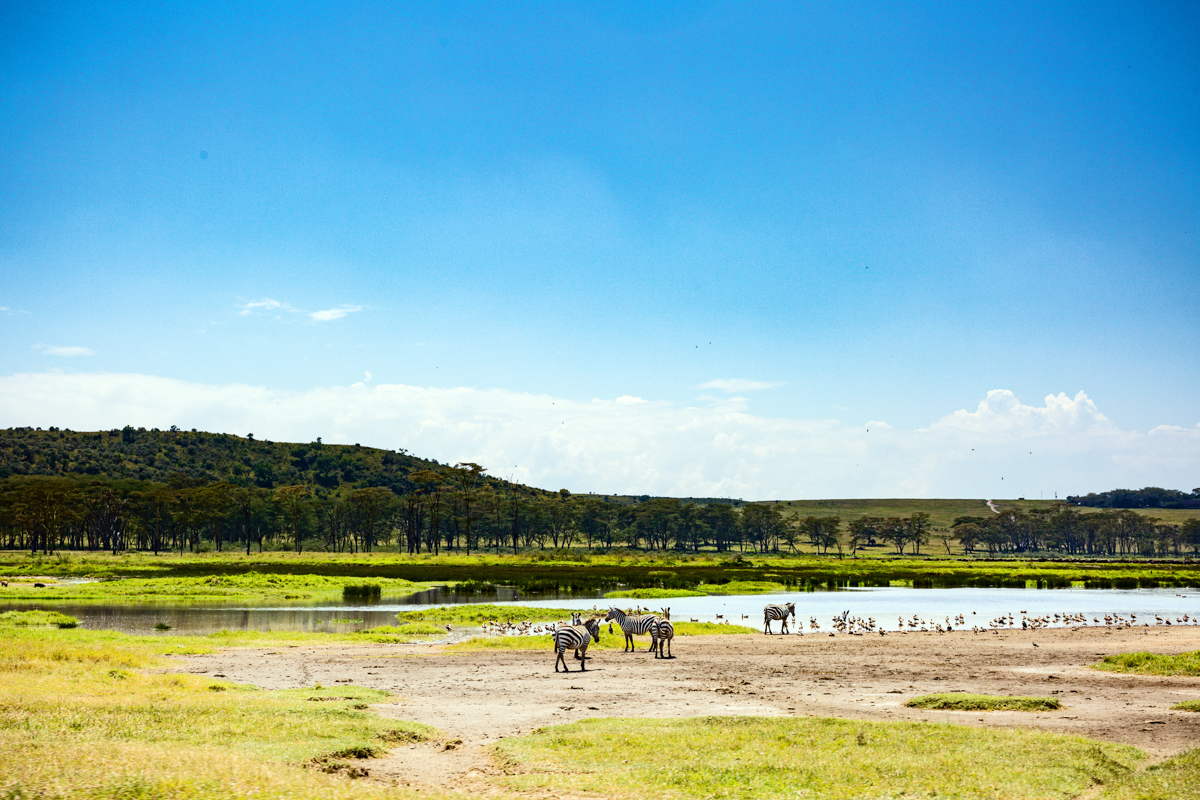
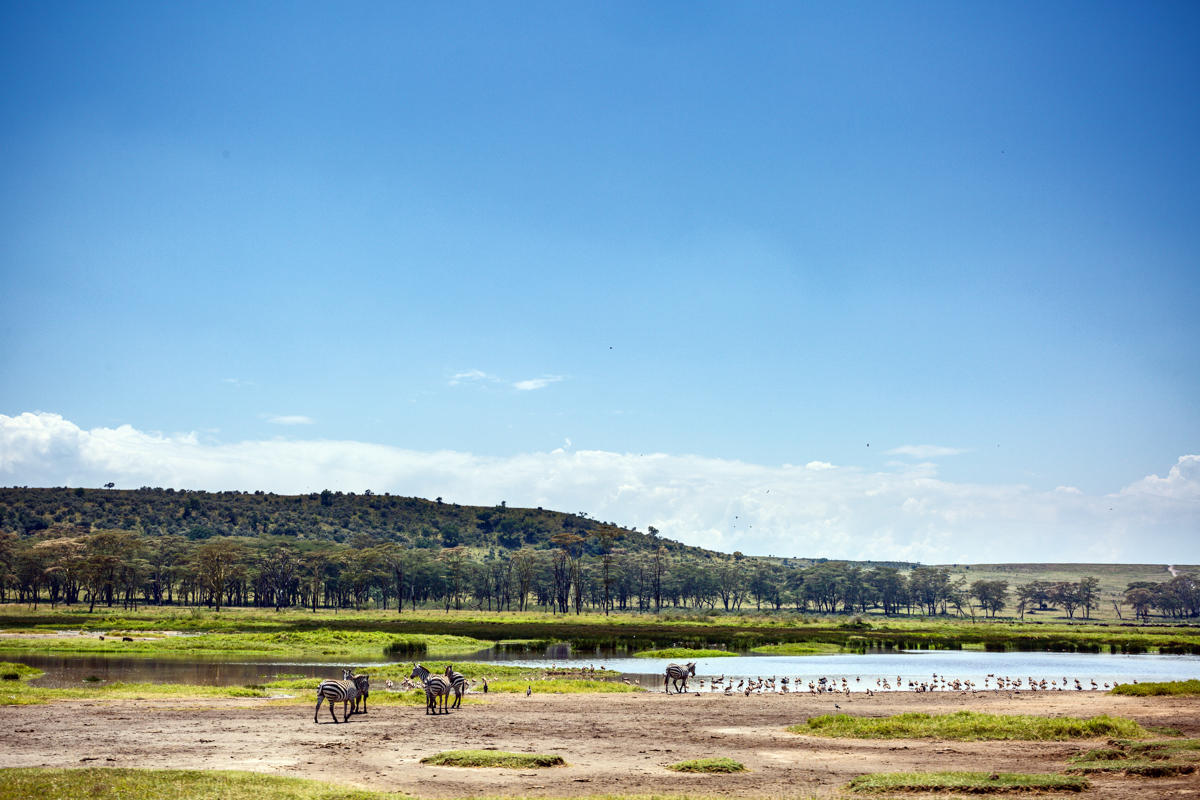
Lake Nakuru National Park is one of Kenya’s most important wildlife conservation areas, situated in Nakuru County within the Great Rift Valley. Internationally recognised for its flamingos, endangered rhinoceroses, diverse birdlife and distinctive alkaline lake, the park protects a landscape that extends far beyond the shoreline that made it famous.
It is a destination of considerable ecological, geographical and conservation importance. Its habitats include open grasslands, acacia woodlands, rocky hills, wetlands, seasonal watercourses and the alkaline waters of Lake Nakuru.
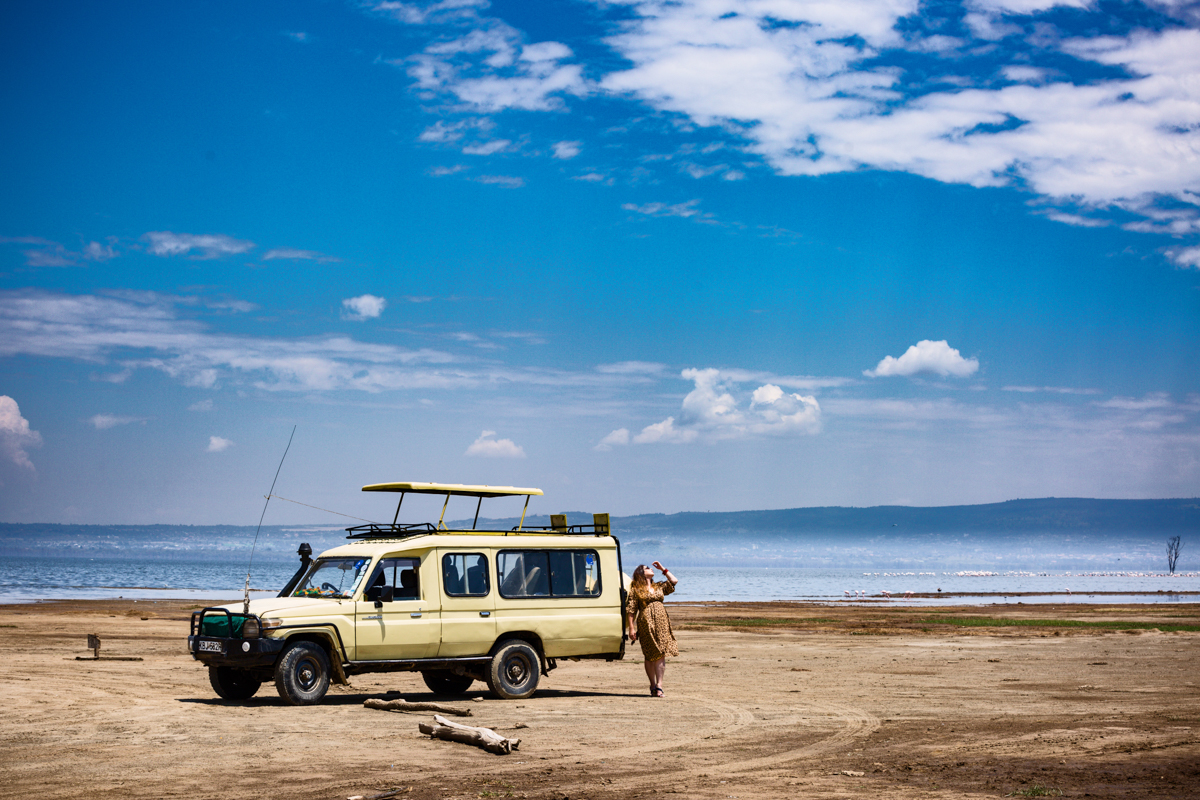
For visitors, the experience can involve wildlife viewing, birdwatching, landscape photography, scenic viewpoints, nature observation and exploring the surrounding Rift Valley environment.
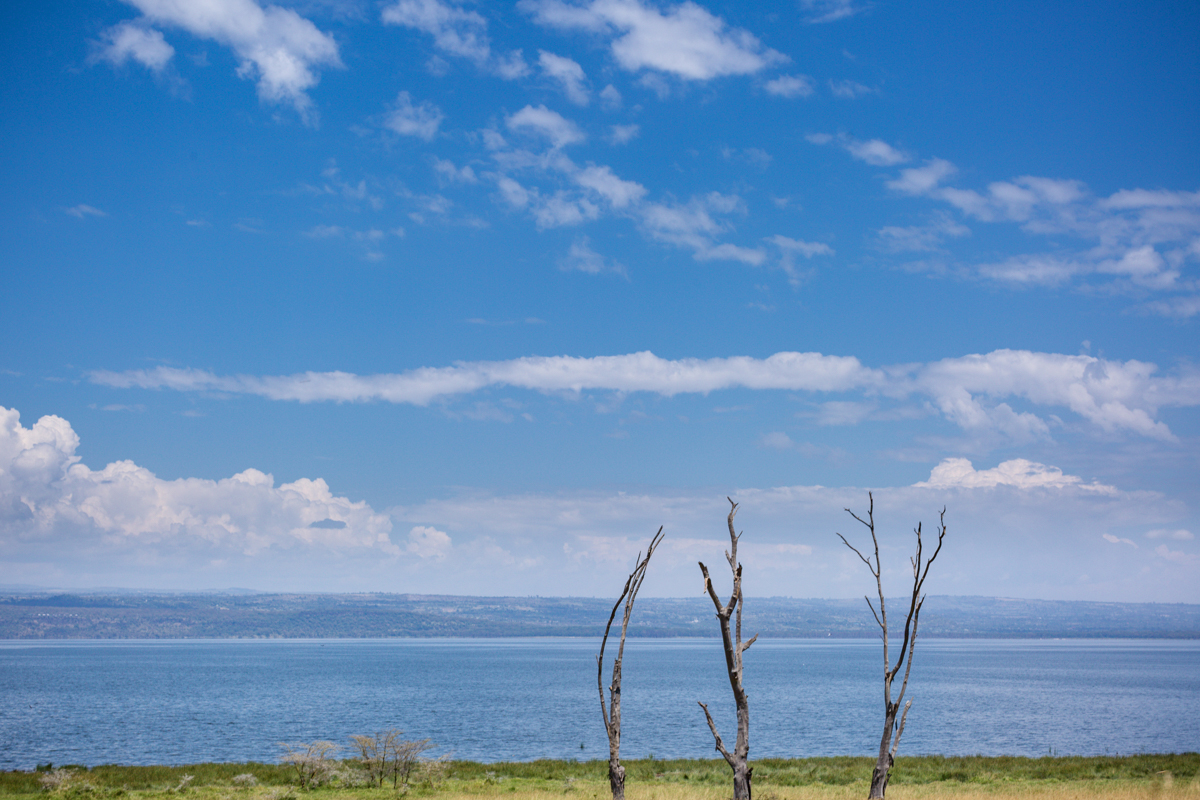
However, Lake Nakuru is not a destination that should be understood through its famous flamingo photographs alone. Its water levels change, its wildlife moves, its bird populations fluctuate and its surrounding catchment faces environmental pressures.
This guide examines Lake Nakuru National Park through its geography, history, ecology, wildlife, conservation, visitor experiences and relationship with Nakuru County. It also addresses common misconceptions to help visitors understand what they are actually travelling to see.
1. Where is Lake Nakuru National Park located?
Lake Nakuru National Park is located in Nakuru County, in Kenya’s Great Rift Valley region.
The park lies immediately south of Nakuru city, with the lake occupying the central part of the protected landscape.
It is approximately 156–160 kilometres north-west of Nairobi by the commonly used road corridor, although the actual distance depends on the starting point, entrance gate and route.
Lake Nakuru is situated at approximately 1,750 metres above sea level. The surrounding park landscape reaches higher elevations across its hills and escarpments.
Its geographical position makes it one of the more accessible wildlife destinations for visitors travelling from Nairobi towards western Kenya.
Lake Nakuru National Park facts
- Country: Kenya.
- County: Nakuru County.
- Region: Great Rift Valley.
- Nearest major urban centre: Nakuru city.
- Approximate park area: 188 square kilometres.
- Lake elevation: Approximately 1,750 metres above sea level.
- Lake type: Shallow alkaline soda lake.
- Initial conservation protection: 1961.
- National park gazettement: 1968.
- Ramsar designation: 1990.
- Management authority: Kenya Wildlife Service.
- Main conservation significance: Rhinoceros protection and internationally important wetland biodiversity.
- Main habitats: Lake, wetlands, grasslands, woodlands and rocky escarpments.
The lake and the national park are related but are not interchangeable geographical terms. Lake Nakuru is the water body, while Lake Nakuru National Park is the much larger protected area surrounding it.
2. Understanding the Great Rift Valley
Lake Nakuru lies within the eastern branch of the East African Rift System, a major geological feature extending through eastern Africa.
The Great Rift Valley is associated with tectonic activity, faulting, volcanic processes and the formation of elongated basins.
Over geological time, these processes have shaped the landscapes, escarpments, volcanic formations and lakes found across Kenya’s Rift Valley.
Lake Nakuru occupies one of these geological basins.
The surrounding landscape reflects this geological history through its escarpments, hills, volcanic deposits and varied terrain.
The wider Rift Valley includes several other important lakes, among them Elementaita, Naivasha, Bogoria, Baringo and Magadi. These lakes differ considerably in water chemistry, depth, hydrology and ecological characteristics.
Not every Rift Valley lake is a soda lake, and not every lake supports the same wildlife.
Lake Nakuru belongs to the group of shallow alkaline lakes found within Kenya’s Rift Valley.
3. The difference between Lake Nakuru and Lake Nakuru National Park
This distinction is important for anyone researching the destination.
Lake Nakuru is a natural lake situated within a closed drainage basin. The national park protects the lake and a much wider surrounding landscape.
The park is approximately 188 square kilometres in size. Its protected habitats include grasslands, woodland, hills, wetlands and the lake itself.
The lake is therefore only one component of the park’s ecological system.
Visitors who concentrate exclusively on the shoreline can miss much of the park’s biodiversity and geographical character.
The grasslands, wooded areas and rocky habitats support mammals and birds that are not dependent on the lake.
4. History of Lake Nakuru National Park
Lake Nakuru’s conservation history began before its establishment as a national park.
In 1961, the southern part of the lake was designated a bird sanctuary to protect its important populations of flamingos and other waterbirds.
In 1964, the protected area was extended to cover the entire lake and a surrounding strip of land.
In 1968, Lake Nakuru and its immediate surroundings were formally gazetted as a national park.
Further land acquisitions and expansion in 1974 increased the protected area to approximately 188 square kilometres.
The expansion was significant because it incorporated a wider range of habitats beyond the lake shoreline.
In 1986, an electric perimeter fence was installed as part of efforts to manage wildlife protection and human-wildlife conflict.
The park subsequently became an important government-managed rhinoceros sanctuary, supporting the protection of both black and white rhinoceroses.
In 1990, Lake Nakuru was designated a Ramsar site, recognising its international importance as a wetland.
In 2011, Lake Nakuru became part of the Kenya Lake System in the Great Rift Valley, a UNESCO World Heritage property that also includes Lake Elementaita and Lake Bogoria.
These designations reflect different aspects of the site’s importance. Ramsar recognition concerns wetland conservation, while UNESCO World Heritage recognition concerns the outstanding natural significance of the wider lake system.
5. Why is Lake Nakuru an alkaline lake?
Lake Nakuru is a shallow alkaline soda lake.
Unlike freshwater lakes, its water contains high concentrations of dissolved minerals and salts.
The lake has no natural surface outlet. Water enters through rivers, surface runoff and groundwater contributions, while evaporation removes water from the lake.
Because water leaves mainly through evaporation rather than flowing out through a river, dissolved minerals can accumulate.
This contributes to the lake’s alkaline chemistry.
Its ecological conditions are therefore different from those of freshwater lakes such as Lake Naivasha.
The alkaline environment restricts the range of organisms that can survive in the water. However, certain microorganisms are adapted to these conditions and form the foundation of the lake’s food web.
What does alkalinity mean for visitors?
It explains several characteristics of Lake Nakuru:
- The lake is not suitable for ordinary freshwater swimming.
- Its water chemistry supports specialised microorganisms.
- Flamingos use the lake as a feeding habitat when conditions are favourable.
- Changes in rainfall, evaporation and water inflows can alter its ecological conditions.
- The lake’s appearance and shoreline can change over time.
Visitors should not assume that water from the lake is safe for drinking or recreation.
6. Why is Lake Nakuru famous for flamingos?
Lake Nakuru became internationally famous for the enormous concentrations of flamingos that historically gathered along its shoreline.
Two flamingo species are associated with the lake:
- Lesser flamingo.
- Greater flamingo.
The lesser flamingo has historically been particularly numerous.
Its feeding ecology is closely associated with microscopic organisms found in alkaline lakes, particularly the cyanobacterium Arthrospira fusiformis.
This microorganism, commonly referred to as spirulina, can form an important part of the lesser flamingo’s diet.
The greater flamingo has a broader feeding strategy and can consume a wider variety of aquatic organisms.
Why do flamingos gather at Lake Nakuru?
The lake’s alkaline chemistry can support the growth of suitable food organisms.
When feeding conditions are favourable, flamingos can congregate in large numbers.
However, these conditions are not permanent.
Flamingos move between different Rift Valley lakes according to feeding opportunities, water conditions and other ecological factors.
Lake Nakuru is therefore part of a wider network of wetland habitats used by these birds.
Is Lake Nakuru still a pink lake?
The expression pink lake describes the spectacular appearance created when large flamingo concentrations gather along the shoreline.
It is a popular description, not a permanent physical characteristic of the water.
Lake Nakuru is not guaranteed to appear pink during every visit.
The number of flamingos present can vary considerably between seasons and years.
Visitors should understand that a photograph showing hundreds of thousands of flamingos may represent a particular ecological period rather than conditions that exist throughout the year.
Why have flamingo numbers changed?
Rising water levels have been one of the major ecological changes affecting Lake Nakuru and other Rift Valley lakes.
Since around 2010, changing rainfall patterns and increased water levels have affected the chemistry of several lakes.
At Lake Nakuru, increased water volume has diluted the salinity and alkalinity associated with the growth of important flamingo food sources.
When suitable food becomes less abundant, flamingos may move to other lakes.
A Kenya Wildlife Service report published in 2026 describes a substantial decline in the number of lesser flamingos counted at Lake Nakuru compared with historical concentrations.
This does not mean the species has disappeared from the region. It demonstrates how wildlife distribution can respond to changing environmental conditions.
The important lesson is that flamingo numbers are ecological indicators, not a permanent tourist attraction that can be guaranteed.
7. Wildlife in Lake Nakuru National Park
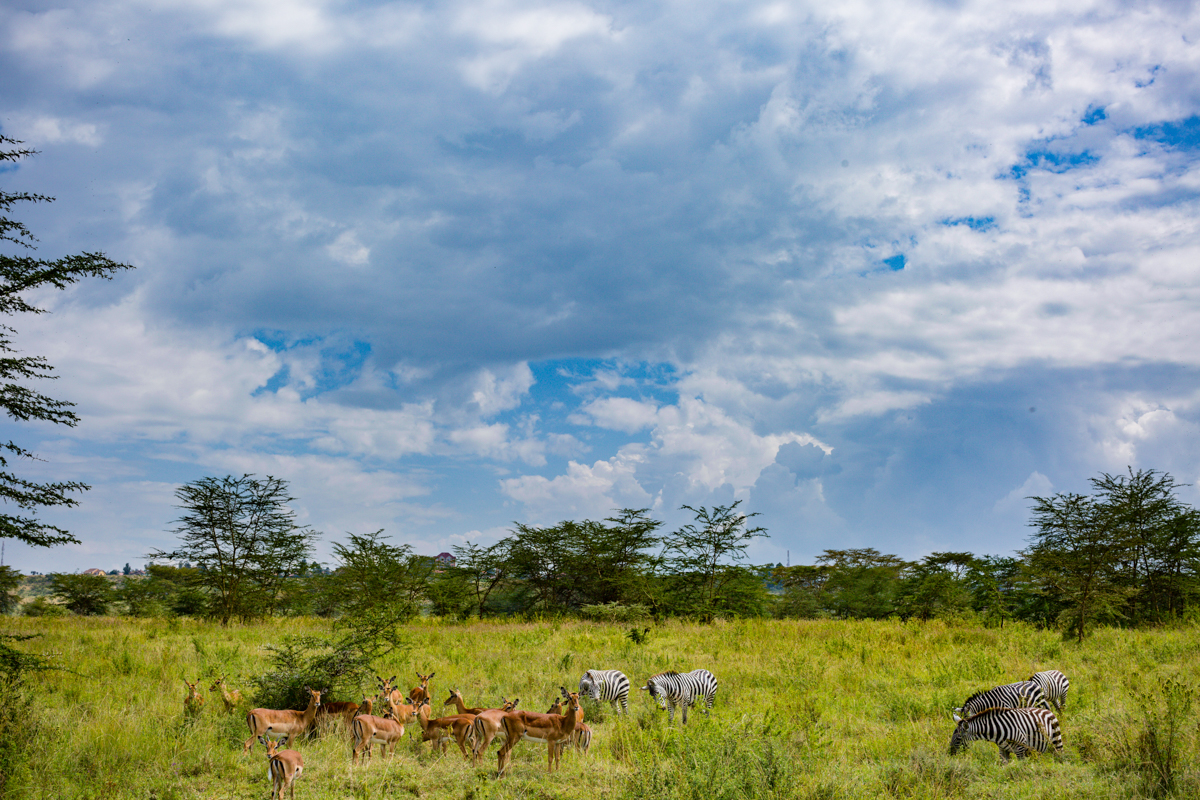
Lake Nakuru National Park supports a variety of mammals and other wildlife across its different habitats.
Although the park is not as extensive as some of Kenya’s larger savannah ecosystems, its diversity of habitats makes it an important wildlife destination.
Rhinoceroses
One of Lake Nakuru’s most important conservation responsibilities is the protection of rhinoceroses.
Both black and white rhinoceroses occur in the park.
The black rhinoceros is a browser, feeding primarily on leaves, shoots, shrubs and other woody vegetation.
The white rhinoceros is predominantly a grazer, feeding mainly on grasses.
The two species therefore occupy somewhat different feeding niches.
Lake Nakuru’s rhinoceros sanctuary plays an important role in Kenya’s broader efforts to protect these threatened animals.
Rhinoceros sightings are not guaranteed. They depend on the animals’ movements, vegetation, time of day and location.
Lions
African lions occur in Lake Nakuru National Park.
They are predators that occupy different habitats, including grasslands and woodland edges.
Lions may be encountered resting, feeding, moving through the grass or sheltering in shaded areas.
Their behaviour and visibility vary considerably.
Leopards
Leopards are present in the park but are generally more difficult to observe than many other mammals.
They are solitary and elusive predators, often using woodland, rocky areas and dense vegetation for shelter.
A leopard sighting should be considered fortunate rather than expected.
African buffaloes
African buffaloes occur in the park and can be encountered in grasslands and other suitable habitats.
They are powerful wild animals and should always be observed from a safe distance.
Rothschild’s giraffes
Rothschild’s giraffes are among the park’s notable conservation attractions.
They can be observed browsing on trees and shrubs in suitable habitats.
Their distinctive coat patterns and comparatively pale lower legs distinguish them from some other giraffe populations.
Other mammals
Other wildlife recorded in the park includes:
- Burchell’s zebras.
- Waterbucks.
- Elands.
- Warthogs.
- Baboons.
- Vervet monkeys.
- Hyenas.
- Hippos.
- Various smaller mammals.
Species distribution and visibility depend on habitat conditions and the time of observation.
Does Lake Nakuru have the Big Five?
No. Lake Nakuru has four of the traditional African Big Five:
- Lion.
- Leopard.
- African buffalo.
- Rhinoceros.
It does not have a resident elephant population.
The Big Five is a historical hunting term, not a scientific classification of Africa’s five most important animals.
Visitors should be cautious of travel descriptions that imply that all five occur in Lake Nakuru National Park.
8. Birdwatching in Lake Nakuru National Park
Lake Nakuru is internationally recognised for its birdlife.
Historical bird inventories have documented more than 450 species in the park and its associated habitats.
This figure represents a cumulative record, not the number of birds a visitor should expect to encounter on one day.
The park’s habitats include alkaline water, wetlands, grasslands and woodlands. Each provides different feeding, nesting and resting opportunities.
Important bird groups
Flamingos
Both lesser and greater flamingos occur in the lake environment.
Pelicans
Great white pelicans are among the conspicuous waterbirds associated with the lake.
Herons and egrets
These birds use shallow water and wetland habitats to search for fish and other aquatic prey.
Cormorants
Cormorants are fish-eating birds frequently associated with aquatic habitats.
Raptors
The wider park landscape supports birds of prey, including eagles and other raptors.
Woodland and grassland birds
The surrounding habitats support a wide range of species that are not restricted to the lake.
Is Lake Nakuru good for birdwatching?
Yes. It is an important birdwatching destination because of its variety of habitats and documented bird diversity.
However, birdwatching requires patience and observation.
The species visible on a particular visit will depend on weather, season, habitat conditions and migratory movements.
Visitors interested in serious bird identification should carry binoculars and, where possible, a reliable regional bird guide.
9. The landscape and habitats of Lake Nakuru
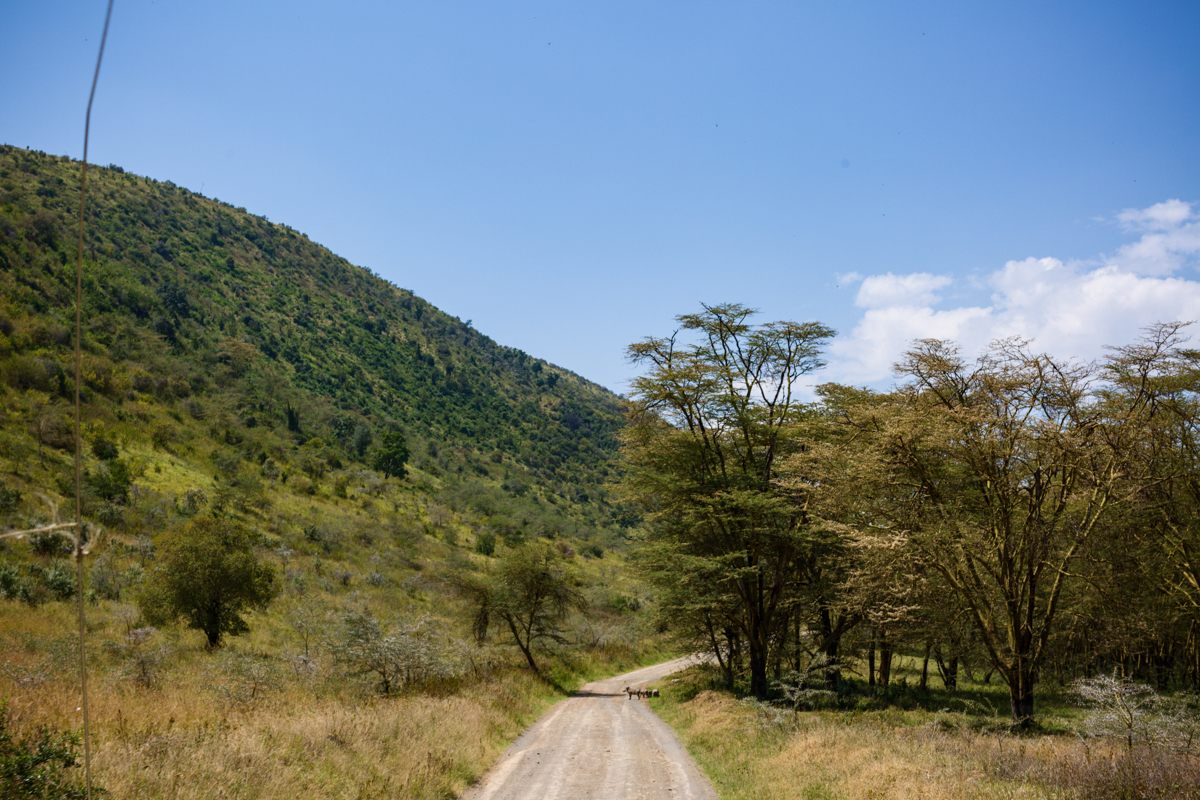
One of the most overlooked aspects of Lake Nakuru is the diversity of its landscape.
The park is not simply a lake surrounded by wildlife.
Its different habitats contribute to its ecological importance.
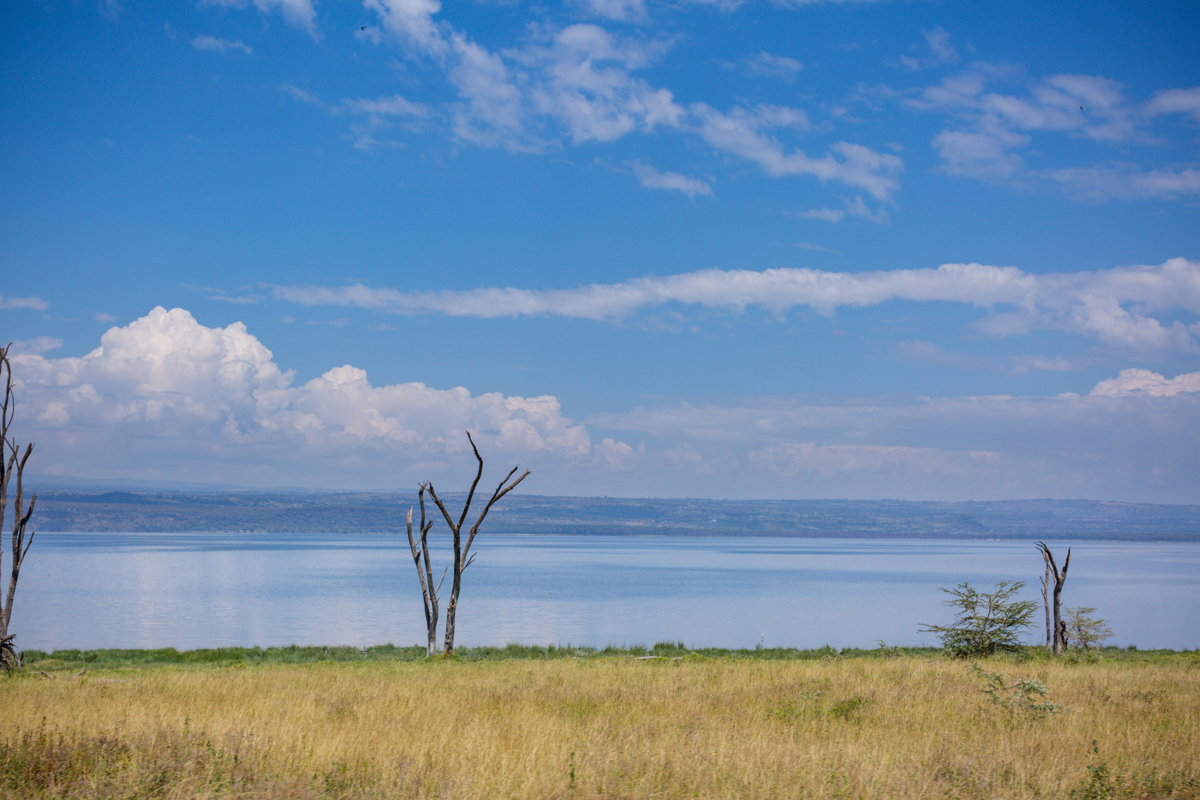
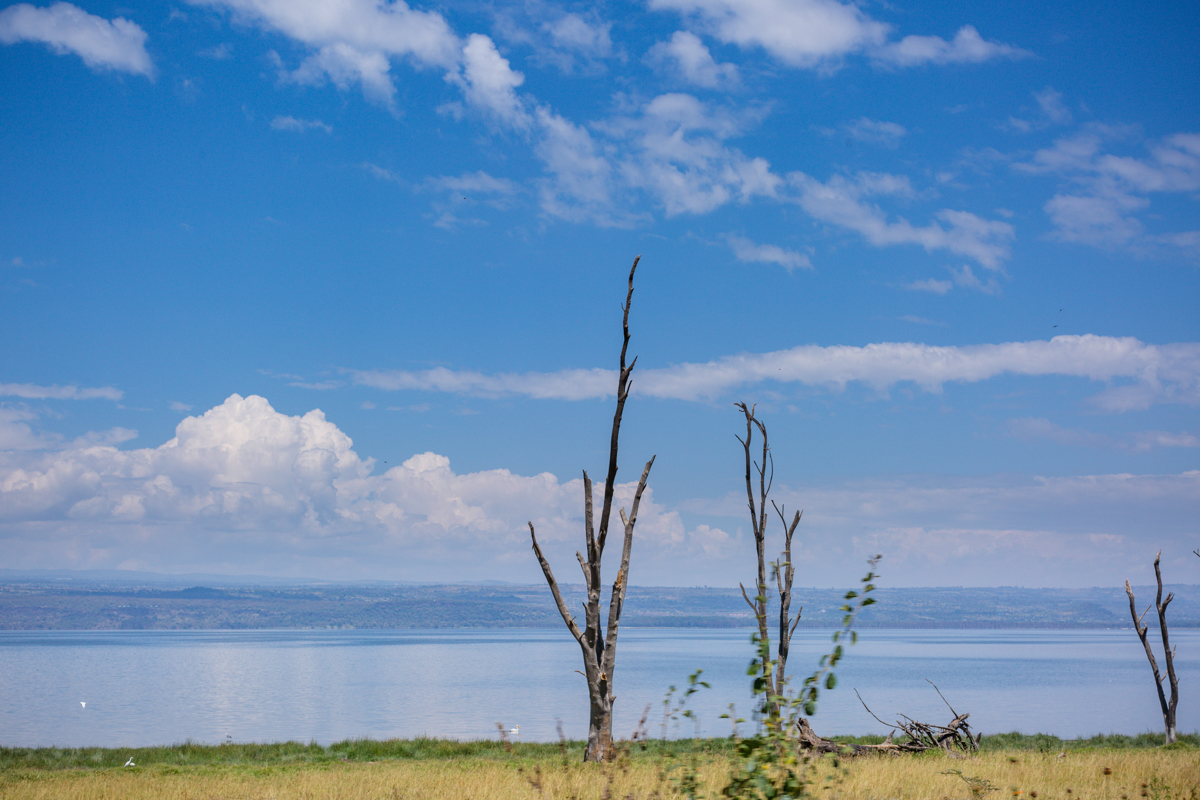
The alkaline shoreline
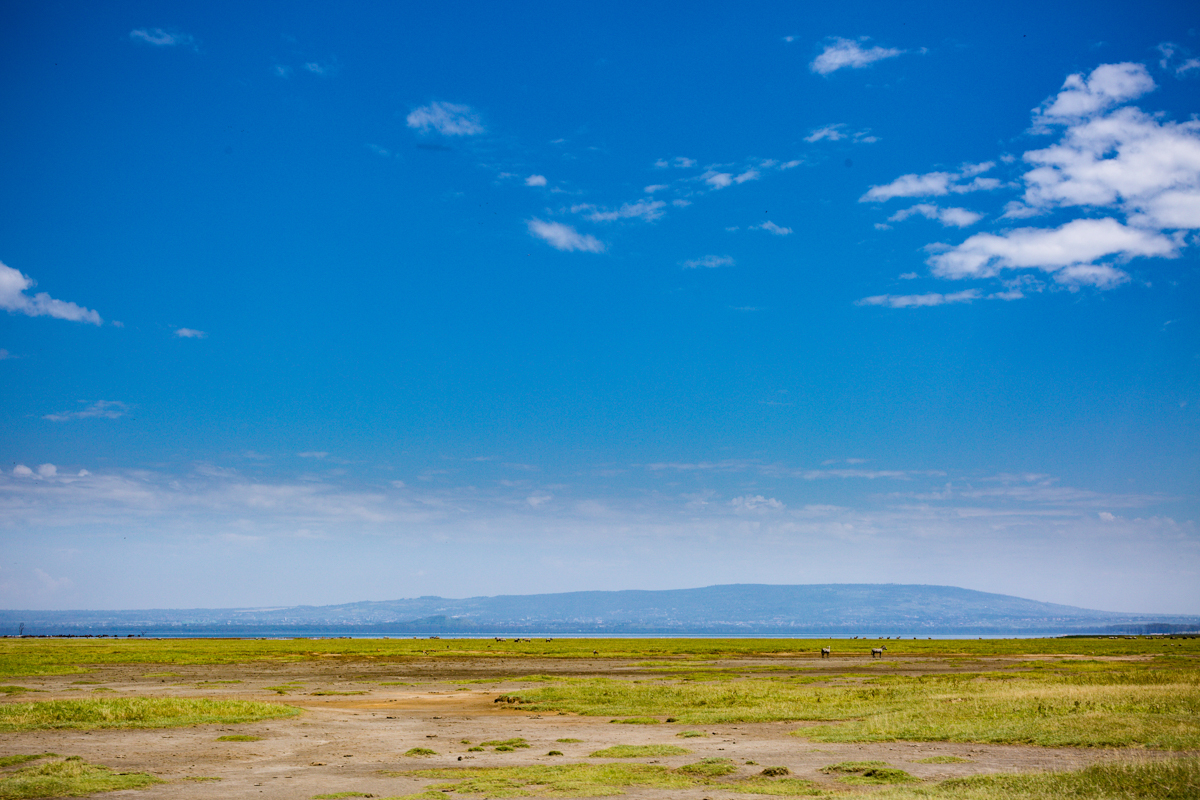
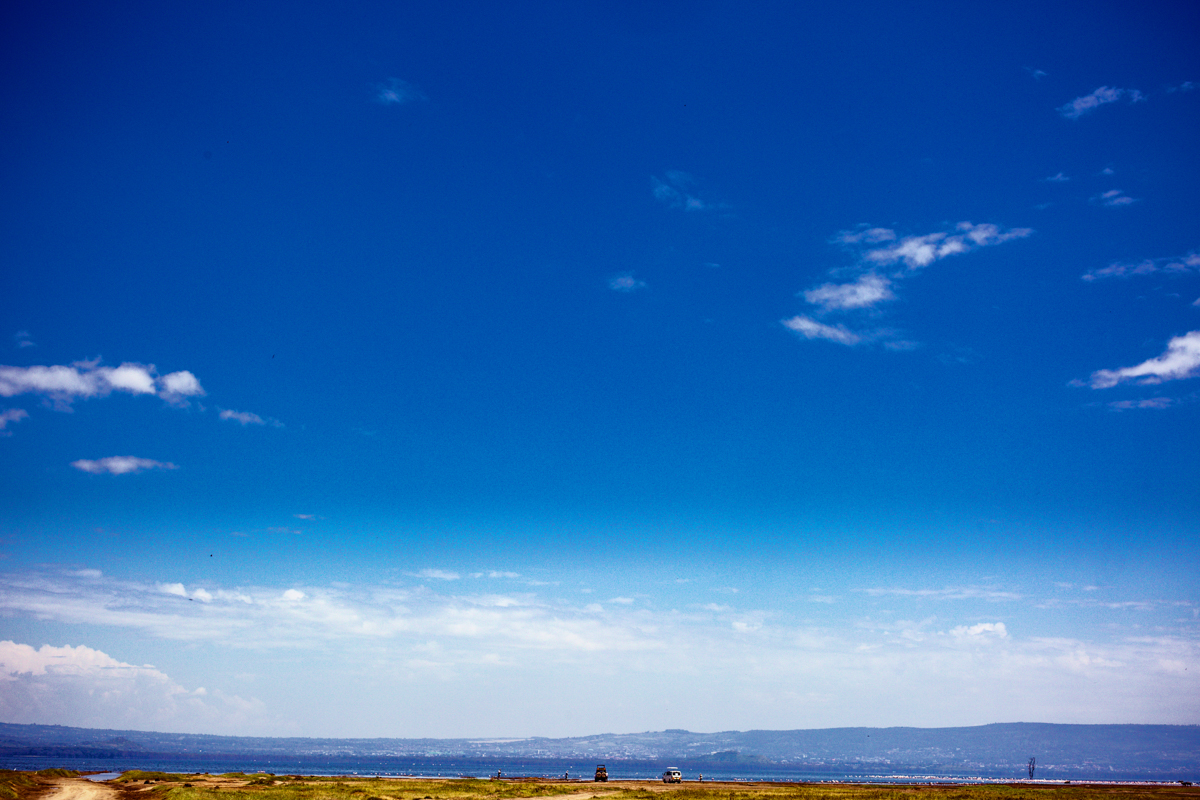
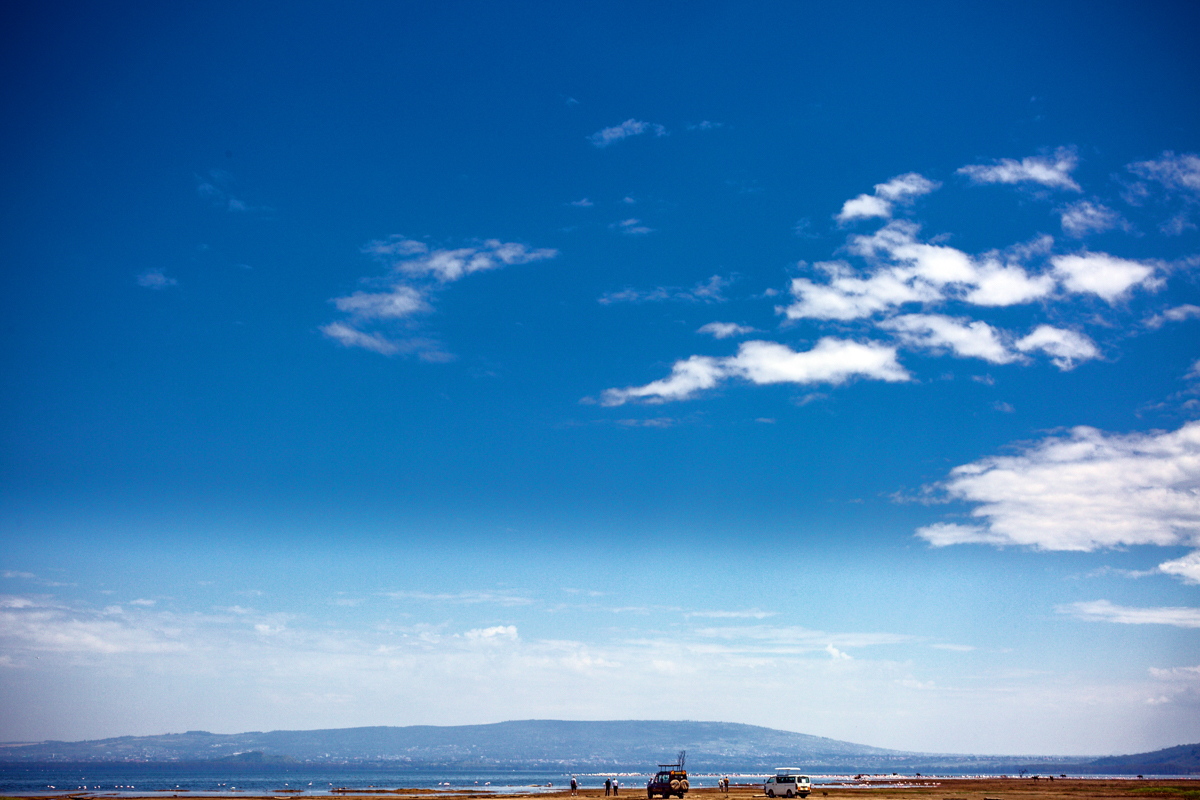
The lake’s shoreline is influenced by changing water levels, exposed mudflats and wetland vegetation.
The appearance of the shoreline can change significantly depending on the amount of water in the lake.
Grasslands
Open grasslands support grazing mammals, including zebras, buffaloes and other herbivores.
These areas also provide opportunities for observing wildlife against the backdrop of the Rift Valley landscape.
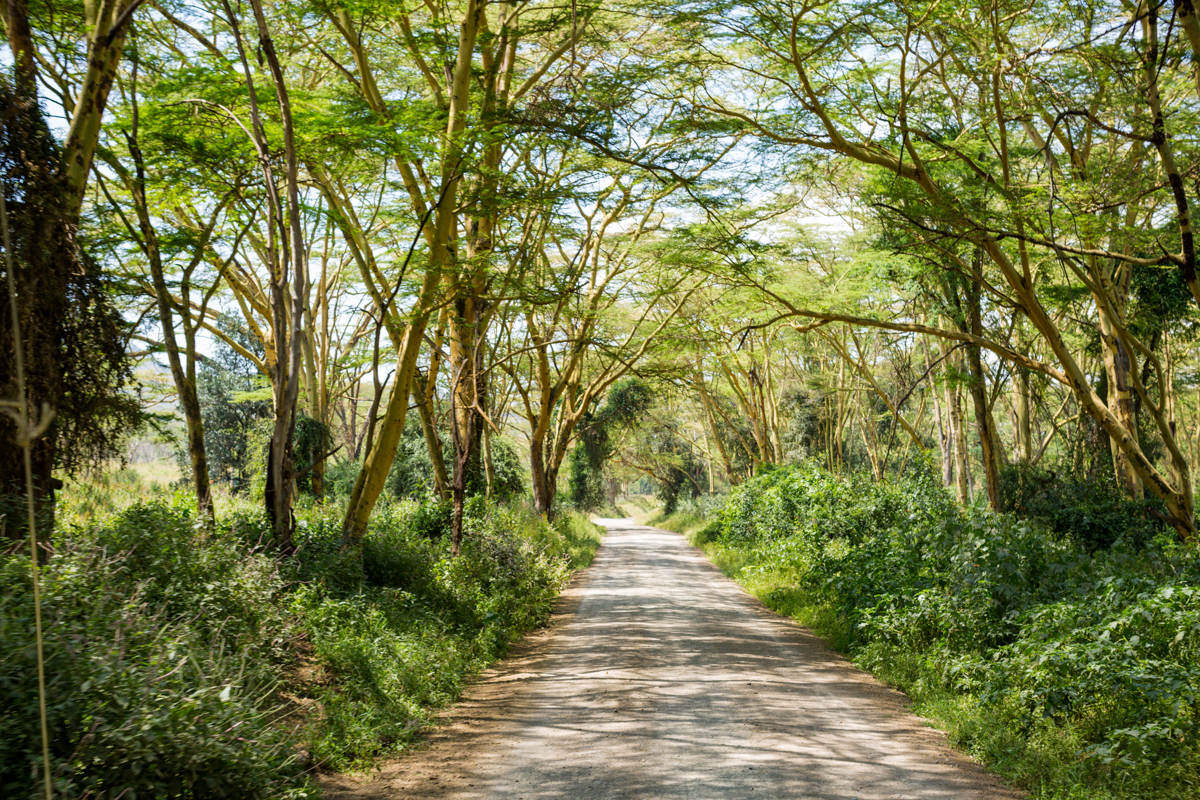
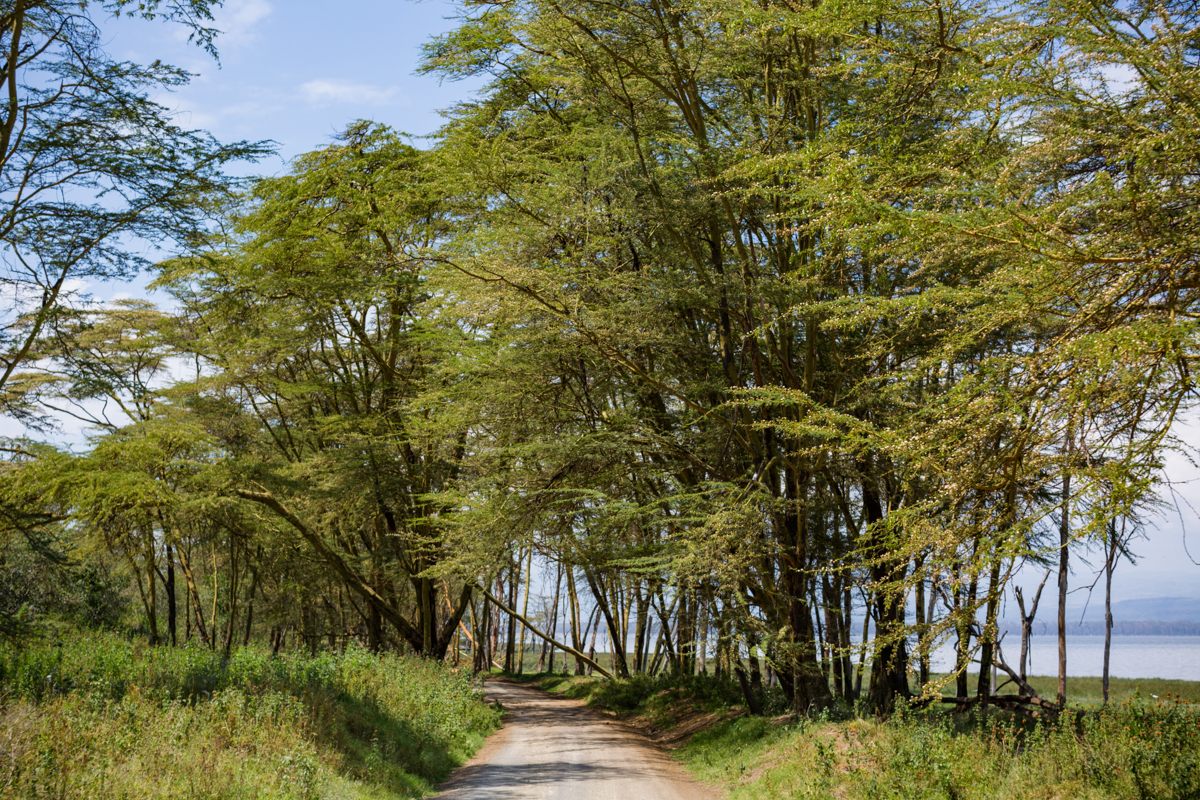
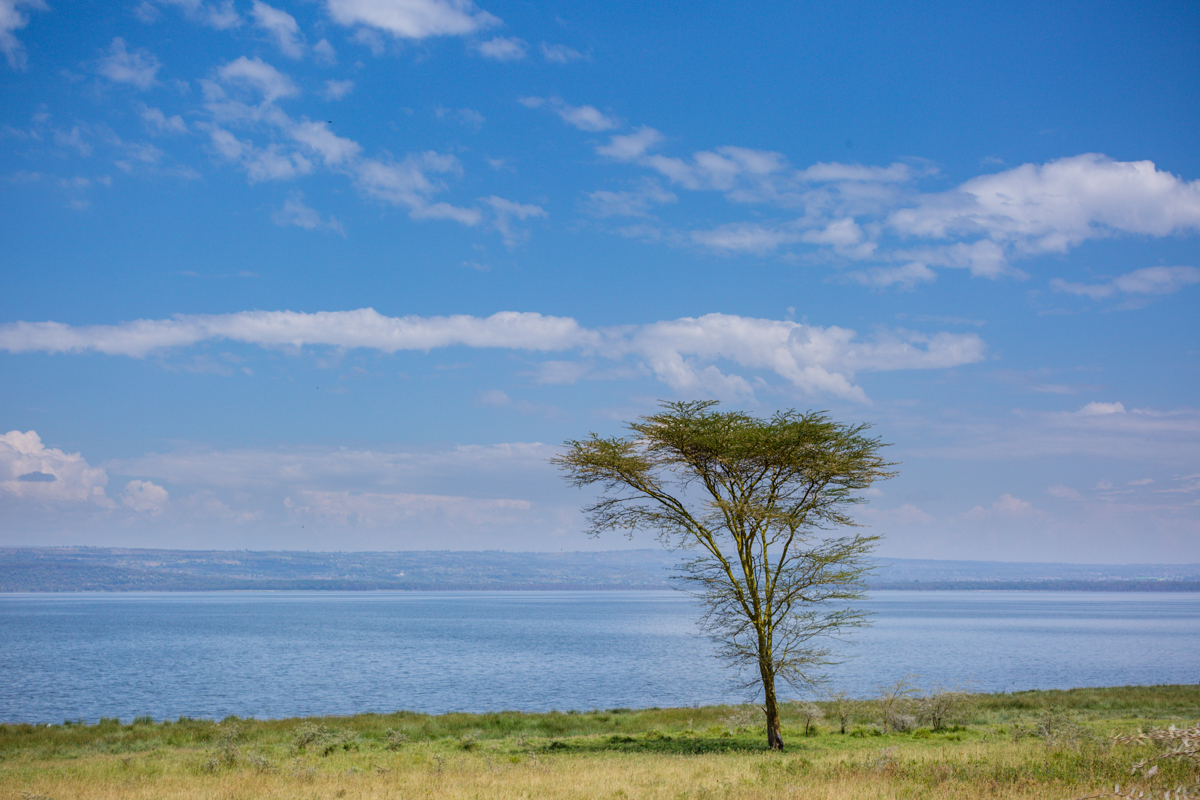
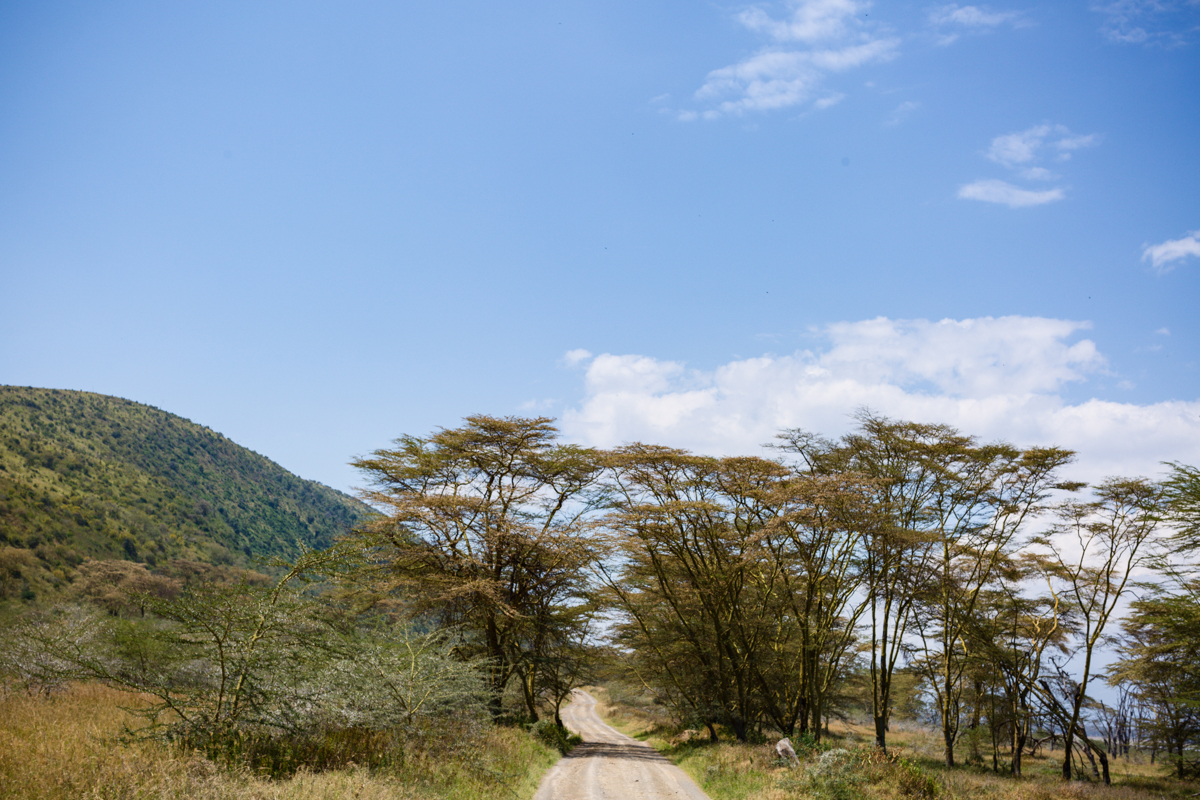
Acacia woodlands
Woodlands provide shelter, browsing opportunities and habitats for different bird species.
They are also important for wildlife that avoids exposed grassland areas.
Rocky hills and escarpments
Rocky terrain contributes to the park’s distinctive scenery and provides habitats for specialised plants and animals.
Wetlands and seasonal watercourses
Wetlands support aquatic and semi-aquatic wildlife, while seasonal rivers and streams contribute water to the lake.
The Makalia, Nderit, Naishi, Njoro and Larmudiac river systems are among the watercourses associated with the wider lake basin.
10. What to see and do in Lake Nakuru National Park
Lake Nakuru offers several visitor experiences.
The activities available at a particular time depend on park regulations, access restrictions and operational conditions.
Game drives
Game drives are among the principal ways of exploring the park.
They allow visitors to observe wildlife across grasslands, woodlands, wetlands and the lake environment.
A knowledgeable guide can help identify species, interpret animal behaviour and explain the park’s ecology.
Early morning and late afternoon are often productive periods for wildlife observation because temperatures are generally cooler and many animals are active.
However, wildlife activity varies and sightings cannot be guaranteed.
Birdwatching
Birdwatching can be undertaken across the lake shoreline, wetlands, grasslands and woodland habitats.
Different environments support different species.
Visitors should allow sufficient time to observe birds rather than treating the experience as a quick stop at the lake.
Landscape photography
The park has a variety of photographic subjects, including:
- Lake panoramas.
- Rift Valley escarpments.
- Rocky outcrops.
- Grasslands.
- Acacia woodland.
- Wetland habitats.
- Wildlife in natural surroundings.
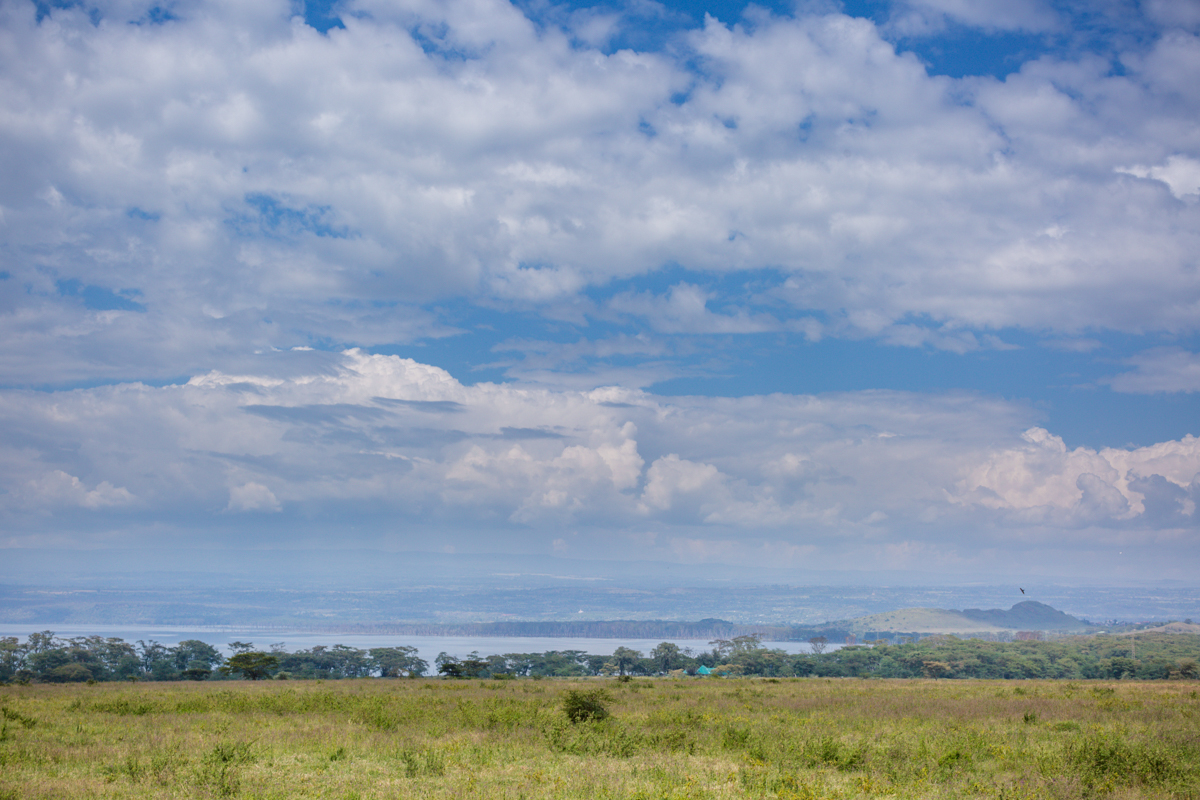
- Changing cloud formations and atmospheric light.
Landscape photography is not dependent on flamingos being present.
Wildlife photography
Rhinoceroses, giraffes, buffaloes, zebras, birds and other wildlife provide photographic opportunities.
Responsible wildlife photography requires patience, respect for animal behaviour and compliance with park regulations.
Photographers should not pressure drivers to approach animals dangerously or leave authorised roads to obtain photographs.
Scenic viewpoints
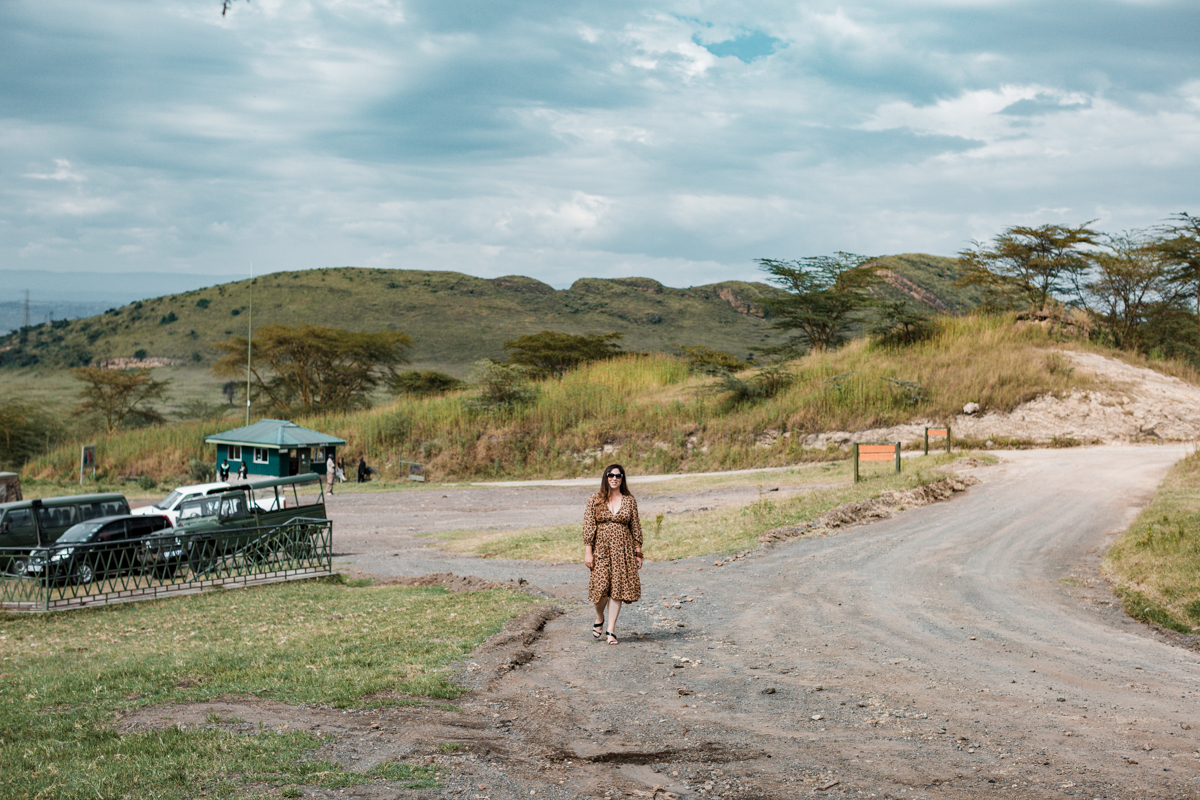
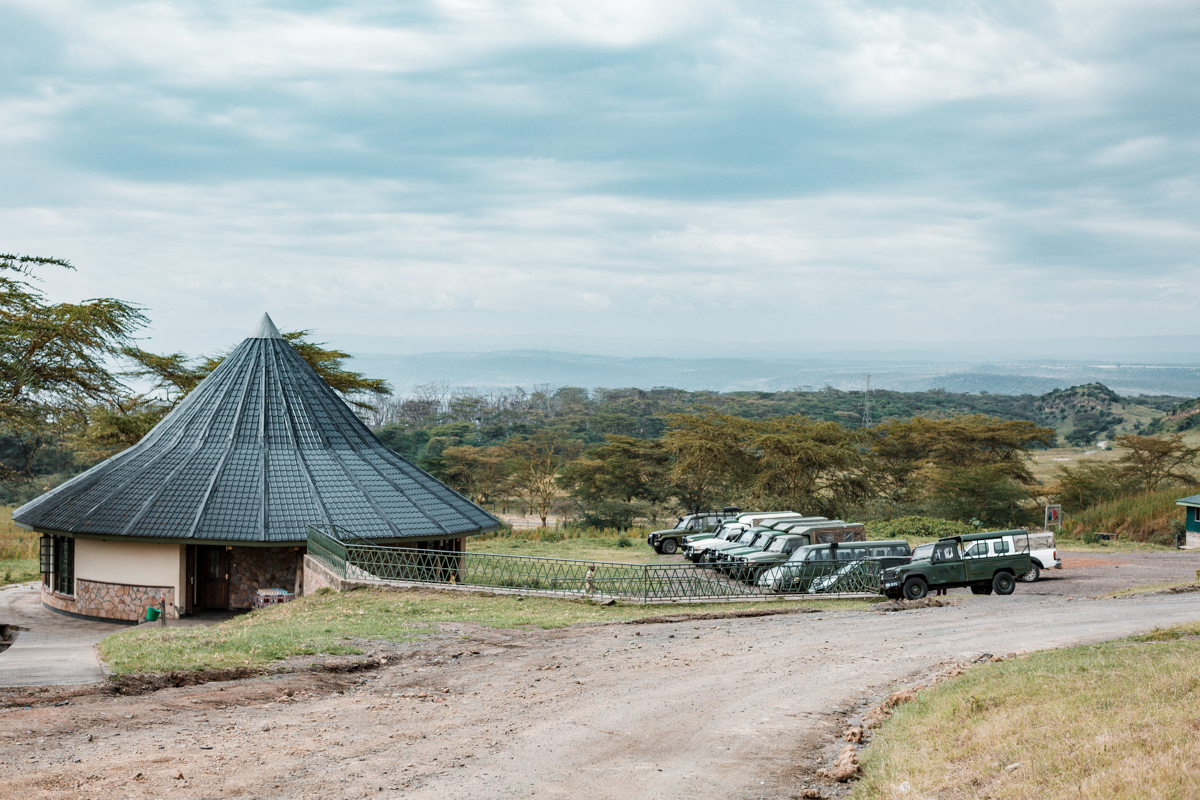
Lake Nakuru has established scenic viewpoints and picnic areas.
Baboon Cliff is among the well-known viewpoints associated with the park.
These locations offer opportunities to appreciate the scale of the lake and the surrounding landscape.
Visitors should remain within designated areas and follow instructions from park personnel.
Makalia Waterfalls
Makalia Waterfalls is another recognised natural attraction within the park.
The waterfall is associated with the Makalia River system.
Its appearance and water flow depend on rainfall and seasonal conditions.
Visitors should not assume that it will have the same volume of water throughout the year.
Access should be confirmed with park management, particularly after heavy rainfall.
11. Hiking and walking around Lake Nakuru National Park
Lake Nakuru is primarily managed as a wildlife conservation area. It should not be confused with an unrestricted hiking destination where visitors can walk anywhere.
This distinction is particularly important for hikers.
The presence of lions, leopards, buffaloes, rhinoceroses and other potentially dangerous wildlife means that walking independently through the park can be unsafe and may violate park regulations.
Can you hike in Lake Nakuru National Park?
Visitors should distinguish between:
- Walking at designated visitor areas.
- Exploring authorised nature trails.
- Visiting designated viewpoints.
- Undertaking guided nature activities where permitted.
- Walking independently through wildlife habitats.
Not every part of the park is open to pedestrian access.
The Kenya Wildlife Service requires visitors to remain in vehicles except in designated areas and to stay on authorised roads and trails.
Hiking arrangements should therefore be confirmed directly with Kenya Wildlife Service before travelling.
Do not assume that a walking route is permitted simply because it appears on a map or online travel article.
What should hikers consider?
Anyone planning an authorised walking or nature activity should consider:
- Whether the activity is officially permitted.
- Whether a ranger or authorised guide is required.
- The terrain and elevation.
- Weather conditions.
- The presence of dangerous wildlife.
- The availability of drinking water.
- The duration and difficulty of the activity.
- Emergency and communication arrangements.
Is Lake Nakuru suitable for mountain hiking?
Lake Nakuru National Park is not primarily a mountain hiking destination.
It is better understood as a wildlife and wetland landscape with hills, viewpoints and varied terrain.
Visitors whose main objective is a dedicated mountain hike should research appropriate routes and destinations separately rather than assume that every scenic hill inside the park is an accessible hiking trail.
12. Best time to visit Lake Nakuru National Park
Lake Nakuru can be visited throughout the year.
However, different seasons provide different experiences.
Kenya generally experiences two principal rainfall periods:
- Long rains, commonly occurring between March and May.
- Short rains, commonly occurring around October and December.
These are broad seasonal patterns, not fixed guarantees. Rainfall timing and intensity vary from year to year.
Dry periods
Drier conditions can improve visibility in grasslands because vegetation may be shorter.
Some wildlife may also be easier to observe around suitable water sources.
However, dry weather does not guarantee sightings.
Rainy periods
Rainy conditions can produce greener landscapes, fresh vegetation and dramatic skies.
They can also affect road conditions and visibility.
Birdlife may be particularly rewarding during periods when migratory species are present.
When should you visit to see flamingos?
There is no dependable month that guarantees large flamingo concentrations at Lake Nakuru.
Their presence depends on food availability, water chemistry, water levels and movements between Rift Valley lakes.
Visitors travelling specifically to photograph flamingos should obtain recent information from Kenya Wildlife Service before booking.
When should photographers visit?
Photographers should consider the type of images they want to make.
- Wildlife photography: Plan around animal activity, visibility and weather.
- Bird photography: Consider bird distribution and migratory seasons.
- Landscape photography: Consider cloud formations, atmospheric conditions and light.
- Environmental storytelling: Visit with enough time to document the different habitats and ecological conditions.
The most important consideration is flexibility.
13. Climate and weather at Lake Nakuru
Lake Nakuru lies at a relatively high elevation compared with many other Kenyan wildlife destinations.
Its climate is generally moderate, although conditions change throughout the day and between seasons.
Daytime temperatures can be warm, while early mornings and evenings can be cool.
Rainfall influences vegetation, road conditions and the appearance of the surrounding landscape.
Visitors should not assume that equatorial location means constant high temperatures.
What should visitors wear?
Practical clothing includes:
- Comfortable outdoor clothing.
- A light jacket or fleece for early mornings.
- Closed shoes suitable for outdoor activities.
- A hat.
- Sunglasses.
- Sunscreen.
- A waterproof jacket during rainy periods.
Neutral-coloured clothing is generally practical for wildlife observation.
14. How to get to Lake Nakuru National Park
Lake Nakuru National Park is accessible by road and air.
Travelling by road from Nairobi
The park is approximately 156–160 kilometres from Nairobi using the main Nairobi–Nakuru highway corridor.
The route passes through the Rift Valley landscape and offers views of the escarpment and surrounding countryside.
Travel time depends on traffic, roadworks, weather and the selected entrance gate.
Visitors should allow additional time for stops and congestion, particularly when travelling during busy holiday periods.
Travelling from Nakuru city
The park is immediately south of Nakuru city.
The main gate is approximately 4 kilometres from the city centre according to Kenya Wildlife Service information.
Other access points include Lanet Gate and Nderit Gate.
Visitors should confirm which gate is most appropriate for their route and destination within the park.
Travelling by air
Naishi Airstrip serves the park.
Air access may be useful for visitors connecting from other safari destinations or travelling on chartered flights.
Flight availability, aircraft arrangements and landing permissions should be confirmed with the relevant operators and Kenya Wildlife Service.
Which entrance gate should you use?
Lake Nakuru has several access points.
The Main Gate is close to Nakuru city.
Lanet Gate provides access from the Nairobi–Nakuru highway corridor and is recommended by Kenya Wildlife Service for visitors coming from Nairobi who wish to avoid traffic through Nakuru’s central business district.
Nderit Gate provides another access point, subject to the visitor’s route and current operating arrangements.
Do not assume that every gate has identical operating arrangements or that every gate is appropriate for every itinerary.
15. Park entry, fees and opening hours
Lake Nakuru National Park is managed by Kenya Wildlife Service.
Visitors must pay the applicable park entry fees and comply with the current admission conditions.
Entry categories generally distinguish between East African citizens, Kenyan residents, African citizens and international non-residents.
Fees can change, and the applicable category depends on the visitor’s legal status and supporting documentation.
The Kenya Wildlife Service website provides the official entry information and payment arrangements.
The current KWS park information lists ordinary visitor gate hours as:
- Opening: 6:00 a.m.
- Closing: 6:00 p.m.
Overnight visitors are subject to separate arrangements.
Always check the current rules before travelling.
Do not rely on old travel blogs or screenshots of historical park tariffs when calculating your safari budget.
16. Accommodation in and around Lake Nakuru
Visitors can choose from accommodation within the park and establishments in the surrounding area.
Accommodation options listed by Kenya Wildlife Service include:
- Sarova Lion Hill Game Lodge.
- Lake Nakuru Lodge.
- Lake Nakuru Sopa Lodge.
- The Cliff.
- Flamingo Hill Camp.
- KWS accommodation facilities.
- Designated campsites.
Availability, pricing, booking conditions and services vary.
Visitors should confirm accommodation directly with the relevant establishment.
Camping
Lake Nakuru has designated camping facilities.
KWS lists Makalia as a public campsite and several special campsites.
Camping should only take place in authorised locations and according to park regulations.
Visitors should not assume that camping is permitted anywhere within the park.
17. Safety guidelines for visitors
Lake Nakuru is a wildlife habitat, not a controlled zoo.
The animals are wild and can behave unpredictably.
Visitors must follow Kenya Wildlife Service instructions.
Important precautions include:
- Remain inside your vehicle except in designated areas.
- Never approach wildlife on foot.
- Do not feed animals.
- Do not make loud noises to attract wildlife.
- Do not attempt to touch or photograph animals at dangerously close range.
- Keep vehicle doors closed.
- Do not drive off authorised roads.
- Observe speed limits.
- Avoid blocking animal movement.
- Do not litter.
- Follow ranger instructions.
- Respect designated camping and picnic areas.
KWS specifies a maximum speed limit of 40 kilometres per hour.
The park is also a single-use-plastic-free zone.
Visitors should plan accordingly and avoid bringing prohibited single-use plastic items.
Are baboons dangerous?
Baboons are wild animals and should not be treated as harmless entertainment.
They may approach vehicles and picnic areas, particularly where food is accessible.
Do not feed them, attempt to touch them or leave food unattended.
Are buffaloes dangerous?
Yes. African buffaloes are powerful wild animals and can be unpredictable.
Visitors should never approach them on foot or attempt to get closer for photographs.
Is it safe to hike alone?
Walking independently through wildlife areas is not recommended.
Use only authorised walking areas and follow park management instructions.
18. Conservation challenges facing Lake Nakuru
Understanding Lake Nakuru requires an honest examination of the environmental pressures affecting it.
The park’s ecological condition is influenced by processes occurring both inside and outside its boundaries.
Rising lake levels
Changing rainfall patterns and increased water inflows have contributed to rising water levels in several Rift Valley lakes.
At Lake Nakuru, this has affected the shoreline and altered conditions that influence aquatic food organisms.
Catchment degradation
The lake receives water from a wider catchment that includes agricultural and settled areas.
Changes in land use, soil erosion and degradation of natural vegetation can influence the quantity and quality of water entering the lake.
Pollution and wastewater
The lake’s closed-basin nature means that materials entering through its rivers and drainage systems can accumulate.
Wastewater management, stormwater runoff and pollution control are therefore important environmental considerations.
Habitat pressure
The wider landscape around Lake Nakuru has experienced human settlement and development.
The management of the park and its surrounding catchment is important for reducing pressures on wildlife and wetland ecosystems.
Wildlife protection
Rhinoceros conservation requires continued investment in monitoring, habitat protection, anti-poaching measures and effective wildlife management.
Conservation is not achieved simply by declaring an area protected. It requires sustained work.
19. Lake Nakuru’s relationship with Nakuru County
Lake Nakuru National Park is located within Nakuru County, but the county is considerably larger than the park.
Nakuru County is an important geographical, agricultural, commercial and transport region of Kenya.
Its landscapes include urban settlements, agricultural highlands, volcanic formations, lakes, conservation areas and parts of the Great Rift Valley.
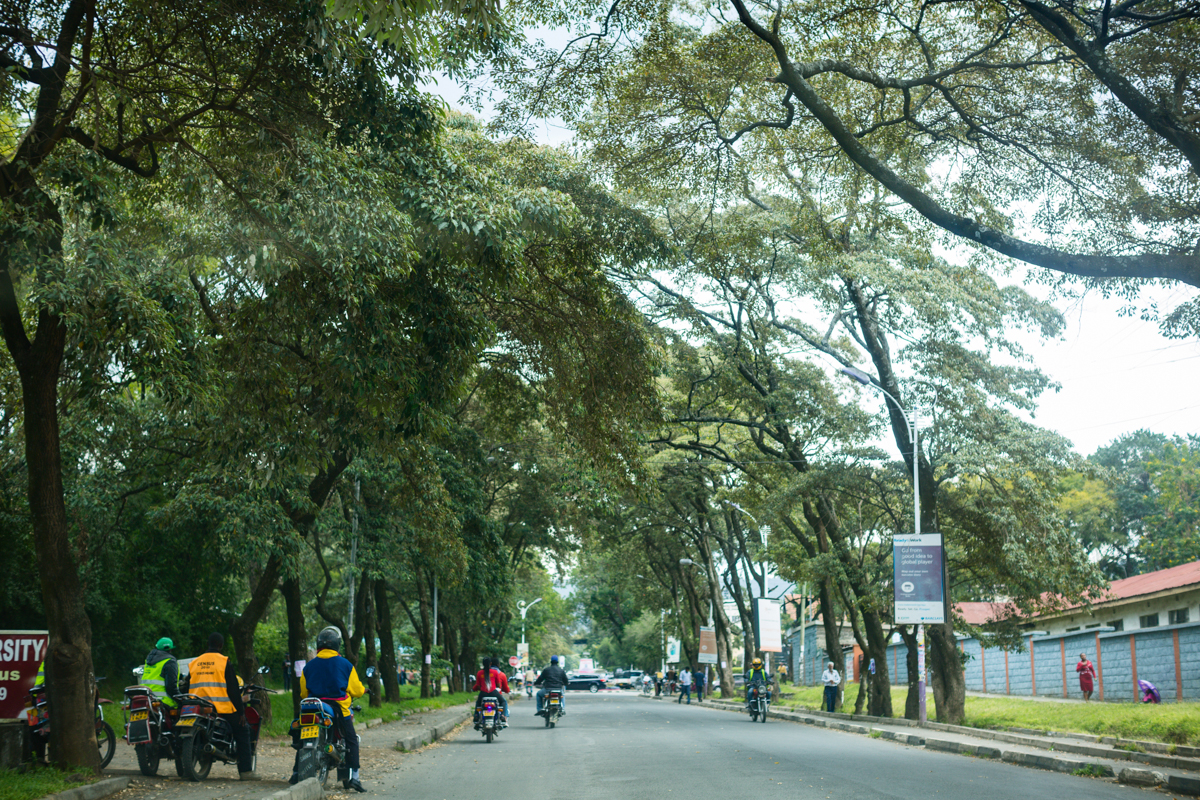
Nakuru city is the county’s principal urban centre and an important transport and commercial hub.
The county is connected to the Nairobi–western Kenya transport corridor.
Agriculture is an important part of its economy, with crops including maize, wheat, potatoes and horticultural produce.
Understanding this wider setting helps visitors appreciate that Lake Nakuru is part of a living and economically active landscape rather than an isolated wilderness.
Other destinations in Nakuru County
Lake Elementaita
An alkaline Rift Valley lake known for its birdlife and important wetland habitats. It is a separate lake and conservation landscape.
Menengai Crater
A large volcanic caldera near Nakuru city, associated with the region’s geological history.
Hell’s Gate National Park
A separate national park in the Naivasha area, recognised for its cliffs, gorges, geothermal features and designated outdoor recreation opportunities.
Hyrax Hill Prehistoric Site
An archaeological site near Nakuru city that provides insight into prehistoric human occupation and settlement.
Soysambu Conservancy
A separate conservation landscape associated with the Lake Elementaita region. It should not be described as part of Lake Nakuru National Park.
These places offer different experiences and should be researched individually when planning a wider Nakuru County itinerary.
20. Lake Nakuru and the UNESCO World Heritage designation
Lake Nakuru forms part of the Kenya Lake System in the Great Rift Valley, which was inscribed on the UNESCO World Heritage List in 2011.
The property comprises three separate but ecologically and geologically related lakes:
- Lake Bogoria.
- Lake Nakuru.
- Lake Elementaita.
The lakes are important for their alkaline wetland ecosystems, biological diversity and role in supporting large populations of waterbirds.
The UNESCO designation recognises the international natural significance of the wider lake system.
It should not be interpreted as meaning that all three lakes are within one national park or under identical management arrangements.
21. Photography at Lake Nakuru National Park
Lake Nakuru is a destination with considerable photographic diversity.
The best photographic approach is to document the environment as it exists rather than concentrating on a single iconic image.
Wildlife photography
The park’s rhinoceroses, giraffes, buffaloes, lions, leopards and birdlife offer opportunities for documenting animal behaviour and habitat relationships.
Bird photography
The lake, wetlands and woodland habitats provide opportunities to photograph waterbirds, raptors and smaller species.
Landscape photography
The changing shoreline, hills, escarpments, woodlands and open grasslands provide different landscape compositions.
Environmental photography
The lake’s changing water levels and ecological conditions also provide opportunities for documentary photography.
A responsible wildlife photograph should represent the animal’s actual behaviour and surroundings.
Photographers should never pressure drivers to leave authorised roads or disturb animals to obtain an image.
22. What should you carry when visiting Lake Nakuru?
A practical visitor checklist includes:
- Drinking water.
- Comfortable clothing.
- A light jacket.
- Sunscreen.
- Sunglasses.
- A hat.
- Insect repellent.
- Binoculars.
- A camera.
- Spare batteries and memory cards.
- A first-aid kit.
- Appropriate footwear.
- Food if required and permitted.
- Camping equipment for authorised overnight camping.
Visitors should also ensure that their vehicle is suitable for the prevailing road conditions and that sufficient fuel is available.
23. Frequently asked questions about Lake Nakuru National Park
Where is Lake Nakuru National Park located?
It is located in Nakuru County, in Kenya’s Great Rift Valley, immediately south of Nakuru city.
How far is Lake Nakuru from Nairobi?
It is approximately 156–160 kilometres from Nairobi by the main road corridor. The actual distance depends on the starting point and park entrance.
How big is Lake Nakuru National Park?
The park covers approximately 188 square kilometres.
When was Lake Nakuru National Park established?
It was formally gazetted as a national park in 1968. Initial conservation protection began in 1961.
Why is Lake Nakuru called the Pink Lake?
It became famous for the large concentrations of lesser and greater flamingos that historically gathered along its alkaline shoreline.
Are there still flamingos at Lake Nakuru?
Flamingos still occur in the lake system, but their numbers fluctuate considerably. Large concentrations are not guaranteed.
Does Lake Nakuru have the Big Five?
No. It has four of the traditional Big Five: lion, leopard, buffalo and rhinoceros. Elephants are absent.
Can visitors see black and white rhinos?
Both species occur in the park, although sightings are not guaranteed.
Is Lake Nakuru a freshwater lake?
No. It is a shallow alkaline soda lake.
Can visitors swim in Lake Nakuru?
The lake is not a designated recreational swimming destination. Its alkaline water is unsuitable for ordinary freshwater recreation.
Can you hike in Lake Nakuru National Park?
Walking is subject to park regulations and designated access arrangements. Visitors should confirm authorised trails and guided activities with Kenya Wildlife Service.
Can you visit Lake Nakuru without a safari vehicle?
Visitors must comply with park access rules. Vehicle-based wildlife viewing is the principal way of exploring the park. Pedestrian access is restricted to designated areas.
Is Lake Nakuru suitable for birdwatching?
Yes. Historical records document more than 450 bird species in the park and associated habitats.
When is the best time to visit Lake Nakuru?
The park is open throughout the year. Dry and wet periods provide different experiences. Flamingo distribution cannot be reliably predicted using a fixed calendar.
Is Lake Nakuru inside Nakuru city?
The park is immediately south of Nakuru city, but it is a separate protected area.
Is Soysambu Conservancy part of Lake Nakuru National Park?
No. It is a separate conservation area.
Can Lake Nakuru be visited as a day trip from Nairobi?
Yes. Its road accessibility makes a day trip possible, although visitors should account for driving time, park entry and the time required to explore the park.
Is Lake Nakuru worth visiting without flamingos?
Yes. Its rhinoceros sanctuary, other mammals, birdlife, woodlands, grasslands and scenic viewpoints provide reasons to visit independently of flamingo concentrations.
24. Responsible tourism at Lake Nakuru
Visitors have a responsibility to protect the destination they come to experience.
Responsible tourism includes respecting wildlife, following park rules, reducing waste and supporting conservation-oriented businesses.
Do not feed animals or attempt to attract them for photographs.
Do not remove plants, stones or other natural materials.
Do not litter or leave waste at picnic sites.
Respect wildlife viewing distances and avoid disturbing animals.
Follow instructions from Kenya Wildlife Service personnel.
Use authorised guides and accommodation providers.
Remember that the park is a conservation area first and a tourist destination second.
25. Final perspective: Lake Nakuru is more than its flamingos
Lake Nakuru National Park represents an important part of Kenya’s natural heritage.
Its significance lies in its alkaline lake ecosystem, birdlife, rhinoceros conservation, diverse habitats and geological setting within the Great Rift Valley.
The destination also illustrates how natural environments change.
Rising water levels, shifting bird distributions, catchment pressures and wildlife conservation challenges are part of its ongoing ecological story.
A visit should therefore involve more than looking for flamingos or ticking animals off a safari checklist.
It should offer an opportunity to understand the relationship between the lake, its wildlife, the surrounding landscape and the people who live in the wider Nakuru region.
Lake Nakuru is worth understanding in its entirety: its history, its wildlife, its changing environment and its place within Kenya’s conservation landscape.
Antony Trivet Photography
Documenting Kenya’s landscapes, wildlife, natural heritage and destinations through photography and factual storytelling.