Diani Beach, Kenya: The Complete Travel Guide to Diani, Ukunda and the South Coast
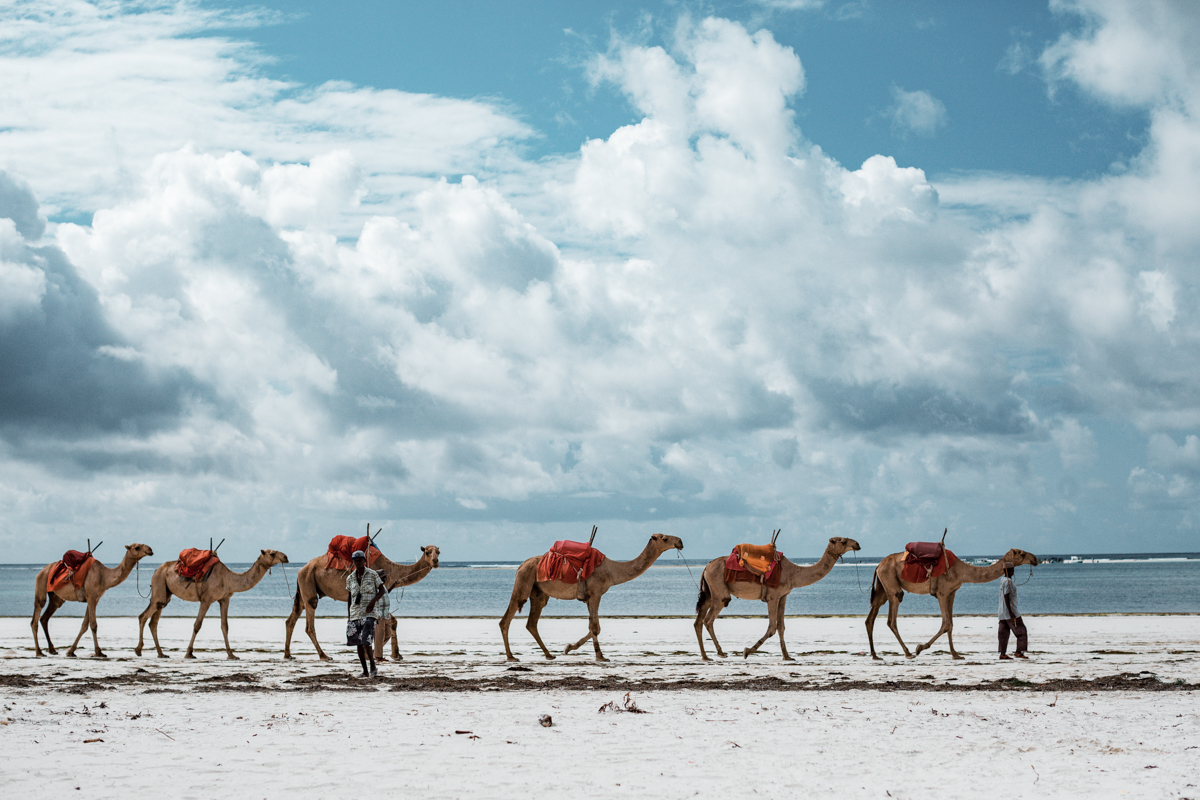
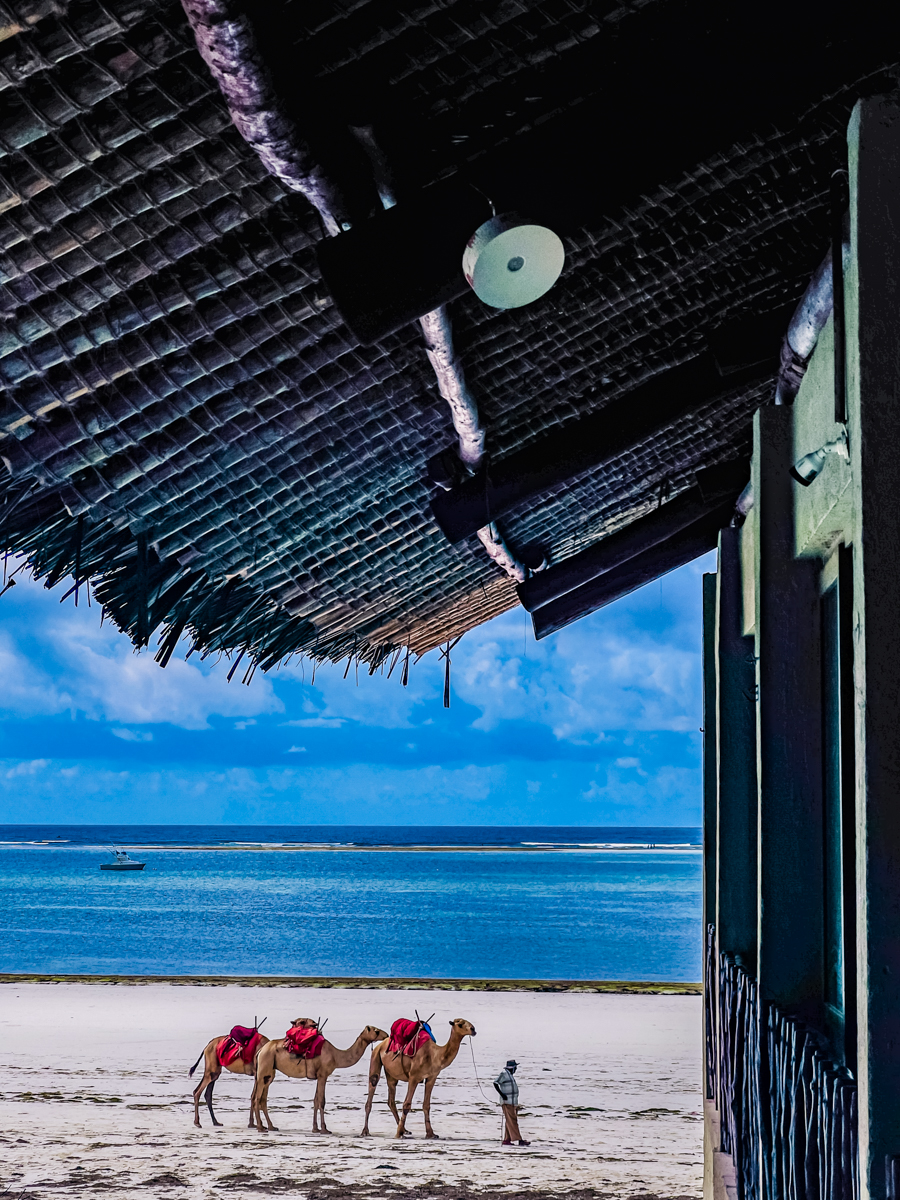
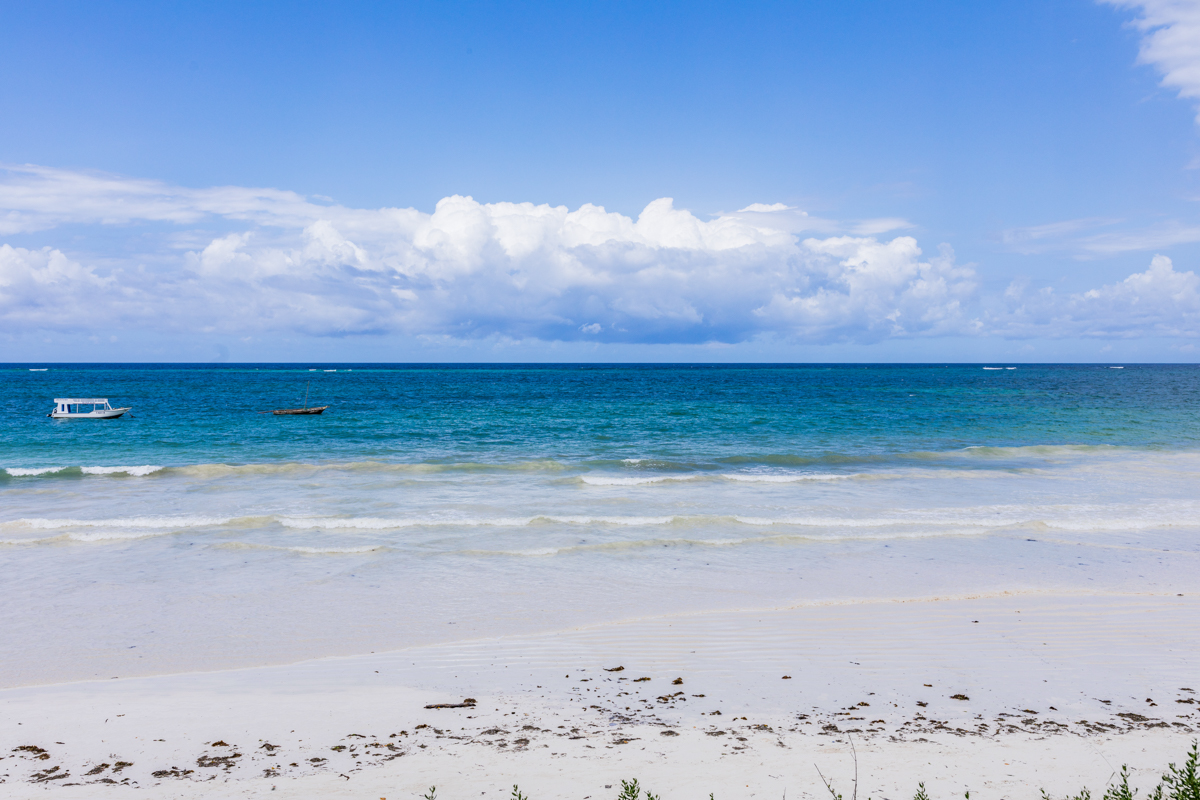
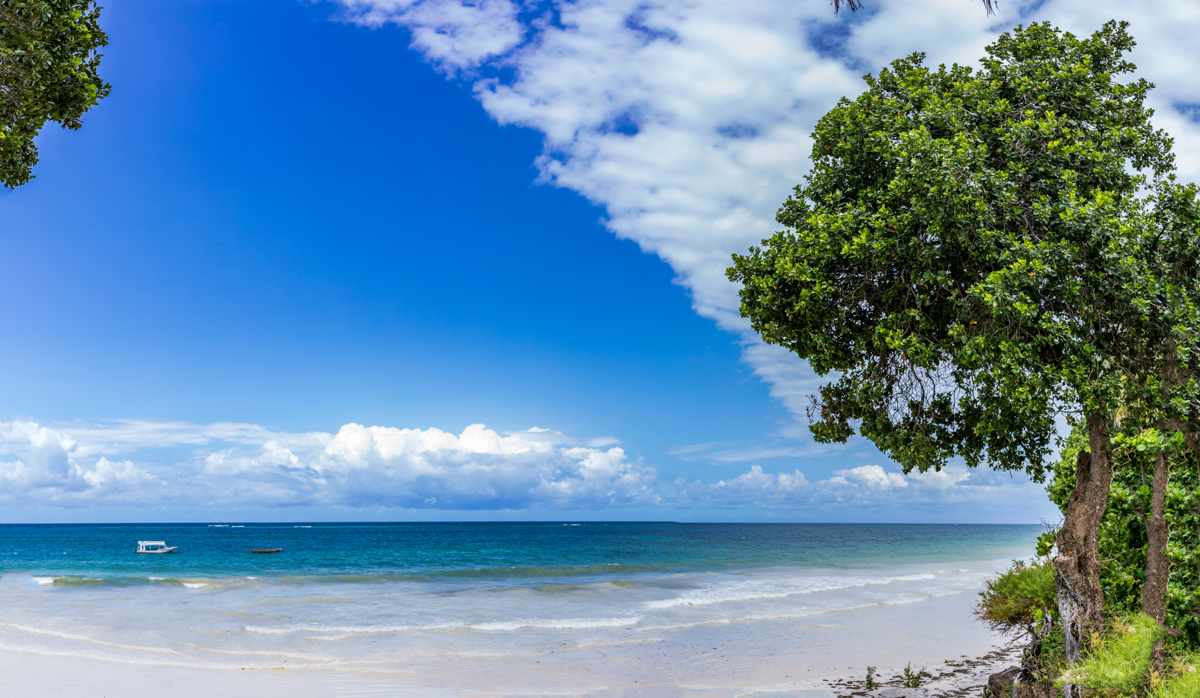
Diani Beach is one of Kenya’s most recognised coastal destinations, located along the Indian Ocean in Kwale County, south of Mombasa. Known for its white sandy shoreline, tropical vegetation, offshore coral reef, warm ocean waters and established hospitality industry, Diani attracts visitors looking for beach holidays, marine adventures, wildlife experiences and coastal relaxation.
However, Diani is more than a collection of beachfront hotels. Its identity is shaped by the relationship between the Indian Ocean, coastal forests, coral reefs, seagrass beds, local fishing communities, Digo heritage, conservation organisations and the growing town of Ukunda.
The wider destination includes several distinct places and landscapes. There is the main Diani beach area, the commercial centre of Ukunda, the neighbouring coastline of Tiwi, the quieter southern stretch towards Galu and Kinondo, and the wider coastal region extending towards Gazi, Msambweni, Chale Island, Funzi and Shimoni.
Beyond the beach, the landscape rises inland towards Shimba Hills National Reserve, one of the important protected wildlife areas in Kwale County.
For travellers planning a holiday in Kenya, Diani provides opportunities to experience the coast in several different ways. Visitors can spend time on the beach, explore marine environments, learn about coastal wildlife conservation, visit culturally significant forests, enjoy water sports or use Diani as a base for excursions across the South Coast.
This comprehensive travel guide by Antony Trivet Photography explores Diani Beach and Ukunda in detail, covering geography, local history, culture, wildlife, marine ecosystems, attractions, accommodation, transport, weather, activities and practical travel information.
The aim is to look beyond the familiar holiday photographs and explain the destination as a real coastal landscape, with its natural beauty, communities, heritage, tourism economy and environmental challenges.
1. Where Is Diani Beach Located in Kenya?
Diani Beach is located in Kwale County, along Kenya’s southern Indian Ocean coastline. It lies approximately 30 kilometres south of Mombasa, although the actual road distance and journey time depend on the starting point and route.
The destination is on mainland Kenya, not an island. The Indian Ocean borders the eastern side of the coastline, while the settlements and commercial areas of Ukunda and the surrounding communities extend inland.
Diani forms part of the wider South Coast tourism region. It is commonly associated with neighbouring coastal areas such as Tiwi, Galu and Kinondo, although these places have their own geographical and community identities.
The wider region also includes Gazi, Msambweni, Chale Island, Funzi Island, Shimoni and Wasini Island.
Diani Beach and Ukunda: What Is the Difference?
Diani Beach and Ukunda are often mentioned together, but they are not the same place.
Diani is primarily the coastal beach and resort destination. It is known for its sandy shoreline, beachfront accommodation, restaurants, holiday villas, water sports and tourism activities.
Ukunda is the inland urban and commercial centre that serves Diani and the surrounding settlements. It provides access to everyday services, shops, markets, banks, transport, businesses and other facilities used by residents and visitors.
This distinction is important when choosing accommodation. A property advertised as being in Diani may be directly on the beach, along Diani Beach Road or further inland towards Ukunda.
Visitors should check the actual location of a hotel, villa or apartment before booking rather than relying solely on the destination name.
Understanding the Wider Ukunda–Diani Area
The wider area is not a single uninterrupted resort development. It includes settlements, commercial centres, residential neighbourhoods, coastal properties, public facilities, conservation areas and local economic activity.
Ukunda, Diani, Tiwi and Kombani are recognised as distinct urban nodes in planning material for the area.
This is part of what makes Diani interesting beyond conventional beach tourism. It is a working coastal destination where the tourism industry operates alongside everyday community life.
2. Understanding the Diani Beach Coastline
Diani is part of a longer stretch of Kenya’s South Coast characterised by sandy beaches, offshore coral formations, shallow lagoons, coastal vegetation and settlements.
The coastline changes in appearance and atmosphere as visitors move north or south. Some areas have a greater concentration of hotels, restaurants and commercial activities, while others are quieter and more closely associated with residential settlements and local communities.
Tiwi Beach
Tiwi lies north of the main Diani beach area.
It is a neighbouring coastal destination with its own residential and tourism character. Visitors may find a quieter environment compared with the more concentrated hospitality development around central Diani.
The Kongo area and River Kongo estuary are useful geographical references when exploring the northern side of the wider beach region.
Tiwi should not simply be treated as another name for Diani. It is a distinct coastal area, even though the two are often included in the same South Coast holiday itinerary.
Central Diani Beach
Central Diani contains much of the established tourism infrastructure associated with the destination.
Hotels, restaurants, beach properties, holiday villas, activity providers, shopping areas and other hospitality businesses are concentrated along the coastal road and its surrounding access routes.
This area is convenient for visitors who want access to restaurants, accommodation, water sports and organised excursions.
The level of activity varies depending on the season, location and time of day.
Galu Beach
Galu lies south of central Diani and is often associated with a quieter stretch of coastline and water sports, particularly kitesurfing.
The open beach and seasonal wind conditions attract visitors interested in kiteboarding and other ocean activities.
Galu is a distinct coastal area within the wider South Coast tourism region. Accommodation described broadly as Diani may be located further south in Galu, so checking the exact position is important.
Kinondo
Kinondo is located south of the main Diani resort area and is particularly important for its cultural heritage and coastal forest environment.
The area is associated with the Digo community and Kaya Kinondo, a sacred forest of considerable cultural significance.
Kinondo is not simply another beach resort area. It provides an opportunity to understand the relationship between coastal settlement, community heritage, traditional knowledge and the natural environment.
Gazi, Msambweni and the Southern Coast
Further south, the coastline extends towards Gazi and Msambweni.
Gazi is particularly associated with mangrove ecosystems and community-based coastal conservation initiatives. Msambweni has its own beaches, settlements, fishing activity and accommodation establishments.
These places offer a different experience from the more developed resort concentration around central Diani.
They are worth exploring for travellers interested in the wider geography and everyday life of Kwale’s South Coast.
3. The Indian Ocean, Coral Reef and Marine Environment
The Indian Ocean is central to Diani’s identity.
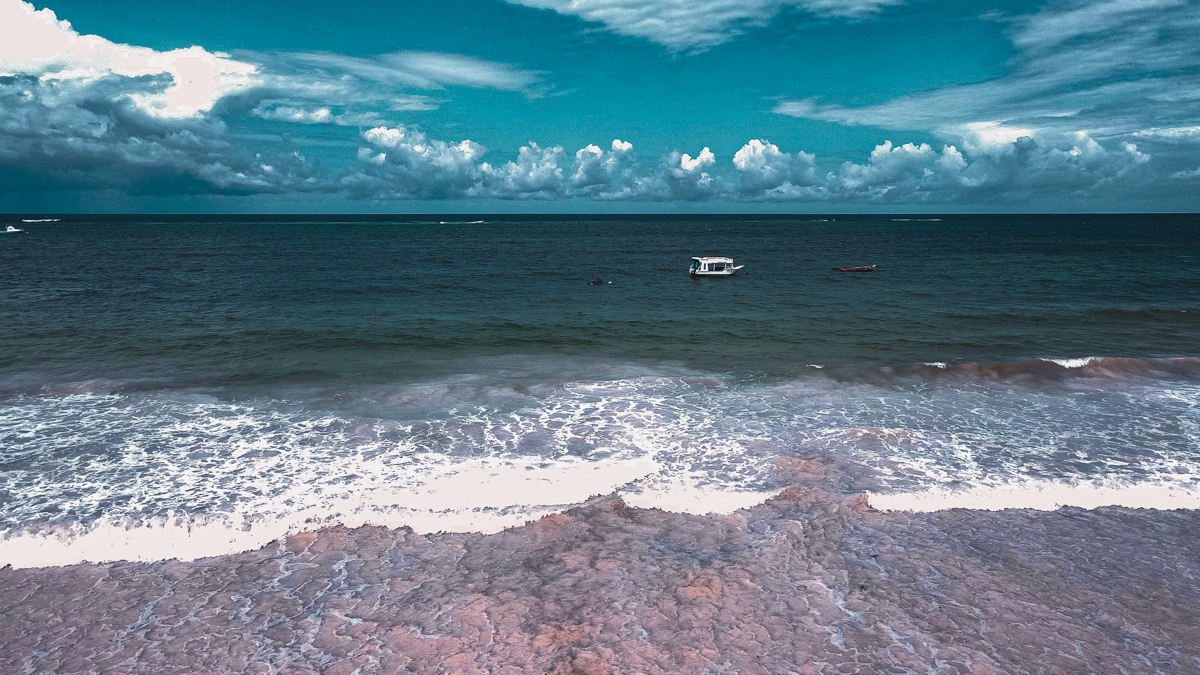
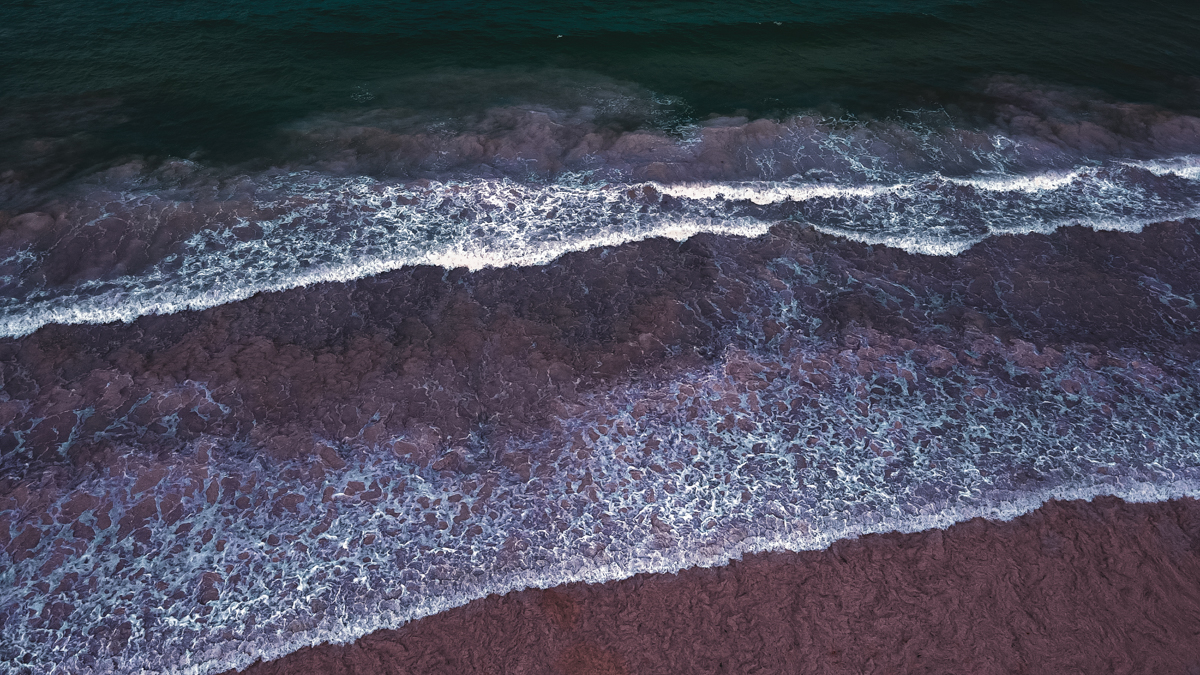
The beach is bordered by a shallow coastal lagoon in places, with an offshore fringing coral reef that influences wave conditions and supports marine biodiversity.
The Diani–Chale coastline contains several connected marine habitats, including coral reefs, seagrass beds, sandy areas, rocky reef flats and deeper offshore waters.
These ecosystems are important not only for tourism but also for fishing, marine biodiversity, coastal protection and the livelihoods of communities along the coast.
The Fringing Coral Reef
The fringing reef is one of the defining natural features of the Diani–Chale coastline.
It supports a variety of marine organisms and provides habitat for fish, invertebrates and other marine life.
The reef also influences incoming wave energy and contributes to the physical character of the beach and shallow lagoon.
However, coral reefs are sensitive ecosystems. Their condition can be affected by changes in water temperature, sedimentation, pollution, overfishing, physical damage and other environmental pressures.
It would be inaccurate to describe the entire Diani–Chale reef as uniformly healthy or uniformly degraded. Environmental assessments record significant differences between surveyed locations.
This is an important distinction for visitors. The beauty of the water does not necessarily indicate the ecological condition of the reef beneath it.
Seagrass Beds
Seagrass is another important part of the Diani marine environment.
Seagrasses are flowering marine plants that grow underwater in shallow coastal areas. They form meadows that provide feeding grounds, shelter and nursery habitat for marine organisms.
Seagrass beds support fish and invertebrates, help stabilise sediments and contribute to the wider coastal ecosystem.
Some marine animals, including green turtles, depend on seagrass habitats for feeding.
Visitors exploring shallow water and exposed reef flats should avoid walking through seagrass beds unnecessarily or disturbing marine animals.
Tidal Flats and Exposed Reef
The appearance of Diani Beach changes significantly with the tides.
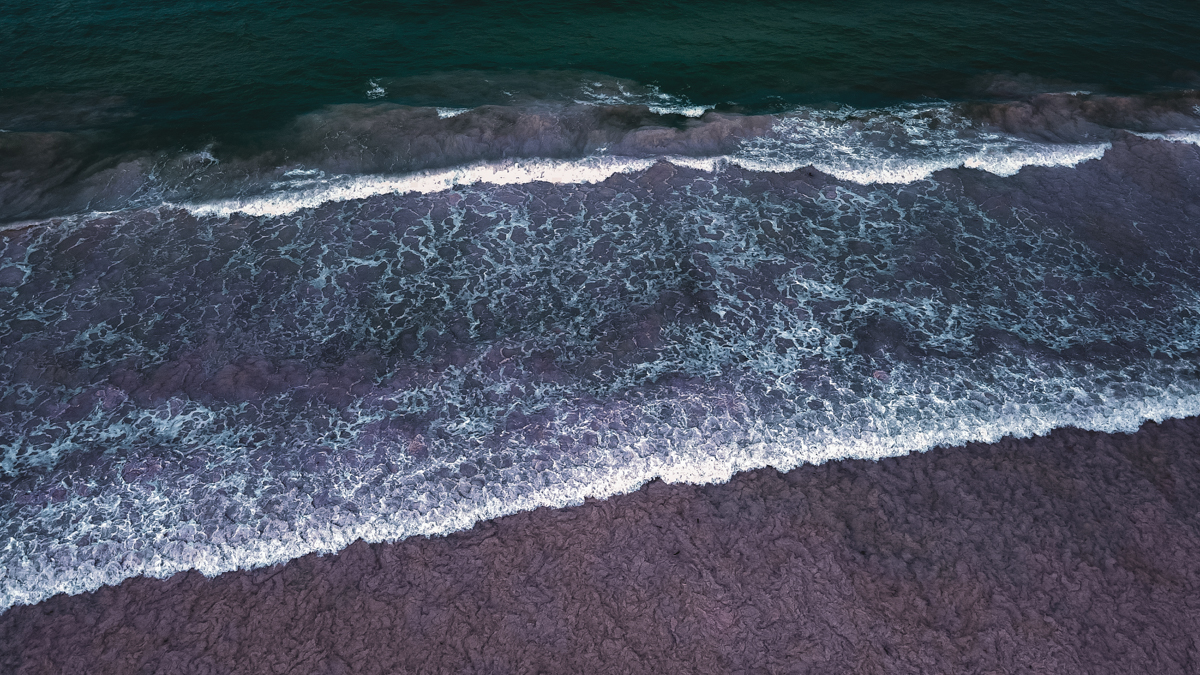
At high tide, water approaches the beach and fills much of the shallow lagoon. At low tide, water retreats and exposes sections of the reef flat, sand and shallow marine landscape.
These changing conditions provide different experiences throughout the day.
Low tide can reveal tidal pools, rocky formations and marine organisms that are not visible when the water is high. However, exposed reef areas can be difficult to walk across.
Sharp coral, sea urchins and other marine organisms can cause injuries. Visitors should avoid stepping on live coral or disturbing marine life.
The Diani Chale National Reserve
The wider Diani–Chale marine environment includes a formally recognised protected area.
The Kenya Wildlife Service identifies Diani Chale National Reserve as a protected coastal marine area established and gazetted in 1995.
Its marine environment includes coral reefs, seagrass habitats and other coastal ecosystems that support marine biodiversity.
It is important to distinguish the protected reserve from the entire public beach. Not every part of Diani Beach is a separate park entrance or visitor attraction, and access arrangements depend on the particular activity and location.
Visitors planning marine excursions should confirm current rules, access arrangements and applicable fees with the Kenya Wildlife Service or their authorised operator.
Why Marine Conservation Matters
Diani’s tourism economy depends partly on the natural quality of its coastline.
Coral reefs, seagrass beds and marine wildlife attract visitors, support fishing and contribute to the coastal environment.
However, development, marine resource use and environmental change place pressure on these habitats.
Responsible tourism means avoiding damage to coral, respecting protected areas, choosing responsible marine operators and understanding that the ocean is a living ecosystem rather than simply a recreational space.
4. Wildlife Around Diani Beach
One of Diani’s distinctive features is the presence of wildlife close to hotels, roads, gardens and remaining coastal forest patches.
The area is particularly known for its primates, including the Angolan black-and-white colobus monkey.
These animals are part of the wider coastal forest ecosystem and are an important reason why habitat conservation matters in the Diani area.
Angolan Black-and-White Colobus Monkey
The Angolan black-and-white colobus monkey (Colobus angolensis palliatus) is one of the most recognisable primates found around Diani.
It has a distinctive black coat with white markings and a long flowing tail.
The species spends much of its time in trees and feeds mainly on leaves.
The colobus is particularly important to Diani because the remaining coastal forest patches provide habitat for these primates within an increasingly developed landscape.
Habitat loss, fragmentation, road traffic and human-wildlife conflict are among the challenges facing primates in the area.
Visitors may encounter colobus monkeys in trees around hotels, gardens, roads and forest patches, although sightings are never guaranteed.
Wild monkeys should never be fed or handled. Feeding can change their behaviour and increase conflict with people.
Colobus Conservation
Colobus Conservation is a not-for-profit organisation based in Diani. Established in 1997, it works to protect primates and their associated coastal forest habitats.
Its work includes habitat conservation, primate rescue and welfare, environmental education, community engagement and measures to reduce human-wildlife conflict.
One of its recognisable interventions is the installation of colobridges.
These elevated rope bridges help monkeys cross roads through the tree canopy, reducing the risk of road accidents and electrocution.
The organisation’s work demonstrates an important challenge facing Diani: how to balance tourism development and human settlement with the survival of wildlife.
A visit to Colobus Conservation can help visitors understand the local primates and the practical conservation work taking place.
Check directly with the organisation for current visiting arrangements, guided experiences, opening times and any applicable fees.
Other Primates
The wider Diani area supports other primates, including vervet monkeys and Sykes’ monkeys.
The species encountered will depend on the location and habitat.
As with colobus monkeys, visitors should observe wildlife without feeding or attempting to interact with the animals.
Wildlife Beyond the Beach
Diani also provides access to inland wildlife environments.
Shimba Hills National Reserve and Mwaluganje Elephant Sanctuary offer different landscapes and wildlife experiences from those found along the beach.
These destinations are covered separately in the nearby attractions section.
5. Kaya Kinondo Sacred Forest and Digo Heritage
Kaya Kinondo is one of the most important cultural heritage sites in the Diani region.
A kaya is a traditional settlement and sacred forest associated with the Mijikenda communities of Kenya’s Coast.
These places are connected to ancestral heritage, spiritual beliefs, traditional knowledge, community identity and cultural practices.
Kaya Kinondo is particularly associated with the Digo community.
The Digo are one of the Mijikenda communities of the Kenyan Coast, and their cultural heritage is an important part of the wider South Coast landscape.
Why Kaya Kinondo Matters
Kaya Kinondo is not simply a patch of forest or an ordinary recreational attraction.
It represents a relationship between people, ancestry, sacred places and the natural environment.
The forest is culturally significant and has been protected through community heritage arrangements.
The wider Sacred Mijikenda Kaya Forests were inscribed on the UNESCO World Heritage List in 2008. However, an important historical and geographical distinction must be made: UNESCO’s inscription decision excluded Kaya Kinondo from the property that was inscribed.
Kaya Kinondo nevertheless remains a culturally significant heritage site with national protection and community importance.
It should not be inaccurately described as one of the specific forest sites included in the UNESCO inscription.
Visiting Kaya Kinondo
Visits should be arranged through recognised local community arrangements and guided according to the site’s rules.
Visitors should respect instructions regarding access, clothing, behaviour and photography.
Photography may be restricted in particular areas or during cultural activities. Ask permission before photographing people, sacred spaces or cultural objects.
The forest should be approached with respect for its cultural and spiritual significance rather than treated as a conventional tourist park.
6. Things to Do in Diani Beach
Diani offers a variety of experiences, from relaxing on the beach to exploring marine habitats, learning water sports and visiting conservation and cultural sites.
The activities available depend on weather, tides, sea conditions and the operators working at the time of travel.
Swimming
Swimming is one of the main reasons visitors come to Diani.
The sandy shoreline and shallow lagoon can provide suitable swimming areas, but conditions vary.
Currents can be stronger around reef channels and areas where water moves in and out of the lagoon.
Visitors should follow local advice, observe conditions and avoid swimming beyond their ability.
Children should always be supervised around the ocean.
Snorkelling
Snorkelling offers an opportunity to observe marine life in the shallow reef environment.
Trips can be arranged through local boat operators and marine activity providers.
Visibility depends on water conditions, weather, tides and the location being visited.
Choose responsible operators who avoid damaging coral and disturbing marine animals.
Scuba Diving
Diani is a base for scuba diving along Kenya’s South Coast.
Dive centres may offer introductory dives, training courses and guided dives for certified divers.
The suitability of a particular dive depends on experience, certification, weather, visibility and the operator’s assessment.
Before booking, confirm the dive site, equipment condition, instructor qualifications, safety procedures and insurance requirements.
Kitesurfing at Galu and Diani
Diani and the wider Galu area are known for kitesurfing.
The activity combines a kite and board to move across the water using wind power.
Seasonal monsoon winds influence conditions along the coastline, making the South Coast attractive to both learners and experienced riders.
Galu is particularly associated with kiteboarding because of its open beach and shallow lagoon environment.
Beginners should take lessons from qualified instructors and should not attempt to learn independently in active water-sports areas.
Windsurfing and Other Water Sports
Depending on local providers and conditions, visitors may also find windsurfing, paddleboarding, kayaking, jet skiing and other recreational water activities.
Availability changes, so confirm the services offered directly with the operator before travelling.
Boat Trips
Boat excursions provide opportunities to explore sections of the coastline and nearby marine environments.
Some trips focus on snorkelling and reef viewing, while others combine marine activities with fishing or visits to coastal destinations.
Before booking, confirm the departure point, itinerary, safety equipment, inclusions, weather policy and return arrangements.
Beach Walks
Walking along Diani Beach is one of the simplest ways to experience the coastline.
The appearance of the beach changes with the tides, light and weather.
Early morning offers cooler conditions and softer light, while low tide exposes sections of the reef flat and tidal landscape.
Visitors should avoid walking over live coral and should be careful around exposed rocks and sea urchins.
Skydiving
Diani is also associated with tandem skydiving experiences offered by specialist operators.
The activity provides an aerial perspective of the coastline, Indian Ocean and surrounding landscape.
Skydiving is weather-dependent. Visitors should book through established operators and confirm their safety procedures, eligibility requirements, insurance and cancellation arrangements.
Golf and Resort Activities
Golf and other recreational facilities are available through some hospitality properties in the wider Diani destination.
Facilities vary between properties. Visitors should confirm whether outside guests are permitted, whether advance booking is required and what equipment or fees apply.
Spa and Wellness Experiences
Many hotels and resorts offer spa treatments, massage, yoga and other wellness experiences.
These provide alternatives to beach activities and excursions.
Services and prices vary between properties, so confirm arrangements directly with the chosen venue.
7. Places to Visit Near Diani Beach
Diani is a useful base for exploring the wider South Coast and inland Kwale County.
However, not every attraction described as being near Diani is a short walk or quick drive away. Some require a full day, organised transport or an overnight stay.
Shimba Hills National Reserve
Shimba Hills National Reserve is one of the most important inland wildlife destinations accessible from Diani.
Located in Kwale County, the reserve protects coastal forest, grassland and other wildlife habitats.
It is nationally recognised for its last breeding herd of sable antelope in Kenya.
Other wildlife includes forest elephants and a range of other mammals, birds and reptiles.
The reserve also features scenic viewpoints, forest landscapes and Sheldrick Falls.
For visitors staying in Diani, Shimba Hills offers a contrasting experience to the beach. The landscape changes from open sandy coastline to rolling hills, forest and wildlife habitat.
The Kenya Wildlife Service provides official information on access, park rules, visitor safety and applicable entry fees.
Visitors should check current arrangements before travelling and should use appropriate transport for the reserve’s roads and terrain.
Mwaluganje Elephant Sanctuary
Mwaluganje Elephant Sanctuary is an important community-based conservation destination in Kwale County.
The sanctuary is associated with local landowners and community wildlife conservation initiatives.
It provides an opportunity to understand how wildlife conservation can be connected to community participation, land use and the movement of elephants across the wider landscape.
It is a relevant excursion for visitors interested in conservation beyond conventional safari experiences.
Check current access, visitor arrangements and operating information directly with the sanctuary before travelling.
Chale Island
Chale Island lies south of the main Diani and Galu coastline.
It is associated with coastal scenery, marine environments and hospitality experiences.
Access arrangements depend on the property or excursion being booked. Visitors should confirm transport, tidal conditions and any day-visitor requirements before making plans.
Gazi Bay and Mangrove Conservation
Gazi is a coastal settlement south of Diani, known for its mangrove environment and community-based conservation initiatives.
Mangrove forests are important coastal ecosystems. They provide nursery habitat for marine life, support biodiversity, store carbon and help protect shorelines.
The Gazi area is relevant to visitors interested in coastal ecology and community conservation.
A visit can provide a different perspective on the South Coast, beyond hotels and recreational beaches.
Msambweni
Msambweni is another coastal area south of Diani.
It has beaches, settlements, fishing activity and accommodation establishments.
Visitors interested in exploring the wider Kwale coastline may find it worthwhile to include Msambweni in a longer South Coast itinerary.
Funzi Island
Funzi Island lies further south along the Kwale coastline.
The wider Funzi area is associated with coastal communities, mangrove channels and boat-based excursions.
Trips depend on local arrangements, tides and weather conditions.
Visitors should confirm the itinerary, transport, meals, safety arrangements and return time before booking.
Shimoni and Kisite–Mpunguti Marine National Park
Shimoni is located further south in Kwale County and provides access to Kisite–Mpunguti Marine National Park and Reserve.
The protected marine area is known for its coral islands, reef habitats and marine biodiversity.
Activities may include snorkelling, diving, boat excursions and marine wildlife observation.
The park is a separate destination from Diani Beach. Visitors should allow sufficient time for the road transfer and boat excursion.
Wasini Island
Wasini Island lies off the southern coast near Shimoni.
It is associated with coastal settlement, marine tourism and Swahili coastal heritage.
Visitors commonly explore the island as part of organised marine excursions, which may include boat travel, snorkelling and locally arranged meals.
The experience depends on the operator and the itinerary.
8. History and Culture of the Diani Region
The South Coast is part of a wider coastal cultural landscape shaped by African communities, Indian Ocean trade, settlement, migration and long-standing relationships between inland communities and the sea.
The history of the region should not be reduced to the arrival of European explorers or the development of modern beach tourism.
Coastal communities had established social, economic and cultural systems long before the growth of the modern resort industry.
The Digo Community
The Digo are one of the Mijikenda communities associated with Kenya’s South Coast.
Their heritage is reflected in language, settlement patterns, traditional knowledge, social organisation and sacred kaya sites.
Kaya Kinondo is an important example of Digo cultural heritage.
The Digo have long-standing connections with the coastal landscape, including farming, fishing, trade and other economic activities.
Visitors should recognise that the Diani region is a lived-in cultural landscape, not an empty holiday setting.
Local communities are central to the area’s identity and economy.
Mijikenda Heritage
The Mijikenda are a group of nine related coastal communities.
Their history and cultural traditions are associated with settlements known as kayas, some of which are important sacred and heritage sites.
The kaya forests represent more than vegetation. They are connected to ancestral traditions, community identity and cultural practices.
The wider Sacred Mijikenda Kaya Forests are recognised by UNESCO, although the specific inscription boundary excludes Kaya Kinondo.
Swahili Coastal Heritage
The wider Swahili coast developed through centuries of interaction between African coastal communities and Indian Ocean trading networks.
Trade connected East African settlements with destinations across the western Indian Ocean, including Arabia, Persia, India and other parts of the region.
The movement of people, goods, languages, religious ideas and cultural practices shaped the history of the coast.
Diani is part of this broader coastal world, even though its modern identity is strongly associated with beach tourism.
Fishing and Coastal Livelihoods
Fishing remains important to many communities along the South Coast.
Small-scale fishing contributes to local livelihoods, food supply and the coastal economy.
The sea is therefore not simply a tourism resource. It is also a working environment that supports families and communities.
Visitors should respect fishing activities, landing sites, equipment and local access arrangements.
9. Accommodation in Diani Beach
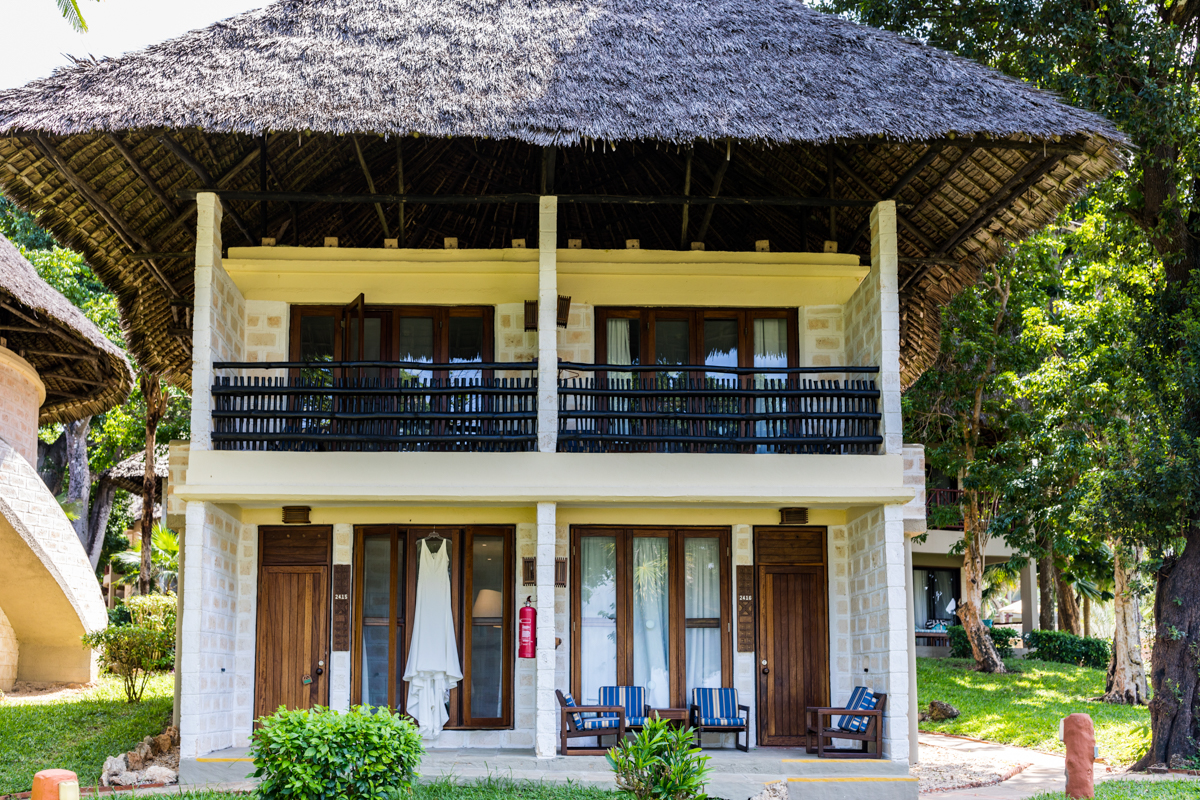
Diani offers a range of accommodation, including luxury resorts, boutique hotels, beachfront properties, private villas, serviced apartments, guesthouses and budget establishments.
The best choice depends on budget, location, facilities, privacy, travel style and the type of holiday being planned.
Luxury Beach Resorts
Luxury properties in Diani commonly offer beachfront or ocean-facing settings, restaurants, swimming pools, spa facilities and organised activities.
They may appeal to honeymooners, couples, families and travellers seeking a full-service holiday.
Boutique Hotels
Boutique hotels provide a more intimate accommodation experience, often with fewer rooms and a distinctive design or service approach.
Some focus on privacy, personalised hospitality and smaller-scale dining experiences.
Mid-Range Hotels
Mid-range accommodation offers a balance between comfort, facilities and cost.
The range includes hotels with swimming pools, restaurants, gardens and access to the beach.
Budget Accommodation
Budget options include guesthouses, smaller hotels, hostels and self-catering properties.
Travellers should check the actual location, security arrangements, reviews, transport access and included facilities before booking.
Examples of Accommodation Mentioned in the Original Article
The original Antony Trivet Photography article identifies the following properties as examples of accommodation in the wider Diani destination:
- Hotel Sonrisa.
- Ocean Village Club, described in the original article as adults only.
- Maji Beach Boutique Hotel.
- Seaclusion Diani.
These names are retained from the original article as examples, not as a ranking, recommendation or claim that they have been independently inspected by Antony Trivet Photography.
Accommodation operations, ownership, facilities, prices and availability can change. Visitors should verify the current details directly with each property.
How to Choose Where to Stay
Before booking, consider:
- Is the property directly on the beach or inland?
- How far is it from restaurants and shops?
- Does it offer airport transfers?
- Are meals included?
- Does it have air conditioning and reliable water?
- Is internet access available?
- Are activities and excursions arranged by the property?
- Is it suitable for children or adults only?
- Are there additional charges for facilities or services?
- What are the property’s cancellation and payment terms?
The word Diani is used broadly in accommodation listings. Check the exact location rather than assuming every property is directly on Diani Beach.
10. Restaurants and Food in Diani
Diani’s food scene reflects the wider coastal character of Kenya.
Visitors can find international cuisine, seafood, Swahili dishes, casual restaurants, hotel dining and locally operated food businesses.
Coastal cooking is influenced by seafood, coconut, rice, spices and ingredients associated with Swahili cuisine.
Some dishes visitors may encounter include:
- Pilau.
- Biryani.
- Coconut-based fish dishes.
- Grilled seafood.
- Chapati.
- Mahamri.
- Viazi karai.
- Coconut-based vegetable preparations.
Food availability varies between restaurants and seasons.
Visitors interested in local cuisine should consider eating at established local restaurants and supporting businesses operated by residents.
For seafood, ask about the source and seasonality of the catch. Sustainable fishing practices matter to the long-term health of the marine environment and local livelihoods.
11. How to Get to Diani Beach
Diani can be reached by air, road and public transport connections through Mombasa and the South Coast.
The most suitable option depends on the starting point, budget, luggage and travel schedule.
By Air: Ukunda Airport
Ukunda Airport, also referred to as Diani Airport or Ukunda airstrip, serves the Diani area.
It is a convenient option for travellers using domestic flights from Nairobi and other destinations served by scheduled or charter operations.
Flight routes, schedules, baggage allowances and fares can change. Travellers should confirm the current timetable with the airline before booking.
The airport is inland from the beachfront accommodation areas, so onward transport is still required.
By Air: Moi International Airport, Mombasa
Moi International Airport is another major gateway for visitors travelling to Diani.
After arriving in Mombasa, travellers continue south by road using the available crossing routes.
The journey time depends on traffic, the chosen route and the final accommodation location.
By Road: Likoni Ferry
The Likoni Ferry crosses the Likoni Channel and connects Mombasa Island with the South Coast.
It is a longstanding transport connection used by pedestrians, private vehicles and public transport.
Waiting times can vary, particularly during busy periods and peak travel hours.
Visitors using the ferry should allow additional time for queues and the crossing.
By Road: Dongo Kundu Bypass
The Dongo Kundu bypass provides an alternative road connection between the Mombasa mainland and the South Coast.
It allows many journeys to avoid the Likoni Ferry crossing.
The most convenient route depends on where the journey begins and where the visitor is staying.
Travellers should check their route before departure rather than automatically assuming the ferry is the only way to reach Diani.
By Train: Standard Gauge Railway
The Standard Gauge Railway connects Nairobi and Mombasa.
Passengers travelling by train arrive at Mombasa Terminus in the Miritini area.
From there, onward road transport is required to reach Diani.
The train does not travel directly to Diani or Ukunda.
By Bus or Coach
Long-distance bus services connect major Kenyan towns and cities with Mombasa and other coastal destinations.
From Mombasa, visitors can arrange onward transport to Diani.
Confirm the operator, departure point, arrival location and onward connection before travelling.
By Private Vehicle
Visitors travelling by private vehicle can reach Diani through the South Coast road network.
The journey from Nairobi is considerably longer than travelling by air and should be planned with appropriate rest stops.
Drivers should account for traffic, road conditions, fuel stops and the time required to travel through the Mombasa area.
12. Weather, Seasons and the Best Time to Visit Diani Beach
Diani has a tropical coastal climate, with warm temperatures and seasonal rainfall.
The weather influences beach activities, visibility, water sports, boat excursions and travel conditions.
There is no single perfect time for every activity.
Understanding the difference between rainfall seasons and monsoon wind seasons helps visitors choose a suitable travel period.
Kaskazi: The Northeast Monsoon
Kaskazi is the northeast monsoon season, generally associated with the period from around November or December to March.
It is commonly associated with warmer conditions and lighter winds compared with the stronger southeast monsoon.
These conditions can be favourable for some beach activities and marine excursions, although daily weather and sea conditions still need to be checked.
Kusi: The Southeast Monsoon
Kusi is the southeast monsoon season, generally associated with the period from around May to September or October.
It is associated with stronger winds and changes in sea conditions.
These winds are particularly relevant to kitesurfing and other wind-dependent activities.
Visitors should not assume that every day during the season will provide suitable conditions. Local instructors and operators can advise on the conditions at the time.
The Long Rains
The long rains generally occur during the March–May period, although the onset, duration and intensity vary between years.
Rainfall can affect road conditions, outdoor excursions, visibility and marine activities.
Visitors travelling during this period should allow flexibility in their itineraries.
The Short Rains
The short rains are generally associated with the October–December period.
The timing and amount of rainfall vary from year to year.
Short periods of rain do not necessarily prevent a successful holiday, but outdoor activities should remain flexible.
Choosing a Season for Your Activities
For beach relaxation, consider the expected rainfall, sea conditions and accommodation availability.
For diving and snorkelling, visibility and sea conditions are more important than simply choosing a month.
For kitesurfing, seasonal wind conditions are particularly relevant.
For wildlife excursions, consider road conditions, reserve access and the time needed to travel inland.
Always check current forecasts and local advice before booking activities that depend on the weather.
13. Responsible Tourism and Conservation in Diani
Diani’s tourism economy depends partly on the health of its natural environment and the wellbeing of surrounding communities.
The beach, coral reef, seagrass beds, forests, wildlife and cultural heritage are not unlimited resources.
Responsible tourism is therefore essential.
Protect Coral Reefs
Do not stand on or break coral.
Avoid collecting marine organisms or removing natural material from protected areas.
Choose responsible snorkelling and diving operators who explain reef protection and avoid damaging marine habitats.
Protect Seagrass Beds
Seagrass meadows are important marine habitats.
Avoid unnecessary trampling and disturbance when exploring shallow water and exposed tidal areas.
Do Not Feed Wild Animals
Feeding monkeys and other wildlife can change animal behaviour and increase conflict with people.
Observe wildlife from a respectful distance and secure food around accommodation.
Respect Sacred Forests
Follow community guidance when visiting Kaya Kinondo.
Do not remove plants, objects or cultural material.
Ask before taking photographs, particularly in culturally sensitive locations.
Reduce Plastic Waste
Avoid unnecessary single-use plastics and dispose of waste responsibly.
Plastic pollution can affect marine animals, beaches and coastal habitats.
Support Local Businesses
Use reputable local guides, restaurants, transport providers and community-based experiences.
Responsible tourism should contribute to local livelihoods rather than benefit only large hospitality businesses.
Respect Fishing Communities
Fishing is part of the coastal economy and cultural landscape.
Visitors should respect landing sites, fishing equipment and working areas.
Marine tourism should not interfere with local livelihoods.
14. Diani Beach for Photography and Documentary Storytelling
Diani is one of the visually distinctive destinations along Kenya’s Indian Ocean coastline.
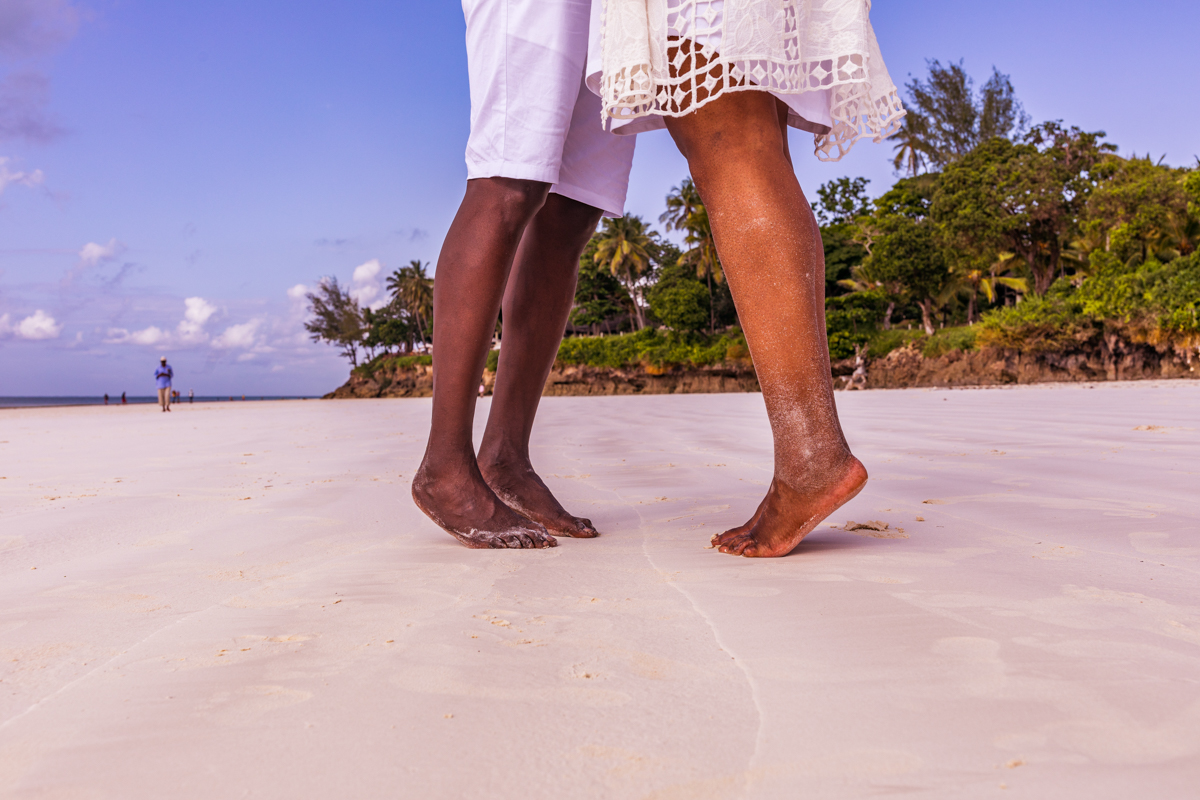
Its combination of ocean, white sand, tropical vegetation, wildlife, coastal architecture and local life provides opportunities for travel, landscape, lifestyle, documentary, family, engagement and wedding photography.
For documentary photography, the destination is more than a collection of attractive beach views. It is a place where natural environments, tourism, conservation and everyday community life meet.
Sunrise Photography at Diani Beach
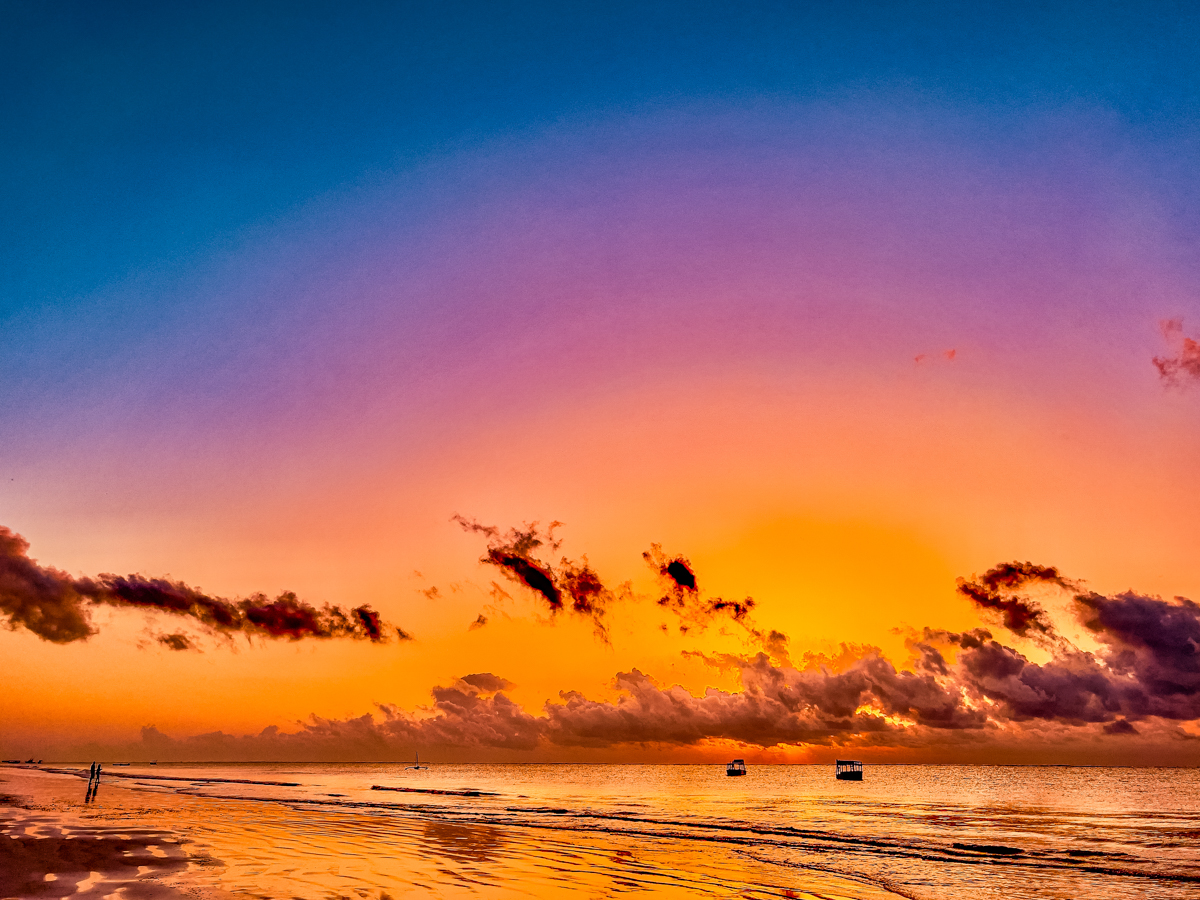
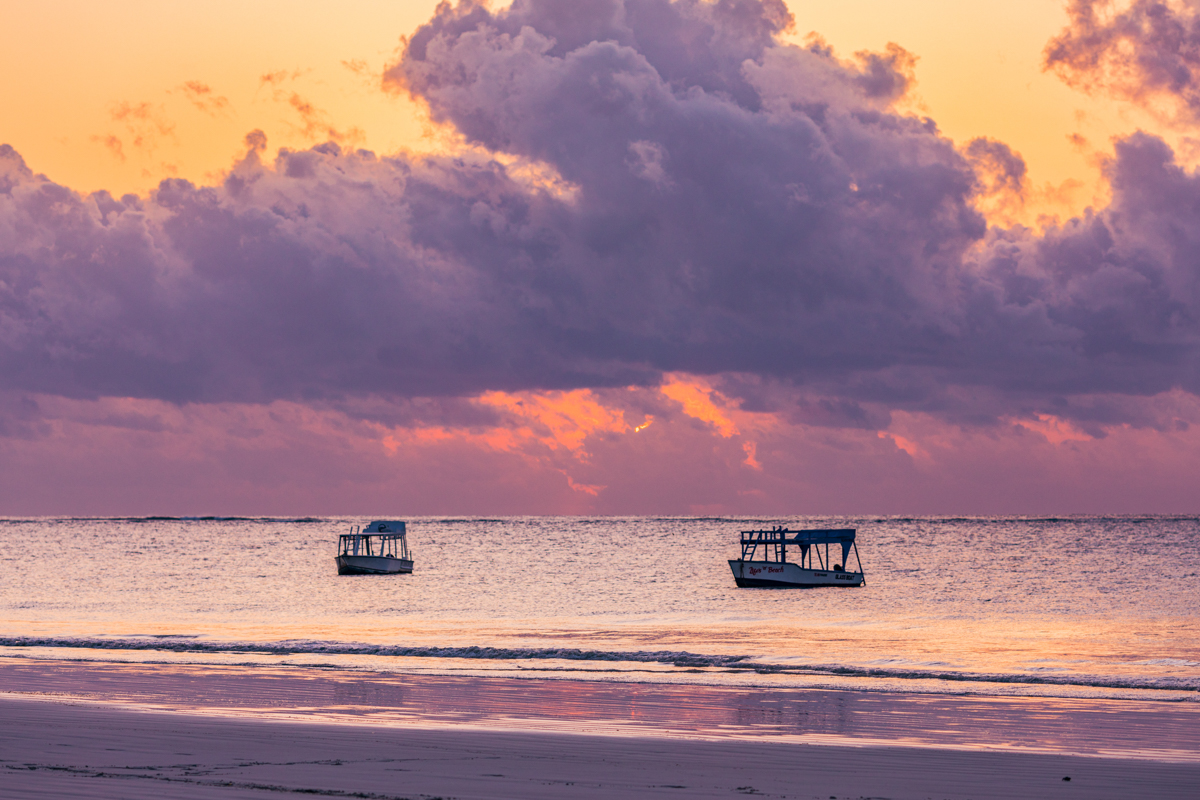
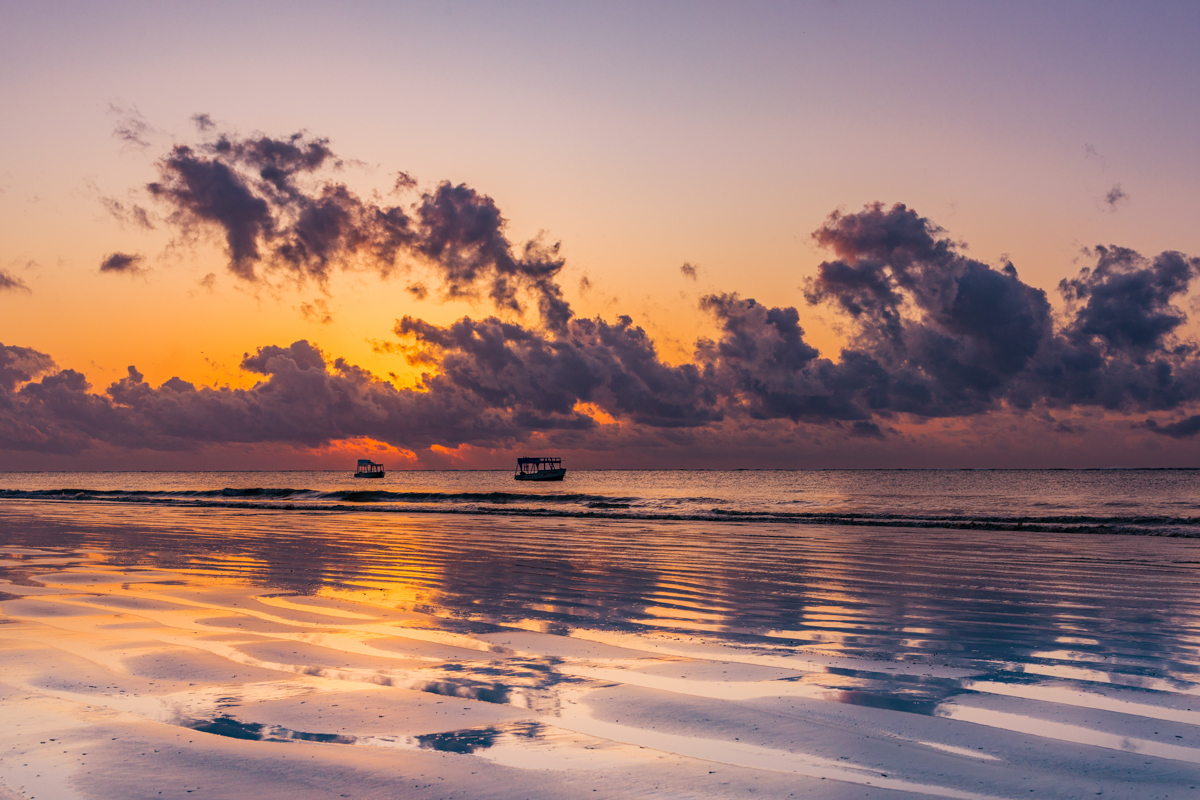
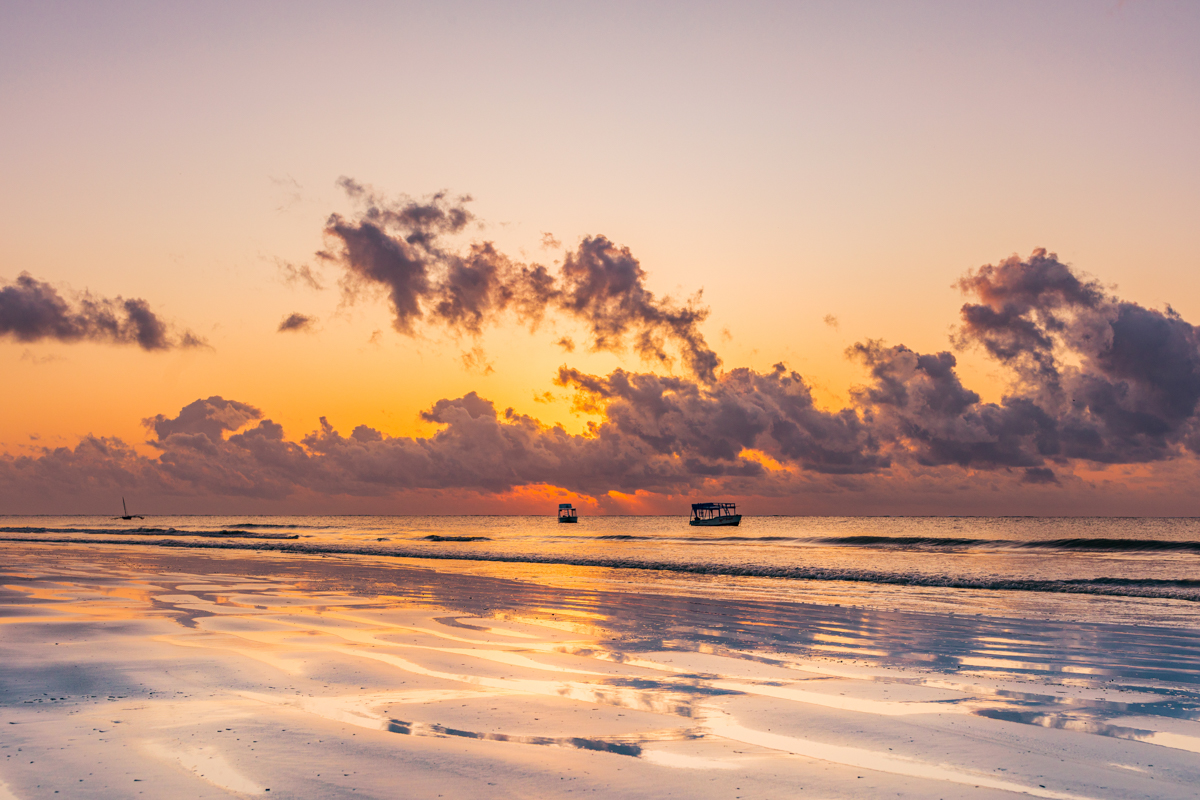
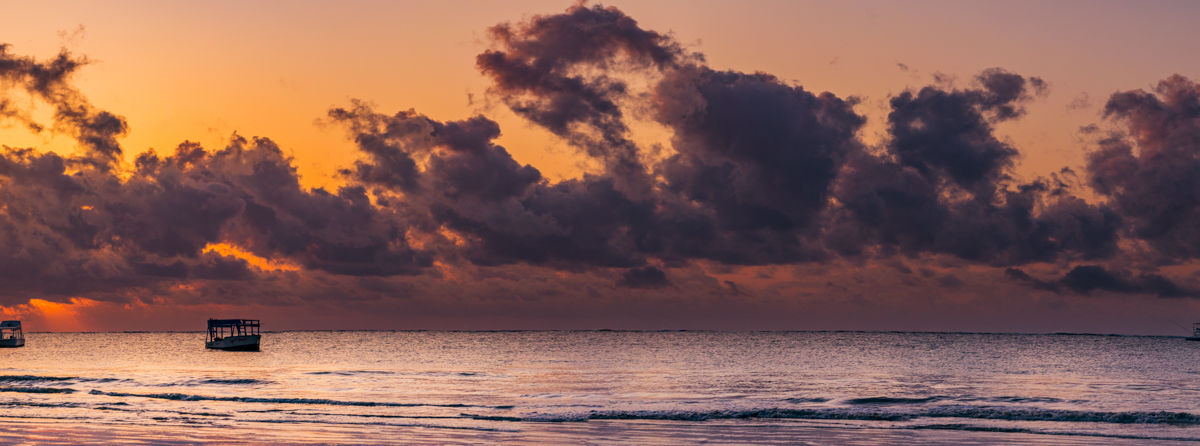
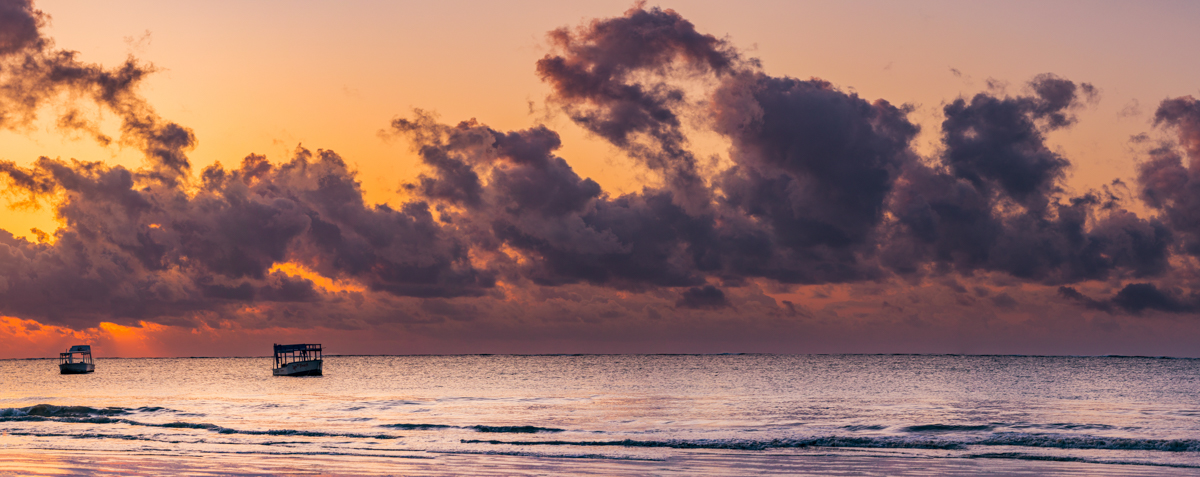
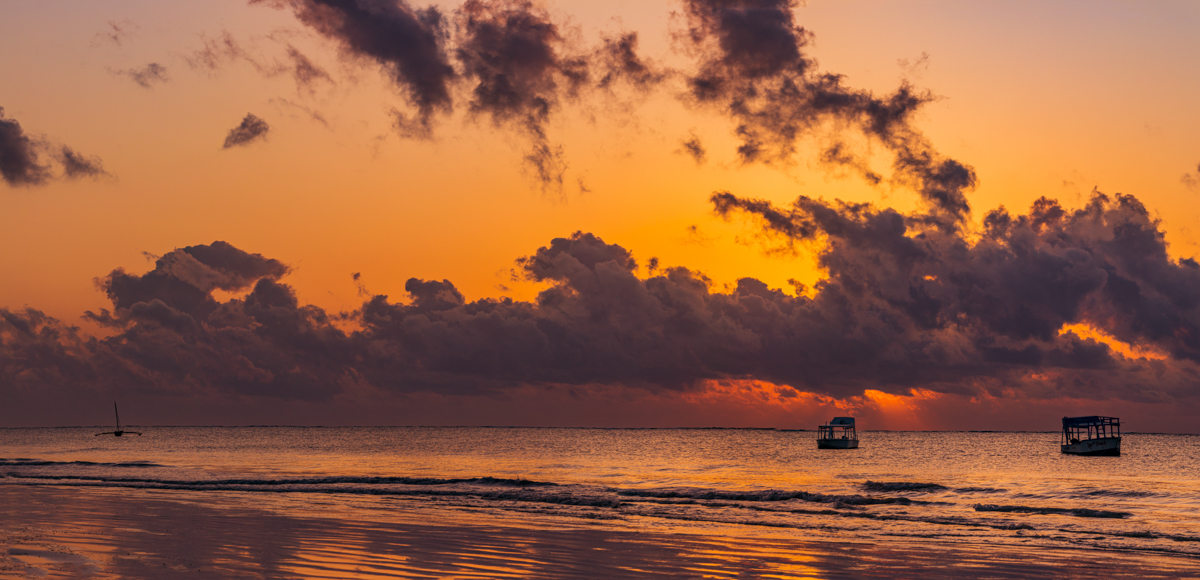
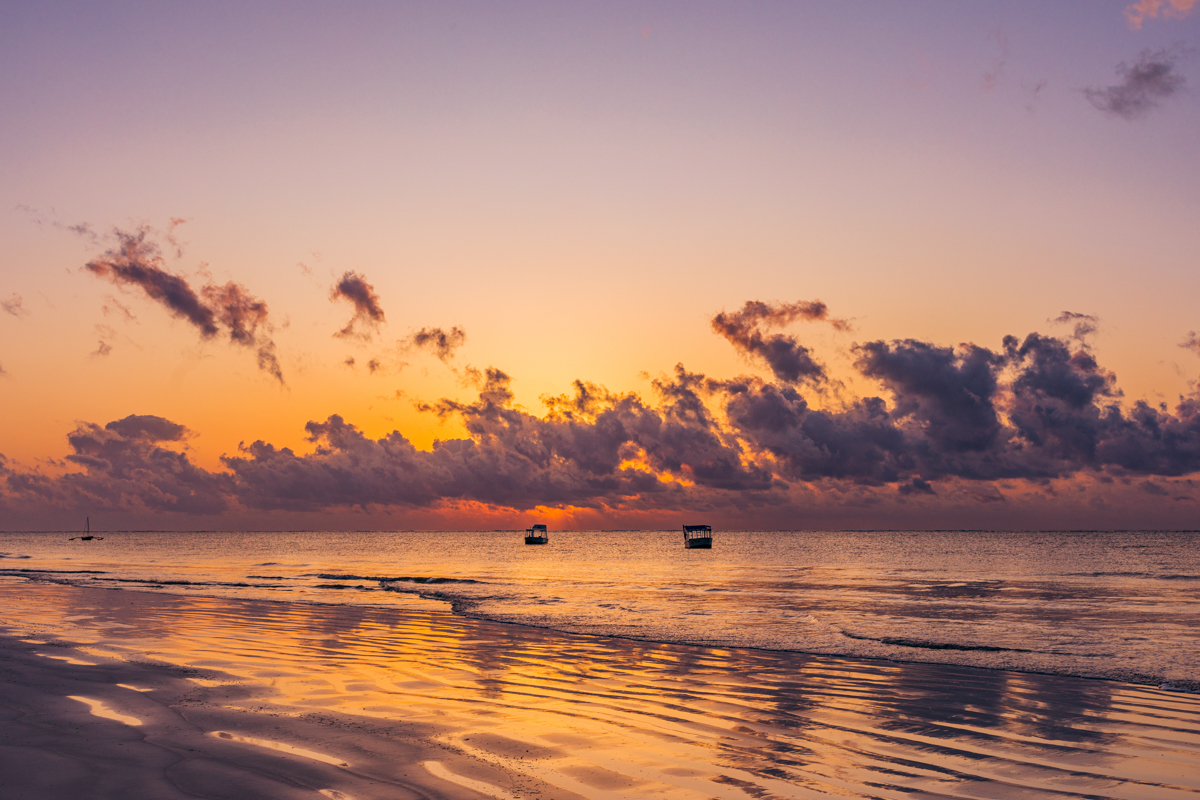
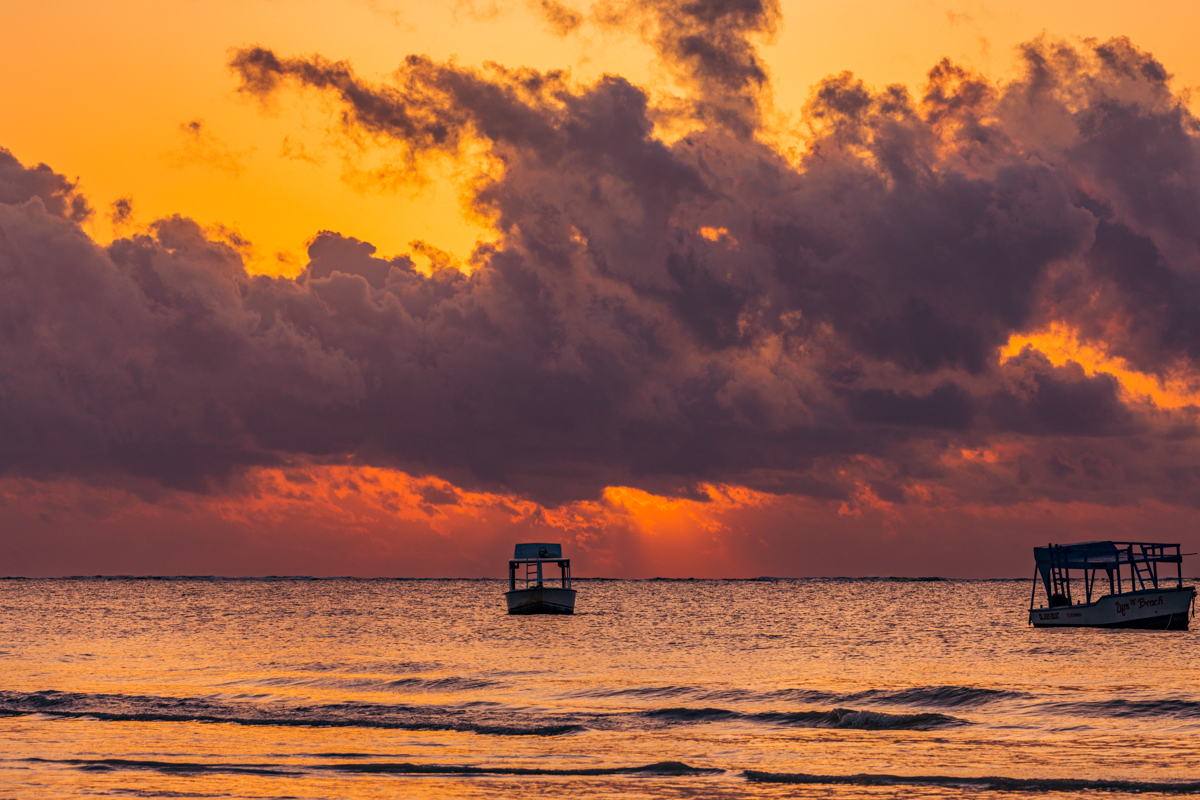
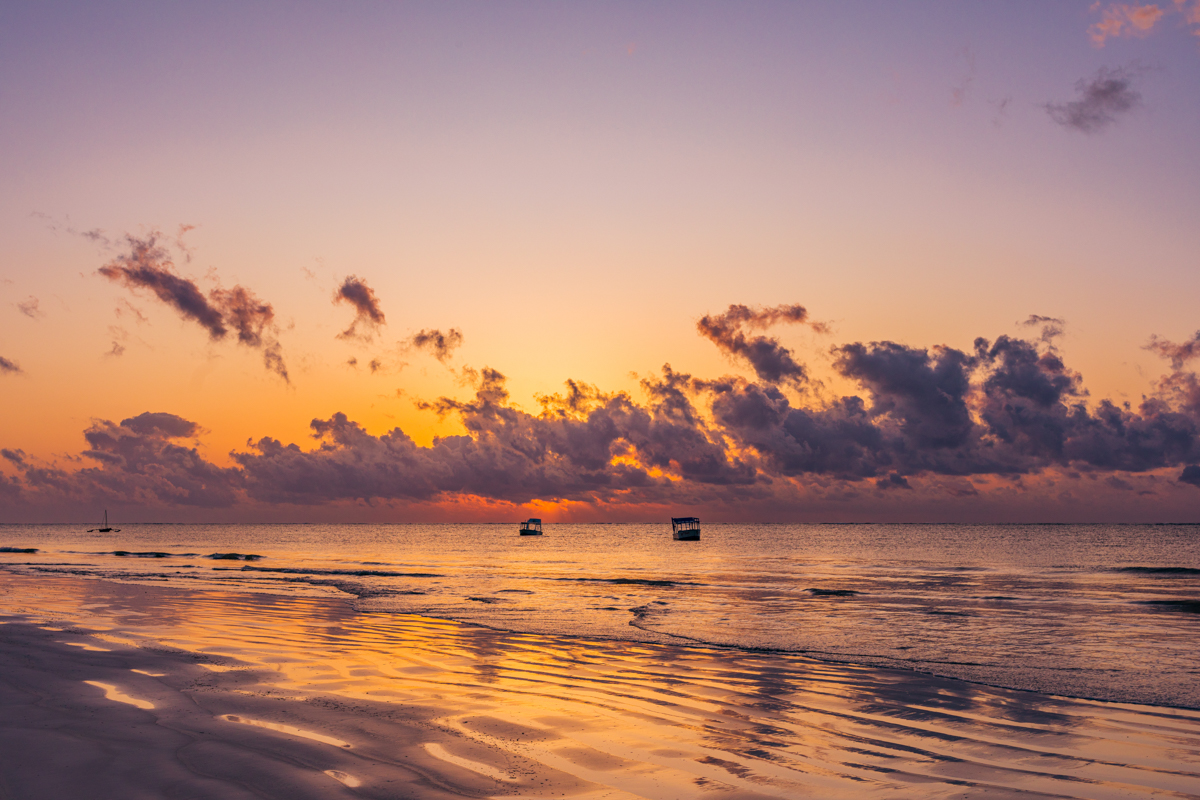
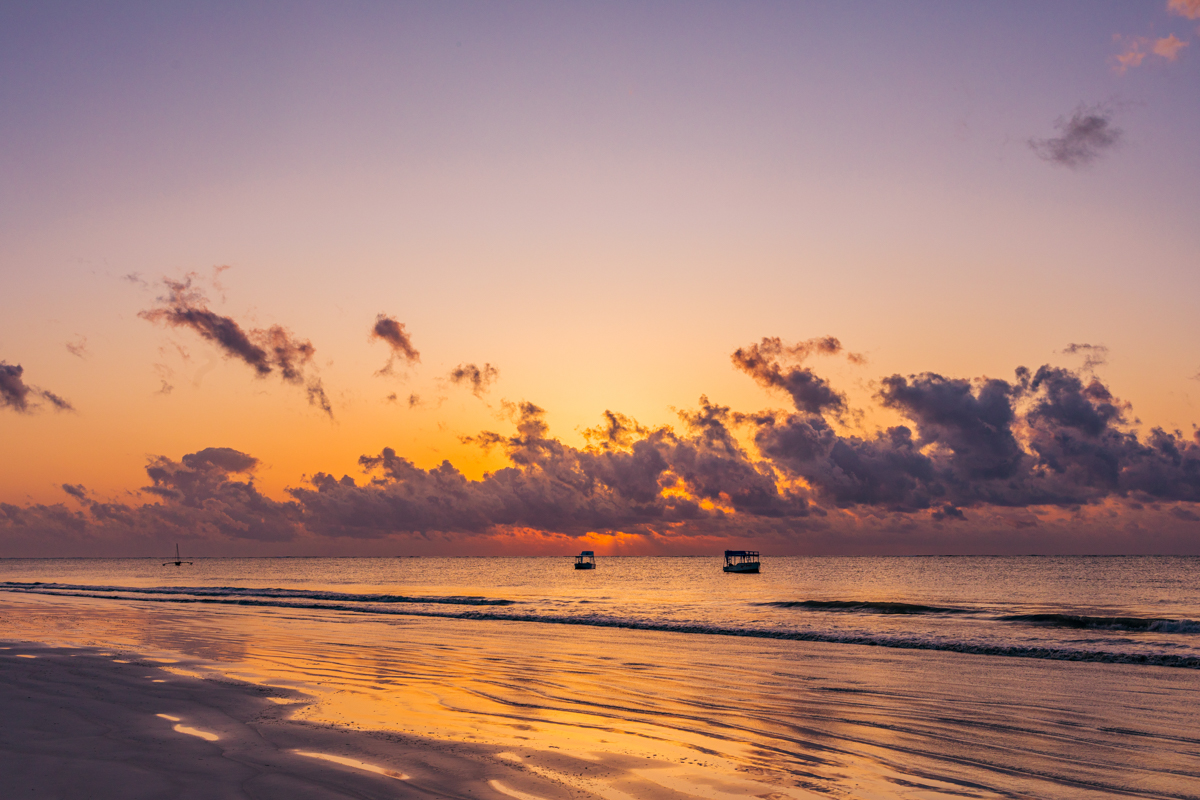
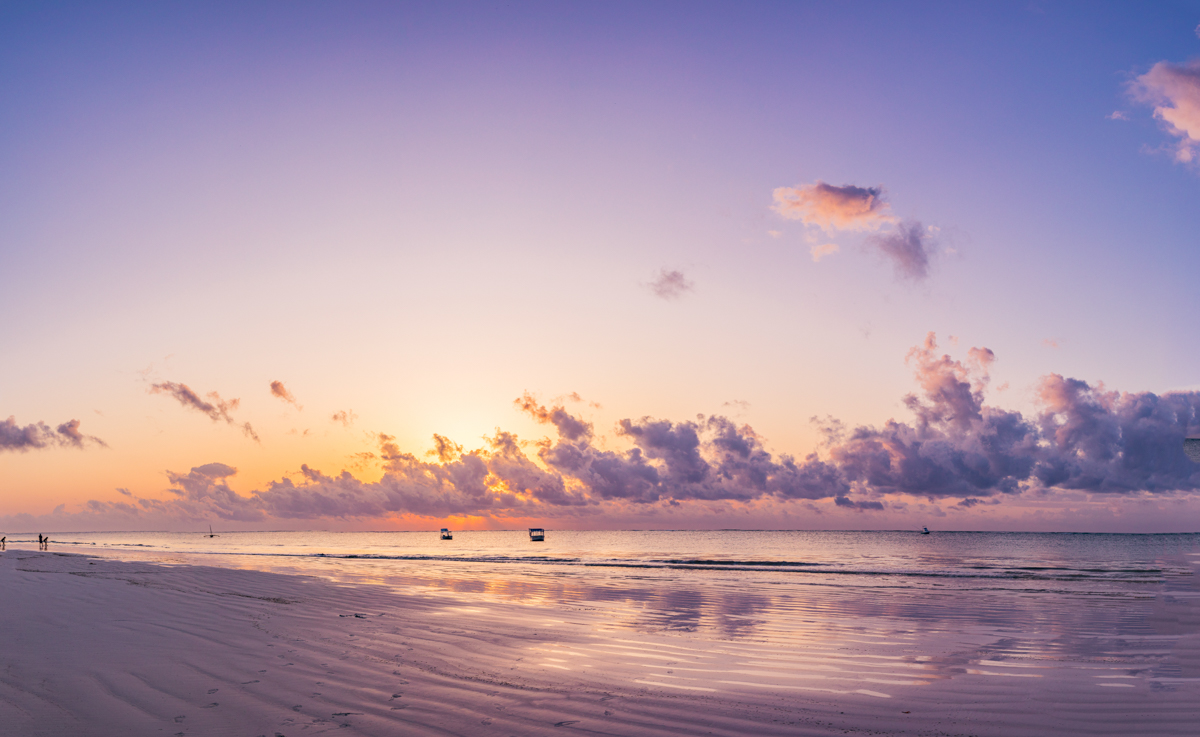
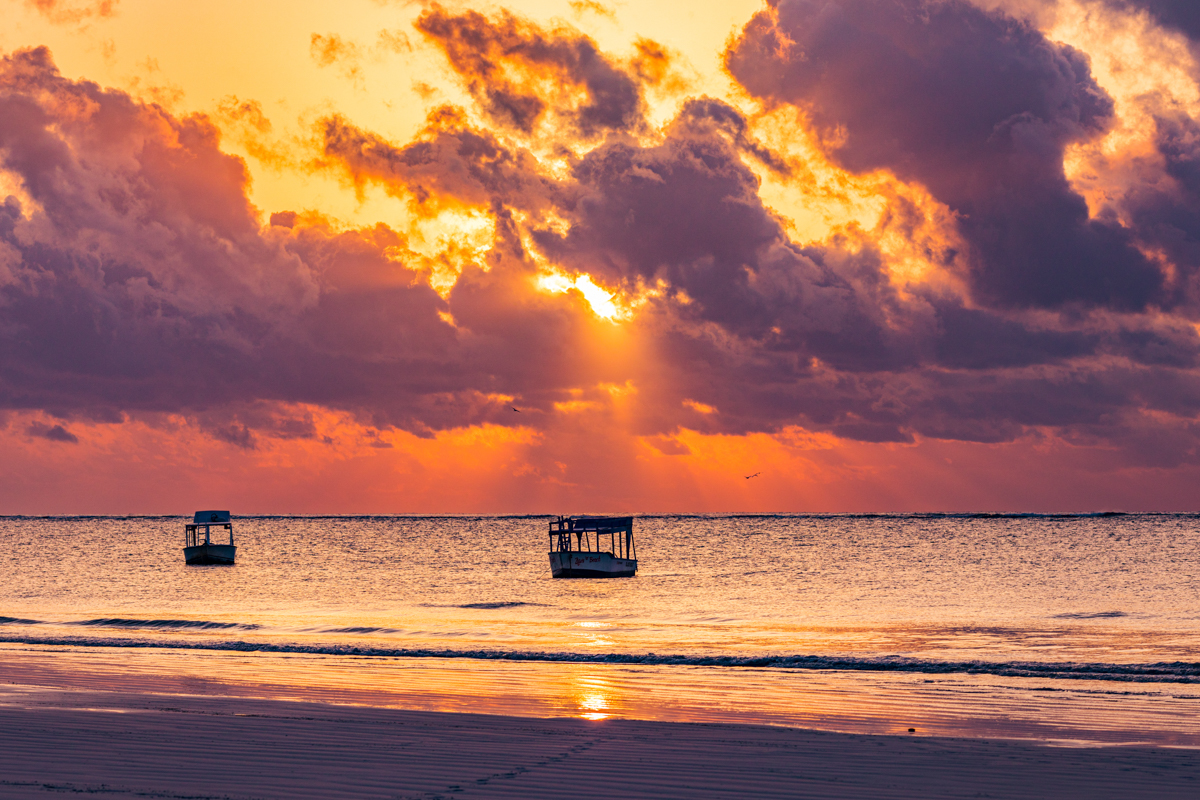
Diani faces east towards the Indian Ocean, making sunrise one of its defining photographic experiences.
Early morning light can illuminate the ocean, palm trees, wet sand and shallow water.
The changing colours of the sky and reflections on the shoreline create opportunities for landscape and travel photography.
Early morning is also a useful time to observe the beach before the main daytime activity begins.
Beach and Landscape Photography
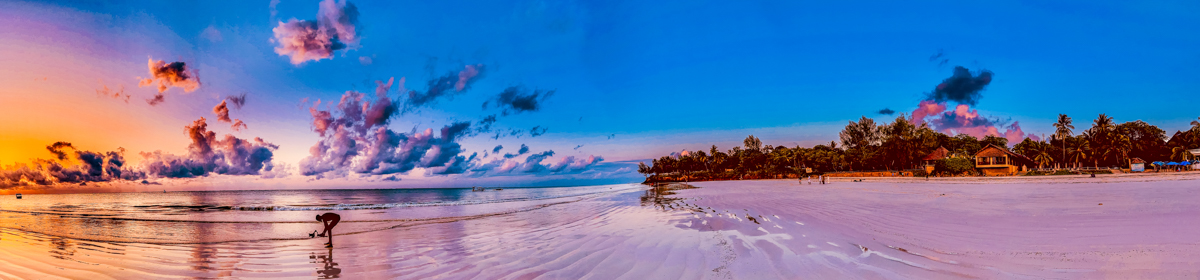
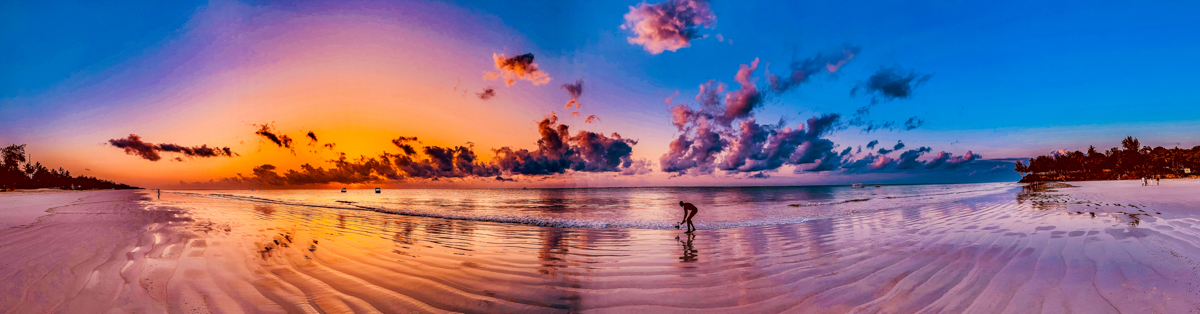
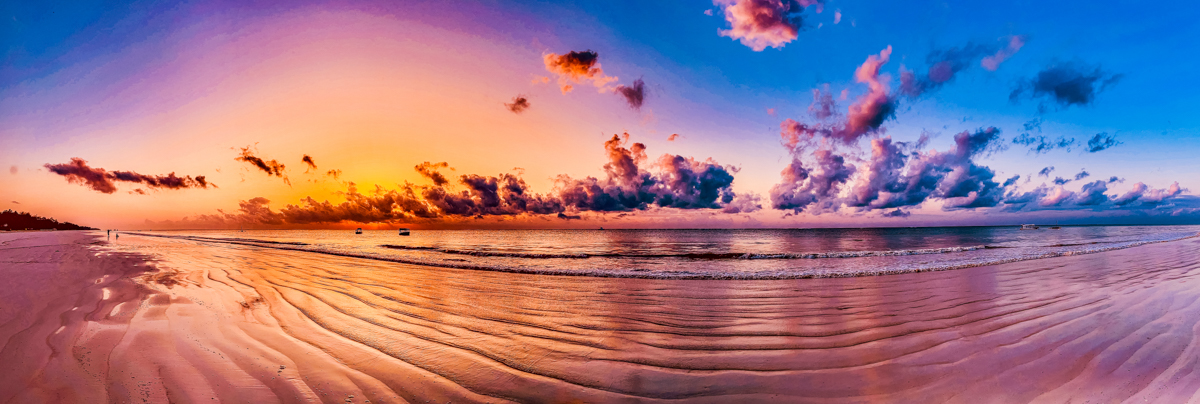
The coastline provides a variety of photographic subjects, including palm-lined beaches, tidal flats, coral formations, ocean horizons and coastal vegetation.
The difference between high and low tide creates substantially different landscapes.
Photographers should take care not to damage coral or disturb marine habitats when working around exposed reef areas.
Wildlife Photography
The presence of colobus monkeys and other primates provides opportunities for wildlife photography.
Photographers should use suitable lenses and maintain a respectful distance.
Wildlife should never be baited, fed or handled for a photograph.
Cultural and Documentary Photography
Ukunda, fishing communities, local markets, coastal settlements and traditional activities provide opportunities for documentary storytelling.
Photographing people requires sensitivity and respect.
Seek permission where appropriate, particularly for portraits and photographs of private or culturally sensitive activities.
Wedding and Destination Photography
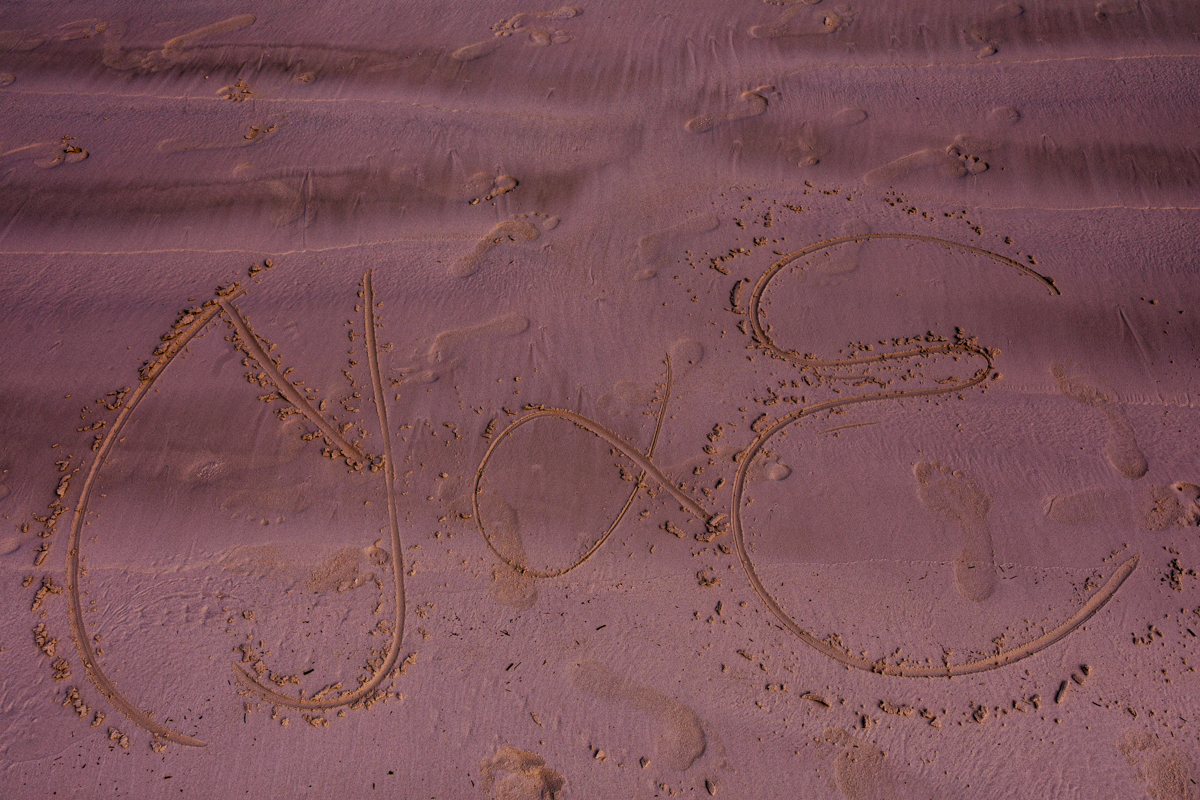
Diani is also an established destination for beach weddings, honeymoon photography, engagement sessions and destination celebrations.
The coastline provides a range of settings, from beachfront properties and tropical gardens to open sandy beaches and ocean-facing accommodation.
Couples planning a photography session should consider tide times, sunrise or late-afternoon light, beach access, privacy, weather and any permissions required by the property.
For Antony Trivet Photography, Diani is an opportunity to document not only the beauty of the coastline but also the people, experiences and atmosphere that make the South Coast distinctive.
15. How Many Days Should You Spend in Diani?
The ideal length of stay depends on whether Diani is the main holiday destination or part of a wider Kenya itinerary.
Two to Three Days
A short visit can include beach time, swimming, restaurants and one organised activity.
This is suitable for travellers passing through the South Coast or combining Diani with another destination.
Four to Five Days
A longer stay provides time for beach relaxation, water sports, a visit to Colobus Conservation and an excursion to Shimba Hills or another nearby attraction.
Seven Days or More
A week or longer allows visitors to explore Diani at a slower pace while including day trips to destinations such as Gazi, Chale Island, Funzi, Shimoni and Kisite–Mpunguti.
Travellers interested in photography, wildlife, culture and outdoor activities may benefit from a longer visit.
16. Practical Travel Tips for Visiting Diani Beach
Before travelling, consider the following:
Transport: Arrange airport transfers and confirm the route to your accommodation.
Tides: Check tide tables before planning swimming, snorkelling or reef walks.
Sun protection: Carry sunscreen, a hat, sunglasses and drinking water.
Footwear: Reef shoes can be useful around exposed rocky and coral areas.
Wildlife: Do not feed monkeys or approach wild animals.
Money: Carry a suitable payment method and some Kenyan shillings for everyday purchases. Confirm which payment methods individual businesses accept.
Health: Consult an appropriate medical professional or travel clinic about travel health precautions before departure.
Security: Use reputable transport providers, keep valuables secure and avoid isolated beach areas at night.
Excursions: Confirm the operator, itinerary, inclusions, safety equipment and cancellation policy before paying.
Weather: Check local forecasts before boat trips, diving, kitesurfing and other weather-dependent activities.
Cultural respect: Behave respectfully when visiting local settlements and sacred heritage sites.
Accommodation: Verify the exact location and current facilities before booking.
Marine life: Avoid touching coral, collecting marine organisms or disturbing sea turtles and other wildlife.
17. Frequently Asked Questions About Diani Beach, Kenya
Where is Diani Beach located?
Diani Beach is located in Kwale County on Kenya’s South Coast, approximately 30 kilometres south of Mombasa.
Is Diani Beach in Mombasa?
No. Diani Beach is in Kwale County, south of Mombasa. Mombasa is an important gateway for visitors travelling to the South Coast.
Is Ukunda the same as Diani Beach?
No. Diani is the coastal beach and resort destination, while Ukunda is the inland commercial and transport centre serving the wider area.
What is Diani Beach famous for?
Diani is known for its white sandy shoreline, Indian Ocean coastline, coral reef environment, water sports, beachfront accommodation, tropical vegetation and nearby wildlife and cultural attractions.
What can you do in Diani Beach?
Visitors can swim, snorkel, scuba dive, kitesurf, take boat trips, enjoy beach walks, visit Colobus Conservation, explore Kaya Kinondo, play golf and take excursions to Shimba Hills and other South Coast destinations.
Can you see monkeys in Diani?
Yes. The wider Diani area supports several primate species, including the Angolan black-and-white colobus monkey. Sightings are not guaranteed, and visitors should never feed wild animals.
Is Kaya Kinondo a UNESCO World Heritage Site?
Kaya Kinondo is a culturally significant Digo sacred forest and heritage site. However, it was specifically excluded from the Sacred Mijikenda Kaya Forests property inscribed on the UNESCO World Heritage List in 2008.
Is Diani Beach suitable for families?
Diani has family-oriented accommodation and activities. Families should choose suitable swimming areas, supervise children closely around the ocean and check the facilities offered by their accommodation.
How do you get from Nairobi to Diani?
Travellers can fly to Ukunda Airport or Mombasa, or travel by road or train to Mombasa and continue south by road.
Is Diani Beach near Shimba Hills?
Shimba Hills National Reserve is inland in Kwale County. It can be visited as an excursion from Diani, with the journey and time required depending on the route and reserve access.
What is the best time to visit Diani Beach?
The best time depends on the planned activities. Kaskazi and Kusi influence wind and sea conditions, while the long and short rains affect outdoor travel. Check current forecasts and local advice before travelling.
Is Diani Beach good for photography?
Yes. Diani offers opportunities for landscape, wildlife, lifestyle, travel documentary, family, engagement and wedding photography. Sunrise, changing tides and coastal wildlife provide particularly distinctive subjects.
18. Final Thoughts: Discover Diani Beyond the Beach
Diani Beach is one of the most recognised destinations along Kenya’s Indian Ocean coastline, but its identity extends far beyond white sand and beachfront resorts.
The wider area is shaped by the relationship between the ocean, coral reefs, seagrass beds, coastal forests, wildlife, fishing communities, Digo heritage and the tourism economy.
From the commercial activity of Ukunda to the quieter stretches of Galu, the cultural significance of Kaya Kinondo, the conservation work of Colobus Conservation and the coastal wilderness of Shimba Hills, Diani offers a varied picture of life along Kenya’s South Coast.
For visitors, the destination provides opportunities to relax, explore and experience different aspects of coastal Kenya.
For photographers and documentary storytellers, it offers a landscape where nature, culture, tourism and everyday life meet.
Exploring Diani responsibly means appreciating not only the beauty that attracts visitors, but also the communities, ecosystems and heritage that make the destination what it is.
Diani Beach, Ukunda and the wider South Coast remain an important part of Kenya’s coastal identity — a destination worth exploring beyond the shoreline.
Travel documentary research and photography by Antony Trivet Photography.