Kalenjin Koito Culture Marriage :: Kenya Traditional Dowry Payment
KALENJIN TRADITIONAL MARRIAGE AND DOWRY PROCEDURES IN KENYA: A COMPREHENSIVE GUIDE TO KOITO, TUNISIET, KIPSIGIS BRIDEWEALTH AND TRADITIONAL WEDDING CUSTOMS
Introduction: Understanding Kalenjin Marriage Traditions
Marriage has long held an important place in the social and cultural life of Kalenjin communities in Kenya. Traditionally, it was not understood simply as a private agreement between two individuals. It was also a relationship between families, lineages and wider communities, established through introductions, negotiations, the exchange of gifts or bridewealth, ceremonies, shared food and the recognition of elders.
Among many Kalenjin communities, marriage customs historically involved several stages. These could include an initial family visit, enquiries into family backgrounds and kinship, formal engagement negotiations, the presentation or discussion of bridewealth, and a larger celebration marking the union. The names, order and significance of these stages have varied between communities and across generations.
One of the best-known contemporary ceremonies is Koito, a formal occasion associated with the meeting of two families, customary marriage negotiations and the recognition of an intended marriage. In some families, Koito is an intimate engagement ceremony. In others, it has developed into a large celebration that incorporates introductions, bridewealth discussions, advice to the couple, gifts, food, music and entertainment.
However, there is an important distinction to make from the beginning: Kalenjin is a broad cultural and linguistic identity, not a single community with one identical marriage procedure.
The customs of the Kipsigis, Nandi, Tugen, Keiyo, Marakwet, Pokot, Sabaot, Terik and other communities should not automatically be treated as interchangeable. Even within one community, marriage practices can differ according to family history, locality, religion, economic circumstances and personal preference.
Historical research makes this distinction particularly important. Some communities historically exchanged livestock as bridewealth, while other communities in the Kerio Valley did not traditionally have the same bridewealth system. Research also documents the influence of Nandi marriage practices on neighbouring communities, particularly during the spread of Christianity and mission education.
This guide examines the wider cultural context of Kalenjin marriage, the historical and contemporary Koito process, older Nandi and Kerio Valley marriage stages, the Kipsigis bridewealth system, the cultural importance of mursik and the Sotet calabash, and the ways contemporary couples adapt these traditions.
It also distinguishes documented cultural practices from details that require further confirmation. The objective is not to present a romanticised or simplified account, but to provide a useful, respectful and detailed reference for couples, families, researchers, cultural enthusiasts and anyone seeking to understand Kalenjin traditional marriage customs.
1. Who Are the Kalenjin?
The Kalenjin are a collection of related communities predominantly associated with Kenya’s Rift Valley and neighbouring parts of East Africa. Kalenjin languages belong to the Southern Nilotic branch of the wider Nilotic language family.
The term Kalenjin is used in two related ways. It can refer to a broader linguistic grouping and to a shared ethnic identity that developed and gained prominence during the twentieth century.
The name is commonly associated with a Nandi expression meaning “I tell you” or “I say to you”. The collective identity became increasingly prominent during the 1940s and 1950s as speakers of related languages developed a wider political and cultural identity.
It is important to recognise that the collective identity has a history. The communities now commonly grouped under the Kalenjin name did not always use one common ethnic designation to describe themselves.
1.1 Kalenjin communities
Communities commonly discussed under the wider Kalenjin identity include:
- Kipsigis
- Nandi
- Tugen
- Keiyo
- Marakwet
- Pokot
- Sabaot
- Terik
- Ogiek communities associated with the wider region
- Sengwer communities
- Sebei communities, particularly associated with Uganda and closely related to the Sabaot linguistic and cultural grouping
This list requires qualification.
The classification of some communities is debated or changes according to whether a source is discussing language, ethnicity, historical identity or political affiliation.
The Sebei and Sabaot, for example, should not automatically be presented as two entirely unrelated cultural groups. The Sebei are principally associated with eastern Uganda, while Sabaot communities are associated with the Mount Elgon region. Their relationship is close, although community identities and local distinctions remain important.
The Ogiek and Sengwer also have distinct histories and identities. Their inclusion in broader Kalenjin classifications varies between sources and should not erase their own self-identification.
The list is therefore a guide to communities frequently discussed in connection with the wider Kalenjin identity, not a final authoritative classification of every related population.
1.2 Where Kalenjin communities live
Kalenjin communities are associated with a broad geographical area, particularly:
- Kericho County
- Bomet County
- Nandi County
- Uasin Gishu County
- Elgeyo-Marakwet County
- Baringo County
- West Pokot County
- Trans Nzoia County
- Nakuru County
- Parts of Laikipia and neighbouring counties
- Areas around Mount Elgon, including communities across the Kenya-Uganda border
The distribution of individual communities is not limited by modern county boundaries.
Migration, intermarriage, employment, education, land ownership and urbanisation have created Kalenjin communities in Nairobi, Mombasa, Kisumu, Eldoret and other towns and cities.
1.3 Kalenjin population in Kenya
The 2019 Kenya Population and Housing Census recorded 6,358,113 people under the Kalenjin census category.
That figure should be used with care.
The census also recorded separate categories and sub-community identities. The Kalenjin census category should not be confused with a simple count of every community that has ever been linguistically or historically associated with the wider Kalenjin grouping.
Census classifications are administrative tools. They do not always capture the complexity of how people identify themselves or how communities have changed over time.
1.4 Language and identity
Kalenjin languages are related but are not all identical.
The Kipsigis, Nandi, Tugen, Keiyo, Marakwet, Pokot, Sabaot and other communities have their own linguistic varieties and cultural terminology.
English and Kiswahili are widely used as additional languages in education, business, public life and communication between communities.
A word used in one Kalenjin language should not automatically be assumed to have the same spelling, pronunciation or meaning in another.
This is particularly important when documenting marriage customs. Terms such as Koito, Tunisiet, bridewealth items and names of ceremonial objects should be checked against the language and community to which they belong.
1.5 Naming traditions
Names can carry cultural and historical significance.
The use of arap in some male names is particularly familiar in Kenyan public life. Daniel Toroitich arap Moi is a well-known example.
Modern naming practices have also been influenced by Christianity, Islam, education, urbanisation and wider social change.
It would be inaccurate to claim that all Kalenjin families historically used exactly two names or that all contemporary naming systems follow one uniform pattern.
2. Marriage as a Union Between Families
In many traditional Kalenjin settings, marriage involved more than the agreement of the prospective bride and groom. It brought two families into a recognised relationship and established obligations, expectations and social connections between them.
The involvement of parents, relatives, elders and other representatives was important because marriage could affect:
- Family relationships and alliances
- Clan and kinship considerations
- Bridewealth obligations
- The responsibilities of the prospective husband and wife
- The relationship between the bride’s family and the groom’s family
- The recognition of children and family continuity
- Community participation and social support
Marriage negotiations also provided an opportunity for families to establish whether the intended union was acceptable under their customary rules.
This could include enquiries about family backgrounds, kinship, clan relationships and other matters considered important by the families.
2.1 Clan and kinship considerations
Marriage restrictions relating to kinship and clan affiliation have been significant in several Kalenjin communities.
Among the Kipsigis and Nandi, historical accounts describe marriage as involving enquiries into clan identity and close family relationships.
The purpose of such enquiries was not simply ceremonial. They helped families establish whether a proposed marriage was acceptable under their customary rules.
Marriage outside prohibited clan or close kinship relationships was an important consideration in several traditional settings.
The exact rules, terminology and extent of prohibited relationships must be understood within the particular community and family tradition. A rule documented among the Kipsigis should not automatically be applied to every other Kalenjin community.
2.2 Marriage and the extended family
Marriage could establish relationships that extended beyond the immediate parents of the bride and groom.
A marriage could connect:
- Parents and grandparents
- Uncles and aunts
- Clan representatives
- Family elders
- Siblings and cousins
- Neighbours and community members
This explains why traditional marriage negotiations could involve several people who were not directly responsible for organising the wedding itself.
The marriage was considered a family and social matter, not merely a private celebration.
2.3 The importance of consent
Historical descriptions of customary marriage sometimes place considerable responsibility in the hands of parents and elders. Some accounts describe ceremonies in which the prospective bride and groom were not present during early negotiations.
Such descriptions should not be used to suggest that the couple’s consent is unimportant.
A traditional family meeting may involve parents, relatives and elders, but a contemporary marriage must be based on the free and voluntary agreement of the people getting married.
Cultural consultation and family approval cannot replace personal consent.
The Marriage Act, 2014 defines marriage as a voluntary union. Family negotiations, bridewealth and customary ceremonies do not give relatives the right to force a person into marriage.
3. Historical Kalenjin Marriage Was Not One Uniform Ceremony
One of the most important findings from the research is that the earlier version of this article needed a stronger historical distinction between the different Kalenjin communities.
It is not accurate to describe the traditional marriage process as if every Kalenjin community historically followed the same Koito, bridewealth and wedding sequence.
Research on the Kalenjin of the Kerio Valley documents differences between the Nandi, Marakwet, Tugen, Keiyo and Pokot.
These differences are important because they demonstrate that cultural practices can spread between neighbouring communities and change over time.
3.1 The influence of geography and livelihood
Livelihood influenced the kinds of marriage transfers that families could make.
Cattle-keeping communities had access to livestock that could be exchanged as bridewealth.
Other communities relied more heavily on agriculture and different economic resources.
Historical research on the Kerio Valley describes some agricultural communities, particularly sections of the Marakwet, Tugen and Keiyo, as not traditionally exchanging livestock bridewealth in the same way as the Nandi and Pokot.
In some accounts, a gift of hydromel, a honey-based alcoholic drink known as kipketin, was sent to the bride’s parents as a token of appreciation.
This is an important distinction.
The existence of a Kalenjin bridewealth list does not prove that every Kalenjin community historically used the same list or even had the same form of bridewealth exchange.
3.2 Nandi cultural influence
The Nandi were historically influential in the wider region.
Research on the Kerio Valley describes how Nandi marriage practices, terminology and ceremonies influenced neighbouring communities.
This influence was strengthened through migration, interaction, intermarriage and missionary activity.
The spread of Christianity also contributed to changes in marriage ceremonies. Some traditional practices were discouraged, while others were adapted and incorporated into Christian pre-wedding and wedding celebrations.
Consequently, some customs now regarded as broadly Kalenjin may have developed through historical interaction rather than having existed in precisely the same form among every community from the beginning.
3.3 Why this matters
When documenting Kalenjin marriage traditions, three distinctions must remain clear:
- Customs historically documented among a particular community.
- Practices that spread between neighbouring communities or were adapted through religious and social change.
- Contemporary ceremonies that families now organise under the broader Kalenjin identity.
This article discusses all three, but does not treat them as identical.
4. The Historical Marriage Process Among the Nandi and Kalenjin of the Kerio Valley
Historical marriage descriptions provide a deeper understanding of how marriage was organised before contemporary wedding ceremonies became common.
A 2023 Kenyatta University doctoral thesis examining the religious and cultural history of the Kalenjin of the Kerio Valley describes a marriage process that was not completed in one day.
The historical account includes an initial visit known as kiralama, an initial stage of marriage and a later major wedding called katunisio.
These descriptions relate to a particular historical and regional context. They should not be treated as a universal sequence followed by every Kalenjin community.
4.1 Kiralama: The fire-making visit
Kiralama is described as a fire-making ceremony or visit.
A young man who had identified a prospective wife would arrange to visit her family home.
The purpose of the visit included seeking the father’s consent and allowing the bride’s family to identify the people who had arrived.
The father and his clansmen would make enquiries about the visitors and their family relationships.
One of the important considerations was whether the prospective couple were related by blood or belonged to prohibited kinship relationships.
The visit therefore had a social and customary function beyond simply announcing an intention to marry.
4.2 The first stage of marriage
The same historical account describes a series of steps following the initial visit.
After the families had established that there was no prohibited blood relationship, the woman could accompany the groom’s party to their home.
The account describes her staying with her future mother-in-law for four days before moving to her husband’s hut for a further two days.
She would then return to her natal home accompanied by two young women and four warriors.
The purpose of this return visit included taking beer from the husband’s home to the bride’s family, where an all-night celebration could be held.
The accompanying warriors returned the following day, while the young women remained for a further period before accompanying her back.
According to the historical account, when the woman accepted the return to her husband’s home, the first stage of marriage was considered complete.
The expression kaip chi korgo is translated in the thesis as “the man has taken a wife”.
The woman was then officially given the cowhide belt of her husband’s clan, known as legetio.
The thesis interprets this belt as a symbol associated with feminine power and creation.
This is a historical account, not a recommendation or description of how contemporary couples should conduct marriage.
4.3 Katunisio: The major traditional wedding
The second phase and climax of marriage in the historical account was the wedding known as katunisio.
Unlike a modern wedding that may take place shortly after engagement, this ceremony could occur after the couple had already had several children.
It was a major event that required substantial preparation and resources.
Guests could include:
- The bride’s relatives
- The groom’s relatives
- Clansmen
- Friends
- Neighbours
- Community members
- Sponsors and other ceremonial participants
The ceremony was an important public recognition of the marriage and the relationship between the two families.
4.4 Kapkorosut: The ceremonial archway
The historical description records the construction of a special archway altar called kapkorosut at the entrance to the husband’s parents’ compound.
Guests passed through the archway when entering the compound.
The bride and groom entered first with their sponsors, followed by other members of the community.
The thesis describes milk being sprayed into the mouths of those passing through the archway.
The couple then circled the ceremonial hut four times before entering.
The ceremony continued inside the hut.
4.5 The ceremonial hut and the arrangement of families
The historical account describes the families sitting on opposite sides of the ceremonial hut.
The groom’s family occupied the right-hand or male side, while the bride’s family sat on the opposite side.
A ceremonial beer pot was positioned at the centre.
The couple moved around the pot under the direction of a ritual elder known as poyot ap tum.
The couple then knelt while the gathering sang and chanted.
Milk was again sprayed into their mouths as part of the ritual.
These descriptions illustrate how the physical arrangement of the gathering could express the relationship between the two families.
They should not be treated as the seating requirements of a contemporary Koito or every Kalenjin wedding.
4.6 Ayebisio: Blessings for the marriage
The historical account describes the ritual elder leading the gathering in blessings known as ayebisio.
The ceremony involved chanting and singing for the couple.
The purpose was to recognise the marriage and establish the relationship between the families.
4.7 Butter and the establishment of family relationships
One of the most distinctive elements in this historical account is the use of clarified butter.
Participants took clarified butter from an ox horn using a small stick and applied it to one another’s foreheads.
The action was reciprocal.
The couple first applied butter to their sponsors, followed by other members of the families.
The parents of the bride and groom also participated.
The people who had received the butter were described as bamwai, meaning those associated through the butter ritual.
The ceremony was understood as establishing a new relationship between the families.
The account describes the participants thereafter addressing one another using the relationship term bamwai rather than their personal names.
4.8 The ceremonial beer
After the butter ritual, the gathering shared ceremonial beer.
The order described in the historical account began with the ritual elder, followed by sponsors, the couple, their parents and other members of the gathering.
The sharing of the drink was understood as cementing the relationship.
The thesis describes this as the point at which the marriage was considered ritually complete.
It records the expression kakitun korgo in connection with this completion.
4.9 Why these historical details matter
The older Nandi and Kerio Valley marriage practices demonstrate that traditional marriage could involve:
- Family introductions
- Kinship enquiries
- The participation of elders
- Visits between the two homes
- A period of transition for the bride
- Symbolic clothing or objects
- A ceremonial hut
- Milk
- Butter
- Beer
- Songs and blessings
- A public celebration involving extended relatives and neighbours
These practices help explain the depth of older marriage traditions.
They also show why it is misleading to reduce Kalenjin marriage history to a modern Koito event and a bridewealth list.
5. Ratet and Tunisiet: The Traditional Marriage Stages
Historical descriptions of Nandi and other Kalenjin marriage customs also use the terms ratet and Tunisiet or Tunisiet.
These terms are important because they describe a distinction between an earlier marriage stage and a larger public celebration.
The exact terminology and sequence vary by community and source.
5.1 Ratet
Ratet is described in some accounts as a smaller ceremony after which the couple began living together.
It was an important stage because it marked the beginning of married life rather than simply an engagement announcement.
The ceremony could precede the completion of all bridewealth obligations.
This distinction is important: a couple could begin their married life while the wider family obligations connected with bridewealth remained outstanding.
5.2 Tunisiet
Tunisiet is described in some accounts as a larger public feast associated with the completion of bridewealth payment.
It brought together relatives, friends and members of the wider community.
The celebration could include food, drinks, music, dancing and other communal activities.
The completion of bridewealth obligations was an important part of the occasion in the communities and periods where this system was practised.
5.3 Did all communities conduct Ratet and Tunisiet in the same way?
No.
Some descriptions of Nandi practice indicate that the two stages occurred relatively close together.
In other communities, the period between the stages could be much longer, partly because livestock had to be accumulated before the final celebration.
Research also records different timing among the Keiyo, Marakwet and Kipsigis.
For example:
- Among the Nandi, the stages could occur in relatively rapid succession.
- Some accounts describe the Keiyo Katunisiet as taking place later in the sequence, sometimes during the woman’s first pregnancy.
- Among the Marakwet, Katunisio is described in some research as a major stage after the birth of a child.
- Among the Kipsigis, the larger beer and food celebration could take place months or even years after the initial binding of the couple and the transfer of cattle.
These variations make it impossible to present one universal timetable for all Kalenjin marriages.
5.4 Tunisiet, Katunisiet and Katunisio
The terms appear in different spellings and contexts.
Katunisiet is used in some Nandi descriptions, while Katunisio appears in historical descriptions of the Kerio Valley.
These terms should not automatically be treated as completely unrelated ceremonies. Their usage is influenced by language, dialect, transcription and local practice.
For publication, a community-specific terminology review remains important.
6. Koito: The Contemporary Engagement and Family Negotiation Ceremony
Koito is one of the most recognisable contemporary Kalenjin marriage ceremonies.
It is commonly associated with the formal meeting of the bride’s and groom’s families, customary engagement discussions, bridewealth negotiations and the recognition of the intended union.
For many families, Koito is an important occasion because it provides a public or family-level acknowledgement that the relationship is progressing towards marriage.
It is also an opportunity for relatives who may not know one another to meet, introduce themselves and establish the relationship between the two households.
6.1 Is Koito an ancient ceremony in its present form?
The answer requires care.
Historical research describes kiralama as an earlier fire-making visit and records the Nandi term koitok in connection with a pre-wedding ceremony that was expanded under Christian influence.
The research explains that missionary influence helped transform the earlier visit into a more elaborate occasion involving Christian rituals and expensive gift-giving.
This does not mean that contemporary Koito is culturally meaningless or that families are not maintaining genuine traditions.
It means that the modern ceremony has a history of adaptation.
It is more accurate to describe Koito as a contemporary ceremony with historical roots and changing forms than to claim that every feature of the modern event has existed unchanged for centuries.
6.2 What happens during Koito?
The event can include several activities:
- Welcoming the groom’s family
- Introducing members of both families
- Introducing elders and family representatives
- Discussing family backgrounds and kinship
- Confirming that the intended marriage is acceptable under the families’ customary considerations
- Discussing bridewealth
- Agreeing on gifts and other family obligations
- Sharing food and traditional drinks
- Giving advice to the couple
- Presenting gifts
- Celebrating the agreement between the families
Not every Koito includes all these activities, and the order can differ.
6.3 Family introductions
Introductions are an important part of the occasion.
The bride’s family and the groom’s family may identify their senior representatives and explain how the people present are related to the couple.
This is particularly useful where the two families have not previously met.
Clan and kinship discussions may also take place, particularly where these matters are part of the families’ customary marriage requirements.
6.4 The private bridewealth discussion
In some contemporary Koito ceremonies, a smaller group of selected family representatives conducts the bridewealth discussion separately from the wider gathering.
This allows the designated representatives to discuss the proposed items, livestock, money and other obligations without requiring every guest to participate in the negotiations.
The wider gathering may continue with introductions, hospitality and entertainment while the representatives deliberate.
The structure is not universal. Some families discuss the matter openly in the presence of a larger group, while others prefer a private meeting.
6.5 Advice to the couple
After the negotiations, senior family members may address the bride and groom.
Their advice can concern:
- Respect and patience
- Communication
- Responsibility
- Financial management
- Supporting one another
- Maintaining relationships with both families
- Raising children
- Handling disagreements
- Building a stable household
This part of the ceremony is significant because it communicates that marriage involves responsibilities beyond the wedding celebration.
6.6 Gifts and symbolic items
Some Koito ceremonies include gifts for the couple.
These may be practical household items, clothing, money or other presents agreed upon by the families.
The gifts vary and should not be presented as a fixed list of mandatory Kalenjin marriage items.
6.7 Is Koito an engagement or a wedding?
Koito is often described as an engagement ceremony, but its contemporary role can be more extensive.
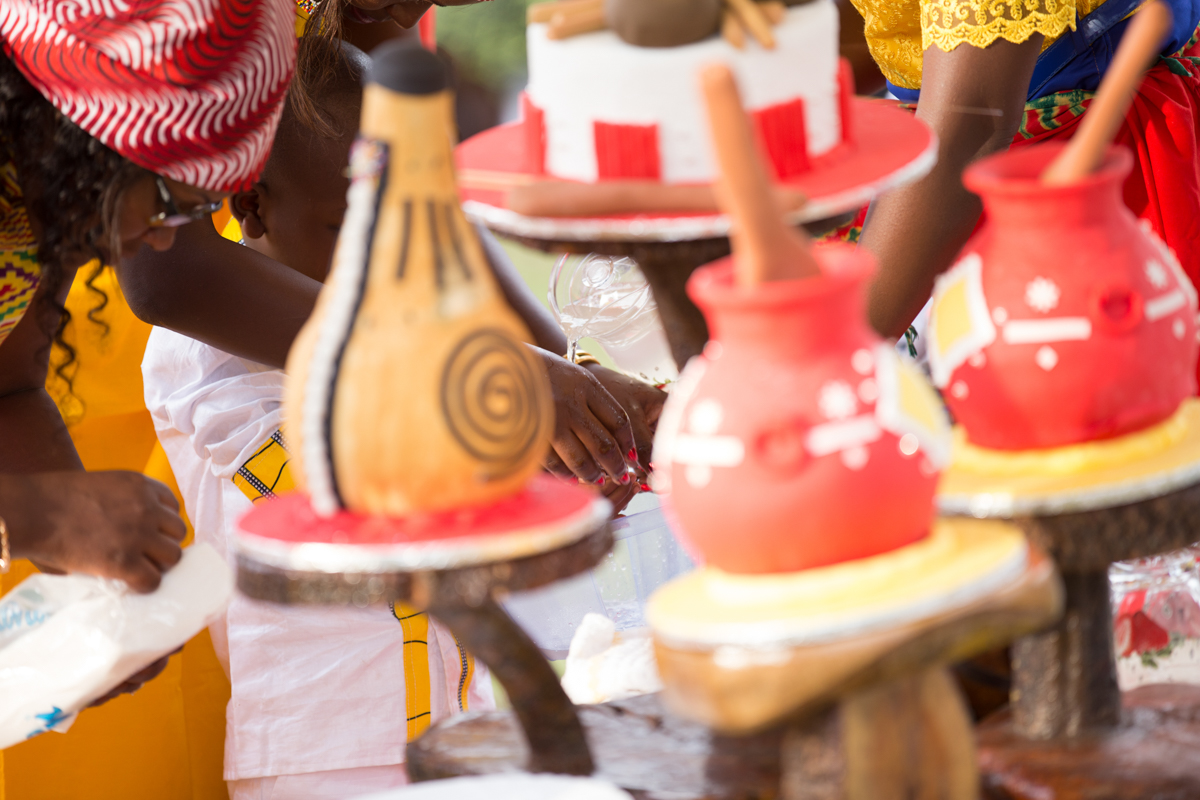
In some families, it is the main traditional marriage celebration. It may incorporate formal introductions, bridewealth negotiations, blessings, gifts and a large reception.
In other families, Koito is followed by a separate wedding ceremony.
The meaning of the event depends on the family tradition and the customary steps recognised by the particular community.
7. Kaayaaet’ap Koito and Other Preliminary Marriage Visits
The term kaayaaet’ap koito appears in some descriptions of Kalenjin marriage procedures as an initial or preliminary visit before the more formal Koito engagement.
The expression and spelling should be confirmed with a fluent speaker from the specific community in which it is being used. Kalenjin languages and dialects differ, and written spellings can vary between sources.
In descriptions of this process, the first visit allows the groom’s family to approach the bride’s family and establish whether marriage discussions can proceed.
A later visit may involve more formal introductions and negotiations.
However, it would be misleading to state that every Kalenjin community follows a mandatory three-stage sequence consisting of a preliminary visit, Koito and Tunisiet.
The sequence and terminology are not consistently documented across all communities. Families may also combine or omit stages.
For publication purposes, it is more accurate to describe the preliminary visit as a practice reported in some accounts rather than as a universal Kalenjin requirement.
7.1 Who visits whom?
The original source material describes the groom’s party visiting the bride’s family.
That is the direction of the preliminary marriage approach described in the historical accounts.
A sentence suggesting that the bridegroom first goes to his own home with the bride’s family and clan elders is ambiguous and should not be reproduced as a general rule.
There may be separate occasions when both families meet at the groom’s home, but that should be described as a particular family arrangement rather than the universal first approach.
8. Tunisiet: The Larger Marriage Celebration
Tunisiet is a term associated with a larger public marriage celebration in some Kalenjin marriage accounts.
Historical and ethnographic descriptions of Nandi and other Kalenjin peoples refer to marriage celebrations involving distinct stages, including a smaller ceremony and a larger public feast.
The larger celebration could be associated with the completion of bridewealth obligations.
The timing, significance and name of the celebration have varied across communities and historical periods.
8.1 What does the celebration involve?
A larger traditional marriage celebration may bring together:
- The bride’s relatives
- The groom’s relatives
- Neighbours
- Friends
- Community elders
- Family representatives
- Other invited guests
Food, drinks, music, dancing, speeches and blessings may form part of the occasion.
In contemporary settings, the celebration can be combined with a church wedding, reception or other modern wedding activities.
8.2 Is Tunisiet compulsory after Koito?
No universal rule should be assumed.
Some families organise a separate traditional wedding celebration after Koito. Others combine the ceremonies or treat Koito as the main occasion.
Some contemporary families use a church wedding or civil ceremony as the principal public celebration.
The important point is that the terms and sequence must be interpreted within the particular community and family tradition.
9. Kipsigis Traditional Marriage: A More Detailed Bridewealth System
The Kipsigis provide one of the more extensively documented examples of Kalenjin marriage and bridewealth customs.
Historical ethnographic studies and more recent academic research describe a marriage system in which livestock played a central role in the transfer of bridewealth between families.
The Kipsigis are predominantly associated with the southern Rift Valley, including areas of Kericho and Bomet counties.
The Kipsigis bridewealth system should not be presented as a fixed dowry list for all Kalenjin communities.
9.1 What is bridewealth?
Bridewealth is a customary transfer made by the groom’s family to the bride’s family in connection with marriage.
Among the Kipsigis, this traditionally involved livestock, particularly cattle, alongside sheep and goats. Cash has also become part of contemporary arrangements.
Bridewealth can carry several meanings, including:
- Recognition of the marriage between two families
- Establishment of customary family obligations
- Acknowledgement of the relationship between the bride’s and groom’s households
- The transfer of livestock and other resources between families
- A public demonstration that the marriage negotiations have been concluded
Bridewealth should not be confused with the purchase of a woman.
A woman is not property, and the payment of bridewealth does not give a husband ownership of his wife. Marriage requires the free consent of both people.
9.2 Tugaap Koito
The Kipsigis term tugaap koito appears in academic descriptions of cattle presented as bridewealth.
The term is useful because it connects the livestock transfer to the wider marriage process.
However, the exact meaning and pronunciation should be checked with fluent Kipsigis speakers before the article is used as a linguistic authority.
9.3 The Kipsigis bridewealth list
The following items are drawn from descriptions of Kipsigis bridewealth customs.
Spellings and explanations can differ between sources and local usage. The list should therefore be treated as a documented set of examples, not a universal or compulsory schedule.
| Kipsigis term | General description and reported significance |
|---|---|
| Teta ne abai / Chewmwai | A lactating cow, sometimes accompanied by its calf; associated with continuity and the establishment of a new family |
| Eito | A bull, described in some accounts as a gift specifically associated with the bride’s father |
| Kimwai | A bull term appearing in another account; its relationship to eito requires local linguistic confirmation |
| Teta ne tubcher | A cow described as being near to calving; associated with procreation |
| Teta ne iywaget / Bareiywot | A mature cow; associated in some accounts with the groom’s ability to establish and support a household |
| Roriat | A heifer; associated in some accounts with the bride’s upbringing or upkeep |
| Chepng’apait | A term recorded in one account alongside roriat; the precise distinction should be confirmed locally |
| Kechiriet | An ewe associated with the bride’s mother and the relationship between mother-in-law and son-in-law |
| Ram for the bride’s father | A corresponding animal associated with the bride’s father |
| Teta ne iyuminego / Tete ne inyuminego | A cow described in some accounts as a substitute for a group of sheep or goats |
| Chemng’abait | A sheep or goat historically associated with the woman who cared for the bride during a period of initiation seclusion |
| Chepletiot | A mature heifer described in one study as an additional item in certain circumstances |
| Mwaita | A historical oil-related gift that has developed into a cash component in some contemporary arrangements |
| Nyoetabakaat / Yoetab kaat | A forgiveness-related payment described in cases where the couple eloped or married without the immediate families’ consent |
This table brings together terminology reported in different sources. It is not a single agreed list that every Kipsigis family follows.
9.4 Teta ne abai: The lactating cow
A lactating cow is one of the important animals described in Kipsigis bridewealth accounts.
Some sources refer to the cow and its calf as especially significant because they represent continuity, reproduction and the establishment of a new household.
The animal is not merely an item of economic value. It can also carry symbolic importance within the family relationship.
9.5 Eito and Kimwai: The bull
The bull is another important animal in documented Kipsigis bridewealth arrangements.
Some accounts describe eito as a gift specifically associated with the bride’s father.
Another academic description uses kimwai in connection with a bull.
These terms should not be silently treated as interchangeable without confirmation from fluent speakers. The difference may reflect local usage, spelling, transcription or distinct terminology.
9.6 The cow near calving
Research on Kipsigis bridewealth identifies a cow described as being near to calving.
The animal is associated with fertility and the continuity of the household.
The terminology supplied in the original draft should be checked locally before publication. The academic source consulted uses teta ne tubcher.
9.7 Roriat: The heifer
A heifer appears in descriptions of Kipsigis bridewealth.
Some accounts associate it with compensation for the costs of raising or maintaining the bride, particularly in circumstances where the bride was young.
That explanation is a historical interpretation and should not be presented as the only meaning of the animal in every contemporary family.
9.8 The mature cow
A mature cow is also identified in Kipsigis bridewealth descriptions.
Academic material consulted records teta ne iywaget and bareiywot in connection with a mature cow.
The original material supplied the terms teta ne iyumi nego and teta ne iywoget. These forms should be checked against the preferred local spelling and pronunciation.
The mature cow has been associated with the groom demonstrating that he is an adult capable of supporting a household.
9.9 Kechiriet: The ewe for the bride’s mother
A ewe is described in Kipsigis marriage accounts as an animal associated with the bride’s mother.
Some accounts connect this gift with the relationship between the son-in-law and his mother-in-law, including the use of particular respectful or familiar forms of address.
The term boger appears in one academic account in connection with the ewe.
The original material also supplied Kechiriet nebo arwet and Bogine. These specific forms and their meanings require confirmation with a fluent Kipsigis speaker.
They should not be published as universal terms without that review.
9.10 The ram for the bride’s father
Some descriptions mention a ram given to the bride’s father alongside the ewe associated with the bride’s mother.
This illustrates that bridewealth could involve several recipients and relationships within the bride’s family.
9.11 Chemng’abait: The caregiver’s animal
A sheep or goat described as chemng’abait appears in academic accounts of Kipsigis bridewealth.
It was historically associated with the woman who cared for the bride during a period of seclusion connected to initiation.
This detail is particularly important because it demonstrates that some bridewealth items were connected to people who had performed specific roles in the bride’s upbringing or initiation.
It should not be presented as a universal contemporary requirement.
9.12 Chepletiot: An additional heifer
One University of Nairobi study records chepletiot as a mature heifer that may be involved in particular circumstances.
The study describes it as an item that was not commonly paid, but could become relevant when a domestic disagreement resulted in the bride returning to her family.
The exact interpretation and contemporary status of this item require local confirmation.
It should not be included in a standard Kipsigis bridewealth checklist as if every groom must provide it.
9.13 Mwaita: From oil to cash
Mwaita is an especially important term in the discussion of changing Kipsigis bridewealth.
The original material described Mwaita as a lump-sum cash component.
Academic research adds an important historical detail: mwaita was traditionally associated with oil or butter given to the bride’s parents.
The study describes how this traditional gift was transformed into an unfixed cash amount in contemporary bridewealth negotiations.
The change illustrates how customary practices can retain their name while the form of the gift changes.
The inclusion of money reflects changing economic circumstances and the way families now negotiate marriage obligations.
Some modern arrangements include cash alongside livestock. Others may use money to replace particular animals or simplify the practical arrangements.
The amount is not fixed across all families.
9.14 Nyoetabakaat: Forgiveness payment
The University of Nairobi research records nyoetabakaat as a forgiveness-related payment.
It is associated with circumstances in which a couple eloped or entered a relationship without the consent or prior agreement of their immediate families.
The study also records the expression yoetab kaat in a respondent’s account.
These terms and their spelling should be checked locally.
The payment should not be described as a general compulsory item in every Kipsigis marriage. It is a practice associated with particular circumstances.
9.15 The number of animals: Why published lists differ
The exact number of livestock in Kipsigis bridewealth descriptions is not consistent across the sources consulted.
One account describes a total of nineteen goats and sheep presented alongside cattle.
Another account describes a cow as an alternative to thirteen sheep or goats, depending on the clan.
A separate study summarises the livestock arrangement in Bureti as six cattle, an ewe and a ram, alongside an unfixed cash payment.
The individual item descriptions do not always align neatly with the summary count.
This is an important research limitation.
The figures should not be combined into one supposedly definitive Kipsigis list. They come from different accounts, historical references and fieldwork contexts.
A responsible article must acknowledge the discrepancy rather than invent a single number.
9.16 Is the Kipsigis bridewealth list fixed?
No.
Historical research describes different combinations of cattle, sheep and goats. Some accounts also describe substitutions between animals.
The number and type of animals may vary according to family agreements, local practice, economic circumstances and changes over time.
A list published in an article should therefore be understood as a cultural reference, not an invoice or compulsory price list.
10. Bridewealth Negotiations: What the Families Discuss
Bridewealth discussions can be among the most important parts of a traditional marriage process.
The two families may discuss:
- Which livestock or other items are expected
- Whether cash is included
- Which relatives are recognised through particular gifts
- Whether any items can be substituted
- Whether payment will be made at once or in stages
- The timing of delivery
- How the families will recognise the completion of the agreement
Among the Kipsigis, academic research describes bridewealth arrangements that historically involved livestock and later incorporated cash.
Some research describes a single main bridewealth payment, while other accounts and contemporary family practices may involve different arrangements.
This is why it is important to avoid a universal statement that all Kalenjin bridewealth is paid in instalments or that every family follows one payment schedule.
10.1 Who negotiates?
The designated family representatives usually speak on behalf of their respective households.
These may include parents, senior relatives and elders.
The couple may also be involved, particularly in contemporary arrangements.
The purpose of the discussion is to reach an agreement that the two families recognise and can fulfil.
10.2 Does bridewealth determine the value of the bride?
No.
Bridewealth should not be treated as a financial valuation of a woman’s worth.
Historically, livestock transfers carried economic, social and symbolic meanings. They helped establish relationships and obligations between families.
Modern interpretations should recognise the cultural significance of the custom without reducing marriage to a commercial transaction.
10.3 Historical meanings and contemporary expectations
Bridewealth can be understood differently by different generations.
Older family members may emphasise the traditional importance of livestock and the relationship between families.
Younger couples may focus on the practical implications of the financial arrangements.
Some families regard the payment as a sign of respect and recognition. Others may view the negotiation as an opportunity to recover the costs of raising and educating a daughter.
These differences can create tension.
The most constructive approach is for families to discuss expectations openly and reach an agreement that does not create unreasonable financial pressure or undermine the couple’s relationship.
11. The Commercialisation of Kipsigis Bridewealth
A detailed University of Nairobi study examined the commercialisation of bridewealth among the Kipsigis of Bureti Constituency, Kericho County.
The study is particularly valuable because it moves beyond a simple list of livestock and examines how economic changes have influenced marriage negotiations.
It is based on field research involving adult men and women, including interviews, focus group discussions and other qualitative methods.
Its findings relate specifically to the study area and participants. They should not be treated as a statistical description of every Kipsigis family.
11.1 From family relationship to financial negotiation
Historically, livestock and oil or butter were important components of Kipsigis bridewealth.
The study records participants describing the traditional purpose as establishing a relationship between two families.
In contemporary arrangements, cash has become increasingly important.
Some families continue to exchange livestock alongside money. Others convert the livestock requirements into cash.
The study found that the amount of money expected could be influenced by the bride’s education, employment and economic position, as well as the financial status of the groom and his family.
11.2 Education and employment
The study reports that some respondents associated higher bridewealth expectations with a woman’s level of education and employment.
The findings include examples of cash amounts reaching hundreds of thousands of Kenya shillings.
These figures are evidence of what respondents reported in a particular study, not an official tariff or current market price.
The amounts should not be published as a standard Kipsigis dowry requirement.
11.3 Land scarcity and livestock
The study also identifies land scarcity as a factor influencing the movement from livestock to cash.
Families may have less land available to keep additional cattle, sheep and goats.
In such circumstances, cash can become more practical than receiving animals.
However, converting livestock into cash does not automatically make the arrangement less expensive.
Some respondents expressed concern that the cash amount could exceed the value of the animals it was supposed to replace.
11.4 Modernisation and social status
Modernisation has influenced the presentation and scale of bridewealth ceremonies.
The study describes contemporary events featuring:
- Modern decorations
- Tents
- Master of ceremonies
- Dance crews
- Modern clothing
- Expensive food and drinks
- Cash gifts
- Manufactured goods
- Jewellery and rings
Some participants contrasted these elaborate events with earlier, simpler gatherings centred on traditional food, drink and family negotiations.
The change is not necessarily negative in every case. Families are entitled to organise celebrations in a manner that reflects their preferences and financial capacity.
The concern arises when social pressure and competition turn the ceremony into an expensive performance that places an unreasonable burden on the couple.
11.5 Segutiet: A traditional engagement symbol
The study records segutiet as a traditional plant associated with engagement.
It was used as a sign of the engagement between the bride and groom.
The research describes how modern rings, including silver, gold and diamond rings, have replaced this plant in some contemporary arrangements.
This is a particularly valuable detail because it shows how a traditional symbolic object can be replaced by a modern one while the social purpose of the engagement remains.
The precise botanical identification and local terminology should be confirmed before publication.
11.6 The effect of commercialisation on women
The study raises serious concerns about the consequences of commercialised bridewealth.
When the amount demanded becomes excessive, a marriage can begin with significant financial strain.
Some respondents reported that the cost of bridewealth placed pressure on men and their families.
The study also records women’s experiences and concerns about the way bridewealth could be used to justify male control over household resources and decision-making.
These findings must be treated seriously.
A cultural practice should not be defended simply because it is traditional. Nor should the negative experiences of some participants be used to condemn every family that observes bridewealth customs.
The important distinction is between a family gift and a commercial demand that undermines the dignity, equality or freedom of the people getting married.
11.7 Bridewealth does not create ownership
The idea that a husband owns his wife because bridewealth has been paid is unacceptable as a contemporary interpretation of marriage.
The payment of livestock or money does not remove a woman’s personal autonomy.
It does not give a husband the right to control her movements, employment, property, reproductive decisions or access to healthcare.
The Marriage Act recognises equal rights and obligations for parties to a marriage, subject to the statutory provisions applicable to the marriage system.
A traditional practice should not be used to justify abuse, coercion or discrimination.
12. Mursik: The Cultural Importance of Fermented Milk
One of the most recognisable foods associated with Kalenjin culture is mursik, a traditional fermented milk.
Mursik has a strong cultural presence in many Kalenjin households and is associated with hospitality, everyday food traditions and important social occasions.
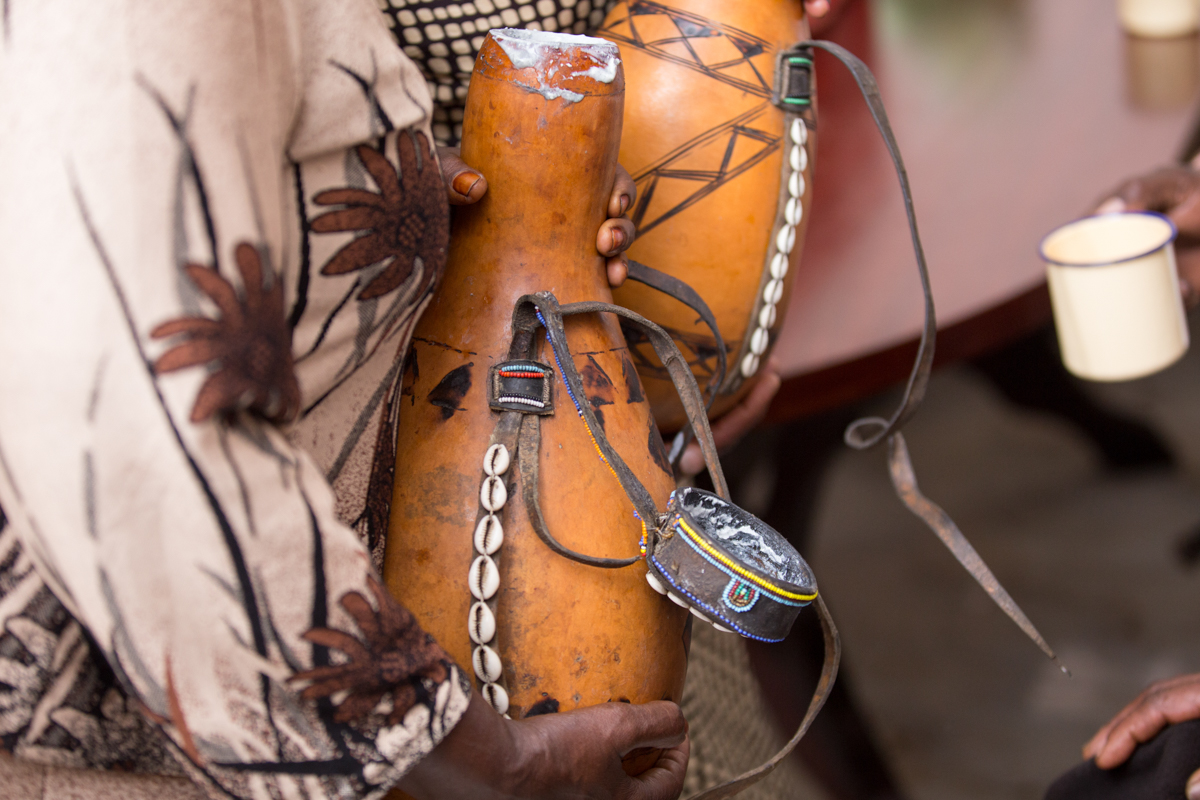
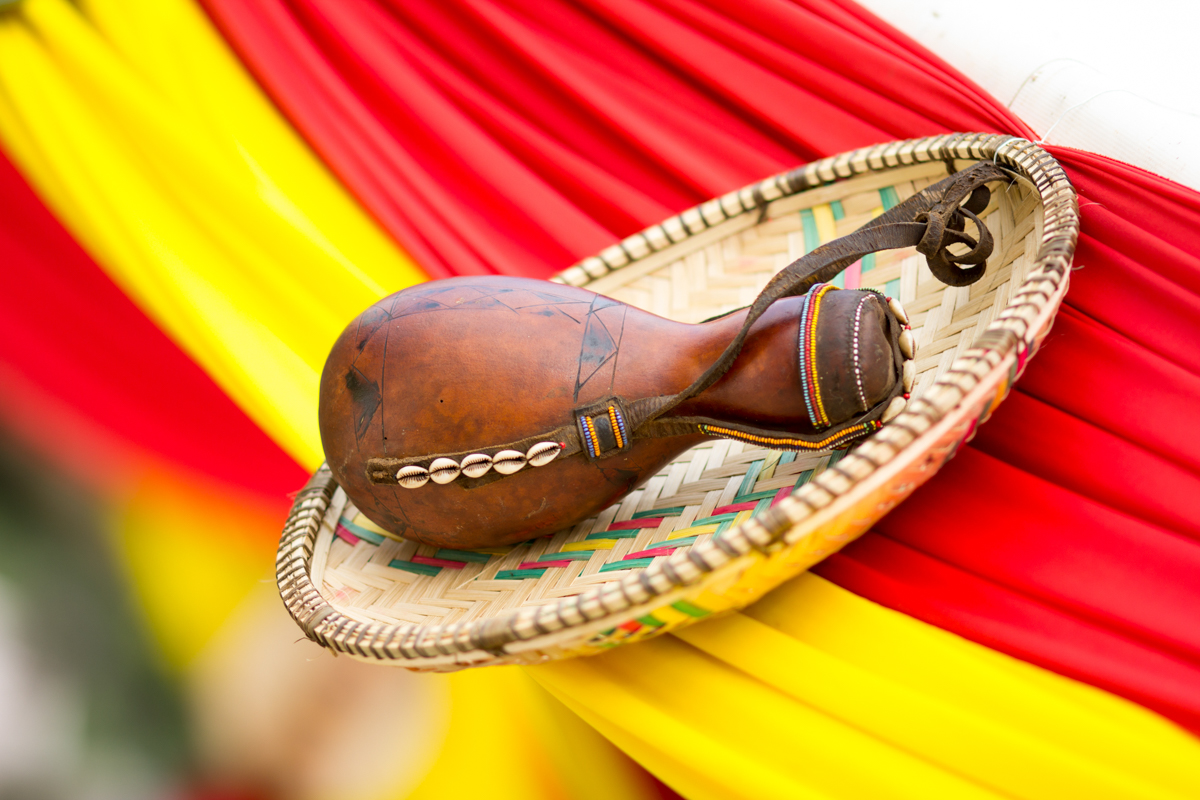
It is commonly prepared using a specially treated gourd known as a Sotet.
The vessel and its preparation are important parts of the tradition.
12.1 What is mursik?
Mursik is fermented milk, traditionally prepared in a gourd.
The milk is generally boiled, cooled and placed in a prepared vessel. Fermentation then takes place over several days, depending on the preparation method, temperature and desired taste.
The resulting product has a characteristic sour flavour.
Mursik is consumed in ordinary household life and can be served during family gatherings and ceremonial occasions.
12.2 The Soret or Sotet calabash
The terms Soret and Sotet appear in descriptions of traditional Kalenjin vessels, although the precise spelling and pronunciation may vary by language and locality.
Published food research more consistently uses Sotet for the gourd used to prepare and store mursik.
The term Soret supplied in the original material should therefore be checked with a fluent speaker before being presented as an interchangeable spelling.
The calabash is prepared for storing and fermenting milk.
It is not simply a container. The treatment of the inside of the vessel contributes to the preparation and character of the fermented milk.
Some gourds are decorated with beads and other ornamentation. Such decoration can also give the vessel a cultural and personal significance.
12.3 Bead decoration
The supplied account refers to beads called sonoey.
The exact term and spelling have not been sufficiently corroborated by the published research consulted.
It may represent a local or family-specific description.
Before publication as a definitive Kalenjin term, it should be confirmed by a fluent speaker familiar with the relevant vessel-making tradition.
12.4 How is the gourd prepared?
Published descriptions of mursik preparation explain that the inside of the gourd is treated using selected plant materials and charcoal.
A bow-shaped stick, often identified as sosiot or sosik, is used to rub or distribute the charcoal material along the inside surface of the vessel.
The selected plant species can vary.
Research has identified plants including:
- Senna didymobotrya
- Juniperus procera
- Plectranthus barbatus
- Olea europaea
- Wattle trees
The plant materials and charcoal are used in preparing the vessel.
The milk is then boiled, cooled and placed in the gourd to ferment.
12.5 Preparing a new gourd
A new gourd may require an additional preparation process to reduce bitterness and condition the vessel before it is used for milk.
Published descriptions identify the use of selected fresh bark materials for this purpose.
The particular plants and process may differ according to the local preparation tradition.
The preparation of the vessel is therefore a cultural and practical skill that should be documented with the guidance of people who make and use the gourds.
12.6 Siit, Siitett and Tei: What can be confirmed?
The supplied source material describes a process involving a special wood called siitett, a treatment called siit and an ash product called tei.
It also describes a sequence in which milk is stored in a gourd for several days before being treated.
These details may reflect a local or family-specific account, but the exact terminology and sequence were not sufficiently confirmed by the published research consulted for this article.
The original description also states that the ash treatment kills microorganisms and makes the milk safe to drink.
That claim should not be published as a proven food-safety fact without reliable evidence.
Traditional vessel preparation and fermentation are culturally important processes, but they should not be confused with modern microbiological testing or food-safety certification.
For this reason, the precise siit and tei account is retained as a reported local description requiring further verification, rather than presented as a universal Kalenjin mursik preparation method.
12.7 Fermentation time
Research on mursik describes milk being left to ferment for approximately three to five days or longer, depending on the preparation method and desired sensory characteristics.
The exact time is not necessarily identical in every household.
The original account describes a four-day period and a separate treatment on the third day. Because the sequence is not adequately verified, it should not be treated as a standard procedure.
12.8 Food safety and mursik
Mursik is a traditional fermented food, but traditional fermentation does not automatically guarantee that every batch is safe.
Research on fermented milk identifies lactic acid bacteria and other microorganisms involved in fermentation.
Food-safety studies also warn that contamination can occur when milk is handled improperly, vessels are not adequately cleaned or fermentation conditions are uncontrolled.
For safe preparation, the quality of the milk, cleanliness of the vessel, handling practices and fermentation conditions matter.
The claim that a particular ash treatment alone makes milk safe should not be repeated without scientific evidence.
12.9 Mursik and Koito
Mursik is frequently associated with Kalenjin hospitality and family ceremonies.
In some accounts of Koito, sharing the drink is described as part of the recognition or conclusion of marriage negotiations.
The act of drinking together can symbolise acceptance, hospitality and the relationship between the two families.
However, it should not be claimed that every Kalenjin Koito must include mursik or that every family uses an identical ritual.
13. Food and Hospitality During Kalenjin Marriage Ceremonies
Food is an important part of family and community celebrations.
A traditional marriage gathering may involve the preparation and sharing of meals by the two families.
The scale and menu depend on the number of guests, local food traditions, family resources and whether the ceremony is traditional, Christian, civil or a combination.
13.1 Meat
Livestock has historically been important in Kalenjin life, and meat may form part of major family celebrations.
Cattle, sheep and goats are among the animals associated with traditional food and bridewealth practices.
The slaughtering and preparation of meat for a ceremony can be a responsibility undertaken by designated family members.
The supplied material describes a practice in which animals are slaughtered without blood falling on the ground.
This detail may belong to a particular local account or ritual tradition, but it has not been sufficiently verified as a general Kalenjin marriage requirement.
It should therefore not be presented as a universal rule.
13.2 Ugali and traditional grains
Ugali is an important food in many Kenyan households.
Depending on the community and family, it may be prepared using maize, millet, sorghum or combinations of grains.
The supplied source material mentions ugali made from millet, sorghum, cassava and maize, as well as white beans.
Such foods reflect the wider agricultural and culinary traditions of the region, but the exact ceremonial menu is not standardised across all Kalenjin families.
13.3 Other foods
Foods associated with Kalenjin households and regional food traditions include:
- Mursik, fermented milk
- Ugali prepared from maize or traditional grains
- Meat from cattle, sheep or goats
- Milk and milk-based foods
- Vegetables and traditional greens
- Beans and other legumes
- Milk tea
Some dishes and names are specific to particular communities or local languages.
Names such as isageek, sochot, psong’iot, moriot, socheek, mcheleng and kwankwaniek should be checked with local speakers before being used as a definitive list of Kalenjin ceremonial foods.
The presence of a dish in one community does not establish that it is served at every Kalenjin wedding.
13.4 Hospitality as part of marriage
Food and drink are not merely refreshments at a marriage gathering.
They provide an opportunity for the two families to spend time together, meet relatives and participate in the celebration.
The preparation and sharing of food can also provide a visible demonstration of hospitality.
A contemporary family may serve traditional dishes, modern catering or a combination of both.
The choice of menu should reflect the families’ preferences and resources rather than a claim that one fixed menu is compulsory.
14. The Special Hut and the Preparation of the Ceremony
The supplied material describes a special hut prepared and decorated by the groom for a traditional marriage ceremony.
It also describes the groom’s family preparing meat and the bride’s family preparing particular foods.
These details may represent a specific local or historical practice. However, the research consulted does not establish this as a universal feature of Kalenjin Koito.
It is therefore more accurate to treat the special hut as a practice that requires confirmation from the particular community and family in which it is observed.
Traditional Kalenjin homes and compounds have historically had important social and domestic functions. The preparation of a particular space for a ceremony may carry meaning within a family tradition.
The historical Kerio Valley marriage account also describes a ceremonial hut used during the larger katunisio celebration.
A modern wedding may use a family home, decorated compound, hired venue or reception hall.
The essential point is that the venue should reflect the family’s intended ceremony rather than a claim that every Kalenjin marriage requires a special hut.
15. Traditional Clothing, Beadwork and Personal Adornment
Traditional clothing and adornment are important elements of cultural expression.
Kalenjin communities have used beadwork, leather, ornaments and other forms of personal decoration in different ceremonial and everyday contexts.
The exact clothing worn during a marriage ceremony depends on the community, family preferences and the style of celebration.
A contemporary Koito may combine traditional attire with modern formal clothing.
15.1 Beadwork
Beadwork can be used in necklaces, headbands, ornaments and other forms of personal adornment.
The colours, designs and materials used can vary.
Some pieces are associated with particular ceremonial roles or occasions, while others are worn as expressions of identity and personal style.
15.2 Clothing for the bride and groom
A bride may choose traditional-inspired attire, a modern dress or a combination of the two.
A groom may wear traditional elements alongside a suit or other formal clothing.
There is no single outfit that should be described as compulsory for every Kalenjin bride or groom.
15.3 The importance of accurate representation
Photographs of traditional clothing should be identified correctly.
An outfit associated with one community should not automatically be labelled as the traditional dress of all Kalenjin people.
Where a particular garment, ornament or beadwork design is featured, its name and cultural association should be confirmed before publication.
16. Traditional Marriage and the Role of Elders
Elders have historically played an important role in family and community ceremonies.
During marriage negotiations, they may:
- Represent their families
- Introduce relatives
- Explain customary expectations
- Help establish kinship relationships
- Guide the bridewealth discussions
- Witness agreements
- Offer advice to the couple
- Participate in blessings and other family rituals
Their role is not merely ceremonial.
In many families, elders are respected because of their knowledge of family history, customary practice and relationships between households.
However, contemporary couples may also involve younger relatives, professional event organisers and other representatives.
The presence of elders does not mean that every decision must be made without the couple’s participation.
17. Initiation, Seclusion and Marriage: Historical Context
Initiation has historically been connected with the transition from childhood to adulthood in several Kalenjin communities.
It has also appeared in historical descriptions of marriage, particularly where marriage took place after initiation.
The subject requires careful treatment because historical initiation practices were not identical across communities and included practices that are now illegal or harmful.
17.1 Initiation and the transition to adulthood
Traditional initiation could involve instruction, seclusion, age-group recognition and the teaching of responsibilities associated with adulthood.
In some historical descriptions, initiation was closely connected with the expected transition into marriage.
The customs, terminology and procedures differed between communities and generations.
17.2 The relationship to bridewealth
The Kipsigis term chemng’abait appears in bridewealth research as an animal traditionally associated with the woman who cared for the bride during a period of initiation seclusion.
This detail shows how marriage obligations could extend beyond the immediate parents of the bride.
It also demonstrates the relationship between initiation, family responsibility and customary marriage.
17.3 Historical practices and modern law
Some historical accounts describe female genital cutting as part of initiation and preparation for marriage.
This should be discussed as historical context only, not as a legitimate or necessary part of contemporary marriage.
Female genital mutilation is prohibited under Kenya’s Prohibition of Female Genital Mutilation Act, 2011.
No person should be forced to undergo a harmful practice in the name of culture or marriage.
Cultural education, mentorship, community instruction and alternative rites of passage can preserve positive elements of initiation without physical harm.
17.4 Why this section matters
A serious cultural article should not ignore the historical relationship between initiation and marriage.
Equally, it should not romanticise or normalise harmful practices.
The objective is to document cultural history accurately while recognising present-day law, bodily autonomy and human dignity.
18. Marriage, Christianity and Contemporary Change
Christianity, education, urbanisation, migration and changing economic circumstances have influenced marriage practices among Kalenjin communities.
In many families, customary marriage ceremonies now take place alongside church weddings, civil registration and modern receptions.
Some couples prefer a traditional Koito followed by a church wedding. Others organise the events on separate dates or combine several activities into one celebration.
18.1 Christianity and the transformation of marriage ceremonies
Historical research on the Kalenjin of the Kerio Valley describes Christianity as a major influence on marriage ceremonies between the 1940s and 1960s.
Missionaries initially opposed several indigenous cultural practices.
Some traditional ceremonies were discouraged, while Christian marriage ceremonies were promoted.
Over time, Kalenjin Christians adapted and incorporated selected cultural elements into church-related celebrations.
The historical research describes the expansion of the kiralama visit into a more elaborate ceremony known as koitok among Nandi Christian communities.
The event incorporated Christian elements and gift-giving.
18.2 Butter and oil in contemporary ceremonies
The historical use of clarified butter in the establishment of relationships between families is particularly significant.
The Kerio Valley research describes how the traditional application of butter to relatives’ foreheads was later adapted.
In some Christian settings, manufactured cooking oil was exchanged instead.
This adaptation retained the symbolism of establishing relationships between the two families while changing the material used in the ceremony.
The research also describes how this exchange became important to some families even when a church wedding had taken place.
This is a valuable example of cultural adaptation rather than simple cultural disappearance.
18.3 Traditional music and Christian weddings
Traditional music was also incorporated into some Christian wedding ceremonies.
The historical research describes the adoption of traditional songs and music that had previously been discouraged by missionaries.
This illustrates how communities adapted Christianity to their own cultural settings.
Contemporary weddings may include traditional songs, church hymns, modern gospel music and popular entertainment.
18.4 The contemporary Koito
Modern Koito ceremonies can be large and carefully organised occasions.
They may include:
- Formal invitations
- Decorated venues
- Traditional and modern clothing
- Professional photography and videography
- Live music and entertainment
- Formal speeches
- Family introductions
- Bridewealth negotiations
- Gift presentations
- Food and refreshments
- A reception for invited guests
Some ceremonies are intimate, while others involve hundreds of guests.
18.5 Urban and diaspora weddings
Kalenjin families living in Nairobi, Eldoret, Nakuru, Mombasa and outside Kenya may organise ceremonies that reflect both their cultural background and their current circumstances.
Travel, cost, venue availability and the location of relatives can influence the format.
Some families organise a formal Koito in Kenya and a separate reception elsewhere. Others bring both families together for a single event.
The location may change, but the importance of family introductions, agreement and hospitality can remain central.
19. What Has Changed in Kalenjin Marriage Practices?
Traditional marriage practices are not frozen in time.
Families adapt customs in response to economic circumstances, education, religion, employment, migration and changing expectations.
Some practices that were once closely associated with livestock may now involve money or other agreed contributions.
A ceremony that once took place over several visits may now be condensed into one or two events.
A larger traditional celebration may now take place in a hotel, conference venue or modern event space.
Some families maintain older customs, while others have simplified them.
19.1 Livestock and cash
Livestock remains culturally important in many families, but the practical realities of acquiring and transporting animals can make cash arrangements more convenient.
Among the Kipsigis, academic research documents the inclusion of cash in bridewealth arrangements alongside traditional livestock transfers.
The historical use of oil or butter as part of the arrangement also illustrates how the form of a gift can change.
The introduction of cash does not mean that the cultural meaning of the custom has disappeared. It does mean that the form of the arrangement has changed.
19.2 Smaller ceremonies
Some couples prefer a smaller Koito involving only close relatives and designated elders.
This can reduce costs and make the event more manageable.
Other families prefer a large celebration that brings together extended relatives, friends and community members.
Neither format should be presented as the only authentic way to conduct a traditional marriage.
19.3 Changing roles of women and men
Historical descriptions of marriage sometimes reflect gender expectations that are different from contemporary family life.
Modern couples may approach household responsibilities, financial decisions, careers and parenting as shared responsibilities.
A cultural article should explain historical practices without suggesting that they must be followed in every contemporary marriage.
19.4 The influence of social media
Social media has changed the way many families present their weddings.
Couples now share photographs and videos of family introductions, bridewealth negotiations, traditional attire, speeches and receptions.
This has increased the visibility of cultural ceremonies.
However, social media can also create pressure to organise increasingly expensive events.
A ceremony should not be judged by its decorations, guest numbers, clothing brands or the amount of money spent.
Its cultural and family significance should remain central.
20. Traditional Marriage and Kenyan Law
Cultural marriage traditions are important, but couples should also understand the legal framework governing marriage in Kenya.
The Marriage Act, 2014 recognises customary marriage as one of the legally recognised forms of marriage in Kenya.
The Act provides for marriages celebrated according to the customary rites relating to communities in Kenya.
20.1 Age and consent
The legal minimum age for marriage in Kenya is 18 years.
Marriage must be voluntary.
Customary negotiations, family expectations or bridewealth arrangements cannot replace the consent of the people getting married.
20.2 Recognition of customary marriages
The Marriage Act recognises customary marriage as a marriage celebrated according to the customary rites relating to a community in Kenya.
The relevant customary requirements must be completed for the marriage to acquire customary marriage status.
This is important because an introductory visit or engagement ceremony may not necessarily complete the customary requirements.
A Koito may be an engagement or a significant part of a customary marriage process.
It should not automatically be assumed that every Koito, regardless of its content and customary context, has completed all the requirements for a marriage.
20.3 Notification of customary marriage
Section 44 of the Marriage Act requires the parties to notify the Registrar of a customary marriage within three months after completing the relevant ceremonies or steps required to confer marriage status under the applicable customary law.
The notification must identify the customary law applied and include a declaration that the necessary customary requirements have been undertaken.
The declaration must also include the signatures or marks of two adult witnesses who played a key cultural role in the marriage.
20.4 Application for registration
Section 55 of the Marriage Act provides for the parties to apply to the Registrar for a customary marriage certificate within six months of the marriage.
Both parties are required to appear before the Registrar.
The Marriage (Customary Marriage) Rules, 2017 provide for the notification process, the Registrar’s acknowledgement, the application for registration and the issue of a customary marriage certificate.
The rules also provide for a notice to be displayed for fourteen days to allow objections to be raised.
Couples should confirm the current administrative requirements, forms and fees with the Registrar of Marriages.
20.5 Does Koito alone establish a legally recognised marriage?
This cannot be answered universally.
Whether a particular ceremony or sequence of ceremonies completes a customary marriage depends on the customary law applicable to the parties and the facts of the particular union.
A Koito may be an engagement or a significant part of a customary marriage process. It should not automatically be assumed that every Koito has completed all the legal requirements for marriage.
Couples should obtain guidance from the Registrar of Marriages where they are uncertain about the status or registration of their union.
20.6 Equal rights and obligations
The Marriage Act states that parties to a marriage have equal rights and obligations at the time of marriage, during marriage and at its dissolution, subject to the provisions applicable to the marriage system.
Bridewealth does not give a husband ownership of his wife.
No customary practice should be used to justify coercion, violence or denial of a spouse’s legal rights.
21. Common Misunderstandings About Kalenjin Traditional Marriage
Myth 1: All Kalenjin communities have the same dowry list
Reality: Bridewealth practices vary between communities and families. The detailed livestock list discussed in this article is specifically associated with Kipsigis accounts and should not be applied to every Kalenjin community.
Myth 2: Koito is always the final wedding ceremony
Reality: Some families treat Koito as their principal traditional marriage celebration. Others hold a separate wedding or larger public celebration afterwards.
Myth 3: Every Kalenjin wedding must include a Tunisiet
Reality: The term and ceremony are associated with particular marriage accounts, but the sequence and use of the term are not uniform across all Kalenjin communities.
Myth 4: Ratet and Tunisiet are identical to Koito
Reality: These terms appear in different historical and community contexts. Ratet is described in some accounts as an earlier stage, while Tunisiet is associated with a larger public celebration. Koito has its own history and contemporary usage.
Myth 5: Bridewealth is the purchase price of a woman
Reality: Bridewealth is a customary transfer with social, economic and symbolic meanings. It does not make a woman property or give a husband ownership of his wife.
Myth 6: Every family must pay the same amount of Mwaita
Reality: Mwaita arrangements vary. There is no universal fixed amount applicable to all Kipsigis or all Kalenjin families.
Myth 7: Mursik is only served at weddings
Reality: Mursik is also part of everyday food culture in many Kalenjin households.
Myth 8: Modern weddings are no longer traditional
Reality: Cultural practices evolve. A family may retain important customary elements while adapting the venue, clothing, food, programme and other arrangements.
Myth 9: The bride and groom do not need to participate in family negotiations
Reality: Historical descriptions sometimes emphasise the role of parents and elders. Contemporary marriage must nevertheless be based on the free consent of the couple, and their participation is important.
Myth 10: All Kalenjin communities historically paid cattle bridewealth
Reality: Historical research documents variation. Some communities exchanged livestock, while certain agricultural communities in the Kerio Valley historically used other forms of gifts or did not have the same livestock bridewealth system.
Myth 11: A large bridewealth payment gives the husband greater rights over his wife
Reality: Bridewealth does not create ownership. The payment does not remove a woman’s legal rights, dignity or personal autonomy.
22. Planning a Contemporary Kalenjin Koito Ceremony
Couples planning a Koito can use the following checklist as a practical starting point.
The checklist is not a statement of compulsory Kalenjin customs. It is intended to help families organise an event that reflects their own traditions.
22.1 Before the ceremony
- Discuss the intended marriage with both families.
- Identify the relevant community and family customs.
- Establish whether the families identify the ceremony as Koito, an introductory visit or another customary stage.
- Identify who will represent each family.
- Agree on the date and venue.
- Establish the number of invited guests.
- Decide whether the occasion will be a preliminary introduction or a formal Koito.
- Agree on whether bridewealth discussions will take place during the ceremony.
- Confirm which livestock, gifts or cash arrangements are relevant.
- Establish whether the families will hold a separate wedding celebration.
- Discuss any church or civil marriage arrangements.
- Prepare a realistic budget.
22.2 During the ceremony
- Welcome both families.
- Introduce the elders and family representatives.
- Allow the designated representatives to conduct the customary discussions.
- Give the couple an opportunity to participate.
- Confirm any agreed bridewealth arrangements.
- Present gifts where appropriate.
- Allow elders and relatives to offer advice.
- Share food and refreshments.
- Observe any family-specific cultural practices.
- Make time for family photographs.
22.3 After the ceremony
- Confirm any outstanding agreements.
- Arrange the delivery of livestock or other agreed items.
- Maintain communication between the two families.
- Confirm the next customary or wedding ceremony, if applicable.
- Obtain guidance on customary marriage registration where relevant.
- Preserve photographs and family records of the occasion.
23. Photographing a Kalenjin Traditional Wedding: Documenting Culture With Respect
A Kalenjin Koito or traditional marriage ceremony is an opportunity to document family relationships, cultural expression, ceremony and the beginning of a new household.
For a photographer, the assignment involves more than recording the couple and the reception.
It requires an understanding of the order of events, the significance of family representatives and the importance of moments that may not be repeated.
23.1 Important moments to document
A thoughtful photographic record may include:
- The arrival of the groom’s family
- The welcome by the bride’s family
- Family introductions
- Elders and designated representatives
- Private or formal bridewealth discussions, where photography is permitted
- The couple together with their parents
- Advice and blessings from elders
- Presentation of gifts
- Traditional clothing and beadwork
- Mursik and other ceremonial hospitality
- Food preparation and communal dining
- Family portraits
- Speeches and celebrations
- The couple’s portraits
- Group photographs with relatives and friends
23.2 Respecting private family discussions
Not every part of a traditional ceremony should automatically be photographed.
Some families may prefer bridewealth negotiations or sensitive family discussions to remain private.
The photographer should establish expectations with the couple and family representatives before the event.
Permission should be sought before photographing any ritual, object or moment that the family considers private.
23.3 Documenting cultural details accurately
Photographers should avoid assigning cultural names or meanings to objects without confirmation.
A decorated gourd should not automatically be labelled as a particular ceremonial vessel without checking its name and use.
Likewise, clothing and beadwork should be described accurately rather than being grouped under a generic label that may erase community differences.
23.4 Preserving the story
A strong wedding documentary should record both the visible celebration and the relationships that give the ceremony meaning.
The most valuable photographs may be the quiet moments: parents meeting, elders exchanging greetings, relatives welcoming one another, the couple listening to advice, and families sharing a meal.
These details help preserve the story of the marriage for the couple and future generations.
For Antony Trivet Photography, documenting a traditional wedding means treating the ceremony as a cultural and family story—not simply a decorated event.
24. Frequently Asked Questions About Kalenjin Traditional Marriage
What is Koito in Kalenjin culture?
Koito is a traditional marriage-related ceremony commonly associated with the formal meeting of two families, engagement discussions and bridewealth negotiations. Its size and exact procedure vary between families and communities.
Is Koito a traditional Kalenjin wedding?
Koito is an important traditional marriage ceremony, but its role differs. Some families treat it as their main traditional wedding celebration, while others hold a separate wedding ceremony afterwards.
What is the difference between Koito and Tunisiet?
Koito is commonly associated with engagement, family introductions and bridewealth negotiations. Tunisiet is a term associated in some accounts with a larger public marriage celebration. The distinction and sequence should be understood within the particular community and family tradition.
What is Ratet?
Ratet is described in some historical accounts as a smaller marriage ceremony after which the couple began living together. It is not a universal contemporary Kalenjin wedding requirement.
What is Katunisio?
Katunisio is a term recorded in historical descriptions of a major traditional wedding celebration among some Kalenjin communities, particularly in the Kerio Valley account. The ceremony could take place after the couple had already had children.
What is Kaayaaet’ap Koito?
The term appears in descriptions of a preliminary family visit before formal Koito discussions. Its spelling and precise use should be confirmed with a fluent speaker from the relevant Kalenjin community.
What is Kiralama?
Kiralama is described in historical research as a fire-making visit during which the prospective groom approached the bride’s family. The visit included enquiries into the identity and family relationships of the visitors.
What is the traditional Kalenjin dowry?
There is no single dowry list for every Kalenjin community. Livestock, including cattle, sheep and goats, has been important in several communities. Cash may also be included in contemporary arrangements.
What is the Kipsigis bridewealth list?
Documented Kipsigis bridewealth accounts include cattle, sheep and goats, with a cash component known as Mwaita in some contemporary arrangements. Specific items and terminology vary, and the list should not be treated as a fixed tariff.
How much is Mwaita?
Mwaita is a cash component in some Kipsigis bridewealth arrangements. Historically, the term was associated with oil or butter. There is no universal amount. The cash value is negotiated by the families and depends on their circumstances and agreement.
What is Nyoetabakaat?
Nyoetabakaat is described in one Kipsigis study as a forgiveness-related payment associated with circumstances in which a couple eloped or married without the immediate families’ consent. Its precise spelling and local use should be confirmed.
Is bridewealth compulsory in every Kalenjin marriage?
Customary expectations differ. Some families maintain traditional bridewealth arrangements, while others adapt or simplify them. Couples should discuss the relevant family and community customs rather than assume one rule applies to everyone.
What is mursik?
Mursik is traditional fermented milk associated with Kalenjin food culture. It is commonly prepared in a specially treated gourd called a Sotet in published descriptions.
Is mursik served during Koito?
It may be served as part of hospitality and family celebration. Some accounts associate sharing mursik with the conclusion of marriage negotiations, but the practice is not identical in every family.
What is a Sotet?
Sotet is the gourd commonly described in published research as the vessel used to prepare and store mursik.
Is Koito legally recognised as a marriage in Kenya?
The legal status depends on the customary requirements applicable to the couple and whether the relevant marriage steps have been completed. The Marriage Act, 2014 recognises customary marriages and provides for notification and registration. Couples should consult the Registrar of Marriages where they need confirmation.
Can a Kalenjin Koito be combined with a church wedding?
Yes. Many contemporary families combine customary and Christian wedding activities or organise them on separate dates. The arrangement depends on the couple’s and families’ preferences.
Do all Kalenjin communities follow the same marriage customs?
No. Kalenjin communities have related languages and historical connections, but their marriage practices, terminology and bridewealth arrangements are not identical.
25. Preserving Kalenjin Marriage Traditions Without Misrepresenting Them
Kalenjin marriage traditions are part of a wider cultural history involving family relationships, livestock, hospitality, kinship, community participation and changing social expectations.
Koito remains an important occasion for many families because it provides a formal setting in which two households meet, recognise their relationship and discuss the responsibilities associated with marriage.
The historical marriage practices of the Nandi and Kalenjin communities of the Kerio Valley reveal a much more extensive process than a modern engagement event. Kiralama, the initial stage of marriage, the later katunisio celebration, the ceremonial hut, milk, butter, beer and the participation of elders all demonstrate the cultural depth of older marriage traditions.
The Kipsigis bridewealth system offers a particularly detailed example of how livestock and other transfers have been used to establish relationships between families. The inclusion of cash, the transformation of Mwaita and the adaptation of engagement symbols demonstrate that customary practices continue to change.
Mursik, the Sotet gourd, beadwork, food traditions and the participation of elders provide further insight into the cultural setting in which these ceremonies take place.
However, preserving culture also requires accuracy.
It is misleading to describe one Kipsigis bridewealth list as the dowry system of every Kalenjin community. It is equally misleading to present a single sequence of ceremonies as compulsory for every family.
Historical research also shows that some neighbouring Kalenjin communities had different marriage arrangements and that cultural practices spread and changed through interaction, migration and Christianity.
The terms used in this article should be understood in their documented and local contexts. Where a word, ritual or interpretation requires confirmation from a fluent speaker or cultural authority, that confirmation should take place before it is treated as definitive.
Tradition is not weakened by acknowledging variation. It is better preserved when its details are documented honestly.
For couples, the most meaningful ceremony is one that respects their families, recognises their cultural heritage and begins their marriage with mutual consent and understanding.
For future generations, photographs and carefully researched written accounts can help preserve the people, relationships, objects and practices that give these ceremonies their significance.