Kikuletwa Hot Springs Tanzania: The Complete Chemka Springs Travel Guide
Discover Kikuletwa Hot Springs, also known as Chemka Hot Springs or Maji Moto, one of northern Tanzania’s most beautiful natural swimming destinations. Find out how to get there from Arusha and Moshi, entrance fees, transport options, things to do, safety tips and how to avoid common tourist scams.
There are places in East Africa that seem almost impossible to find until you arrive. Kikuletwa Hot Springs, popularly known as Chemka Hot Springs or Maji Moto, is one of them. Hidden within the semi-arid landscapes of northern Tanzania, this natural oasis is a refreshing escape surrounded by enormous fig trees, tangled roots and remarkably clear turquoise water.
The journey to the springs takes you through rural settlements, agricultural landscapes and dusty countryside before revealing an unexpected pocket of lush vegetation and beautiful freshwater pools. It is a striking contrast to the surrounding environment and one of the reasons Chemka has become a popular excursion for travellers exploring the Kilimanjaro and Arusha regions.
Unlike the traditional wildlife safaris and mountain adventures for which northern Tanzania is famous, Kikuletwa offers something different. Visitors come here to swim, float in the natural pools, try the famous rope swing, snorkel, enjoy local food and relax beneath the shade of enormous trees.
However, planning a visit requires a little preparation. The final access roads can be rough, directions are not always obvious, facilities are basic and optional services can come with additional charges that visitors should understand before accepting them.
This comprehensive Kikuletwa Hot Springs travel guide by Antony Trivet Photography covers everything you need to know before visiting Chemka, including directions, entrance fees, transport costs, activities, accommodation considerations, safety precautions and other experiences worth exploring in northern Tanzania.
Whether you are travelling independently, visiting from Arusha or Moshi, or incorporating Chemka into a longer Tanzania safari itinerary, this guide will help you plan a more informed and enjoyable experience.
1. Where Are Kikuletwa Hot Springs in Tanzania?
Kikuletwa Hot Springs is located near Rundugai Village, in Masama Rundugai Ward, Hai District, within Tanzania’s Kilimanjaro Region.
The destination is situated between Moshi and Arusha and is accessible through the rural countryside surrounding Boma Ng’ombe.
The springs are commonly referred to by several names:
- Kikuletwa Hot Springs
- Chemka Hot Springs
- Maji Moto
- Rundugai Hot Springs
- Chemka Oasis
These names generally refer to the same natural attraction.
The word Chemka means boiling in Swahili. It describes the bubbling appearance of the water as it emerges from underground rather than its actual temperature.
Despite being called hot springs, the water is not particularly hot in the conventional sense. It is generally refreshing and comfortable for swimming, although the temperature can feel different depending on the weather and conditions.
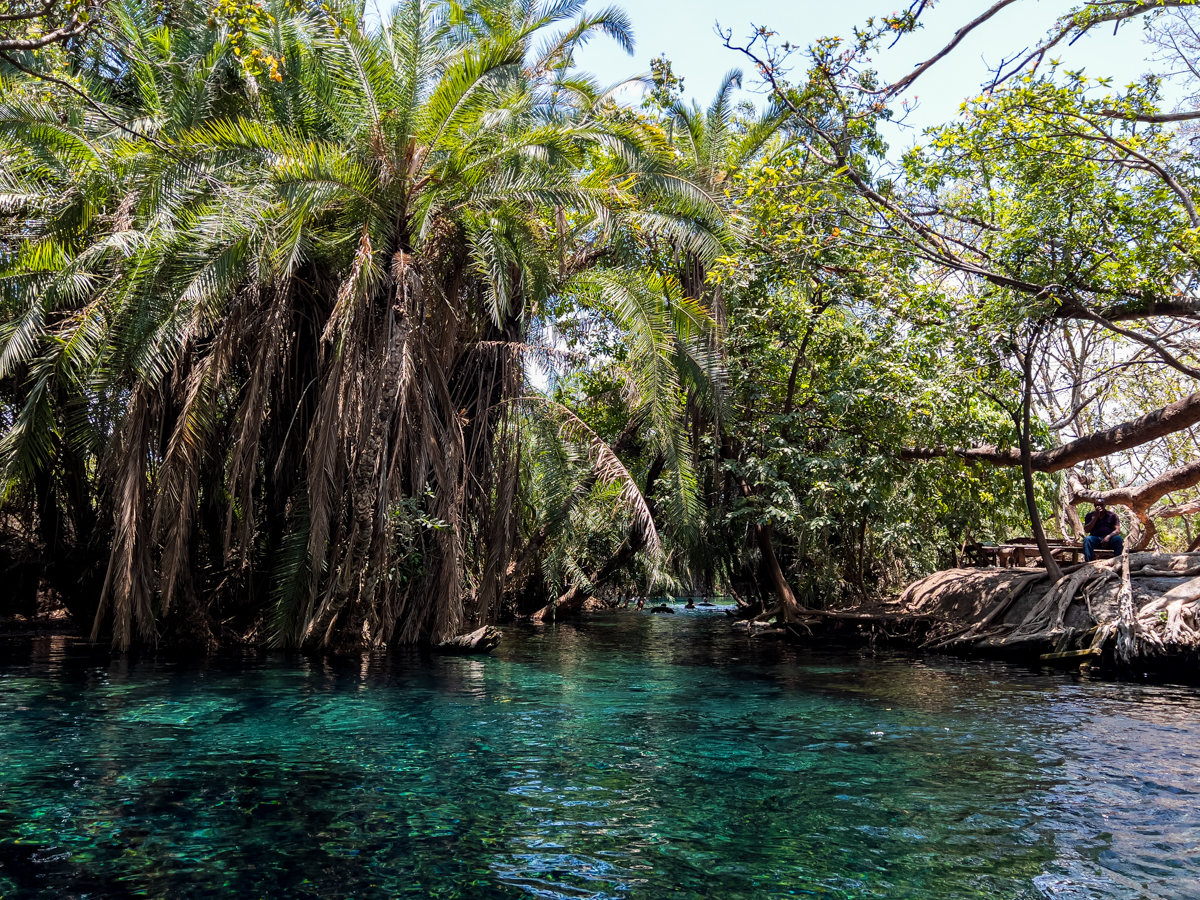
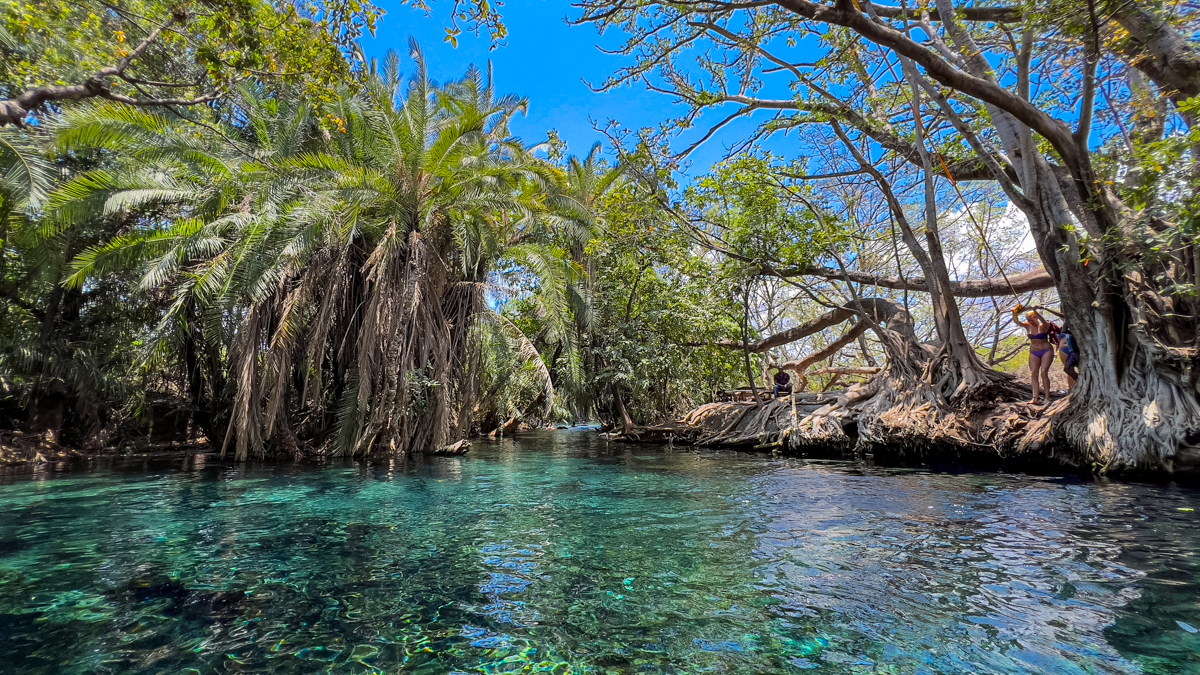
One of the most distinctive features of the destination is its vegetation. Large fig trees surround the pools, with their exposed roots extending towards and into the water. The combination of clear freshwater, shaded surroundings and semi-arid landscapes creates an unusual natural environment.
Photography placement: Introduce the destination with a wide landscape photograph showing the turquoise water, surrounding trees and natural setting.
Suggested image filename: kikuletwa-hot-springs-tanzania.jpg
Alt text: Kikuletwa Hot Springs in Tanzania surrounded by lush green fig trees and crystal-clear turquoise water.
2. How to Get to Kikuletwa Hot Springs
Getting to Kikuletwa Springs is relatively straightforward when travelling with someone familiar with the area. However, the final stretch can be confusing for first-time visitors, particularly those driving independently.
The destination can be accessed from Moshi, Arusha and Kilimanjaro International Airport.
From Moshi to Chemka Hot Springs
Moshi is one of the most convenient starting points for visiting Kikuletwa.
The springs are approximately 35–45 kilometres from Moshi, depending on the route taken.
Allow approximately one to one and a half hours for the journey, although road conditions and traffic can affect travel time.
The journey involves paved roads followed by rural access roads, some of which can be rough and uneven.
From Arusha to Chemka Hot Springs
Travelling from Arusha takes longer, but Kikuletwa is still manageable as a day excursion.
Expect approximately 1.5–2.5 hours of driving, depending on traffic, your starting point and road conditions.
The journey generally follows the Arusha–Moshi highway before turning towards the rural communities around Boma Ng’ombe and Rundugai.
From Kilimanjaro International Airport
Kikuletwa can also be incorporated into an itinerary beginning or ending at Kilimanjaro International Airport (JRO).
This is particularly convenient for travellers arriving in northern Tanzania who want to enjoy a swimming excursion before continuing to Moshi, Arusha or a safari destination.
Arrange transport in advance and allow enough time for the rural access road and activities at the springs.
Driving directions from Arusha
The general driving route is:
- Leave Arusha and follow the Arusha–Moshi highway towards Moshi.
- Continue towards Boma Ng’ombe.
- Take the appropriate turn towards Masama Rundugai.
- Follow the local roads towards Kikuletwa Hot Springs.
- Continue to the designated visitor entrance and parking area.
The final stretch is where you need to pay particular attention.
Some rural roads are not clearly marked, and you may encounter junctions without reliable signposting. Google Maps can be useful, but do not assume that every suggested turn or road condition is accurate.
Download the route for offline navigation before leaving the main highway. If necessary, ask local residents for directions or confirm the final approach with your driver.
An important driving tip: During dry weather, ordinary vehicles with reasonable ground clearance may manage the access road. Following heavy rainfall, however, some sections can become muddy and difficult to navigate. A vehicle with good ground clearance or four-wheel drive is preferable when road conditions deteriorate.
Can you drive yourself to Kikuletwa Springs?
Yes. Independent visitors can drive to the springs.
However, if you are unfamiliar with rural Tanzanian roads, hiring a driver who knows the destination can make the experience considerably easier.
If self-driving:
- Download offline maps.
- Check road conditions before departure.
- Ensure your vehicle has sufficient fuel.
- Avoid travelling on unfamiliar dirt roads after dark.
- Carry drinking water.
- Allow extra time for the return journey.
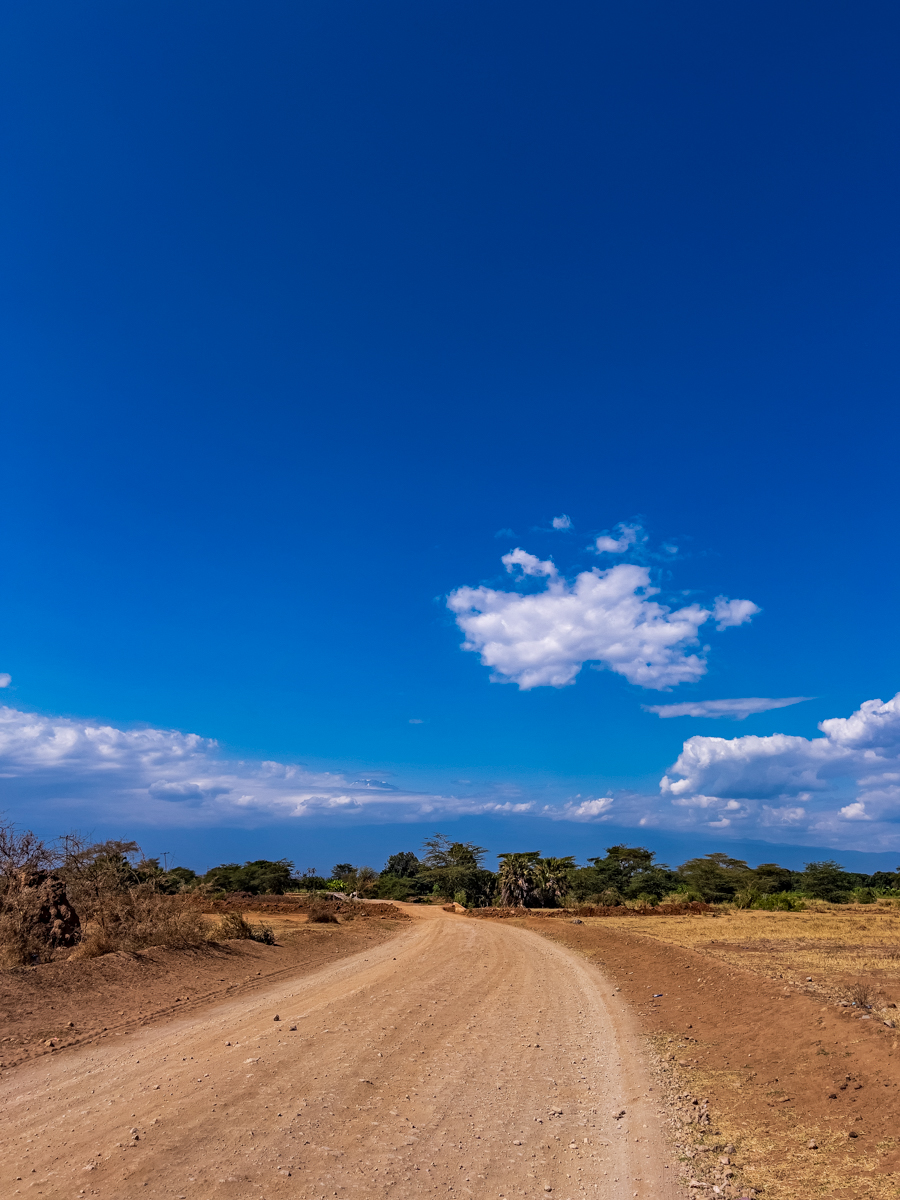
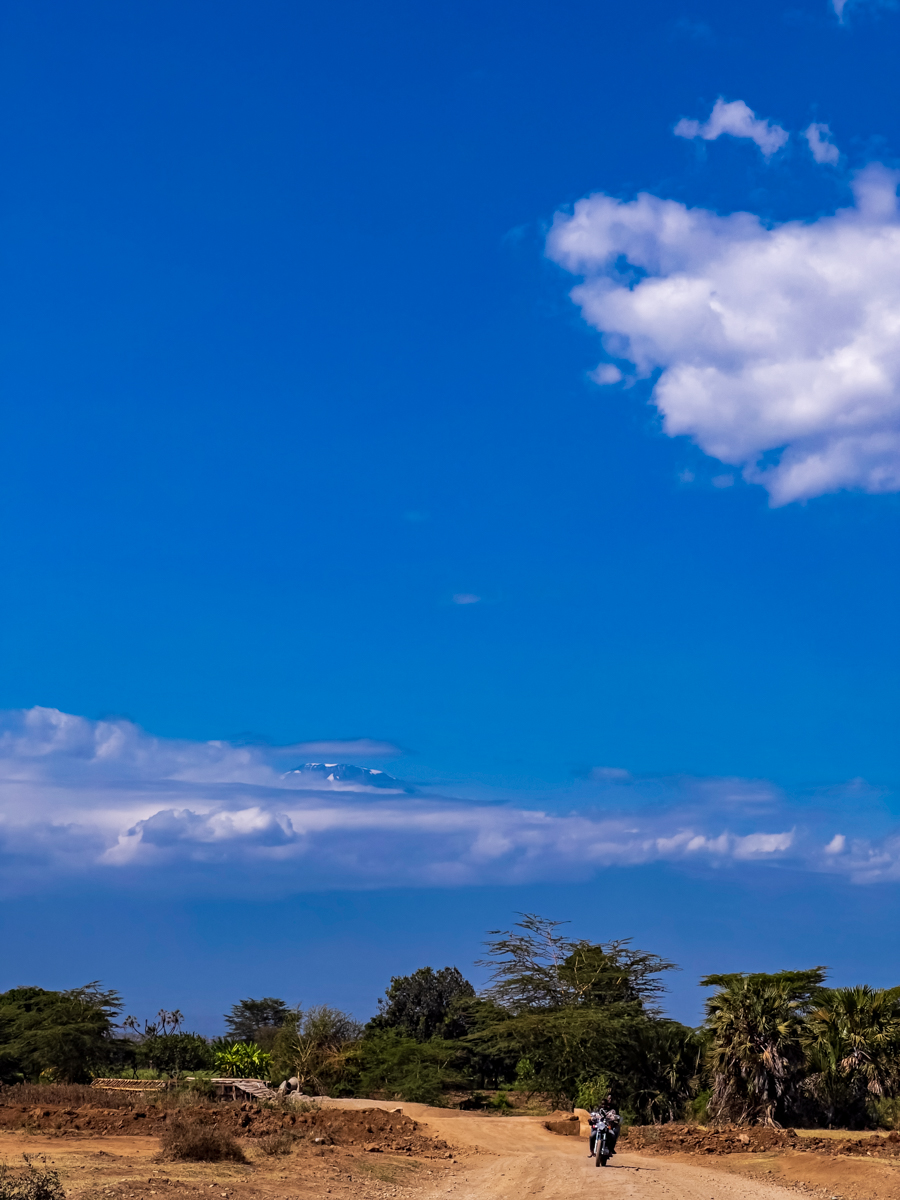
Photography placement: Use an original photograph showing the countryside or rural access road leading towards Chemka.
Suggested filename: chemka-hot-springs-tanzania-road-directions.jpg
Alt text: Rural countryside road leading to Kikuletwa Hot Springs near Rundugai in Tanzania.
3. Kikuletwa Hot Springs Entrance Fees and Other Charges
Understanding the costs before visiting Chemka is important, particularly for independent travellers who want to avoid unexpected expenses.
Your total expenditure may include entrance fees, transport, parking, food, swimming equipment and optional activities.
How much is the Kikuletwa Hot Springs entrance fee?
Entrance charges can change, and rates may differ depending on visitor category and applicable local arrangements.
A travel price guide updated in November 2026 quotes an entrance fee starting at approximately US$5 per foreign adult. Treat this as an indicative published rate rather than a guaranteed official tariff. Confirm the current charge directly before travelling.
Do not rely on an old blog post or an outdated social media price when planning your budget.
Other expenses to consider
| Expense | What to establish before paying |
|---|---|
| Entrance fee | Confirm the current visitor rate |
| Parking | Ask whether it is included |
| Transport | Agree on the return fare |
| Swimming tubes | Confirm the rental charge |
| Snorkelling equipment | Confirm availability and price |
| Rope swing | Establish whether there is a charge |
| Food and drinks | Check menu prices before ordering |
| Local guide | Agree on the service and fee |
| Photography | Clarify any paid photography arrangement |
How much does a Chemka Hot Springs tour cost?
Organised excursions from Moshi or Arusha can cost considerably more than the entrance ticket because they include transport and other services.
For example, published tour packages can start at around US$50–70 per person, depending on the operator, group size and inclusions.
Before booking, ask whether the package includes:
- Return transport.
- Hotel collection and drop-off.
- Entrance fees.
- Driver and guide.
- Lunch.
- Drinking water.
- Any additional activities.
A cheaper advertised price is not necessarily the best deal if important services are excluded.
Should you carry cash?
Yes. Carry some Tanzanian shillings for small purchases and local services.
Although some operators accept electronic payments, you should not assume that every vendor or service provider has card payment facilities.
Keep smaller denominations available and retain receipts for payments where possible.
4. How to Avoid Tourist Scams and Unnecessary Charges at Chemka Springs
Chemka is a beautiful destination, but visitors should understand how optional services work before accepting offers from people around the swimming area.
Some traveller reviews have described disagreements over the cost of swimming tubes, snorkelling masks and photography services. Other visitors have reported feeling pressured to pay for services they did not clearly agree to beforehand.
These experiences should not be taken as a reflection of every local service provider. Many people working around the springs depend on tourism for their livelihoods, and there are legitimate services available.
The best approach is to be friendly, respectful and clear about money.
1. Ask for prices before accepting anything
Do not assume that something is complimentary simply because somebody offers it.
Before accepting an inflatable tube, snorkelling mask, photography service or assistance with an activity, ask how much it costs.
A useful Swahili question is:
Hii ni shilingi ngapi?
This means: How much is this?
If the service is free, ask for confirmation. If it is paid, agree on the amount before using it.
2. Be clear about photography charges
You may encounter people offering to take photographs or videos while you swim or use the rope swing.
If you do not want the service, politely decline.
If you accept, establish the price, number of photographs and whether you are paying for the service or individual images.
Never hand over your phone or camera unless you are comfortable with the arrangement.
3. Do not leave valuables unattended
Avoid leaving expensive belongings unattended while swimming.
These include:
- Cameras and lenses.
- Mobile phones.
- Wallets and passports.
- Jewellery.
- Bags containing important documents.
Travel with a companion who can keep an eye on your belongings while you are in the water.
A waterproof pouch can also help protect essential items.
4. Be cautious about unsolicited guides
You may encounter people offering to guide you, organise activities or assist you around the swimming areas.
Some may genuinely know the area and provide useful assistance. However, you are not obliged to hire anyone simply because they approach you.
If you need a guide, agree on the service, duration and fee beforehand.
For a broader cultural experience, consider arranging an excursion through an established local community tourism organisation.
5. Avoid paying twice for the same service
If you have booked an organised excursion, check which expenses are already included.
Keep your booking confirmation and payment receipts accessible.
If somebody requests an additional payment, establish exactly what it covers before paying.
6. Do not allow payment disagreements to escalate
If you encounter a dispute, remain calm and request a clear explanation.
Do not feel pressured into accepting services you did not request.
Where necessary, involve your driver, tour operator or site management.
The golden rule: Agree on prices before accepting services, keep your valuables secure and understand what you are paying for.
5. What to Expect When You Arrive at Kikuletwa Springs
From the outside, Kikuletwa Springs can look surprisingly unassuming.
You would hardly imagine that such a beautiful oasis exists behind the dusty landscape and modest entrance area.
There is no grand resort entrance or elaborate visitor reception. Instead, you arrive at a relatively simple recreational site where the main attraction is the natural water.
The facilities are basic and visitors should approach the experience with realistic expectations.
You can generally expect some combination of:
- Basic changing facilities.
- Toilets.
- Small food and drink vendors.
- Places to relax beneath the trees.
- Swimming and floating equipment for hire.
- Access to the natural pools.
Do not expect luxury changing rooms, secure lockers or resort-style amenities.
I recommend arriving prepared for swimming, carrying your essentials in a waterproof bag and changing before entering the water if facilities are limited.
Understanding the swimming areas
The springs have different sections connected by a natural channel.
The first pool is the one most frequently featured in photographs. Its exceptionally clear water, submerged tree roots and surrounding vegetation make it particularly attractive for swimming and photography.
A rope or floating support may be available in parts of the swimming area.
The second section offers a different experience. Depending on water conditions, you may encounter a noticeable current, making swimming more challenging.
The water can be deeper than it appears, so do not assume that the clear appearance means you can safely stand everywhere.
If you are not a confident swimmer, stay in areas where you can comfortably manage the water and use appropriate flotation equipment.
6. Things to Do at Kikuletwa Hot Springs
Kikuletwa is more than a place to take a photograph and leave. There are several ways to enjoy the destination, depending on how adventurous or relaxed you want your day to be.
Swimming in the Crystal-Clear Water
Swimming is the main attraction.
The water emerges from underground and circulates through a beautiful natural environment surrounded by large trees.
Despite the name, do not expect steaming geothermal water. It is generally refreshing rather than genuinely hot.
You can spend hours floating, swimming or simply enjoying the unusual surroundings.
Trying the Famous Rope Swing
For many visitors, the rope swing is the highlight of the experience.
A rope attached to a tree allows you to swing out over the water before letting go and plunging into the pool.
It looks simple, but it can be surprisingly exhilarating.
Before attempting it, inspect the rope and attachment point, establish whether the landing area is clear and deep enough, and follow any safety instructions from the people responsible for the activity.
Never jump into water if you cannot establish that the landing area is safe. Avoid attempting unfamiliar stunts.
Snorkelling Beneath the Trees
The clarity of the water makes snorkelling an interesting activity.
You can observe submerged tree roots, small fish and the unusual underwater landscape.
Bring your own snorkelling equipment rather than assuming that suitable masks will be available for hire.
Avoid diving into unfamiliar underwater passages or caves. Even when the water looks transparent, depth, currents and submerged obstacles can be difficult to assess.
Experiencing the Small Fish in the Water
One of the more unusual experiences at Chemka is the tiny fish that sometimes nibble at visitors’ feet.
It can feel ticklish at first, especially if you are not expecting it.
The fish are attracted to dead skin on the feet, creating an experience some visitors find entertaining.
Avoid deliberately disturbing, capturing or feeding the aquatic life.
Relaxing Beneath the Giant Fig Trees
You do not have to spend the entire day in the water.
The giant fig trees surrounding the springs create a beautiful natural canopy. Their roots extend towards and into the water, producing an extraordinary landscape.
Find a shaded spot, relax, read a book or enjoy the sound of the water.
This is also an opportunity to appreciate the contrast between the dry Tanzanian plains and the lush oasis.
Photography and Nature Observation
For photographers, Chemka offers several interesting opportunities.
Consider capturing:
- Wide landscape photographs showing the oasis.
- Underwater photographs of submerged tree roots.
- The rope swing in action.
- Reflections of trees on the water.
- Details of the surrounding vegetation.
- Natural portraits of visitors enjoying the springs.
The best photographs are often captured when the light is softer and the swimming areas are less crowded.
If you are carrying expensive photography equipment, protect it from water, sand and accidental damage.
7. Food and Drinks at Chemka Hot Springs
You can generally find simple food and refreshments around the springs.
Depending on availability, local vendors may offer:
- Chips mayai.
- Grilled chicken.
- Grilled meat.
- Chips.
- Soft drinks.
- Bottled water.
- Other simple local meals.
The availability of particular dishes varies, and prices may be higher than those in ordinary local restaurants.
If you prefer to control your spending, consider carrying snacks and drinking water from Moshi or Arusha.
You can also ask about the menu and prices before ordering.
Remember that the spring water is not intended for drinking. Carry safe drinking water and avoid swallowing water while swimming.
8. Best Time to Visit Kikuletwa Hot Springs
Kikuletwa Springs can be visited throughout the year, but weather conditions influence the quality of the journey.
June to October: Dry Season
This is generally a favourable period for visiting.
The access roads are more likely to be manageable, and the weather is often suitable for spending time outdoors.
January to February: Short Dry Season
These months can also offer good conditions for a swimming excursion.
March to May: Long Rainy Season
Heavy rainfall can make the final dirt-road sections challenging.
Mud, poor drainage and slippery access paths may affect the journey, particularly for vehicles without four-wheel drive.
November to December: Short Rainy Season
Conditions can vary.
Check the weather forecast and road conditions before travelling.
What Is the Best Time of Day?
I recommend arriving in the morning, preferably before the busiest period.
Weekends can attract local families, groups and other visitors, making the swimming areas busier.
Weekday mornings are generally a better choice if you want a quieter experience and more opportunities for photography.
9. What to Pack for a Visit to Chemka Springs
A little preparation makes the experience considerably more comfortable.
| Item | Why You Need It |
|---|---|
| Swimming costume | For enjoying the springs |
| Towel | For drying after swimming |
| Change of clothes | For the return journey |
| Waterproof bag | Protects valuables |
| Sunscreen | Protects against the sun |
| Sunglasses | Useful during the journey |
| Drinking water | Helps you stay hydrated |
| Water shoes | Helpful on slippery or muddy ground |
| Snorkelling mask | For underwater exploration |
| Cash in Tanzanian shillings | For small purchases and local services |
| Camera or phone | For photographs |
| Power bank | Useful for a full-day excursion |
Avoid carrying unnecessary valuables.
If you are bringing a camera, make sure you have a secure place to store it when swimming.
10. Safety Tips: What You Should Know Before Swimming
The clear water at Chemka can be deceptive.
Although it looks like a shallow swimming pool, some sections are considerably deeper than they appear.
Keep these precautions in mind:
- Know your swimming ability: Do not venture into deep water if you are not a confident swimmer.
- Use flotation equipment: If you need assistance staying afloat, use a suitable life jacket rather than relying entirely on an inflatable swimming ring.
- Watch out for currents: Some sections have noticeable water movement, which can make swimming against the current difficult.
- Be careful around tree roots: Submerged roots and uneven surfaces can create obstacles.
- Assess the rope swing: Check the equipment and landing area before attempting a jump.
- Supervise children: Children should remain under close adult supervision, particularly near deeper sections.
- Avoid alcohol before swimming: Alcohol impairs judgement and swimming ability.
- Protect yourself from the sun: Spending hours outdoors can cause dehydration and sunburn, even when you are frequently in the water.
There may not always be professional lifeguard supervision available. Do not assume that the presence of other swimmers means every section is safe.
11. Can You Visit Chemka Hot Springs Without a Tour Guide?
Yes. Independent travel is possible.
You can hire a private vehicle, drive yourself or arrange local transport to the springs.
However, the final stretch can be confusing if you are unfamiliar with the area.
If you are driving yourself, I recommend:
- Downloading the route before leaving Moshi or Arusha.
- Checking the condition of your vehicle.
- Avoiding low-clearance vehicles during wet weather.
- Carrying sufficient fuel.
- Keeping a local contact number.
- Arriving early enough to complete the return journey during daylight.
For visitors who prefer not to navigate the rural roads, an organised excursion can be more convenient.
Supporting Local Community Tourism
Not every experience around Chemka has to revolve around swimming.
Rundugai Cultural Tourism Enterprise is a community-based tourism organisation established to promote cultural and natural experiences around Rundugai, Chemka and neighbouring villages.
Its activities include village walks, local food experiences, cultural encounters, birdwatching, cycling, traditional dance, Maasai cultural experiences and excursions combining the springs with other attractions.
Visitors interested in a deeper experience of northern Tanzania can consider arranging an excursion through the organisation.
Its official website is:
https://www.rundugaiculturaltourism.com/
Choosing responsible community-based tourism can help direct visitor spending towards local guides, cooks, artisans, women-led businesses and community conservation initiatives.
12. Other Places and Experiences to Combine With Kikuletwa Springs
One advantage of visiting Chemka is that it can form part of a broader northern Tanzania itinerary.
Rather than treating the springs as an isolated destination, consider combining your visit with other experiences around Moshi, Kilimanjaro and Arusha.
Materuni Waterfalls
Materuni is a beautiful waterfall destination near Moshi, known for its lush surroundings and views of Mount Kilimanjaro.
Visitors can enjoy a nature walk, explore the Chagga countryside and experience local coffee preparation.
It is a good option for travellers who want to combine swimming with a cultural and nature experience.
Lake Chala
Lake Chala is a spectacular crater lake located near the Tanzania–Kenya border.
Its blue-green water, dramatic crater walls and surrounding landscapes make it an attractive destination for photography and nature lovers.
It offers a very different atmosphere from the tropical-looking springs at Chemka.
Mount Kilimanjaro
For visitors spending time in Moshi, Mount Kilimanjaro is an obvious addition to the itinerary.
Whether you intend to climb the mountain or simply enjoy the surrounding landscapes, the mountain is an important part of the region’s identity.
Chemka is particularly appealing as a relaxing excursion before or after a demanding mountain trek.
Lake Duluti
Lake Duluti is another beautiful natural attraction near Arusha.
Its forested crater surroundings provide opportunities for birdwatching, canoeing and relaxing in nature.
Explore our separate guide to Lake Duluti, Arusha, Tanzania, for more information about this volcanic crater lake and the experiences available around it:
https://antonytrivet.co.ke/lake-duluti-arusha-tanzania-volcanic-crater-lake-great-rift-vall/
Mount Longido
For travellers interested in landscapes, hiking and rural Tanzania, Mount Longido offers another worthwhile experience.
The mountain and surrounding Maasai landscapes provide a different perspective of northern Tanzania.
Read our Mount Longido Tanzania travel and landscape guide for more inspiration:
https://antonytrivet.co.ke/mount-longido-tanzania-landscapes-travel-documentary-safaris/
Planning recommendation: If you are based in Moshi, combine Chemka with a carefully planned excursion around the Kilimanjaro region. If you are based in Arusha, consider Lake Duluti and other nearby experiences on a separate day rather than trying to squeeze too many destinations into one journey.
13. Suggested One-Day Kikuletwa Hot Springs Itinerary
A visit to Chemka does not require a complicated itinerary.
The following is a practical example for travellers departing from Moshi.
| Time | Activity |
|---|---|
| 7:30 AM | Breakfast and hotel departure |
| 8:30 AM | Drive through the countryside towards Rundugai |
| 9:00 AM | Arrive at Kikuletwa Springs |
| 9:15 AM | Explore the swimming areas and take photographs |
| 10:00 AM | Swimming, snorkelling and rope swing |
| 12:00 PM | Lunch and refreshments |
| 1:00 PM | Relax beneath the trees |
| 2:00 PM | More swimming and photography |
| 3:00 PM | Prepare for departure |
| 4:00 PM | Return to Moshi, depending on road conditions |
If travelling from Arusha, allow additional time for the longer journey.
Avoid scheduling a tight onward connection, particularly if you are travelling to the airport.
14. Is Kikuletwa Hot Springs Worth Visiting?
Absolutely, provided you understand what the destination offers.
Chemka is not a luxury resort, and its name can create the wrong expectation if you imagine naturally heated thermal pools.
What makes it special is the contrast between the surrounding dry landscape and the beautiful freshwater oasis.
It is an opportunity to slow down, enjoy nature, swim in unusually clear water and experience a different side of northern Tanzania.
For couples, families, photographers, independent travellers and adventure seekers, it can be a rewarding addition to a Tanzania itinerary.
However, visitors who expect luxury facilities, perfectly organised services or a completely secluded natural attraction may find the experience less impressive.
Go for the natural setting, swimming and atmosphere. Prepare for basic facilities, clarify costs and give yourself enough time to enjoy the destination.
15. Frequently Asked Questions About Kikuletwa Hot Springs
Is Kikuletwa Hot Springs the same as Chemka Hot Springs?
Yes. Kikuletwa, Chemka, Maji Moto and Rundugai Hot Springs are different names commonly used to refer to the same attraction in Tanzania’s Kilimanjaro Region.
Are Chemka Hot Springs actually hot?
Not in the conventional sense. Despite their name, the water is generally refreshing rather than steaming hot. The name Chemka refers to the bubbling appearance of the underground water.
How much is the entrance fee at Kikuletwa Springs?
Published travel information quotes entrance prices starting at approximately US$5 for foreign adults, but fees can change. Confirm the current rate before travelling.
How far is Chemka Hot Springs from Moshi?
The springs are approximately 35–45 kilometres from Moshi, depending on the route. The drive generally takes around one to one and a half hours.
How far is Kikuletwa Springs from Arusha?
Expect approximately 1.5–2.5 hours by road, depending on traffic and road conditions.
Can I visit Chemka Hot Springs without booking a tour?
Yes. Independent visitors can arrange their own transport. However, a reliable driver or local guide can make finding the springs considerably easier.
Can non-swimmers visit Kikuletwa Springs?
Yes. You can enjoy the scenery, relax beneath the trees and spend time around the pools without swimming. If you decide to enter the water, use suitable flotation equipment and remain in a safe area.
Are there toilets and changing rooms?
Basic toilet and changing facilities may be available, but standards are modest. Do not expect hotel-quality facilities.
Is food available at Chemka Hot Springs?
Yes. Local food and refreshments are generally available from small vendors. You can also carry your own snacks and drinking water.
Can children visit Kikuletwa Springs?
Yes. Families visit the springs, but the pools have deep sections. Children must remain under close adult supervision.
Is there a rope swing at Chemka?
Yes. The rope swing is one of the attraction’s popular activities. Always assess the equipment and landing area before attempting it.
What should I wear to Chemka Hot Springs?
Wear comfortable travel clothes and bring a swimming costume, towel, sandals or water shoes and a change of clothes.
Can I visit Kikuletwa Springs during the rainy season?
Yes, but road conditions can deteriorate following heavy rainfall. Check accessibility before departure and consider a suitable four-wheel-drive vehicle.
How long should I spend at Chemka Hot Springs?
Allow approximately three to five hours at the springs themselves. A complete day trip from Arusha or Moshi should account for transport and road conditions.
16. Final Travel Advice: Making the Most of Your Visit
Kikuletwa Hot Springs is one of those destinations that reminds you why exploring East Africa beyond the traditional safari circuit is worthwhile.
The journey, rural landscapes, sudden appearance of turquoise water and enormous trees surrounding the springs all contribute to the experience.
My advice is to avoid rushing the visit. Arrive early, take your time, enjoy the swimming and explore the surroundings.
Carry your own essentials, establish prices before accepting optional services and arrange reliable transport.
Most importantly, respect the environment and the local community. Keep the springs clean, avoid littering, respect wildlife and support responsible local businesses.
Whether you are visiting from Arusha, Moshi or incorporating Chemka into a longer Tanzania adventure, a little preparation will make your experience considerably more rewarding.
Explore Tanzania through the lens of Antony Trivet Photography. Discover more destinations, landscapes, cultural experiences and travel inspiration through our growing collection of East African travel guides.