

Lamu Cultural Festival: A Complete Guide to Its History, Origins, Swahili Heritage, Traditional Dhow Races, Donkey Races and Tourism in Kenya
Discover the history of the Lamu Cultural Festival, its origins, achievements, traditional dhow sailing competitions, famous donkey races, Swahili music and dances, traditional foods, ancient games, cultural craftsmanship and the importance of preserving Lamu Old Town. Explore how this remarkable celebration promotes Kenya’s Swahili heritage, supports local communities, contributes to cultural tourism and connects generations through centuries-old traditions.
Introduction: Discovering the Living Swahili Heritage of Lamu
Imagine arriving on an island where beautifully crafted wooden dhows glide across the Indian Ocean, donkeys navigate narrow historic streets, intricately carved wooden doors reveal centuries of architectural craftsmanship, and traditional Swahili music fills the air.
Imagine watching skilled sailors compete in traditional dhow races, witnessing the excitement of donkey racing, tasting freshly prepared coastal cuisine, observing traditional dances and listening to Swahili poetry performed by local cultural practitioners.
This is the distinctive experience of the Lamu Cultural Festival, one of Kenya’s most recognisable celebrations of traditional coastal heritage.
Located along Kenya’s northern coastline, Lamu is an extraordinary cultural destination whose history has been shaped by African coastal communities, Indian Ocean maritime trade, Islamic civilisation, traditional craftsmanship and centuries of interaction with other societies.
At the heart of this cultural identity is the annual Lamu Cultural Festival, an event that brings together residents, traditional performers, artisans, sailors, fishermen, cultural practitioners, entrepreneurs and visitors from different parts of Kenya and the world.
The festival celebrates the traditions that have shaped the identity of the Lamu Archipelago for generations. These include traditional sailing, donkey racing, Swahili poetry, music, dance, traditional games, henna painting, food preparation, boat building, handicrafts and distinctive forms of coastal hospitality.
What makes the Lamu Cultural Festival particularly special is that many of its attractions are not merely historical demonstrations. They are connected to activities, knowledge and customs that have played practical roles in the lives of island communities.
The traditional dhow represents centuries of maritime knowledge. The donkey reflects the island’s historic transport system. Swahili poetry preserves language and intellectual traditions. Traditional cuisine communicates knowledge about local ingredients, fishing, agriculture and culinary exchange.
The festival brings these different expressions of heritage together in a celebration that is simultaneously cultural, educational, social and economic.
It also provides opportunities for local businesses, including accommodation providers, boat operators, restaurants, food vendors, artisans, tour guides and cultural performers.
For Kenya’s tourism industry, the Lamu Cultural Festival demonstrates how cultural heritage can become an important tourism attraction while supporting the communities responsible for preserving it.
This comprehensive guide explores the history and origins of the Lamu Cultural Festival, its achievements and development, the traditions behind its famous competitions, the heritage of the Swahili people, Lamu’s UNESCO World Heritage significance, tourism opportunities and practical information for visitors.
Whether you are researching Kenyan cultural festivals, studying Swahili civilisation, planning a visit to Lamu or looking to understand the history of the Kenyan coast, this guide provides an in-depth introduction to one of East Africa’s most distinctive cultural celebrations.
1. What Is the Lamu Cultural Festival?
The Lamu Cultural Festival is an annual cultural celebration held in Lamu County, along Kenya’s northern coast.
It showcases the history, traditions, artistic expressions and community lifestyle of the people of the Lamu Archipelago, with particular emphasis on Swahili cultural heritage.
The event brings together traditional competitions, maritime activities, music, dance, poetry, food exhibitions, handicrafts, storytelling and community celebrations.
Its most recognisable attractions include:
- Traditional dhow sailing competitions.
- The famous Lamu donkey race.
- Traditional Swahili music and dance.
- Swahili poetry and storytelling.
- Henna painting.
- Traditional clothing and cultural displays.
- Bao board-game competitions.
- Traditional food exhibitions.
- Wood carving and handicraft displays.
- Swimming and canoe competitions.
- Fishing competitions.
- Community performances and cultural exhibitions.
The programme varies between editions, but the celebration consistently draws attention to Lamu’s distinctive cultural identity.
Unlike festivals organised exclusively around contemporary entertainment, the Lamu Cultural Festival draws heavily from the history and living traditions of its host community.
Visitors have an opportunity to experience the cultural practices of an island society whose relationship with the ocean, traditional architecture, religion, language and craftsmanship has developed over centuries.
Main objectives of the Lamu Cultural Festival
1. Preserving Swahili cultural heritage
The festival provides a platform for showcasing traditional music, dances, poetry, language, craftsmanship, sailing knowledge, games, clothing and food.
It encourages younger generations to appreciate the cultural practices inherited from previous generations.
2. Promoting cultural tourism in Kenya
The event attracts domestic and international visitors interested in discovering the history and traditions of the Kenyan coast.
It strengthens Lamu’s position as a destination for heritage tourism, cultural experiences and responsible travel.
3. Supporting local economic development
The festival creates commercial opportunities for local businesses, including hotels, guesthouses, restaurants, food vendors, transport providers, artisans and traditional performers.
4. Promoting Lamu internationally
The event introduces Lamu’s cultural identity to wider audiences and complements the international recognition associated with Lamu Old Town’s UNESCO World Heritage status.
5. Encouraging intergenerational cultural education
Elders, traditional sailors, artisans, musicians, poets and other experienced cultural practitioners have opportunities to share their knowledge with young people.
6. Strengthening community identity
The festival creates a shared platform where different communities within Lamu County can celebrate their traditions, histories and cultural contributions.
7. Encouraging cultural exchange
Visitors from Kenya and abroad interact with local residents, learn about Swahili traditions and develop a deeper appreciation of the cultural diversity of the Indian Ocean region.
The Lamu Cultural Festival therefore combines cultural celebration, education, tourism promotion, entrepreneurship and heritage preservation.
2. History and Origins of the Lamu Cultural Festival
To understand the importance of the Lamu Cultural Festival, it is necessary to examine the history of Lamu itself.
Lamu is not simply a coastal holiday destination. It is one of East Africa’s oldest continuously inhabited Swahili settlements and an important historical centre of maritime trade, Islamic scholarship, traditional architecture and coastal civilisation.
Its location along the Indian Ocean allowed its communities to participate in centuries of commercial, religious, social and cultural interaction.
These historical relationships helped shape the distinctive Swahili identity that visitors encounter today.
The historical background of Lamu
Lamu developed within the wider network of Swahili settlements along the East African coast.
For centuries, coastal settlements were connected through maritime routes that facilitated the exchange of goods, knowledge, languages, religious ideas and artistic traditions.
Merchants and sailors travelled between East Africa, the Arabian Peninsula, Persia, India and other parts of the Indian Ocean world.
These connections contributed to the development of coastal towns with distinctive architectural styles, religious institutions, languages, food traditions and social structures.
Lamu gradually became an important centre within this maritime civilisation.
Its historic buildings, traditional wooden doors, mosques, narrow streets, waterfront spaces and distinctive houses reflect this long history.
UNESCO describes Lamu Old Town as the oldest and best-preserved Swahili settlement in East Africa, with more than 700 years of continuous habitation.
The development of Swahili civilisation
Swahili civilisation developed along the East African coastline through centuries of interaction among African coastal communities and wider Indian Ocean societies.
It is important to recognise that Swahili culture has deep African foundations. External cultural influences contributed to its development, but they did not create it independently.
The Swahili people developed distinctive systems of communication, architecture, commerce, religious learning, artistic expression and community organisation.
Kiswahili became an important language of coastal communication and subsequently spread across East and Central Africa.
Lamu became particularly important as a centre of Swahili literature, Islamic education, poetry, craftsmanship and maritime activity.
Why the Lamu Cultural Festival was established
By the late twentieth century, cultural preservation and tourism promotion were becoming increasingly important to Lamu’s development.
Traditional sailing, boat building, poetry, music, dance, games and craftsmanship represented valuable cultural knowledge that needed continued practice and transmission.
There was also a growing need to introduce Lamu’s heritage to wider audiences and create additional opportunities for the local tourism industry.
The Lamu Cultural Festival emerged as a platform for celebrating the traditions of the archipelago and bringing together its different communities.
It was also intended to create an additional cultural tourism attraction alongside the much older Maulidi celebrations.
The Maulidi Festival is an Islamic religious celebration associated with the birth of Prophet Muhammad. The Lamu Cultural Festival, by contrast, was established as a broader celebration of the cultural traditions and identity of Lamu’s communities.
The two festivals should not be confused, even though both contribute to Lamu’s reputation as an important centre of cultural and religious heritage.
Establishment of the Lamu Cultural Festival
The festival is commonly documented as having been launched in 2000, while academic research identifies the Lamu Cultural Promotion Group’s establishment of the cultural festival in 2001.
This difference in dating appears in historical accounts and should be acknowledged rather than treated as two entirely separate festivals.
The Lamu Cultural Promotion Group played an important role in developing the event as a cultural tourism initiative.
The intention was to create an annual gathering that would showcase the traditions of the island while encouraging tourism, cultural exchange and local economic activity.
Traditional dhow sailing, donkey racing, Swahili dances, poetry, food, handicrafts and cultural exhibitions became central elements of the celebration.
The festival was designed to present Lamu as a destination where visitors could encounter living traditions rather than simply view historical buildings.
Why the festival became important
The festival created a meeting point between local residents and visitors.
Traditional sailors could demonstrate their knowledge of the ocean, artisans could showcase their craftsmanship, musicians could perform traditional compositions, and cultural practitioners could introduce visitors to their heritage.
The event also created an opportunity for Lamu’s tourism businesses to attract additional customers.
Over time, the festival became one of the most recognisable cultural tourism events associated with the Kenyan coast.
Its continued development demonstrates the importance of community participation in the preservation and promotion of cultural heritage.
3. Lamu Cultural Festival Achievements and Major Historical Milestones
One of the most important aspects of documenting the Lamu Cultural Festival is recognising what it has achieved since its establishment.
Its achievements are not limited to the number of visitors attending individual editions. They also include the continued visibility of Swahili traditions, tourism promotion, local economic opportunities, cultural education and the international recognition of Lamu as a heritage destination.
The following milestones illustrate its development.
3.1 Establishment of an annual cultural platform
The festival’s establishment around 2000–2001 created a dedicated annual platform for showcasing the cultural traditions of Lamu.
It brought together traditional sporting activities, music, dance, poetry, crafts, food and community celebrations.
This helped establish cultural tourism as an important part of Lamu’s tourism identity.
3.2 Strengthening the international profile of Lamu
The festival has helped introduce Lamu to visitors interested in Swahili heritage, traditional sailing, historic architecture and coastal culture.
It complements the destination’s existing attractions, including Lamu Old Town, Shela Village, traditional dhows, beaches and historic settlements throughout the archipelago.
The festival has also featured international diplomatic and government participation.
For example, during the 2024 edition, representatives from Oman, Saudi Arabia and Mozambique were among the international dignitaries reported to have attended.
3.3 UNESCO World Heritage recognition of Lamu Old Town
A major milestone in Lamu’s heritage history was the inscription of Lamu Old Town on the UNESCO World Heritage List in 2001.
This recognition is an achievement of Lamu’s heritage and conservation history, rather than an award given to the cultural festival itself.
It strengthened international recognition of the town’s historic architecture, cultural continuity and importance within Swahili civilisation.
The festival complements this recognition by providing a platform for experiencing the living traditions associated with the historic town.
3.4 Growing visitor numbers and tourism interest
The festival has attracted substantial domestic and international interest.
Different editions have reported varying attendance projections.
For example:
- In 2018, organisers and tourism authorities anticipated more than 50,000 participants for the 18th edition.
- In 2019, local officials projected approximately 30,000 visitors for the 19th edition.
- In 2024, the 22nd edition was expected to attract more than 20,000 domestic and international visitors.
- In 2025, the 23rd edition was projected to attract between 20,000 and 30,000 visitors.
These figures represent reported expectations for particular editions, not independently verified attendance totals or a fixed annual average.
Nevertheless, they demonstrate the festival’s ability to generate considerable tourism interest.
3.5 Creating business opportunities for local communities
The festival has helped create a seasonal market for accommodation providers, restaurants, traditional food vendors, artisans, boat operators, fishermen and other tourism-related businesses.
During the 2017 edition, local traders and tourism operators reported significant business activity, with boat operators and fishermen among those benefiting from the increased visitor numbers.
The 2024 edition also demonstrated the festival’s importance to accommodation providers, with tourism stakeholders reporting strong hotel occupancy and demand for flights.
3.6 Surviving the COVID-19 interruption
The festival’s history also includes a significant interruption.
The 2020 and 2021 editions were cancelled during the COVID-19 pandemic.
The cancellations affected tourism businesses and communities that depended on visitor spending.
The festival returned in November 2022 with its 20th edition, marking an important recovery milestone.
Its return demonstrated the continuing importance of cultural events to Lamu’s tourism industry and community identity.
3.7 Expanding government and institutional support
Over the years, the festival has attracted involvement from county and national government institutions, tourism organisations, heritage stakeholders and local cultural groups.
Its development has demonstrated the value of collaboration between cultural practitioners, tourism businesses, public institutions and community organisations.
3.8 Supporting women’s entrepreneurship
An important recent development has been the involvement of women-led enterprises in festival-related economic activity.
During the 2025 edition, reports indicated that 40 women’s self-help groups received county support involving a KSh 2 million grant initiative, with more than 250 beneficiaries expected to participate in food-bazaar activities.
This illustrates how cultural tourism can create opportunities beyond the traditional hospitality sector.
3.9 Continued cultural programming
The festival has maintained a recognisable programme built around dhow racing, donkey racing, cultural performances, poetry, food, traditional games and handicrafts.
Although activities and arrangements vary, the continuity of these traditions is an important achievement in itself.
3.10 Promoting Lamu as the Island of Festivals
Lamu is widely associated with the description Island of Festivals because of its rich calendar of cultural and religious celebrations.
The cultural festival strengthens this identity and encourages visitors to explore the wider archipelago rather than viewing Lamu exclusively as a beach destination.
A timeline of important Lamu Cultural Festival milestones
| Period | Historical milestone |
|---|---|
| Before 2000 | Lamu’s traditional cultural practices and maritime heritage develop over centuries |
| 2000 | The festival is commonly reported as having been launched |
| 2001 | The Lamu Cultural Promotion Group’s establishment of the festival is documented; Lamu Old Town is inscribed on the UNESCO World Heritage List |
| 2012 | The festival receives attention as an important platform for reviving tourism and local business confidence |
| 2017 | Increased domestic tourism participation is reported |
| 2018 | The 18th edition takes place, with more than 50,000 participants projected |
| 2019 | The 19th edition takes place, with approximately 30,000 visitors projected |
| 2020 | Festival cancelled during COVID-19 restrictions |
| 2021 | Festival remains suspended |
| 2022 | The 20th edition returns after the pandemic interruption |
| 2024 | The 22nd edition takes place, with more than 20,000 visitors expected |
| 2025 | The 23rd edition takes place, with 20,000–30,000 visitors projected |
These milestones document the festival’s reported history and development. They should not be interpreted as a complete register of every annual event or a claim that all projected attendance figures were achieved.
4. Lamu Old Town: The Historical and Cultural Heart of the Festival
Lamu Old Town is the historic centre of Lamu Island and one of the most important cultural heritage destinations in Kenya.
It is recognised internationally for its distinctive Swahili architecture, historic urban layout and continuing cultural traditions.
The town is particularly important because it remains a living settlement rather than an abandoned archaeological site.
People continue to live, work, worship, trade and practise cultural traditions within its historic environment.
Traditional Swahili architecture
Lamu Old Town is famous for its traditional buildings, many of which were constructed using coral stone, lime plaster and mangrove timber.
Important architectural features include:
- Thick coral-stone walls.
- Elaborately carved wooden doors.
- Traditional inner courtyards.
- Decorative plasterwork.
- Wooden balconies and verandas.
- Intricately designed staircases.
- Painted ceilings.
- Traditional wall niches.
- Narrow winding streets.
- Rooftop terraces.
These architectural elements reflect the historical development of Swahili urban design and the interaction of African, Arabian, Persian, Indian and European influences.
The buildings were designed to respond to the coastal climate, household privacy, family life and the practical needs of traditional urban communities.
The famous carved wooden doors
One of the most recognisable features of Lamu architecture is its beautifully carved wooden doors.
These doors are important examples of traditional craftsmanship.
They often contain elaborate geometric patterns, floral designs, decorative frames and other artistic details.
Their construction demonstrates the skill of local woodworkers and the importance of craftsmanship within Swahili architectural traditions.
The doors are not merely decorative features. They form part of the town’s historical identity and provide evidence of the artistic and technical knowledge passed between generations.
The narrow streets of Lamu
Lamu Old Town is characterised by narrow, winding streets that developed around pedestrian movement and traditional transport.
Unlike modern urban settlements designed primarily for motor vehicles, much of the historic town is built around walking and animal-powered transportation.
Donkeys have historically carried food, water, building materials and household goods.
This explains their importance in Lamu’s cultural identity and their association with the famous donkey race.
Mosques and Islamic heritage
Islam has played a significant role in shaping Lamu’s history, architecture, education and community life.
The town contains historic mosques and religious institutions that reflect centuries of Islamic scholarship and religious practice.
Lamu has also hosted important religious celebrations, including the Maulidi Festival.
The relationship between Islam and Swahili culture is an important part of understanding the town’s heritage.
Lamu as a living museum
Lamu is sometimes described as a living museum because its cultural heritage continues to exist within everyday community life.
Traditional architecture, sailing, fishing, food preparation, religious practices, poetry and craftsmanship remain part of the island’s identity.
This makes the Lamu Cultural Festival particularly meaningful.
Visitors are not simply watching cultural displays in an artificial setting. They are experiencing traditions within the historic environment in which they developed.
5. The Swahili People and Their Cultural Heritage
Understanding the Lamu Cultural Festival requires an appreciation of the Swahili people and their historical relationship with the East African coast.
The Swahili are a coastal people whose civilisation developed through centuries of African settlement, maritime commerce, migration, cultural exchange and Islamic influence.
Their heritage is expressed through language, architecture, food, clothing, music, poetry, religious traditions, craftsmanship and social customs.
The origins and development of Swahili civilisation
Swahili communities developed along the East African coastline, extending from southern Somalia through Kenya and Tanzania towards northern Mozambique and nearby islands.
Their settlements became important centres of maritime trade and cultural exchange.
The Indian Ocean connected coastal communities with traders and travellers from Arabia, Persia, India and other regions.
These relationships influenced language, religion, food, clothing, architecture and artistic expression.
However, Swahili civilisation has its foundations in African coastal communities and their established systems of settlement, commerce and social organisation.
Kiswahili: The language of Swahili civilisation
Kiswahili is one of the most important cultural contributions of Swahili civilisation.
It developed along the East African coast and became a major language of communication throughout the region.
Over time, Kiswahili spread inland through trade, migration, education, administration and cultural interaction.
In Lamu, traditional Swahili speech, poetry, proverbs and expressions preserve important aspects of local history and identity.
Language is especially important because it carries oral traditions that may not always be recorded in written historical documents.
Family and community values
Traditional Swahili society places importance on family relationships, hospitality, respect, religious values and community responsibility.
Family networks have historically played an important role in the organisation of coastal communities.
Hospitality is also an important cultural value.
Visitors are often welcomed through food, conversation and social interaction.
The festival provides opportunities for residents and visitors to experience this aspect of Swahili community life.
Cultural diversity within Lamu County
Lamu County has a diverse social and cultural landscape.
Its communities include Swahili, Bajuni, Aweer and other groups whose traditions contribute to the county’s wider cultural identity.
The Lamu Cultural Festival provides opportunities to showcase this diversity through performances, exhibitions, food, traditional knowledge and community participation.
It is therefore important not to reduce all of Lamu County’s heritage to a single cultural expression.
6. Traditional Dhow Sailing Race: Celebrating Lamu’s Maritime Heritage
The traditional dhow sailing race is among the most recognisable and visually impressive activities associated with the Lamu Cultural Festival.
It celebrates the maritime knowledge that has shaped the economy, settlement patterns and cultural identity of the Lamu Archipelago for centuries.
A dhow is a traditional wooden sailing vessel associated with the Indian Ocean region.
Dhows have historically been used for fishing, transportation, trade and movement between coastal settlements.
Their presence in Lamu represents a direct connection between the island’s present-day identity and its maritime past.
The history of dhow sailing in Lamu
The Indian Ocean has been central to Lamu’s development.
For centuries, traditional sailors travelled between coastal settlements using their knowledge of wind direction, tides, ocean currents and seasonal weather patterns.
Their experience was passed from older sailors to younger generations through practical training and participation in maritime activities.
Dhows were particularly important before the widespread availability of motorised boats.
They transported goods, connected island communities and supported commercial relationships across the coastal region.
Traditional boat building also became an important craft within maritime communities.
Traditional dhow construction
Traditional dhows are wooden vessels constructed using specialised boat-building knowledge.
Their construction requires an understanding of:
- Selecting appropriate timber.
- Designing the vessel’s structure.
- Shaping and joining wooden components.
- Constructing the hull.
- Installing the mast.
- Preparing and attaching sails.
- Maintaining the vessel against marine conditions.
Boat builders use experience passed down through generations to maintain the vessels and keep traditional maritime skills alive.
Different types of traditional sailing vessels exist throughout the Indian Ocean region, and their designs vary according to local construction traditions and intended use.
How the traditional dhow race works
During the competition, participating crews navigate their vessels through a designated course.
The race tests the sailors’ ability to understand and use wind conditions effectively.
Important skills include:
- Understanding wind direction.
- Adjusting the sails.
- Coordinating the crew.
- Steering the vessel.
- Managing changing wind conditions.
- Maintaining balance and control.
- Navigating the designated course.
Unlike motorised boat races, traditional dhow sailing depends heavily on wind power and sailing technique.
The crew must work together to use available wind effectively.
Why the dhow race is culturally significant
The dhow race is more than a sporting competition.
It celebrates the skills of traditional sailors and recognises the historical importance of maritime activities to the local economy.
It also helps preserve knowledge associated with navigation, boat building, fishing and traditional transportation.
For younger generations, the competition provides an opportunity to appreciate the skills and experiences of older maritime practitioners.
For visitors, it offers a rare opportunity to witness traditional sailing within its natural coastal environment.
The dhow race as a tourism attraction
The race is one of the most photographed and anticipated activities during the festival.
Visitors can observe the colourful wooden vessels moving across the water while spectators gather along the waterfront.
The competition also creates opportunities for local boat operators, guides, photographers, accommodation providers and other tourism businesses.
7. The Famous Lamu Donkey Race
The Lamu donkey race is another major attraction of the Lamu Cultural Festival.
It is among the most distinctive traditional competitions associated with the island and reflects the important role donkeys have played in everyday Lamu life.
For generations, donkeys have been essential to transportation within Lamu Old Town.
Their importance is closely connected to the town’s narrow streets, historic architecture and limited accessibility for conventional vehicles.
Why donkeys are important in Lamu
Lamu Old Town developed long before the widespread use of modern motor vehicles.
Its narrow streets are largely unsuitable for cars and other large vehicles.
For generations, donkeys have therefore provided a practical means of transporting people, supplies and construction materials.
They have traditionally been used to carry:
- Food supplies.
- Water containers.
- Building materials.
- Household goods.
- Market products.
- Construction equipment.
- Other essential commodities.
Donkeys became part of the island’s transport infrastructure and gradually developed an important place in its cultural identity.
The historical importance of donkeys
Donkeys have supported household activities, commerce and construction throughout the island’s history.
They have helped residents move goods through narrow streets and access areas where conventional transportation is difficult.
Their contribution is especially important in understanding how Lamu’s urban environment developed around traditional forms of mobility.
How the Lamu donkey race works
During the festival, donkey handlers and jockeys participate in organised competitions along designated routes.
Spectators gather to watch and cheer for their preferred competitors.
The races demonstrate the relationship between the animals and the people who have traditionally worked with them.
The competition has become one of the most recognisable attractions associated with Lamu’s cultural celebrations.
Cultural significance of the donkey race
The donkey race represents more than entertainment.
It celebrates an animal that has played a practical role in the history of Lamu’s transportation system.
It also provides an opportunity to recognise the knowledge of donkey handlers and the importance of animal-based transport in traditional island life.
Animal welfare and responsible racing
Cultural preservation must go hand in hand with responsible animal care.
Donkeys require appropriate nutrition, clean drinking water, rest, suitable handling and veterinary attention.
Festival organisers and participants should ensure that animals are not subjected to unnecessary exhaustion, injury or mistreatment.
Responsible event management should include appropriate racing conditions, animal welfare supervision and access to veterinary support.
Preserving a cultural tradition should never come at the expense of the animals that helped sustain it.
8. Traditional Swahili Music and Dance at the Lamu Cultural Festival
Music and dance are important expressions of Swahili cultural identity.
They provide entertainment while communicating historical experiences, religious influences, social values, relationships and community traditions.
During the Lamu Cultural Festival, traditional music and dance performances bring the historic town to life.
Ngoma: Traditional drumming and dance
Ngoma is a broad term associated with traditional music, drumming and dance across many East African communities.
In coastal Swahili culture, ngoma performances can involve rhythmic drumming, singing, coordinated movements and community participation.
Different performances may be associated with celebrations, weddings, social gatherings and cultural ceremonies.
Taarab music
Taarab is one of the most recognisable musical traditions of the Swahili coast.
It combines poetic singing with instrumental arrangements influenced by African, Arabian and Indian Ocean musical traditions.
Traditional Taarab performances may feature:
- Oud.
- Violin.
- Qanun.
- Accordion.
- Percussion instruments.
- Other melodic instruments.
The lyrics frequently explore love, relationships, marriage, family life, social behaviour and human experiences.
Taarab is particularly valued for its lyrical expression and the importance of poetry within musical performance.
Over time, the genre has developed into different forms, including traditional and contemporary arrangements.
Chakacha dance
Chakacha is a traditional coastal dance associated with Swahili cultural celebrations.
It is characterised by rhythmic body movements, coordinated steps and expressive performance.
The dance has strong associations with social celebrations, including weddings and other festive occasions.
Its lively movements and musical rhythms make it an important expression of coastal performance culture.
Mwanzele dance
Mwanzele is another traditional coastal dance form associated with group performance and rhythmic movement.
It may involve coordinated footwork, hand gestures and collective participation.
Its inclusion in cultural celebrations demonstrates the variety of musical and dance traditions found along the Kenyan coast.
Kirumbizi: Traditional stick dance
Kirumbizi is a traditional coastal performance associated with stick dancing and mock combat.
Participants demonstrate agility, timing, coordination and physical skill through structured movements.
The performance reflects historical traditions in which physical training, entertainment and cultural expression were closely connected.
Vugo and wedding celebrations
Vugo is associated with Swahili wedding celebrations and coastal musical traditions.
It forms part of the broader cultural expressions surrounding marriage, family gatherings and community festivities.
Wedding-related performances are important because they demonstrate how music and dance contribute to major social occasions.
Traditional Swahili poetry and singing
Lamu has a particularly important history of Swahili poetry and literary expression.
Poetry has historically been used to communicate religious teachings, moral lessons, social commentary, historical experiences and personal emotions.
Traditional poetry may be performed through recitation, singing or other forms of oral expression.
The festival offers opportunities for poets and cultural practitioners to showcase these traditions.
Call-and-response singing
Call-and-response is an important musical technique in many African coastal traditions.
A lead singer or group performs a verse or phrase, which is answered by another group or the audience.
This creates interaction between performers and spectators.
It also encourages community participation and makes traditional performances more engaging.
9. Henna Art and Traditional Swahili Beauty Culture
Henna painting is an important part of coastal Swahili beauty culture.
It is particularly associated with weddings, celebrations and other social occasions.
Henna involves applying a prepared paste from the henna plant to the skin to create decorative patterns.
The cultural importance of henna
Henna has a long history across different parts of Africa, the Middle East and South Asia.
Along the Swahili coast, it became an important element of traditional beauty and celebration practices.
Women and skilled henna artists create intricate patterns on the hands and feet, particularly during wedding preparations.
Traditional henna designs
Common designs include:
- Floral patterns.
- Geometric decorations.
- Fine lines and curves.
- Decorative hand patterns.
- Intricate foot designs.
- Repeating ornamental motifs.
The designs require patience, artistic skill and attention to detail.
Henna during the Lamu Cultural Festival
Visitors can encounter henna artists demonstrating their skills and displaying different patterns.
The activity provides an opportunity to appreciate traditional coastal beauty practices while creating income opportunities for local artists.
Visitors interested in henna should choose products made with natural henna and avoid black henna mixtures containing potentially harmful chemical additives.
10. Bao: The Traditional Swahili Board Game
Bao is a traditional strategy board game associated with East African coastal communities.
It belongs to the wider family of mancala games, which are played in different parts of Africa, the Middle East and other regions.
The game is particularly important within the cultural traditions of the Swahili coast.
The history of Bao
Bao has been played for generations in homes, public gathering spaces and community environments.
It is valued for the concentration, patience and strategic thinking required to play successfully.
Traditional wooden Bao boards contain rows of small pits into which players place seeds or counters.
Different regional forms of the game have their own rules and playing conventions.
How Bao is played
The game involves distributing seeds or counters across designated pits and capturing pieces according to specific rules.
Players must anticipate their opponent’s moves, protect their positions and identify opportunities to capture their opponent’s counters.
Experienced players often develop complex strategies.
Why Bao is culturally important
Bao represents a form of traditional intellectual heritage.
It demonstrates that indigenous games can encourage strategic thinking, social interaction and intergenerational learning.
During cultural celebrations, Bao competitions provide opportunities for experienced players to demonstrate their knowledge and introduce younger generations to the game.
11. Traditional Swahili Food and Culinary Heritage
Food is one of the most enjoyable ways of experiencing Lamu’s cultural identity.
Swahili cuisine reflects centuries of interaction between African coastal communities and Indian Ocean trading societies.
It combines locally available ingredients, seafood, rice, coconut, spices, vegetables and traditional cooking methods.
The Lamu Cultural Festival provides opportunities for visitors to experience this culinary heritage through food stalls, cooking demonstrations, restaurants and community food bazaars.
Pilau
Pilau is one of the most recognisable Swahili rice dishes.
It is prepared using rice, spices, onions and other ingredients, sometimes including beef, goat or chicken.
The distinctive flavour comes from spices such as:
- Cardamom.
- Cinnamon.
- Cloves.
- Cumin.
- Black pepper.
- Garlic.
- Ginger.
Pilau is commonly served during celebrations, weddings, family gatherings and other special occasions.
Biryani
Biryani is another popular dish along the Swahili coast.
It is usually prepared using fragrant rice, spices and meat, fish or vegetables.
Different preparation methods exist, but the dish is known for its rich flavours and carefully layered ingredients.
It is commonly served during festive occasions and family celebrations.
Viazi Karai
Viazi karai are spiced potato fritters popular along the Kenyan coast.
Potatoes are boiled, coated in seasoned batter and fried until golden.
They are commonly served with tamarind-based sauces or other accompaniments.
Samosas
Samosas are savoury pastries filled with ingredients such as minced meat, vegetables or lentils.
They are popular at social gatherings, restaurants and food markets throughout the Kenyan coast.
Kimati
Kimati are small sweet fried dumplings prepared using a flour-based batter.
They are often coated with syrup or sugar and are popular as coastal snacks.
Mandazi
Mandazi is a traditional fried dough snack widely enjoyed throughout East Africa.
It is commonly served with tea and can be eaten at breakfast or as a light snack.
Fresh seafood
Lamu’s location along the Indian Ocean makes seafood an important part of its culinary heritage.
Visitors may enjoy:
- Freshly prepared fish.
- Grilled lobster.
- Prawns.
- Crab.
- Octopus.
- Coconut-based fish curry.
- Seafood stews.
- Traditional grilled fish preparations.
Seafood is closely connected to local fishing communities and the island’s maritime economy.
Coconut-based dishes
Coconut is one of the most important ingredients in Swahili cooking.
Coconut milk and grated coconut are used to prepare rice, fish, vegetables, curries and different sauces.
It provides richness and flavour to many traditional coastal dishes.
Examples include coconut rice and fish cooked in coconut-based sauces.
Traditional Swahili tea
Swahili tea is often prepared with milk, tea leaves and spices such as cardamom, ginger and cinnamon.
It is commonly served during breakfast, social visits and other gatherings.
Fresh tropical fruits
Visitors may also encounter locally available fruits such as:
- Mangoes.
- Bananas.
- Pineapples.
- Watermelons.
- Papayas.
- Oranges.
- Coconuts.
Why food matters at the festival
Traditional food preserves knowledge about fishing, agriculture, food preparation and the use of locally available ingredients.
It also creates business opportunities for cooks, women entrepreneurs, restaurants and small-scale food vendors.
The festival’s food exhibitions are therefore important both culturally and economically.
12. Traditional Swahili Clothing and Cultural Identity
Traditional clothing is another important expression of Swahili heritage.
Clothing reflects historical influences, religious values, social customs, local craftsmanship and artistic creativity.
Kanzu
The kanzu is a long traditional garment commonly worn by men in Swahili and other East African communities.
It is particularly associated with formal occasions, religious gatherings and celebrations.
Kanga
The kanga is a colourful printed cotton fabric widely worn by women along the East African coast.
It is recognised for its decorative patterns and the short messages or proverbs frequently printed on the fabric.
Kangas are used in everyday clothing, celebrations and different social occasions.
Their messages can communicate humour, wisdom, affection, advice and social commentary.
Kitenge
Kitenge is another popular African fabric used in clothing and fashion.
It is available in a variety of colours and patterns and is used to make dresses, shirts, skirts and other garments.
Traditional head coverings
Head coverings are an important part of clothing traditions within many coastal Muslim communities.
Different styles are worn according to personal preference, religious practice and social occasions.
Modern Swahili fashion
Contemporary designers continue to reinterpret traditional coastal clothing through modern tailoring, fabrics, colours and patterns.
The festival creates opportunities for tailors, designers and clothing businesses to showcase their creativity.
13. Traditional Swahili Craftsmanship and Artisan Markets
Lamu has a long history of traditional craftsmanship.
Artisans have developed skills in wood carving, boat building, weaving, textile production, jewellery making and other forms of decorative and functional production.
These skills are important because they preserve practical knowledge while contributing to the local economy.
Traditional wooden carving
Wood carving is an important part of Lamu’s artistic identity.
The town’s carved wooden doors are among its most recognisable architectural features.
Artisans use different patterns and decorative techniques to produce doors, furniture and household items.
Traditional dhow and boat building
Boat building is closely connected to Lamu’s maritime heritage.
Skilled craftspeople use timber and specialised construction techniques to build and maintain traditional vessels.
This knowledge has been passed between generations and remains important to the island’s maritime identity.
Basket weaving
Traditional basket weaving uses locally available plant materials to create practical household products.
Different weaving techniques produce baskets and other decorative items.
Jewellery and ornaments
Artisans produce jewellery and decorative accessories using materials such as beads, shells and other locally available resources.
These products provide visitors with opportunities to purchase handmade souvenirs.
Textiles and traditional fabric work
Traditional clothing and textile production contribute to the artistic heritage of coastal communities.
The kanga and other fabrics remain important elements of Swahili cultural identity.
Supporting local artisans
Cultural festivals provide artisans with opportunities to reach customers beyond their immediate communities.
Purchasing handmade products helps support traditional skills and creates income for local households.
Visitors should consider purchasing directly from local craftspeople where possible.
14. Lamu’s Maritime Heritage and the Indian Ocean
The Indian Ocean has played a central role in shaping Lamu’s history.
It has provided opportunities for fishing, transportation, trade, cultural exchange and interaction with other coastal communities.
The maritime environment has influenced the development of the island’s economy, settlement patterns, food culture and social relationships.
Indian Ocean trade
Lamu historically participated in a wider network of coastal trading settlements.
Goods, people, knowledge and cultural influences moved through maritime routes connecting East Africa with Arabia, Persia, India and other parts of the Indian Ocean world.
These exchanges contributed to the development of Swahili architecture, language, food and artistic traditions.
Traditional fishing
Fishing has historically been an important livelihood for communities in Lamu.
Local fishermen developed knowledge of tides, weather conditions, fishing grounds, currents and traditional fishing methods.
These skills continue to support local livelihoods.
Traditional dhow transportation
Dhows were important vessels for transporting people and goods between coastal communities.
They connected Lamu with neighbouring islands and other destinations along the East African coast.
Their continued presence provides a visible connection to the island’s maritime past.
Marine conservation
The Indian Ocean is also an important natural resource that requires protection.
Responsible tourism, sustainable fishing and marine conservation are essential for maintaining the environment that supports Lamu’s communities.
The festival can help raise awareness of the importance of protecting marine ecosystems while celebrating the traditions associated with them.
15. Lamu Old Town and UNESCO World Heritage Significance
Lamu Old Town is one of Kenya’s most important cultural heritage destinations.
It was inscribed on the UNESCO World Heritage List in 2001 under criteria (ii), (iv) and (vi).
Its recognition reflects its outstanding architectural, historical and cultural significance.
Why Lamu Old Town is internationally important
UNESCO recognises Lamu Old Town as the oldest and best-preserved example of a Swahili settlement in East Africa.
Its heritage value is demonstrated through:
- Historic Swahili architecture.
- Coral-stone buildings.
- Traditional mangrove timber construction.
- Intricately carved wooden doors.
- Historic mosques and religious institutions.
- Narrow winding streets.
- Traditional urban organisation.
- Maritime history.
- Continuing Swahili cultural practices.
Understanding UNESCO’s three inscription criteria
Criterion (ii): Cultural exchange
Lamu’s architecture and urban structure demonstrate centuries of interaction among different societies, including African, Arabian, Persian, Indian and European influences.
These influences were adapted through traditional Swahili techniques to create a distinctive cultural identity.
Criterion (iv): Outstanding architectural and historical example
Lamu represents an important phase in the history of East African coastal settlements and maritime commerce.
Its buildings, urban design and historical environment demonstrate the development of Swahili coastal civilisation.
Criterion (vi): Living cultural and religious traditions
Lamu’s historic role in trade, Islamic education and cultural exchange gave it an important religious and intellectual position in the region.
It remains a significant centre for the study and preservation of Islamic and Swahili culture.
The importance of preserving historic buildings
Traditional buildings require regular maintenance and careful restoration.
Inappropriate renovations, modern construction methods and uncontrolled development can damage the architectural character of historic areas.
Preserving Lamu requires cooperation among residents, conservation professionals, government institutions and heritage organisations.
The relationship between the festival and UNESCO heritage
The Lamu Cultural Festival helps visitors understand that heritage is not limited to historic buildings.
It also includes:
- Language.
- Music.
- Poetry.
- Traditional knowledge.
- Food.
- Craftsmanship.
- Sailing skills.
- Community relationships.
- Religious and social practices.
The festival therefore complements the preservation of Lamu’s tangible heritage with the celebration of its living, intangible cultural traditions.
Importantly, UNESCO’s inscription applies to Lamu Old Town, not to the festival as a separate UNESCO World Heritage property.
16. Tourism and Economic Opportunities Created by the Lamu Cultural Festival
The Lamu Cultural Festival is important to the local economy because it attracts visitors and creates opportunities for businesses throughout the archipelago.
Tourism supports many households in Lamu through accommodation, transport, food services, handicrafts, boat excursions and cultural experiences.
The festival brings additional attention and demand to these services.
Accommodation businesses
Hotels, guesthouses, traditional Swahili houses and holiday accommodation providers benefit from increased visitor demand.
Higher occupancy can create opportunities for employees, suppliers and other service providers.
Food vendors and restaurants
The festival creates a market for local food businesses.
Restaurants, street-food vendors, catering operators and women-led enterprises can introduce visitors to traditional Swahili cuisine.
Dhow and boat operators
Traditional boat operators benefit from visitors interested in sailing experiences, island excursions and maritime tourism.
Local artisans
Craft markets provide opportunities for artisans to sell handmade products.
These include jewellery, baskets, wooden carvings, clothing, textiles and other locally produced items.
Tour guides and cultural practitioners
Local guides provide visitors with information about Lamu’s history, architecture, traditions and community life.
Traditional performers and cultural educators can also earn income by sharing their knowledge and skills.
Youth employment
The festival creates opportunities in:
- Event organisation.
- Photography and videography.
- Hospitality.
- Entertainment.
- Transport.
- Digital marketing.
- Tourism services.
- Cultural performance.
- Small-business operations.
Women-led enterprises
Women play important roles in food preparation, clothing, craft production and hospitality.
Cultural tourism can provide additional opportunities for women entrepreneurs to grow their businesses.
The support reported for women’s self-help groups during the 2025 festival demonstrates how these opportunities can be developed through targeted initiatives.
Why community participation matters
The long-term success of cultural tourism depends on ensuring that local residents benefit from visitor spending.
Tourism should support the preservation of local traditions rather than displace the people and cultural practices that make Lamu special.
17. Environmental Conservation and Sustainable Tourism in Lamu
Lamu’s natural environment is one of its most important tourism resources.
The archipelago contains beaches, marine habitats, mangrove ecosystems, coral reefs, coastal forests and important biodiversity.
The continued development of tourism must therefore consider environmental protection.
Protecting marine ecosystems
Marine habitats support fish populations, coastal livelihoods and tourism activities.
Responsible fishing practices are important for maintaining these resources.
Mangrove conservation
Mangroves play an important role in protecting coastlines, supporting marine biodiversity and storing carbon.
They also provide breeding and nursery habitats for different marine species.
Responsible boat tourism
Dhow and motorboat operators should follow safe and environmentally responsible practices.
Tourism activities should avoid damaging sensitive marine habitats.
Waste management
Increased visitor numbers can create additional pressure on local waste management systems.
Organisers, businesses and visitors should support proper waste disposal and avoid littering.
Responsible cultural tourism
Visitors should respect local traditions, religious practices and community spaces.
Cultural tourism is most beneficial when it supports local communities and protects the environment.
18. What to Expect During the Lamu Cultural Festival
The Lamu Cultural Festival traditionally takes place over several days, with recent editions commonly organised around a three-day programme.
The exact programme varies from year to year, depending on the organisers, participating groups, competitions and logistical arrangements.
The following is an illustrative guide to the types of activities visitors may encounter. It is not an official daily timetable.
Day 1: Cultural opening and traditional performances
The opening activities introduce visitors to the cultural identity of Lamu.
Possible activities include:
- Official opening ceremonies.
- Cultural parades.
- Traditional Swahili music and dance.
- Performances by local cultural groups.
- Traditional clothing exhibitions.
- Henna art demonstrations.
- Artisan and craft exhibitions.
- Swahili poetry and storytelling.
- Food exhibitions.
These activities provide an opportunity to understand the history and traditions behind the festival.
Day 2: Dhow sailing, donkey racing and cultural competitions
This is often one of the most anticipated parts of the festival.
Activities may include:
- Traditional dhow sailing competitions.
- Donkey racing.
- Traditional games such as Bao.
- Fishing competitions.
- Swimming competitions.
- Kirumbizi performances.
- Traditional music and dance.
- Food exhibitions.
- Community entertainment.
The dhow and donkey races are among the most recognisable attractions associated with the celebration.
Day 3: Cultural exhibitions, community celebrations and closing activities
The final day provides opportunities to enjoy additional performances and community activities.
Possible activities include:
- Traditional music and dance.
- Cultural exhibitions.
- Swahili food experiences.
- Artisan markets.
- Traditional games.
- Community celebrations.
- Additional competitions.
- Closing ceremonies.
Visitors should consult the official programme for the particular edition they intend to attend.
19. Essential Visitor Guide: How to Attend the Lamu Cultural Festival
If you are planning to attend the Lamu Cultural Festival, preparation is important.
Lamu is a unique destination with a different transport system, traditional community lifestyle and accommodation environment compared with many modern Kenyan towns.
The following information can help visitors plan their experience.
When is the Lamu Cultural Festival held?
The festival is traditionally associated with November, although dates and programme arrangements can vary.
Visitors should confirm the official dates through the Lamu County Government, relevant tourism authorities or festival organisers before booking travel.
Do not assume that the dates will be identical every year.
How to get to Lamu
There are several ways to travel to Lamu.
By air
Flying is one of the most convenient ways to reach the island.
Flights operate from Nairobi and selected coastal destinations, depending on airline schedules.
Visitors generally fly into Manda Airport on neighbouring Manda Island.
From the airport, passengers use a boat transfer to reach Lamu Island.
The crossing offers beautiful views of the surrounding waterways and traditional coastal settlements.
By road
Visitors can also travel towards Lamu through Kenya’s mainland road network.
Road journeys require careful planning because distances, road conditions and travel arrangements can affect the journey.
Travellers should check current security advice and road conditions before choosing this option.
By boat
Boat transfers are an important part of transportation around the Lamu Archipelago.
Visitors use boats to move between Manda Airport, Lamu Island, Shela and other destinations.
How to travel from Manda Airport to Lamu Island
Manda Airport is located on Manda Island, across the channel from Lamu Island.
After arriving, visitors normally use a motorised boat transfer to reach Lamu.
The crossing is relatively short, although travel time depends on weather conditions and the destination.
Accommodation providers and boat operators can help arrange transfers.
Where to stay during the festival
Accommodation is available in different parts of the Lamu area.
Lamu Old Town
Suitable for visitors interested in historic buildings, traditional Swahili culture and proximity to festival activities.
Shela Village
Known for its relaxed coastal atmosphere, traditional architecture and access to Shela Beach.
Manda Island
Offers accommodation options for visitors who prefer a quieter island environment.
Other parts of Lamu County
Additional accommodation options may be available depending on the visitor’s itinerary.
Visitors should book early because accommodation availability can become limited during major cultural celebrations.
What to wear in Lamu
Lamu has a strong Muslim cultural heritage, and modest dressing is recommended.
Visitors should consider wearing:
- Lightweight clothing covering the shoulders and knees.
- Comfortable walking shoes or sandals.
- Breathable cotton garments.
- Sun hats.
- Sunglasses.
- Light clothing suitable for warm coastal weather.
Respecting local dress customs is particularly important when visiting religious sites and residential areas.
What to carry
Useful items include:
- Identification documents.
- Cash for small purchases.
- Mobile phone and charger.
- Sunscreen.
- Drinking water.
- Personal medication.
- Comfortable walking footwear.
- Camera, where photography is permitted.
- A reusable water bottle.
- A light bag for daily excursions.
Respect local customs
Lamu’s cultural identity is closely connected to Islamic traditions.
Visitors should be respectful when entering mosques, attending cultural ceremonies and interacting with residents.
It is advisable to ask permission before photographing people, private homes or religious activities.
Visitors should also be mindful of prayer times and avoid disrupting religious gatherings.
Book flights and accommodation early
Because Lamu is an island destination with limited transport and accommodation capacity, early planning is important.
Flight seats and popular accommodation facilities can become fully booked during major celebrations.
Booking several months in advance is a sensible approach.
Photography during the festival
The festival offers excellent opportunities for cultural and travel photography.
Popular subjects include:
- Traditional dhows.
- Donkey races.
- Swahili architecture.
- Carved wooden doors.
- Traditional clothing.
- Henna art.
- Food preparation.
- Cultural performances.
- Fishing activities.
- Waterfront scenes.
Photographers should respect the privacy of residents and obtain permission before photographing individuals in situations where consent is appropriate.
20. Other Tourist Attractions to Explore During Your Lamu Visit
Attending the Lamu Cultural Festival provides an opportunity to explore more of Lamu County.
Visitors can extend their stay to discover historic buildings, beaches, traditional settlements, marine attractions and the wider Lamu Archipelago.
Lamu Old Town
Explore the historic settlement, traditional Swahili architecture, carved wooden doors, mosques and waterfront areas.
A guided walking tour provides additional insight into the town’s history and architectural development.
Lamu Fort
Lamu Fort is one of the town’s most recognisable historic buildings.
Its history is associated with the political and administrative development of Lamu and the wider coastal region.
The fort also provides an opportunity to learn about the town’s historical institutions.
Shela Village
Shela is a traditional coastal settlement known for its historic houses, relaxed atmosphere and beautiful surroundings.
It is a popular destination for visitors interested in Swahili architecture and coastal life.
Shela Beach
Shela Beach is a long stretch of sandy coastline suitable for walking, relaxation and enjoying the Indian Ocean scenery.
Takwa Ruins
Located on Manda Island, Takwa Ruins are the remains of a historic Swahili settlement.
The site offers insight into traditional coastal architecture and settlement history.
Manda Island
Manda Island provides opportunities to explore coastal landscapes, historic sites and traditional island environments.
Pate Island
Pate Island is historically important within the Lamu Archipelago.
Its settlements and historic monuments provide insight into the development of Swahili civilisation and maritime trade.
Siyu Fort
Located on Pate Island, Siyu Fort is an important historic structure associated with the region’s political and military history.
Kiwayu Island
Kiwayu is known for its coastal scenery, beaches and marine experiences.
It offers a quieter environment for visitors interested in exploring the wider archipelago.
Lamu waterfront
The waterfront is an excellent place to observe traditional dhows, fishing activities, boat transportation and everyday island life.
21. Challenges Facing the Lamu Cultural Festival and Swahili Heritage
Despite its importance, the festival and the wider cultural heritage of Lamu face several challenges.
Understanding these challenges is essential for ensuring that the event continues to benefit local communities.
Modernisation and changing lifestyles
Modern education, technology, urbanisation and changing economic activities influence how younger generations interact with traditional customs.
Some traditional practices risk becoming less familiar if they are not actively passed on.
Preservation of traditional architecture
Historic buildings require maintenance and appropriate restoration.
There is a need to protect traditional construction techniques and prevent inappropriate development that could damage the character of Lamu Old Town.
Supporting traditional artisans
Wood carvers, boat builders, basket weavers and other craftspeople need opportunities to earn sustainable incomes.
Without adequate support, some traditional skills may gradually disappear.
Environmental pressures
Marine pollution, unsustainable fishing, coastal development and pressure on natural resources can affect the environment that supports Lamu’s economy and tourism.
Tourism management
Increased visitor numbers can create pressure on accommodation, transport, sanitation and public spaces.
Good planning is necessary to ensure tourism remains beneficial to residents.
Economic sustainability
Cultural festivals require funding, organisation, marketing, infrastructure and coordination.
Ensuring reliable support from public institutions, private-sector partners and local stakeholders is important for long-term continuity.
Preserving authentic cultural expression
Cultural festivals must ensure that traditional activities retain their meaning.
Music, dance, storytelling and other cultural expressions should be presented in ways that respect their historical and social significance.
22. The Future of the Lamu Cultural Festival
The long-term success of the Lamu Cultural Festival depends on maintaining its connection to the community while developing new opportunities for tourism and economic growth.
Several initiatives can strengthen its future.
1. Cultural education
Encourage young people to learn traditional Swahili language, poetry, music, sailing and craftsmanship.
2. Digital preservation
Record traditional songs, stories, sailing knowledge, architectural history and oral traditions for future generations.
3. Support for artisans
Create more opportunities for local craftspeople to sell their products and train younger practitioners.
4. Sustainable tourism
Encourage tourism practices that protect historic buildings, marine habitats and local traditions.
5. Youth participation
Involve young people in event organisation, cultural performances, photography, tourism and entrepreneurship.
6. International promotion
Strengthen Lamu’s profile as an important Swahili cultural destination and encourage responsible international tourism.
7. Community ownership
Ensure residents remain central to festival planning, management and economic benefits.
8. Better cultural documentation
Develop reliable historical archives that record the festival’s editions, participating groups, performances, achievements and economic contributions.
9. Animal welfare
Continue improving standards of care for donkeys participating in festival activities.
10. Maritime heritage preservation
Support traditional sailors, boat builders and fishing communities so that their knowledge continues to be practised and transmitted.
The objective should be to ensure that the Lamu Cultural Festival continues to celebrate living heritage rather than becoming an event disconnected from the community that created it.
23. Frequently Asked Questions About the Lamu Cultural Festival
1. What is the Lamu Cultural Festival?
The Lamu Cultural Festival is an annual cultural celebration in Lamu County, Kenya. It showcases Swahili heritage through traditional dhow sailing, donkey racing, music, dance, food, poetry, craftsmanship, traditional games and cultural exhibitions.
2. When did the Lamu Cultural Festival start?
The festival is commonly documented as having been launched in 2000. Academic research identifies the establishment of the Lamu Cultural Promotion Group’s festival initiative in 2001.
3. Where is the Lamu Cultural Festival held?
The festival takes place in Lamu County, with activities centred around Lamu Old Town and other designated locations on Lamu Island.
4. When is the Lamu Cultural Festival celebrated?
It is traditionally associated with November, although the exact dates vary between editions. Visitors should confirm the official programme before travelling.
5. How long does the Lamu Cultural Festival last?
Recent editions have generally followed a three-day programme, although some earlier editions were organised over four days.
6. Why is the Lamu Cultural Festival famous?
It is particularly famous for traditional dhow sailing races, donkey races, Swahili music and dance, poetry, henna art, traditional food and cultural competitions.
7. What is the dhow sailing race?
It is a traditional sailing competition in which crews navigate wooden sailing vessels using wind power and their knowledge of maritime techniques.
8. Why are donkeys important in Lamu?
Lamu Old Town has narrow historic streets that are largely unsuitable for motor vehicles. Donkeys have historically been important for transporting goods, materials and supplies around the island.
9. What is Kirumbizi?
Kirumbizi is a traditional coastal stick dance associated with mock combat, coordinated movements, rhythm and physical skill.
10. What is Taarab music?
Taarab is a musical tradition of the Swahili coast that combines poetic singing and instrumental arrangements influenced by African and wider Indian Ocean musical traditions.
11. What is Bao?
Bao is a traditional strategy board game belonging to the wider family of mancala games. It is played using a board containing pits and seeds or counters.
12. What traditional foods can visitors enjoy?
Popular Swahili dishes and snacks include pilau, biryani, viazi karai, samosas, kimati, mandazi, fresh seafood, coconut-based dishes and traditional Swahili tea.
13. What is the Maulidi Festival in Lamu?
The Maulidi Festival is an Islamic religious celebration associated with the birth of Prophet Muhammad. It includes religious recitations, poetry, music, cultural activities and traditional competitions. It is distinct from the Lamu Cultural Festival.
14. Is Lamu Old Town a UNESCO World Heritage Site?
Yes. Lamu Old Town was inscribed on the UNESCO World Heritage List in 2001 under criteria (ii), (iv) and (vi).
15. Why is Lamu Old Town important to Swahili culture?
It is an exceptionally well-preserved historic Swahili settlement with more than 700 years of continuous habitation, distinctive architecture and continuing religious, cultural and social traditions.
16. How do visitors get to Lamu?
Visitors can fly to Manda Airport and take a boat transfer to Lamu Island. Road travel through the mainland is another option, depending on current travel conditions.
17. What should visitors wear in Lamu?
Modest, lightweight clothing is recommended. Visitors should generally cover their shoulders and knees, particularly when exploring the historic town and religious sites.
18. Is accommodation available in Lamu?
Yes. Visitors can find hotels, guesthouses, traditional Swahili houses and other accommodation in Lamu Old Town, Shela and surrounding areas.
19. Can international tourists attend the Lamu Cultural Festival?
Yes. The festival welcomes domestic and international visitors interested in Swahili culture, history, traditional sports, food and coastal tourism.
20. How many people attend the Lamu Cultural Festival?
Attendance varies between editions. Reported projections include more than 50,000 participants for the 2018 edition and approximately 20,000–30,000 visitors expected for the 2025 edition. These figures should not be treated as a fixed annual attendance total.
21. What makes the Lamu Cultural Festival different from other Kenyan festivals?
Its distinctive feature is its close relationship with everyday island traditions. Dhow sailing, donkey transportation, Swahili food, traditional music, poetry and craftsmanship are connected to the history and lifestyle of the local community.
22. What other places can visitors explore in Lamu County?
Visitors can explore Shela Village, Shela Beach, Lamu Fort, Takwa Ruins, Manda Island, Pate Island, Siyu Fort and Kiwayu Island.
23. Is the Lamu Cultural Festival suitable for families?
The festival offers a variety of cultural performances, food exhibitions, competitions and community activities that families can enjoy. Visitors should check the programme and make appropriate arrangements for children.
24. Why is the Lamu Cultural Festival important to Kenya?
It promotes Kenya’s cultural diversity, supports heritage preservation, creates tourism opportunities and introduces domestic and international visitors to Swahili civilisation.
25. What is the future of the Lamu Cultural Festival?
Its future depends on sustained community participation, cultural education, tourism investment, environmental conservation, support for traditional artisans and the preservation of the historic environment.
Conclusion: Lamu Cultural Festival – Preserving Swahili Heritage and Celebrating the Spirit of the Kenyan Coast
The Lamu Cultural Festival is much more than an annual cultural celebration. It is a reflection of centuries of Swahili history, maritime traditions, craftsmanship, religious heritage, music, food and community relationships.
Since its establishment around 2000–2001, the festival has provided an important platform for showcasing the traditions that make Lamu one of Kenya’s most distinctive cultural destinations.
Its famous dhow sailing competitions celebrate the maritime skills of traditional sailors and the historical relationship between Lamu and the Indian Ocean.
The donkey race highlights the importance of donkeys in the island’s transport history and the development of its unique urban environment.
Traditional ngoma performances, Kirumbizi stick dancing, Chakacha, Taarab music, Swahili poetry, henna art and Bao demonstrate the richness of the region’s cultural expressions.
Food also plays an important role, introducing visitors to pilau, biryani, viazi karai, kimati, mandazi, fresh seafood and other traditional coastal dishes.
Beyond entertainment, the festival supports tourism, creates business opportunities, promotes cultural exchange and encourages younger generations to appreciate their heritage.
Its location within the historic environment of Lamu Old Town makes the experience even more meaningful.
Lamu Old Town’s inscription on the UNESCO World Heritage List in 2001 recognises its outstanding architectural and cultural significance. The festival complements this recognition by celebrating the living traditions that continue to give the historic settlement its identity.
As Kenya continues to develop its cultural tourism industry, Lamu provides an important example of how heritage can contribute to sustainable economic development.
The future of the festival depends on protecting the traditions, people, historic buildings and natural environment that make Lamu special.
Whether you are watching traditional dhows sail across the Indian Ocean, cheering during a donkey race, enjoying Swahili music, observing local artisans at work or tasting freshly prepared coastal food, the Lamu Cultural Festival offers an experience that connects visitors with the living heritage of the Kenyan coast.
Lamu is not simply a destination to visit. It is a culture to experience, a history to understand and a heritage worth preserving for generations to come.
References and Further Reading
The following authoritative and historical resources provide additional information for readers interested in the history, architecture, culture and development of Lamu.
- UNESCO World Heritage Centre – Lamu Old Town: Official documentation of Lamu’s World Heritage inscription, architectural significance, historical background and conservation requirements.
https://whc.unesco.org/en/list/1055/ - UNESCO World Heritage Committee – Decision 25 COM X.A: Official record of Lamu Old Town’s inscription in 2001 under criteria (ii), (iv) and (vi).
https://whc.unesco.org/en/decisions/2298/ - County Government of Lamu – Lamu Cultural Festival: Historical festival information and previous festival documentation.
https://lamu.go.ke/lamu-cultural-festival/ - County Government of Lamu – Maulid Festival: Information about the religious and cultural significance of Maulidi celebrations in Lamu.
https://lamu.go.ke/maulid-festival/ - Kenya News Agency – Annual Lamu Cultural Festival Returns After COVID-19 Break (2022): Historical reporting on the festival’s return and its 20th edition.
https://www.kenyanews.go.ke/annual-lamu-cultural-festival-returns-after-covid-19-break/ - Kenya News Agency – 22nd Edition of the Lamu Cultural Festival (2024): Reporting on the festival’s 2024 edition, tourism expectations and cultural programme.
https://www.kenyanews.go.ke/22nd-edition-of-the-lamu-cultural-festival-kicks-off-on-a-high-note/ - Kenya Broadcasting Corporation – Lamu Cultural Festival 2025: Reporting on the 23rd edition, visitor projections and planned cultural activities.
https://www.kbc.co.ke/2025-lamu-cultural-festival-expected-to-host-over-20000-visitors/ - UNESCO-associated Kenyan academic journal – The Potential of Cultural Festivals to Constructing Cultural Identities: Case of Lamu Cultural Festivals in Kenya (2024): Academic research into the festival’s origins, community identity and cultural significance.
- The EastAfrican – Festival Revives Lamu’s Cosmopolitan Image (2012): Historical reporting on the festival’s relationship with local tourism and business recovery.
- The Star – Lamu Cultural Festival Reporting (2019 and 2021): Historical reporting on attendance projections, economic contributions and the pandemic interruption.
Historical and attendance figures in this guide are attributed to the relevant reporting periods. Festival schedules, participation numbers and visitor arrangements may change between editions.
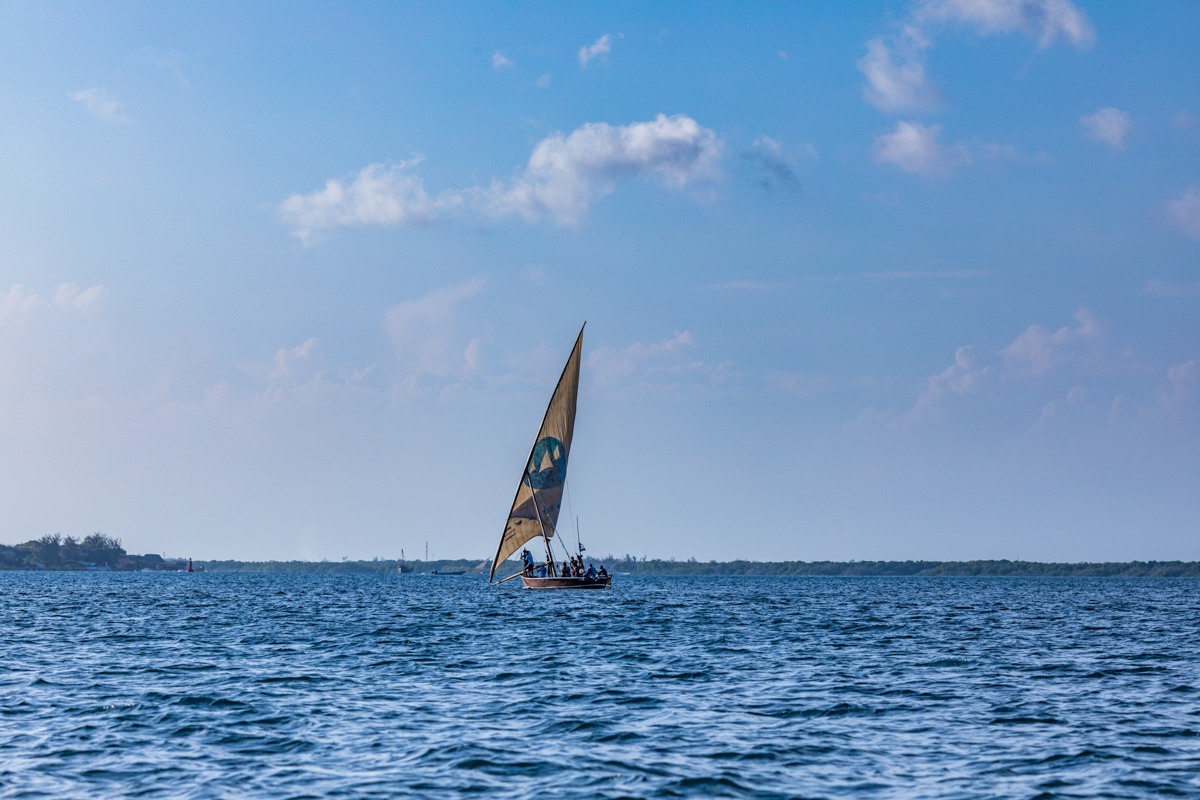
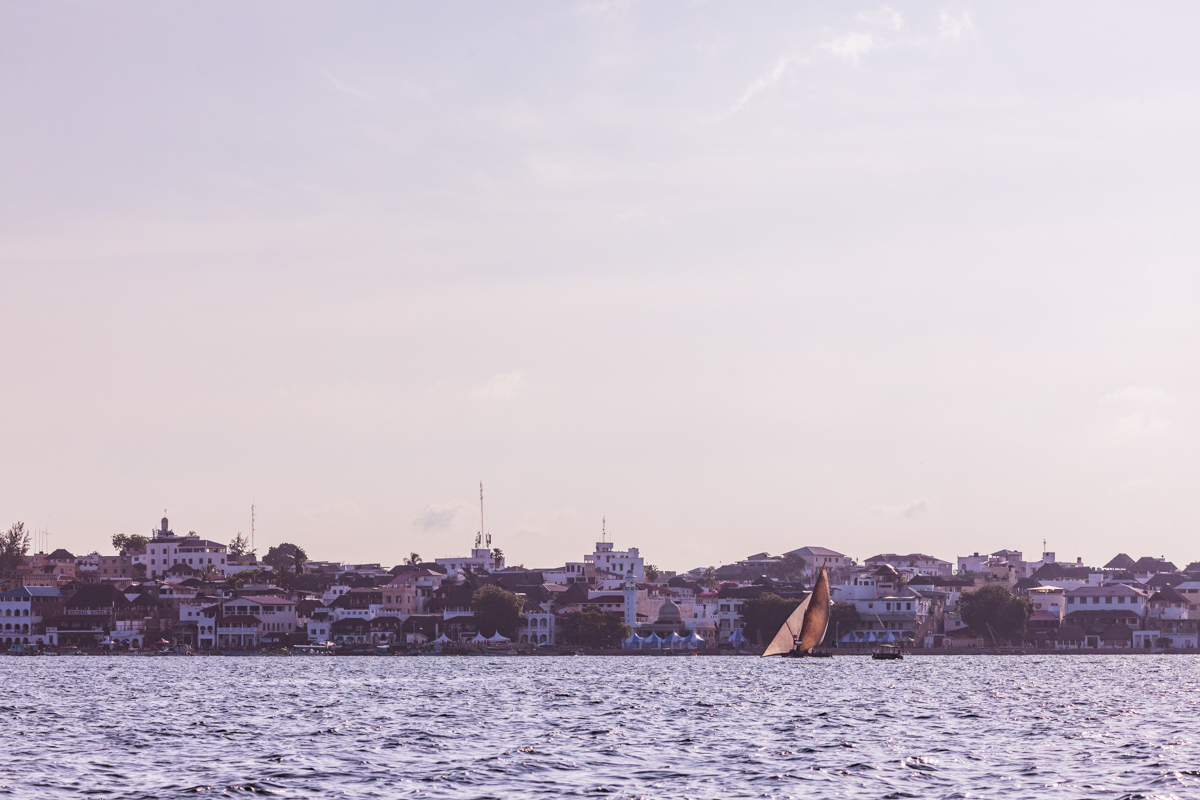


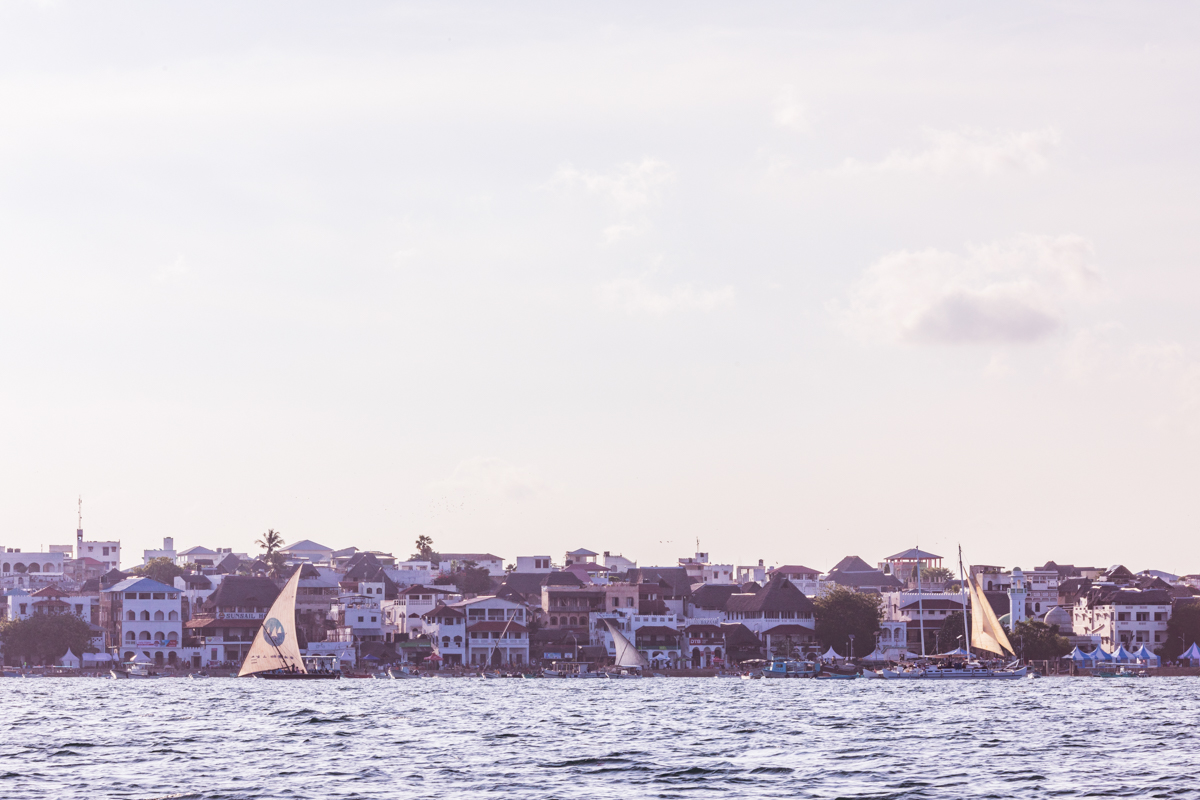
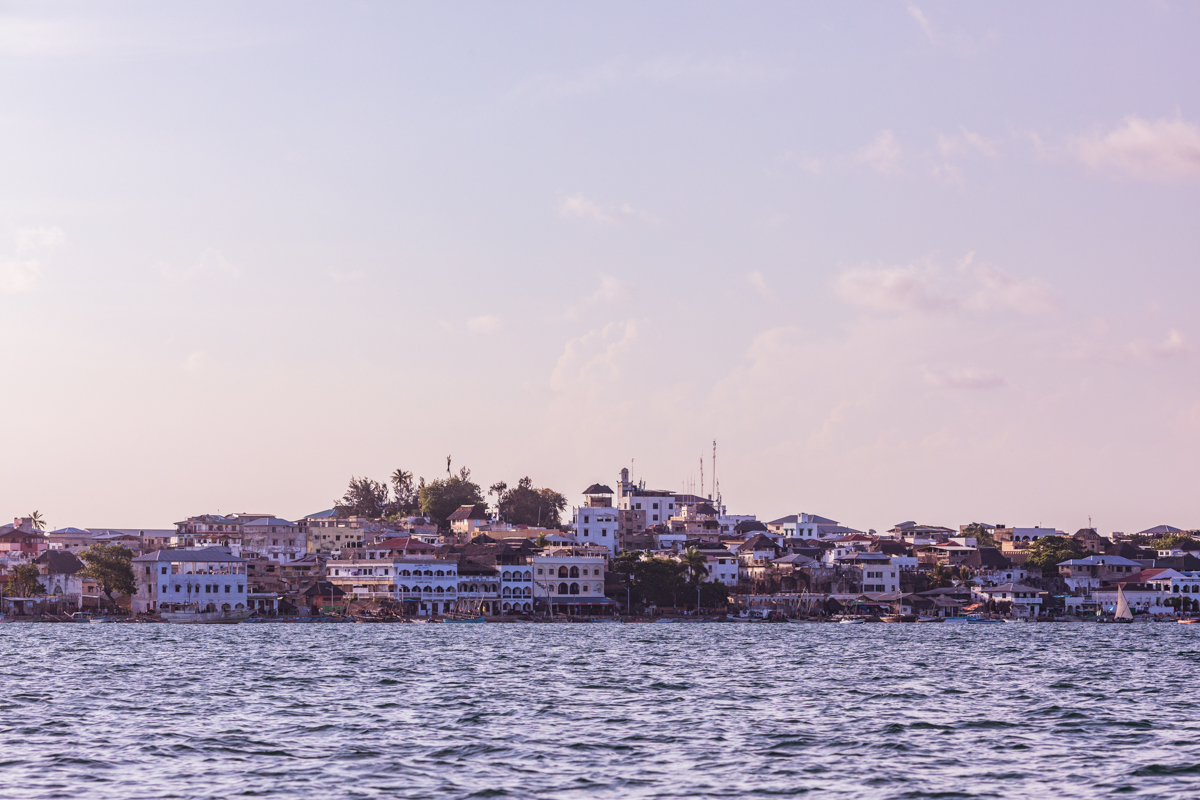
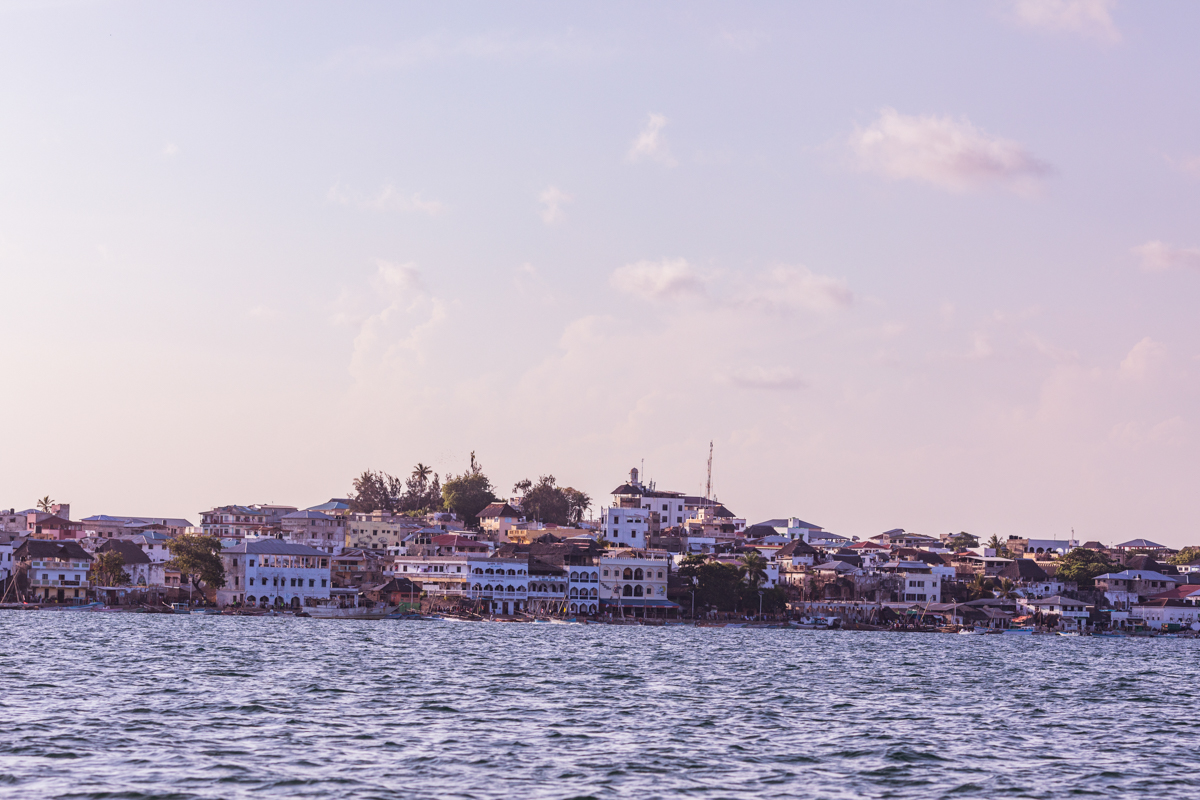

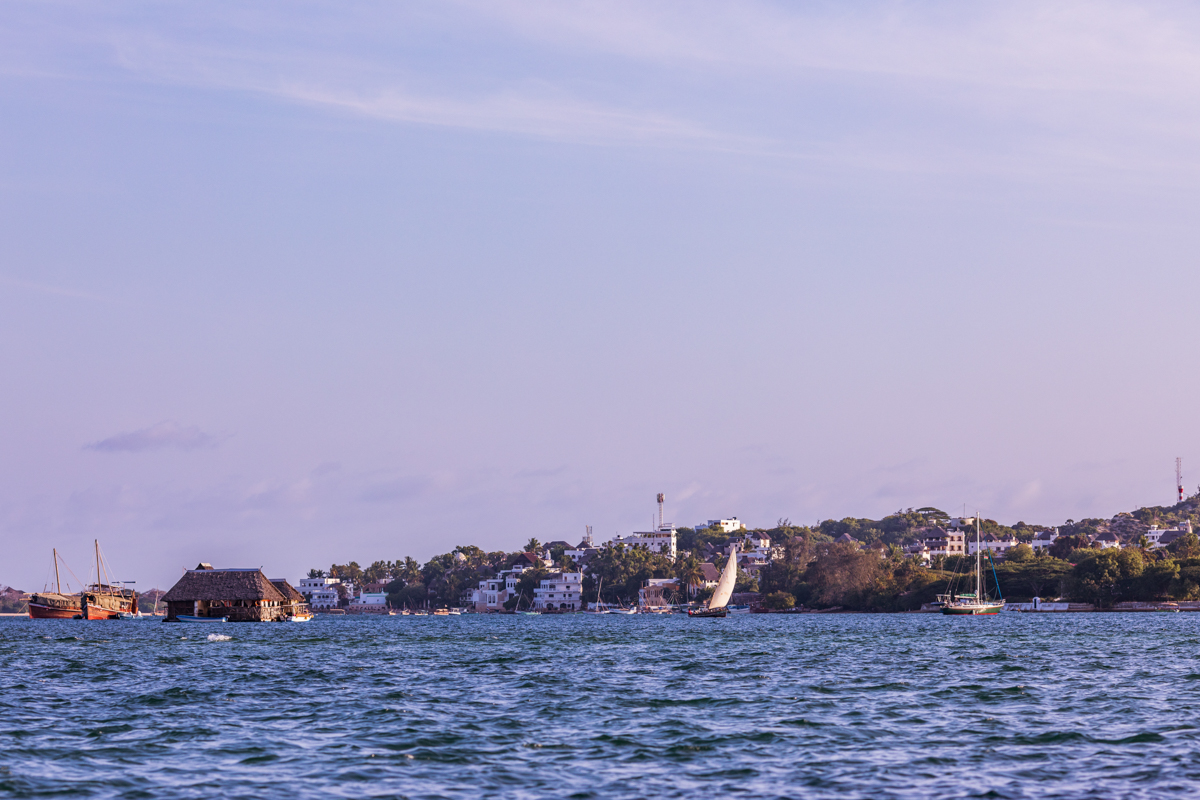


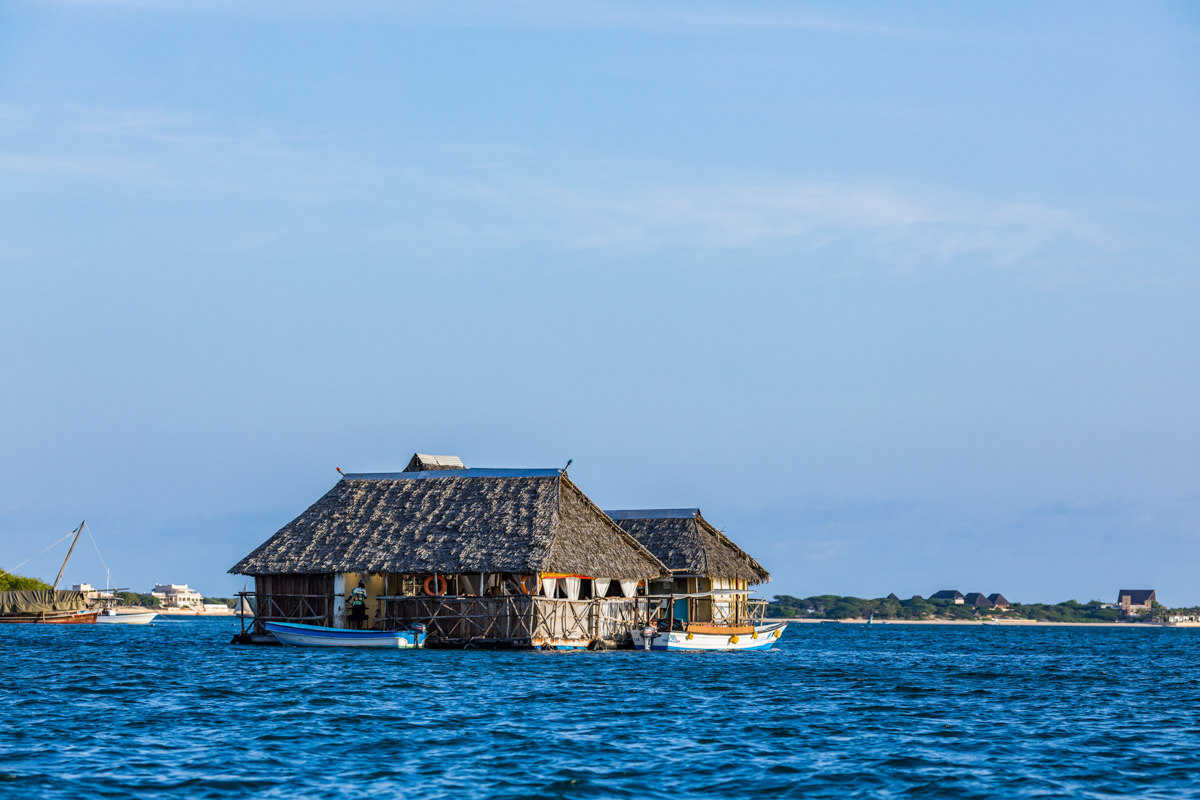
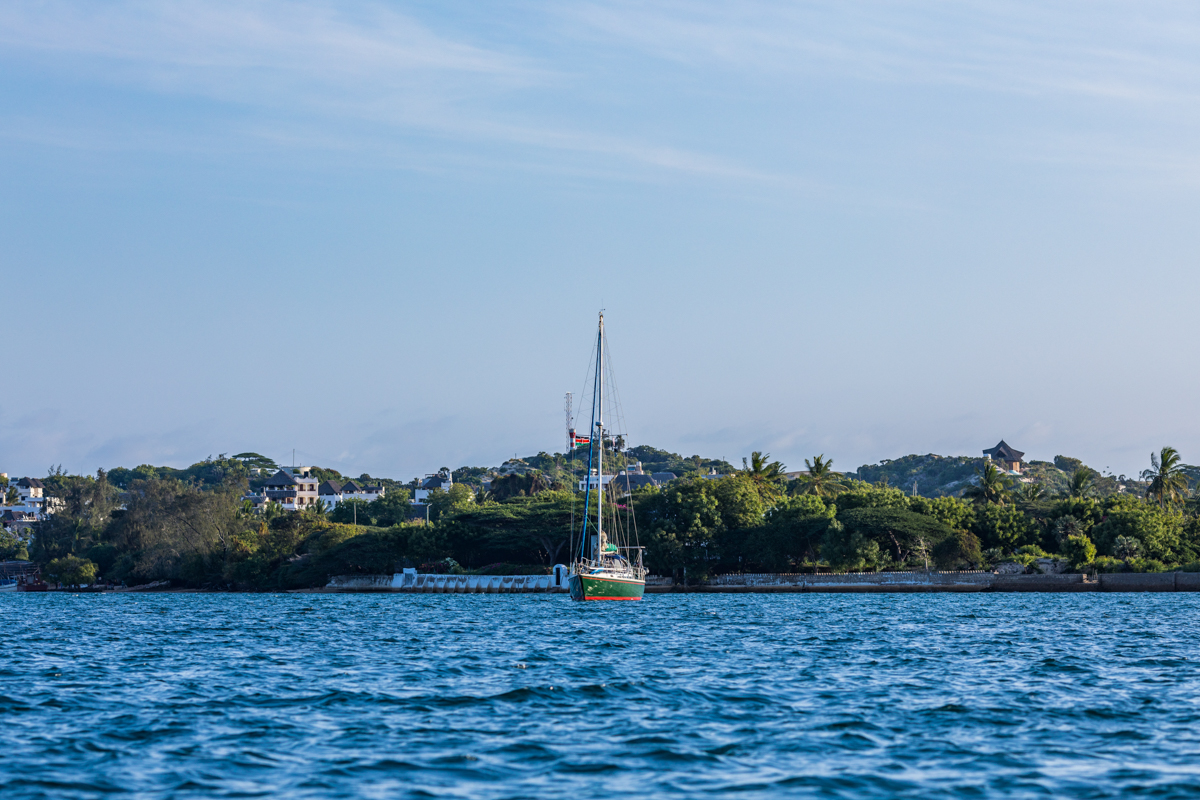


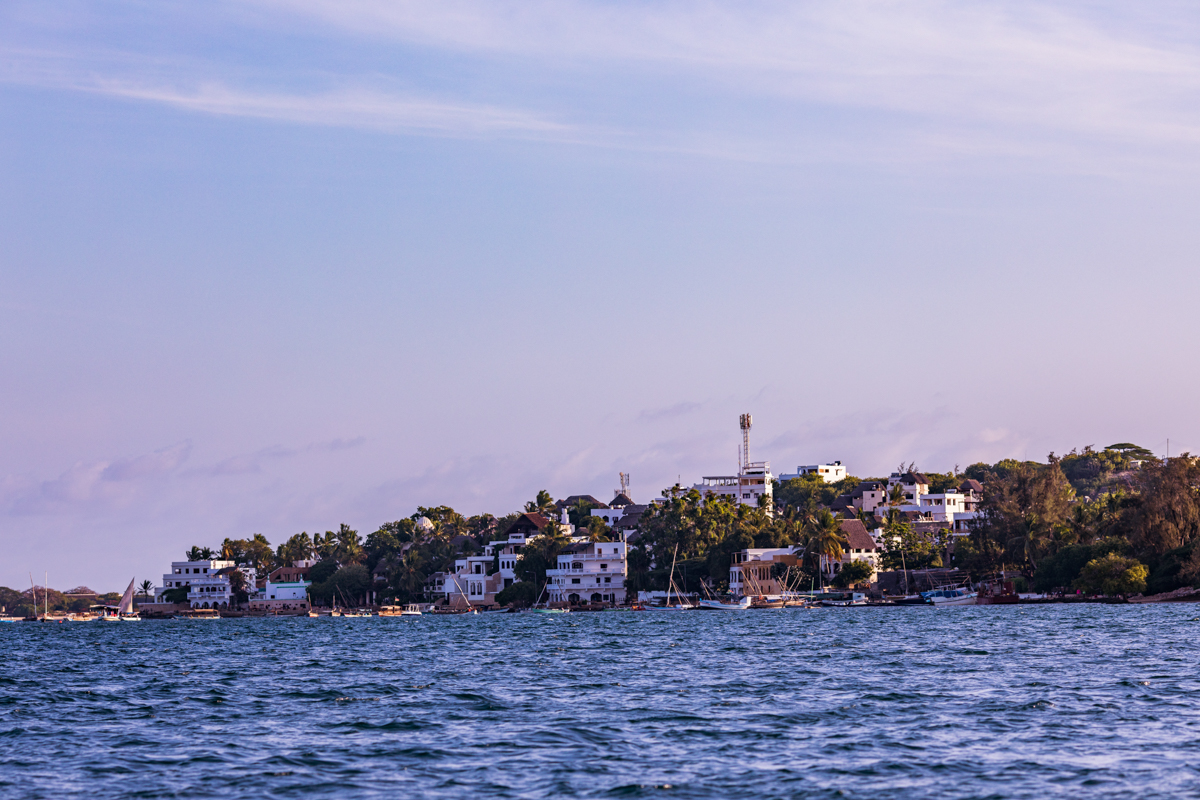



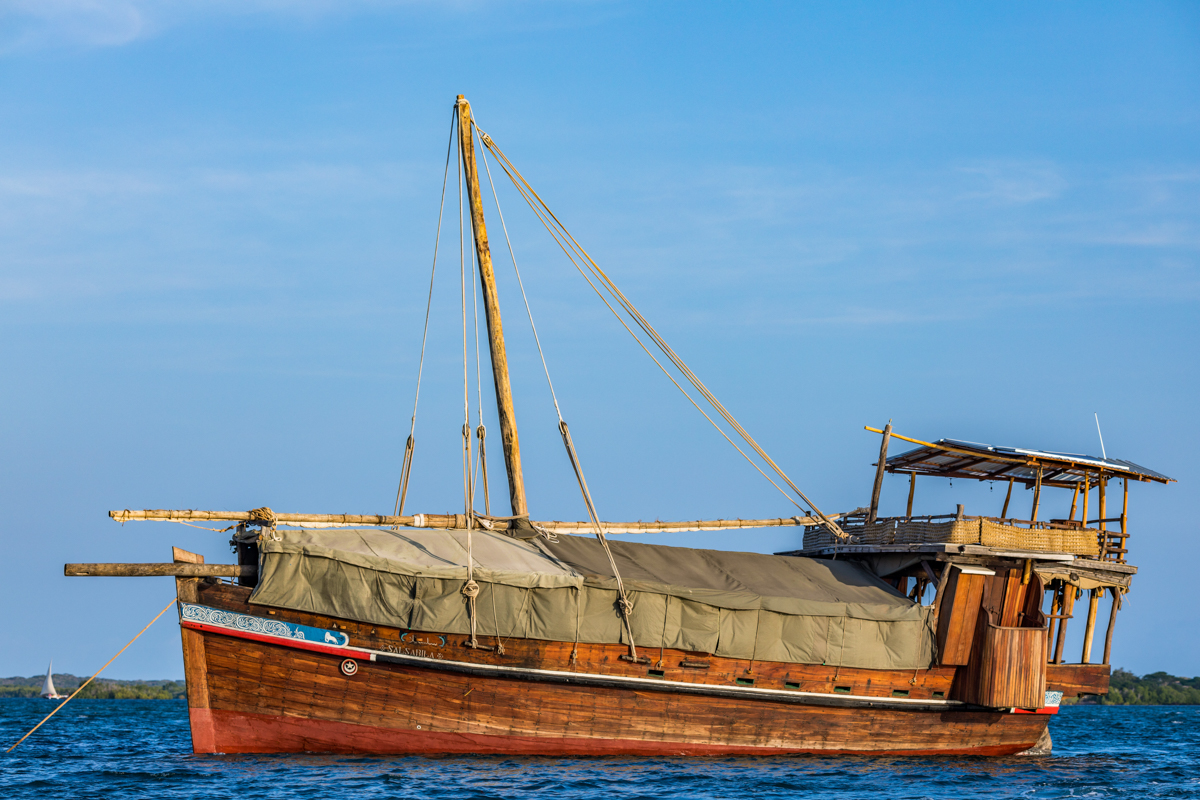
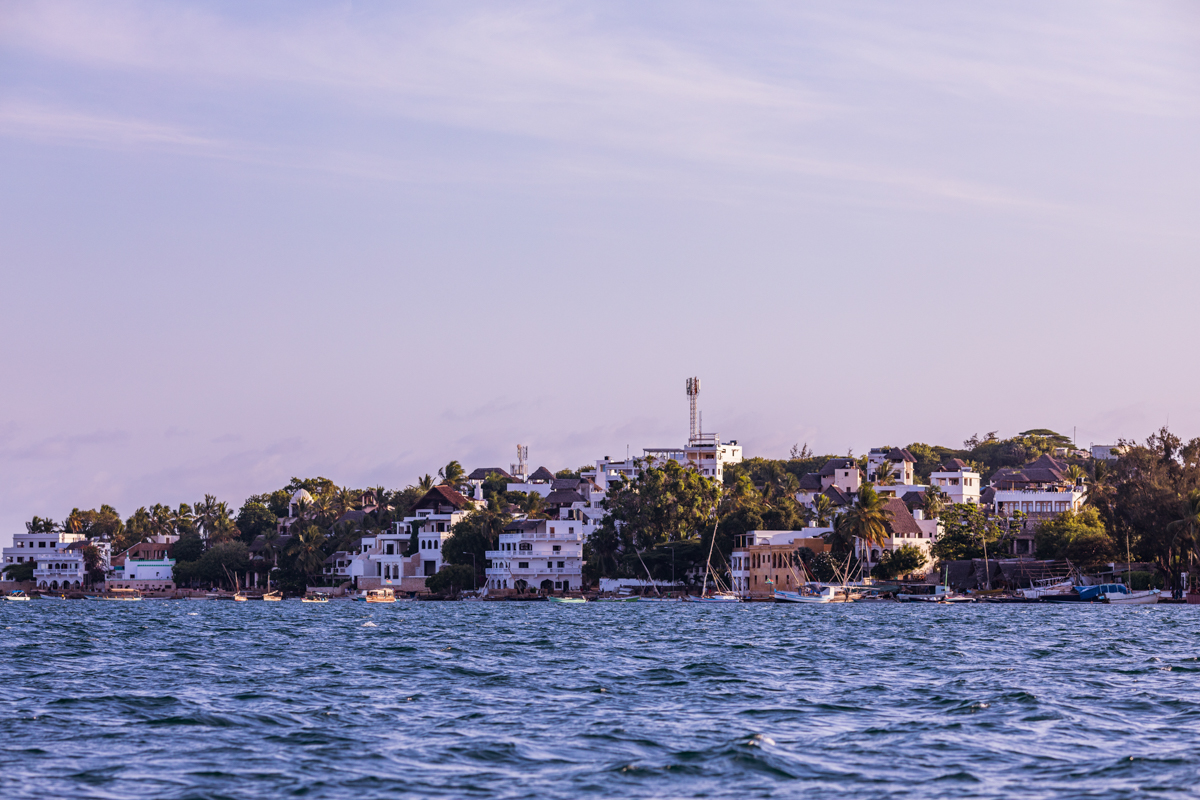
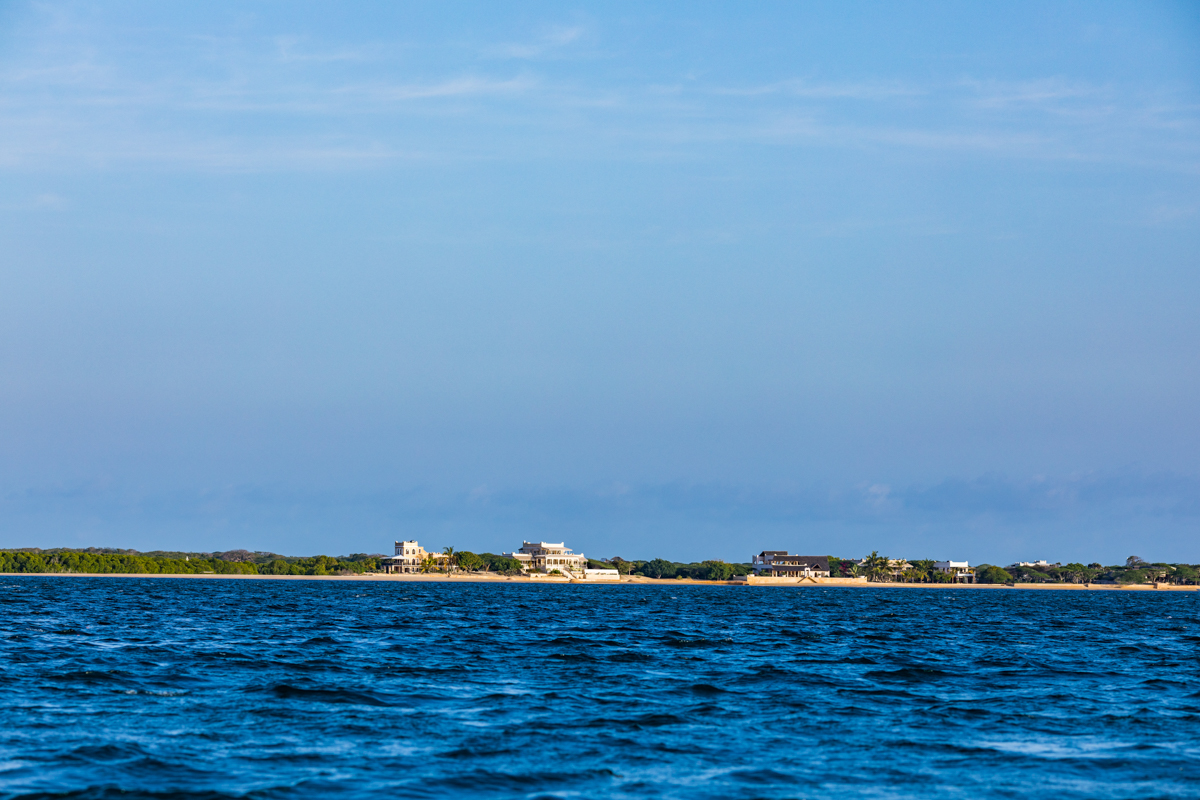
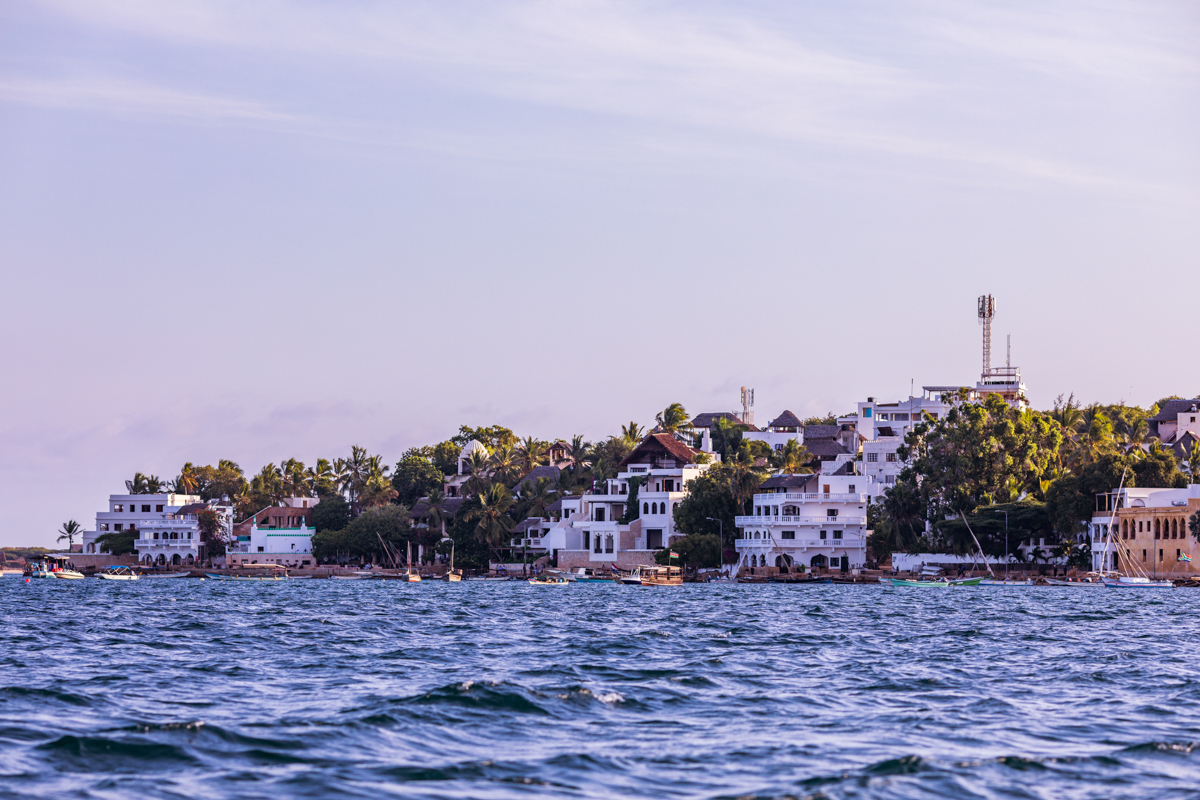
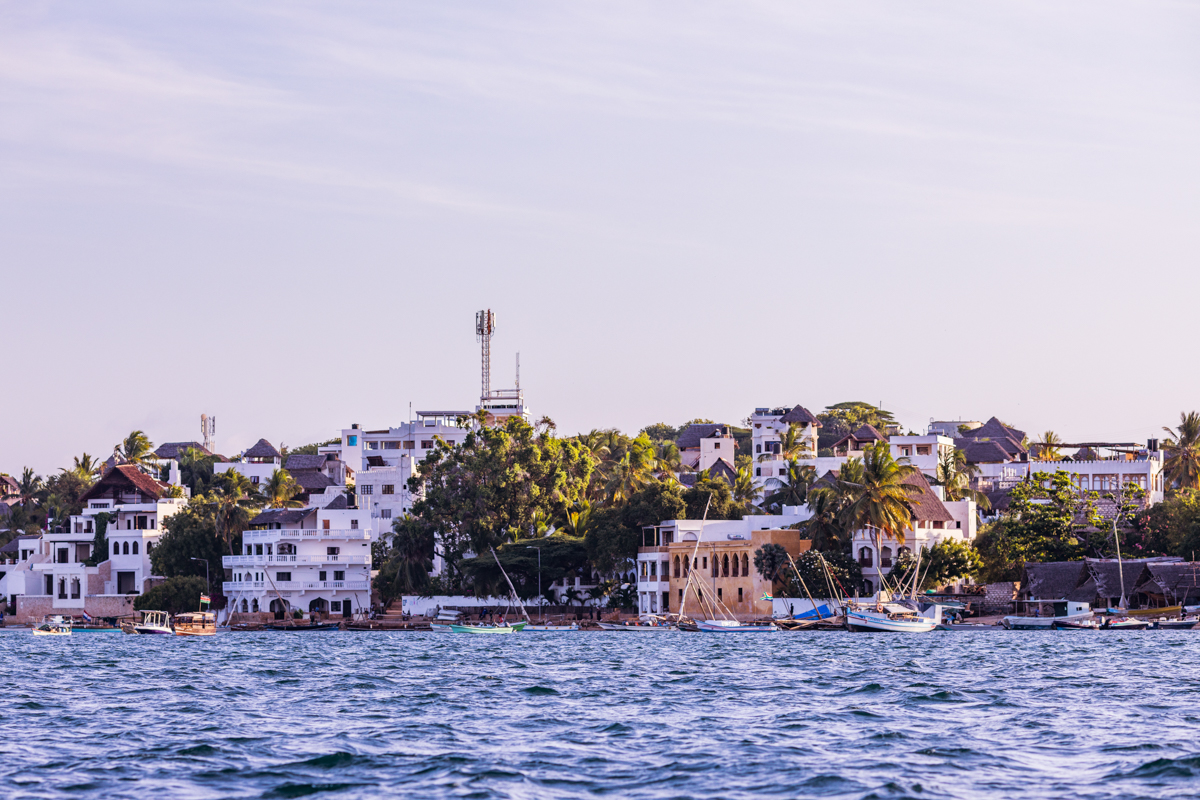
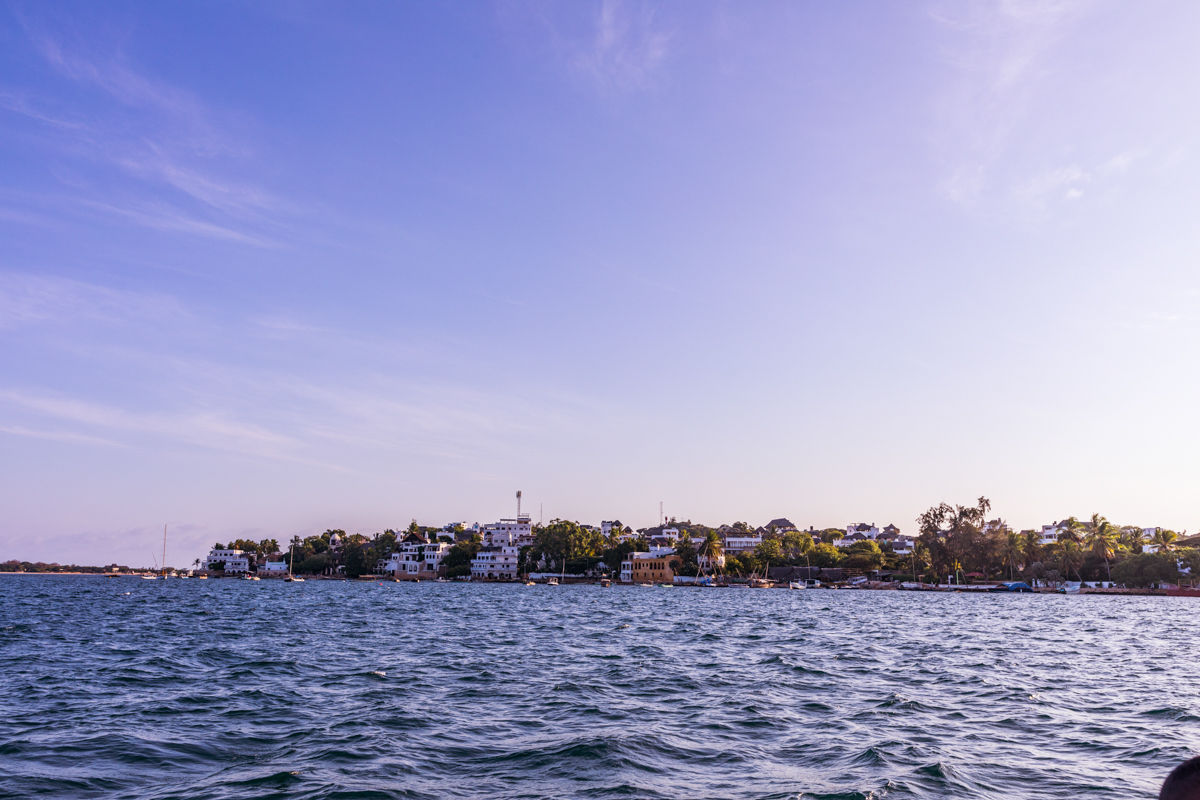


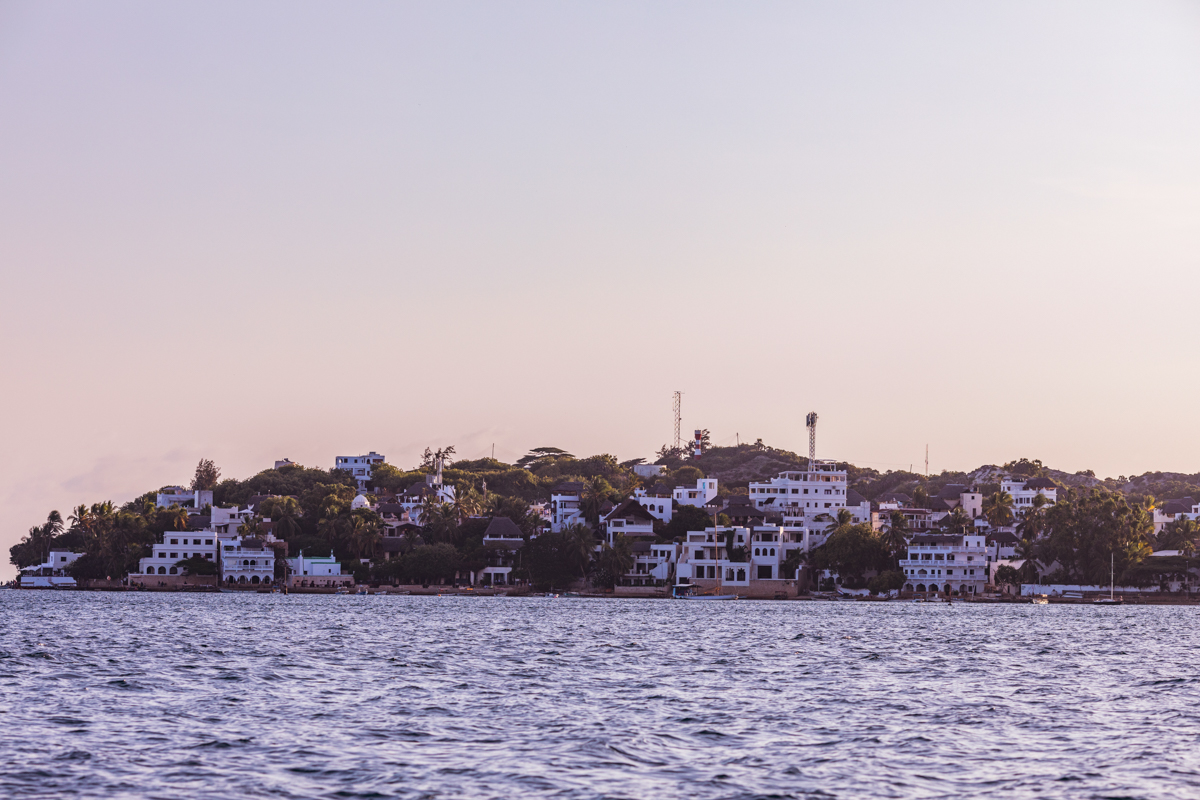


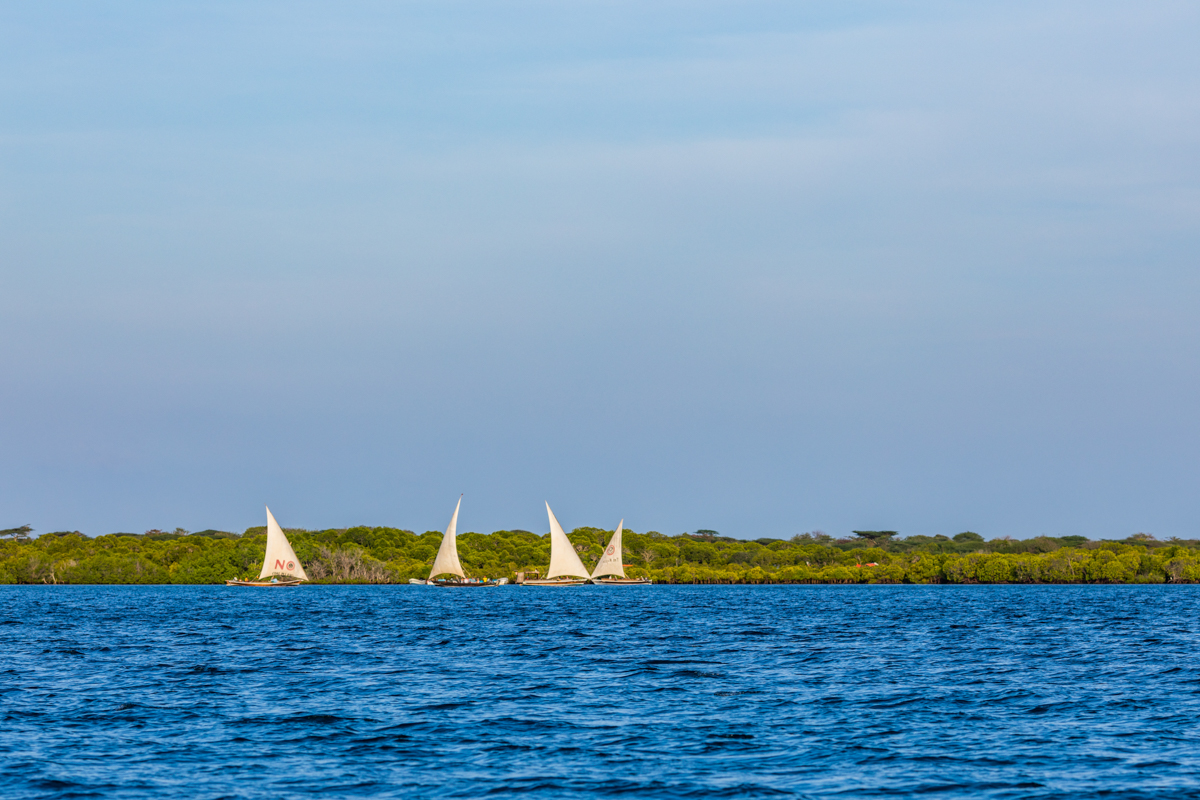

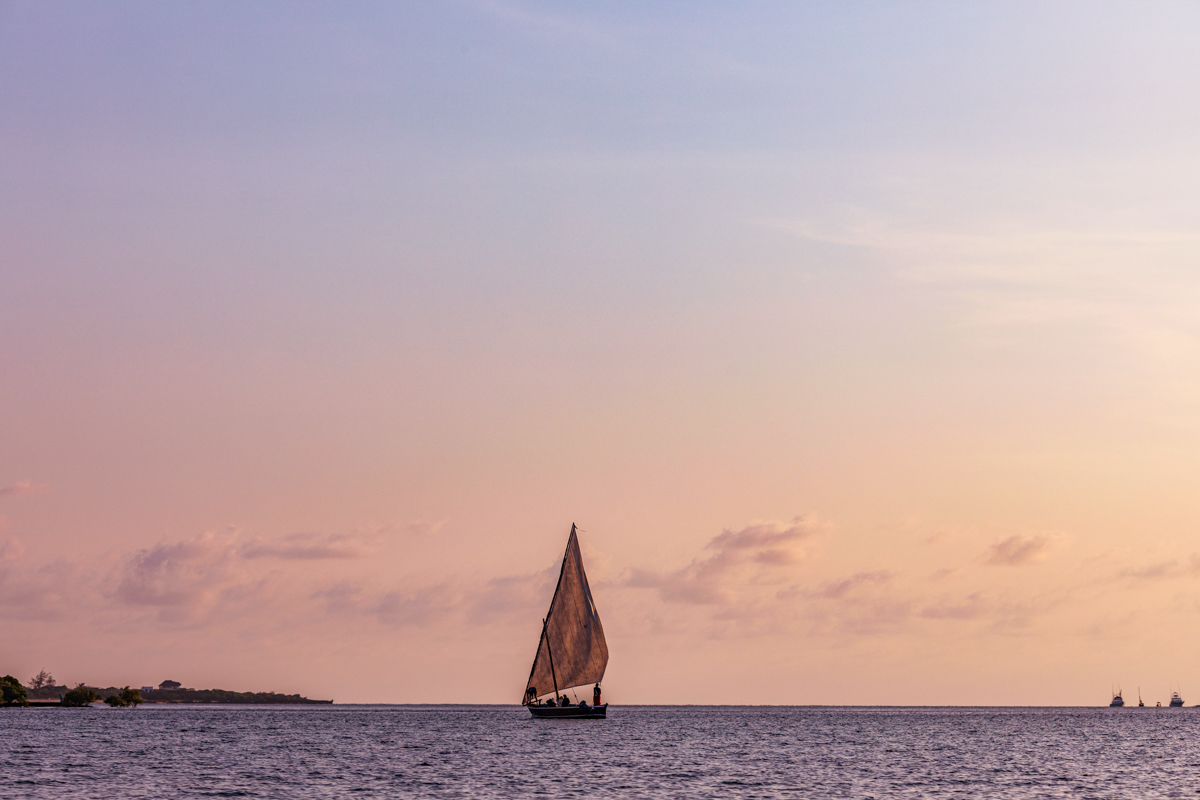







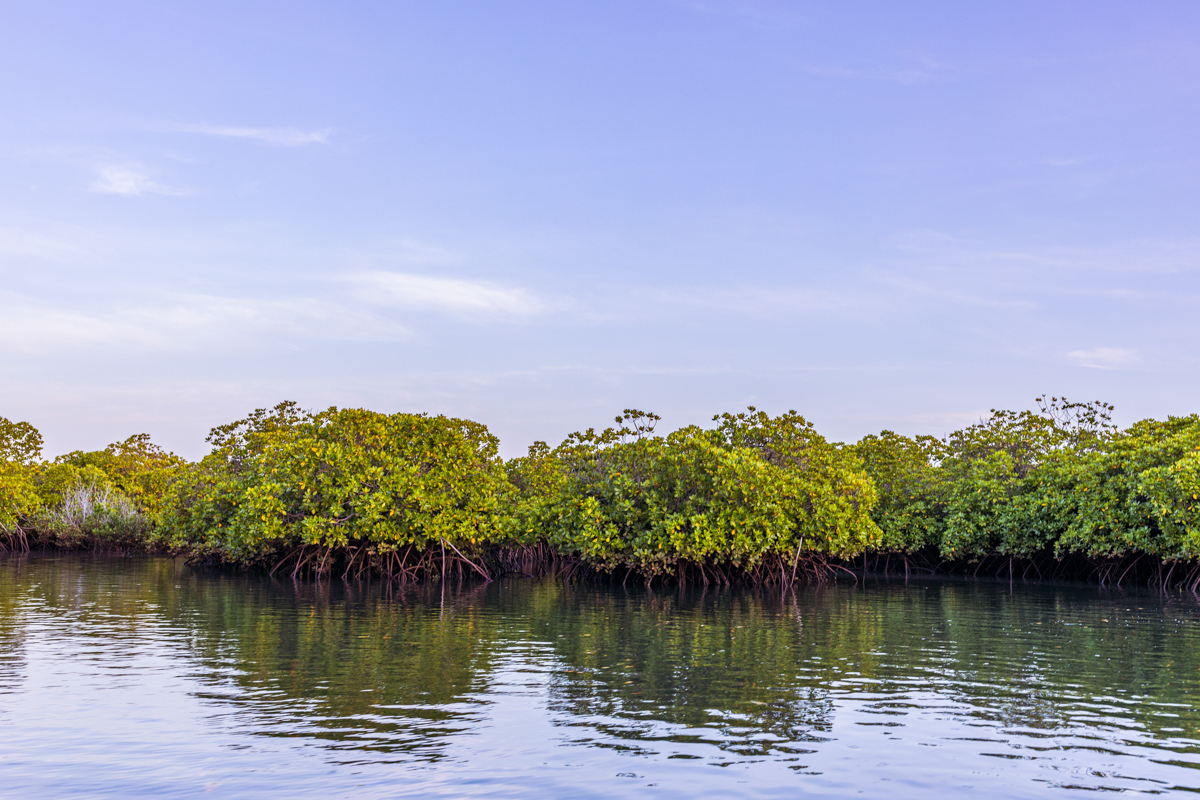






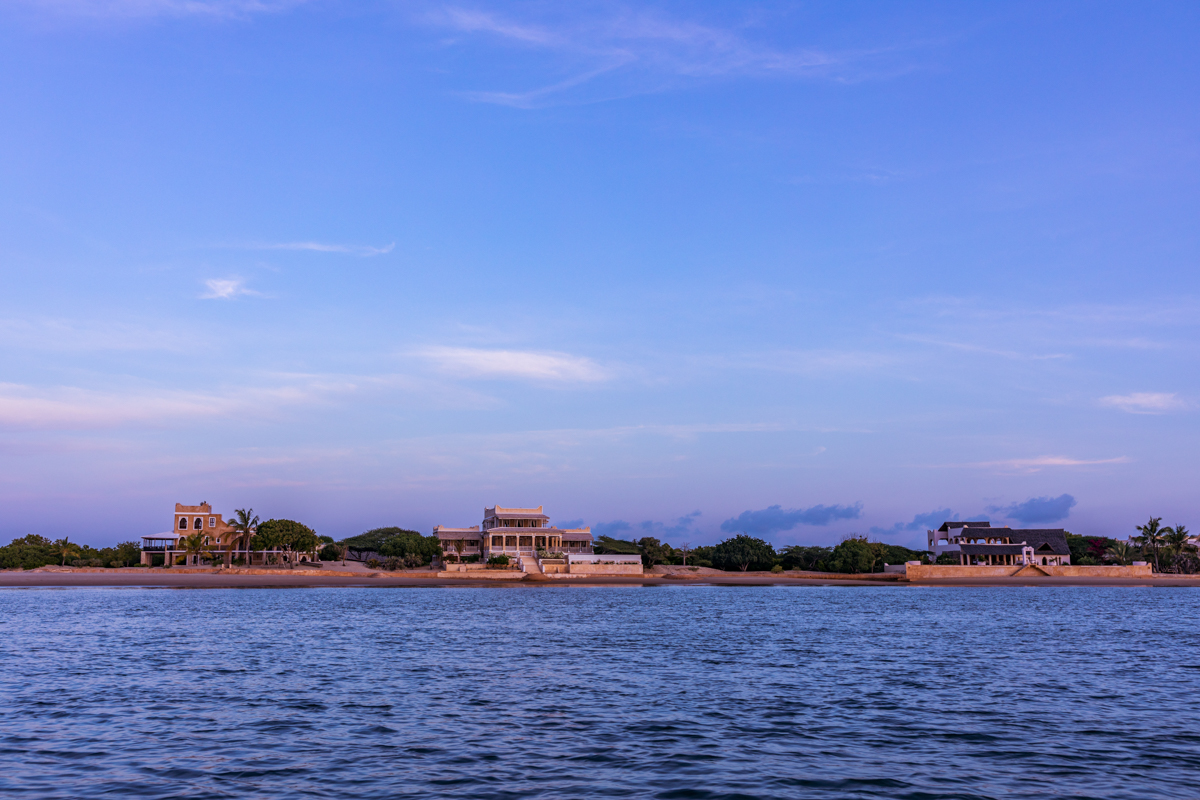




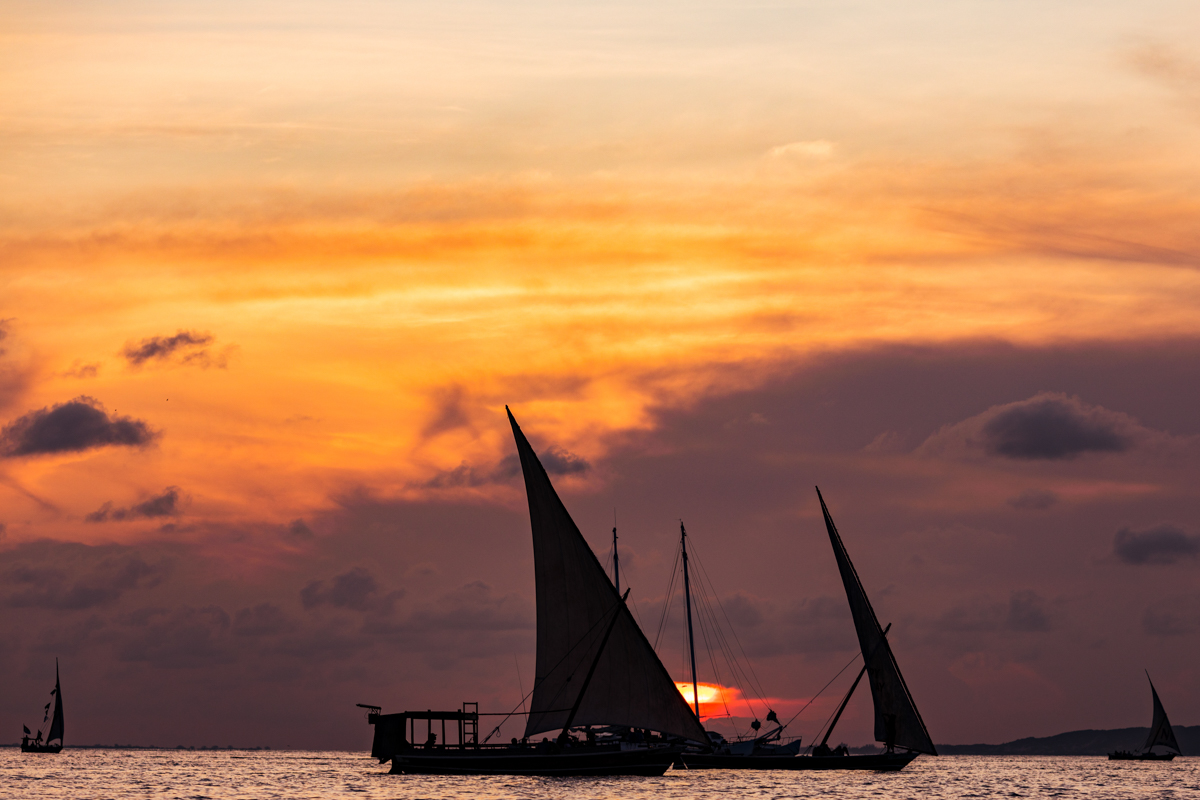

















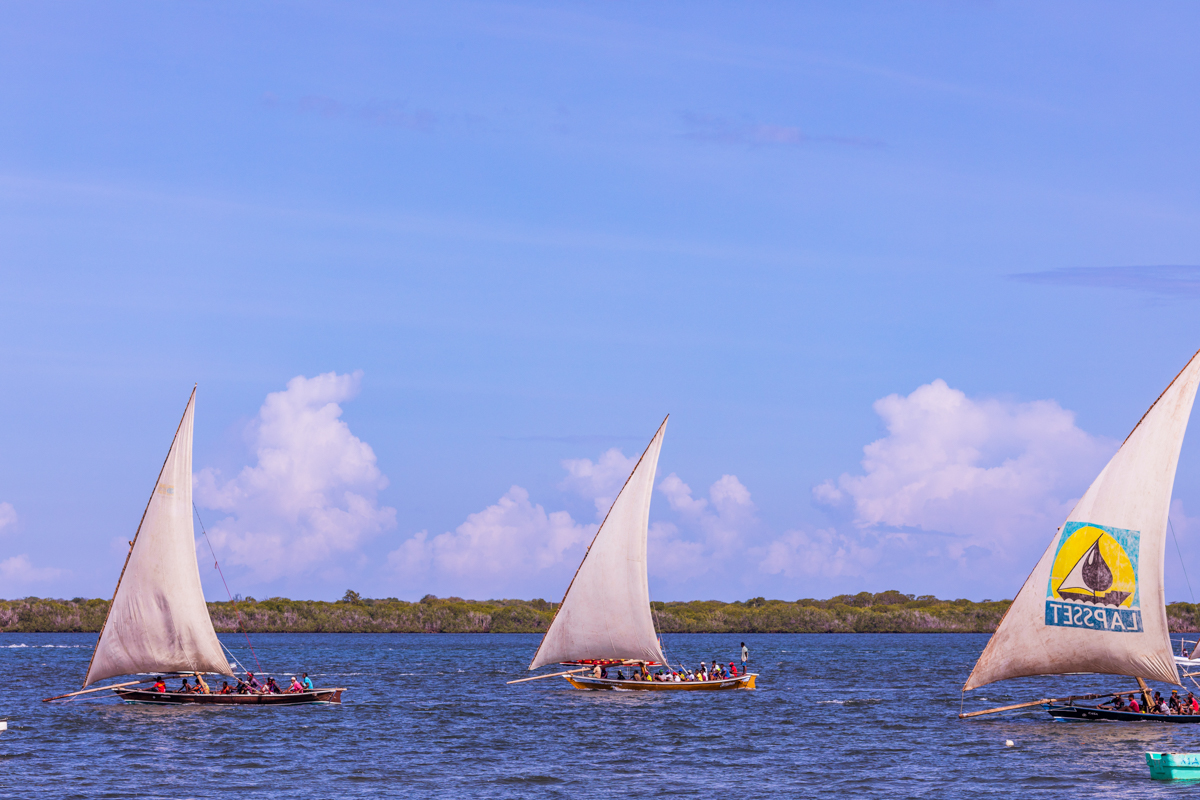


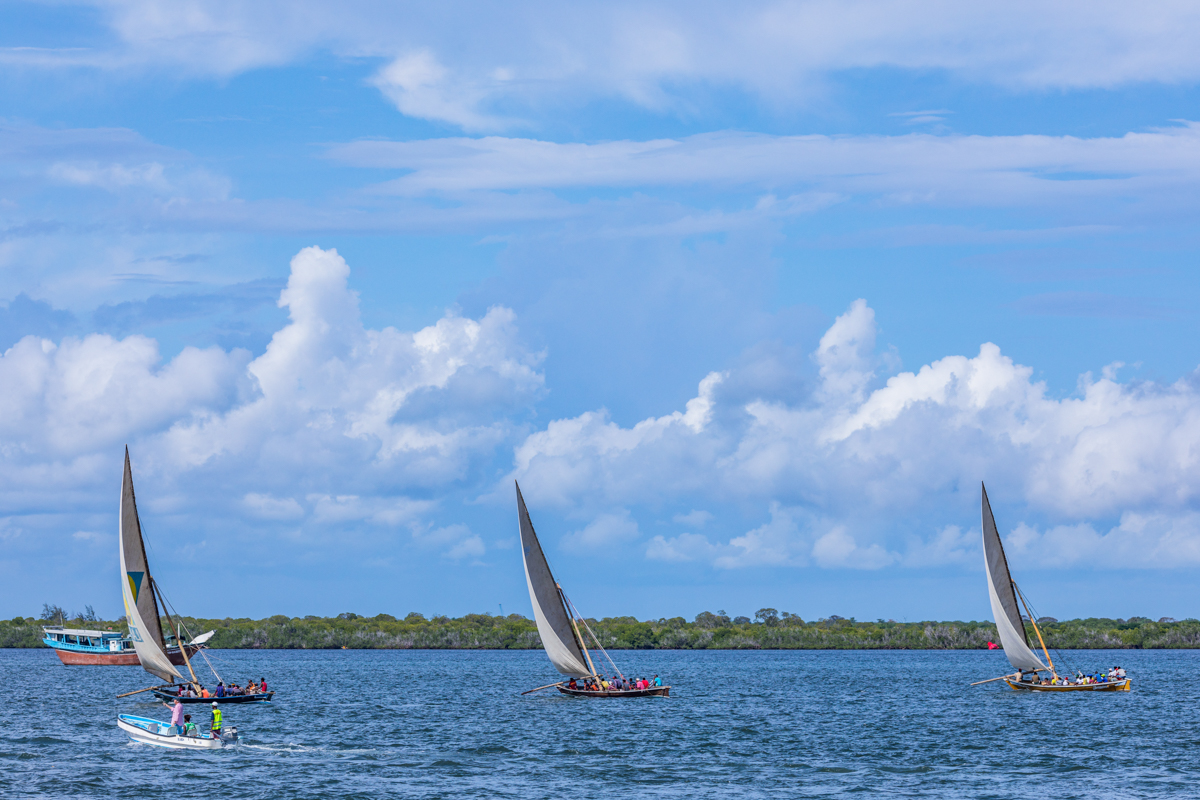
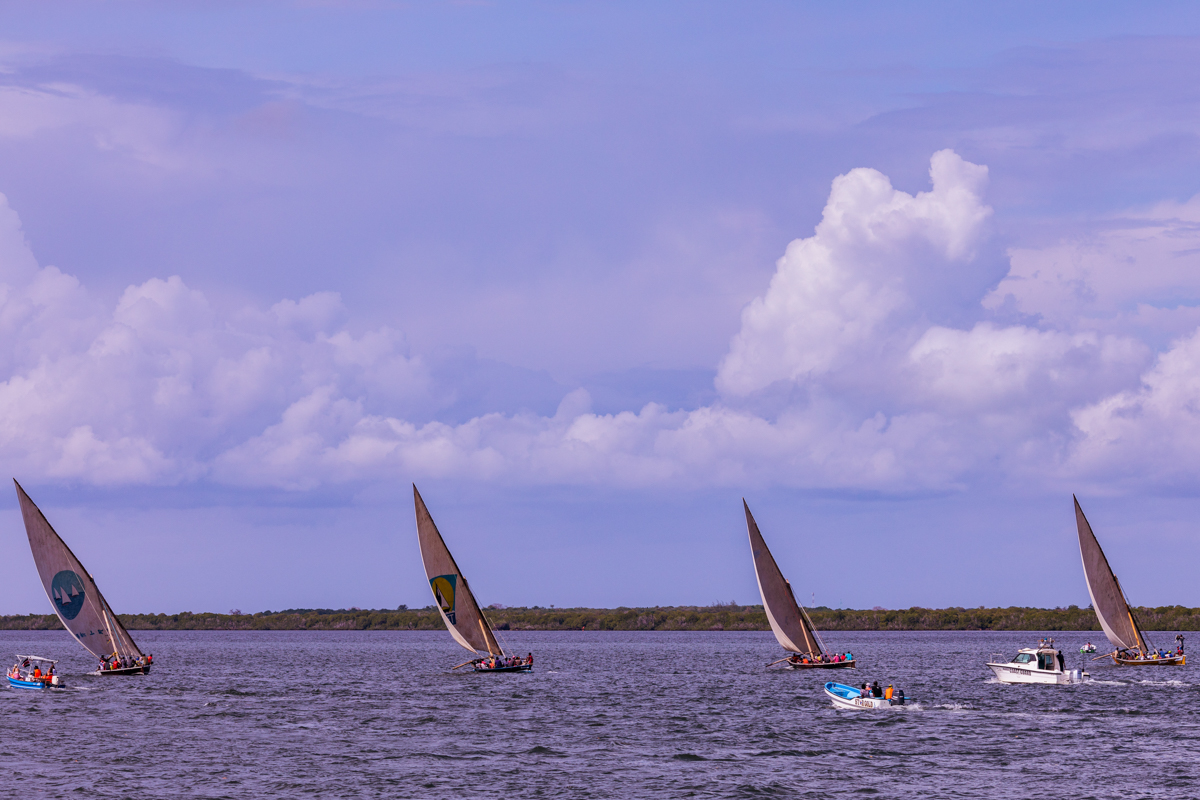


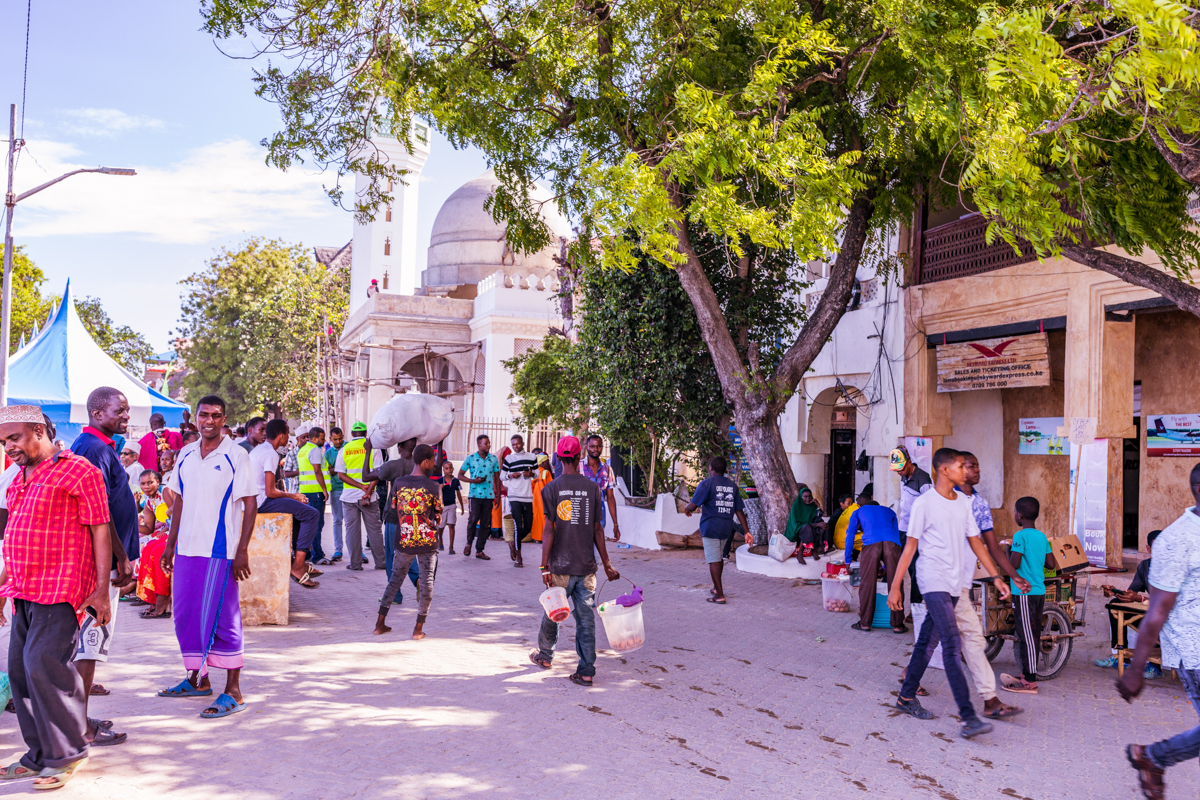

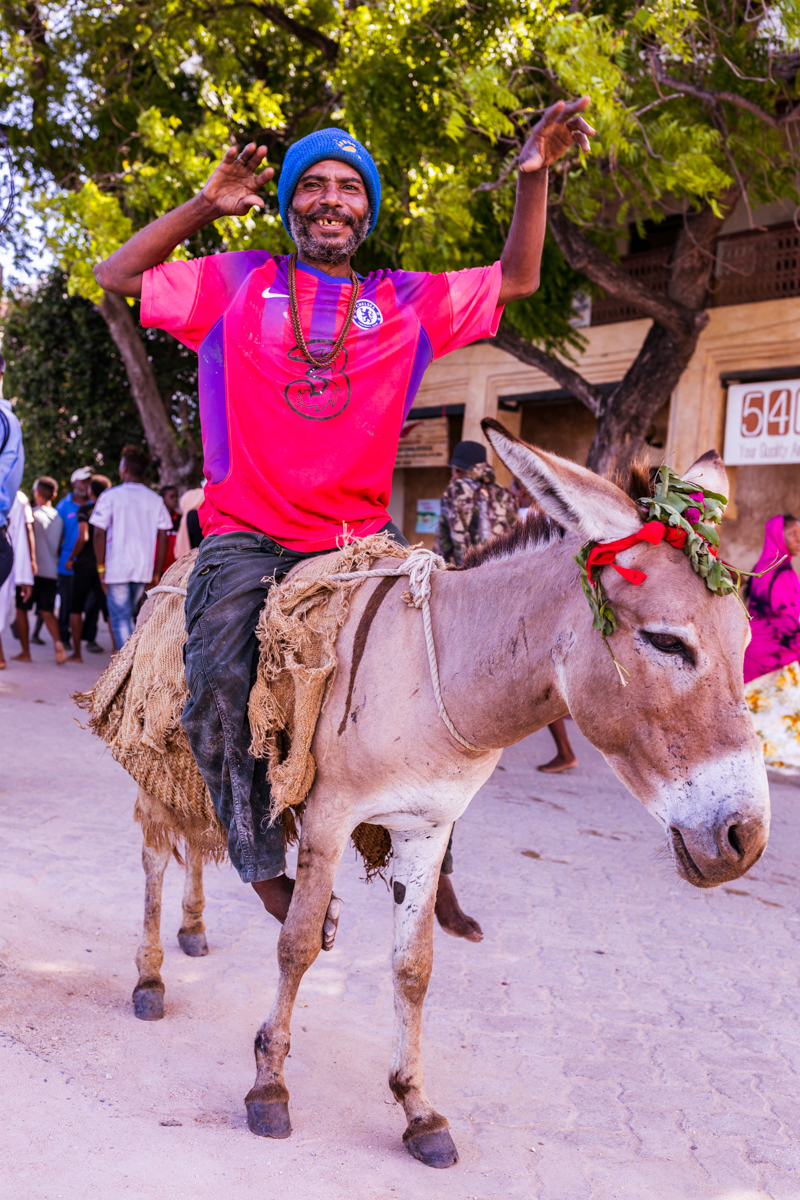


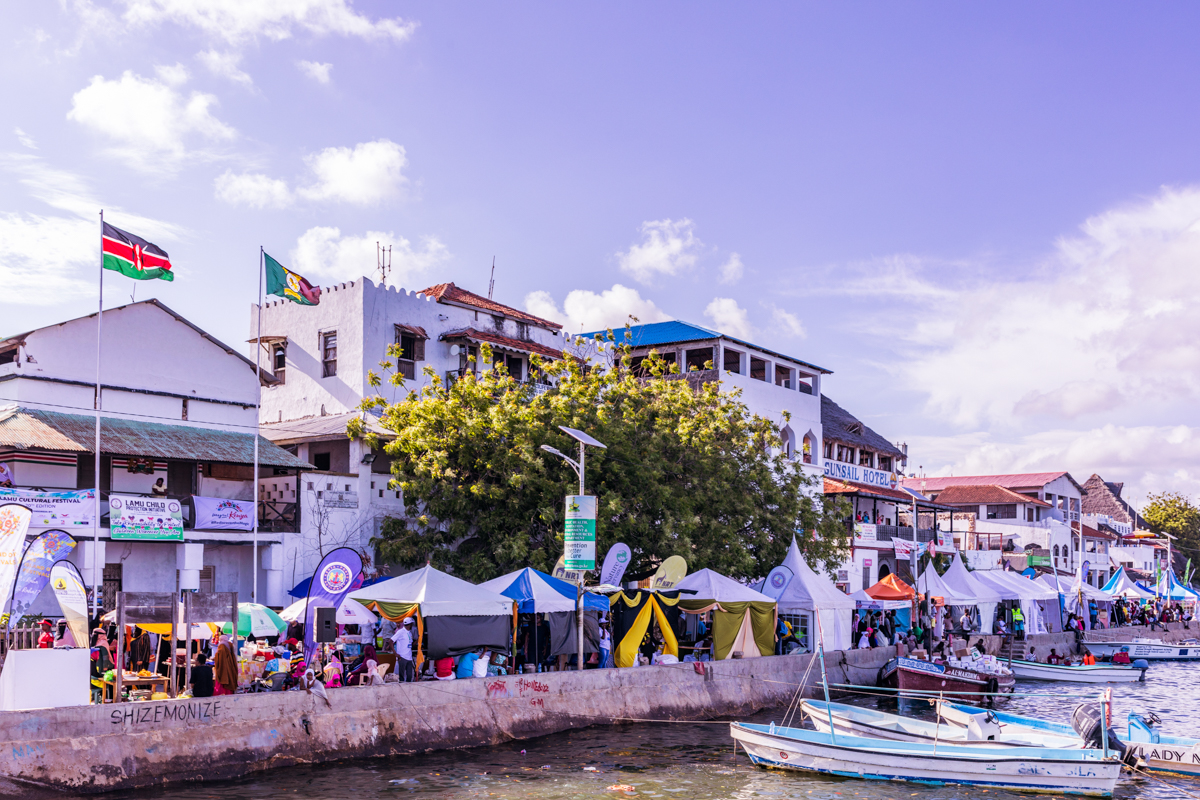

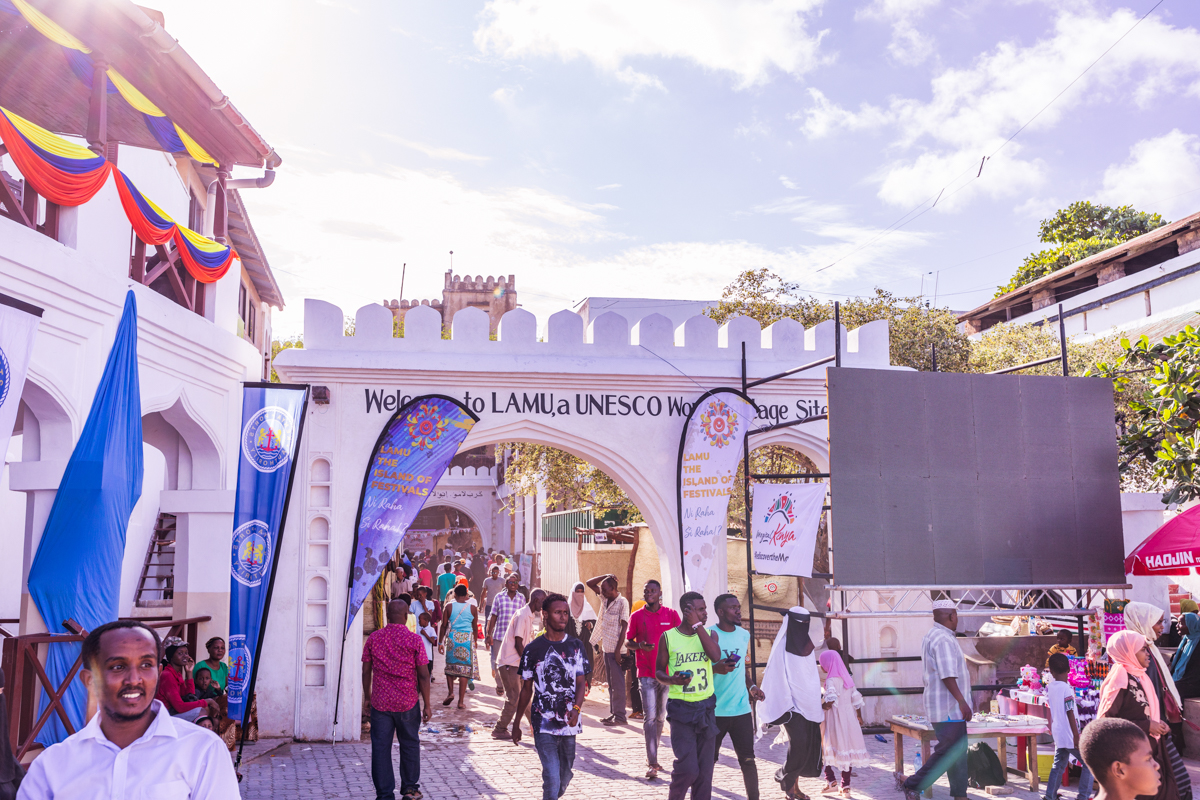
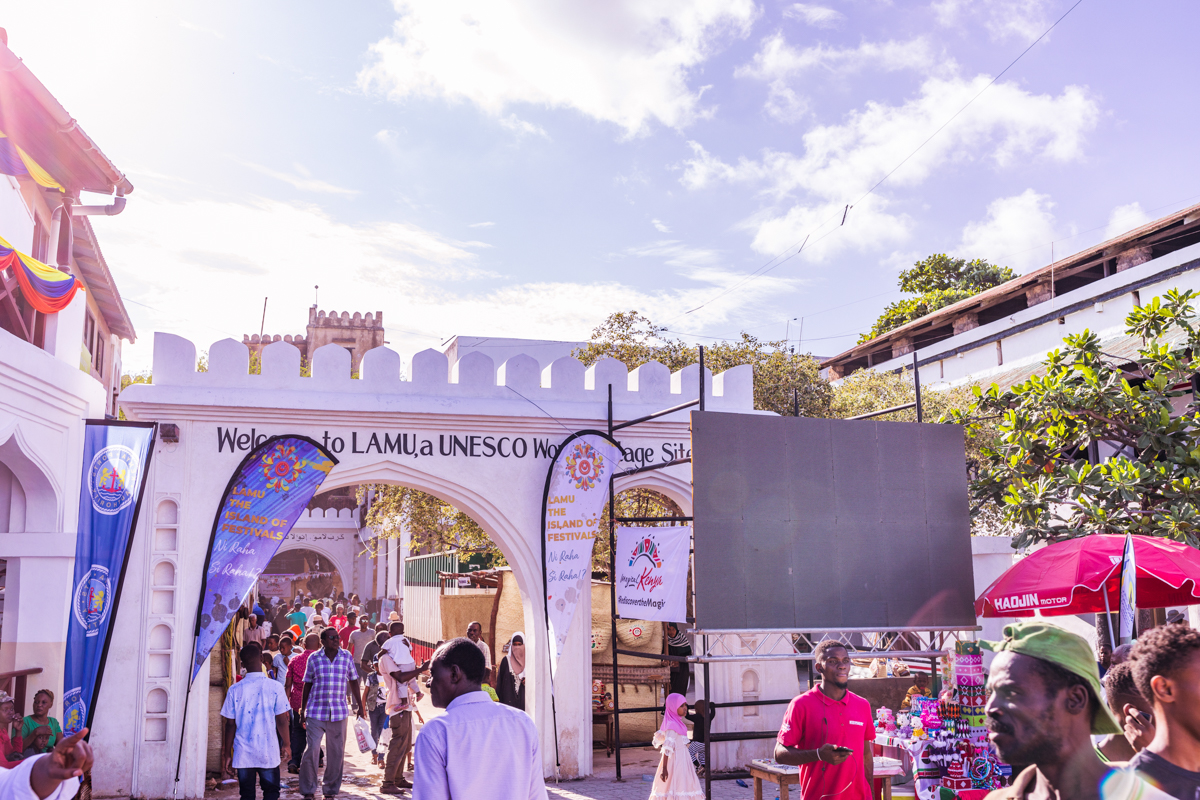


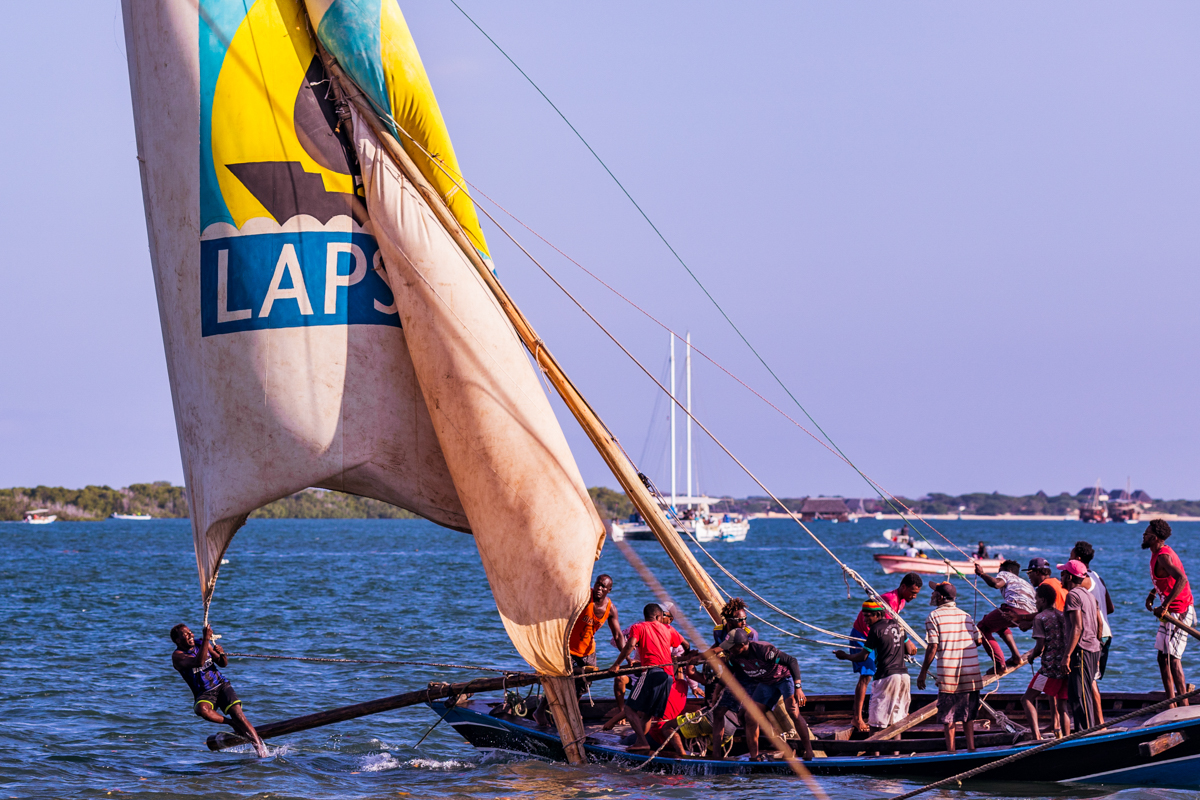





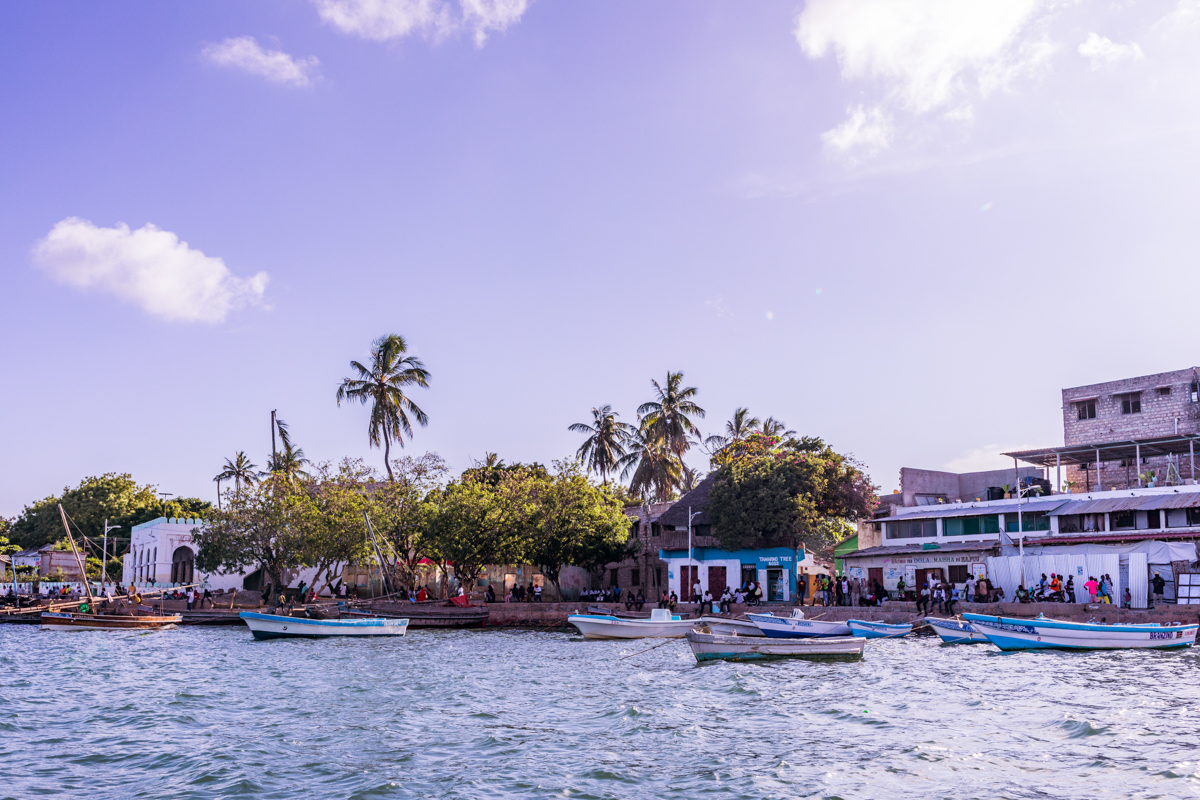

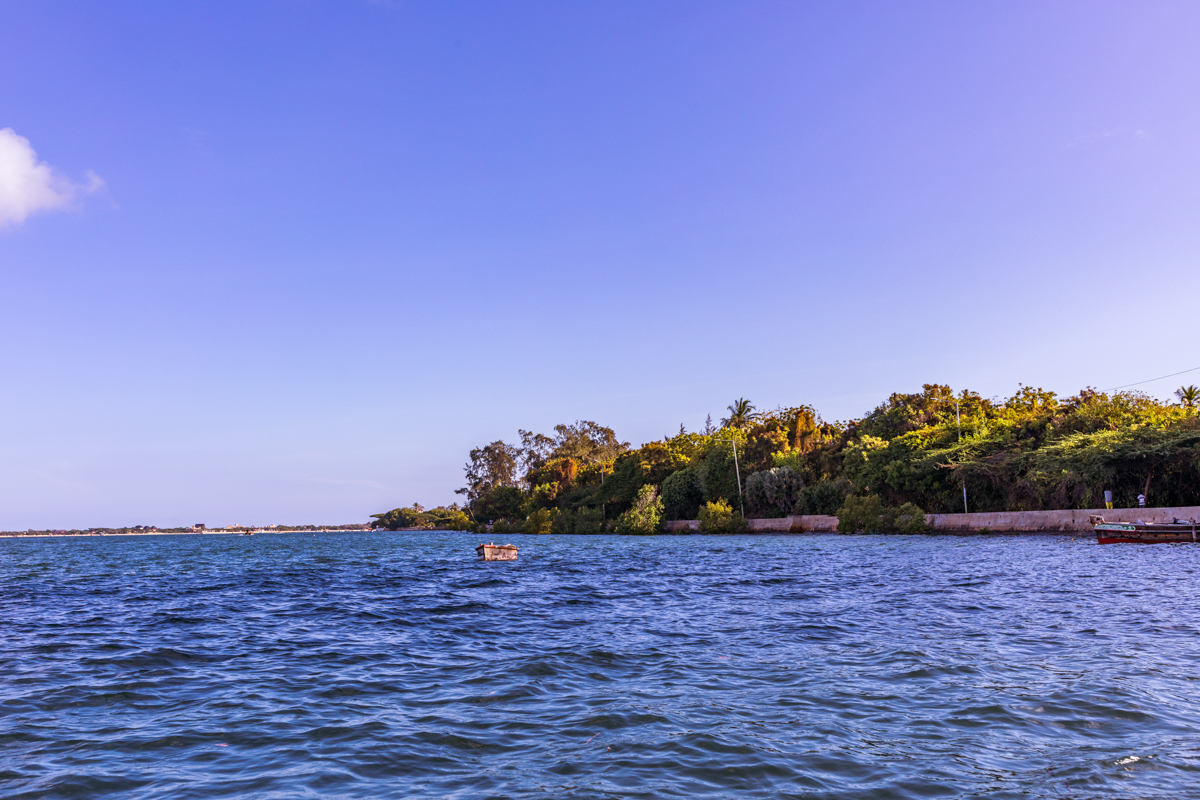


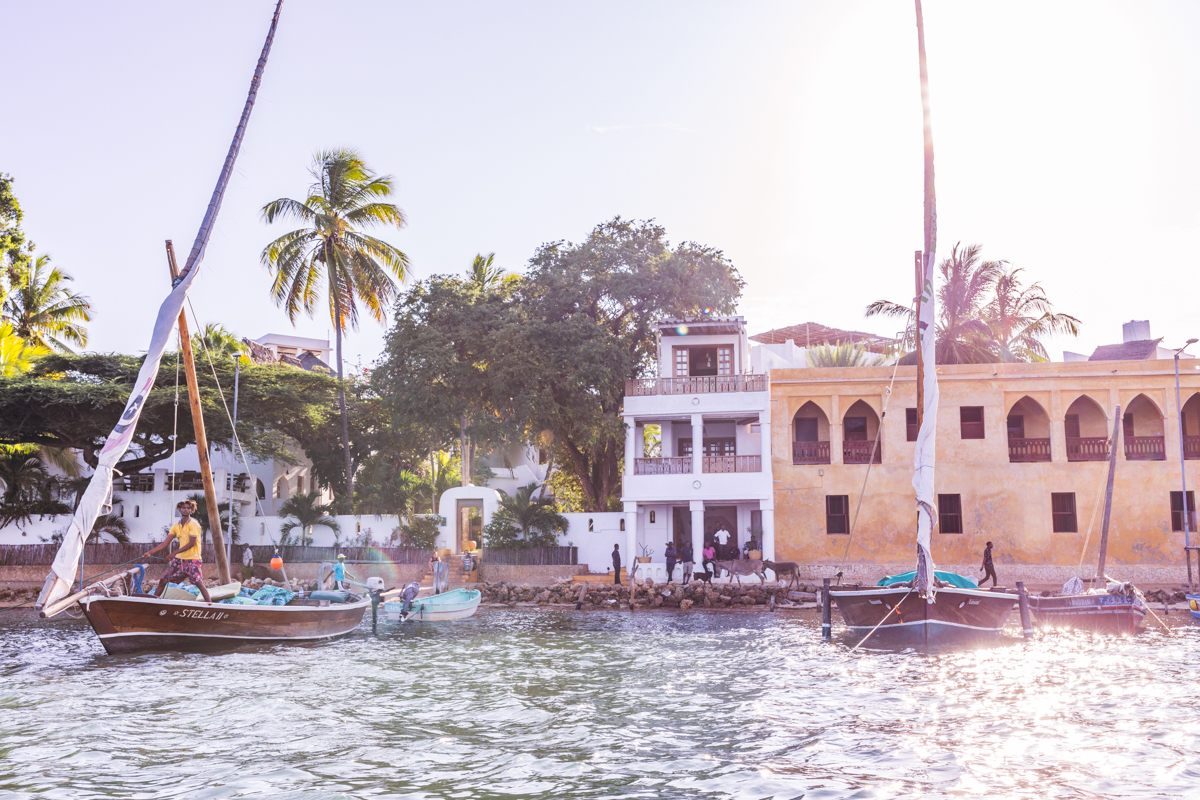
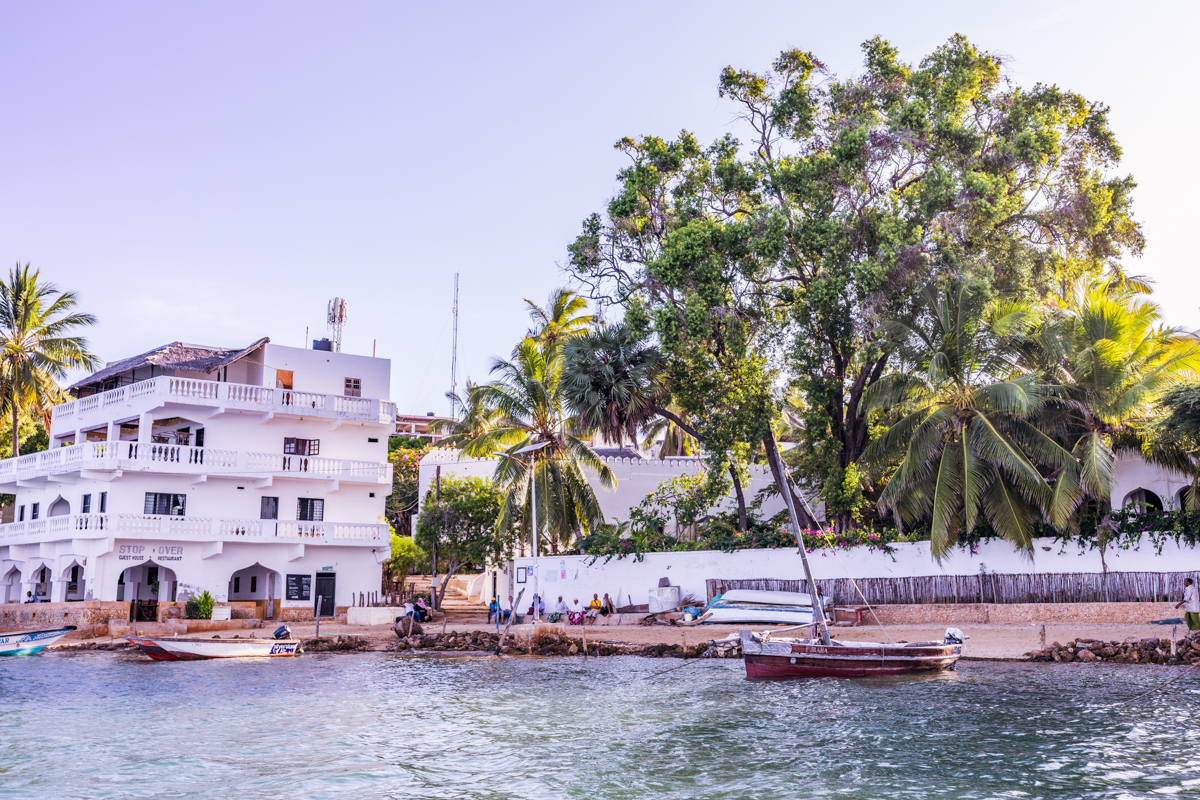



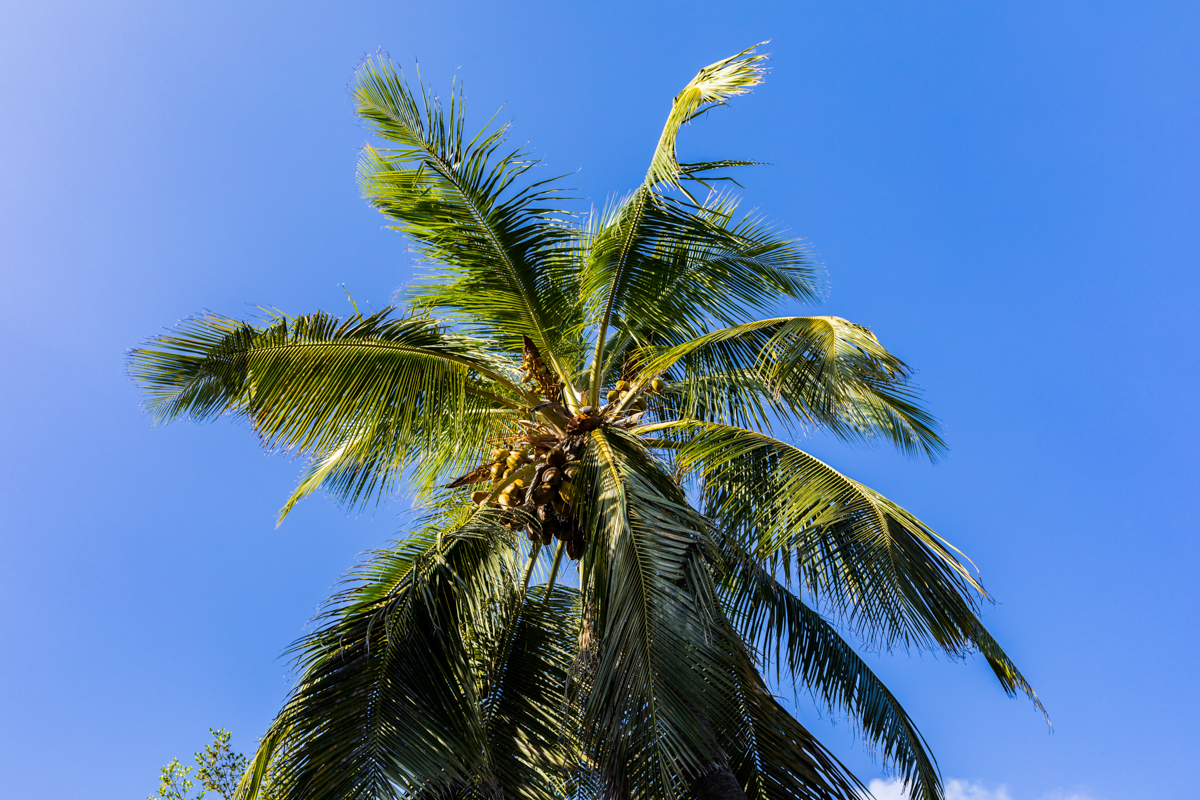


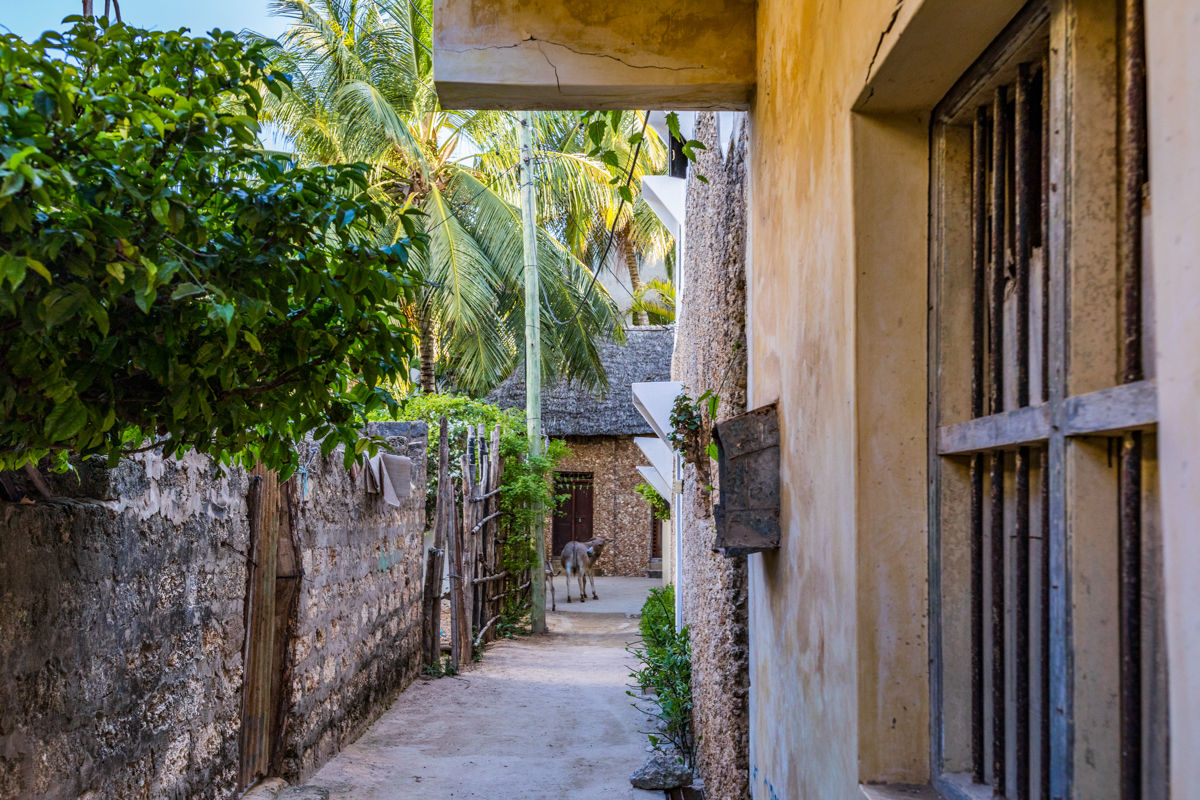

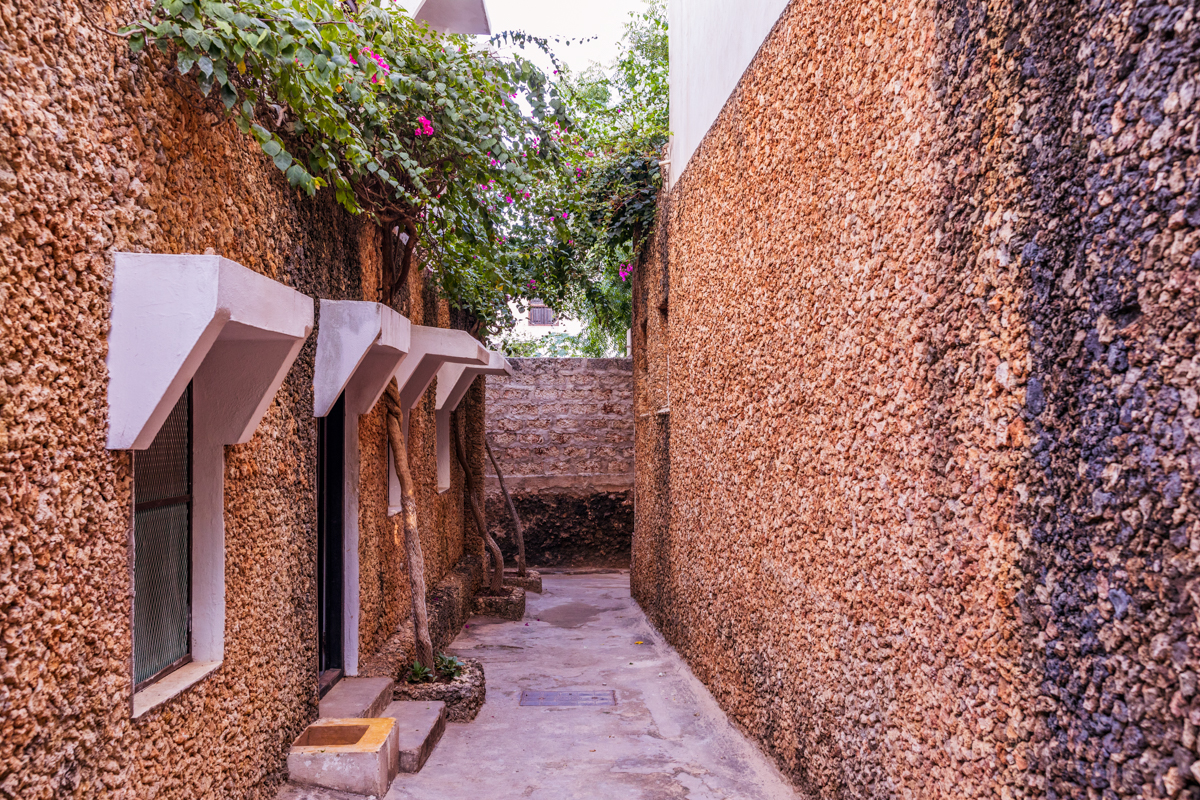
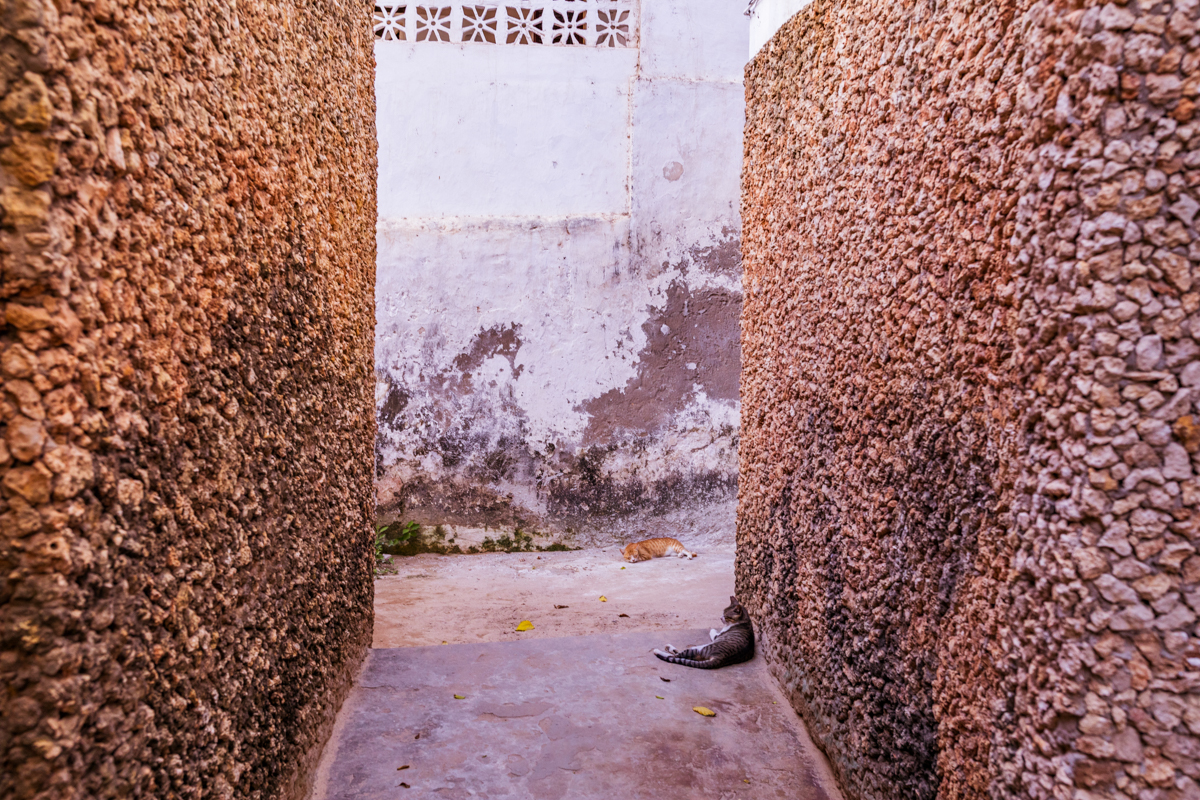


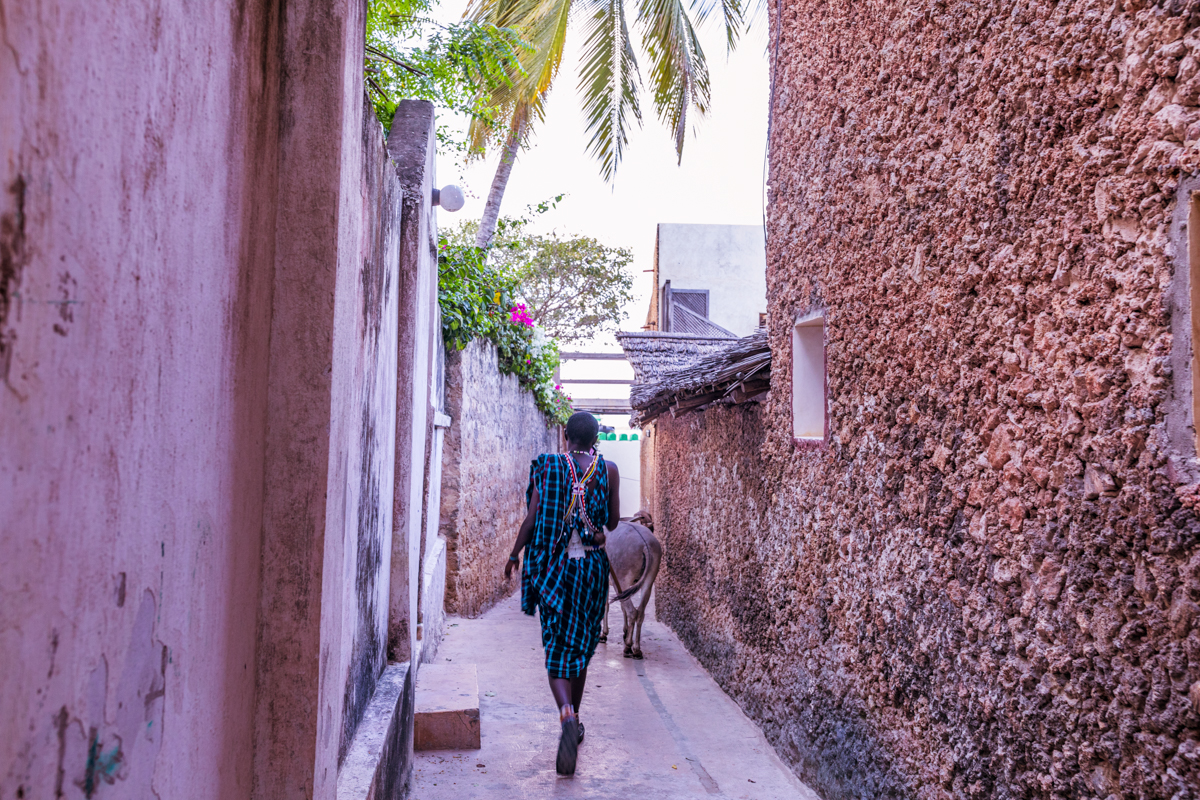









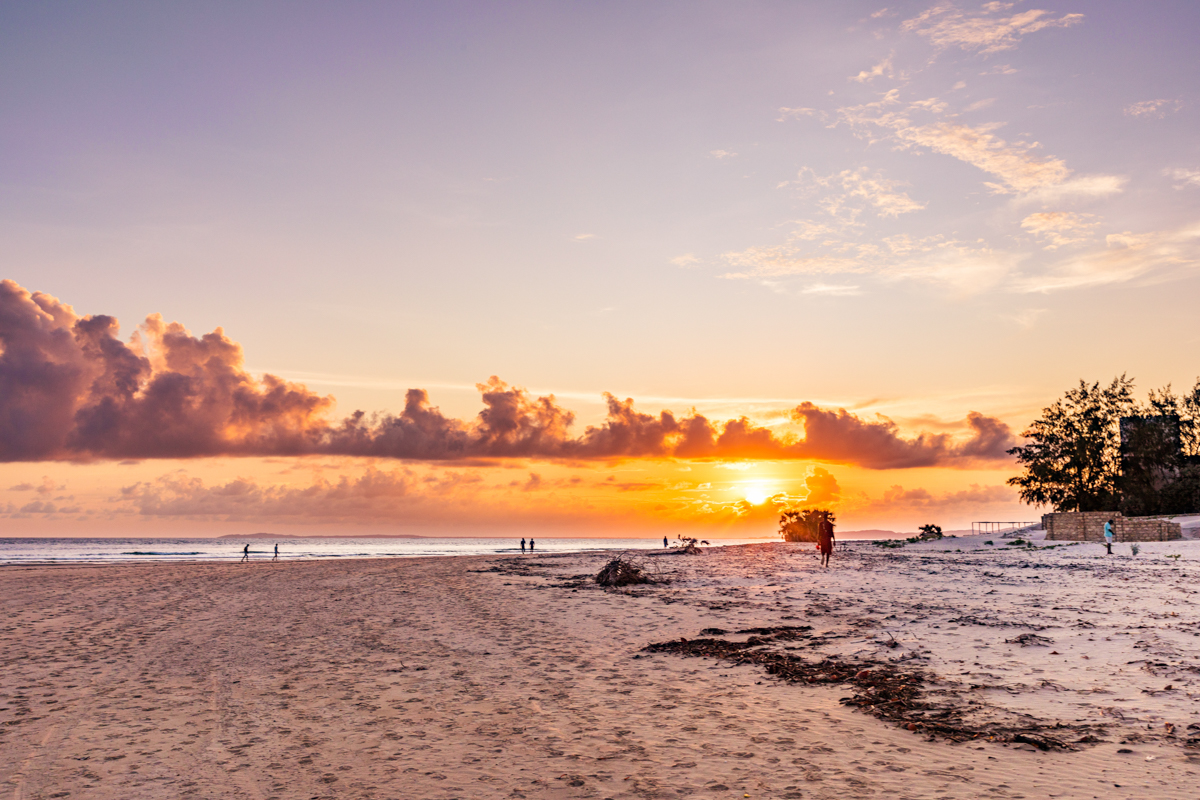




















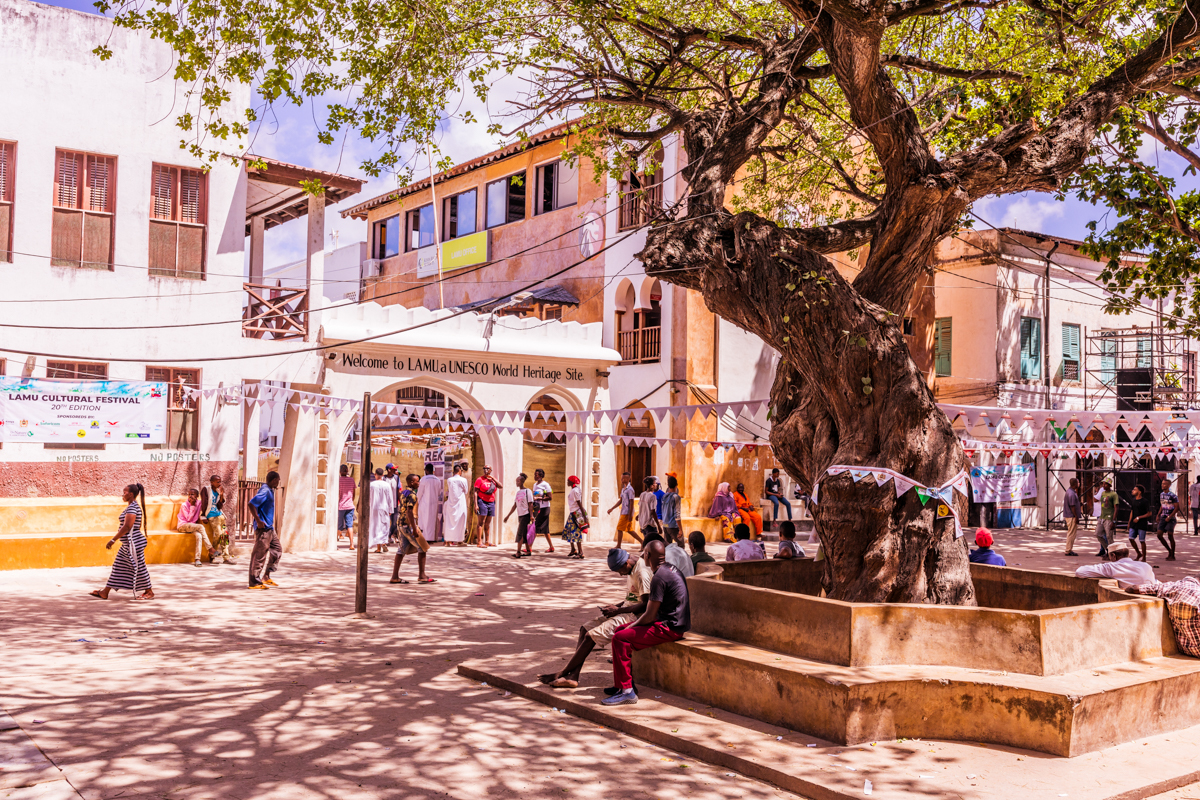

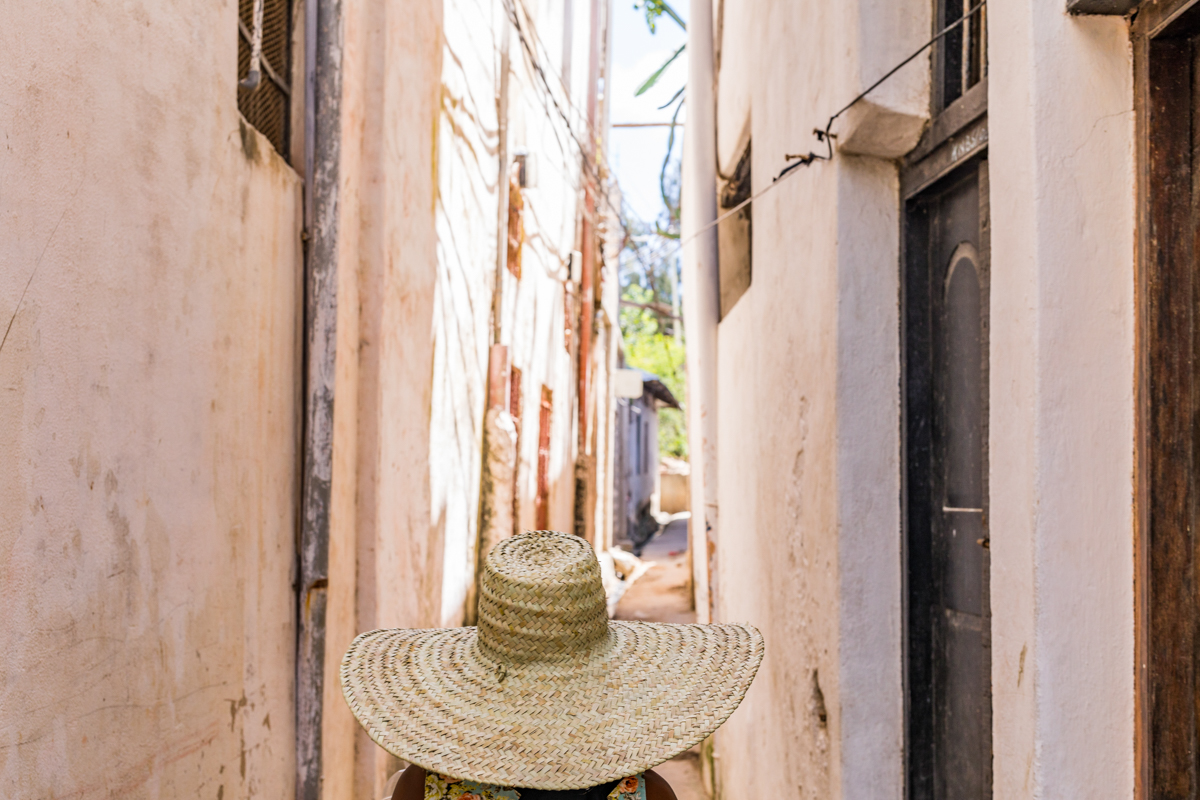

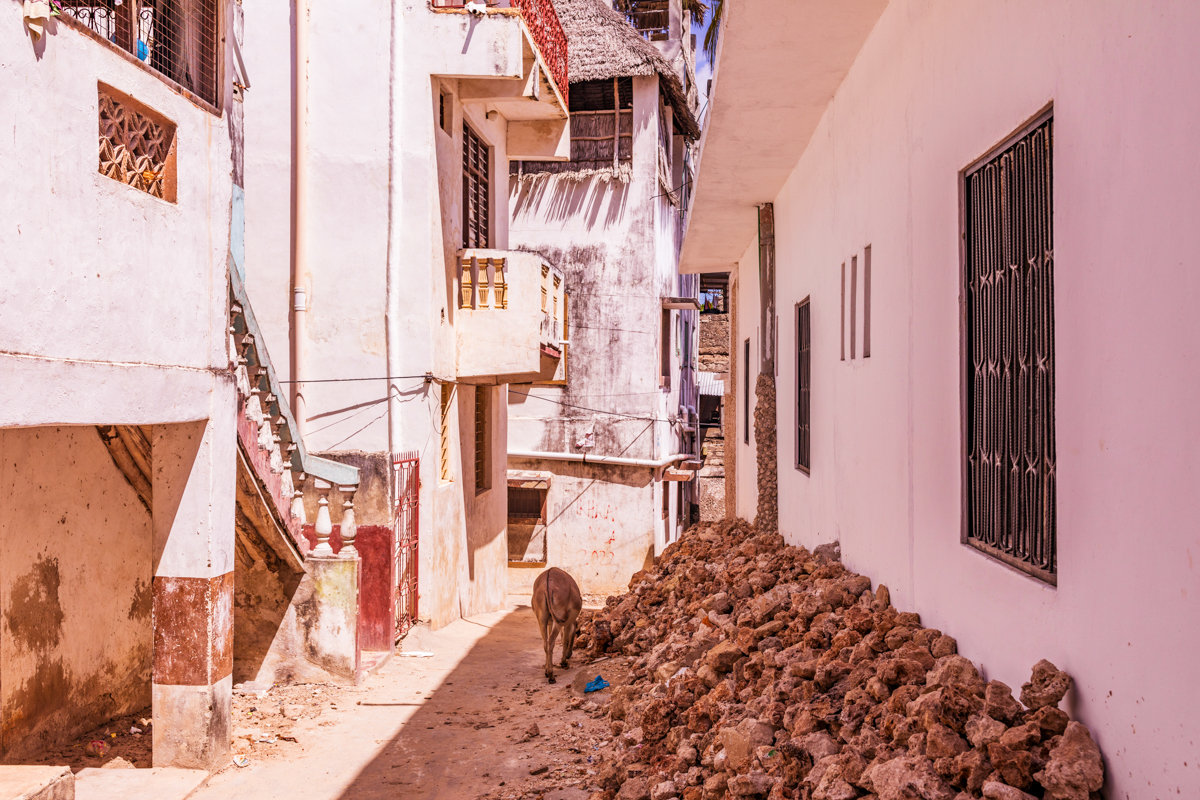

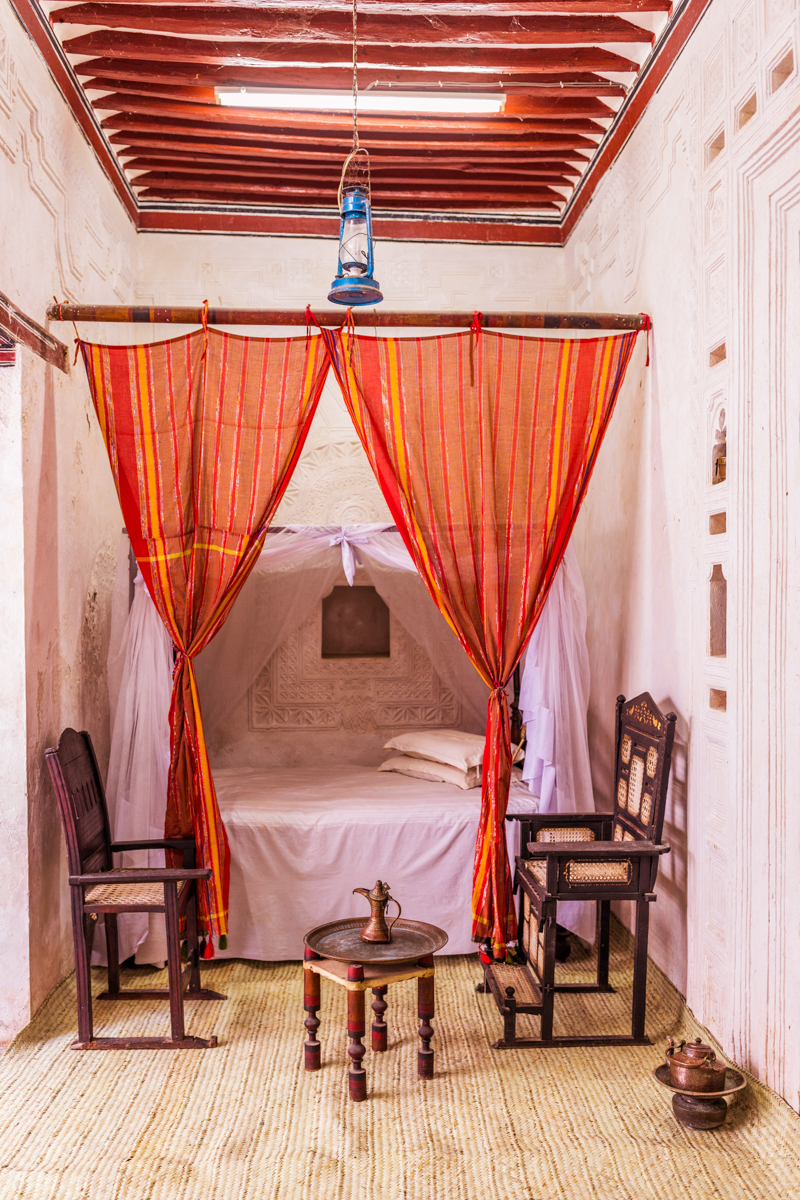




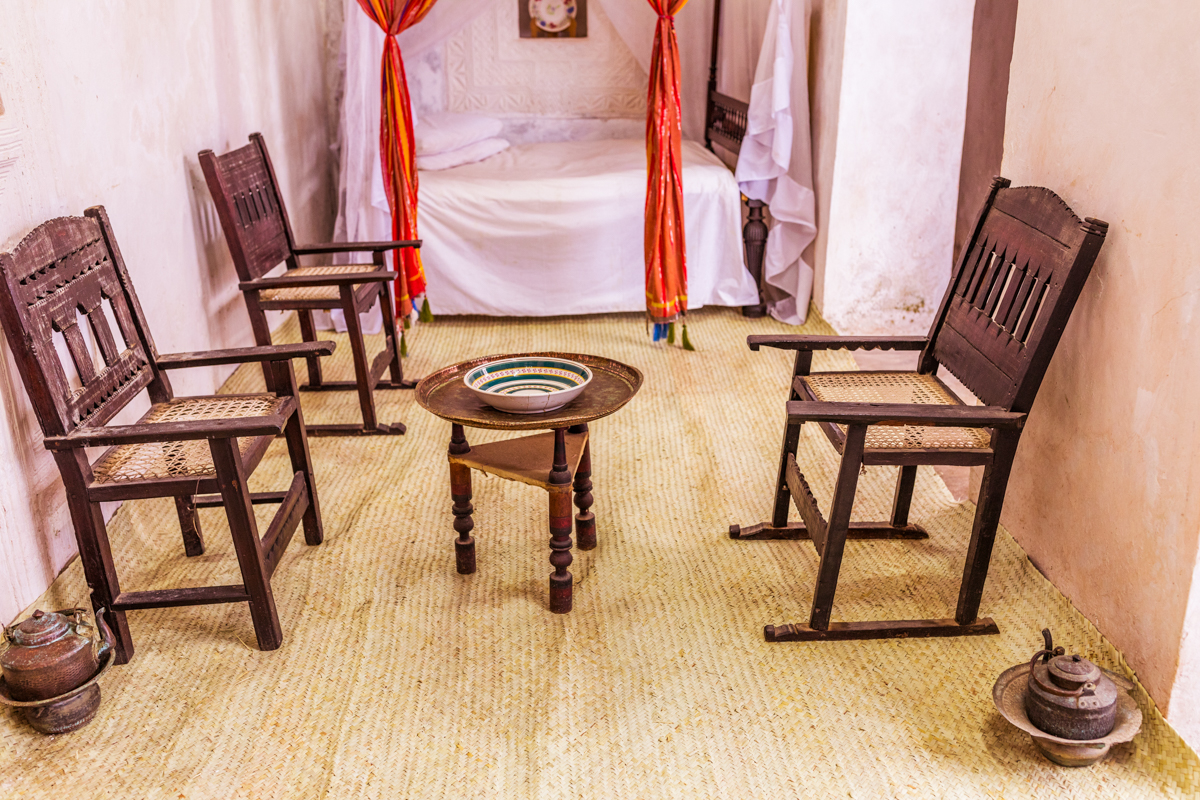

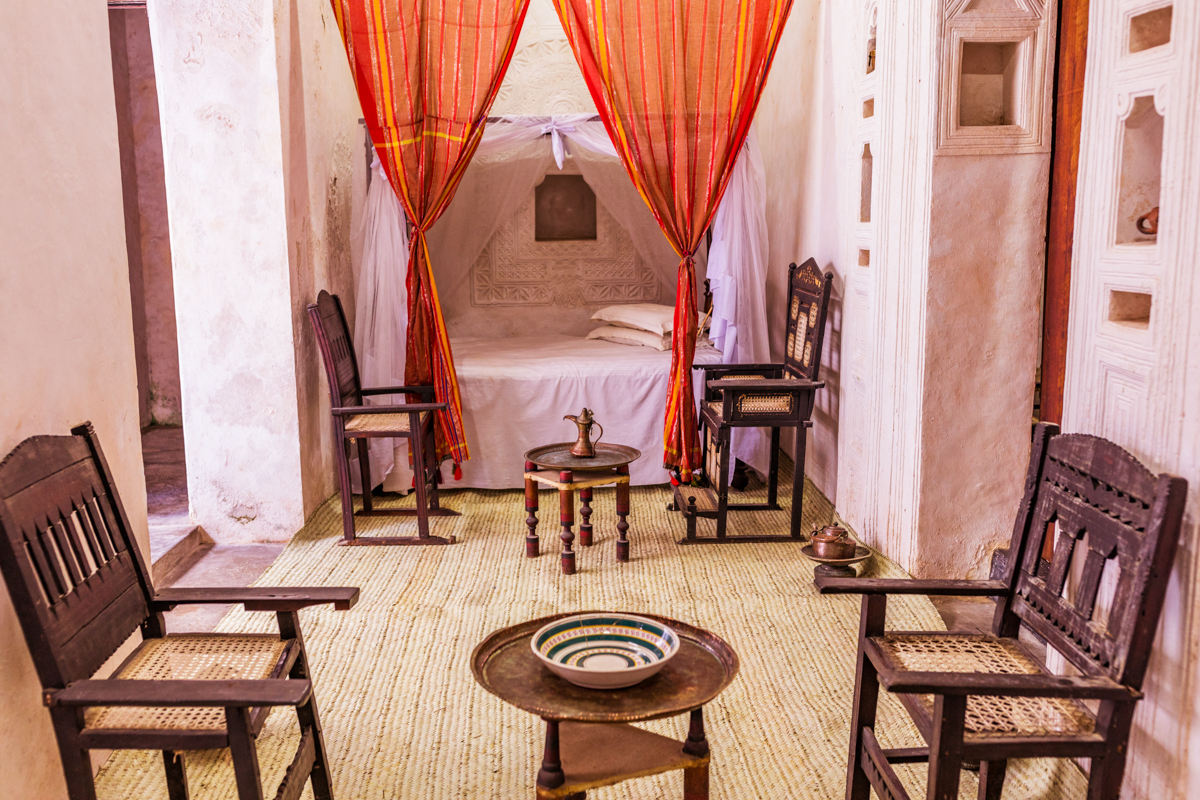

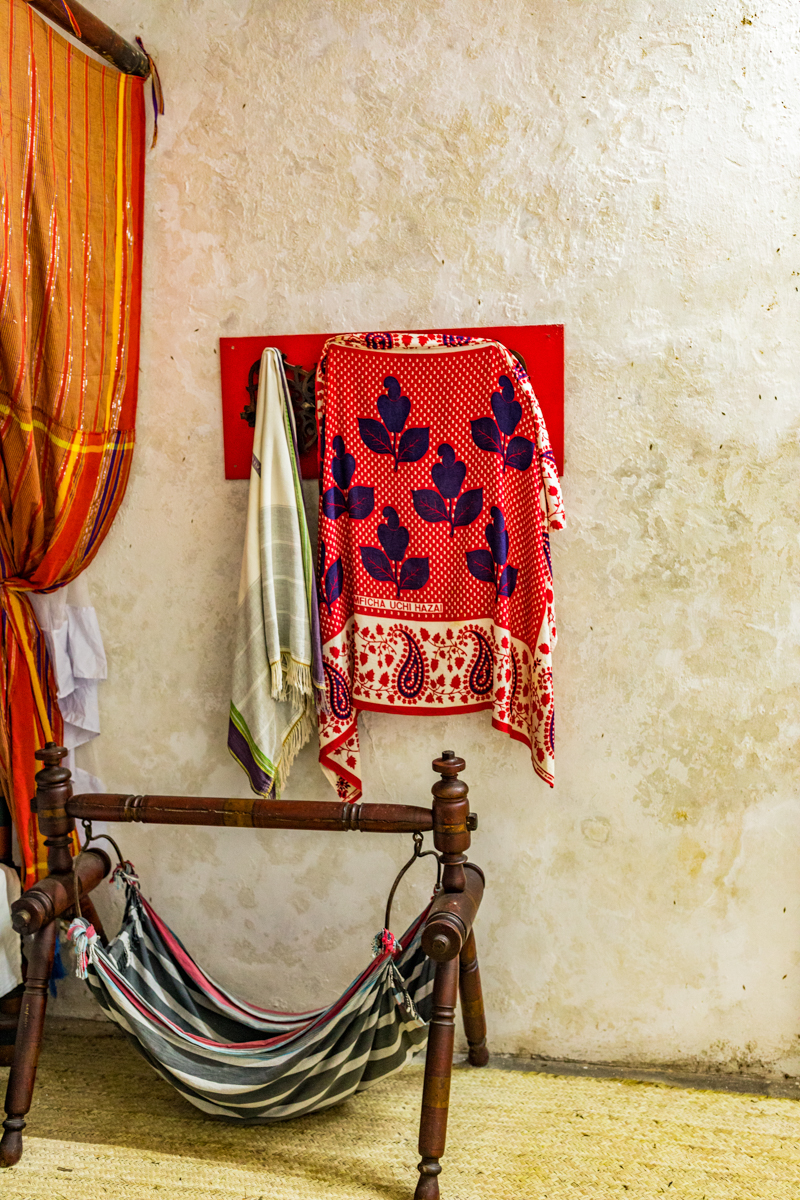


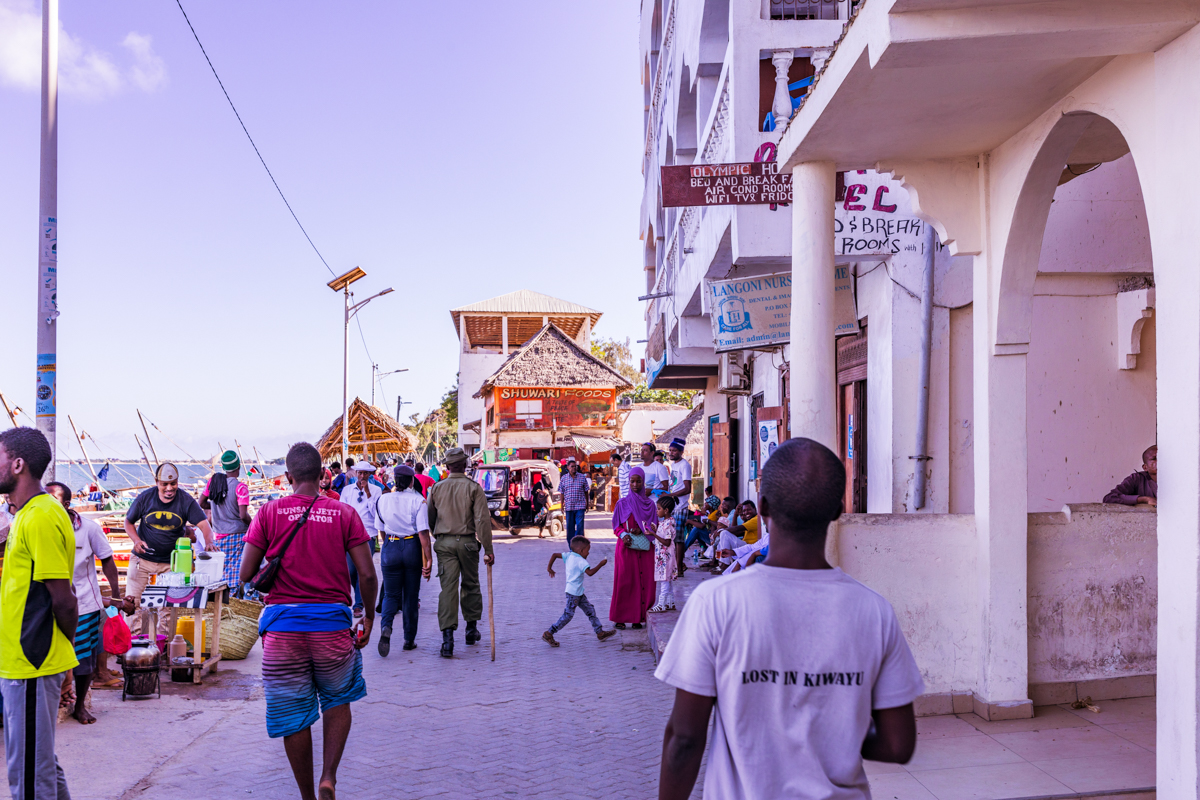


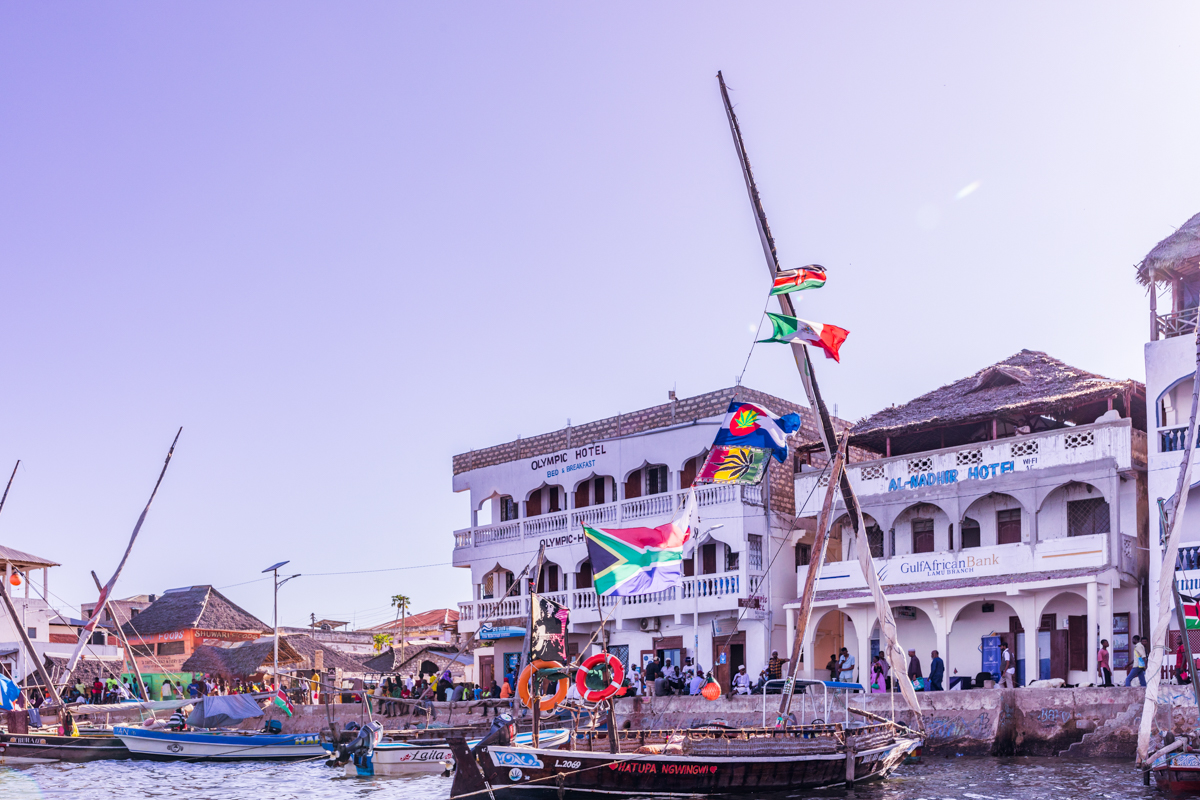


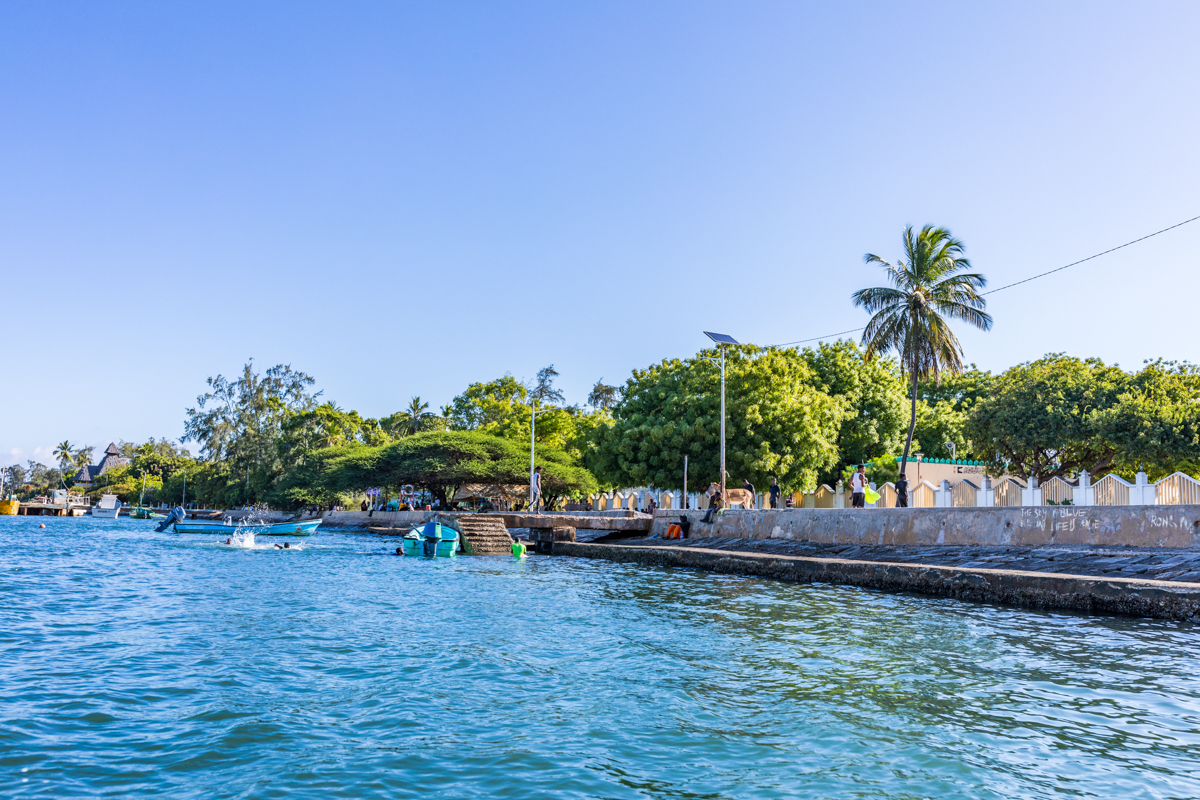
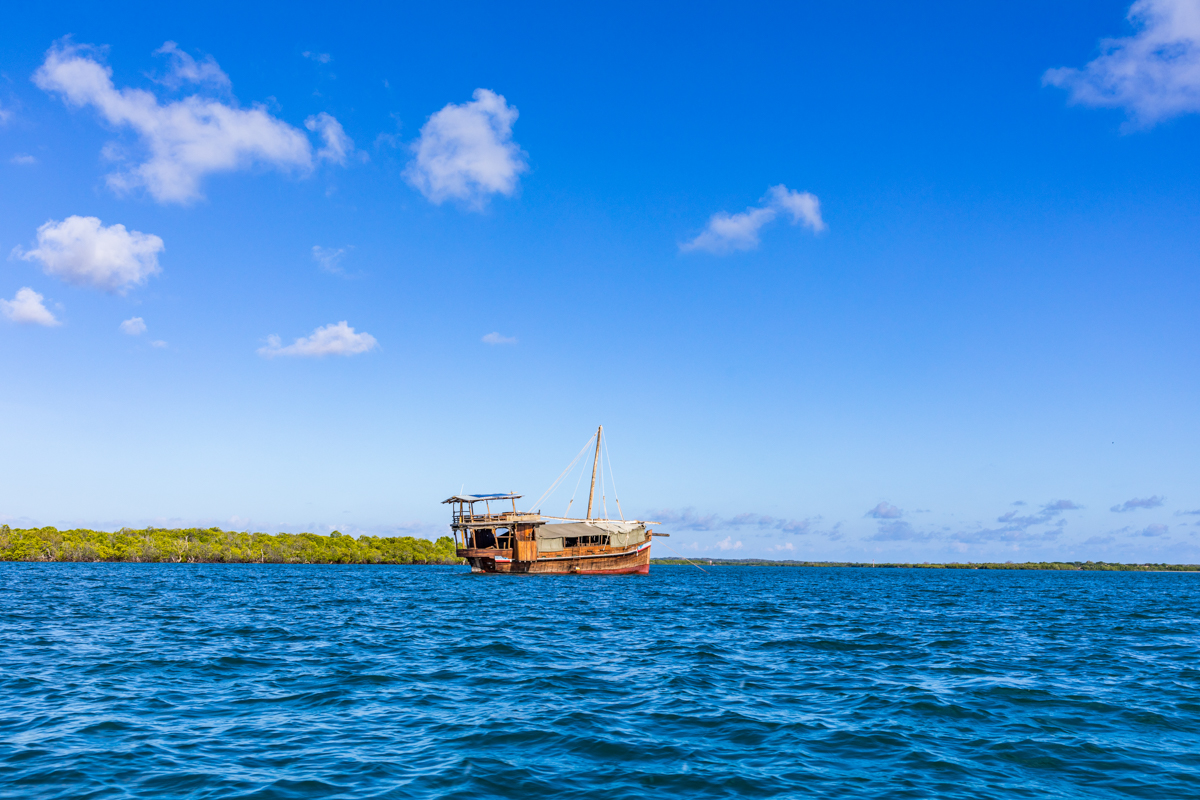


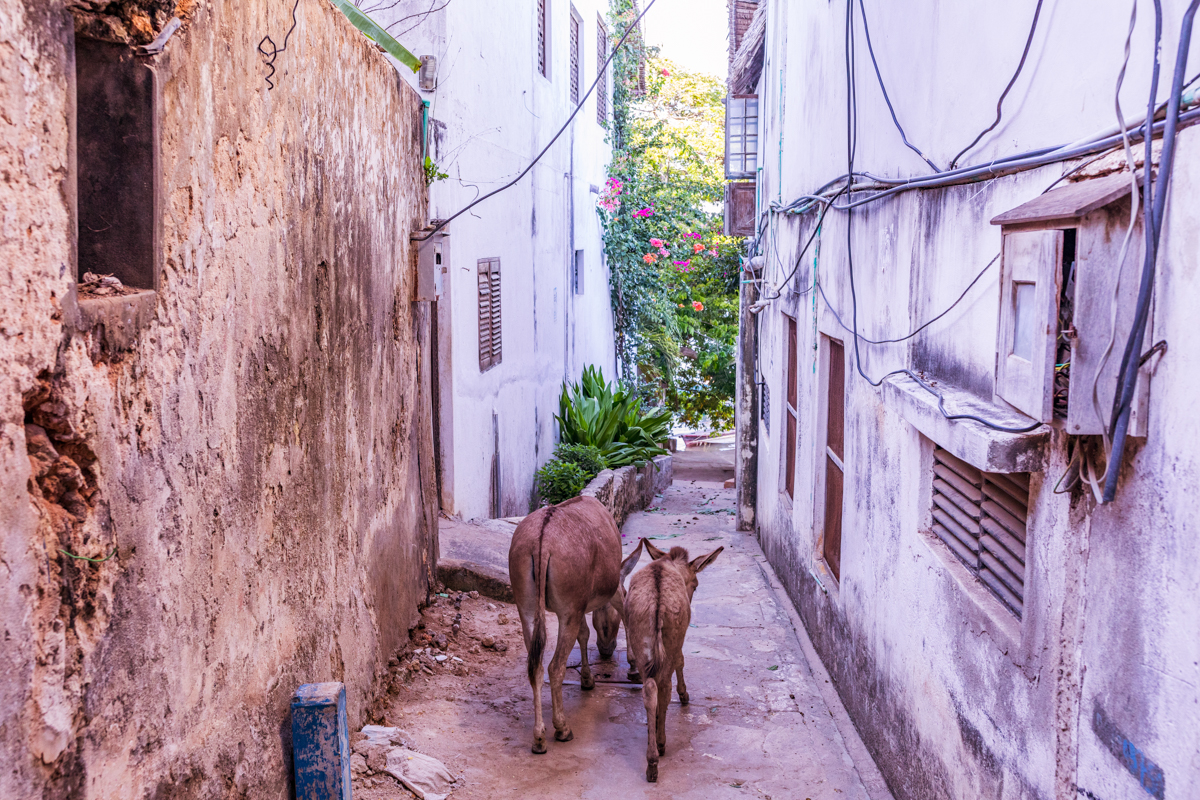


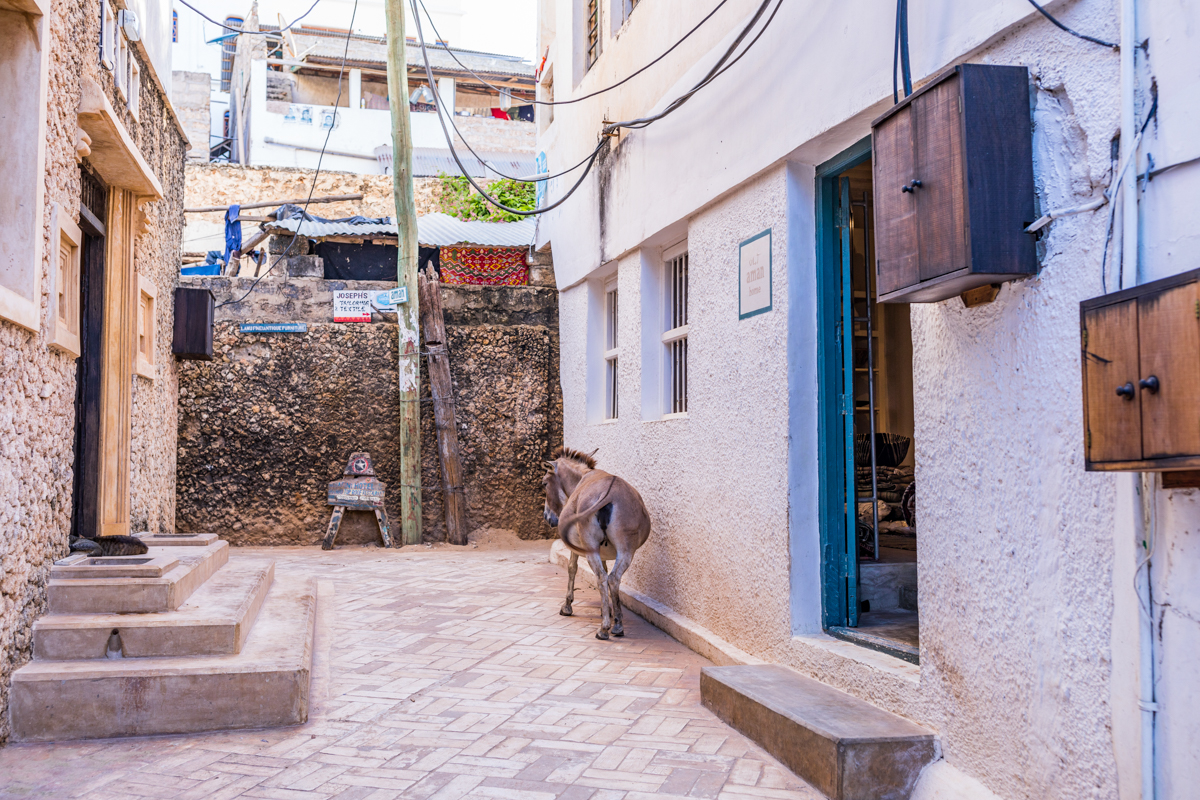
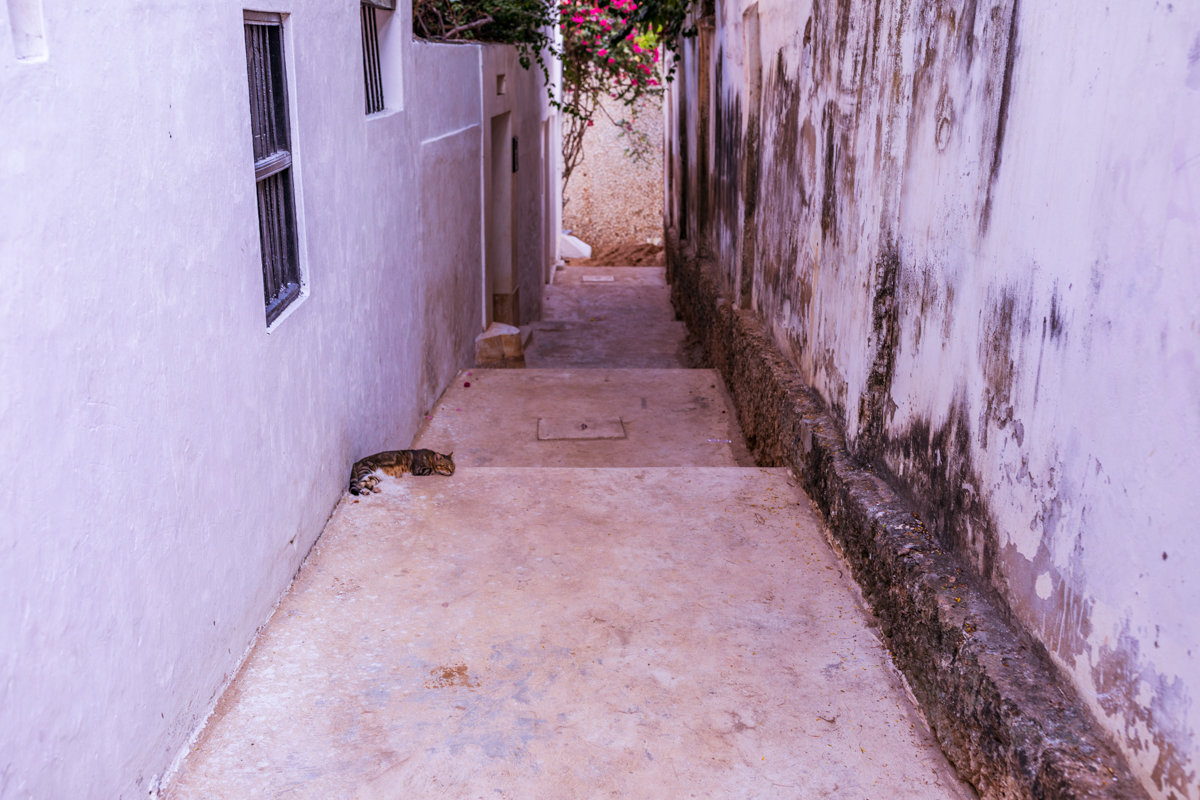


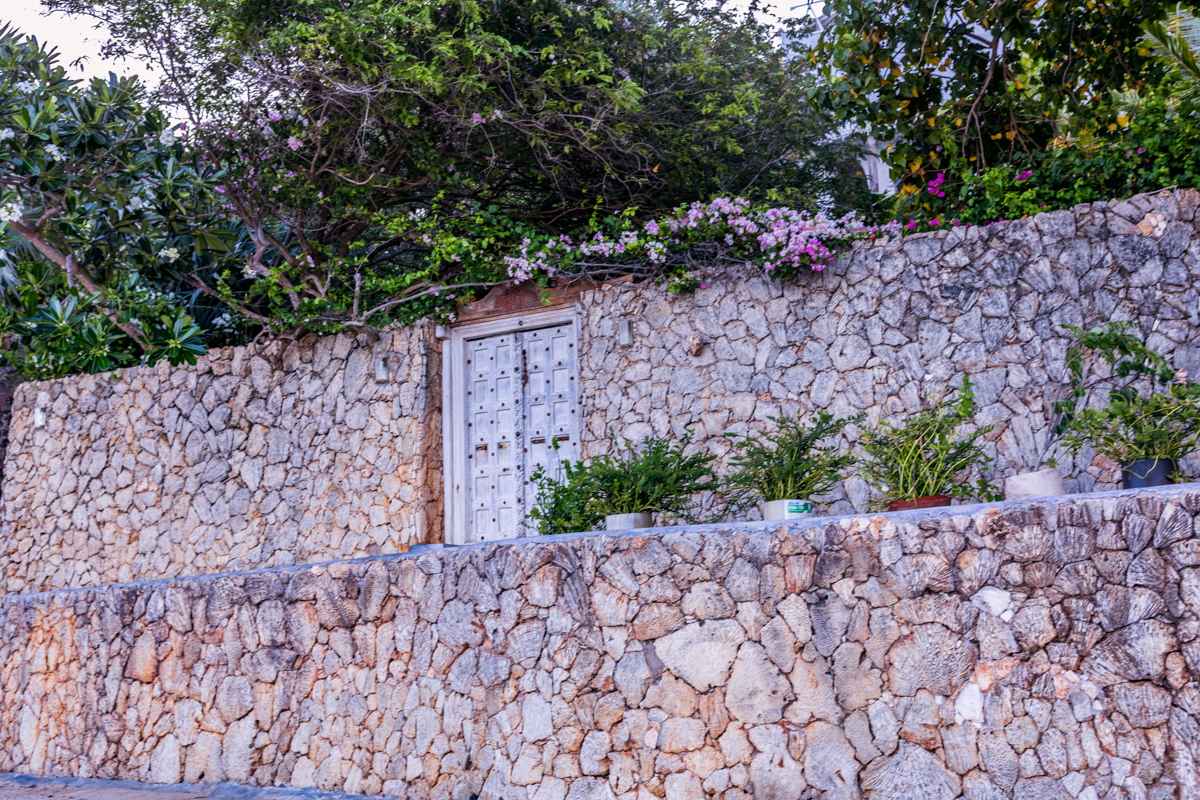
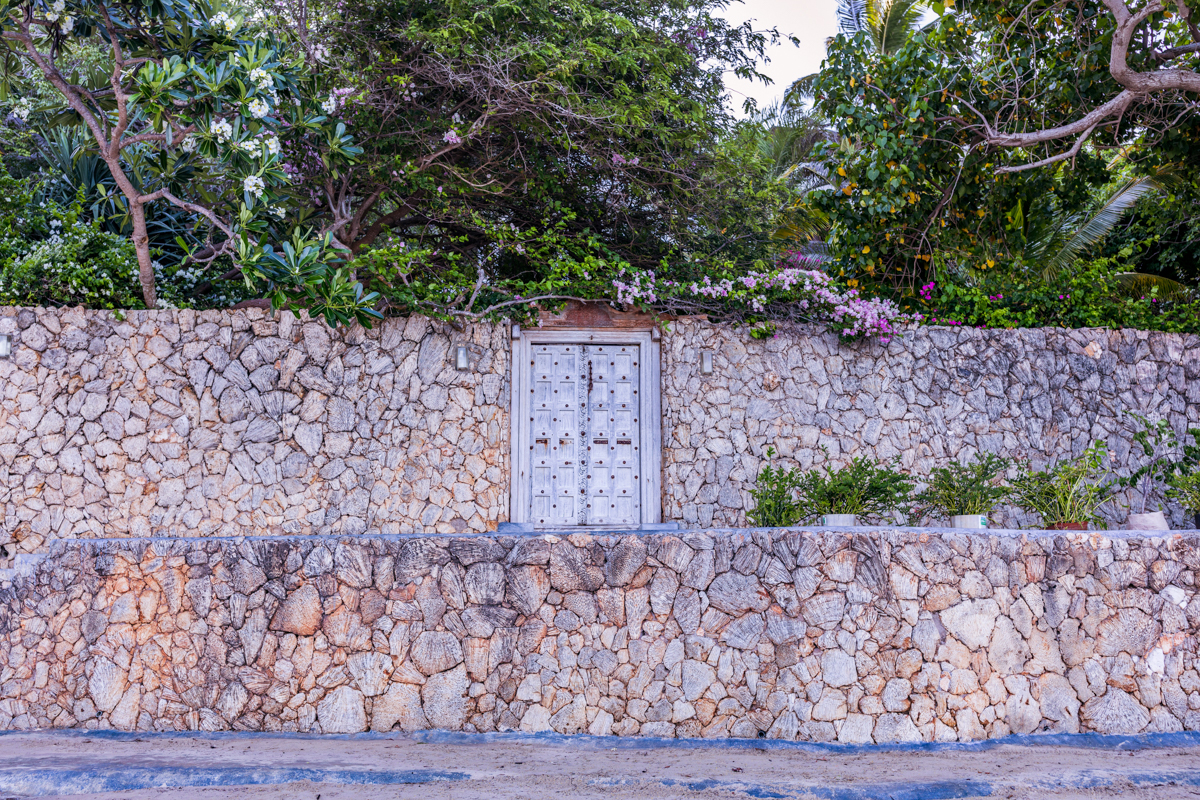

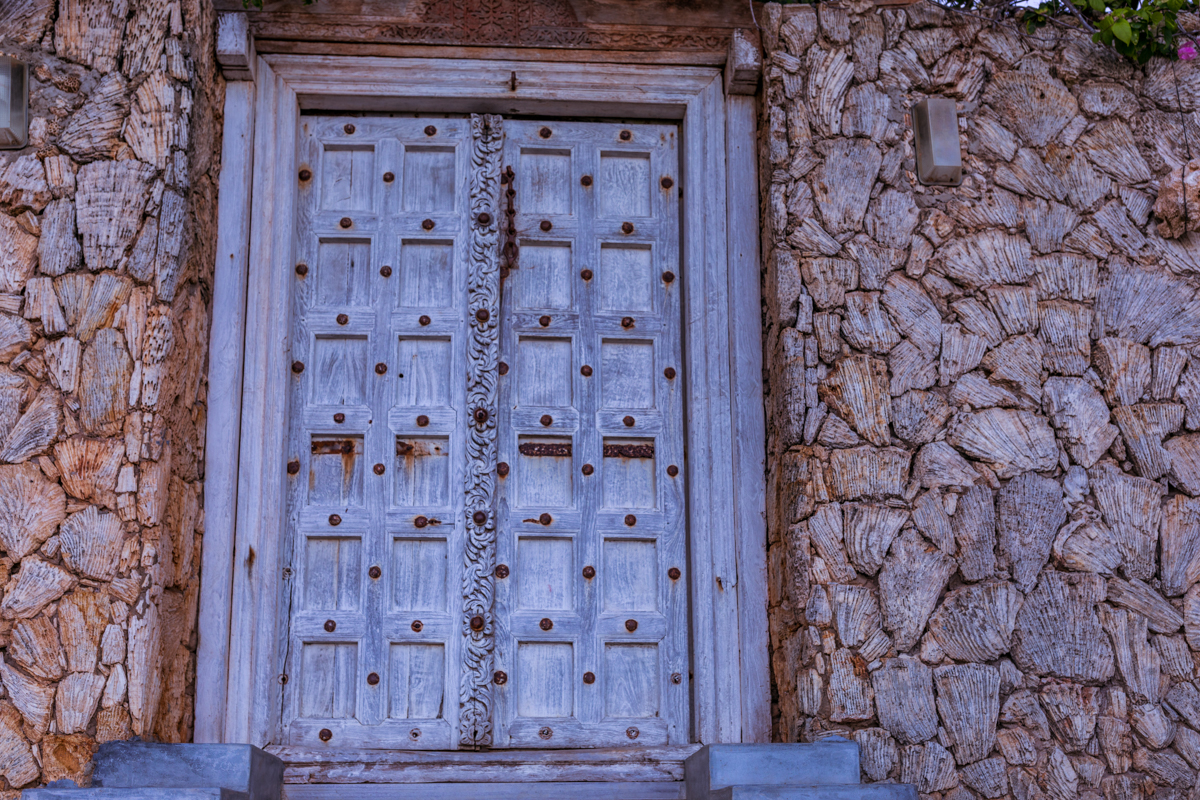

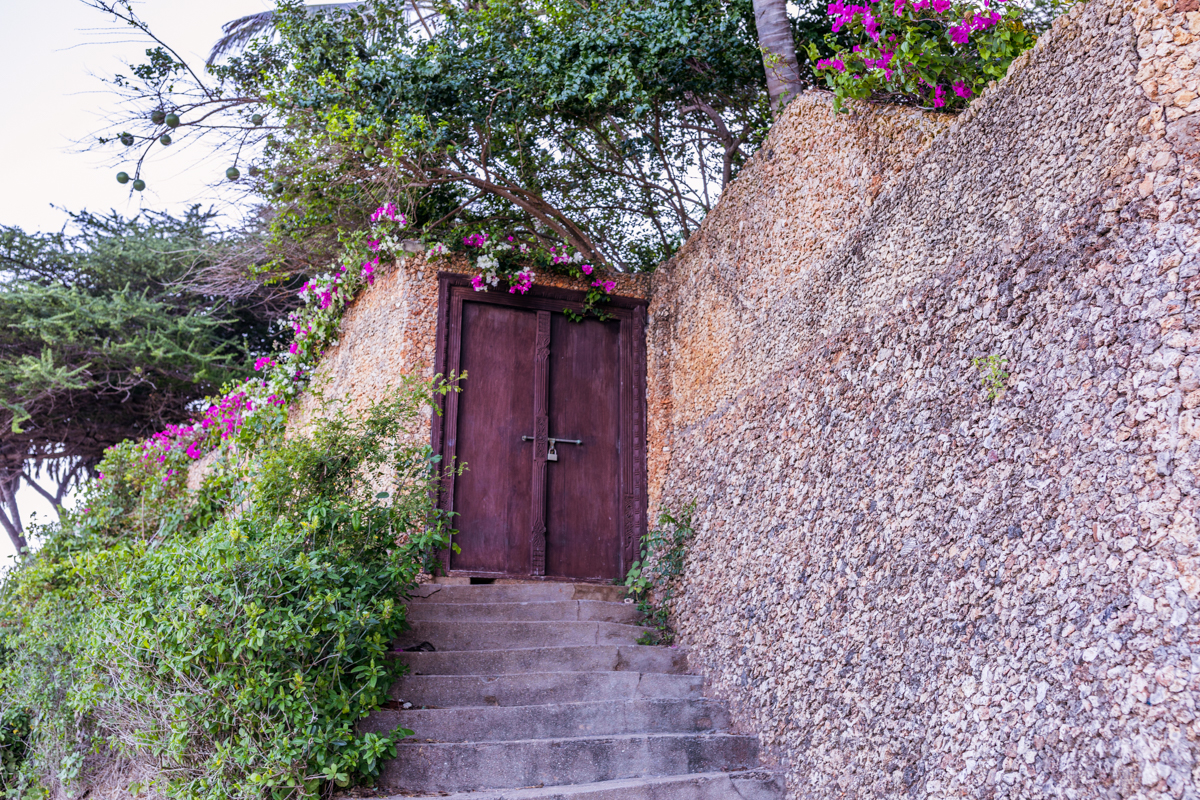






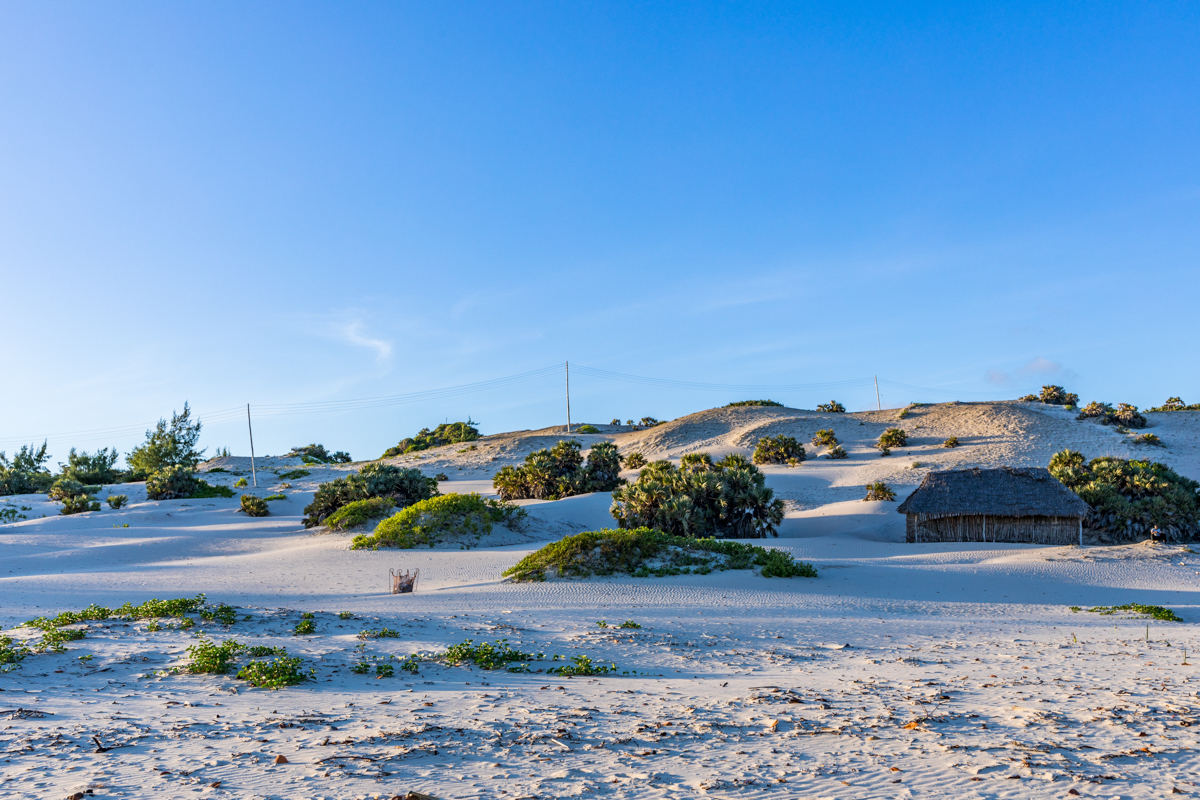




























































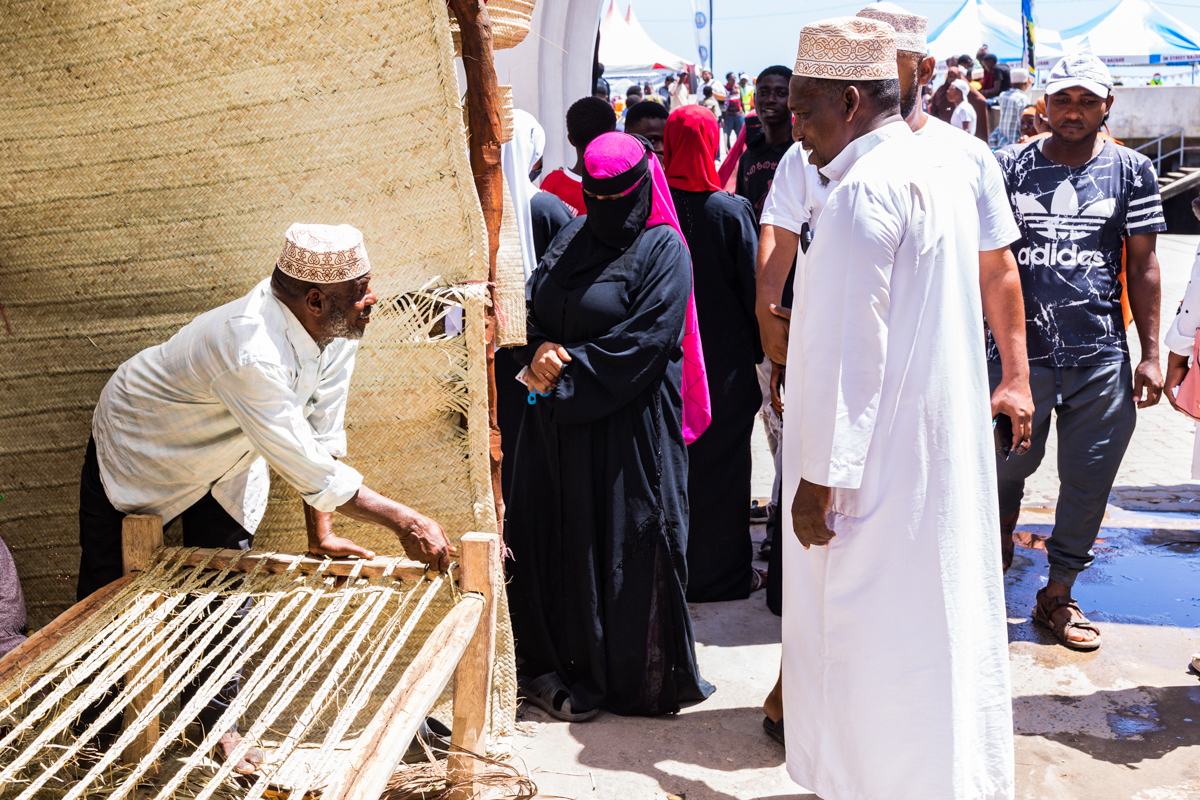


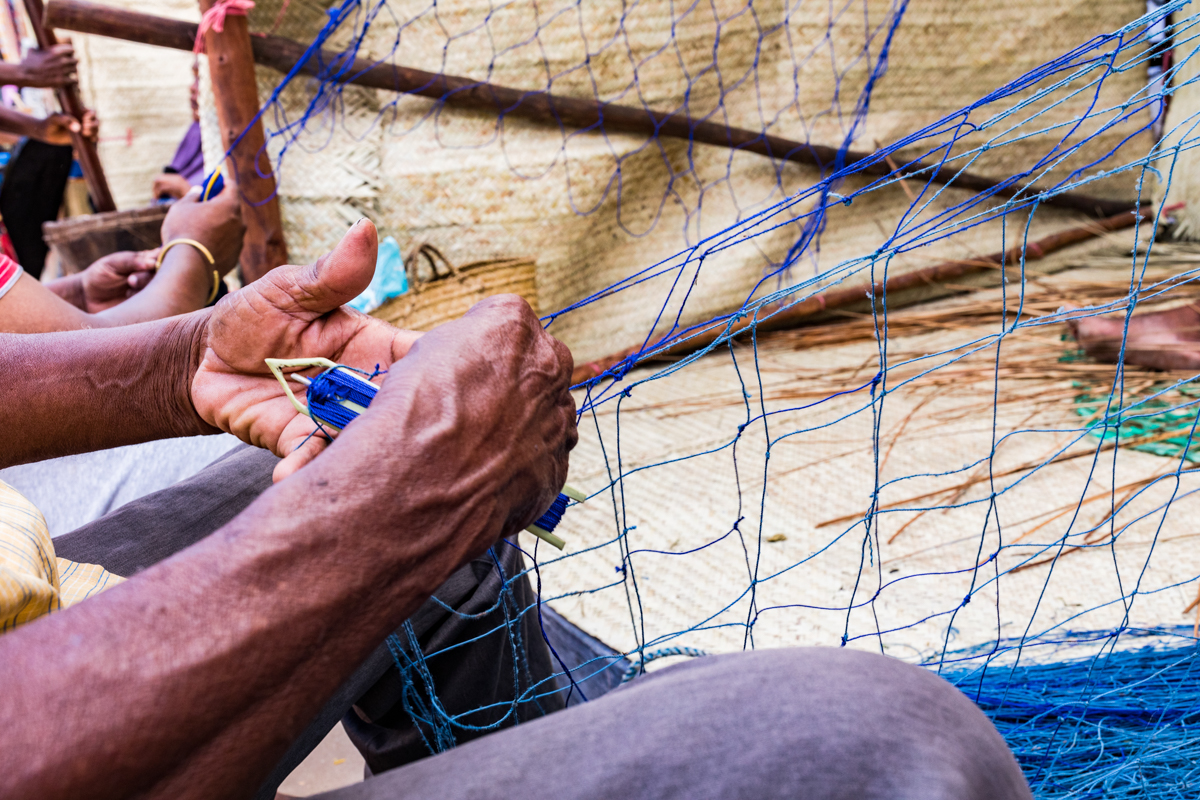
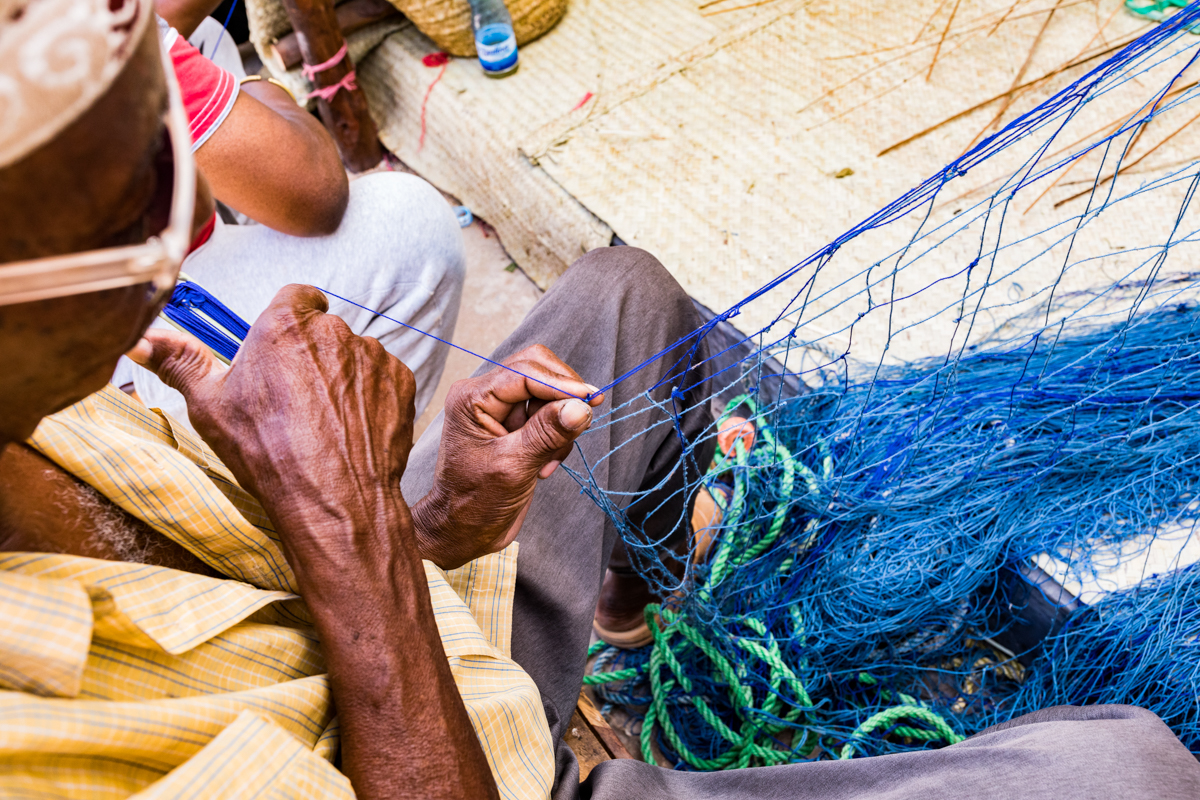

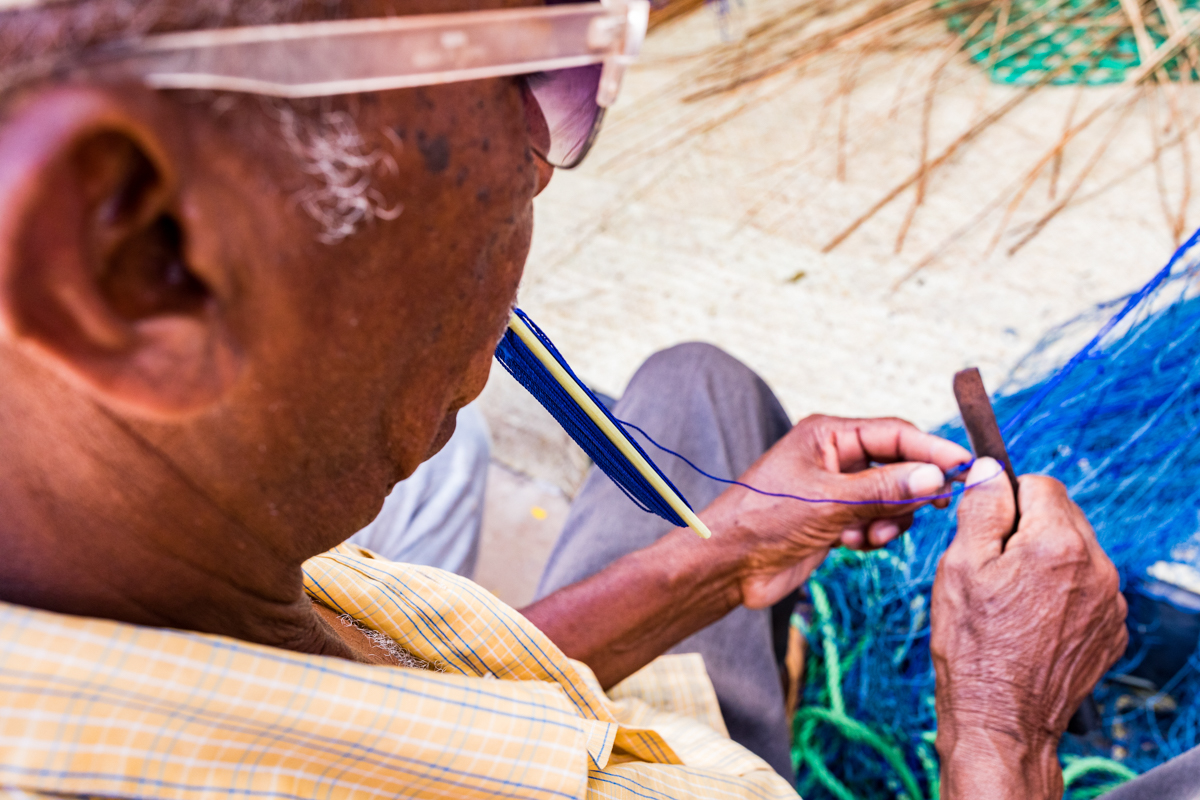
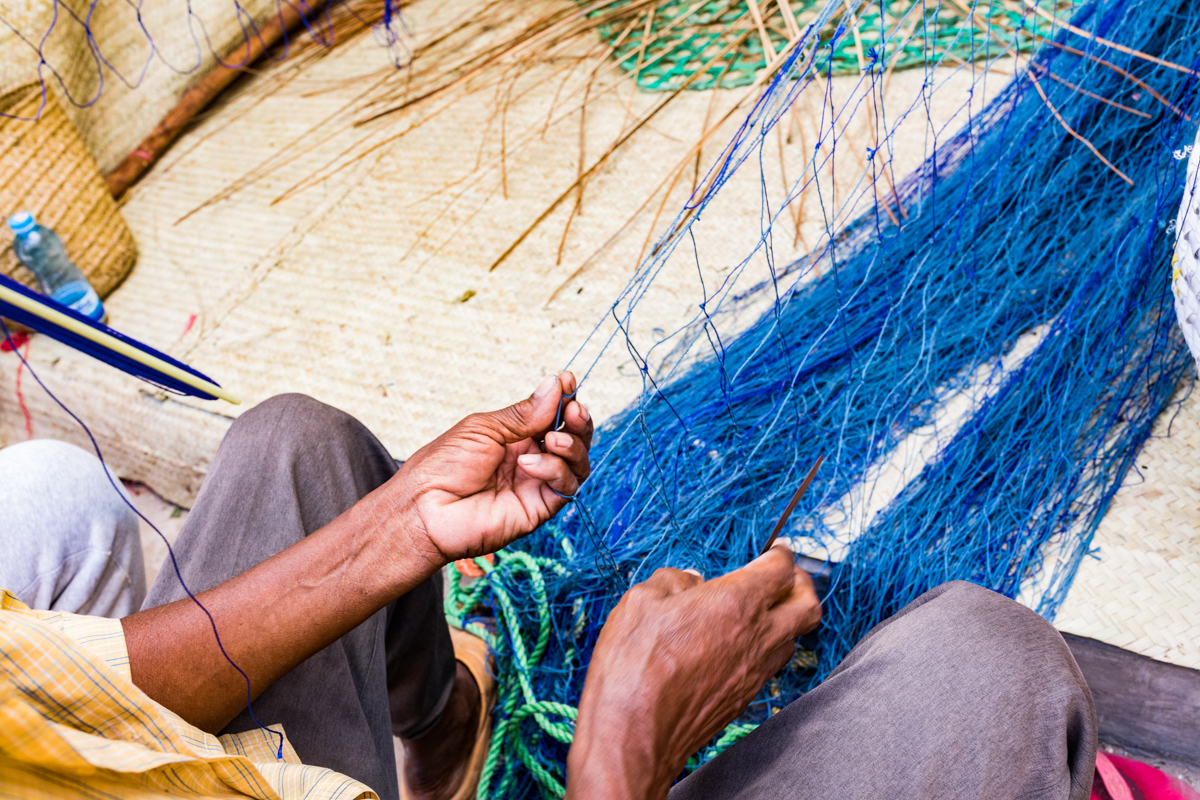
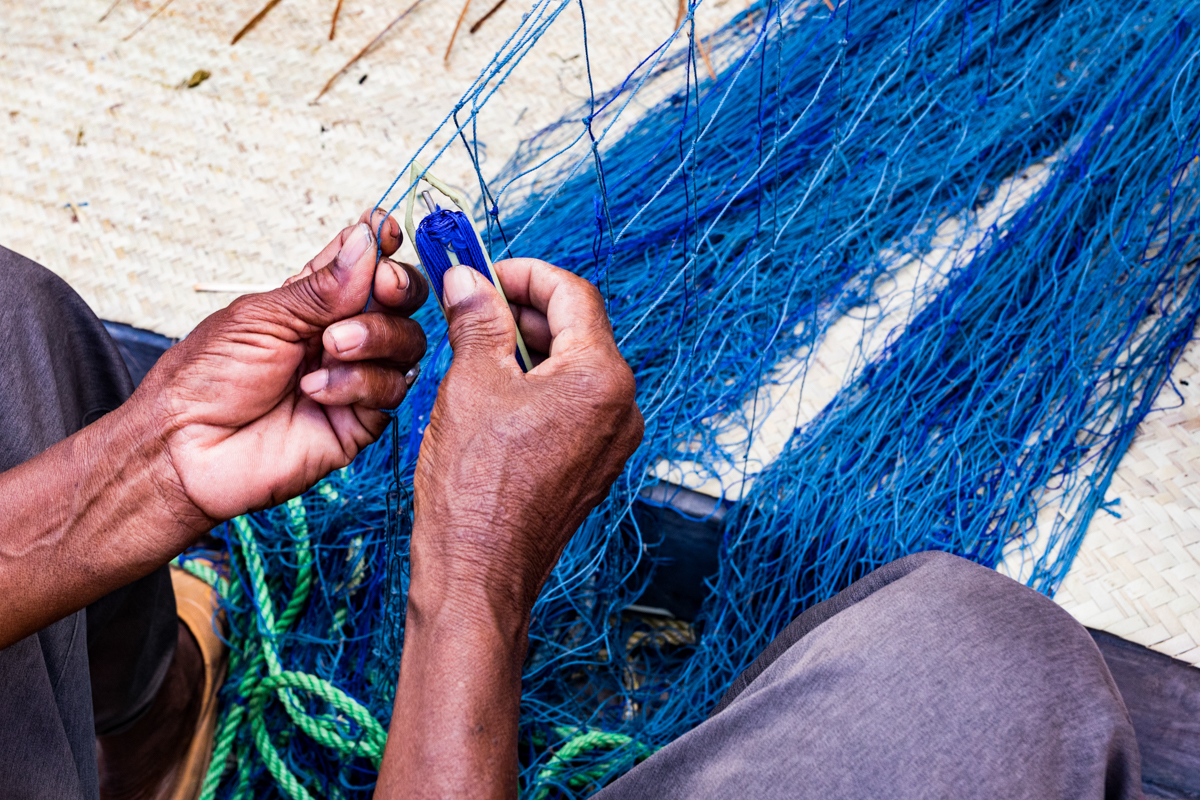
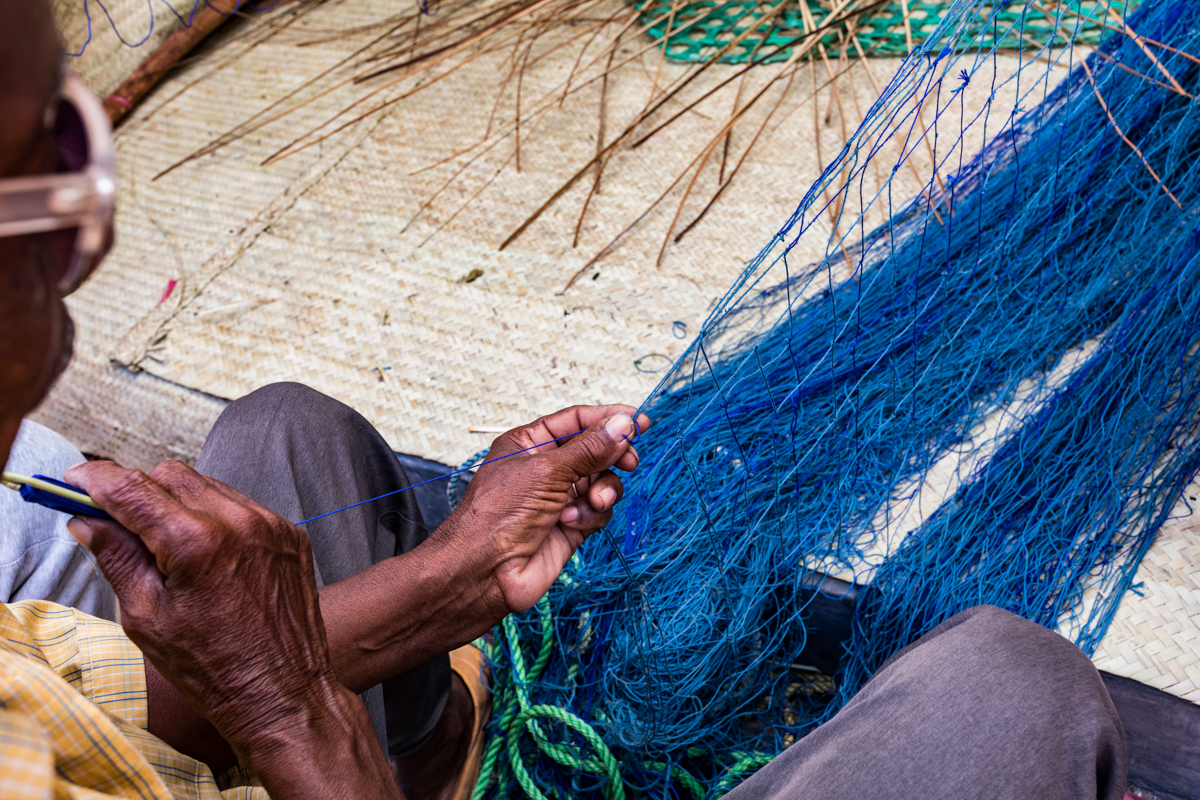


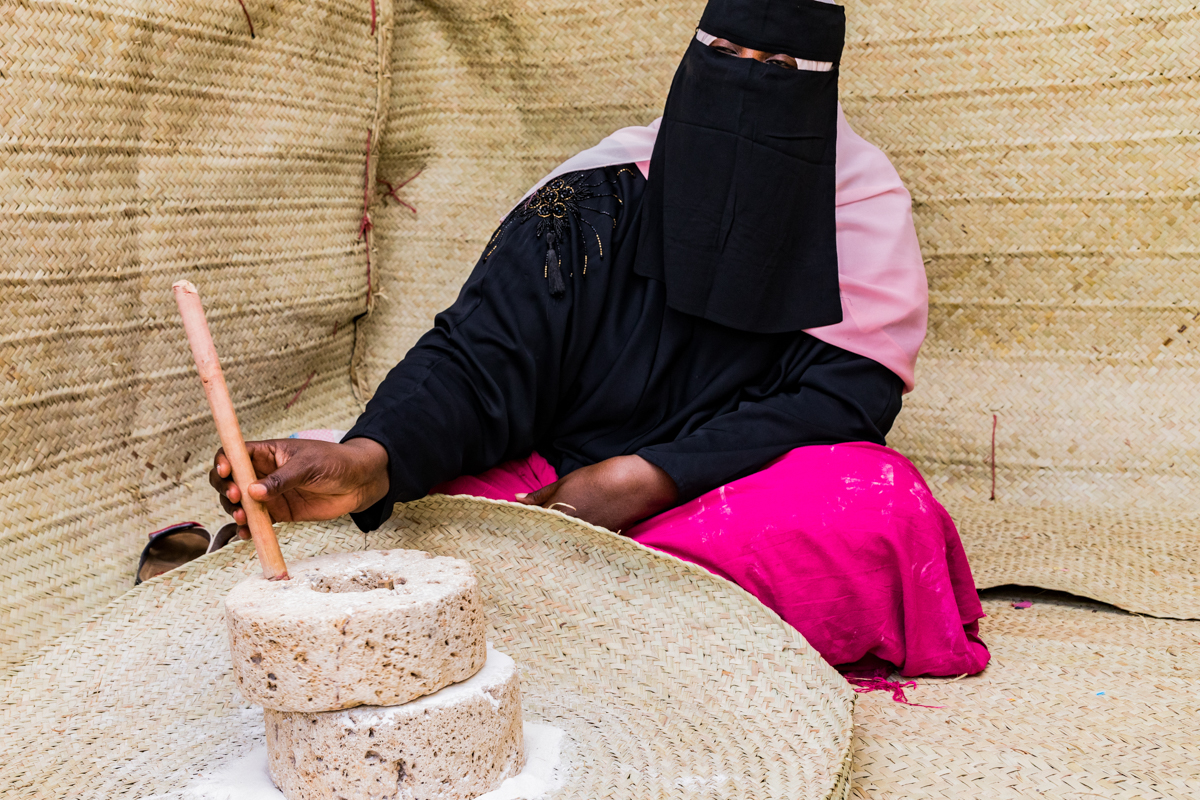
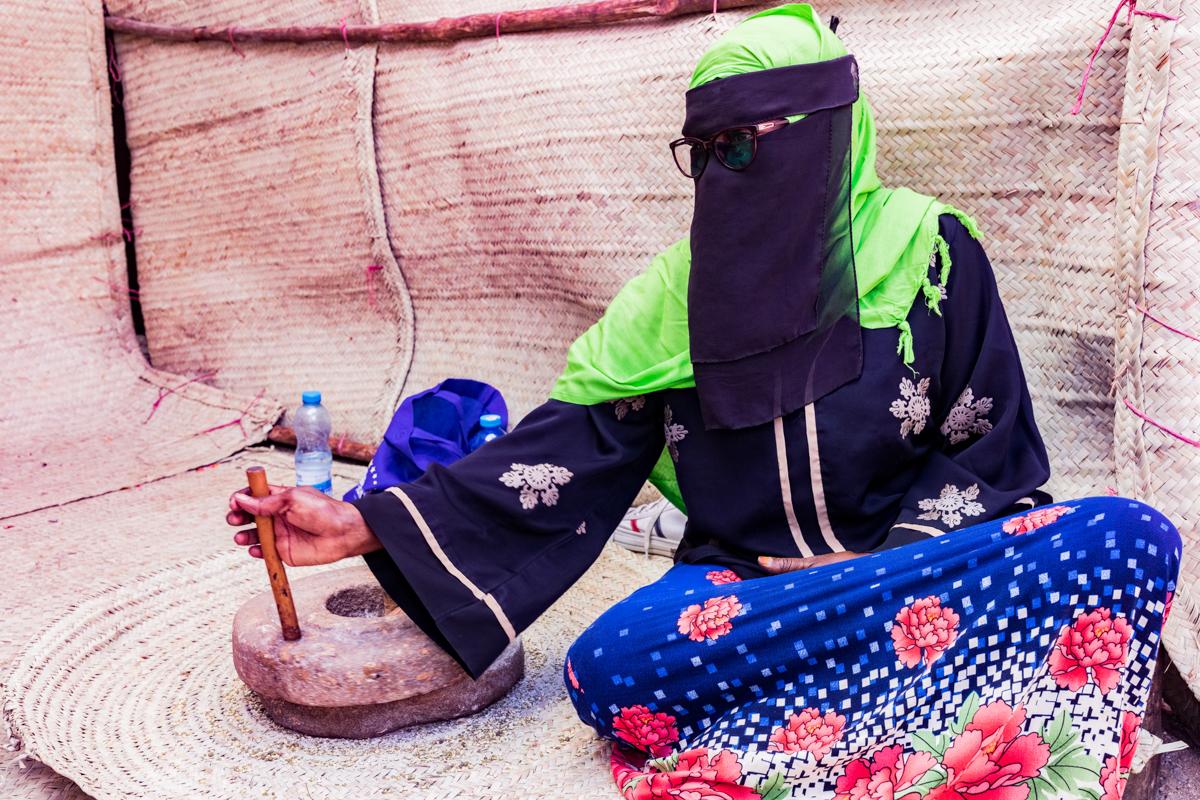
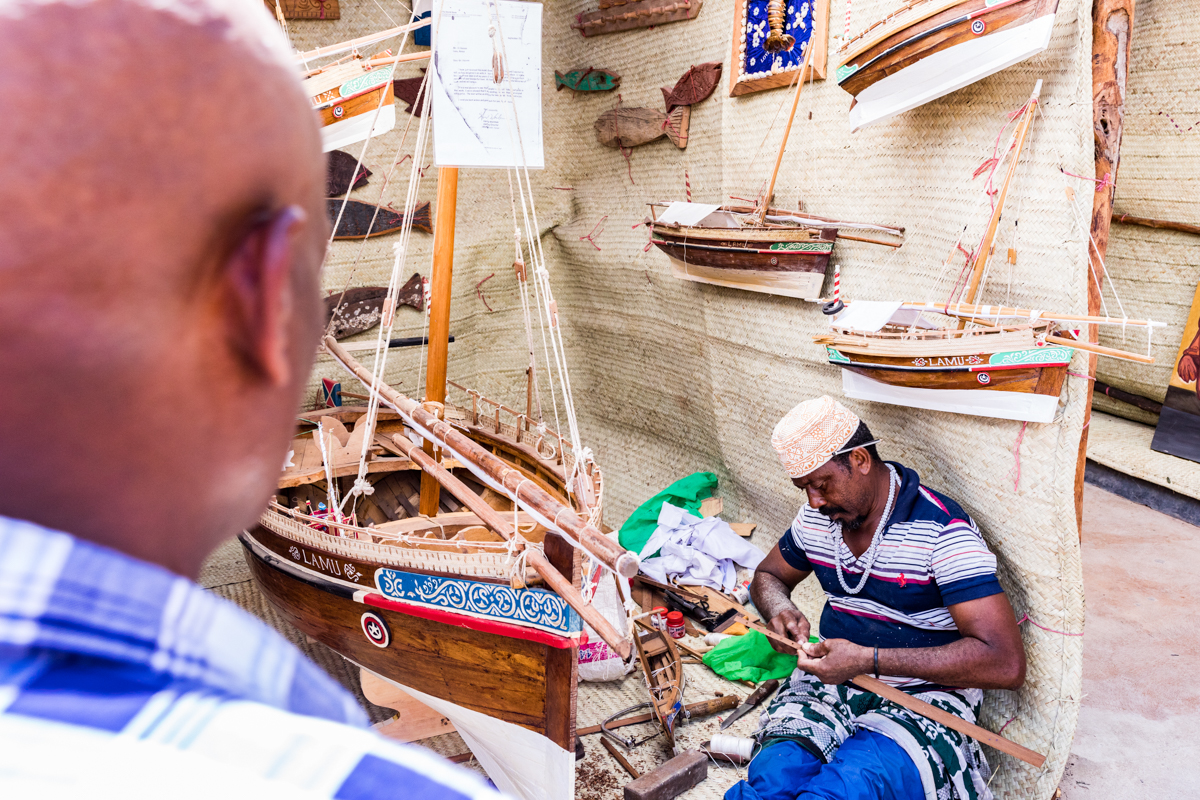
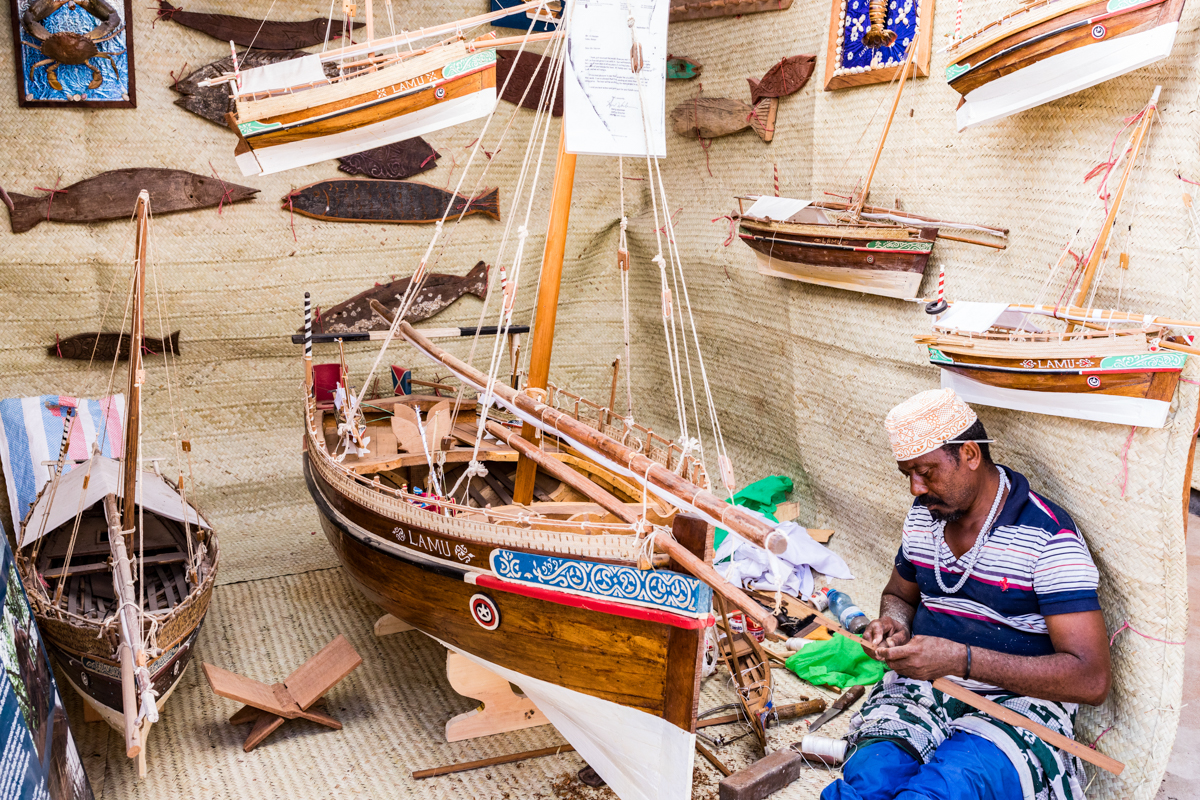

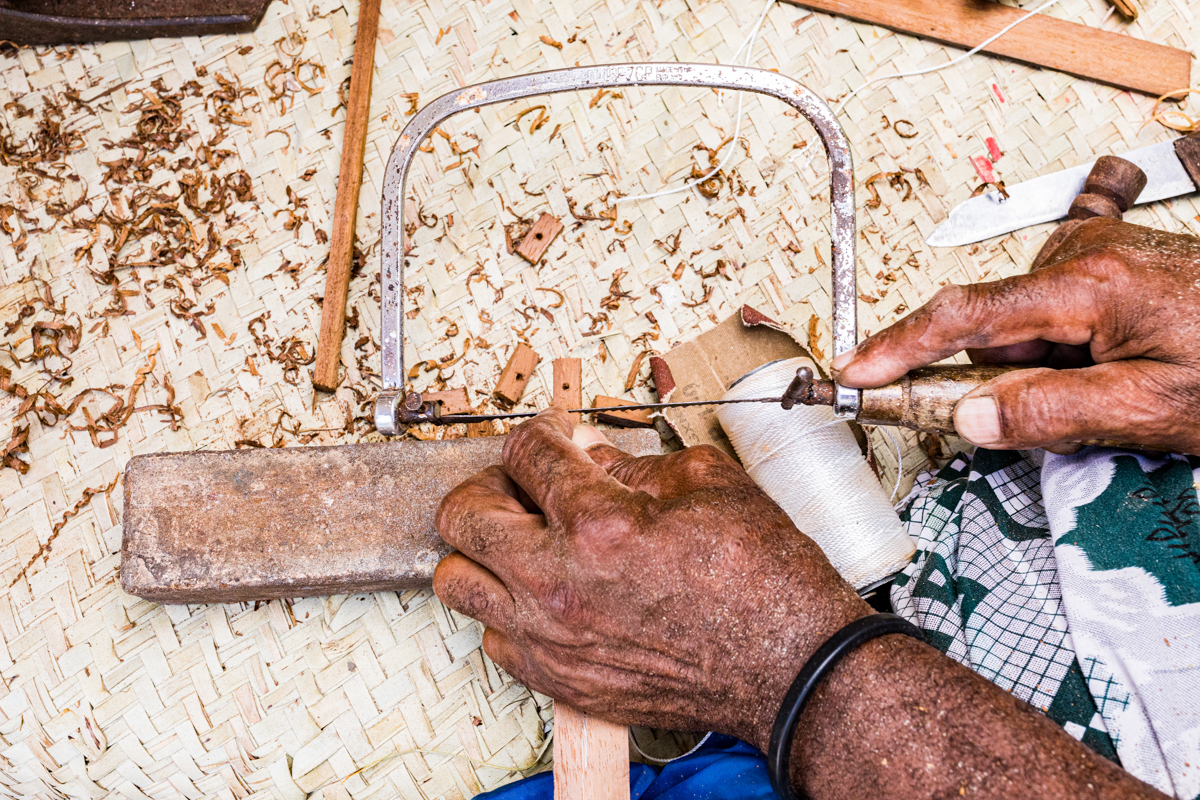

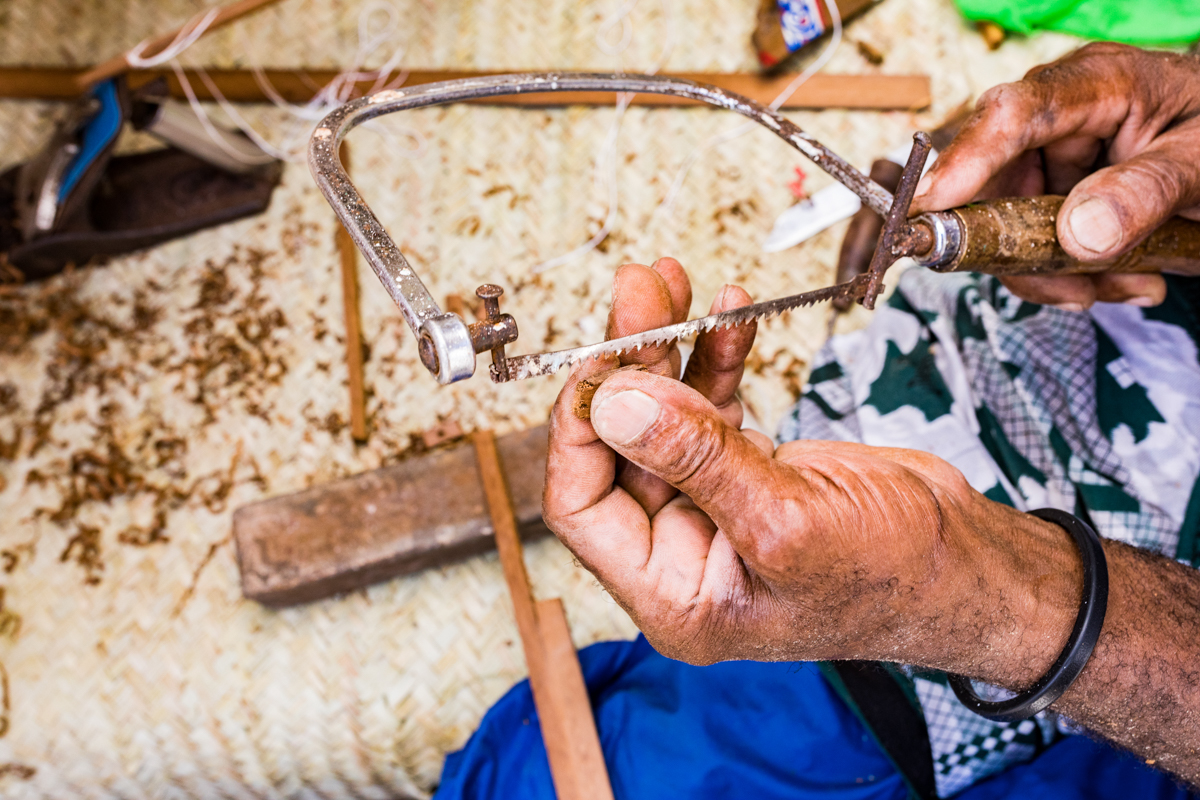
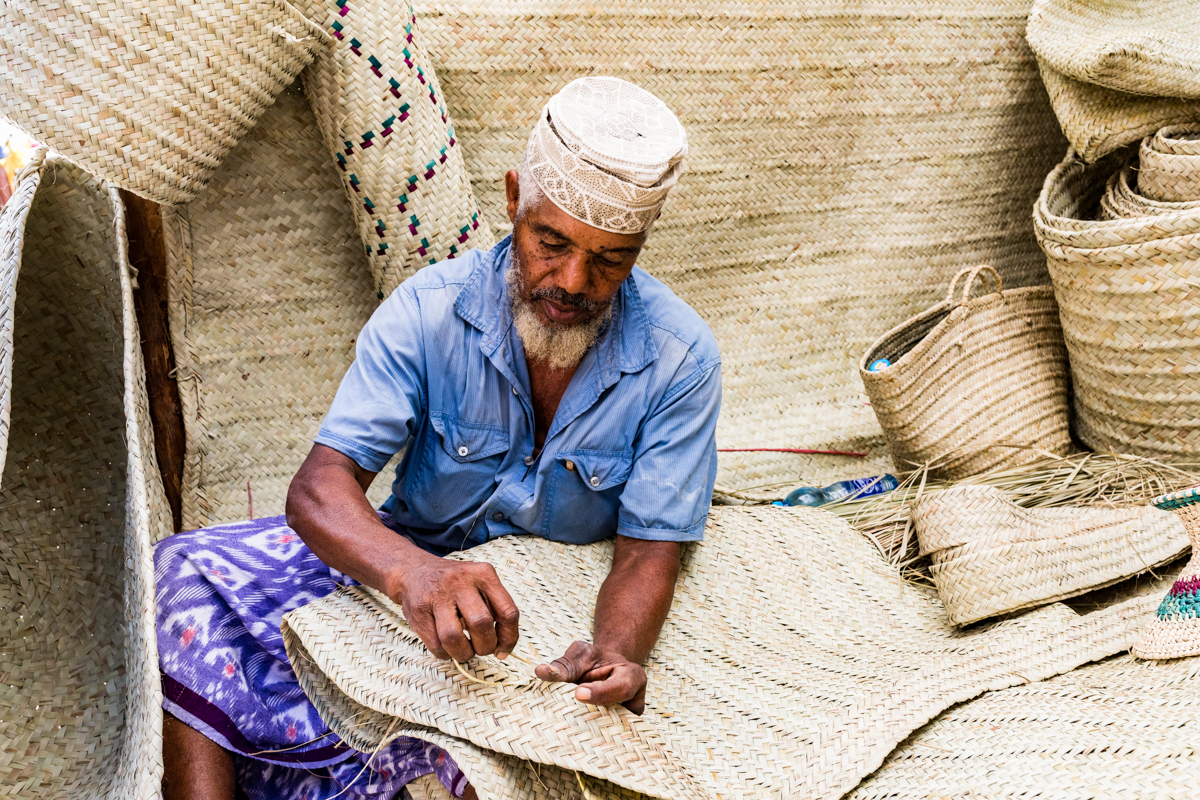
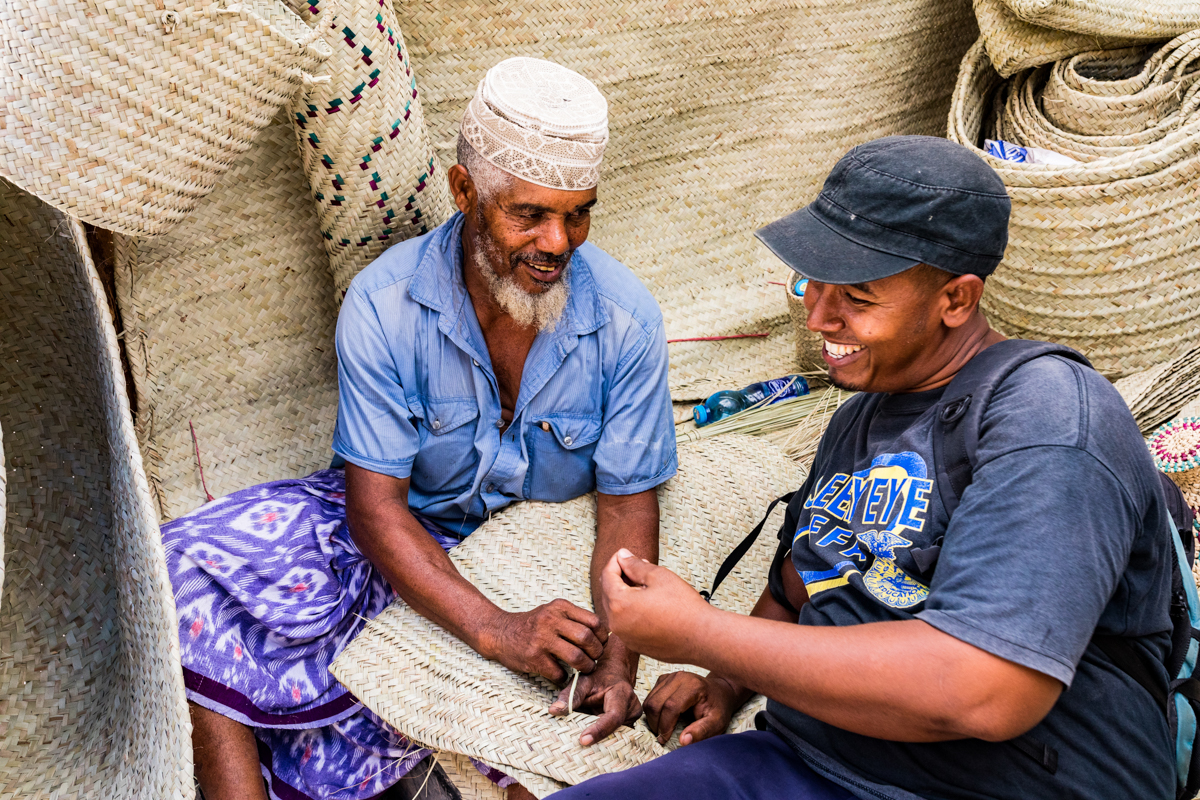


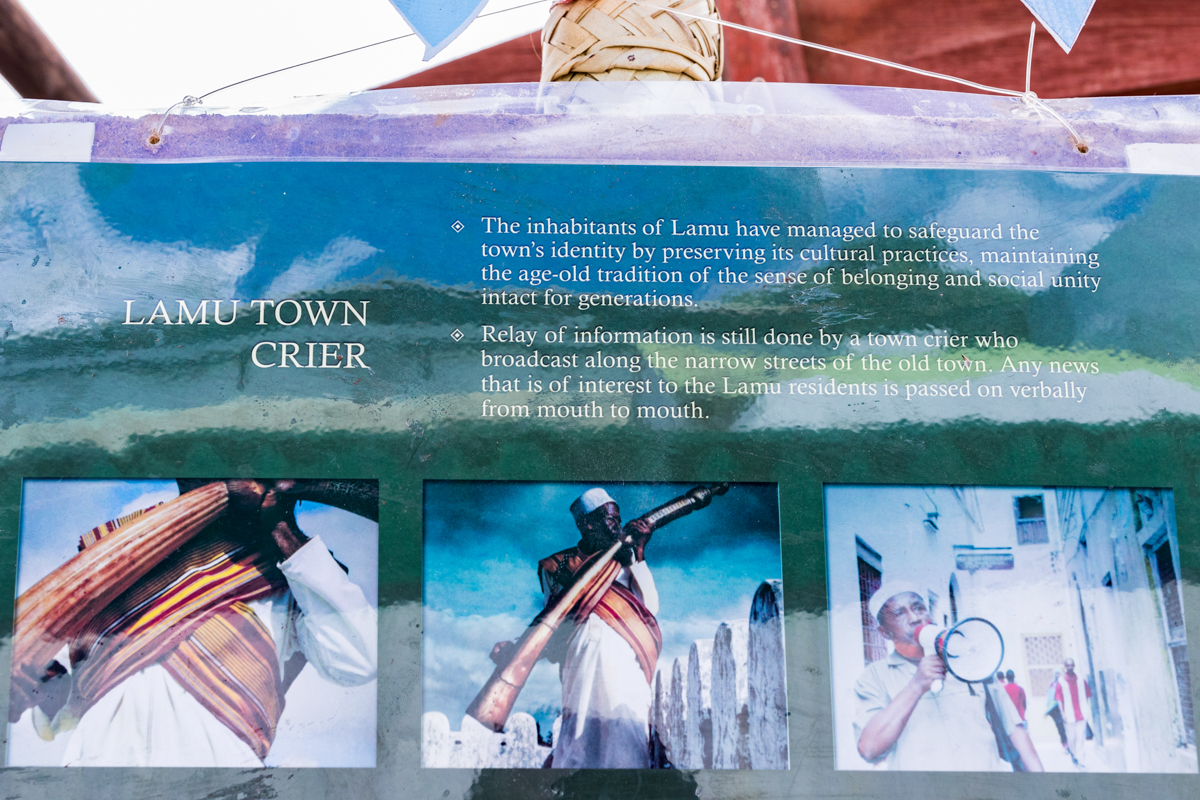

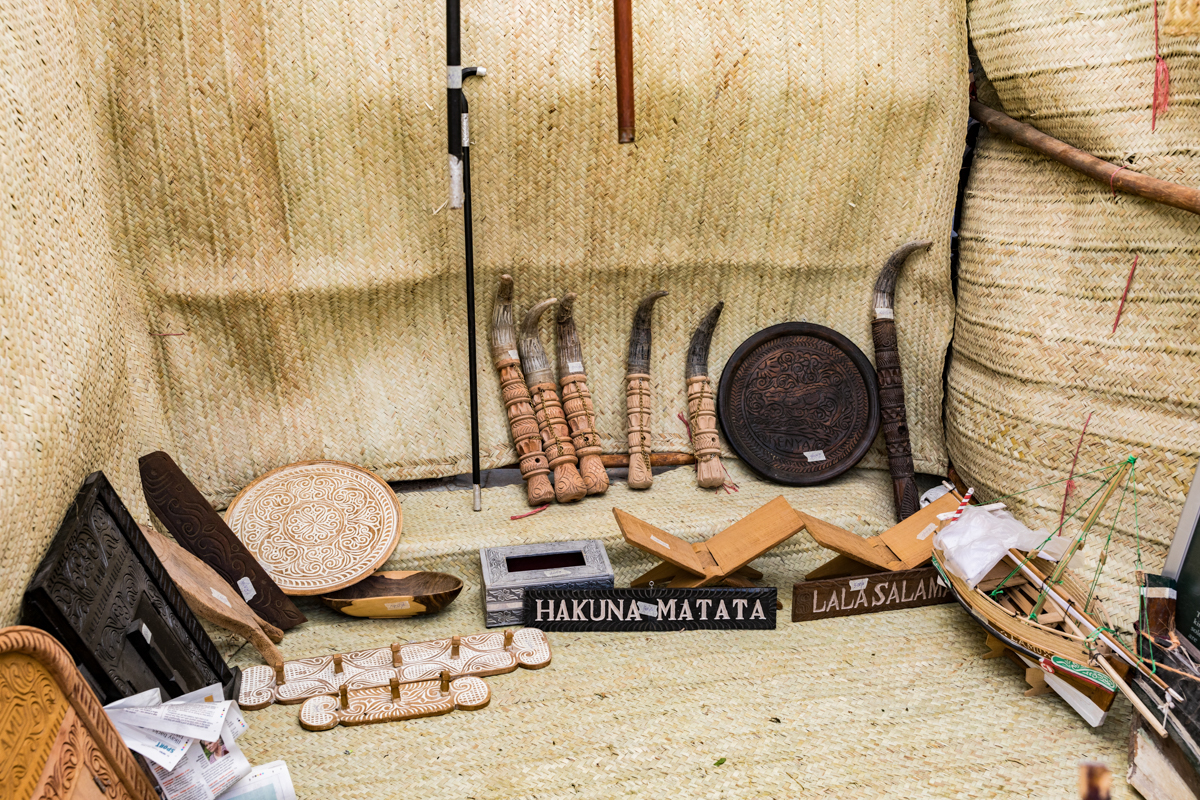

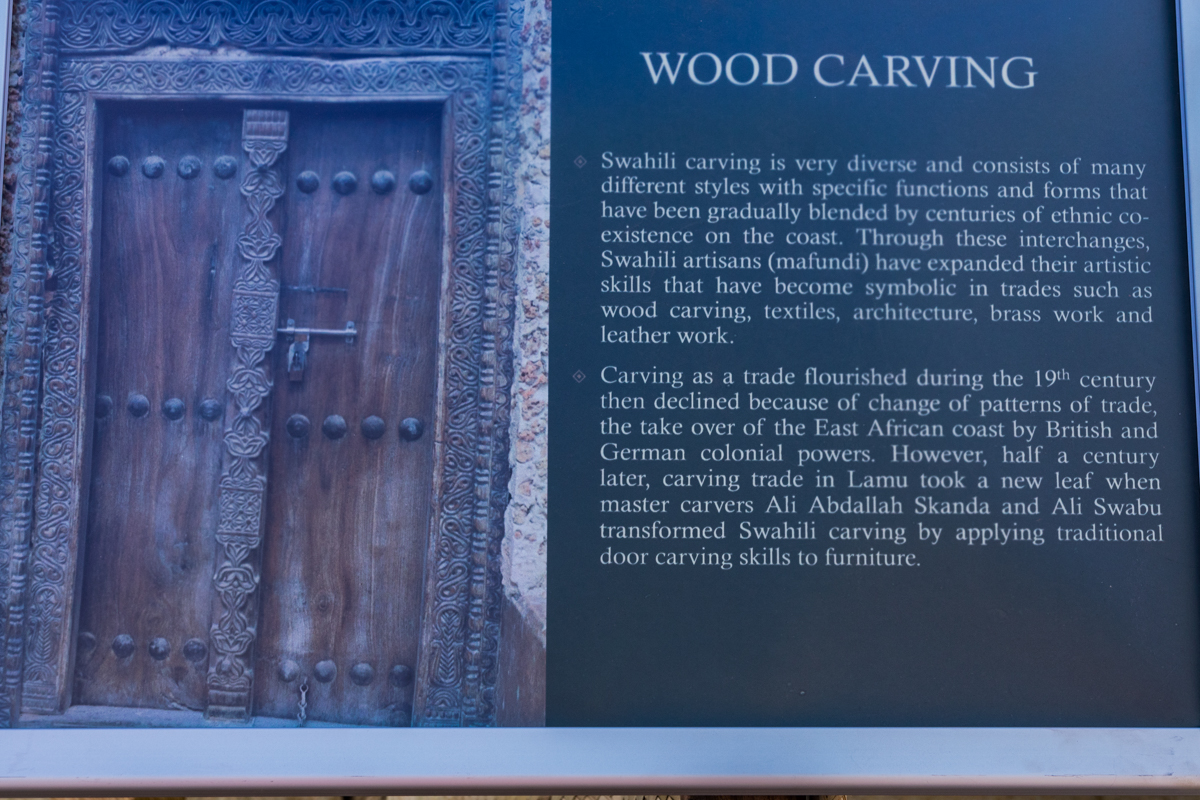
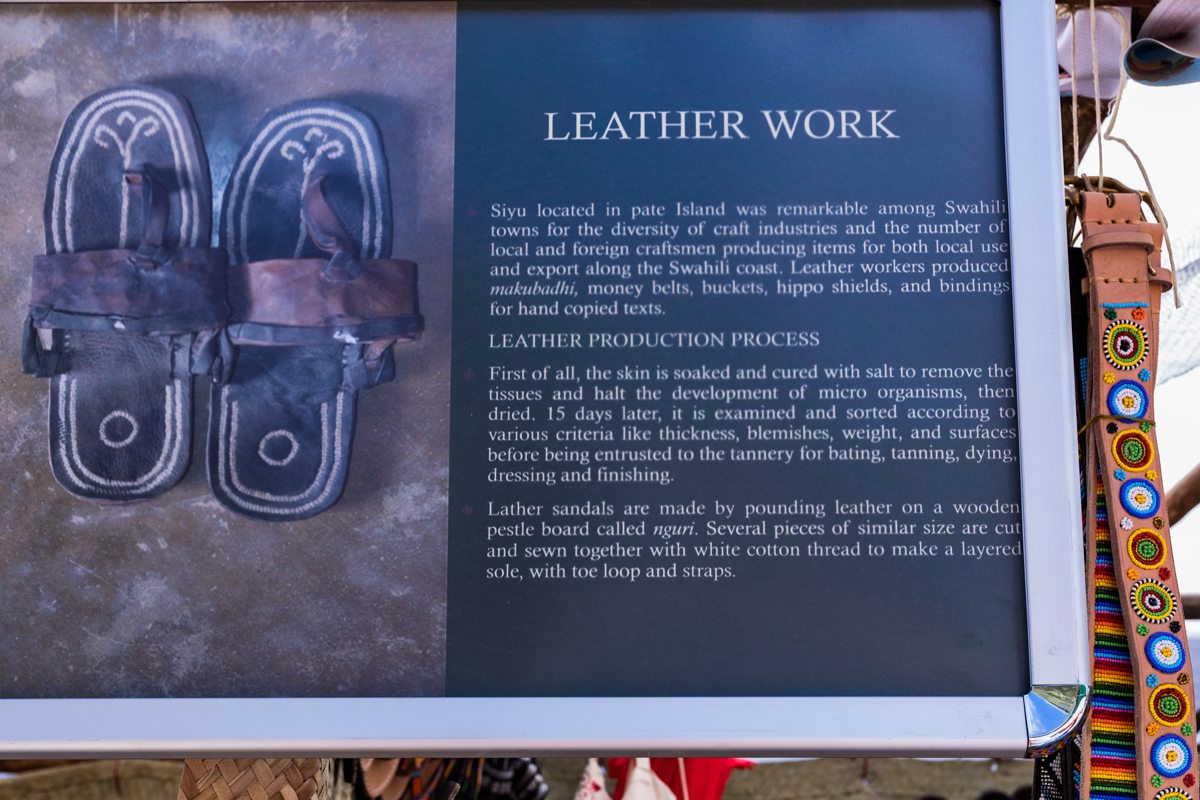

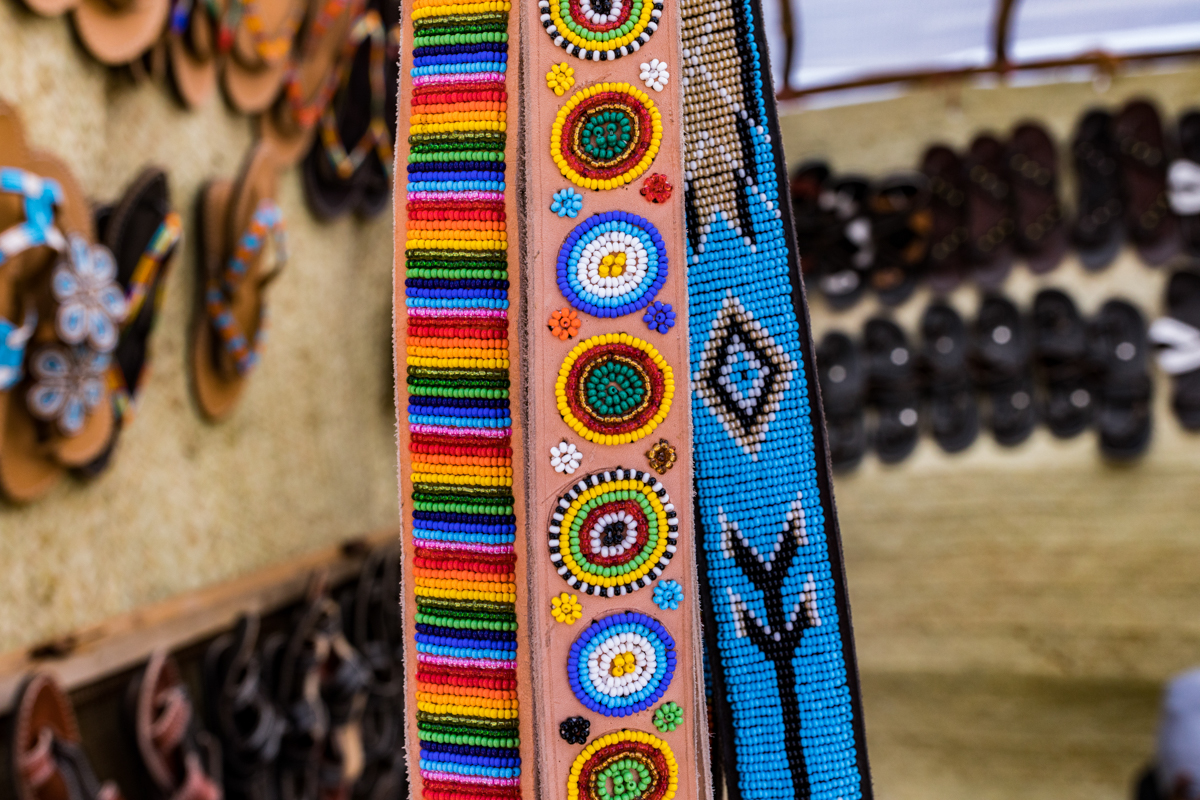


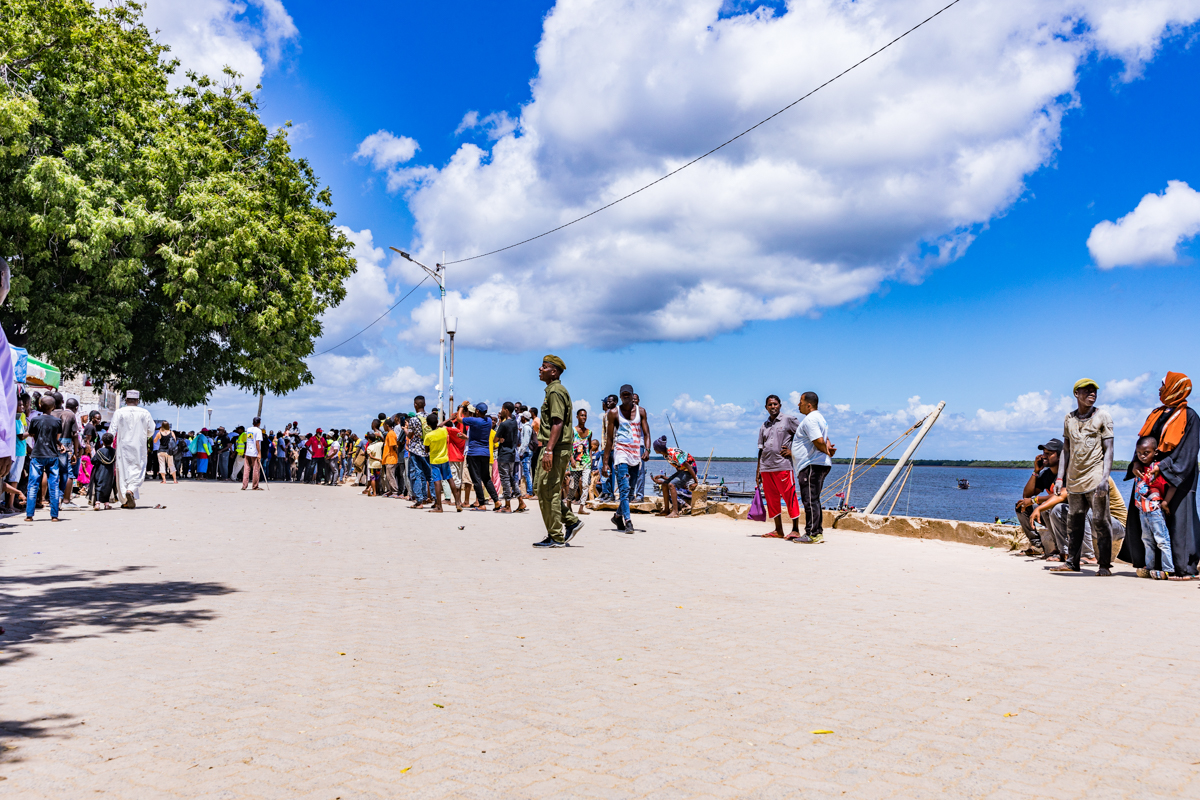
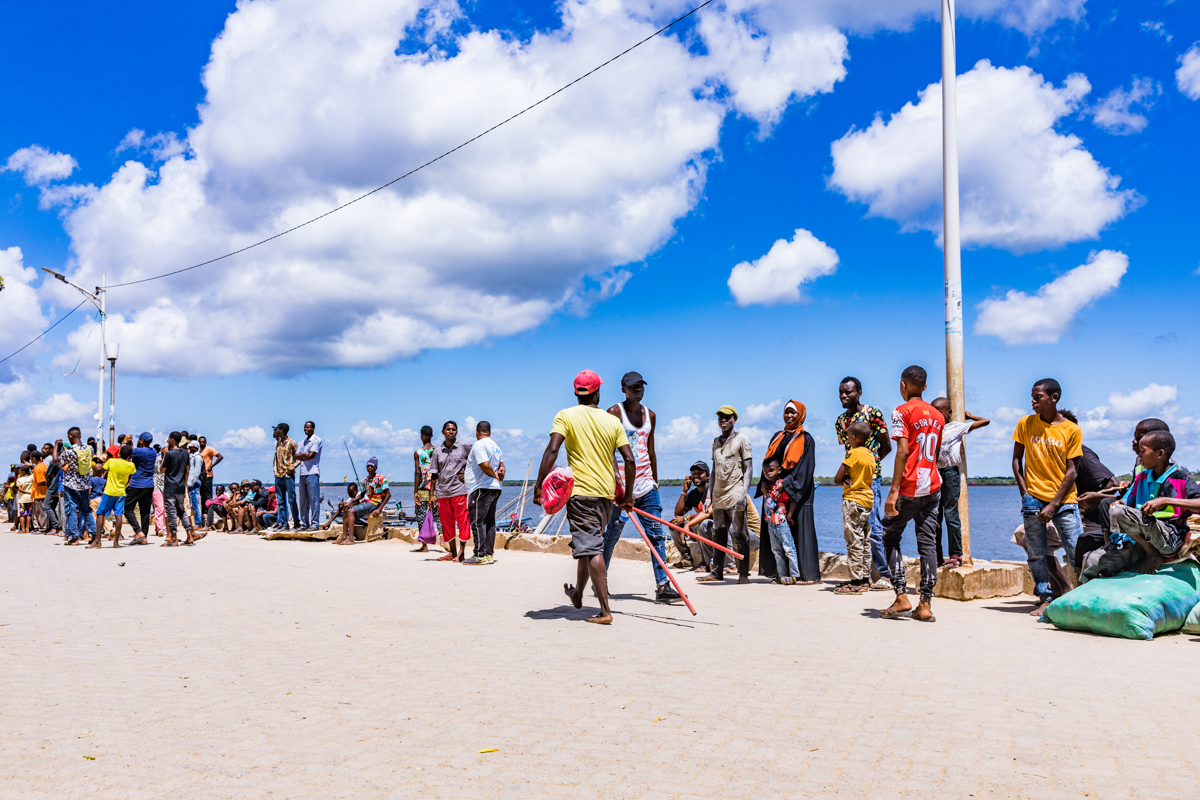


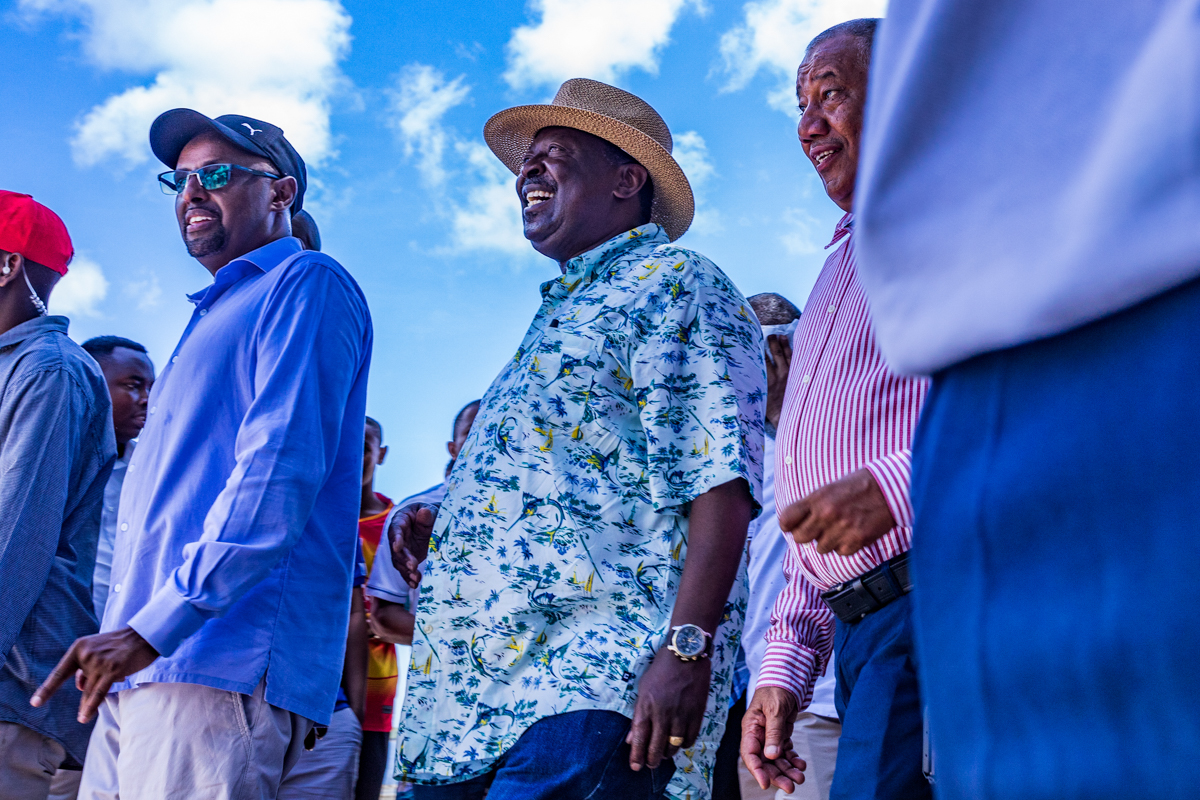
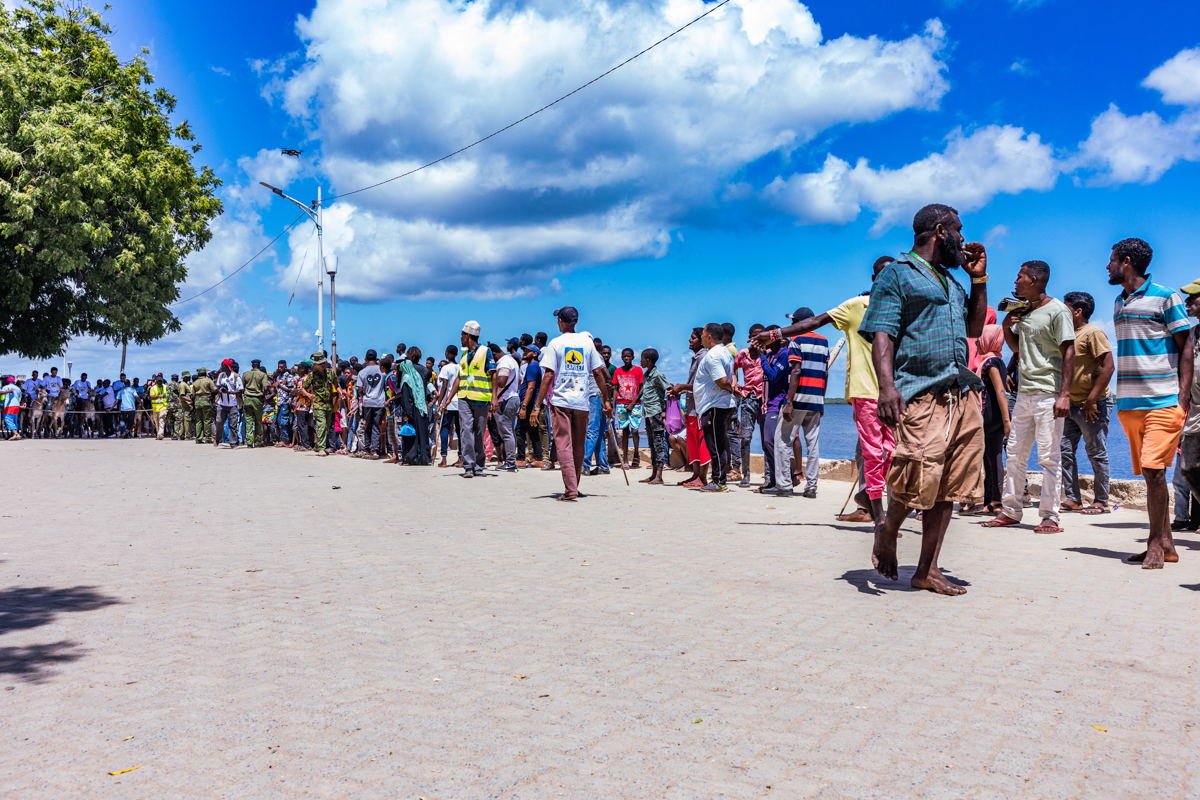
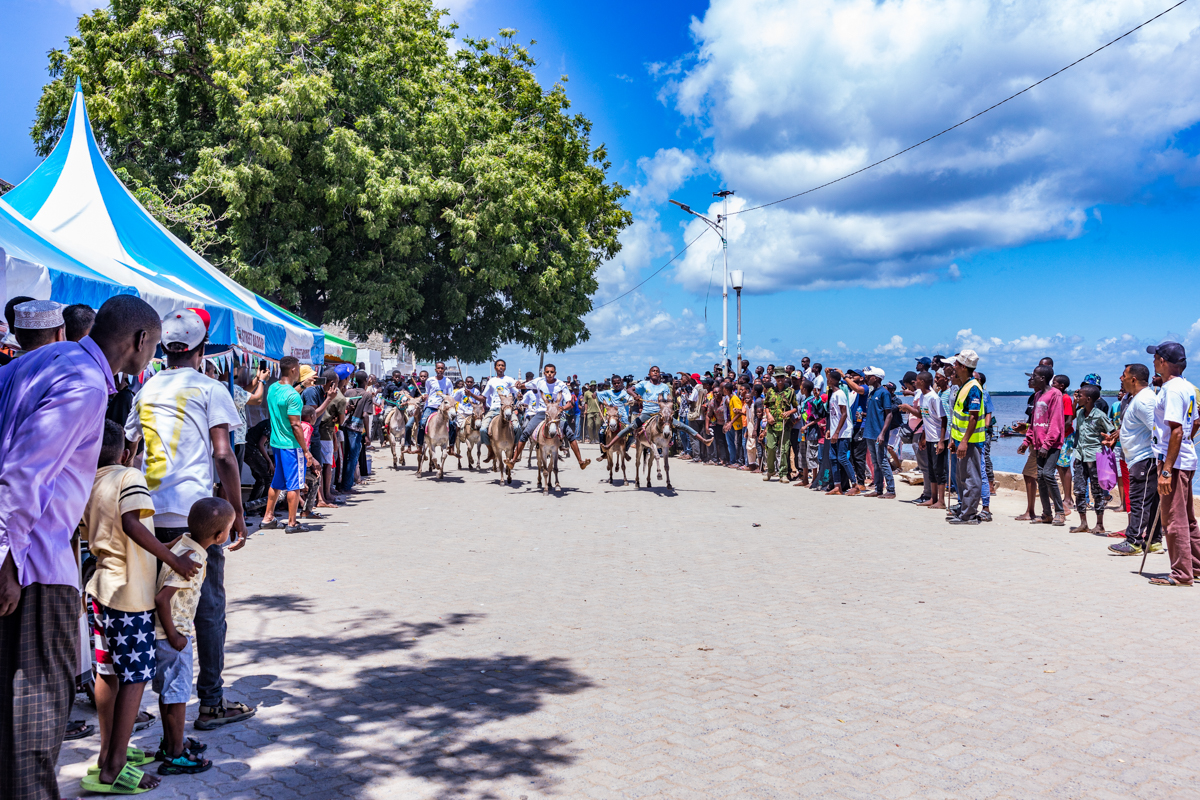

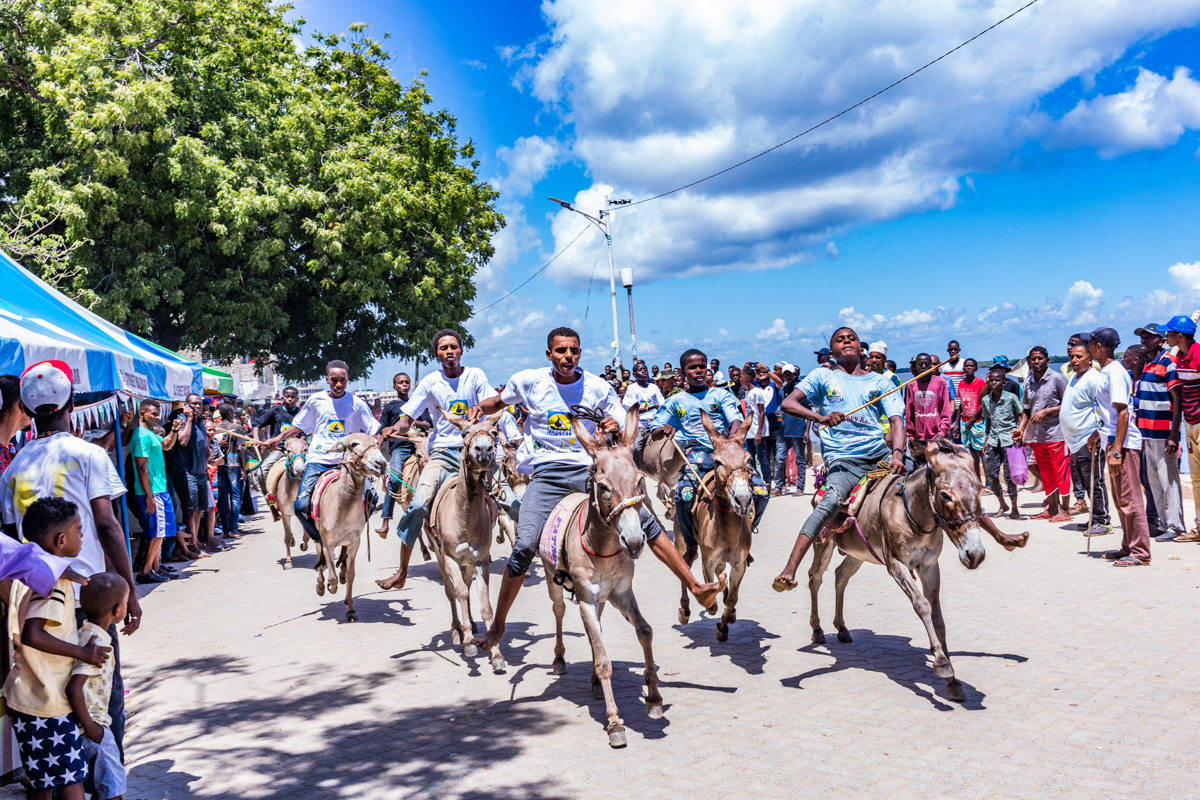

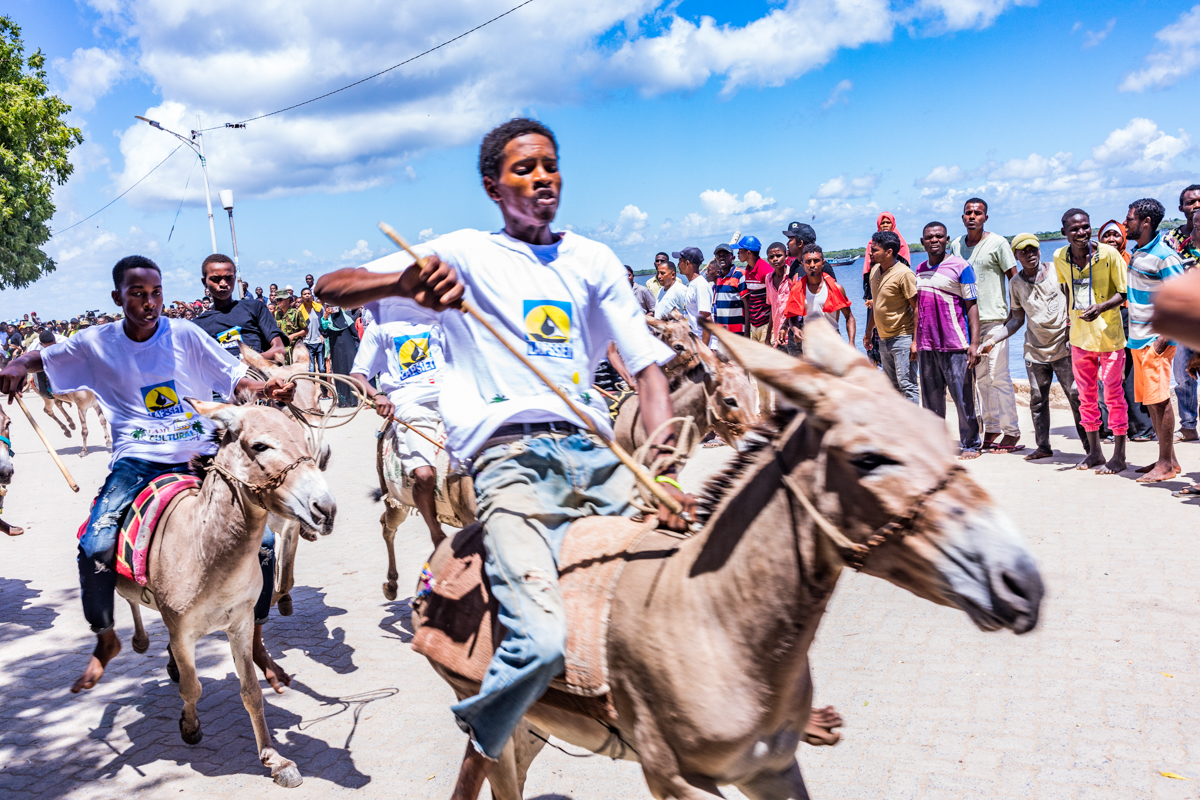
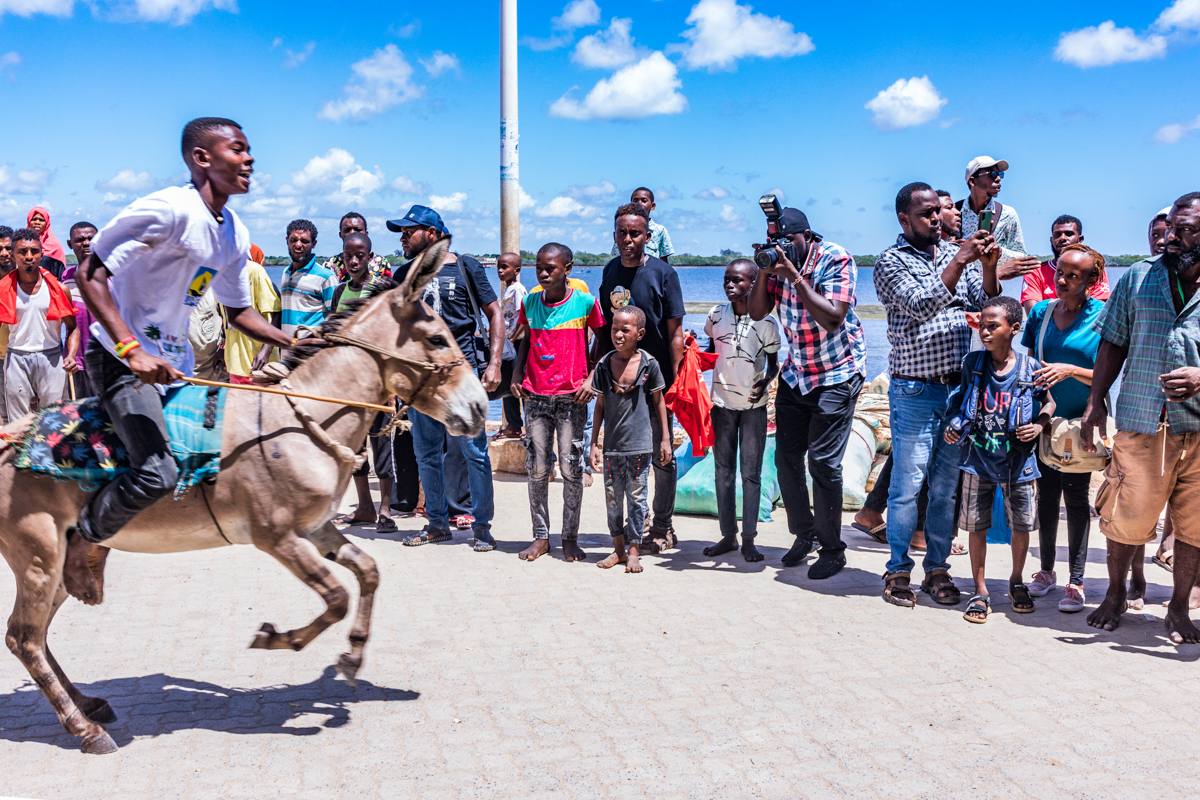


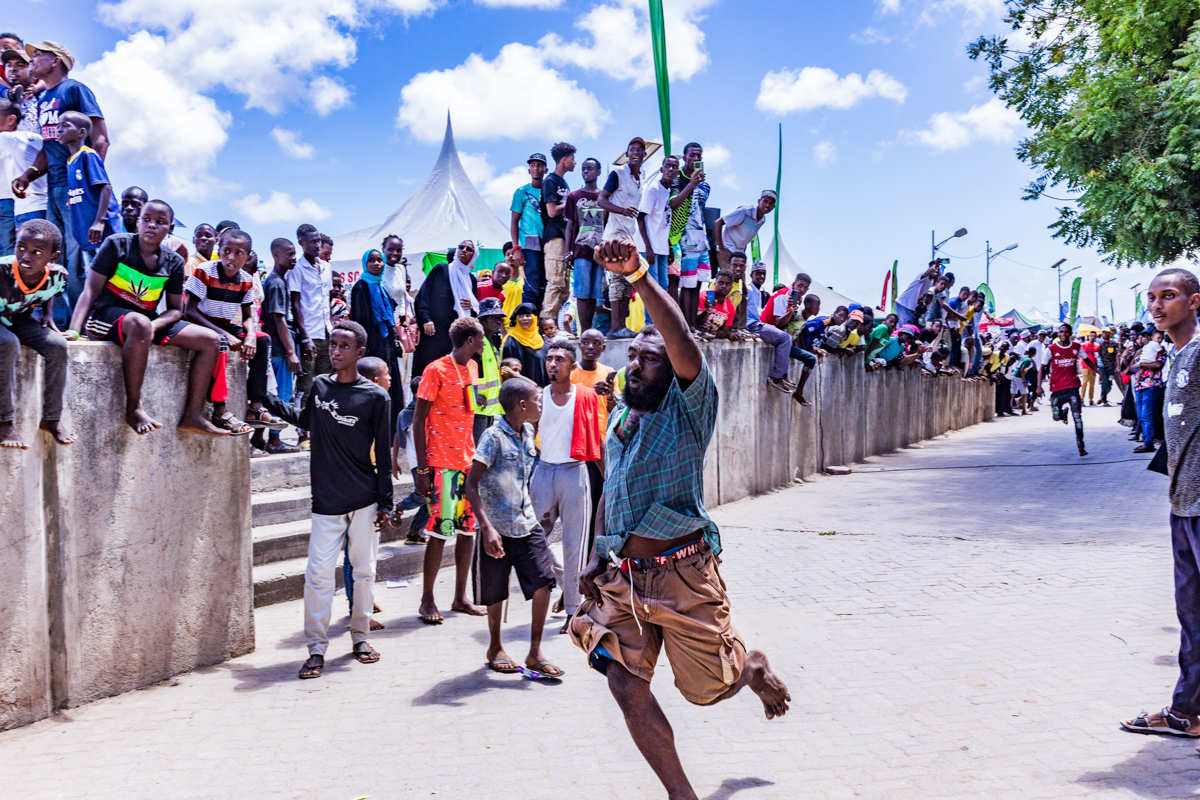
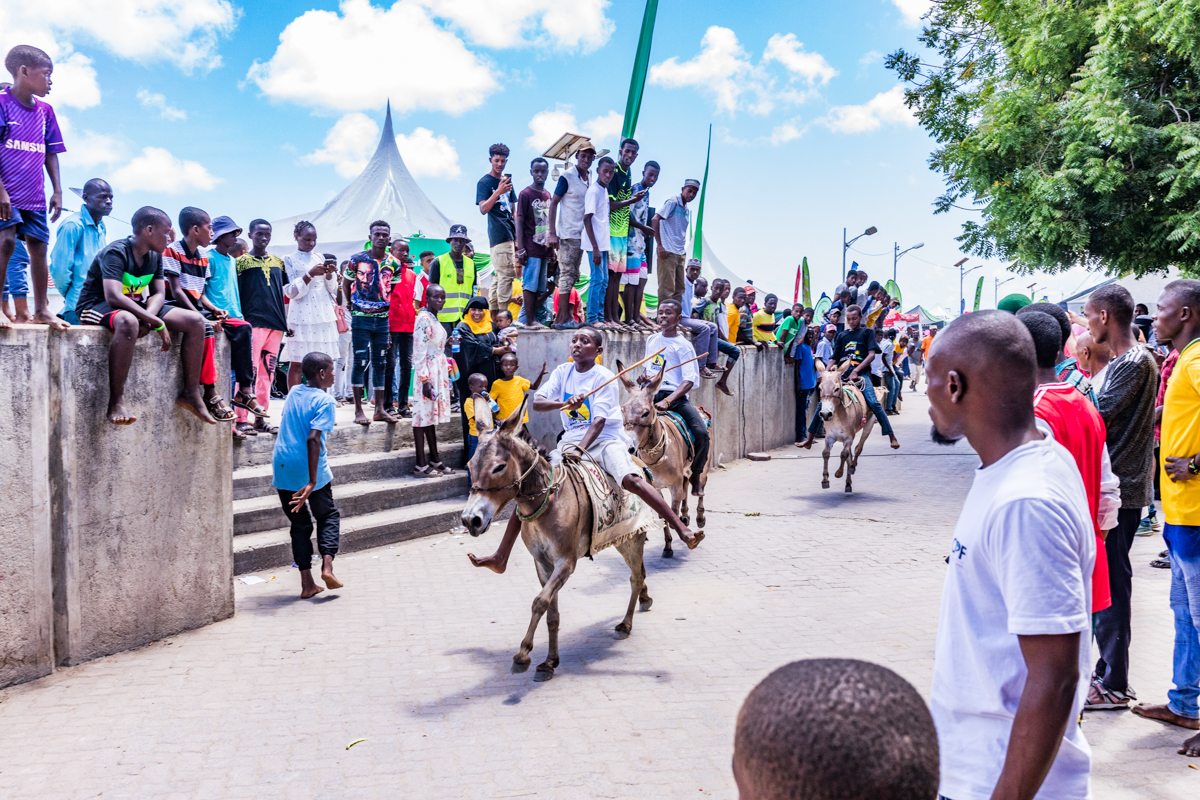
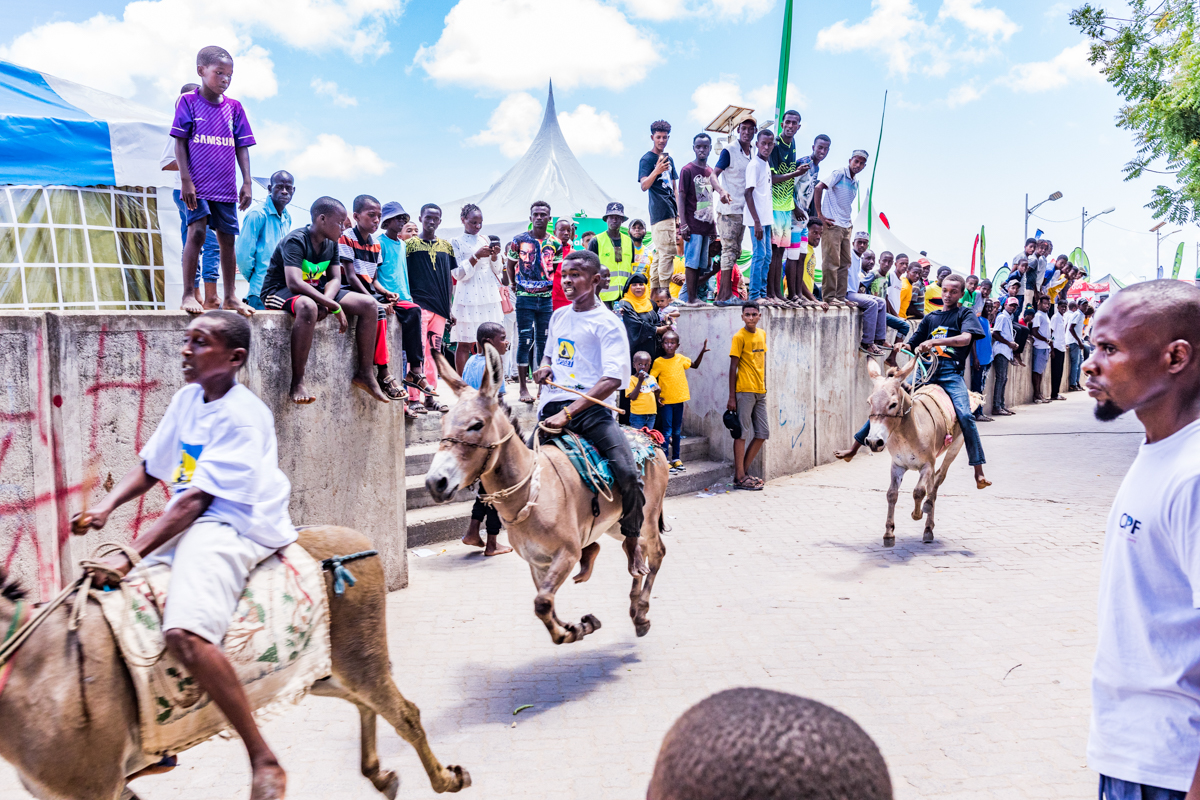


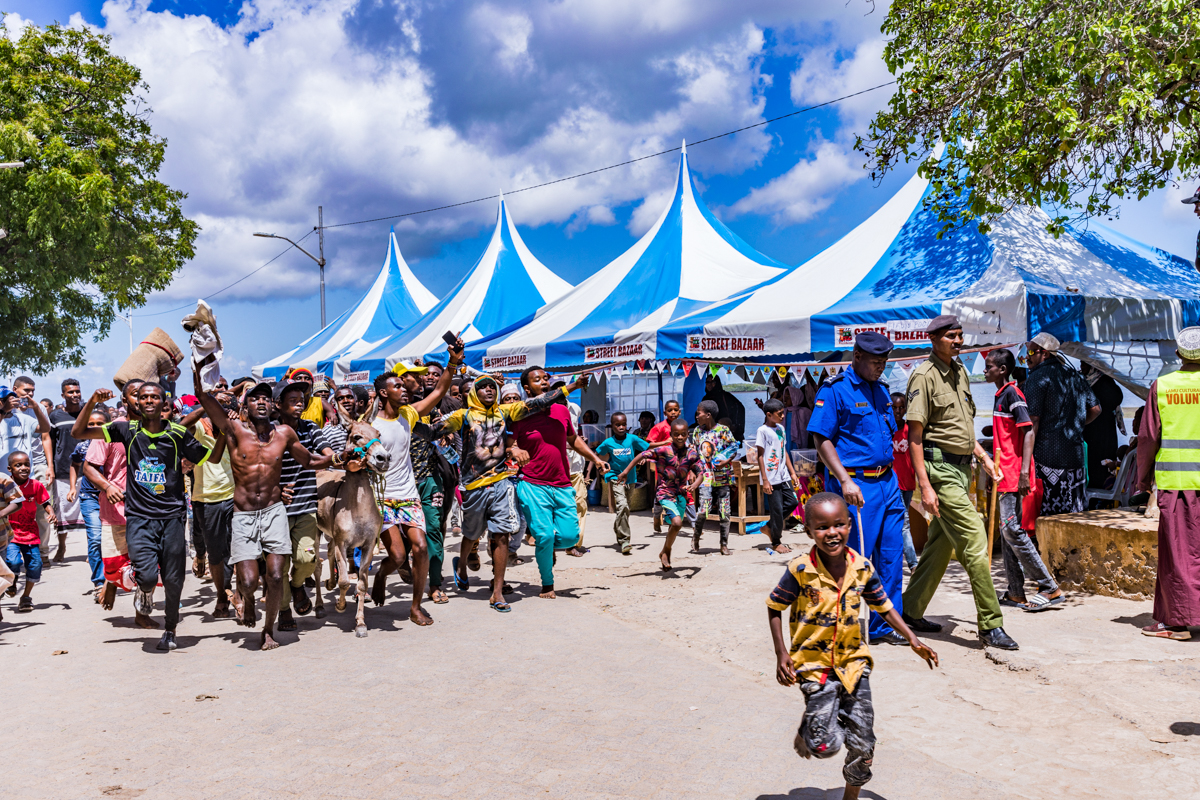
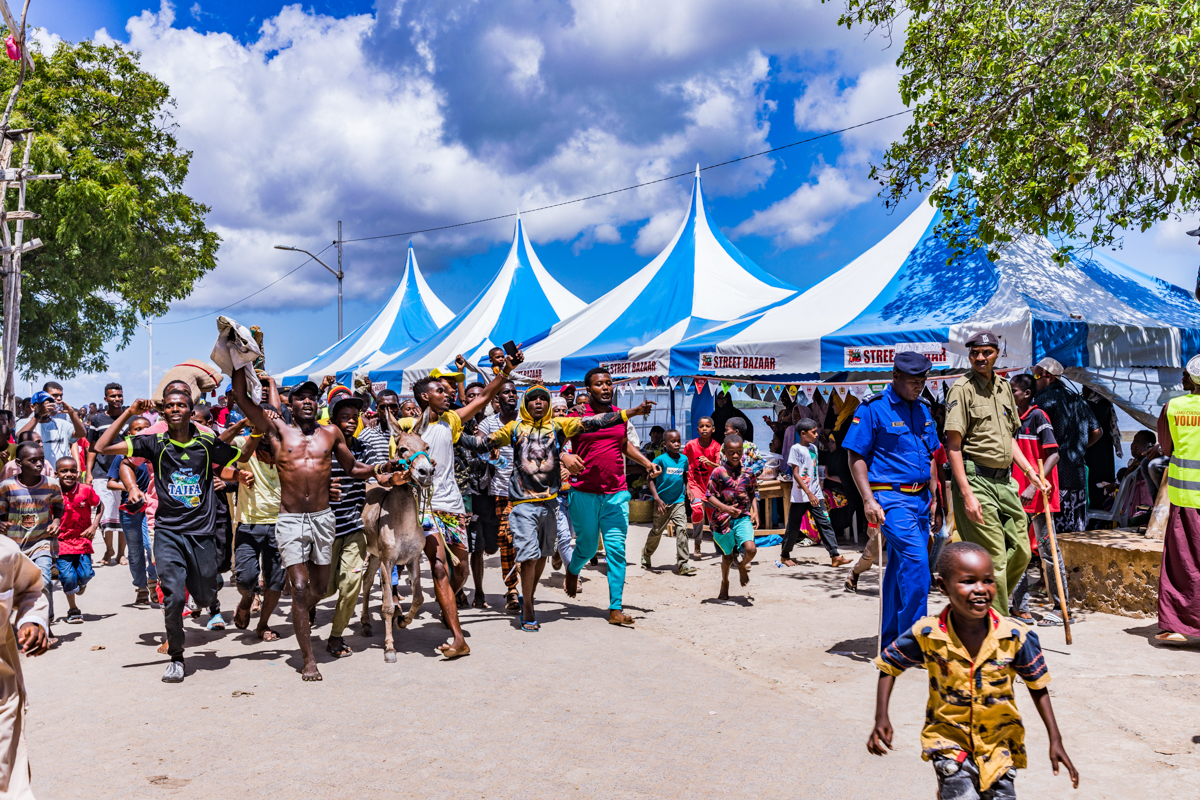


[…] the history of the Kapkugo Festival, why Miriam Chepkoech Koskei founded it, the Kalenjin communities involved, Mount Elgon’s ancestral significance and its mission to […]
[…] the historic streets of Old Town to the vibrant shores of the Indian Ocean, discover how Mombasa became a meeting point of cultures, the history behind Swahili civilisation and how […]
[…] Lamu Cultural Festival and Swahili heritage. […]