

Kikuyu Traditional Dowry Wedding :: Ngurario Ruracio Kuara Itara Marriage Ceremony
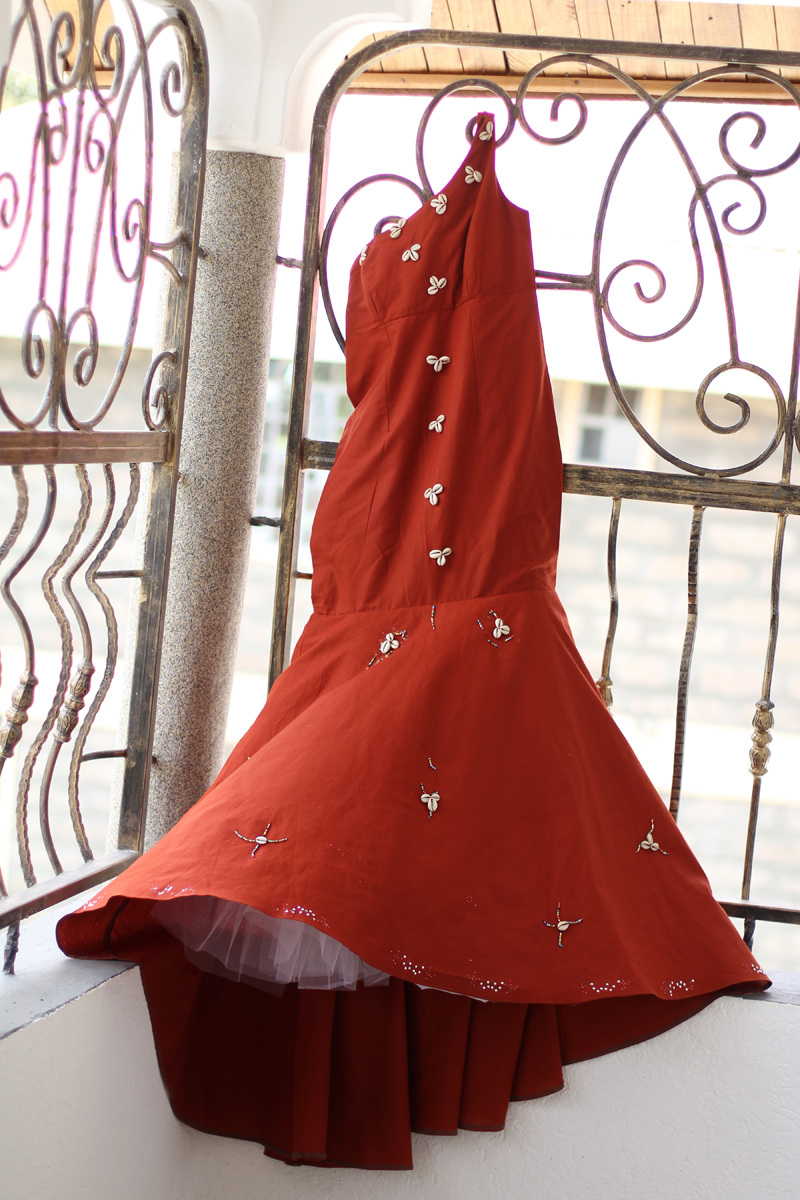
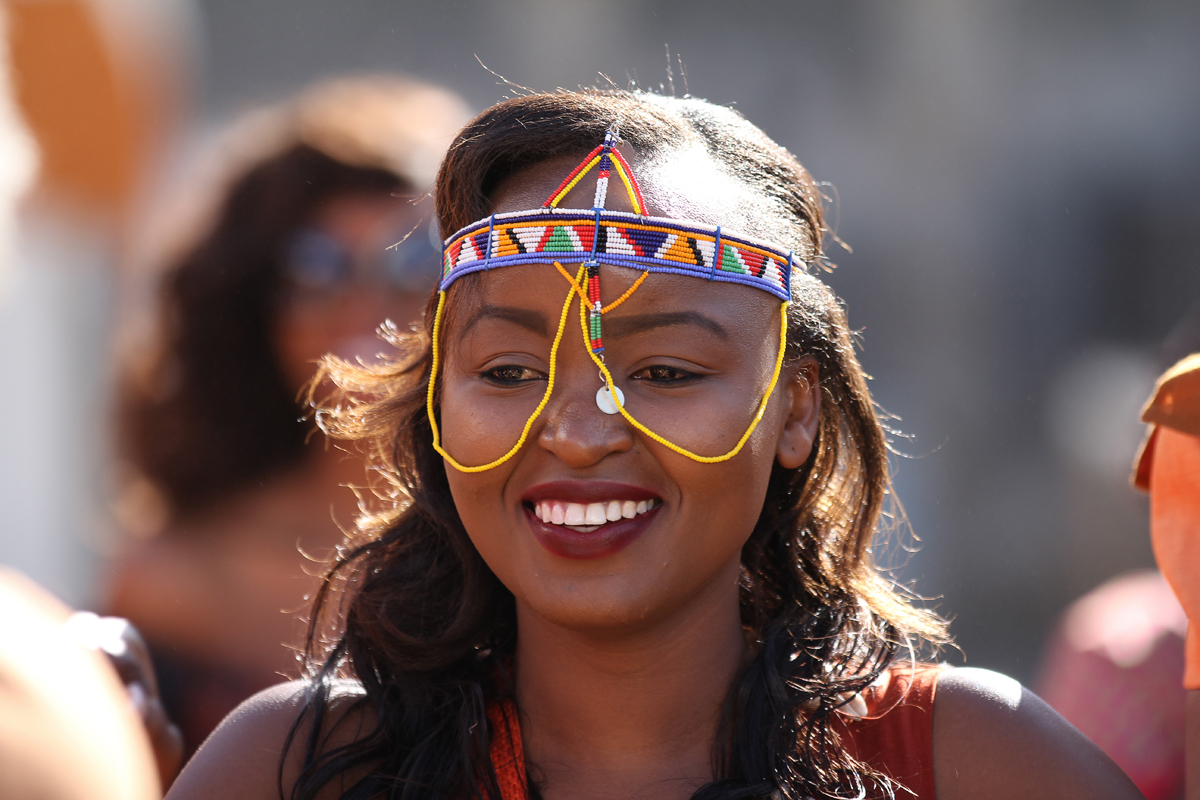
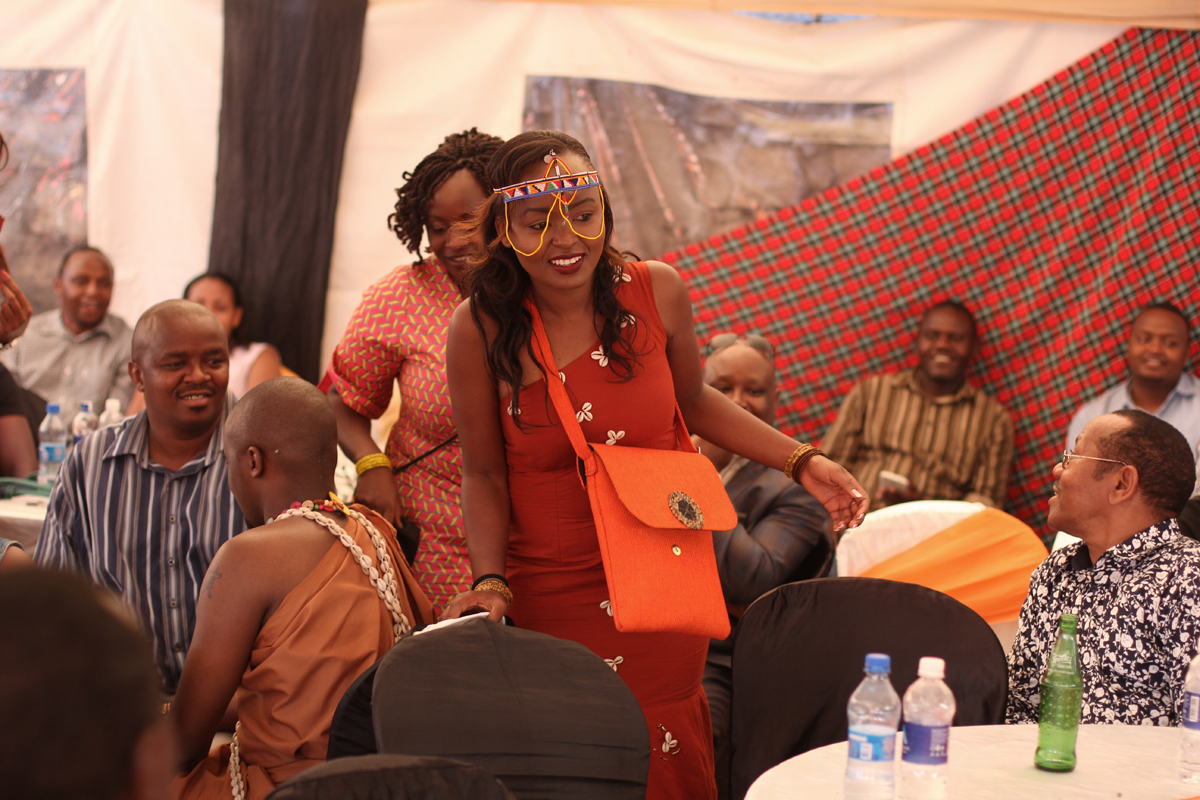
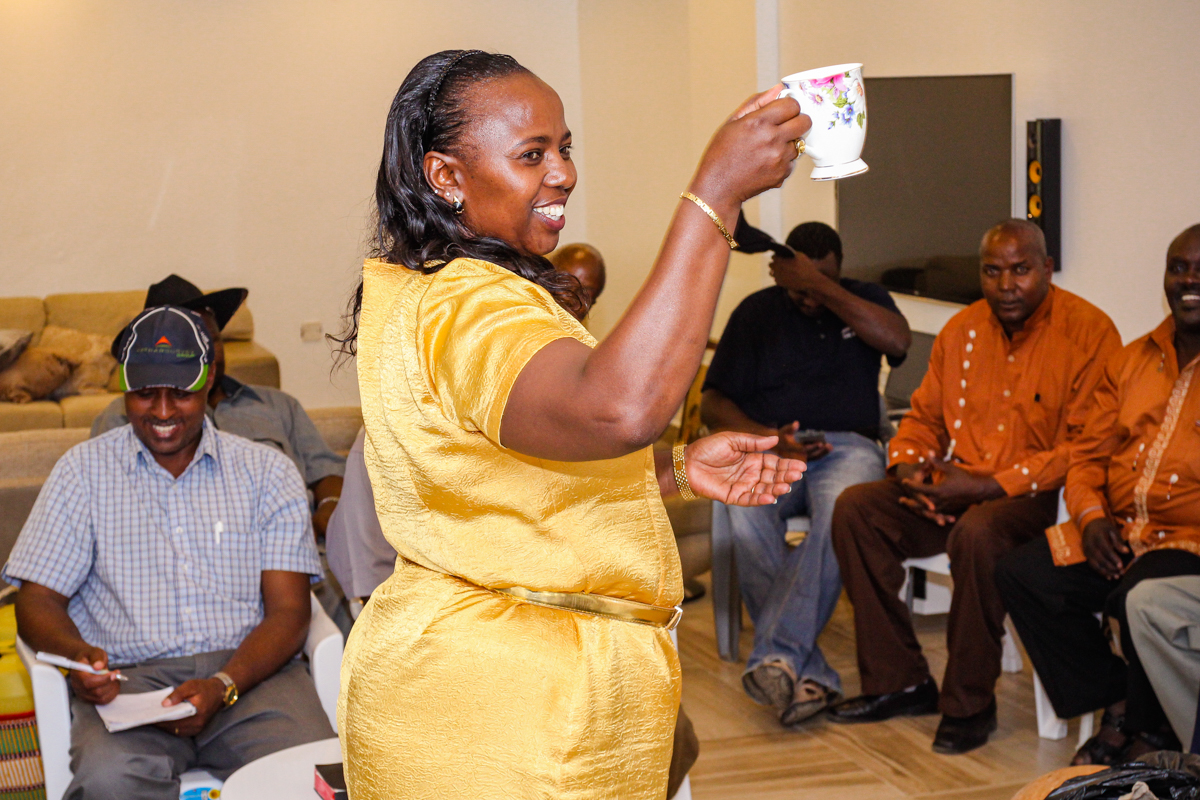
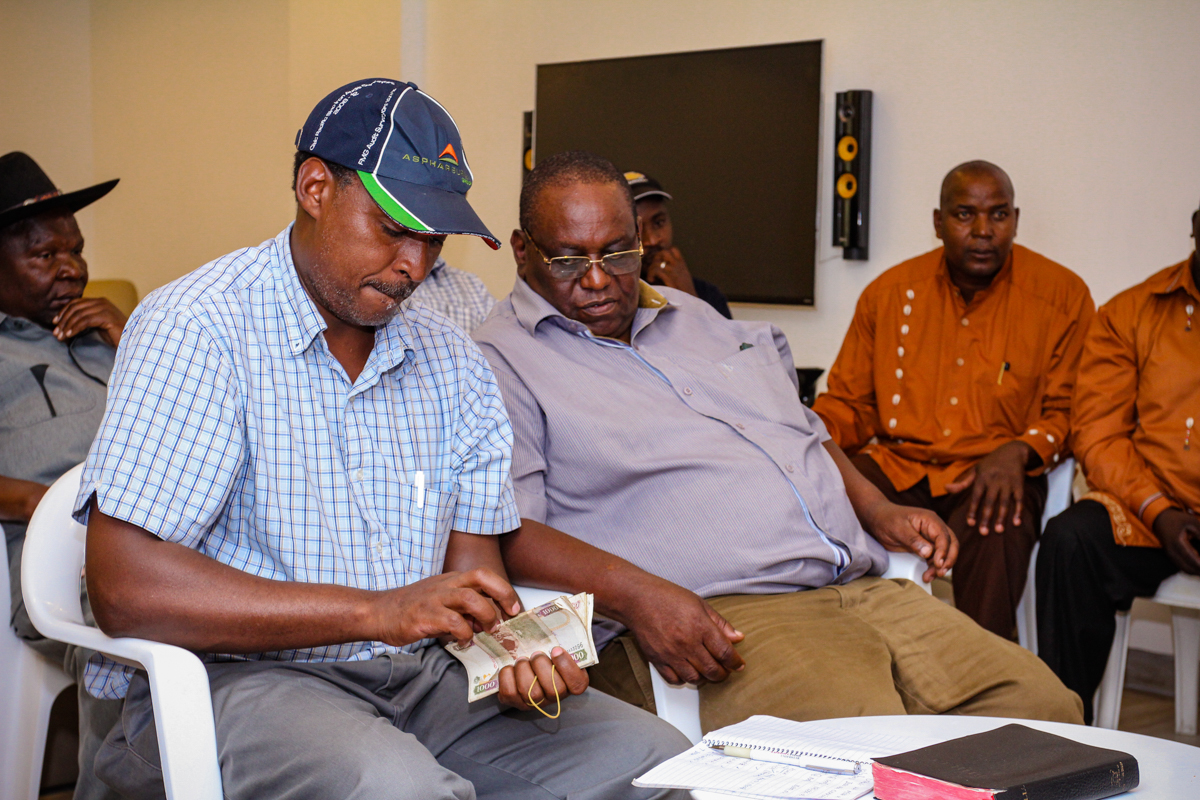
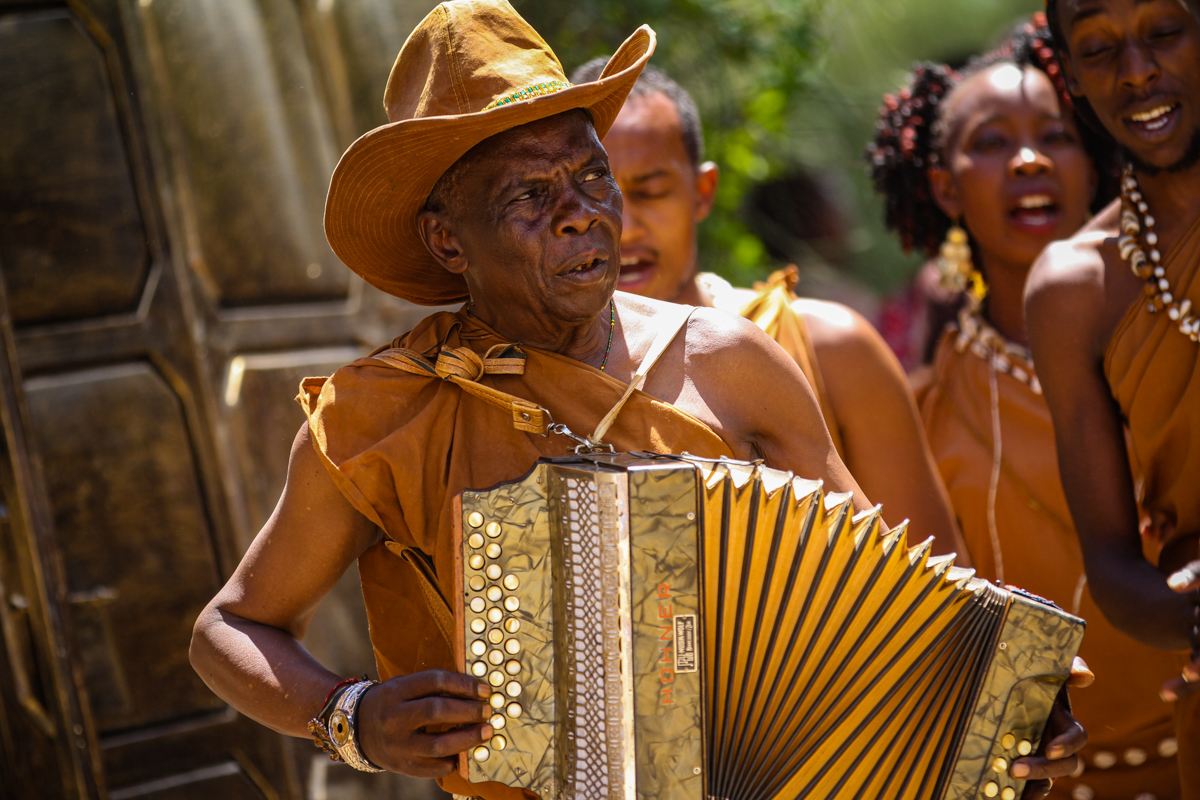
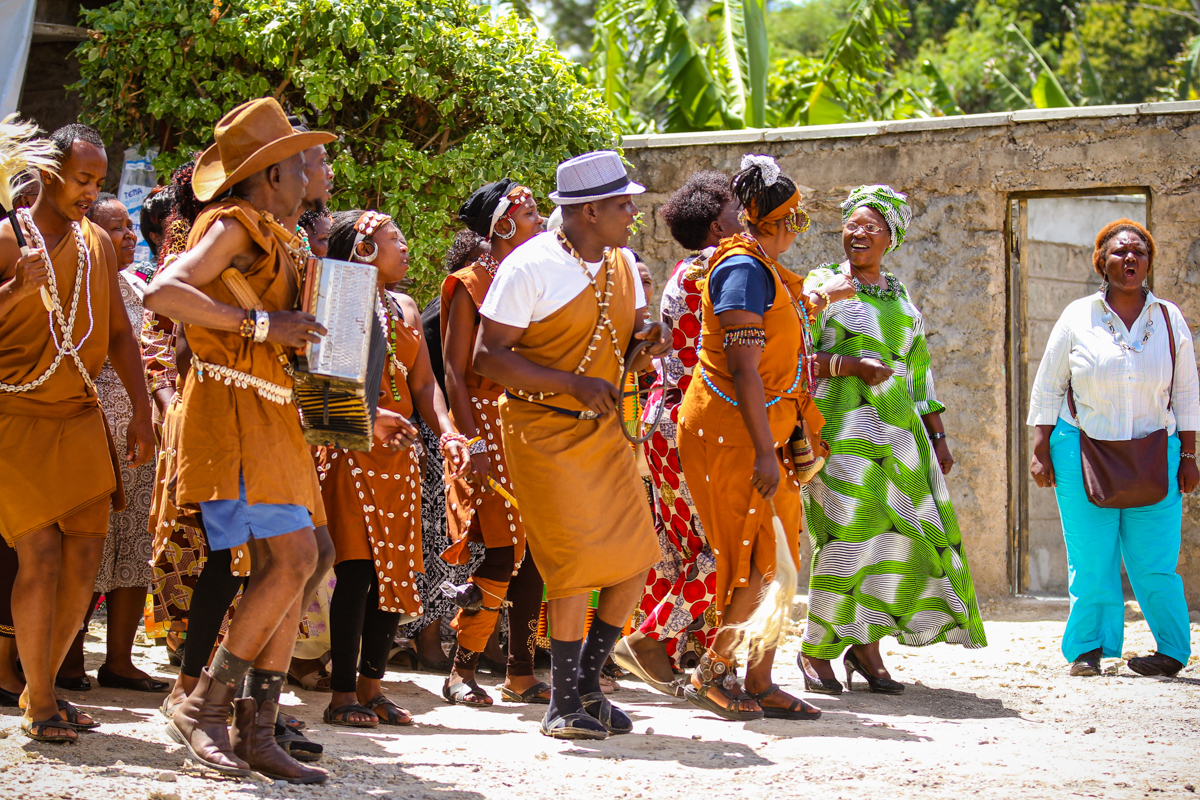
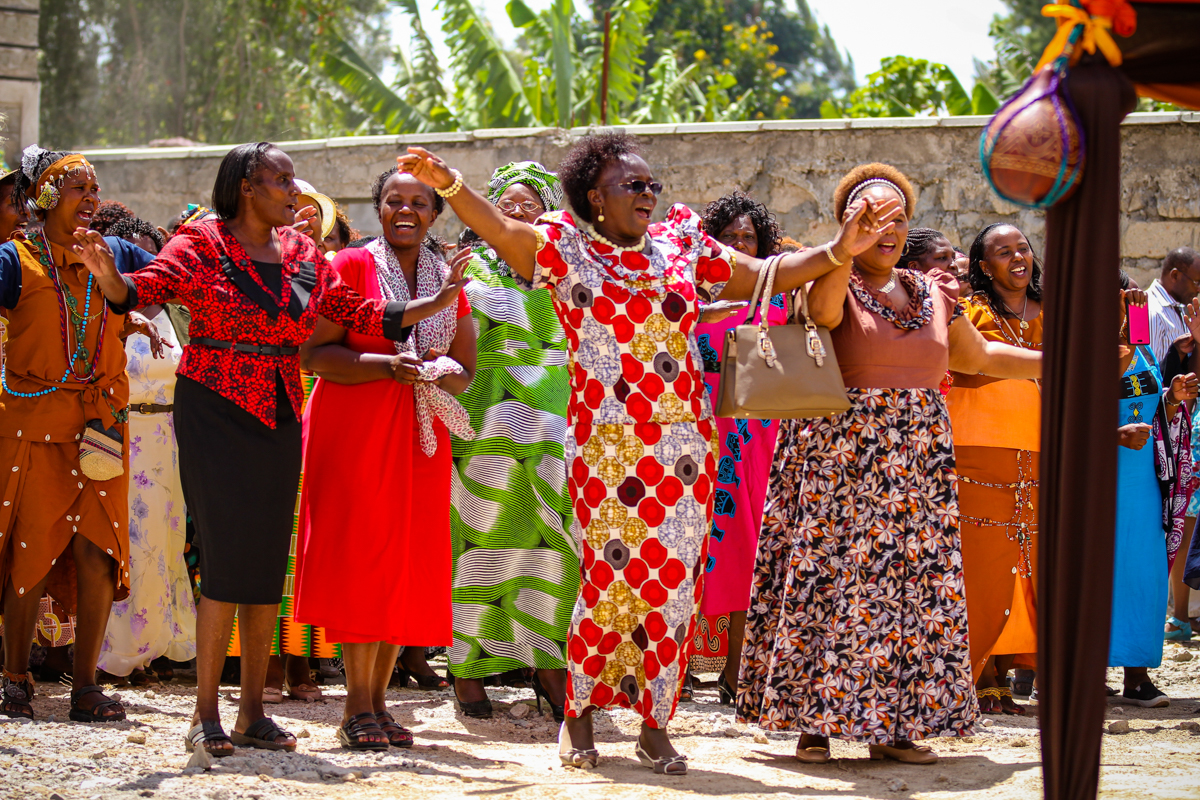
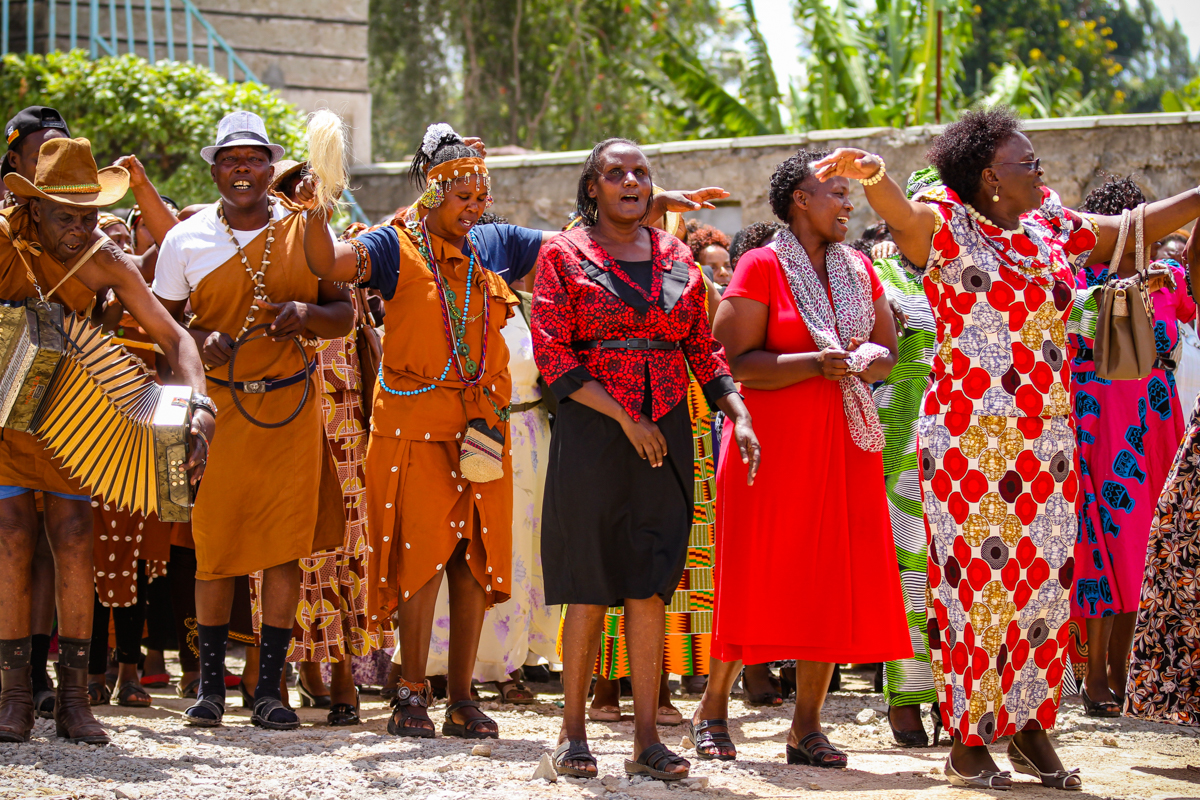
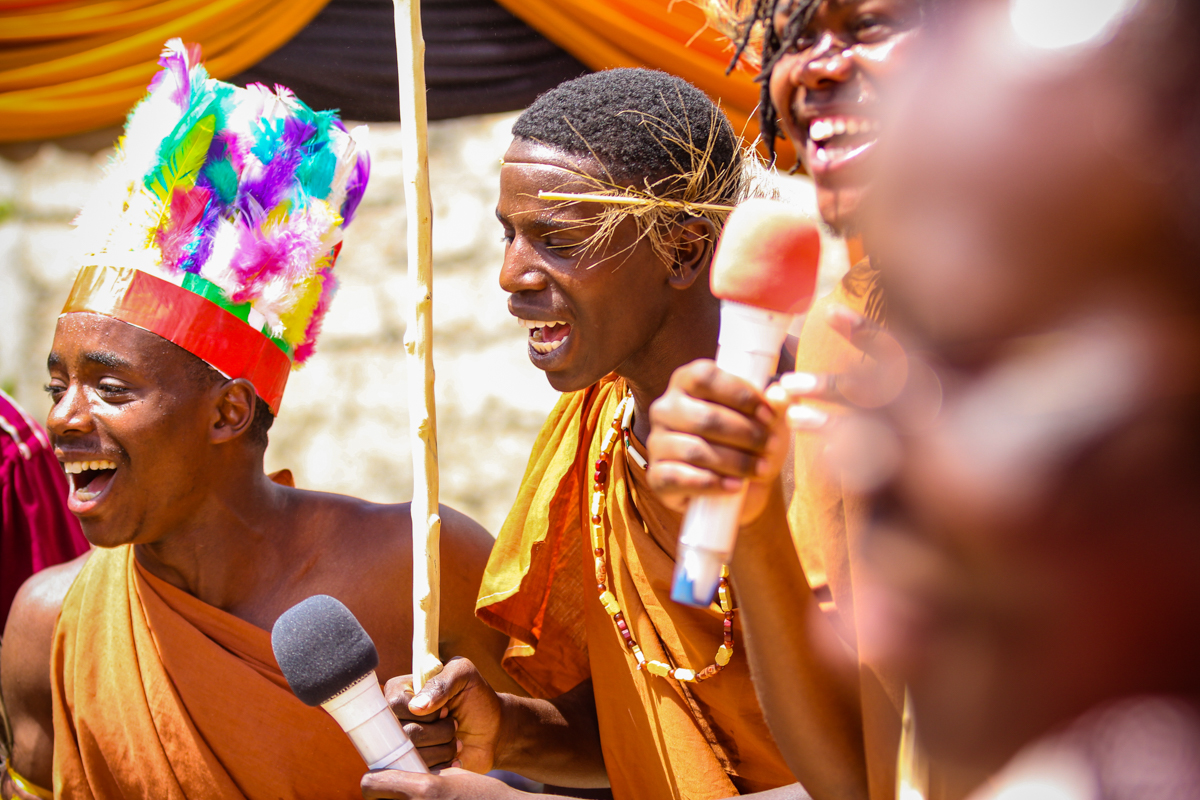
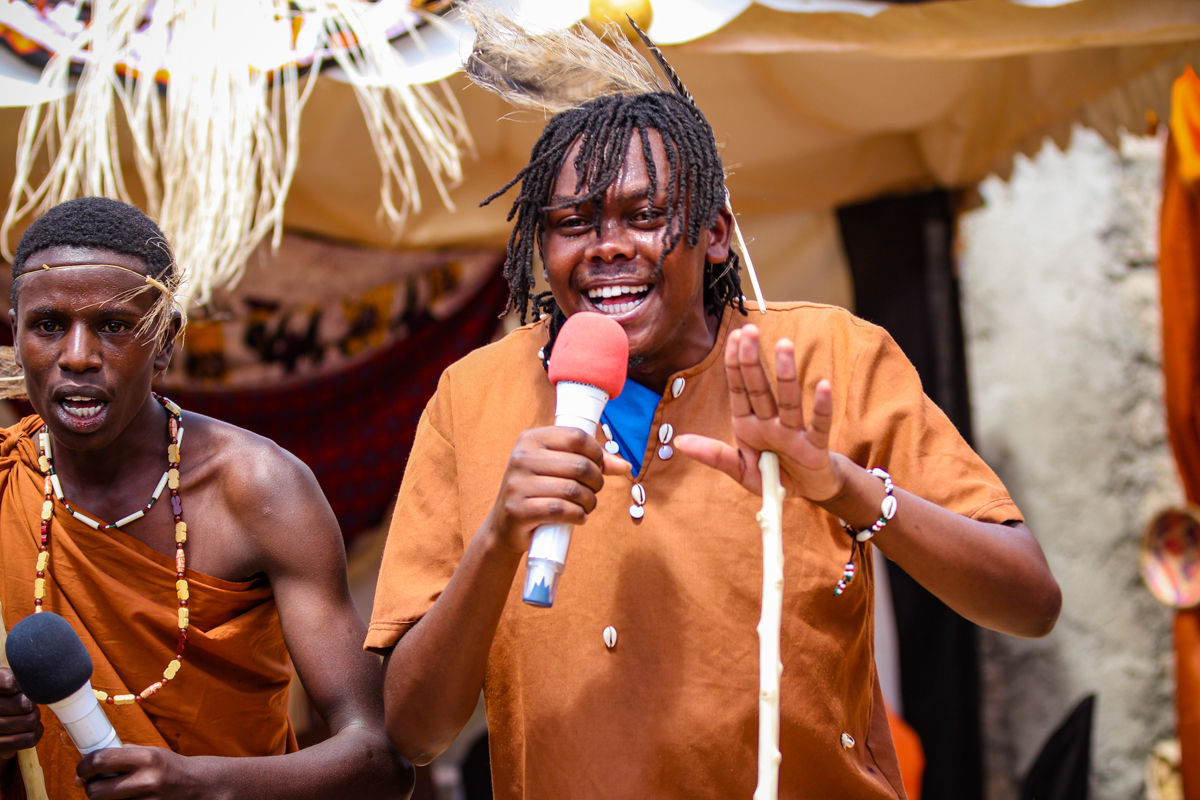
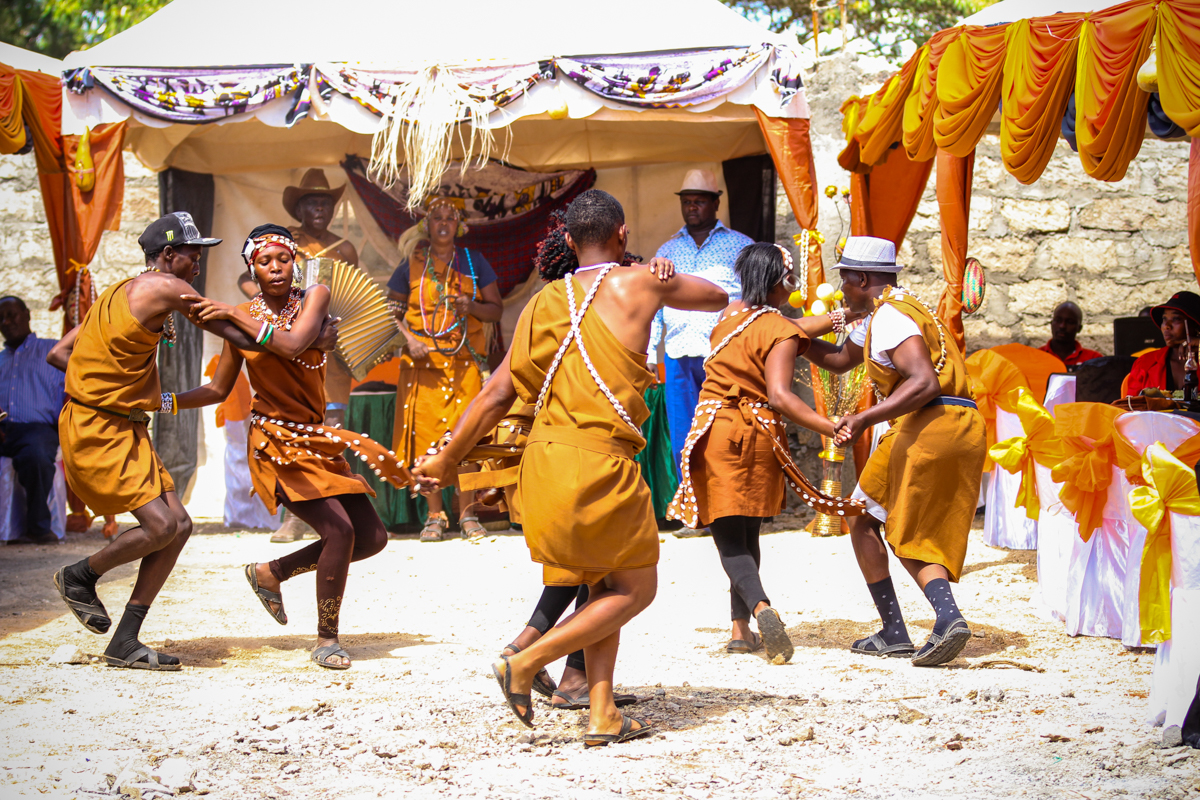
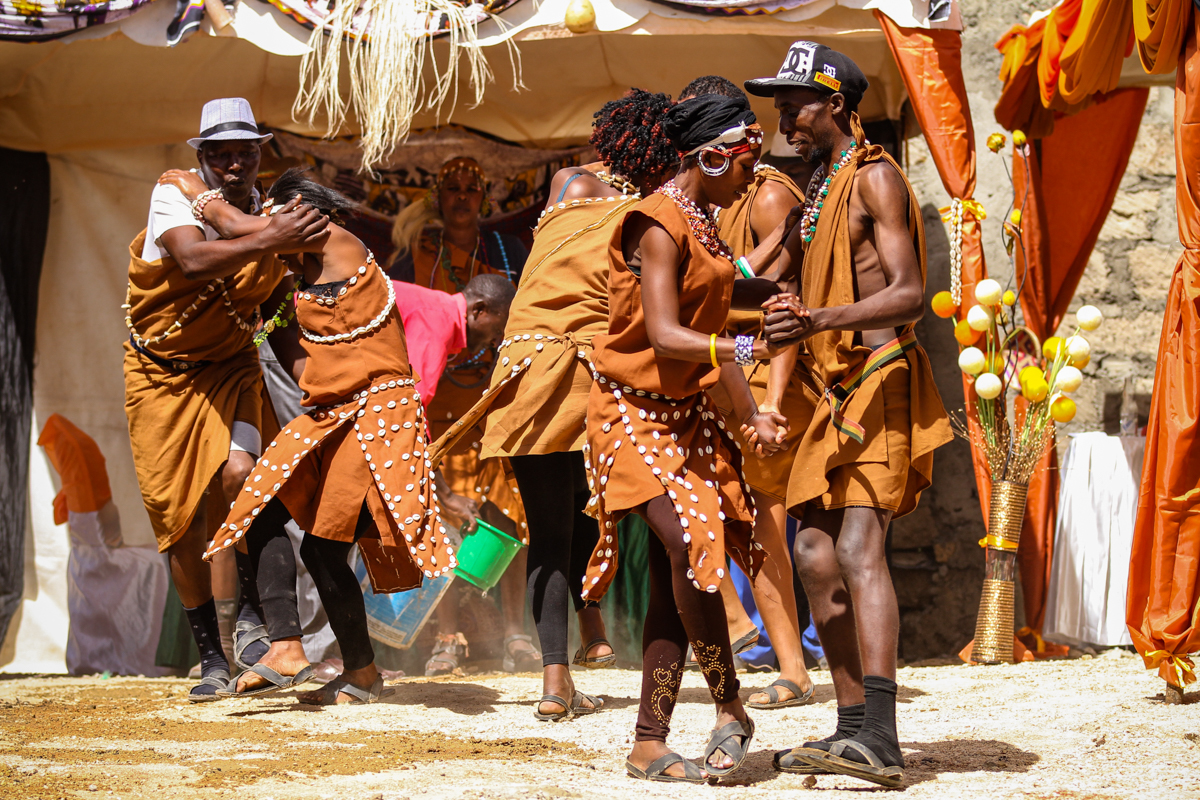
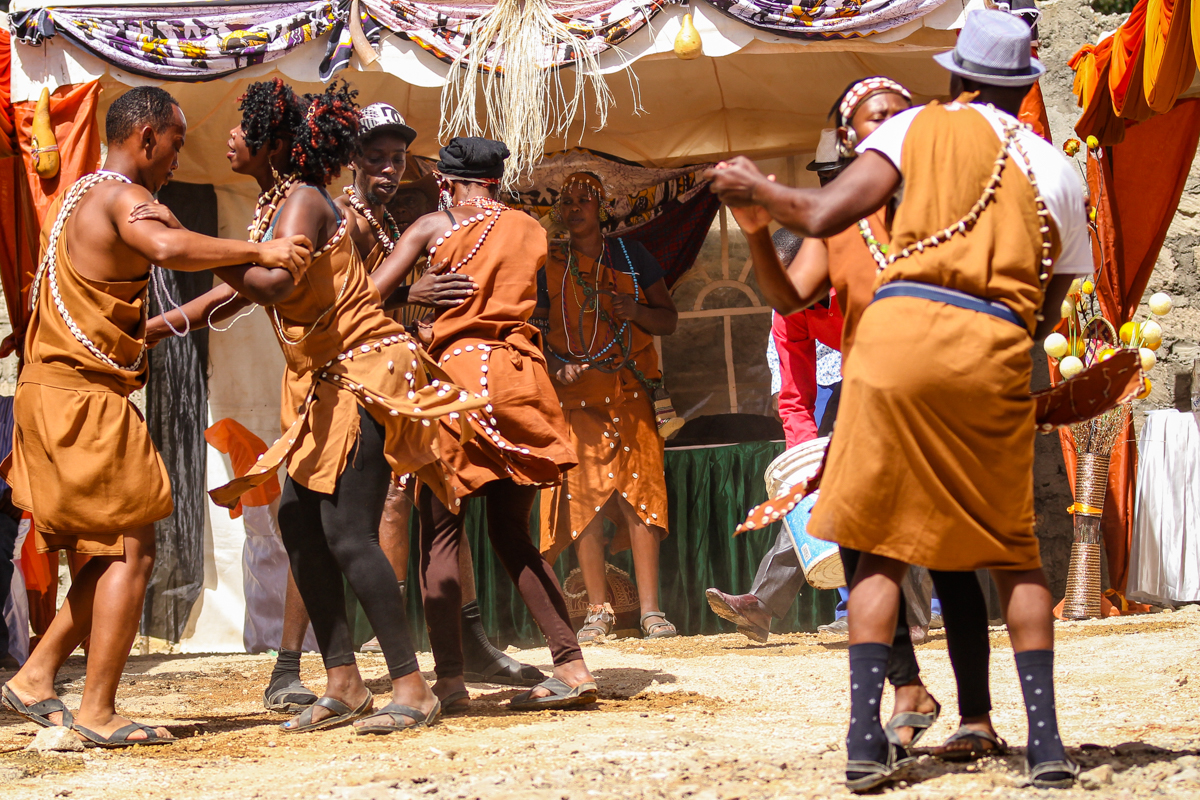
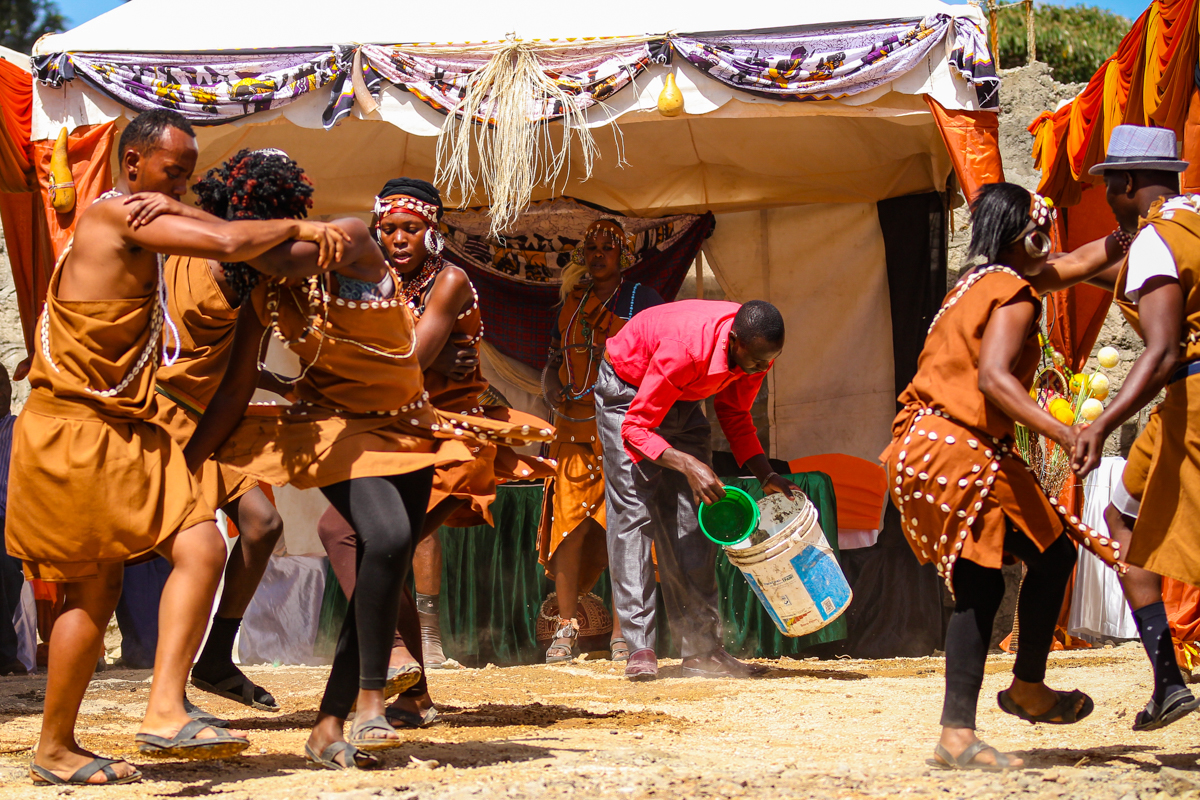
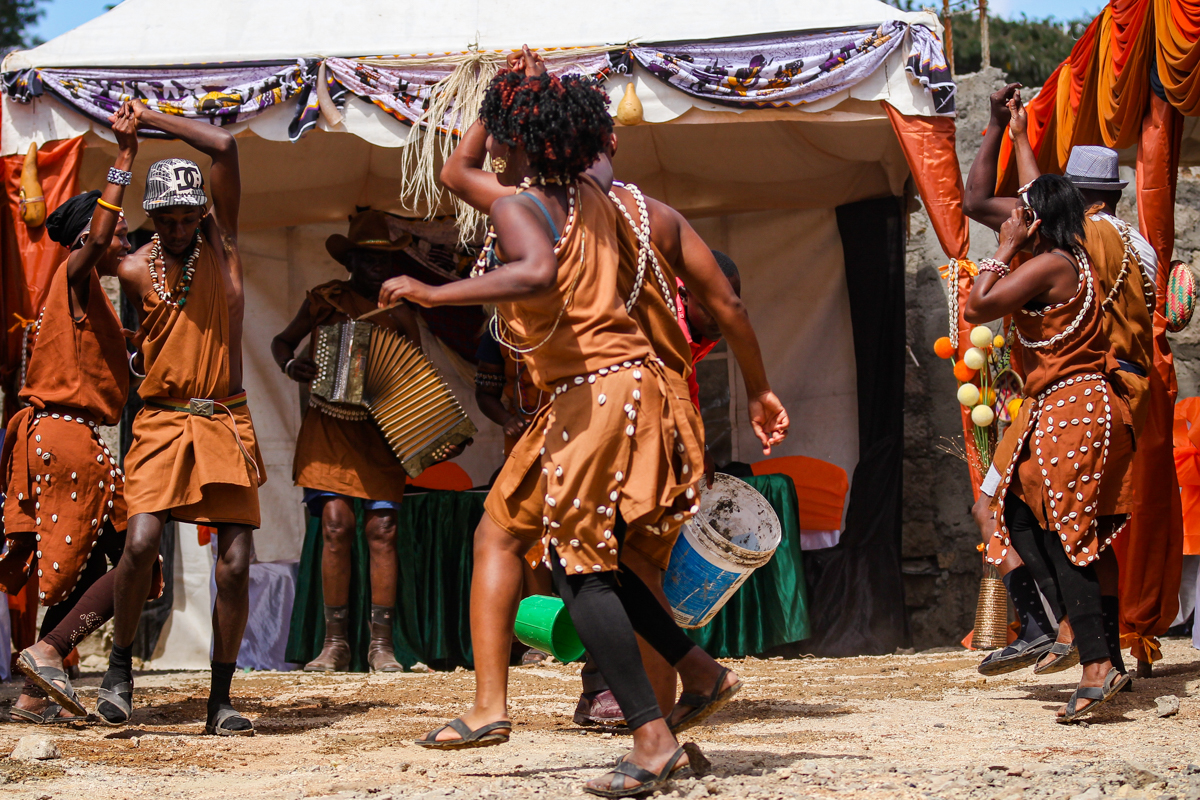
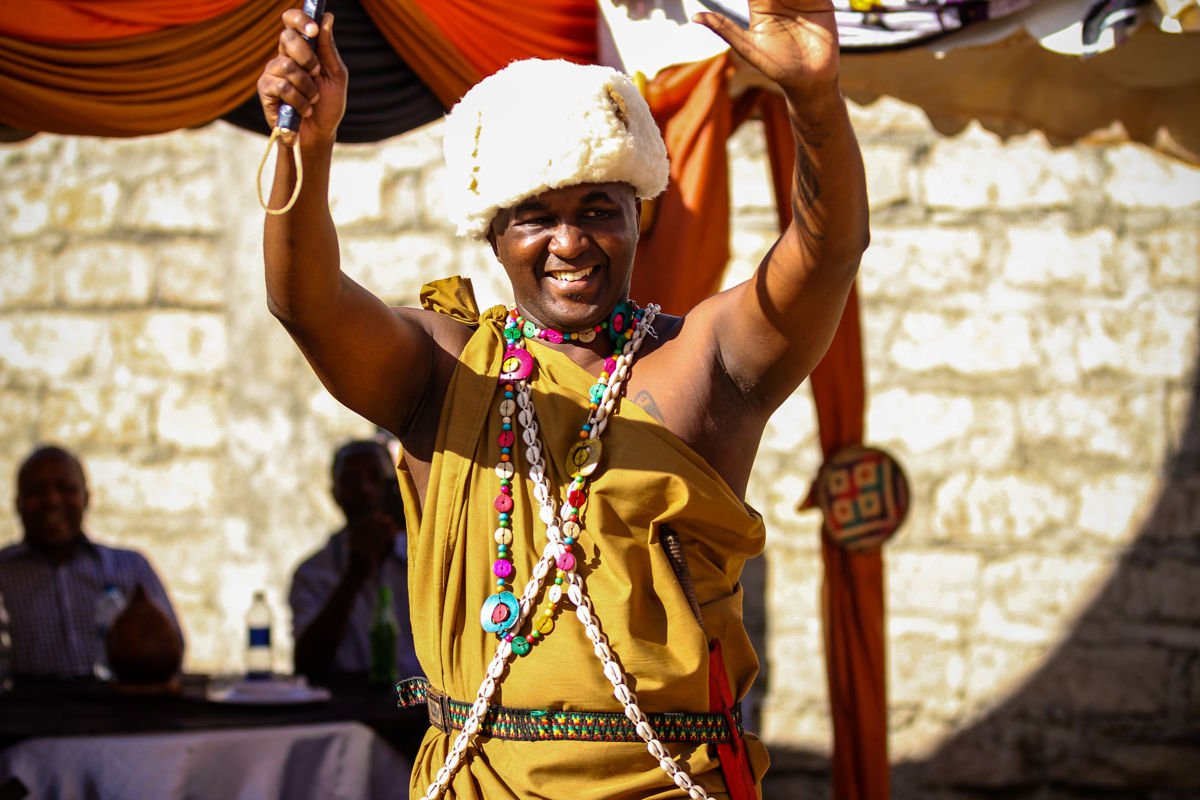
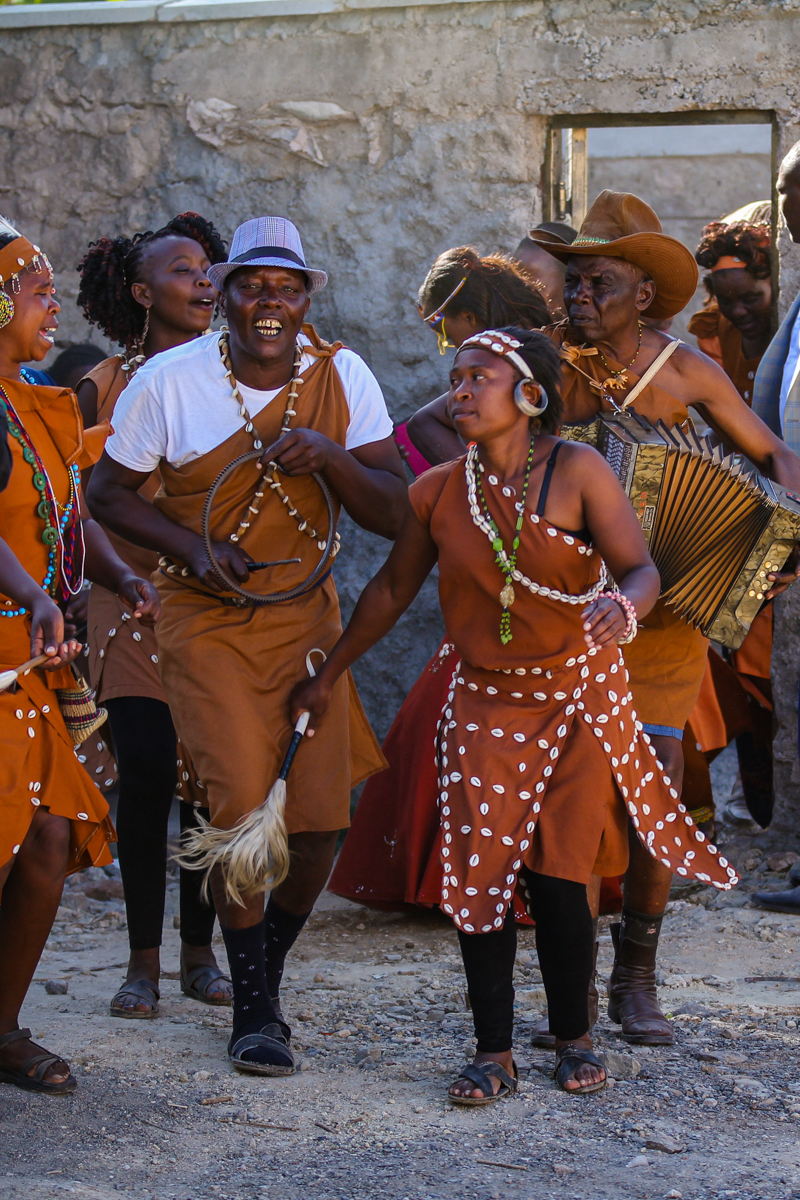
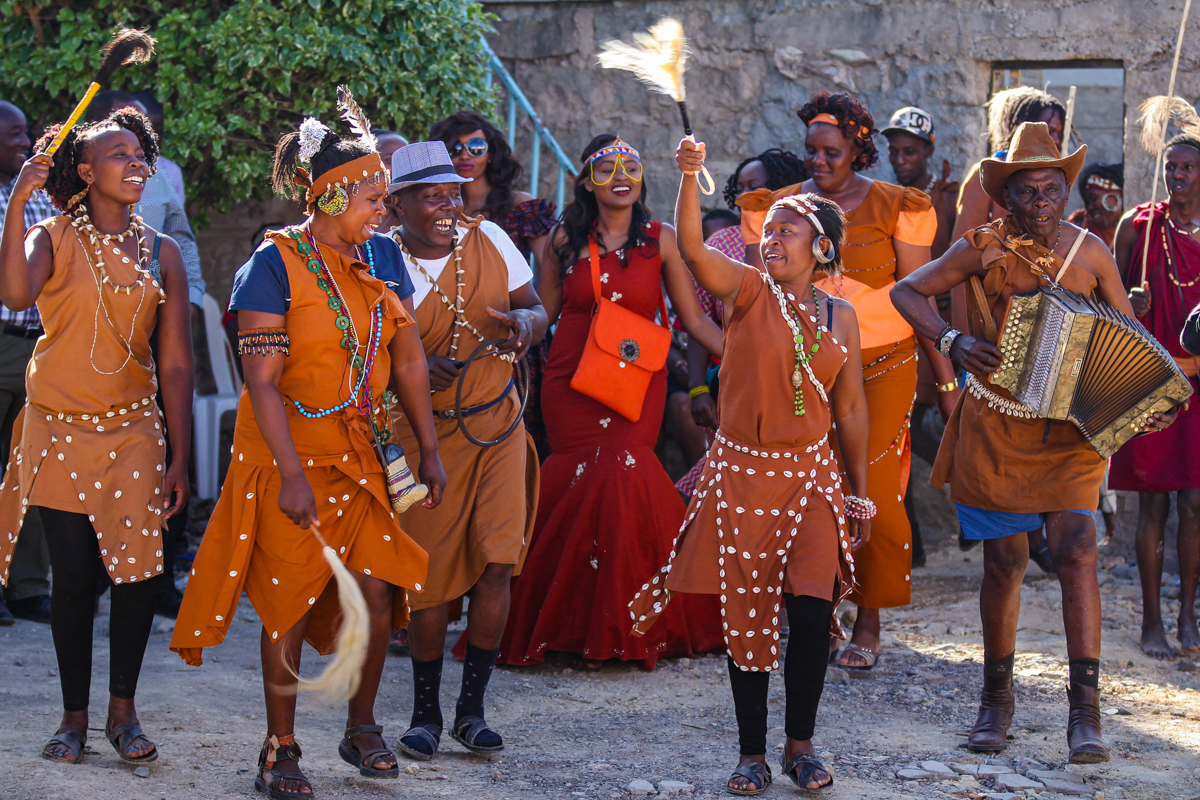
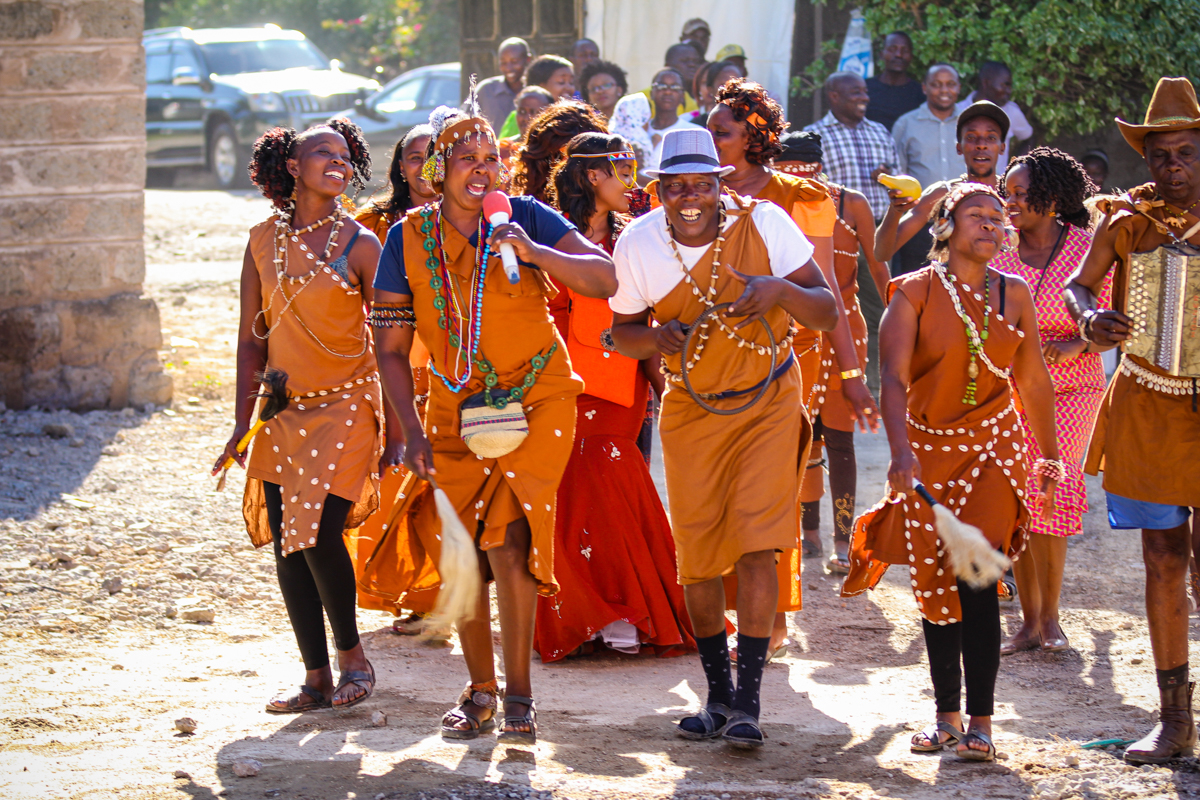
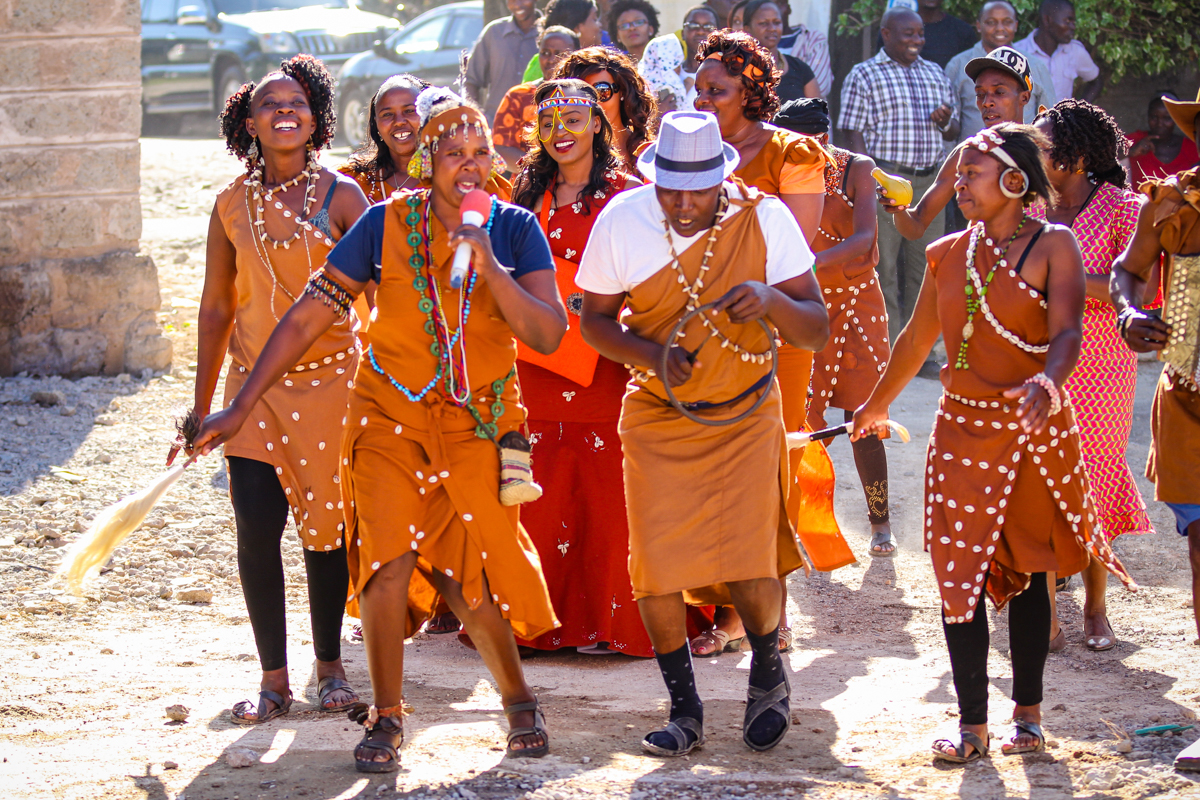
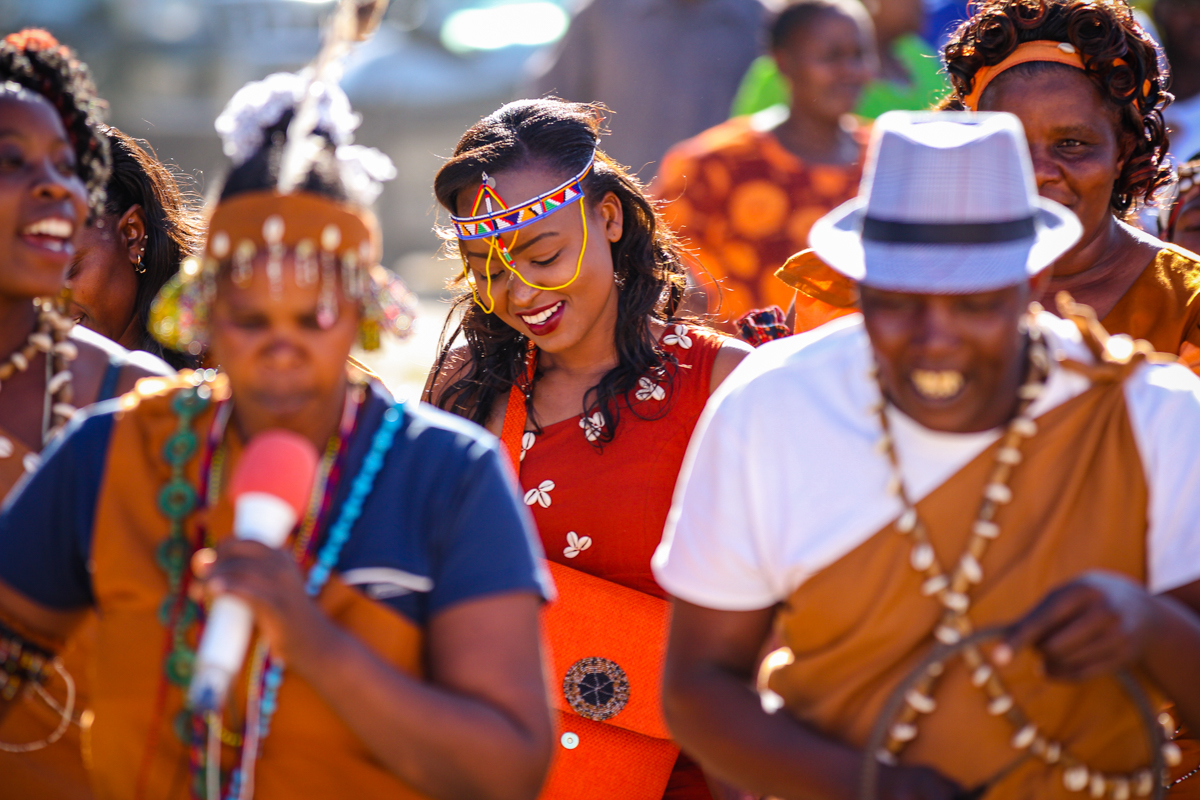
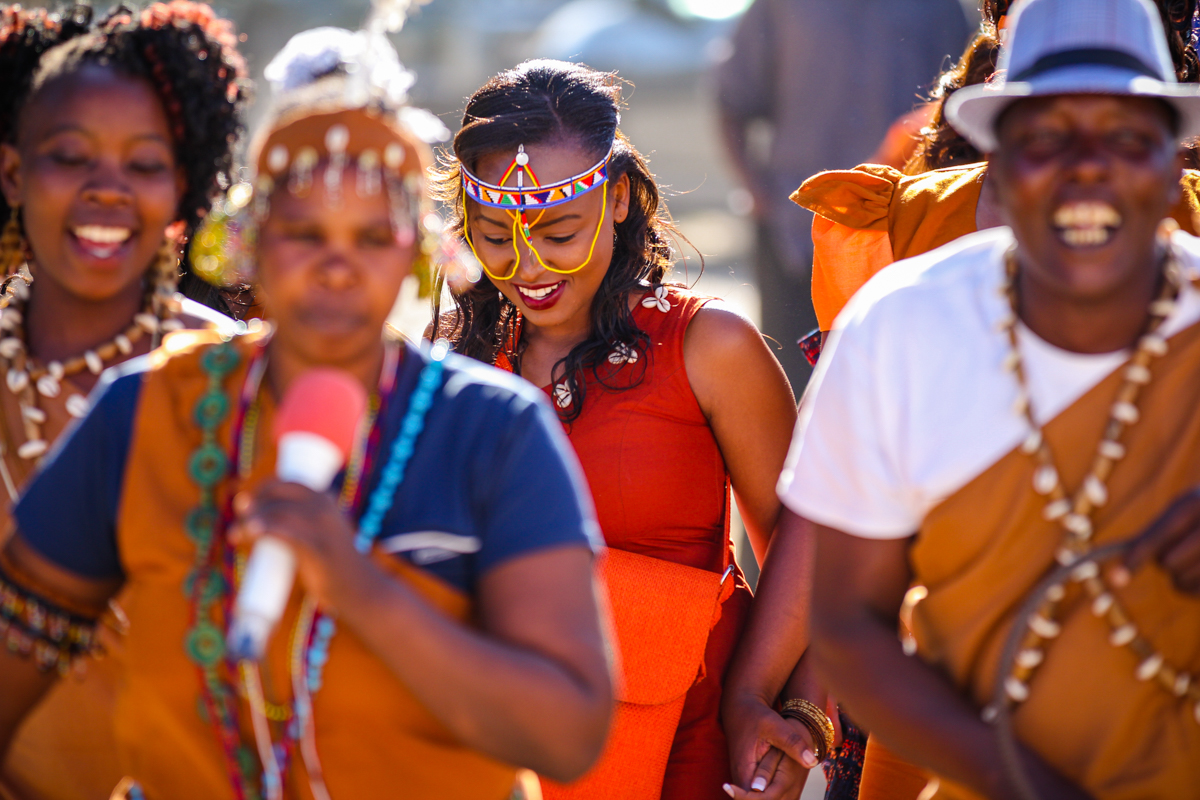
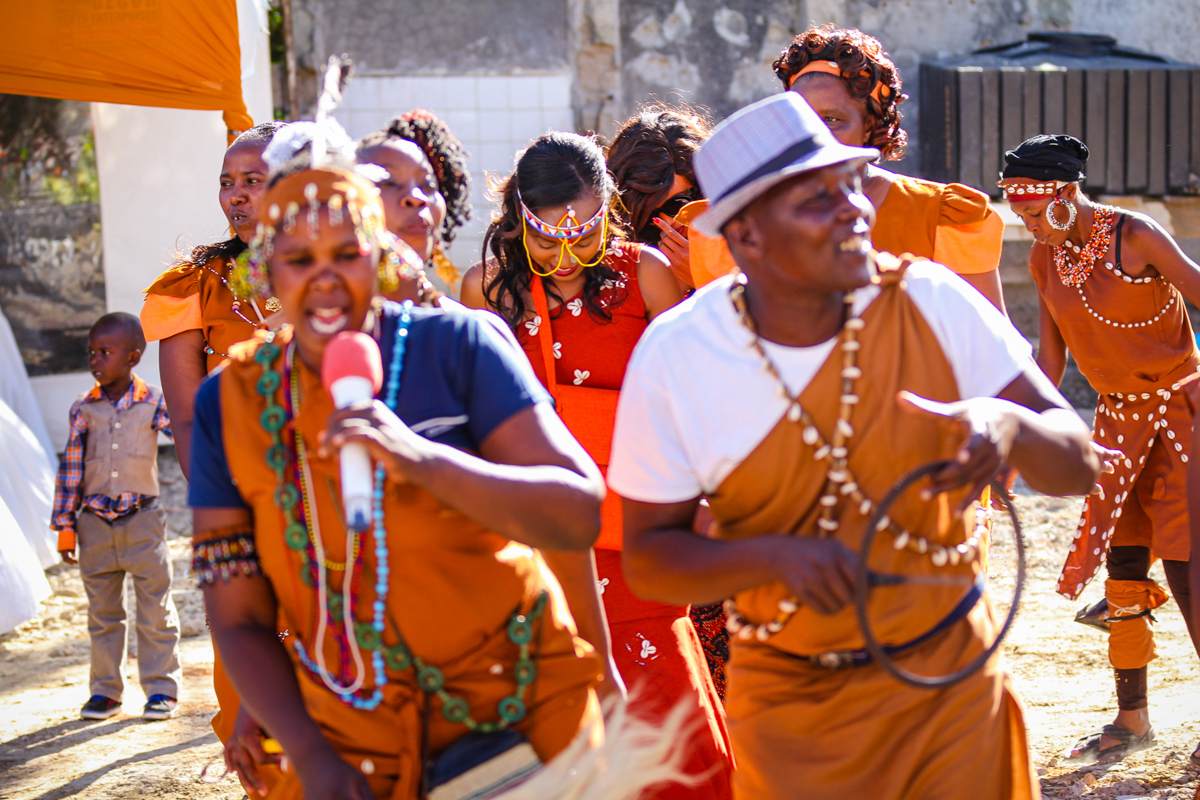
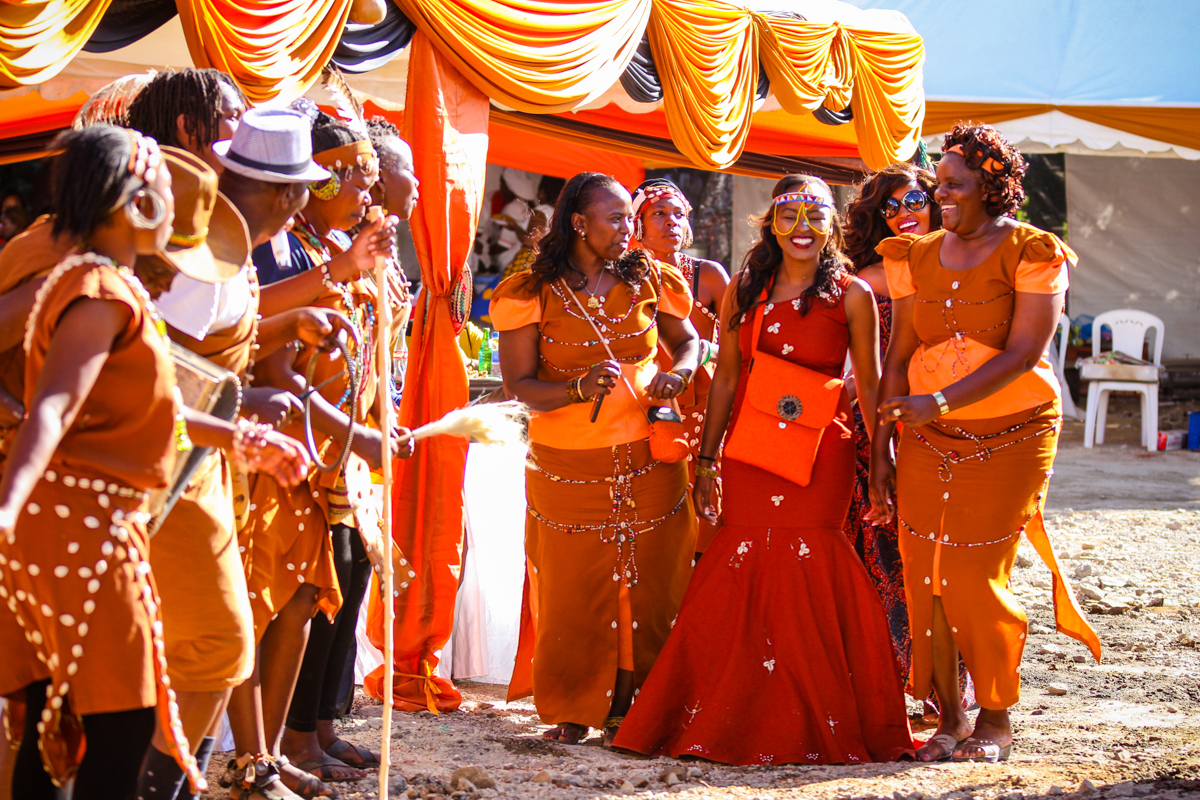
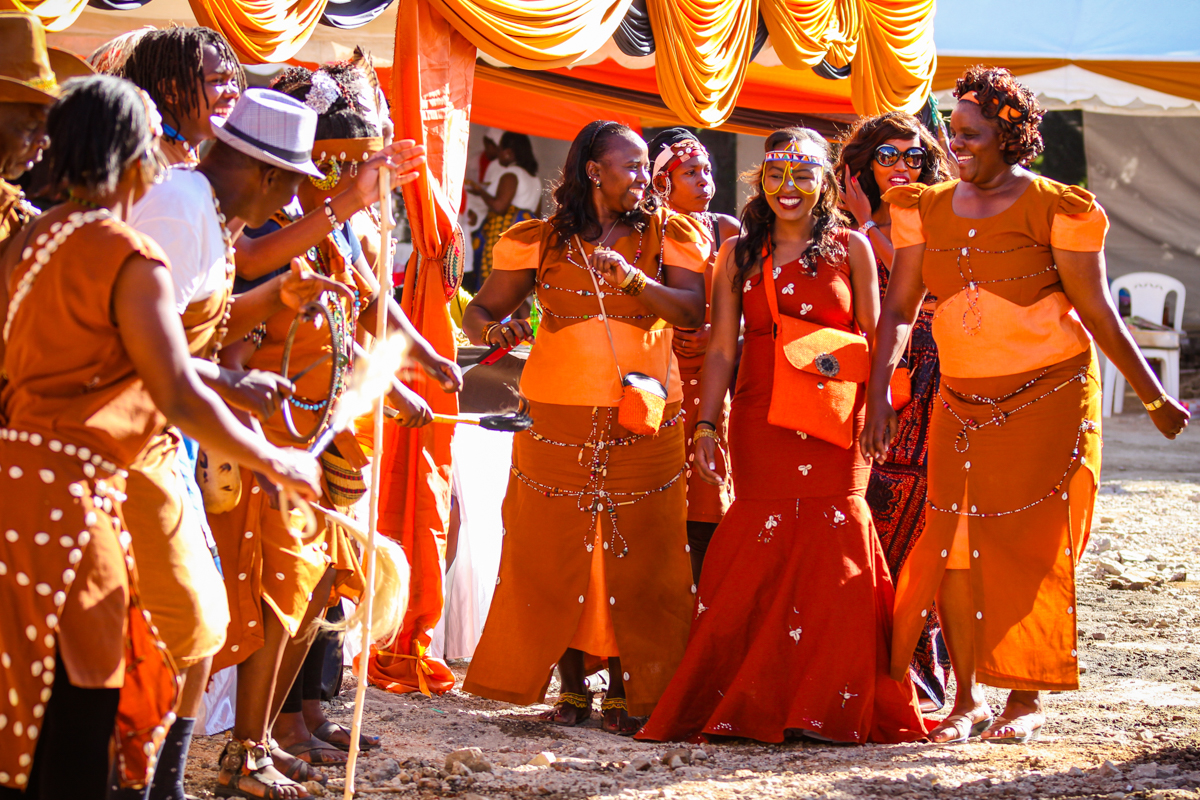
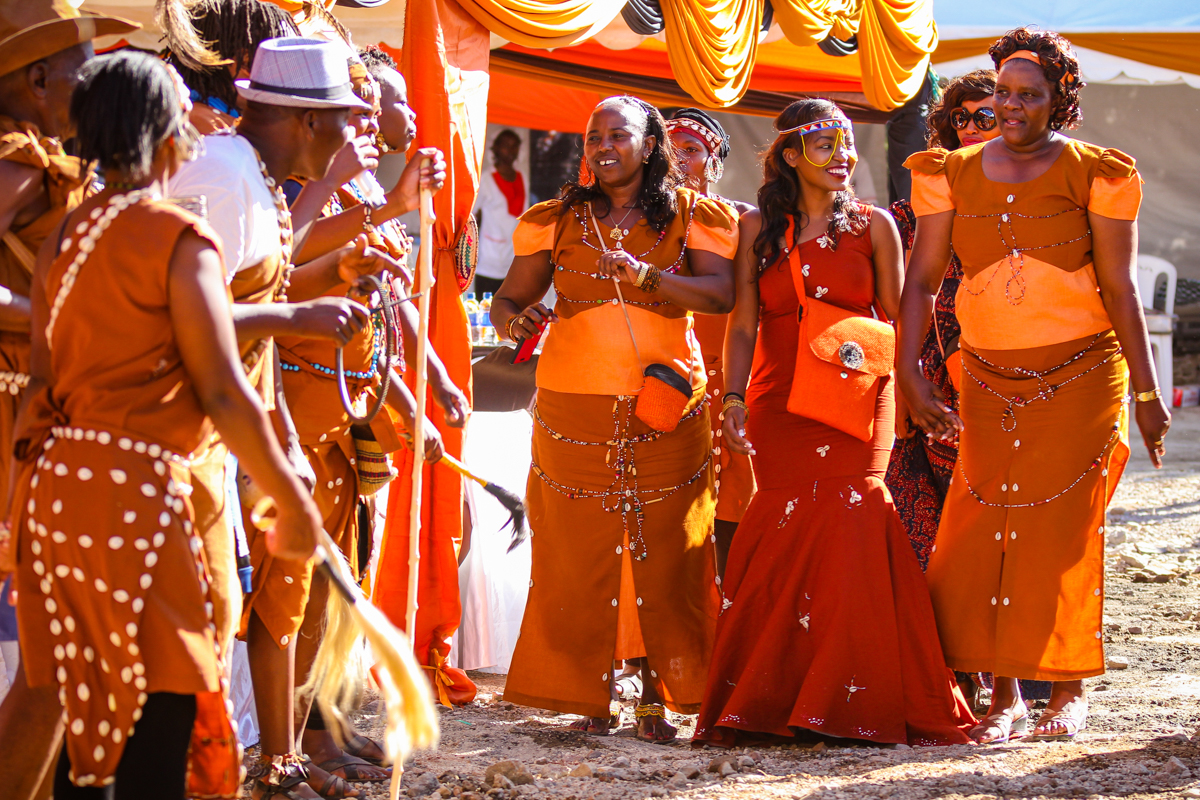
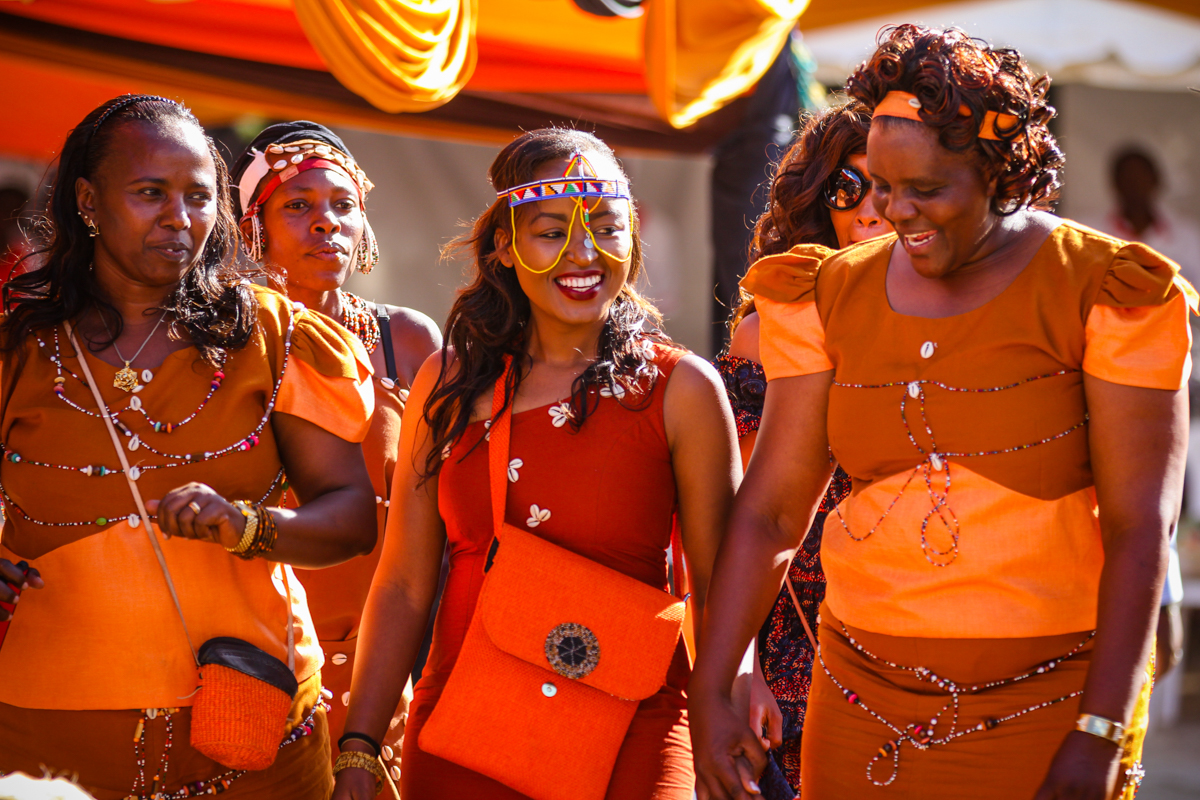
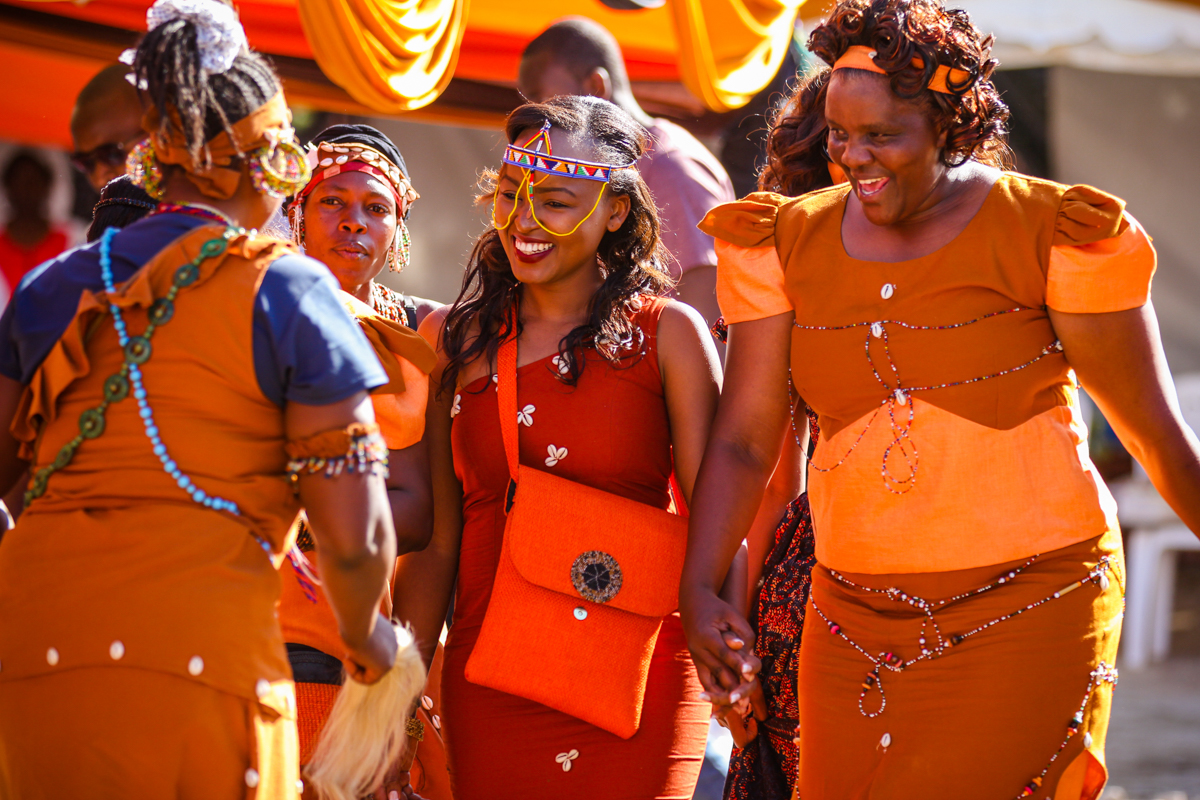
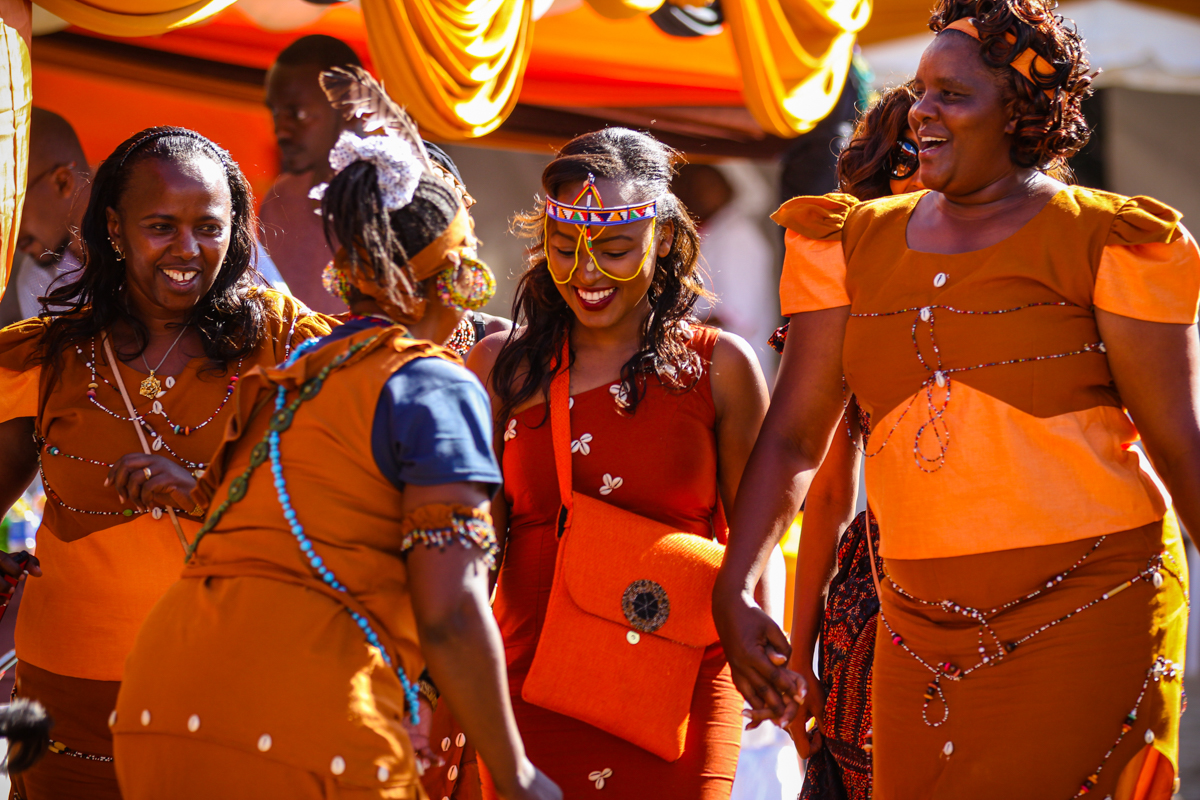
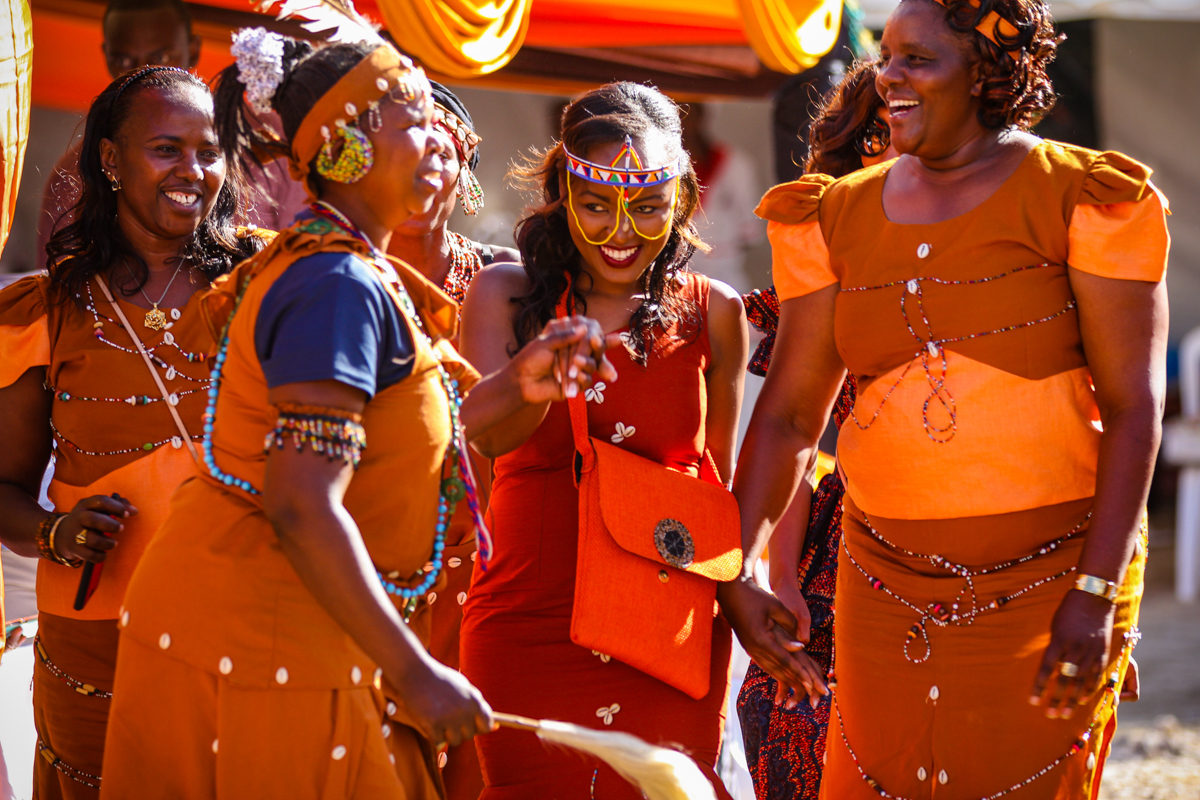
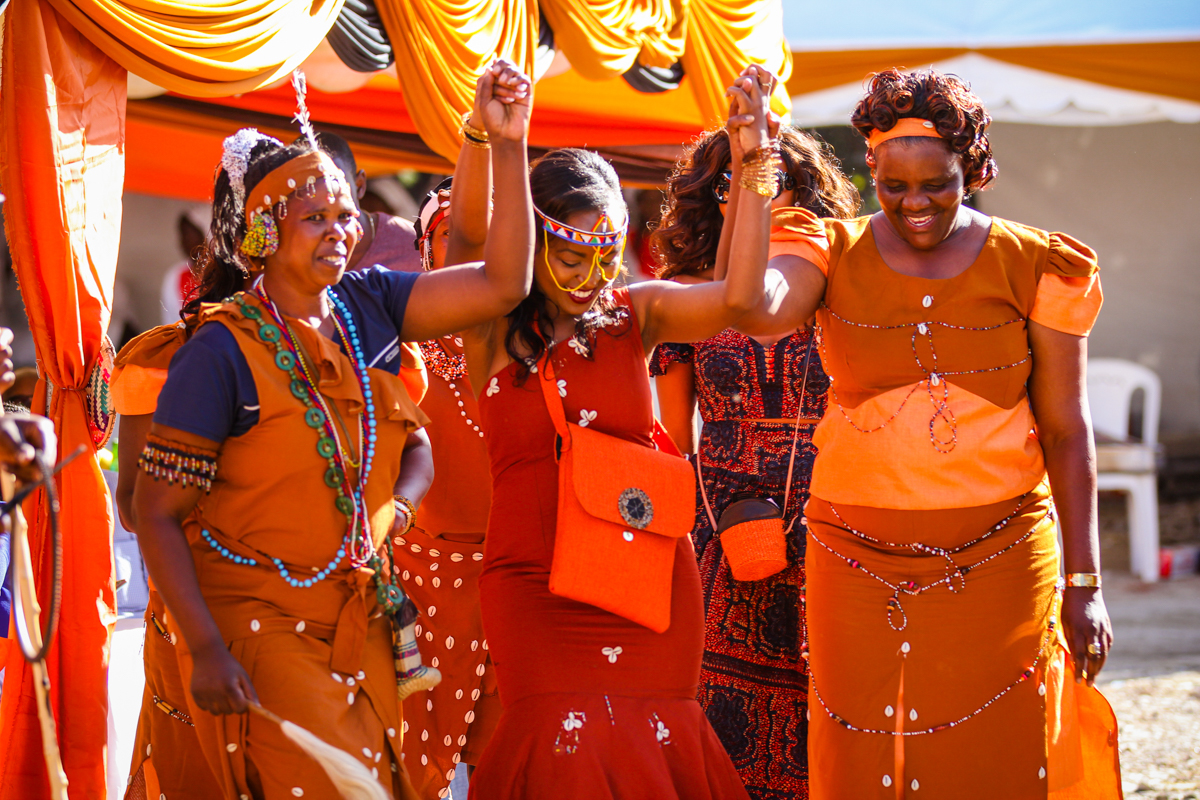
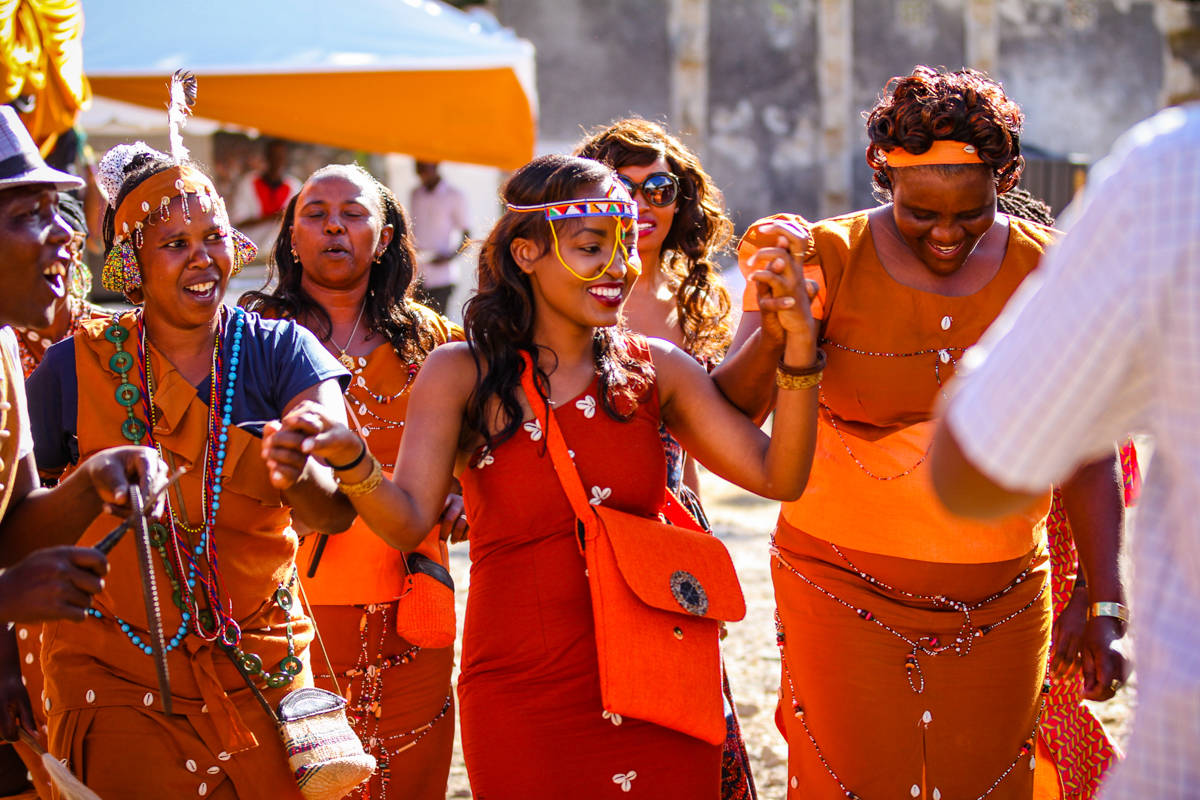
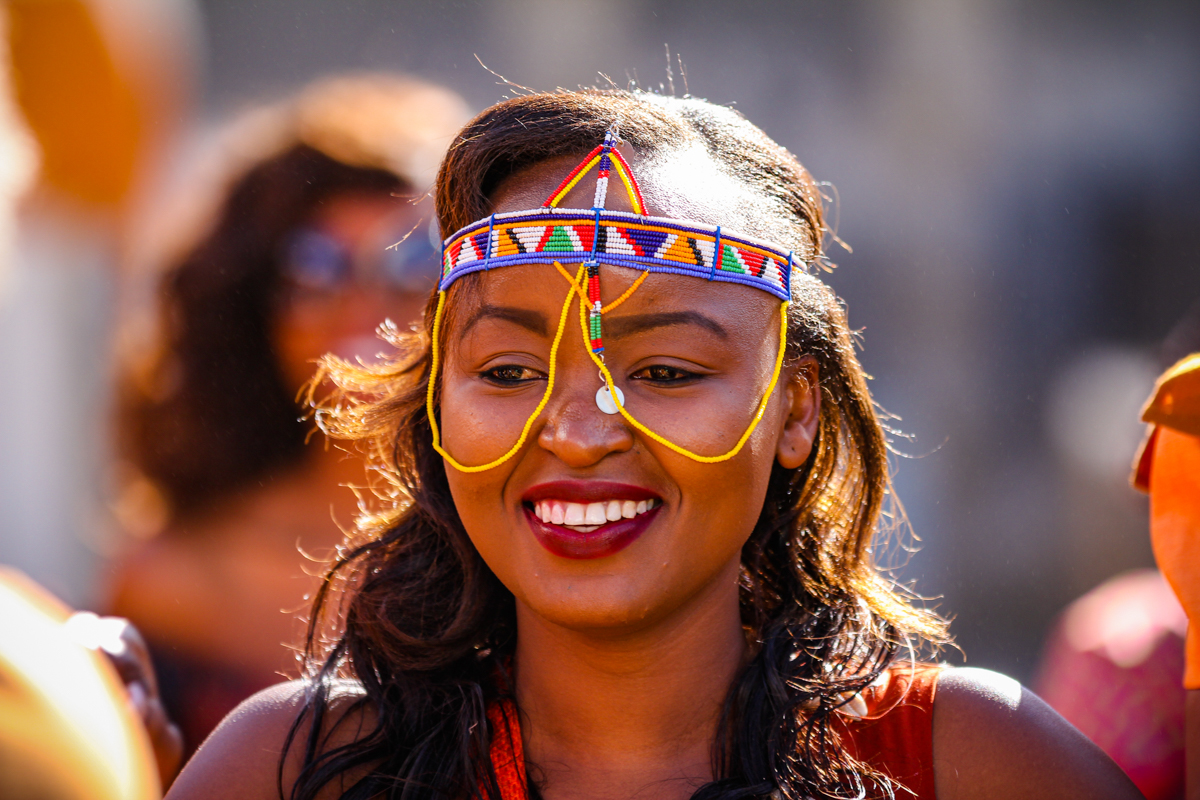
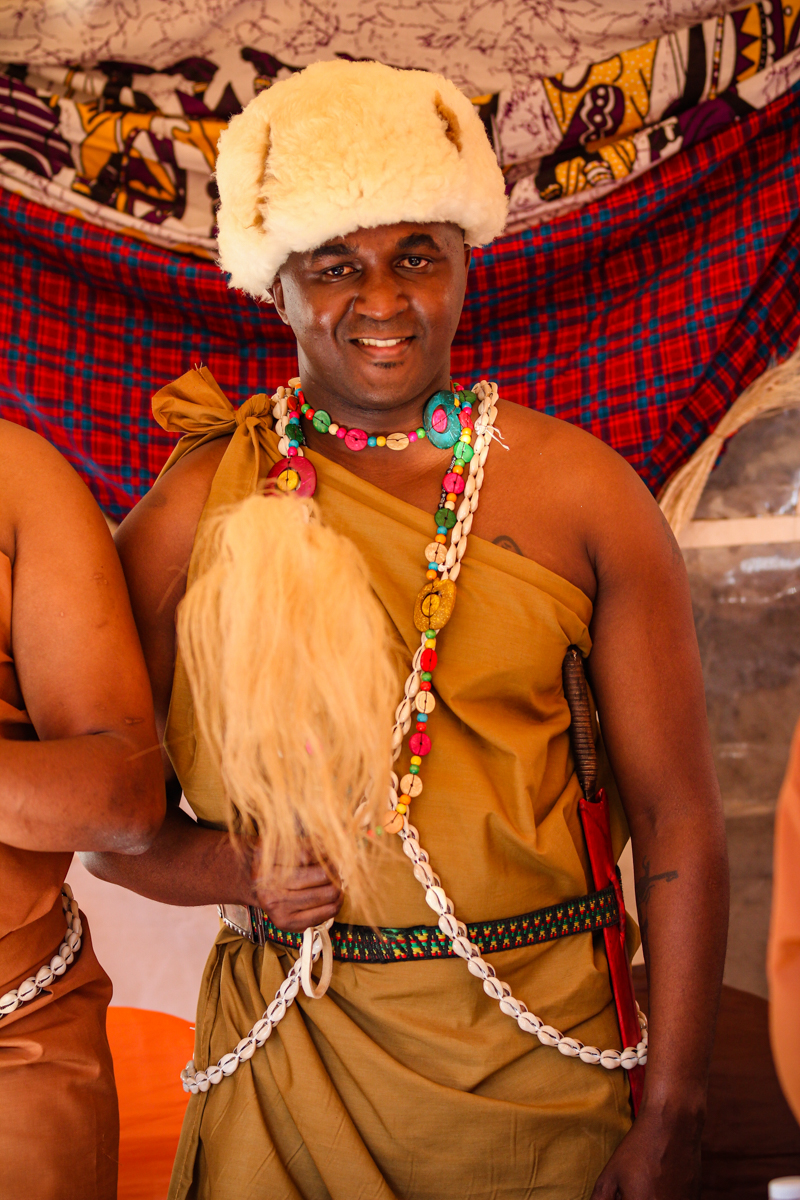
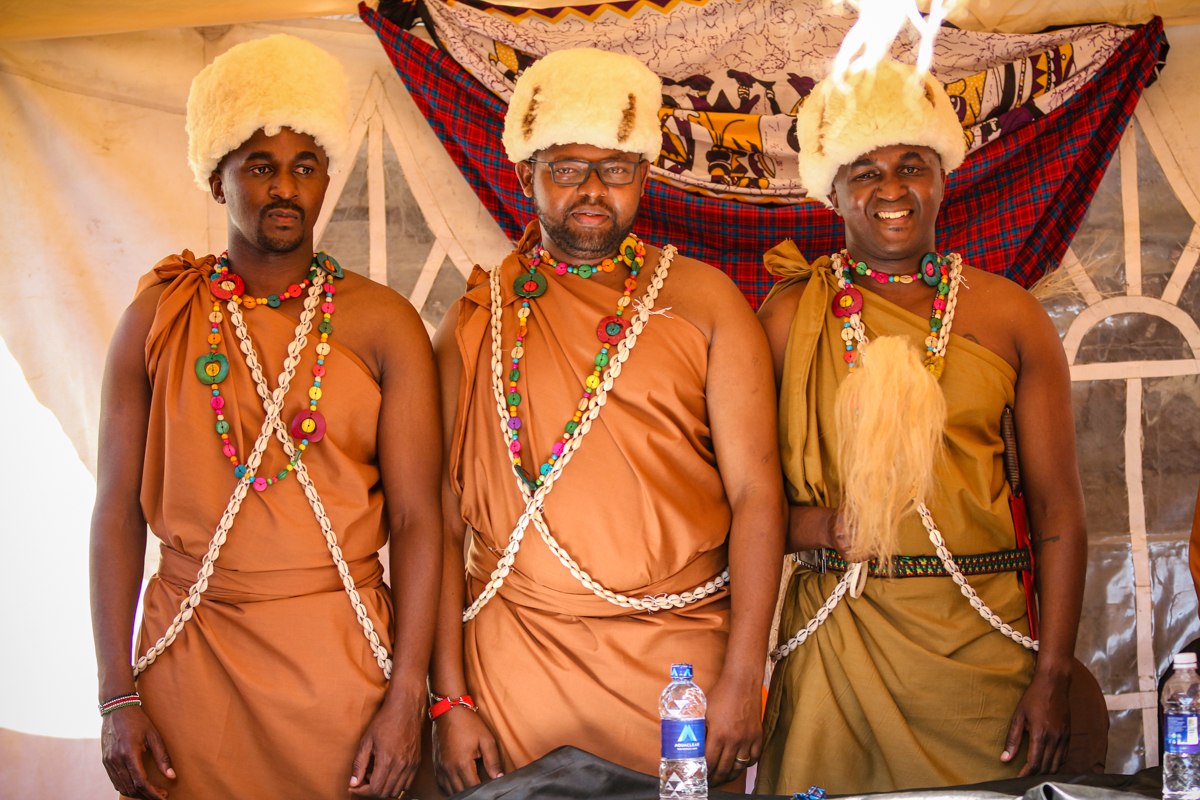
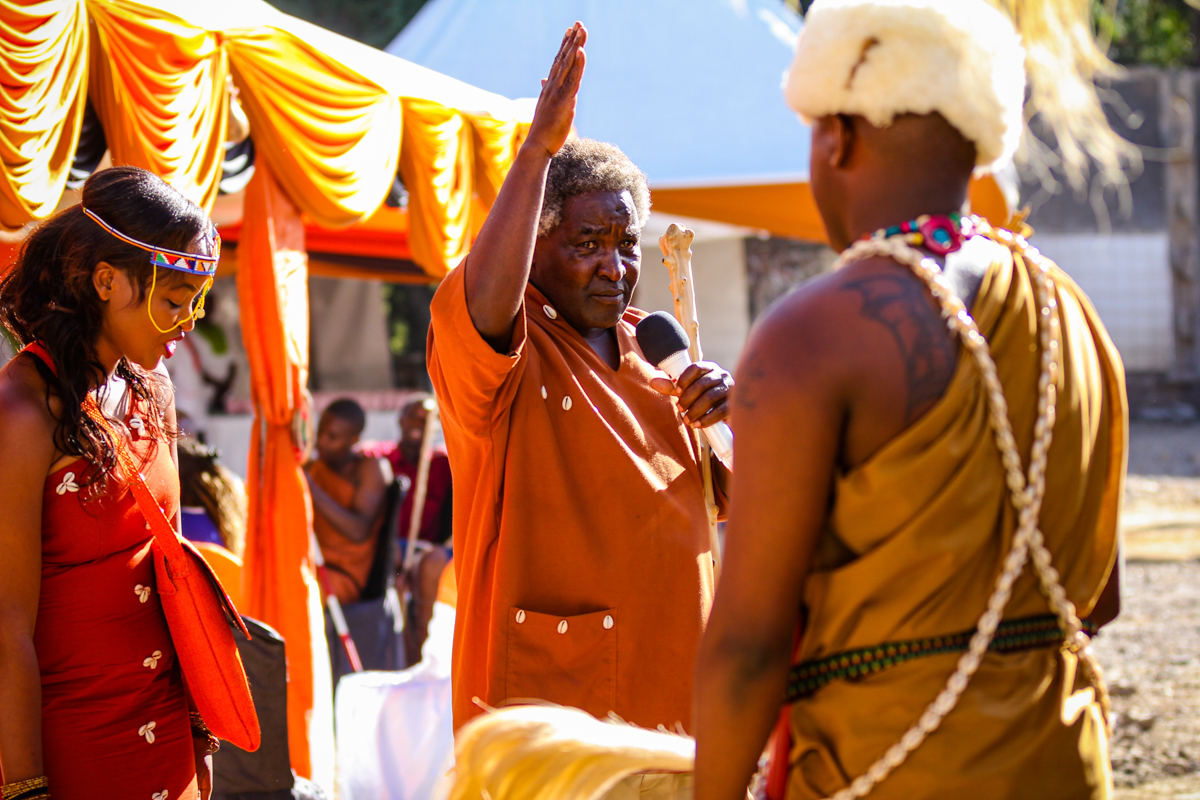
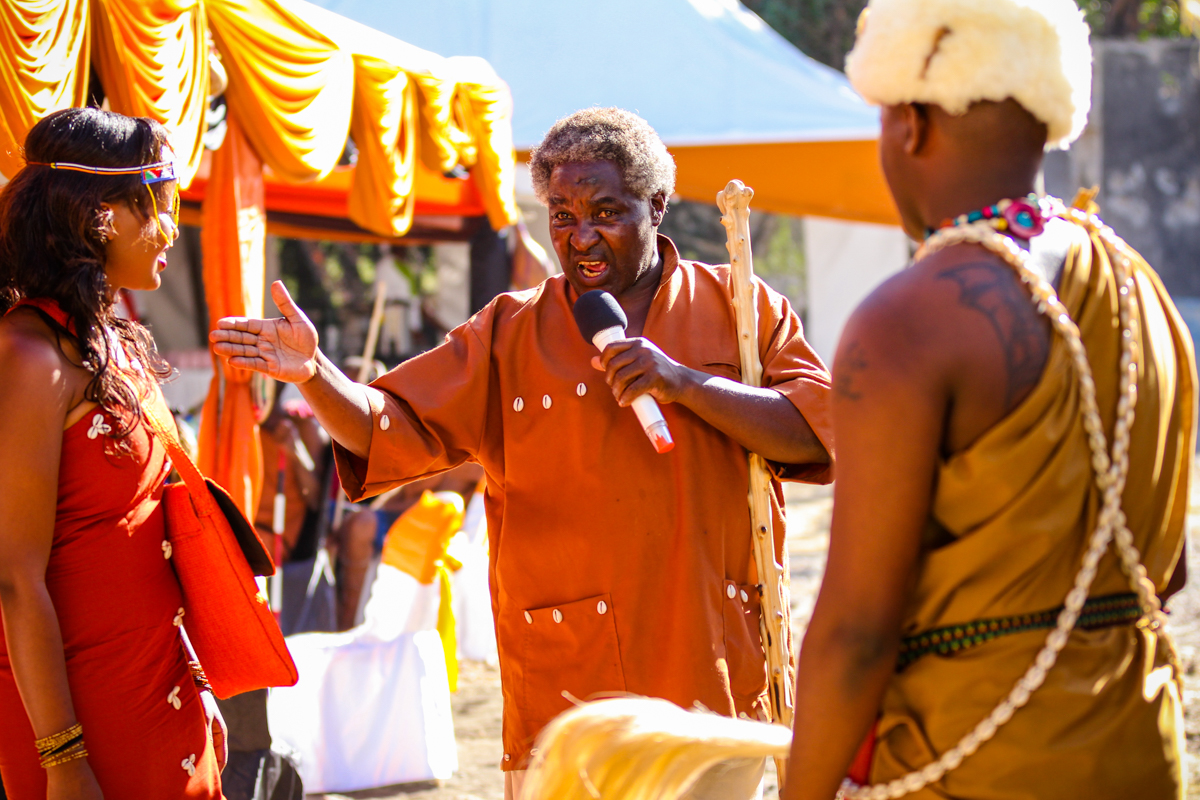
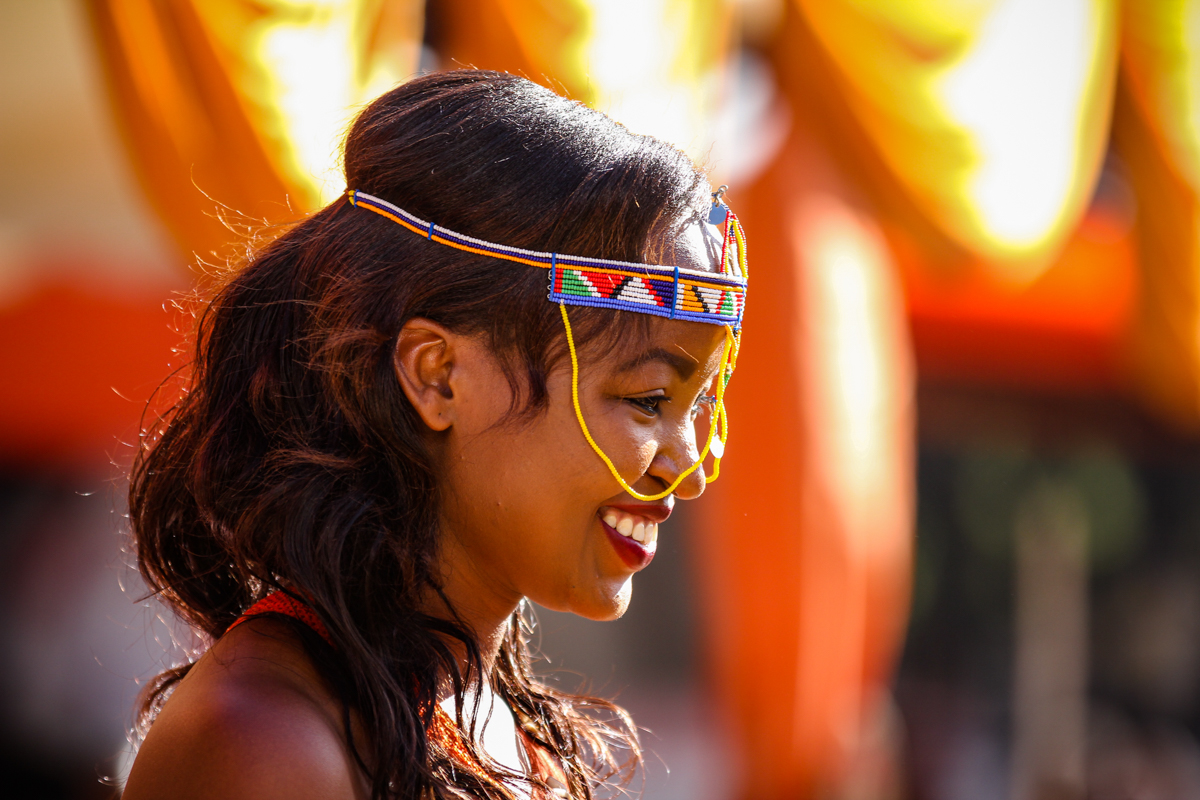
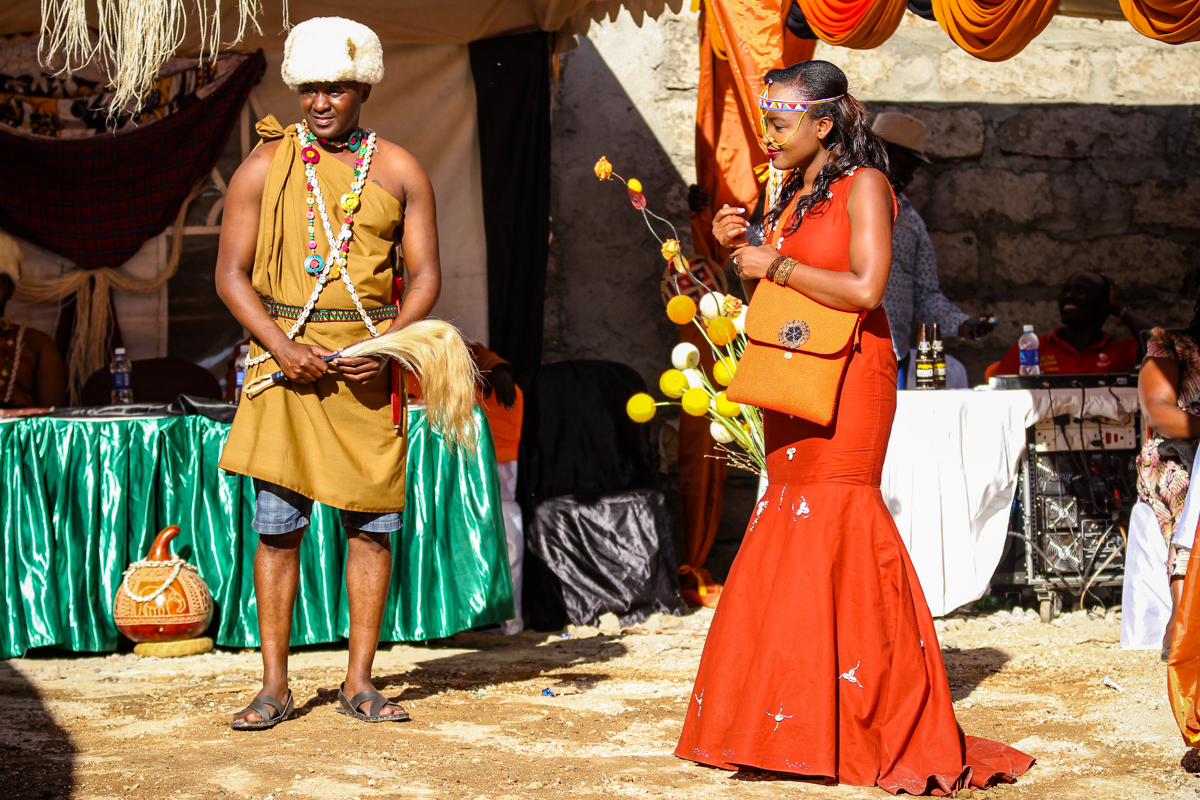
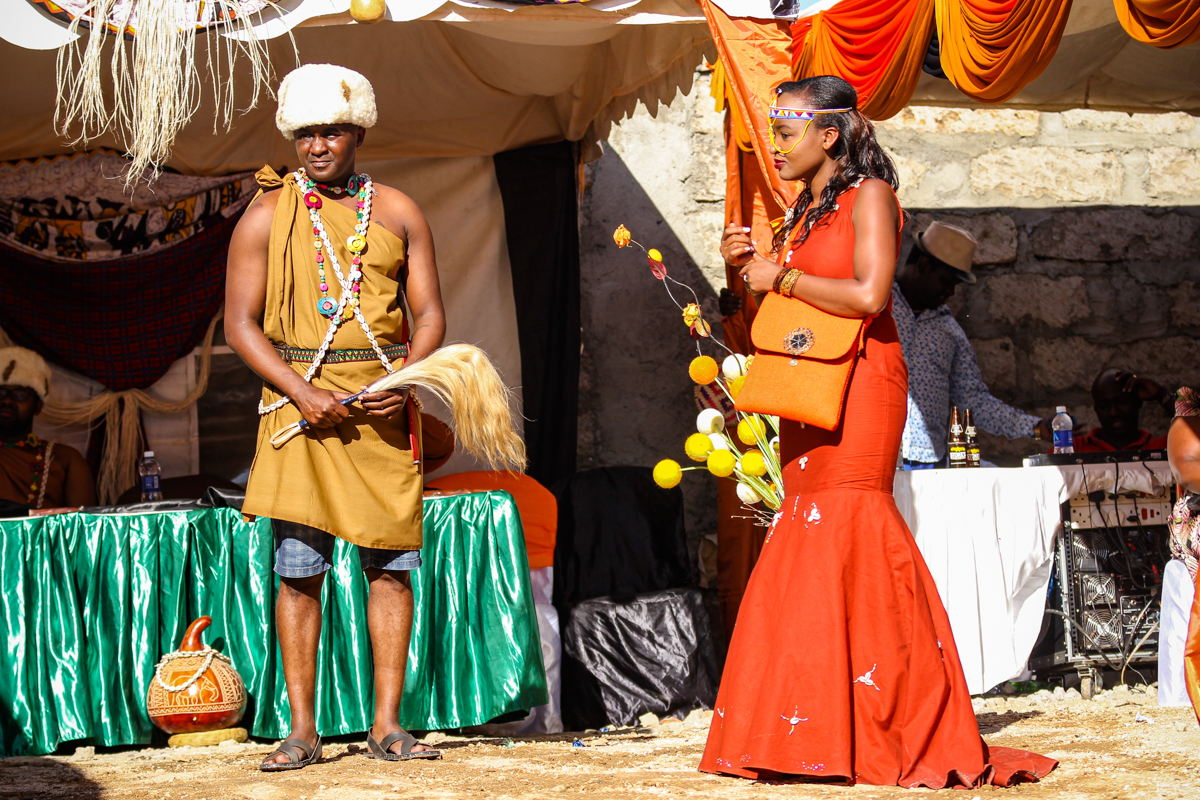
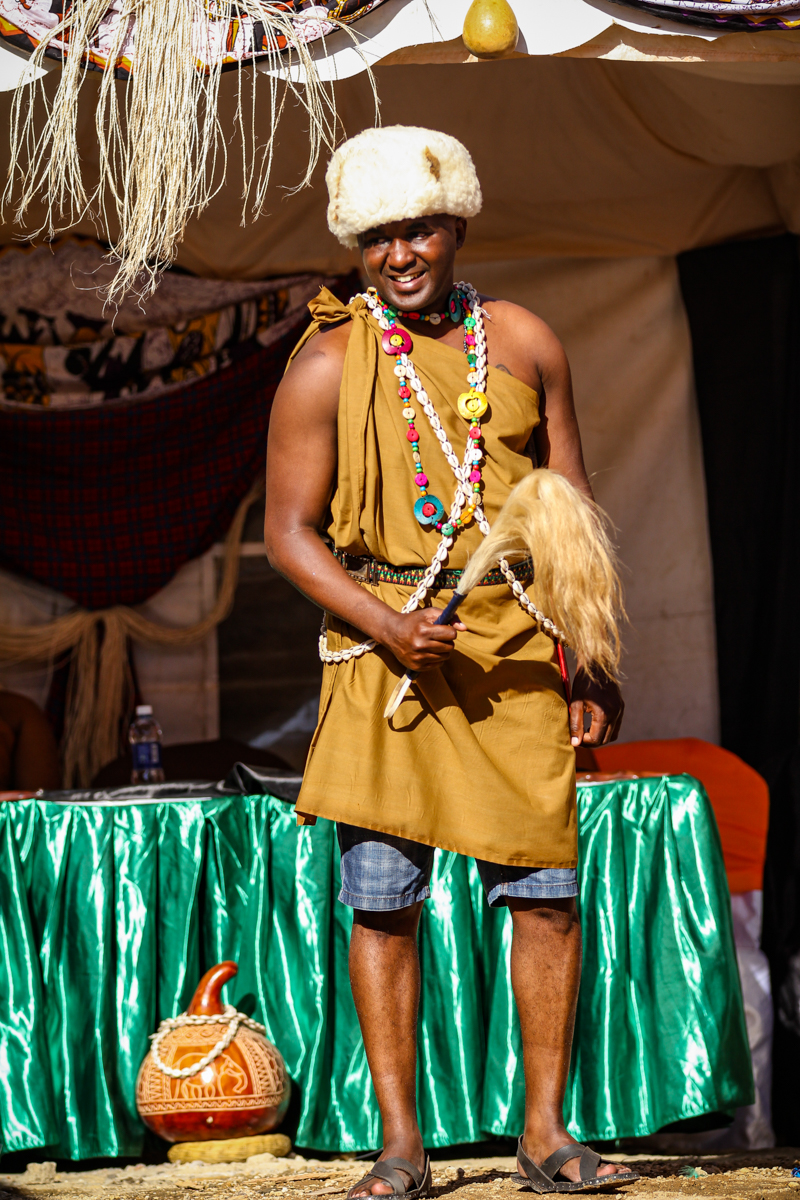
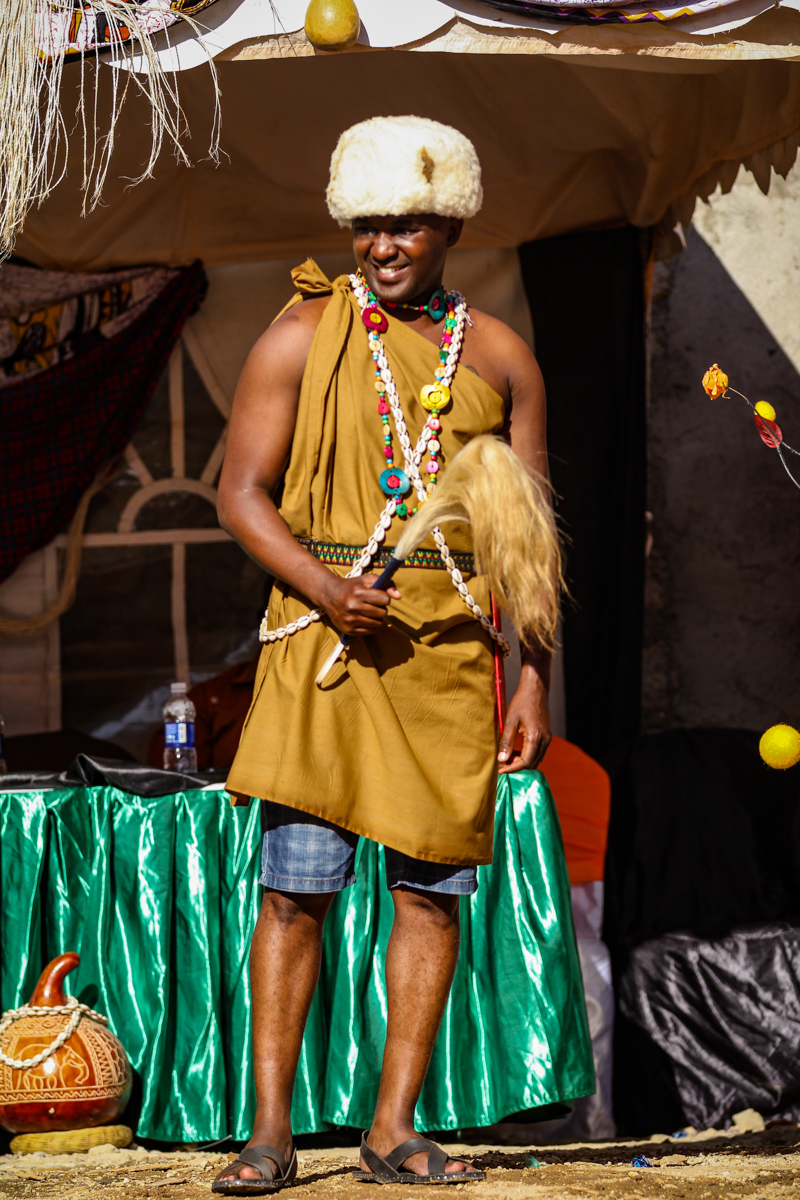
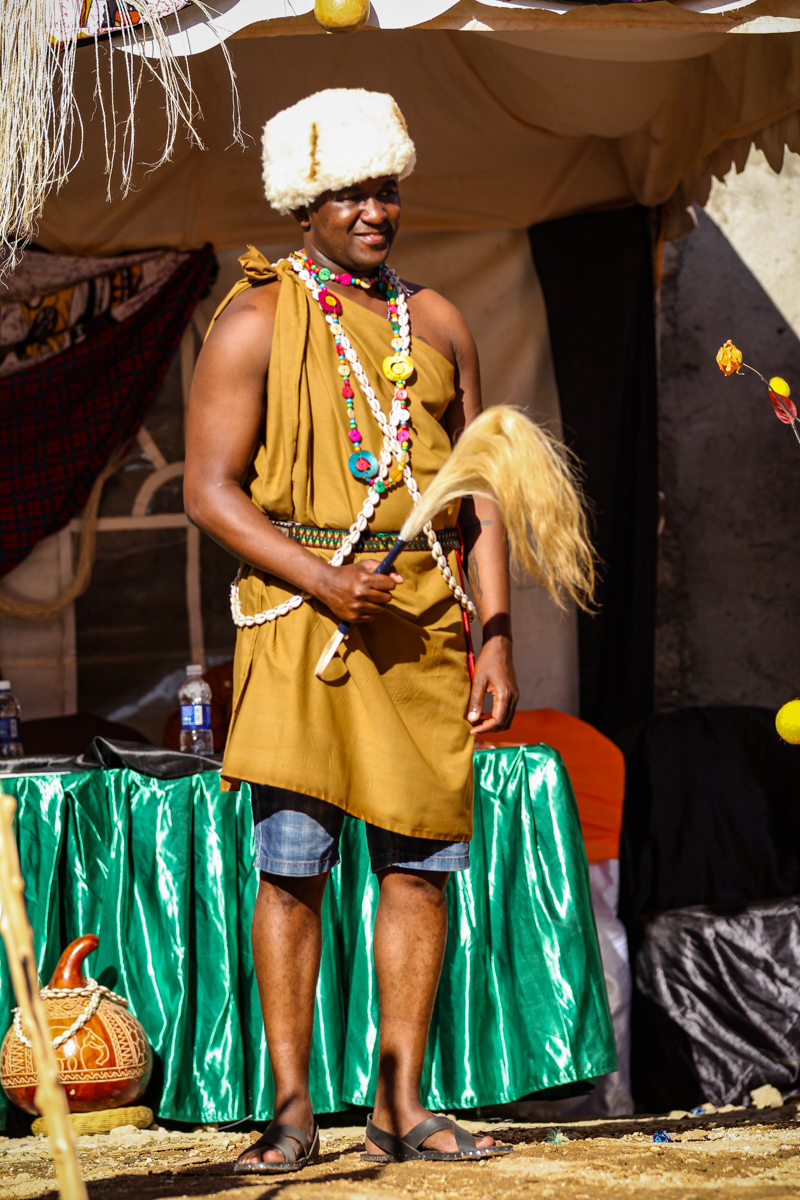
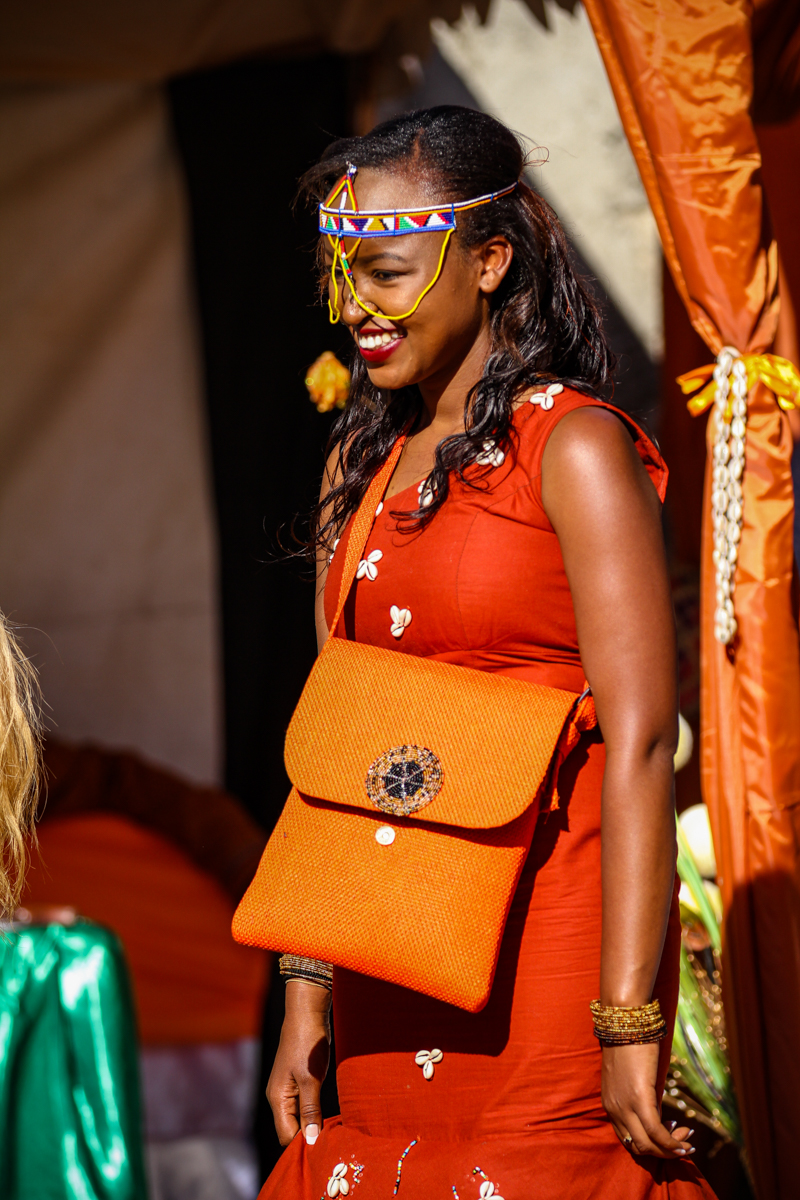
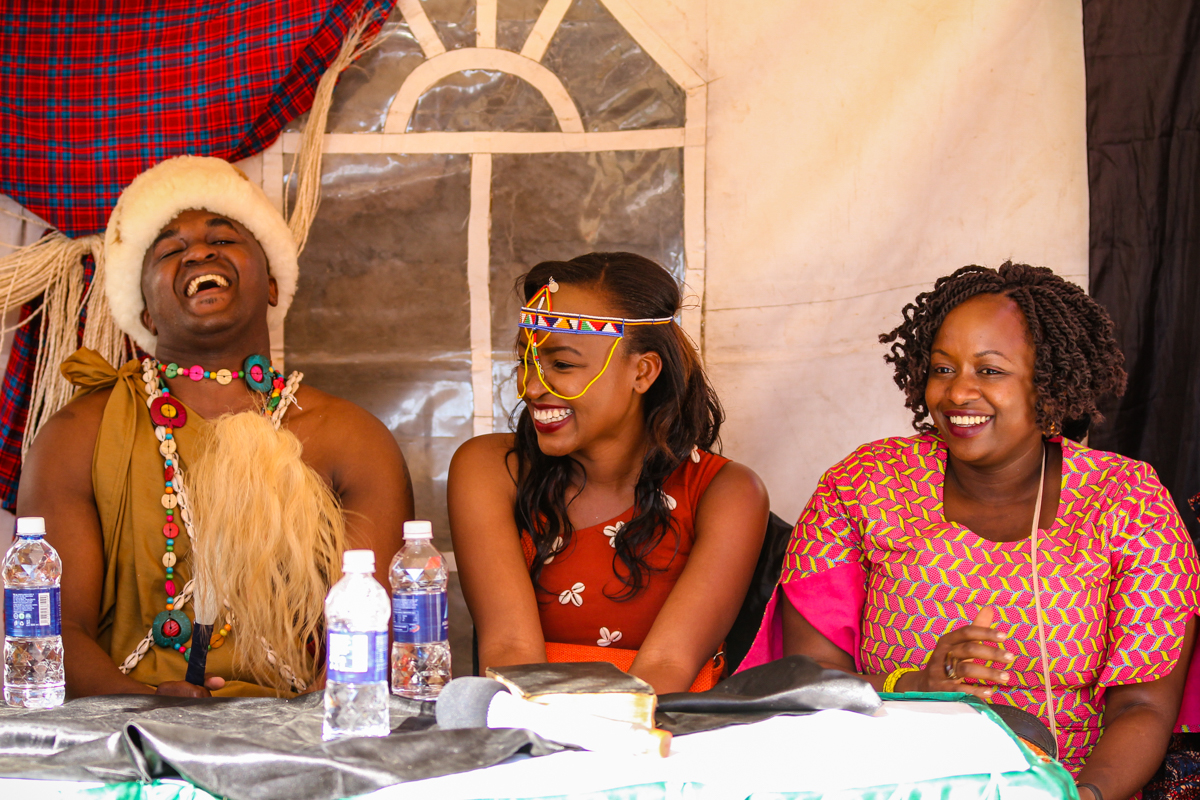
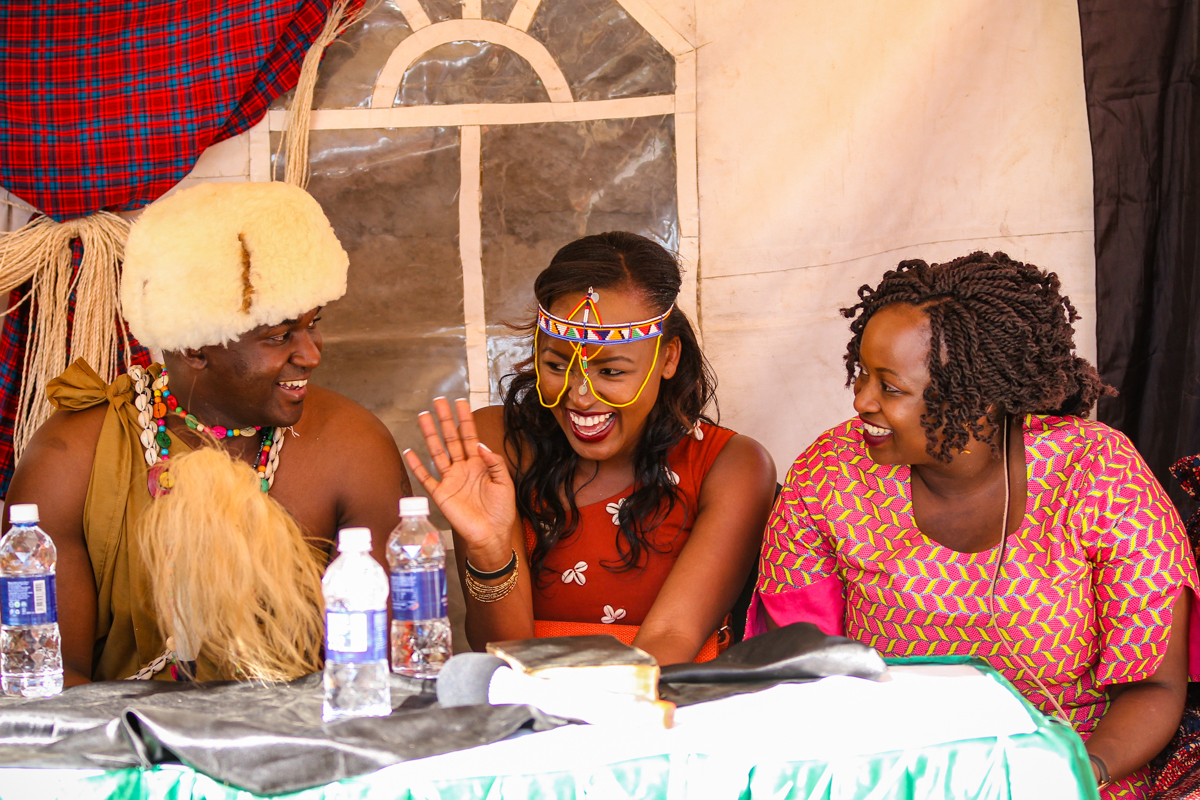
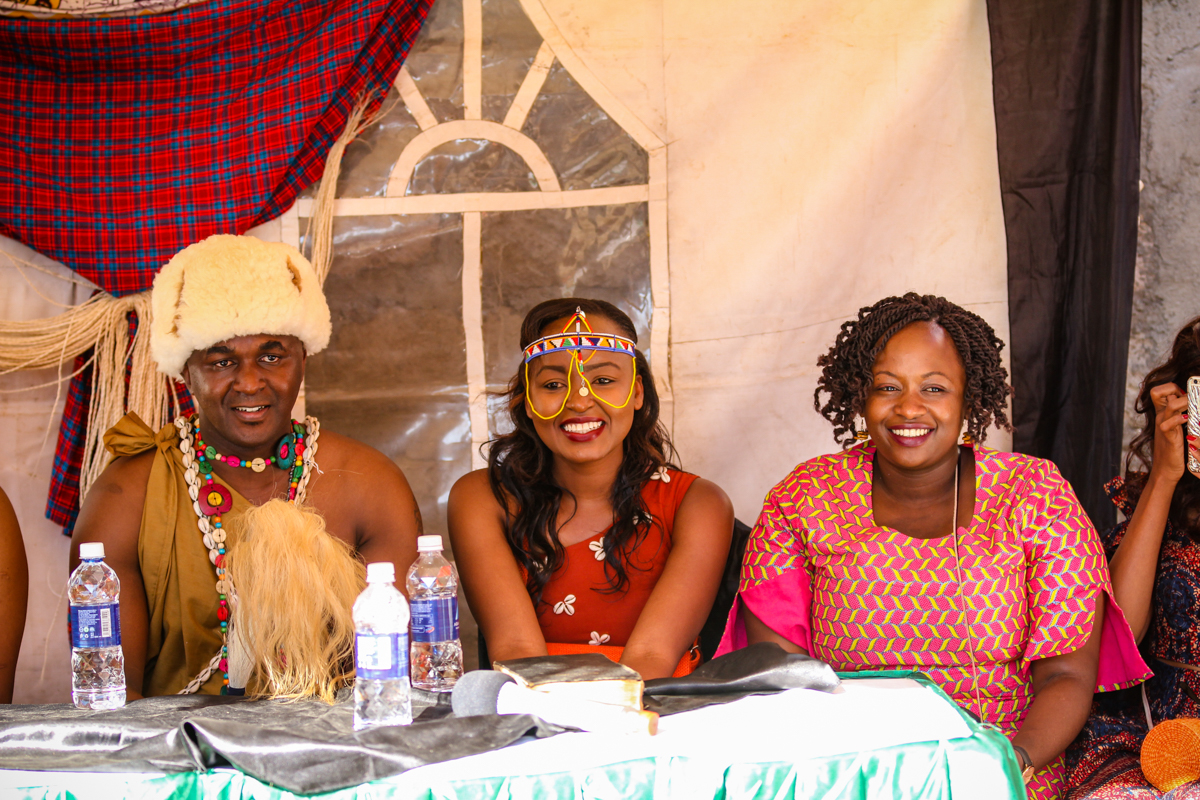
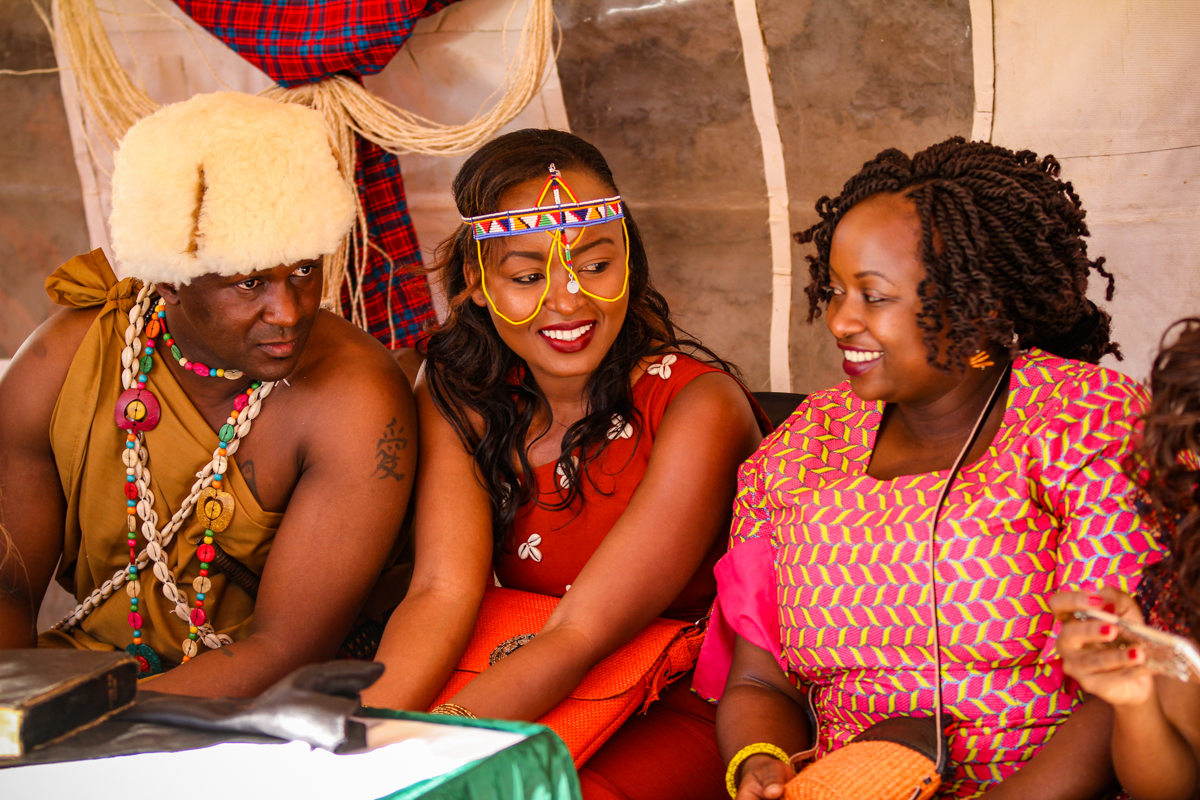
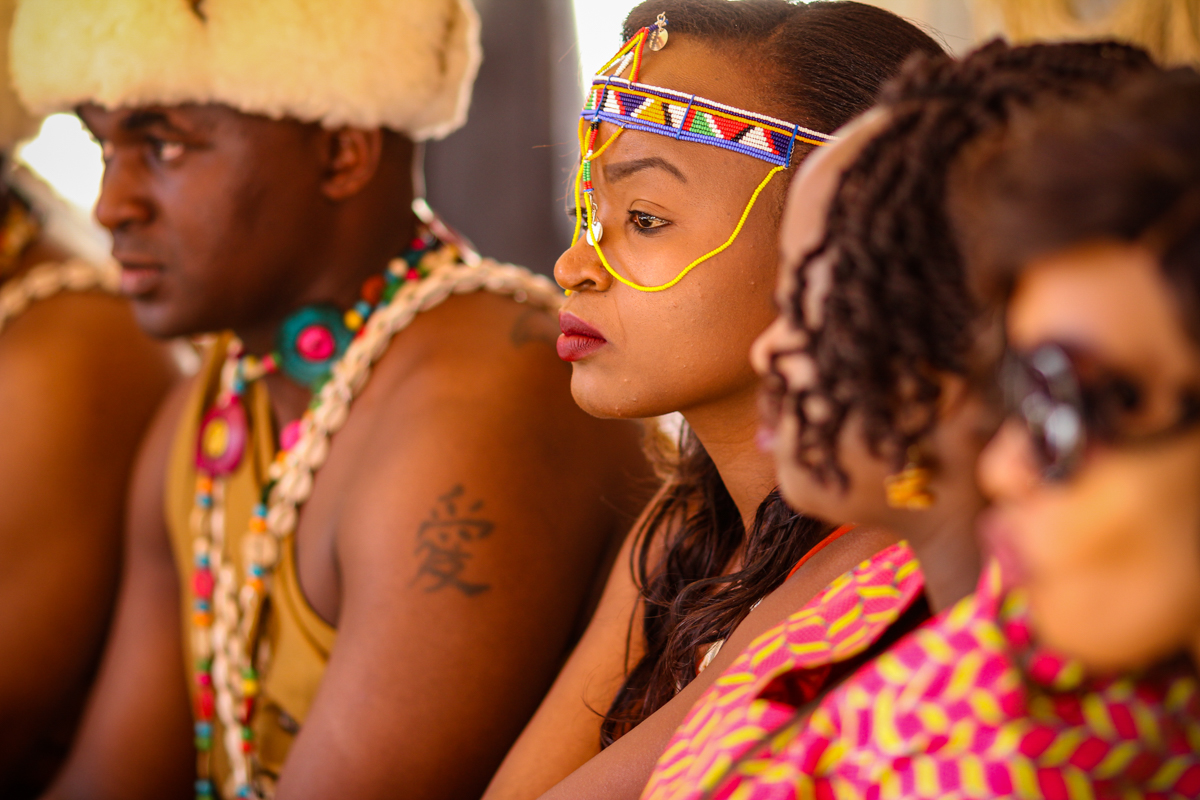
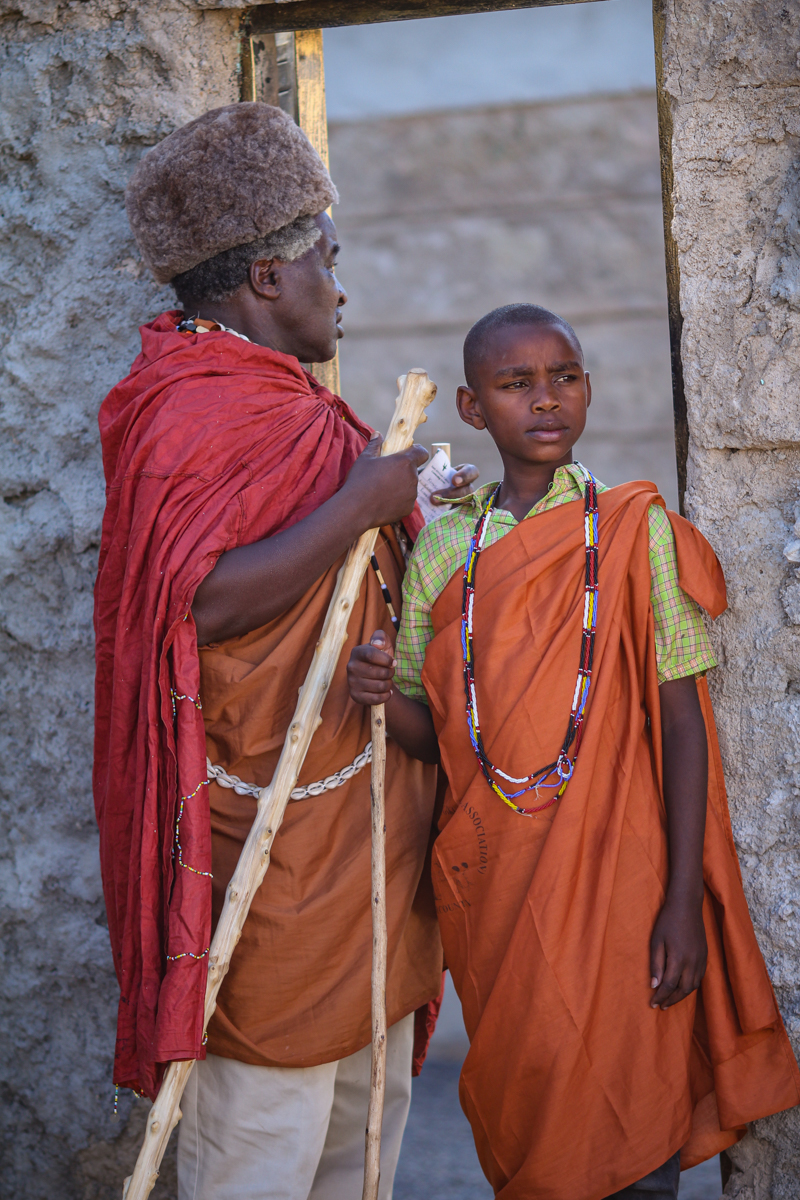
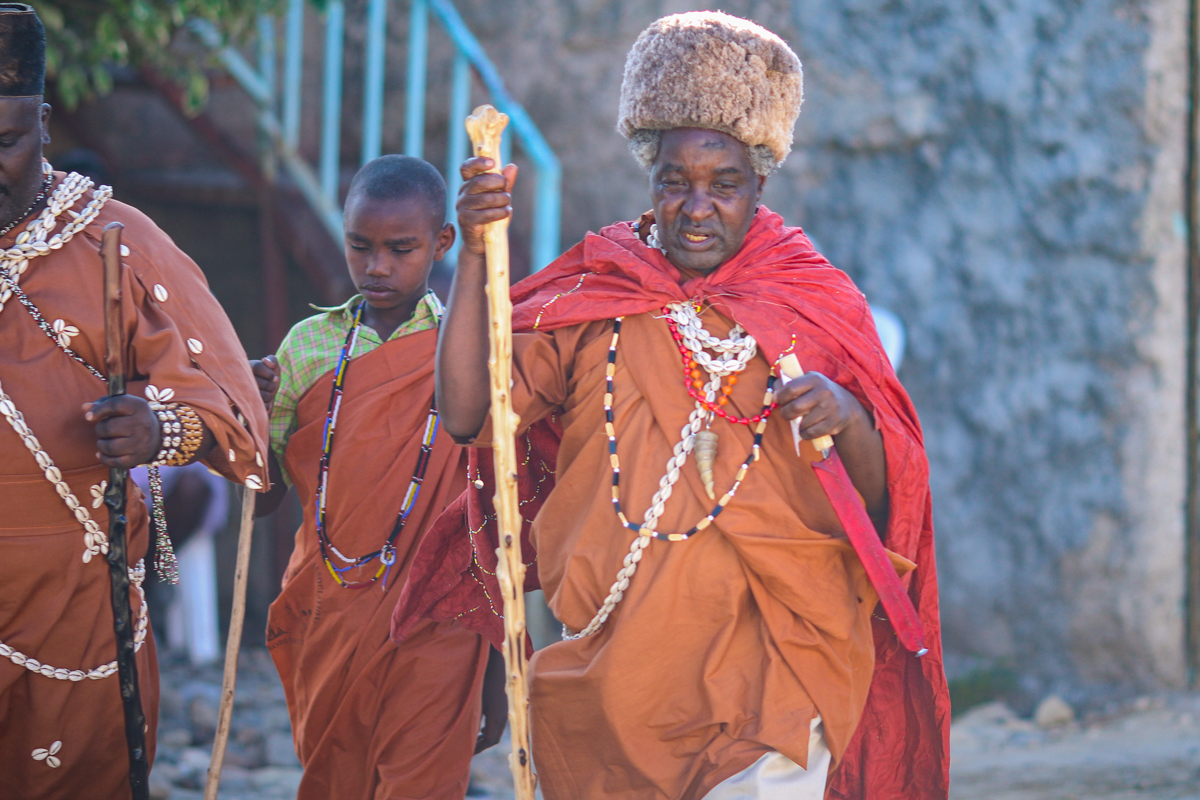
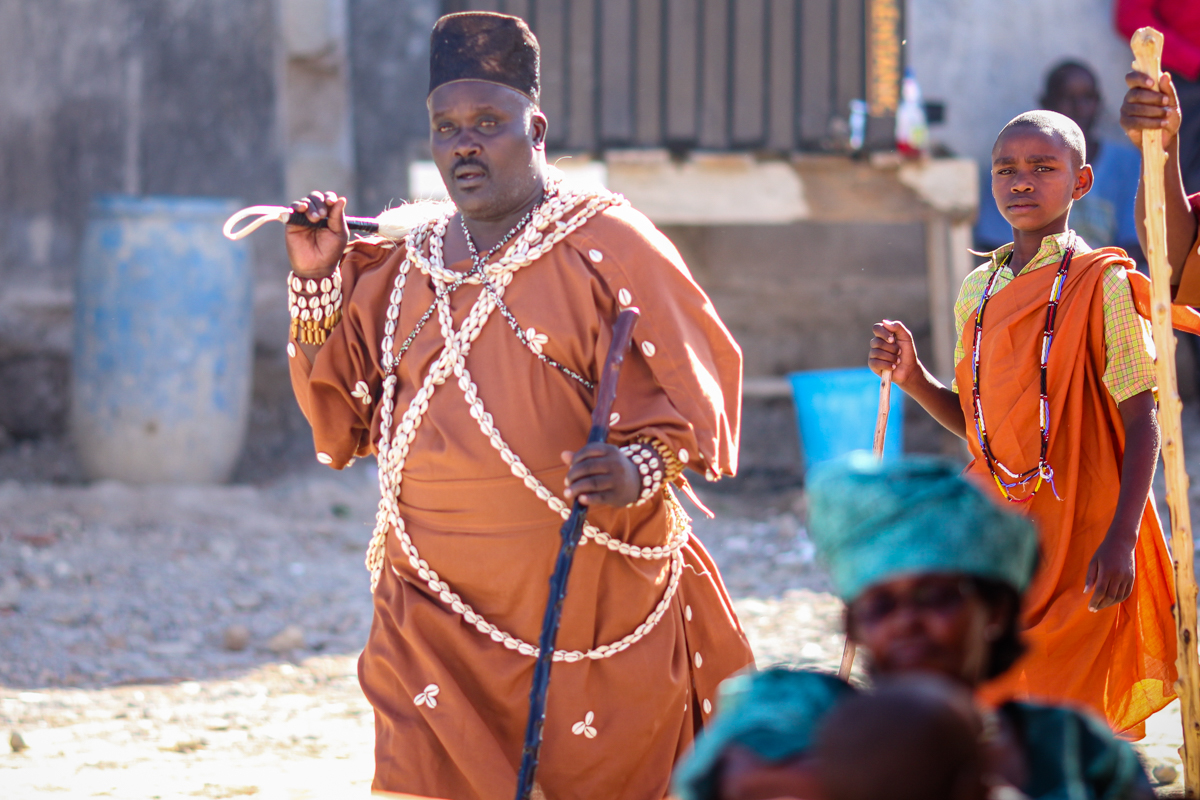
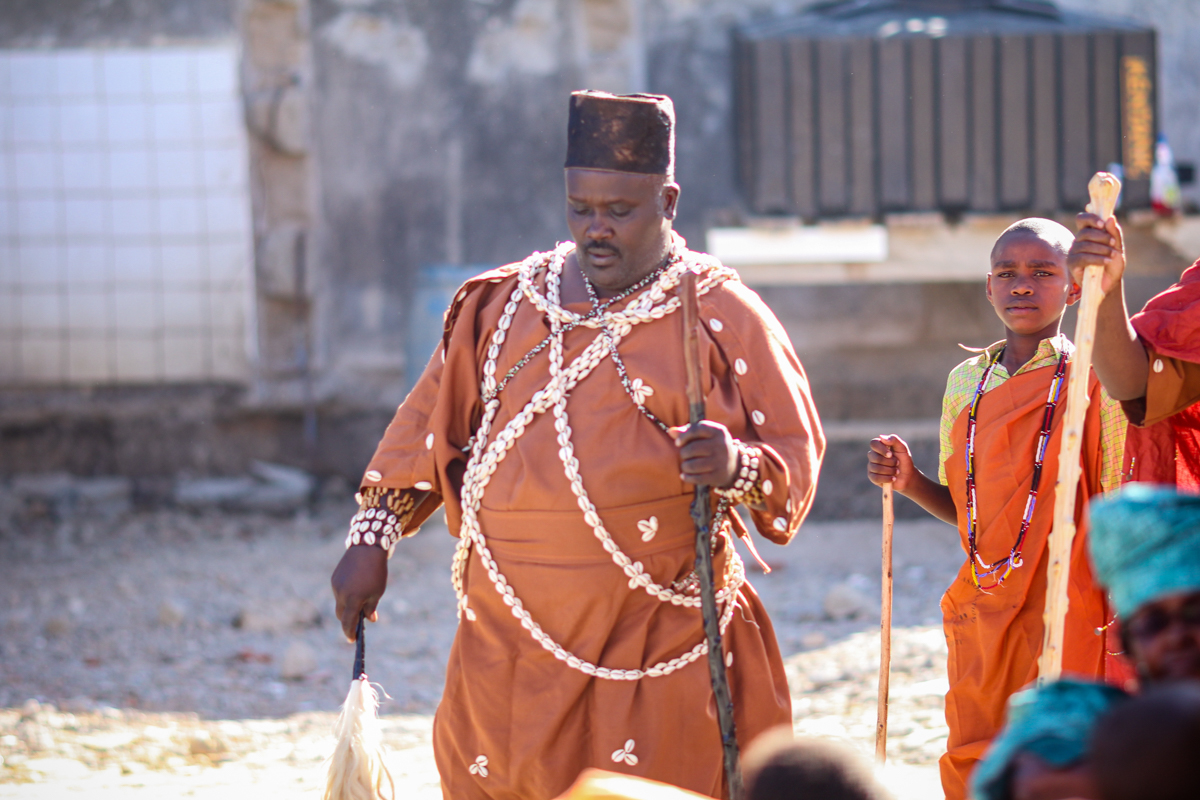
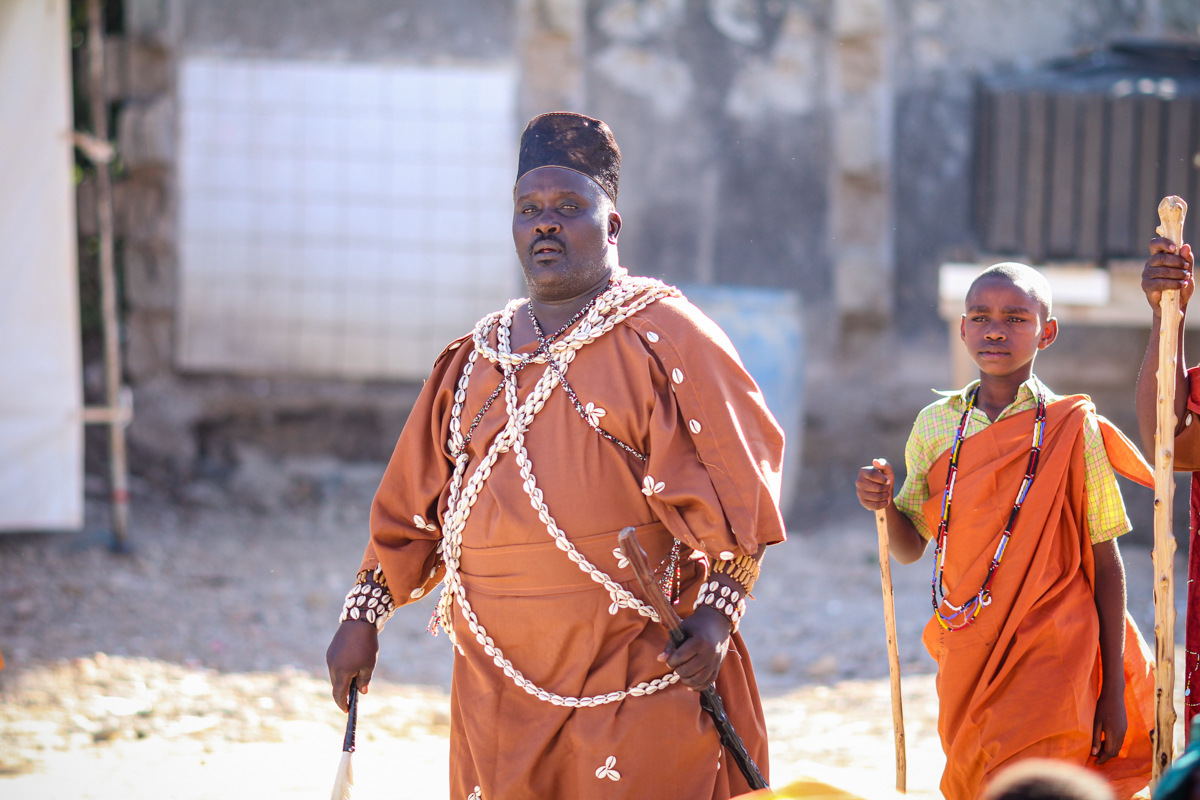
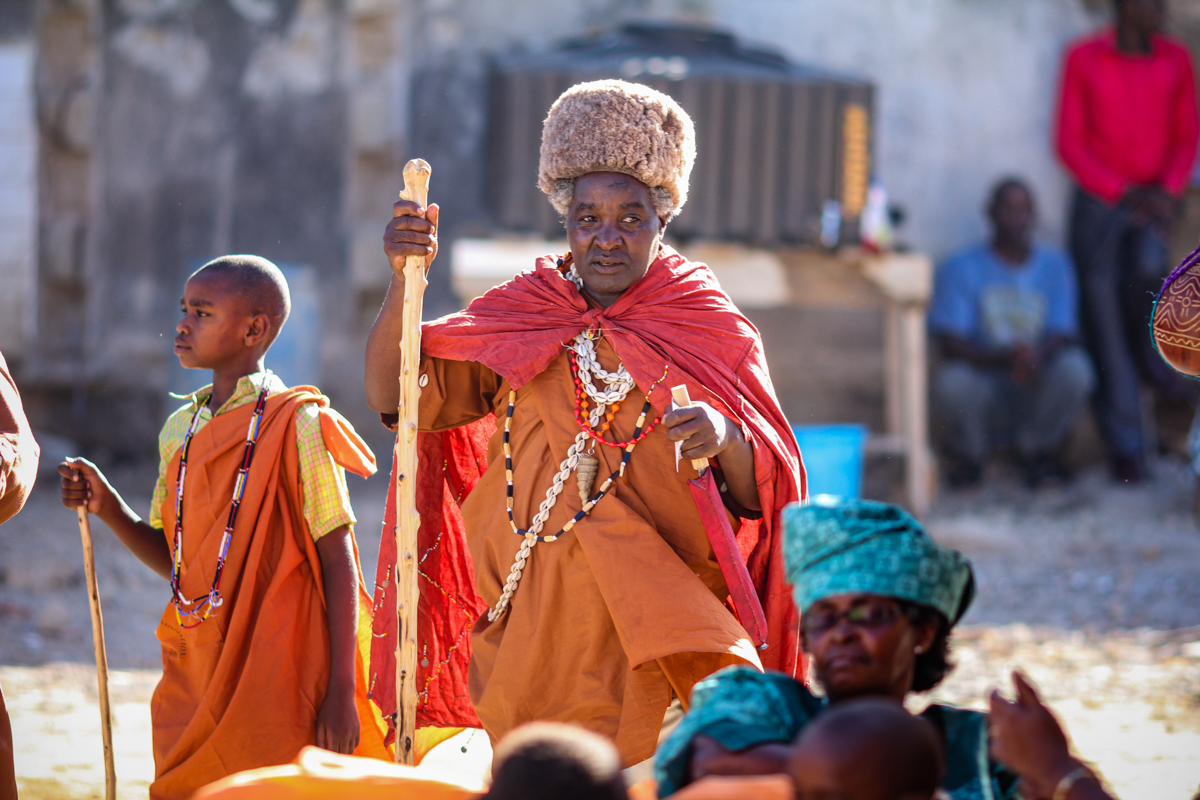
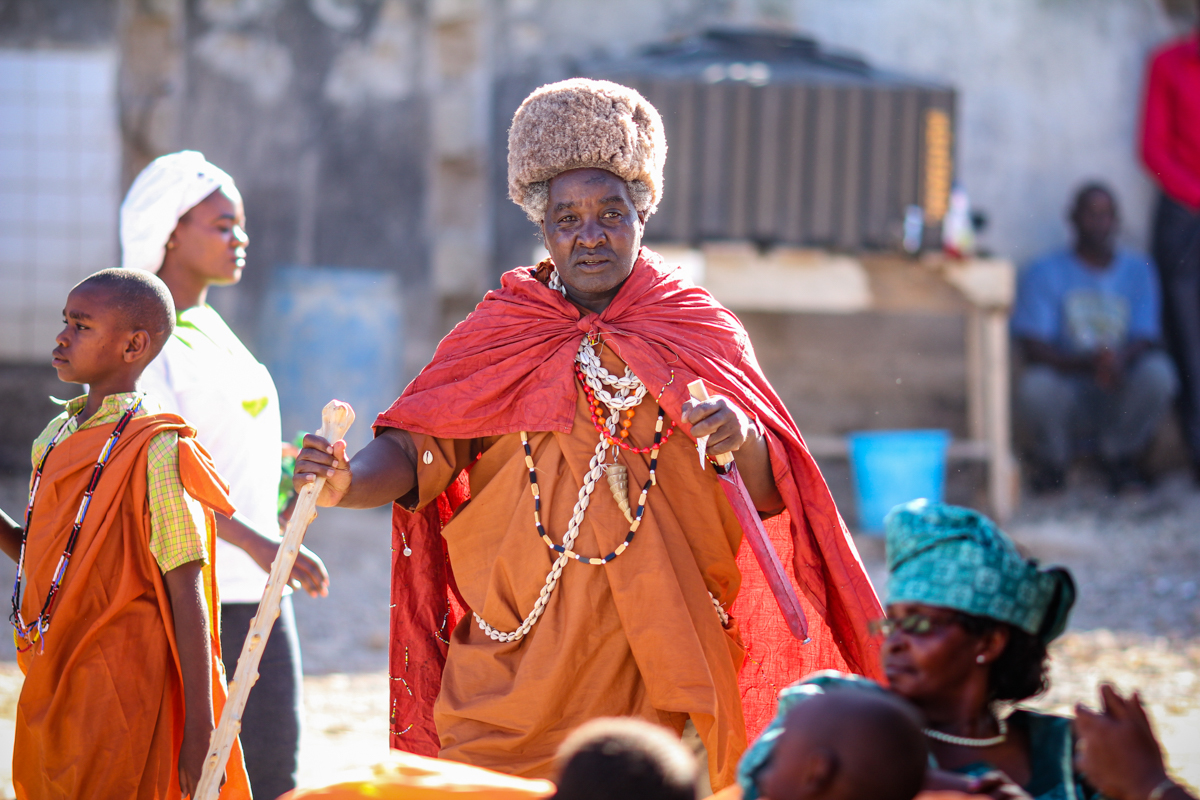
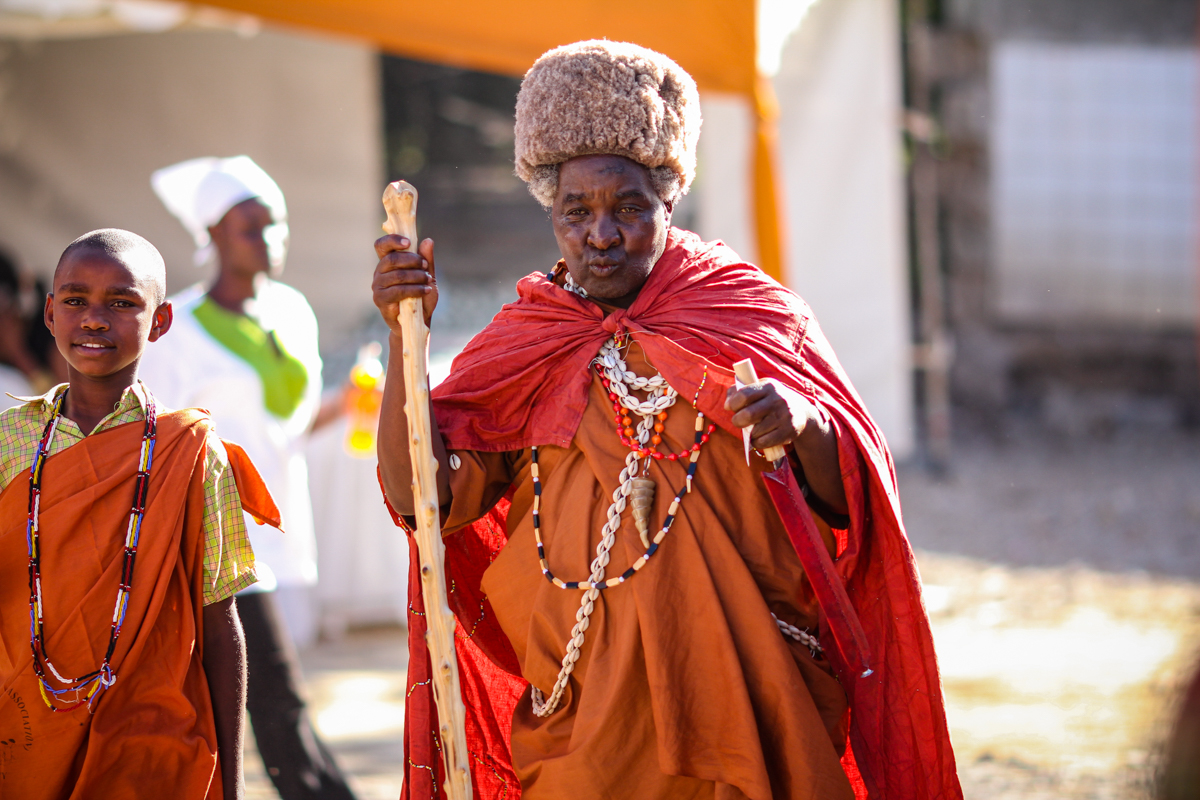
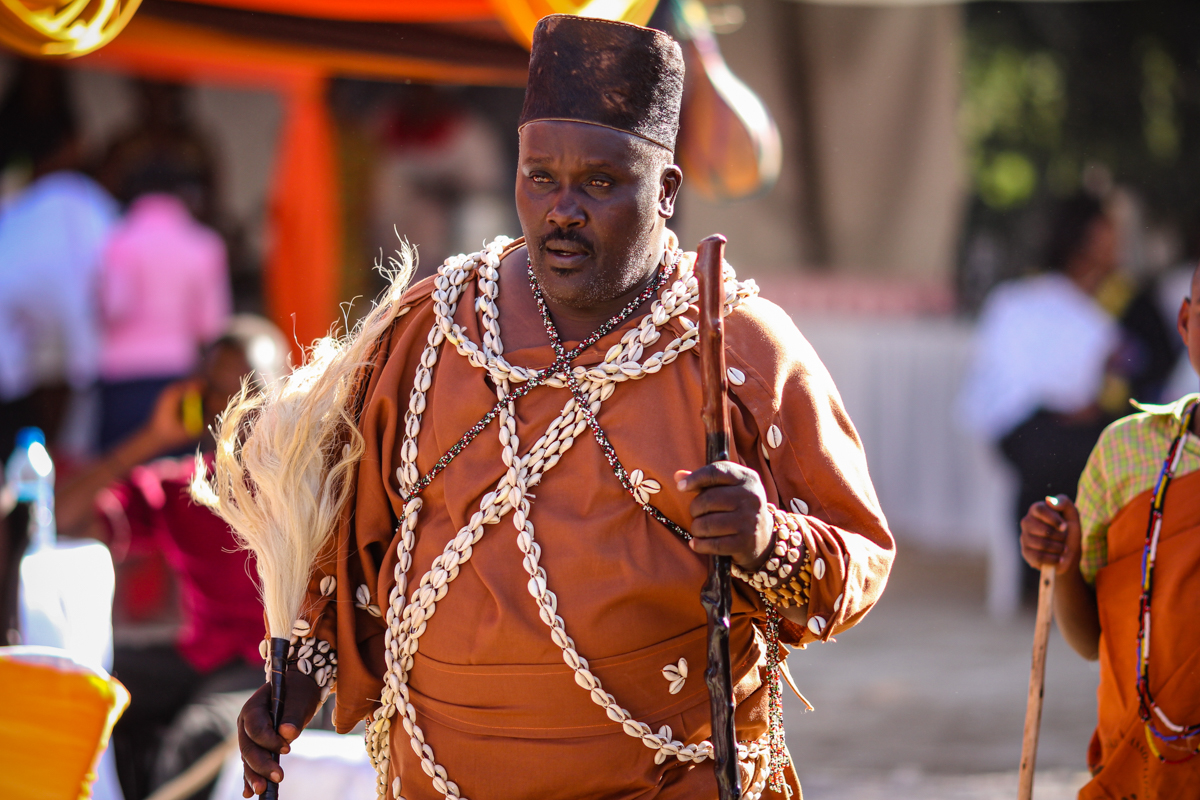
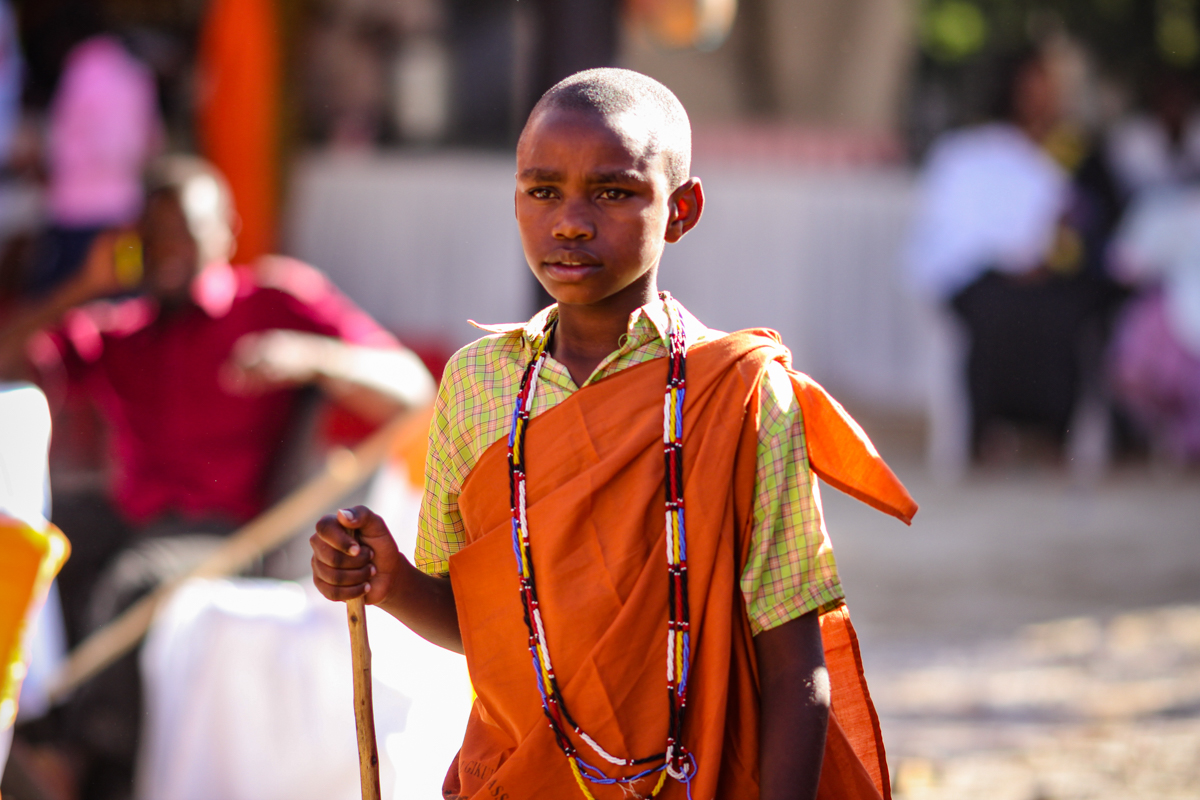
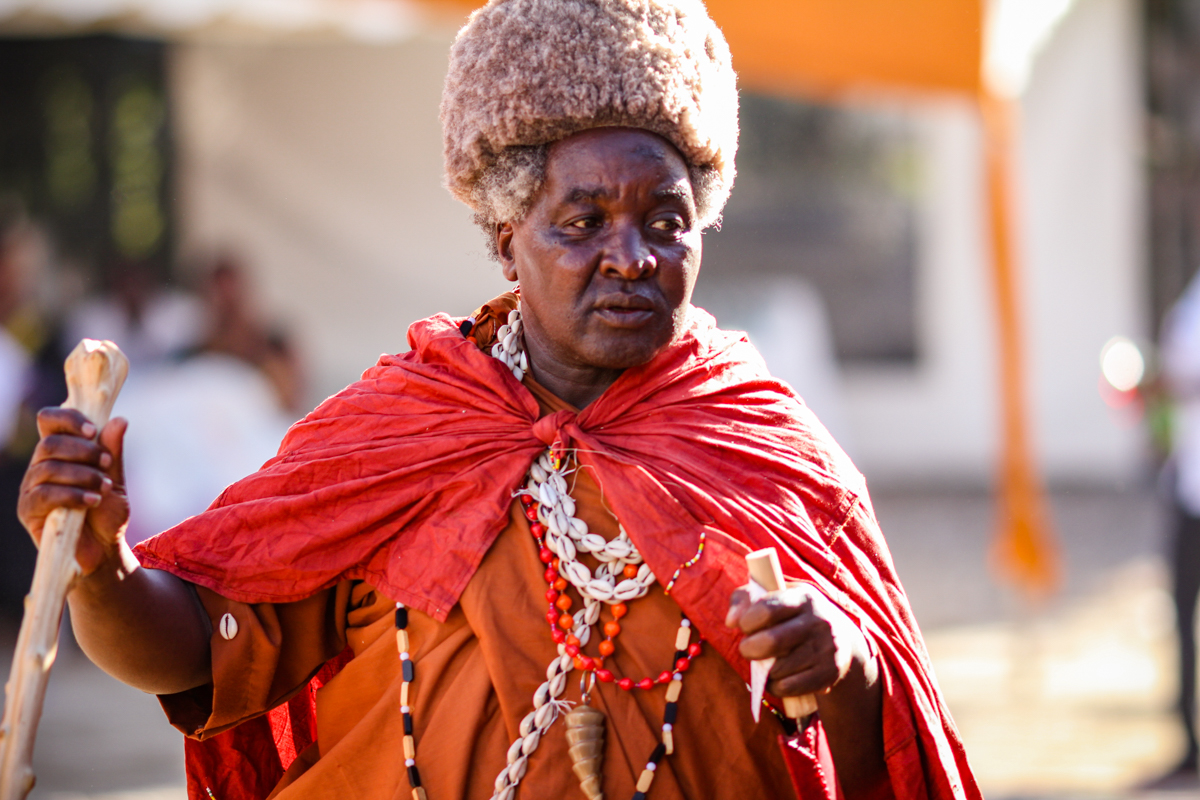
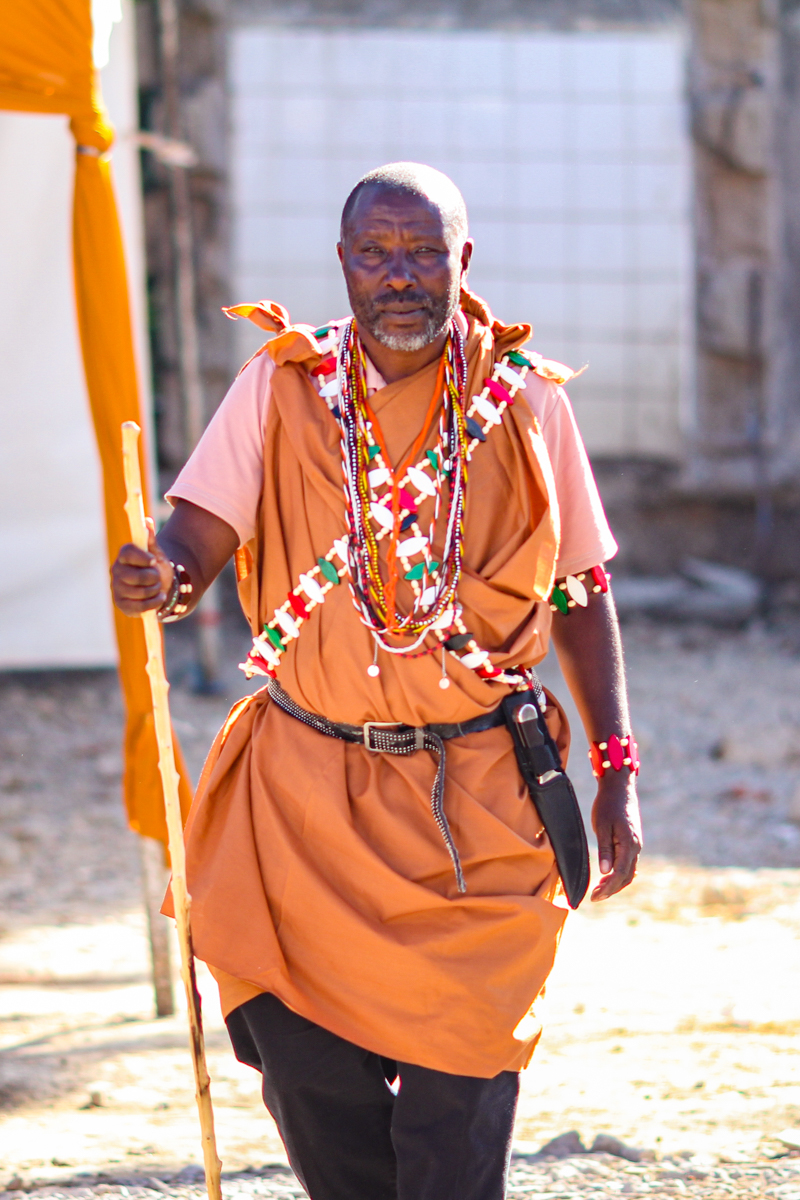
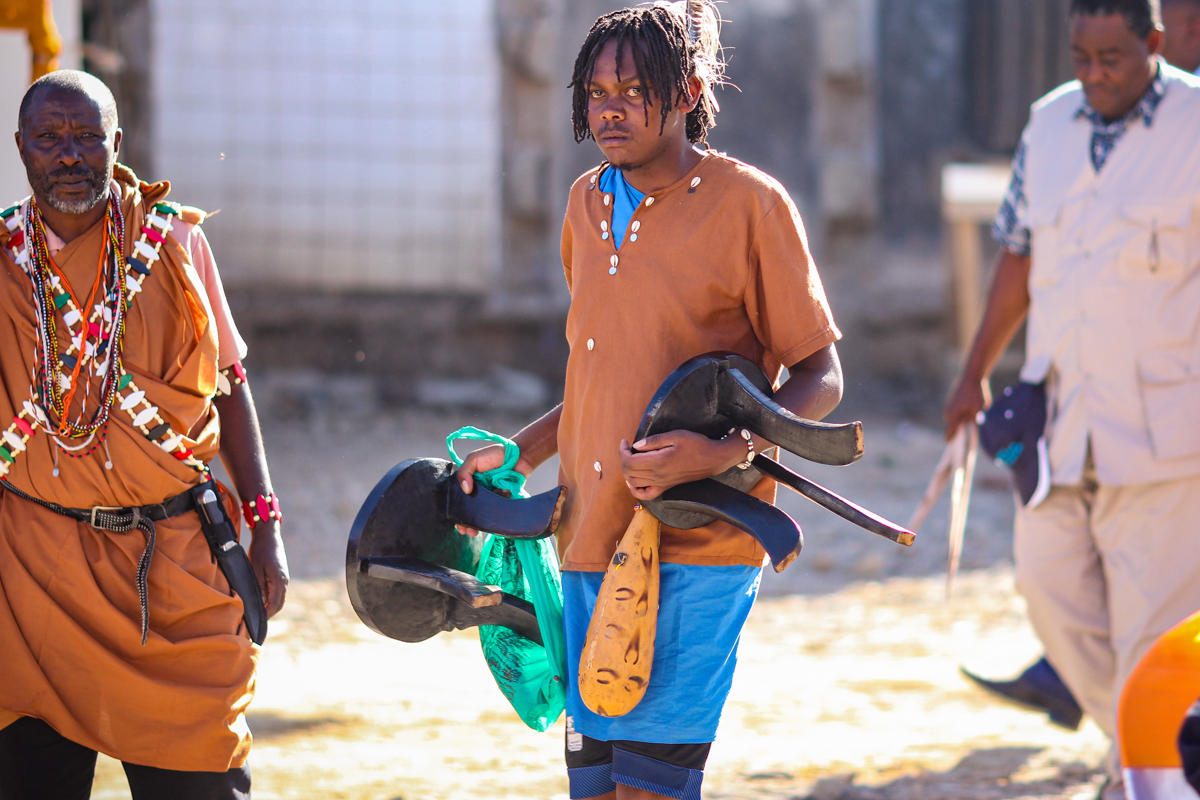
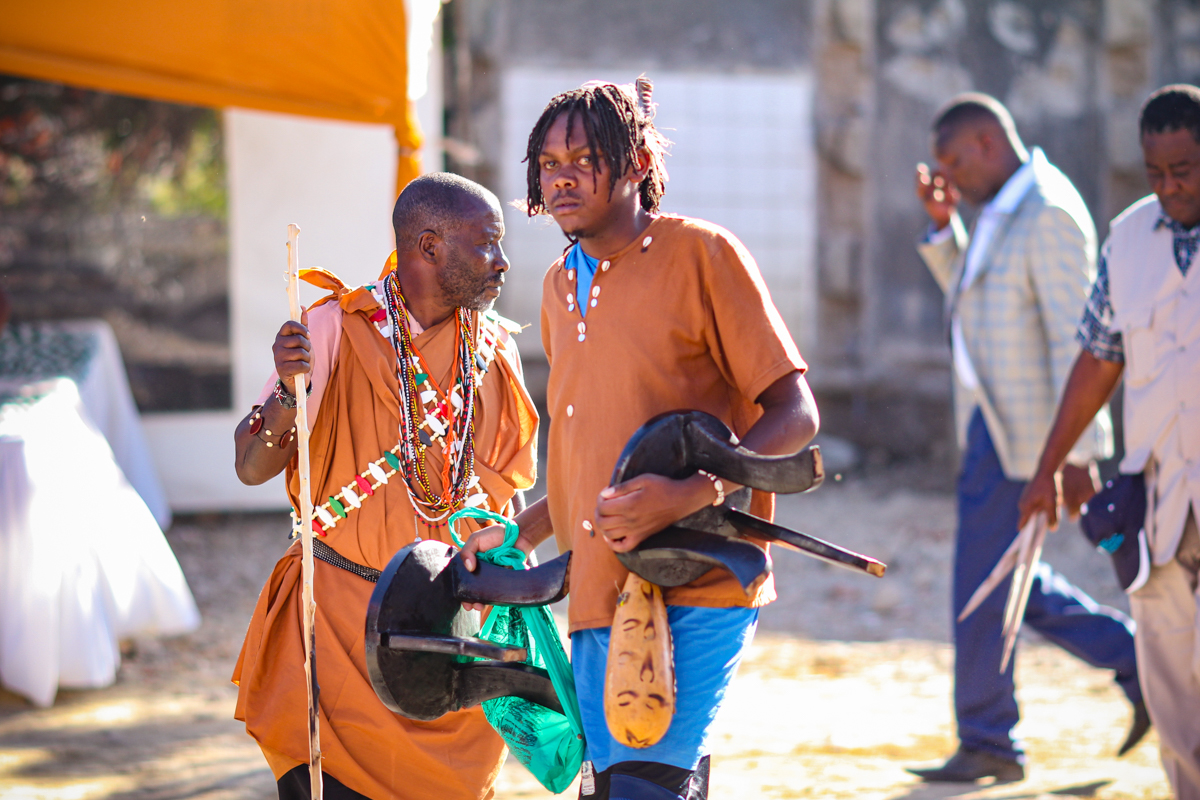
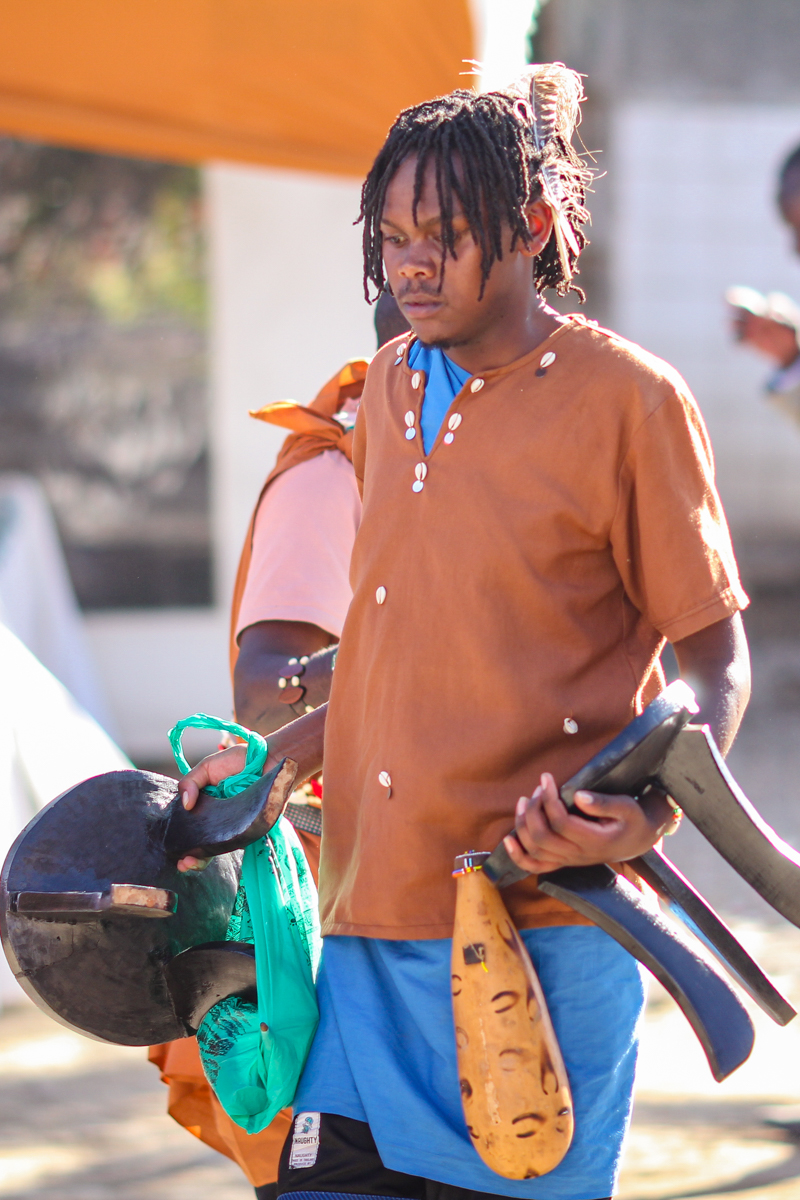
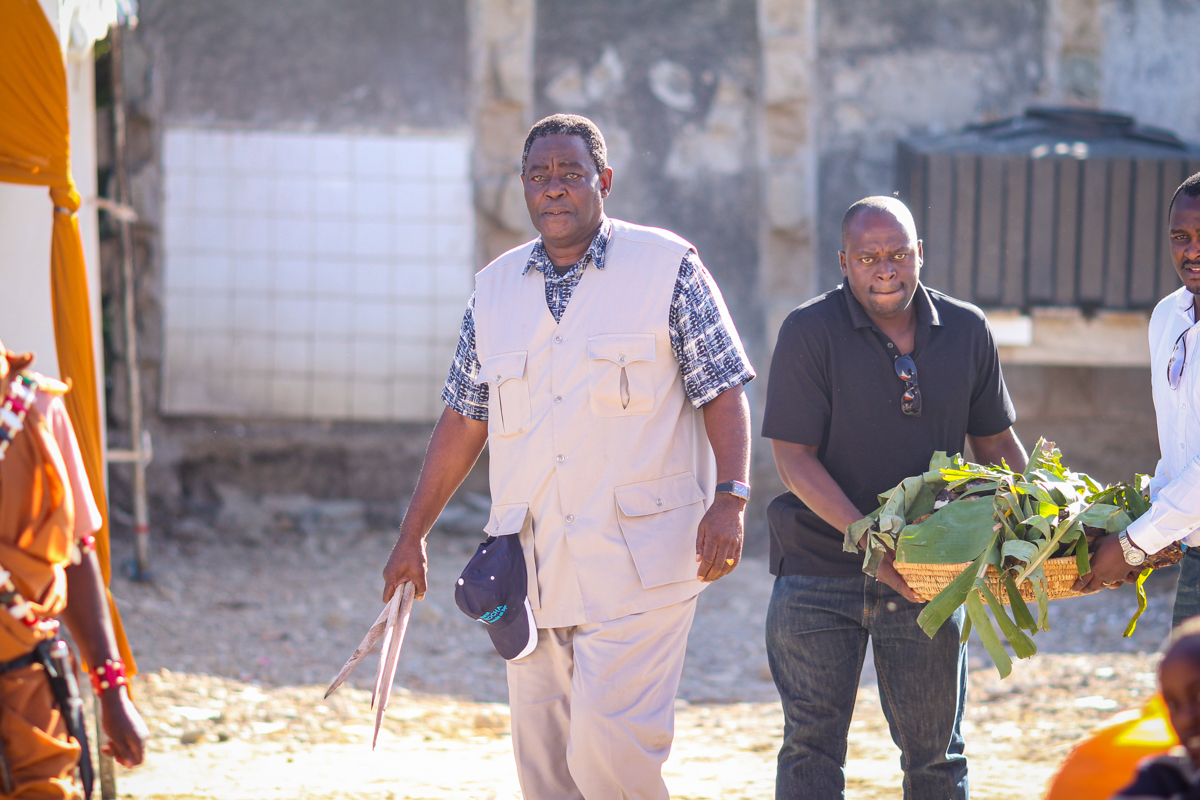
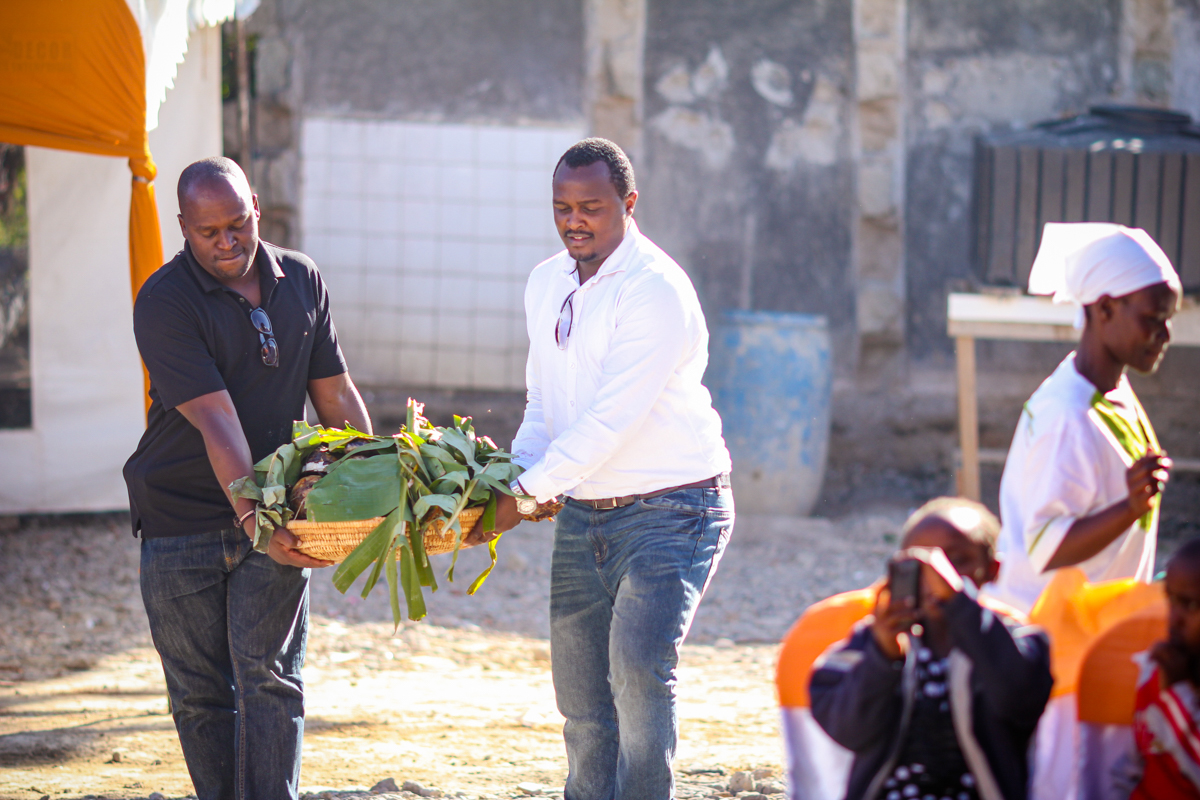
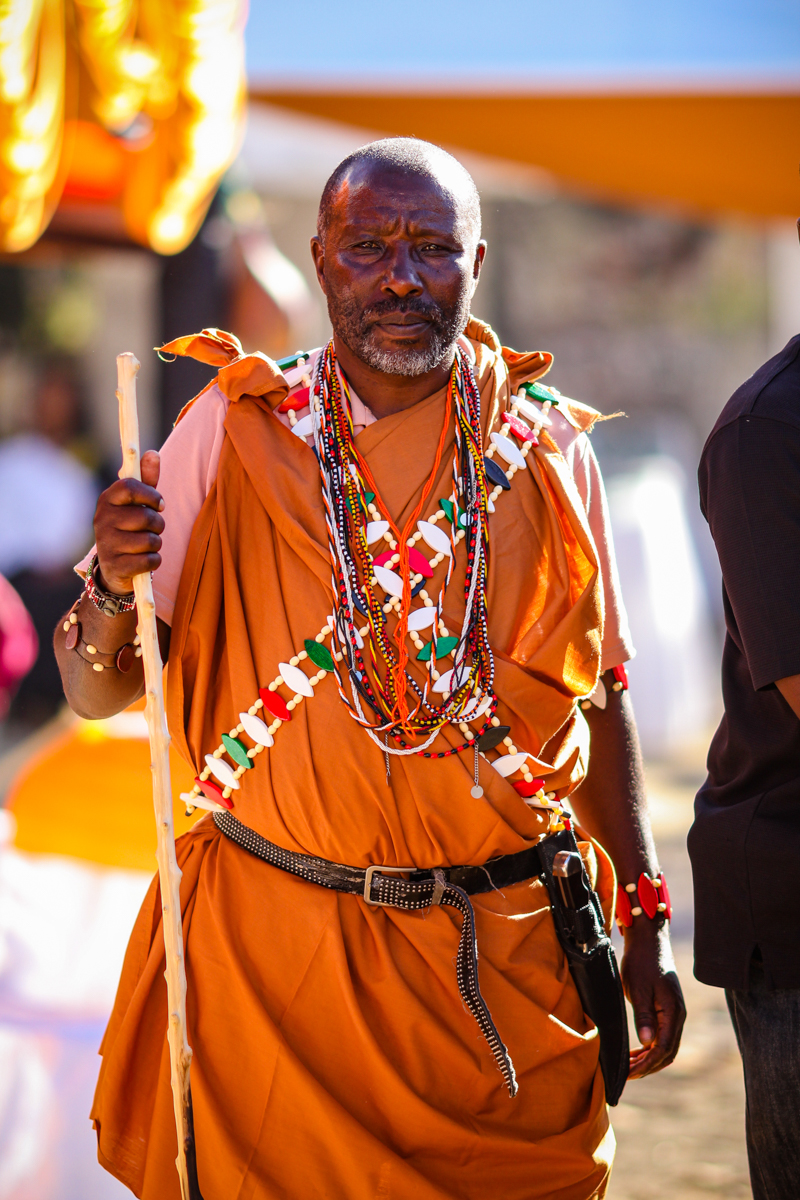
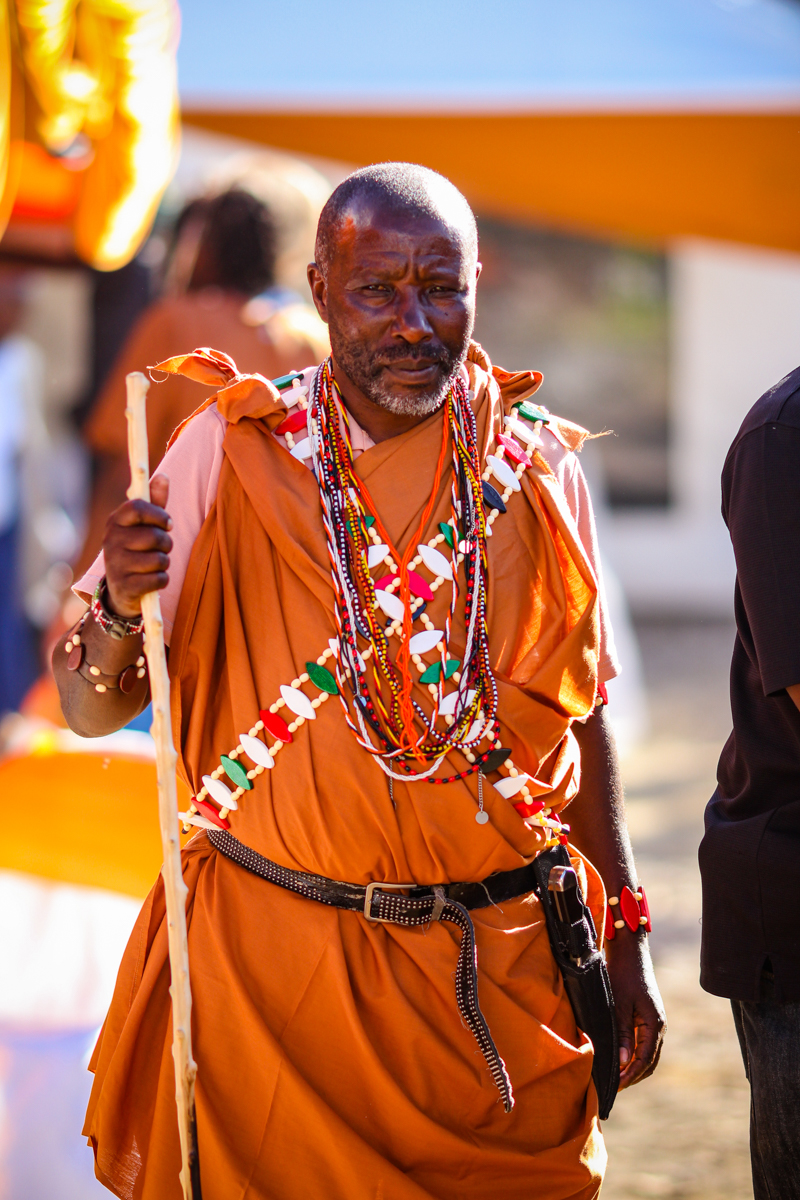
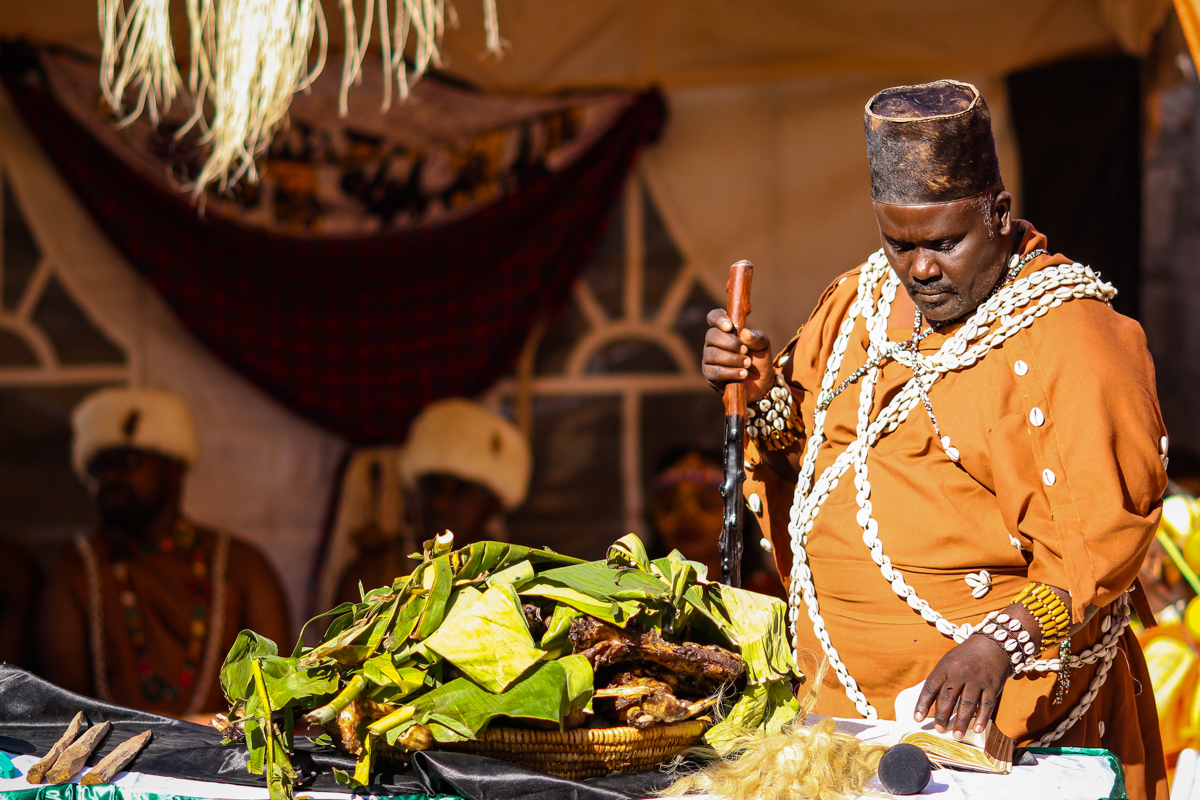
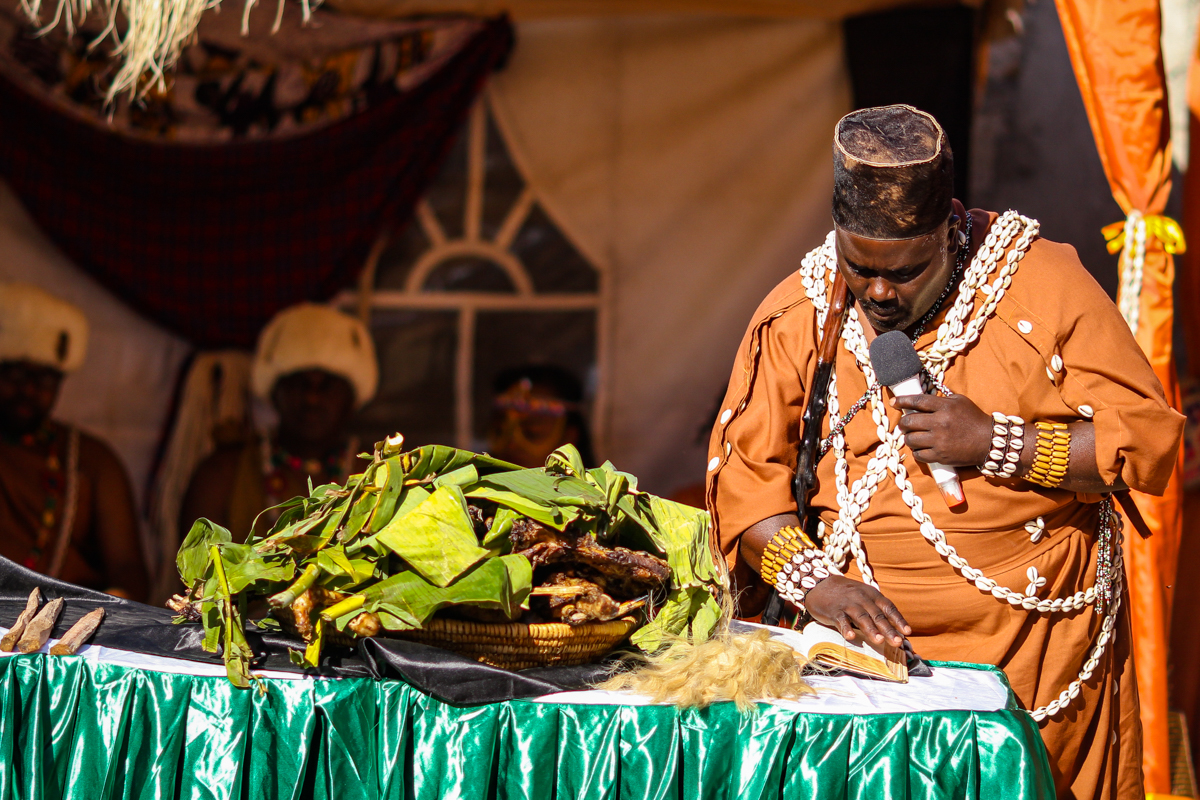
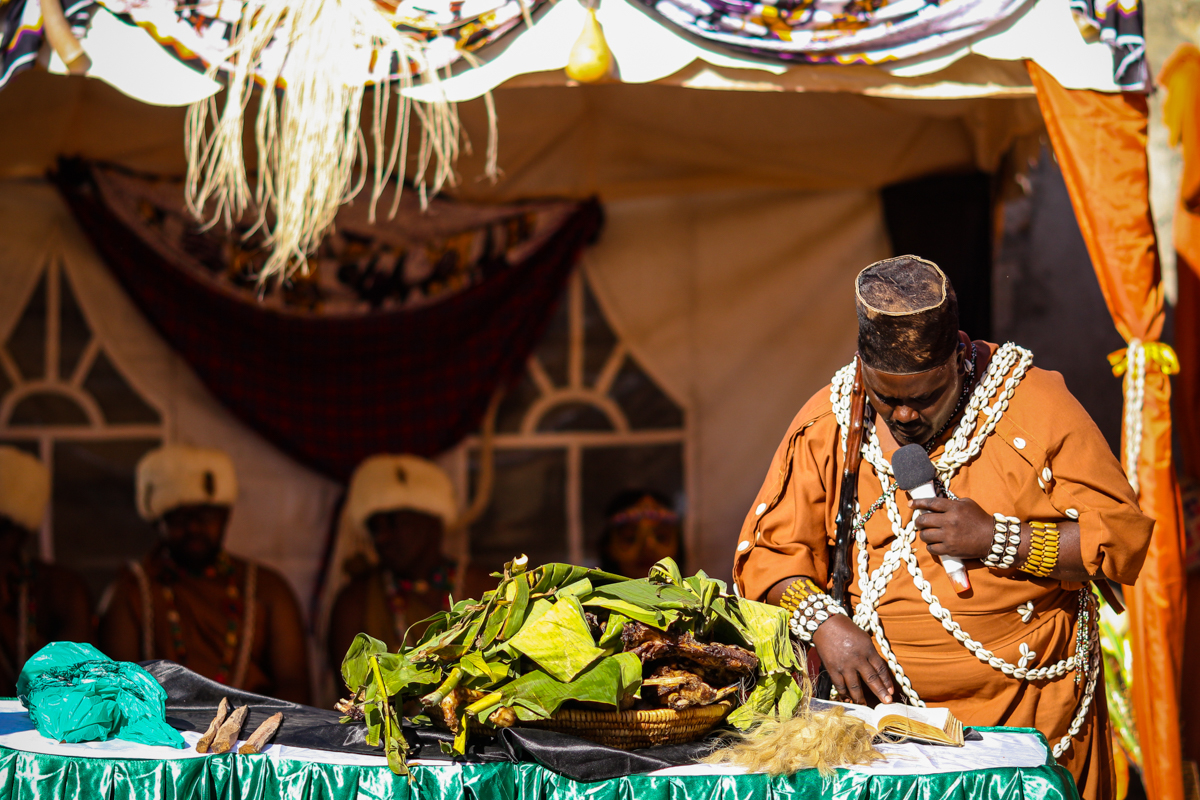
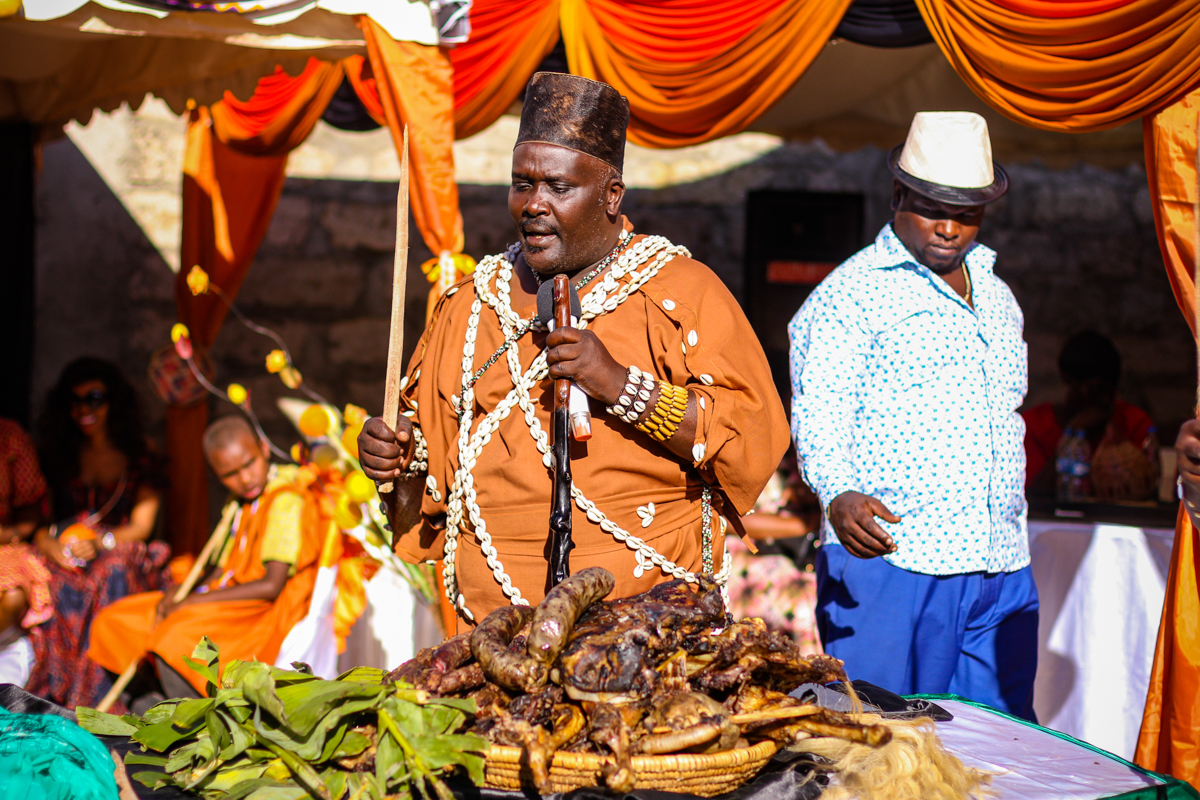
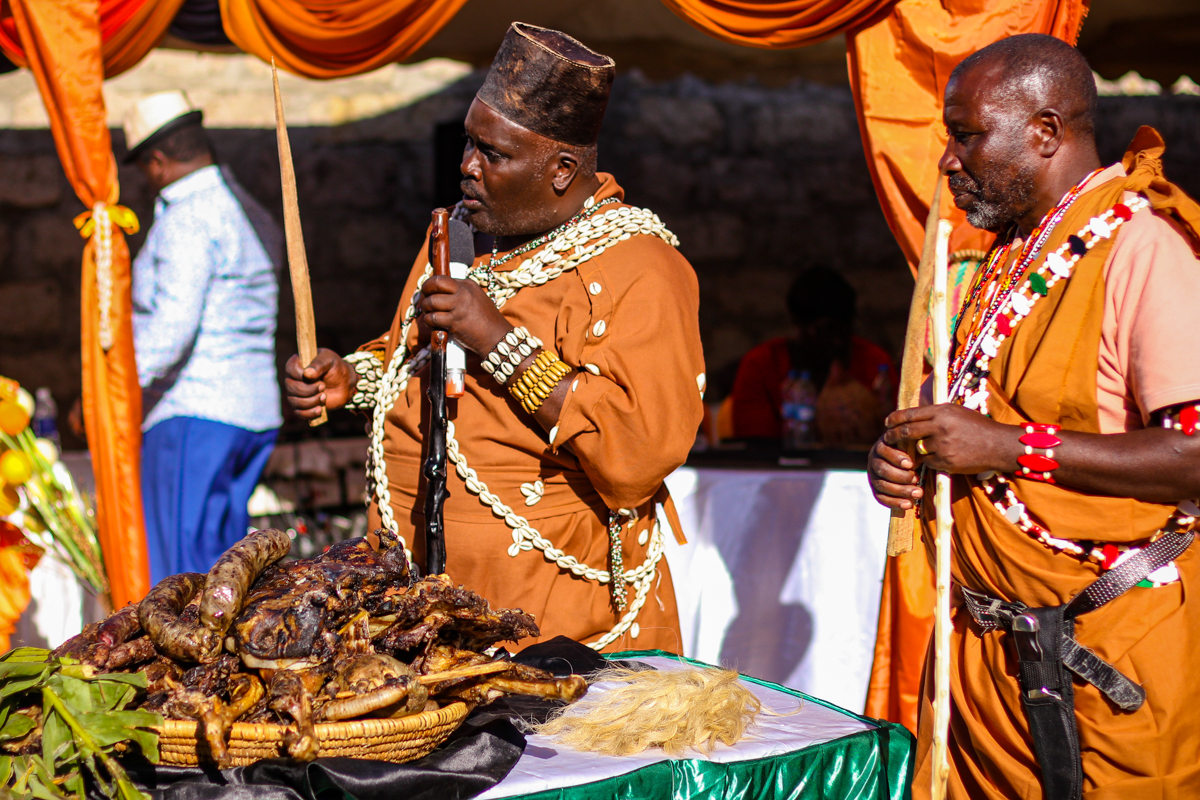
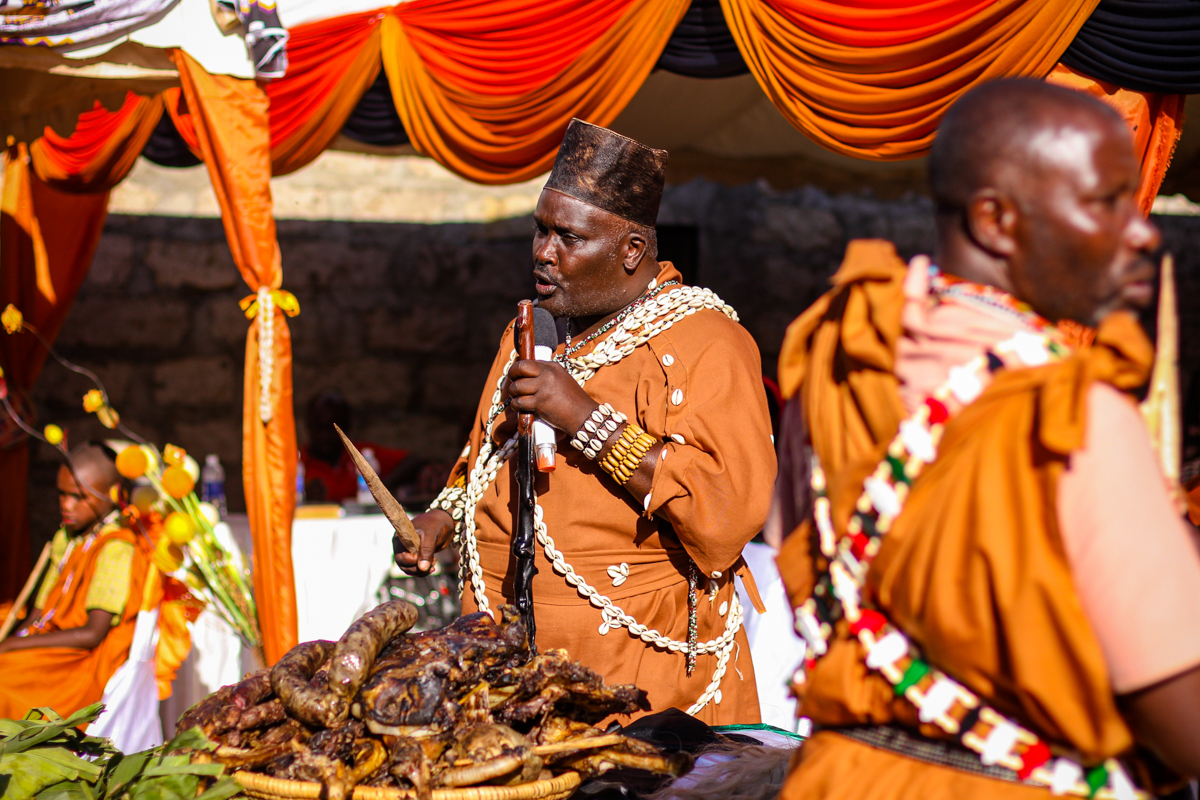
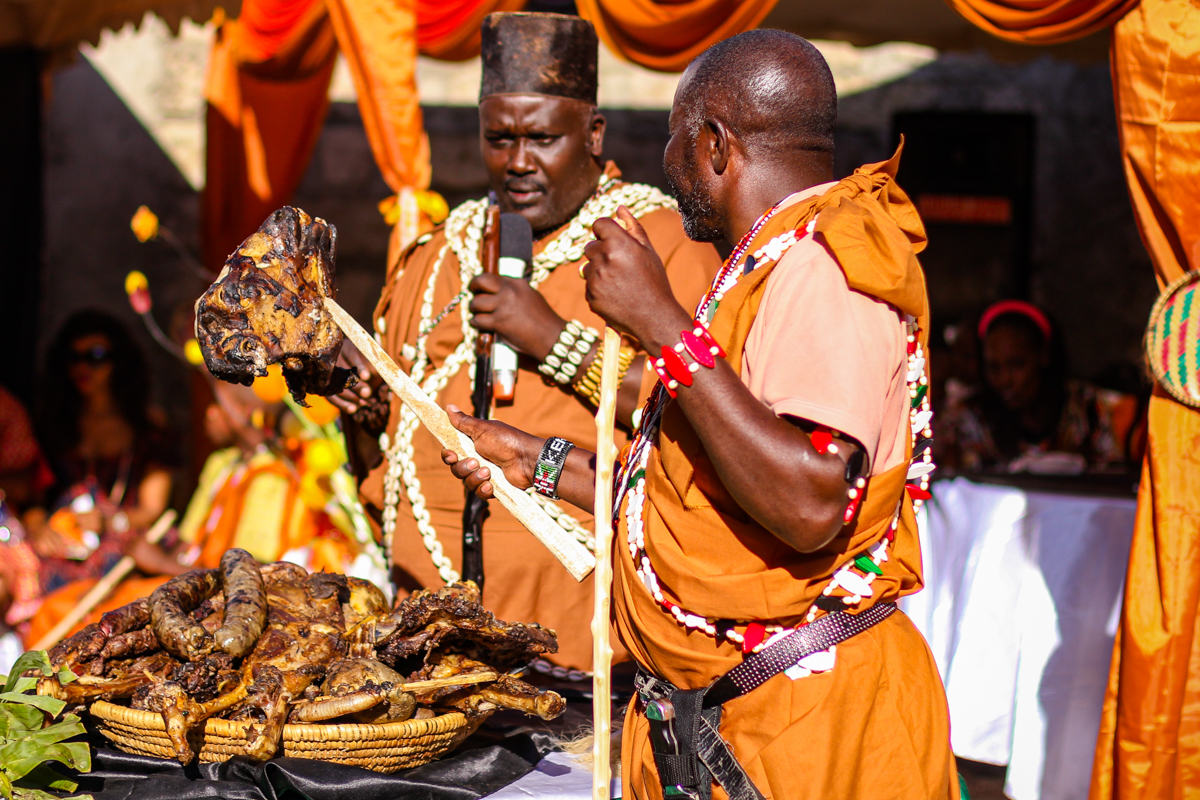
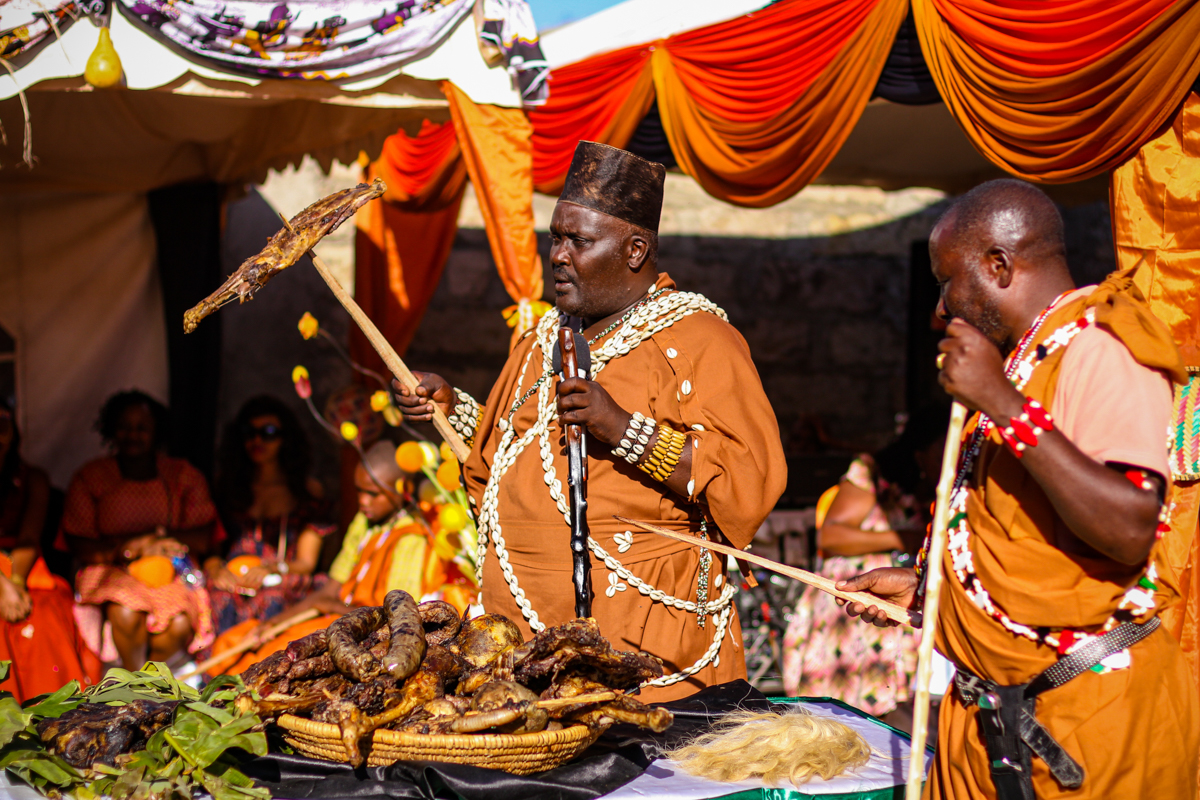
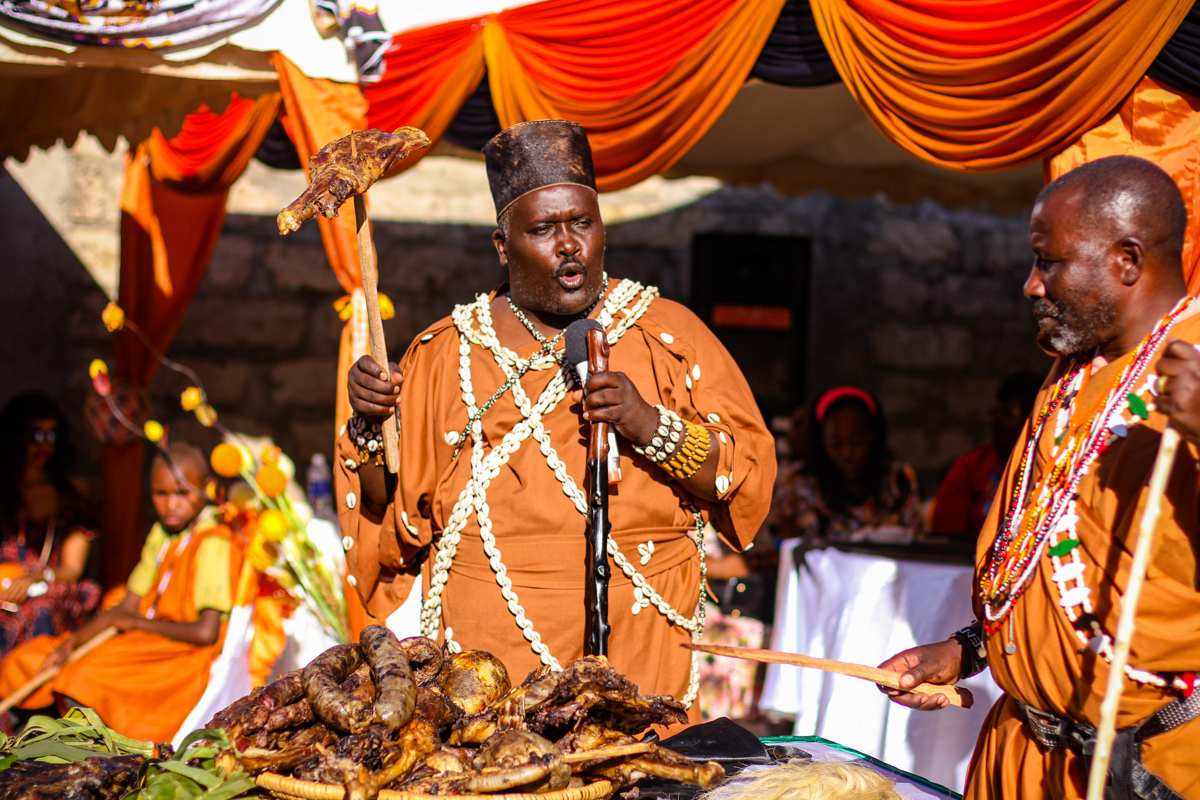
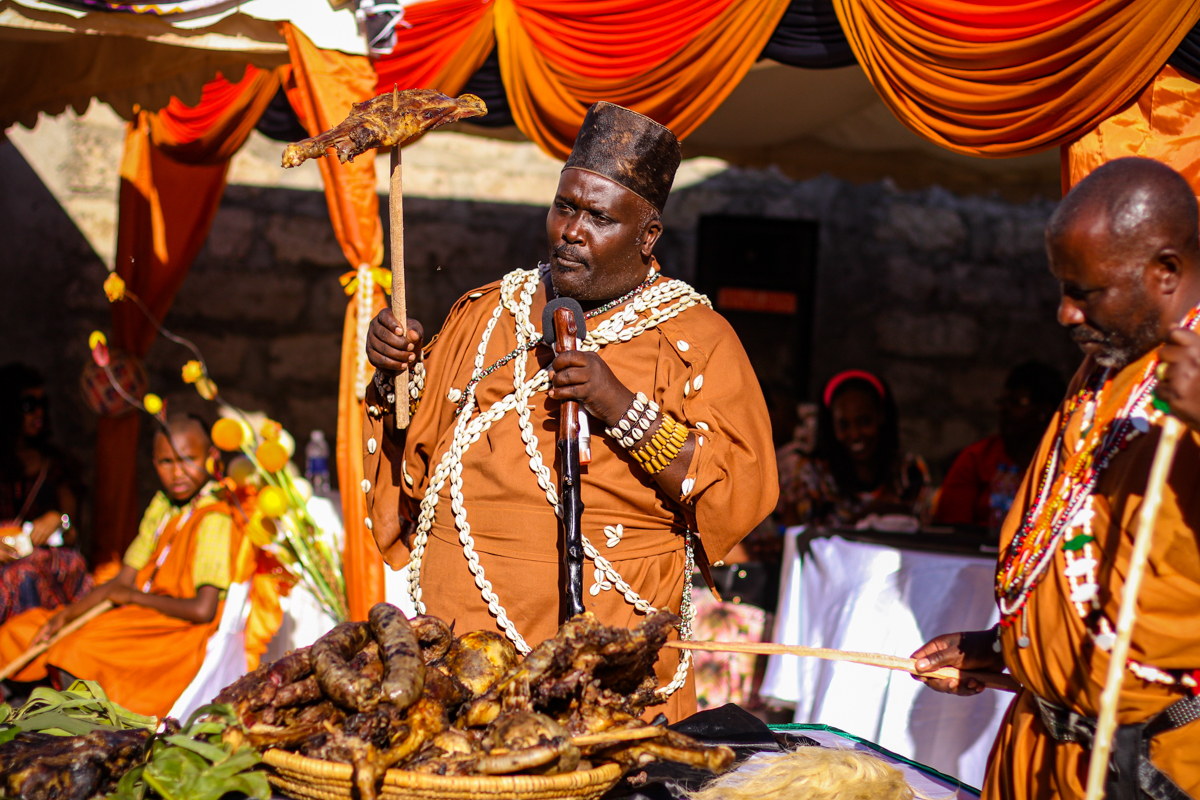
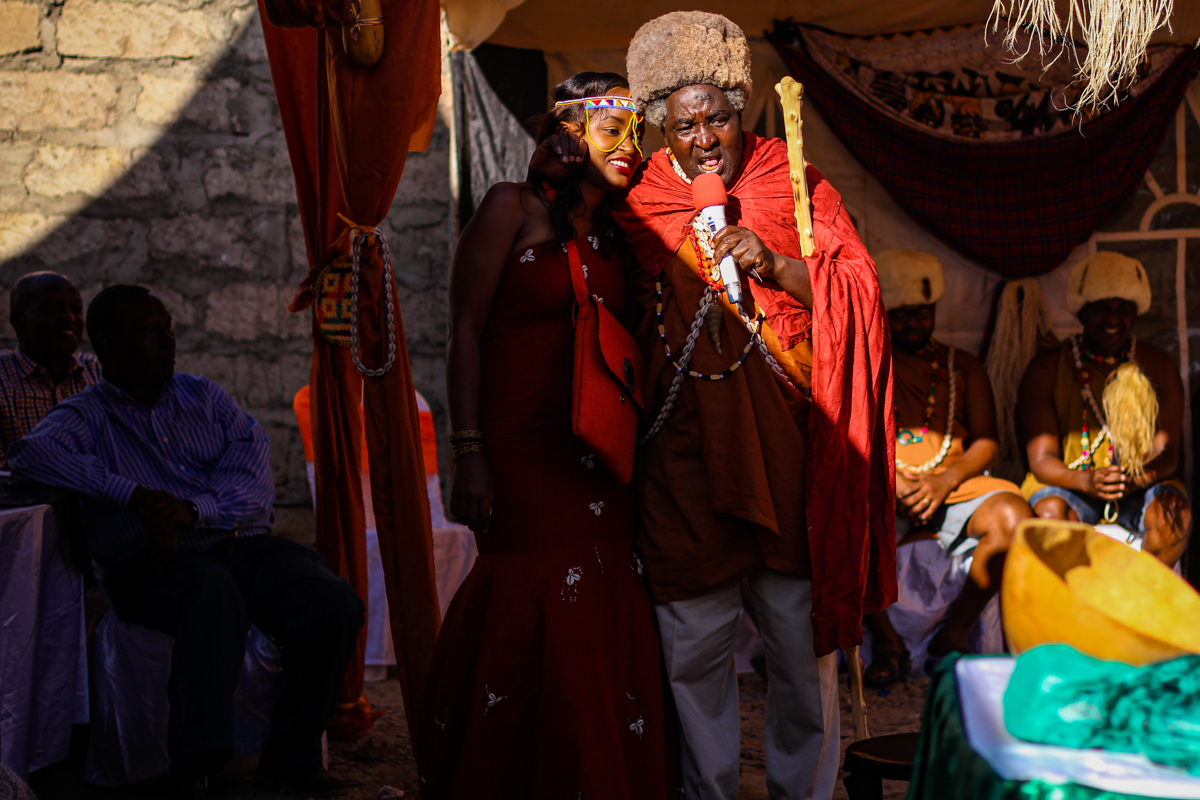
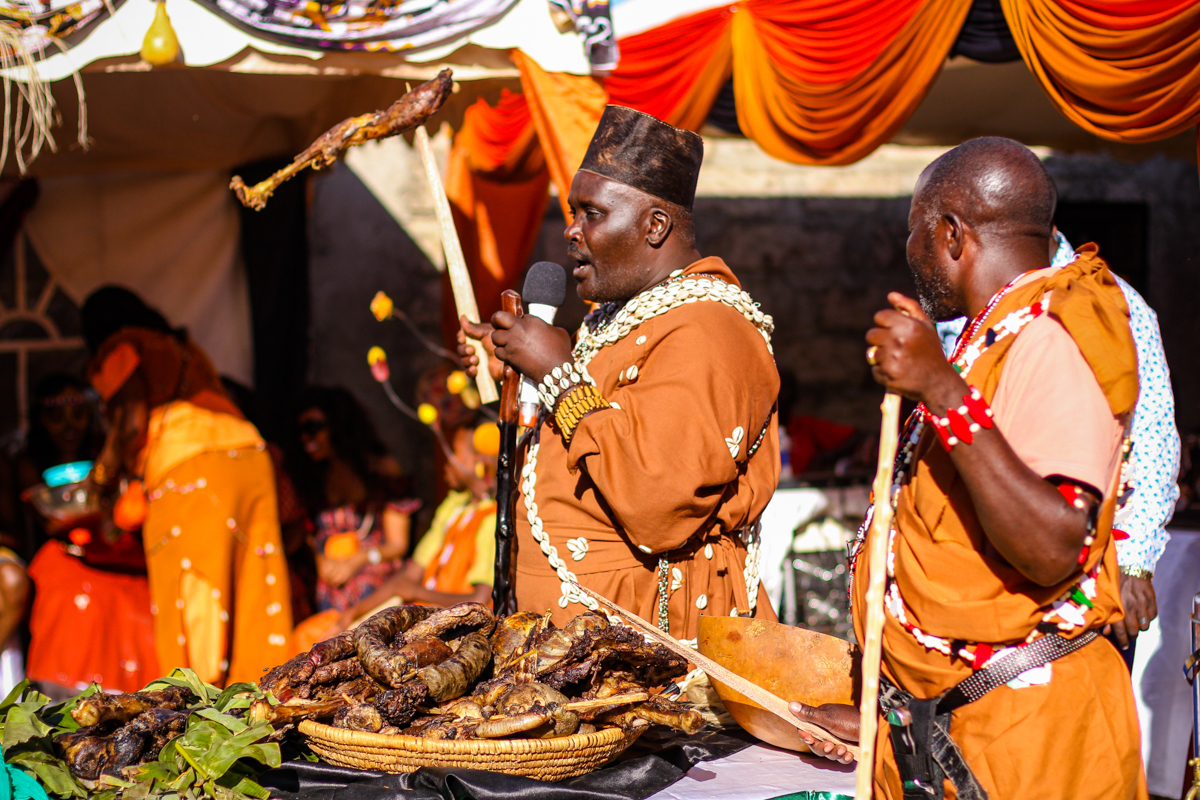
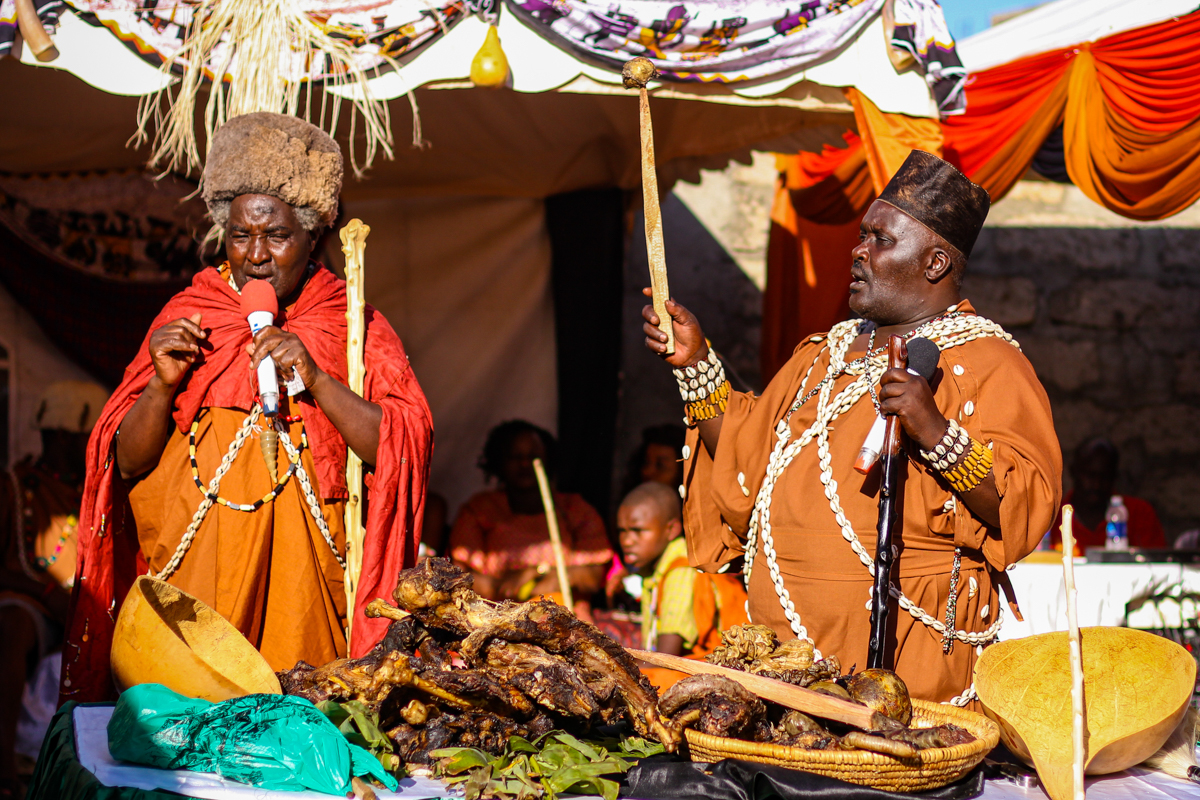
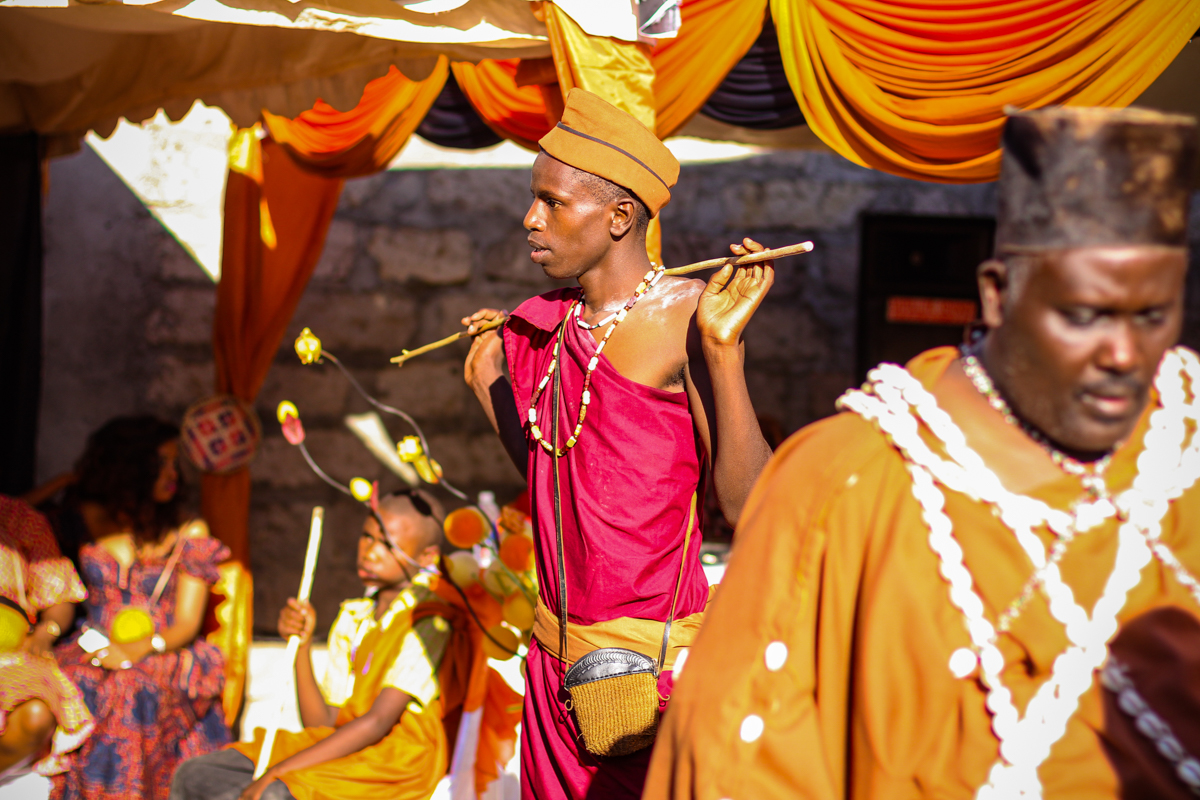
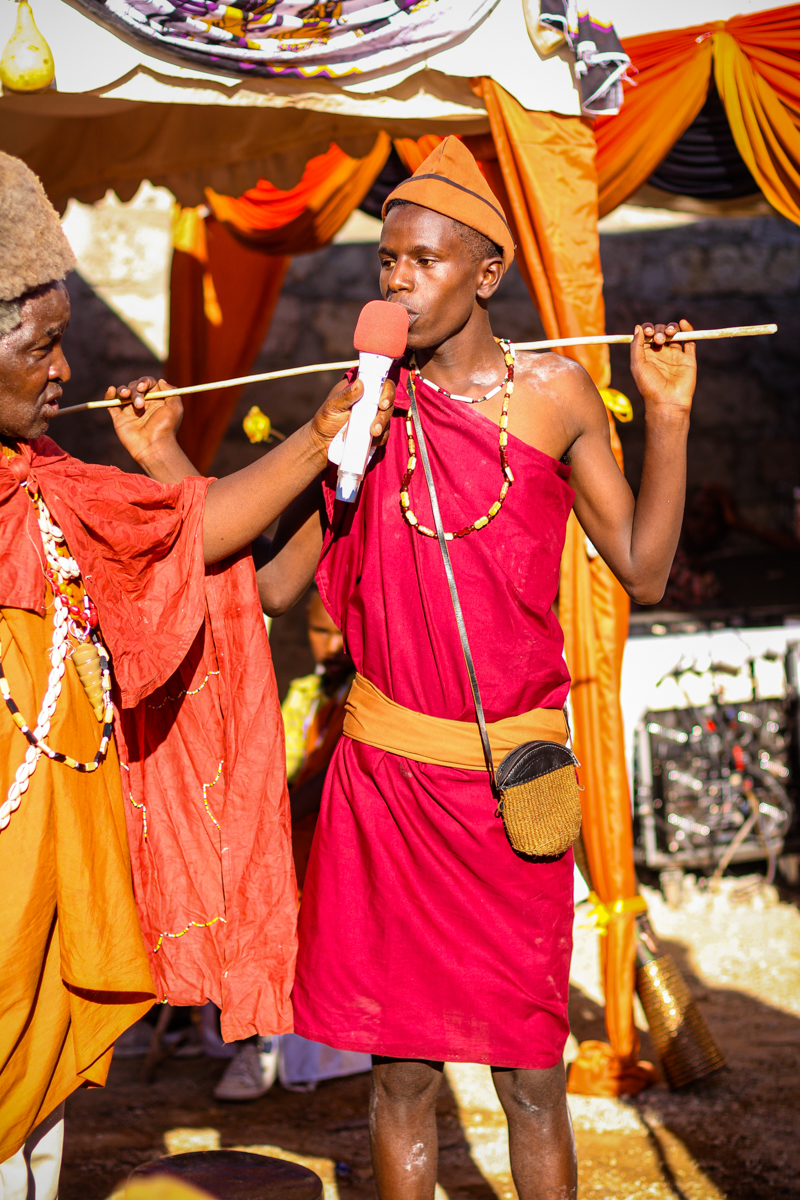
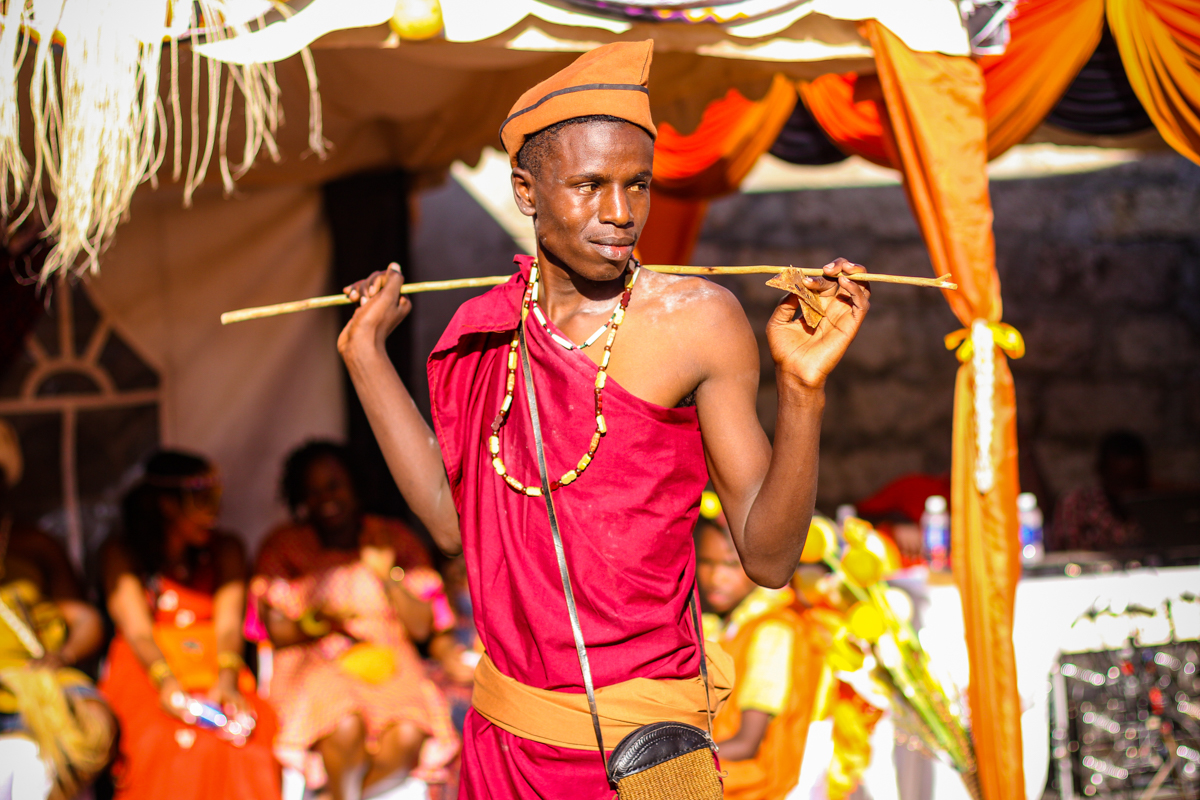
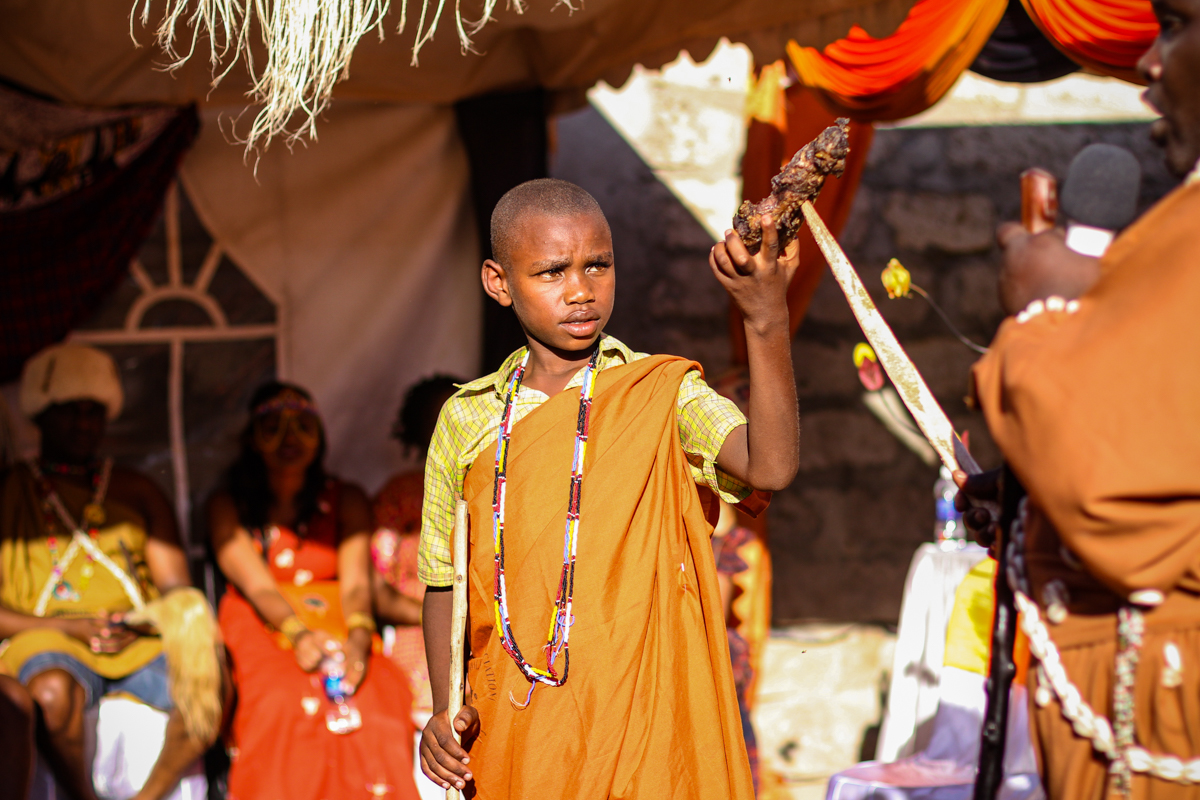
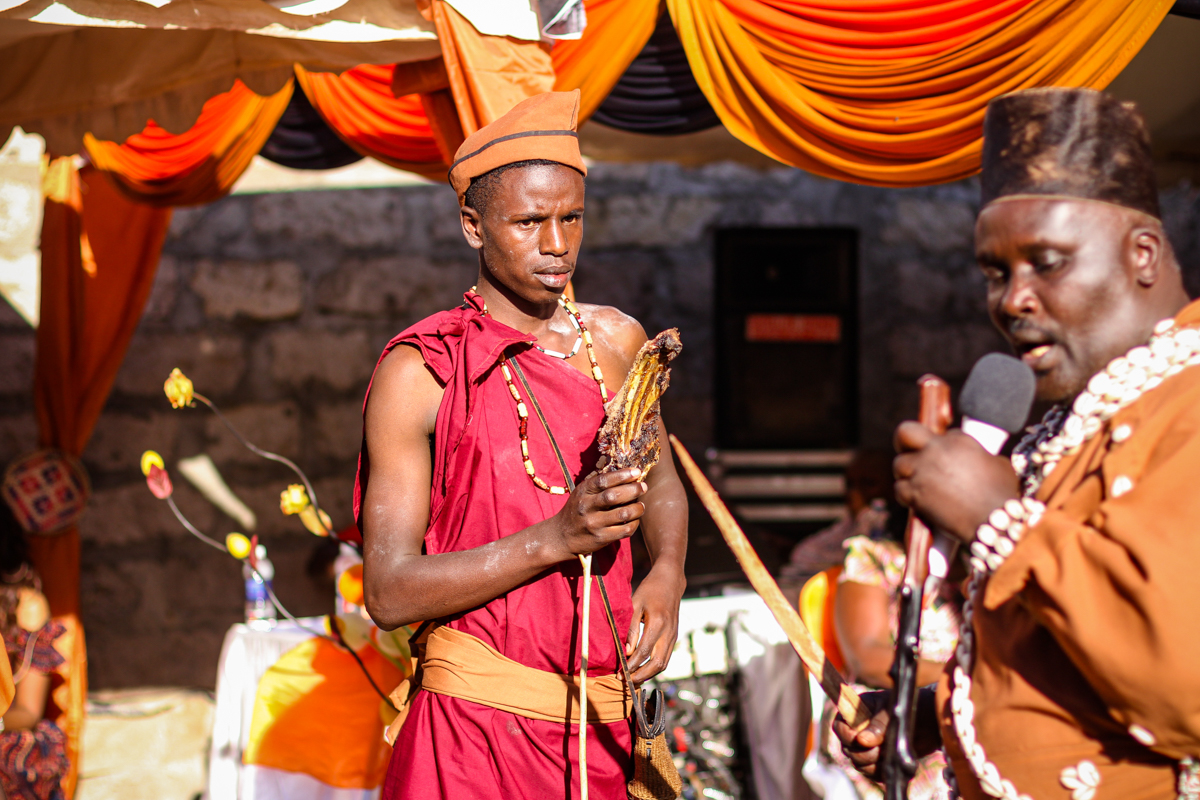
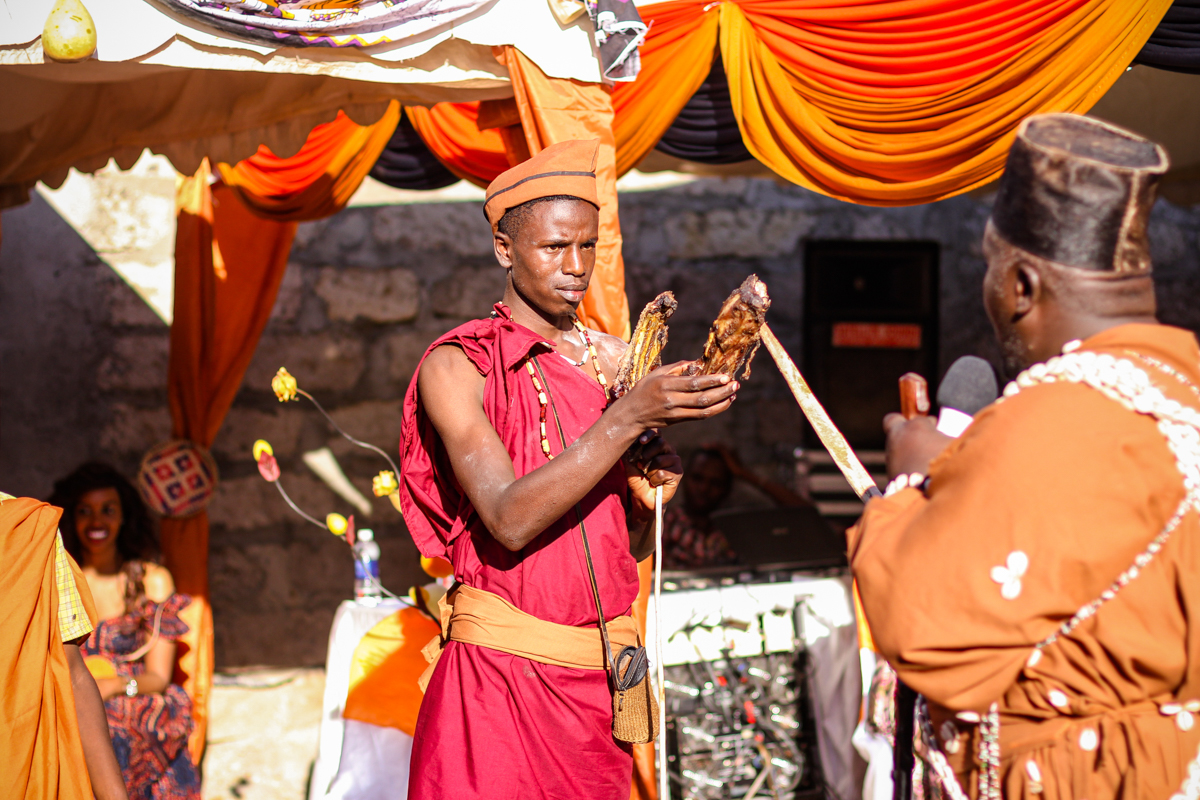
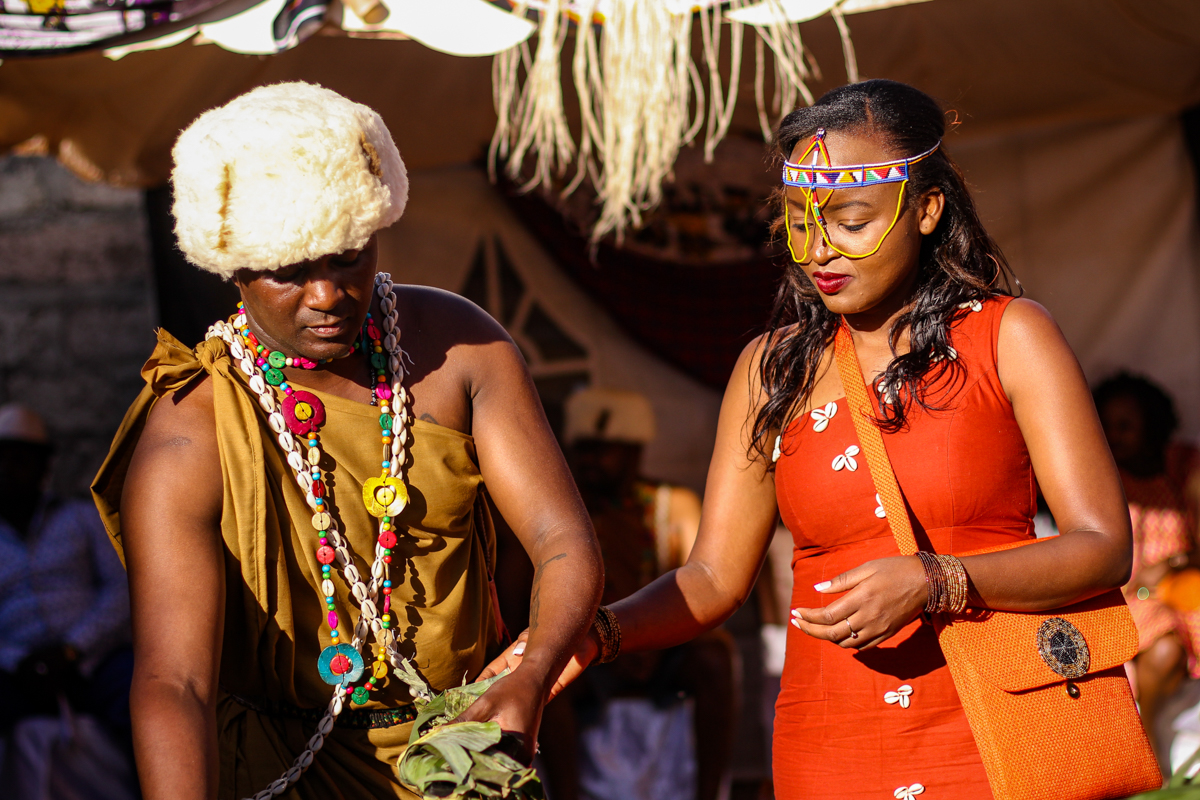
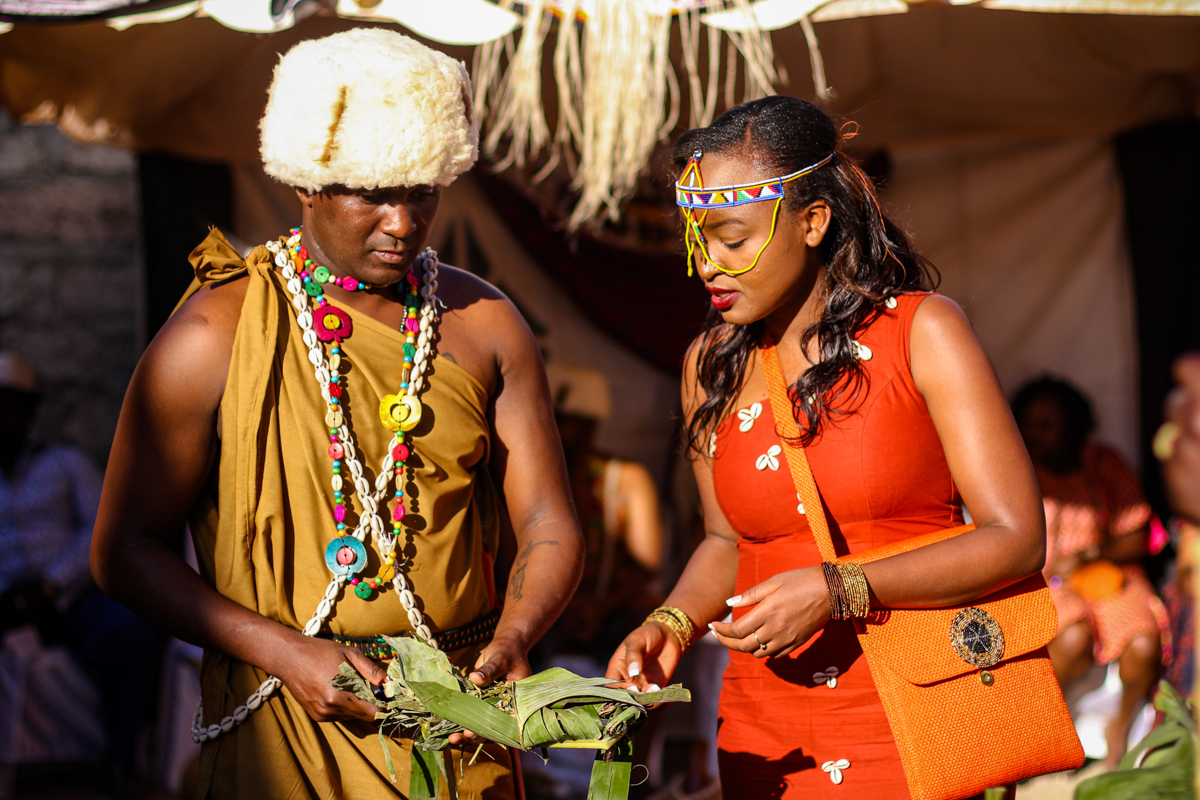
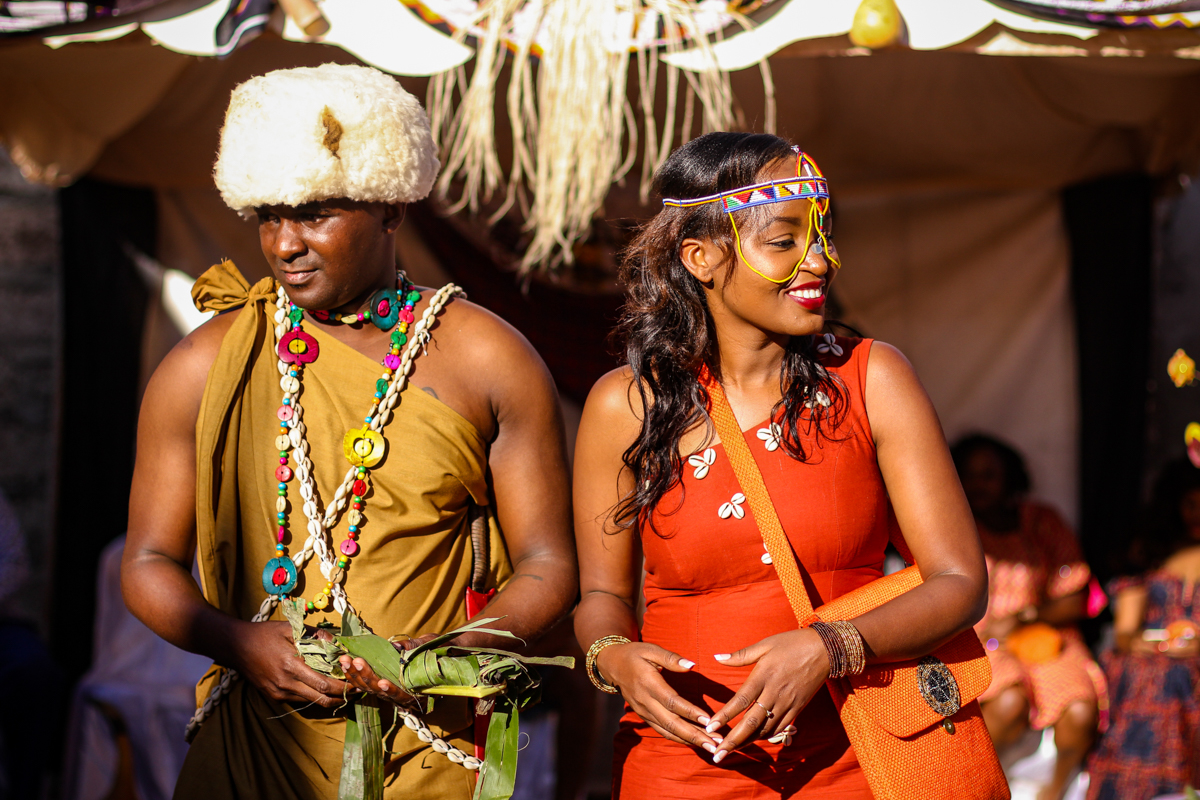
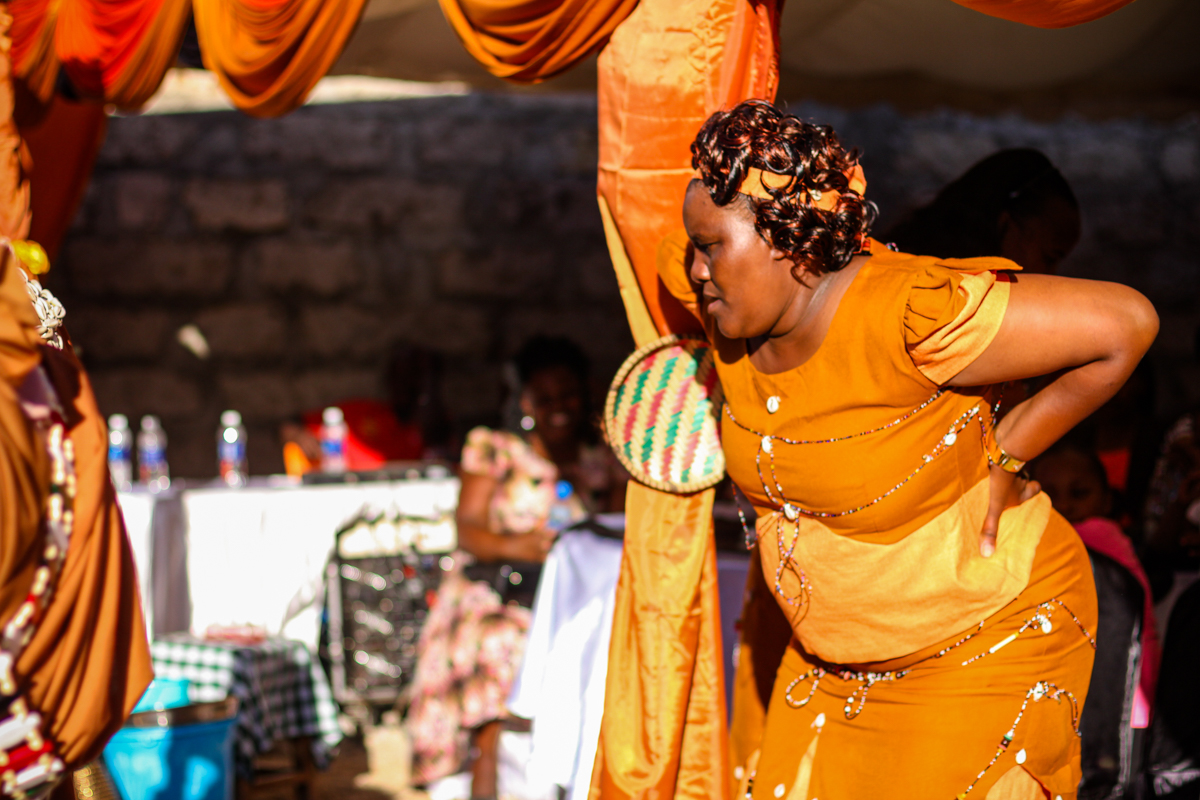
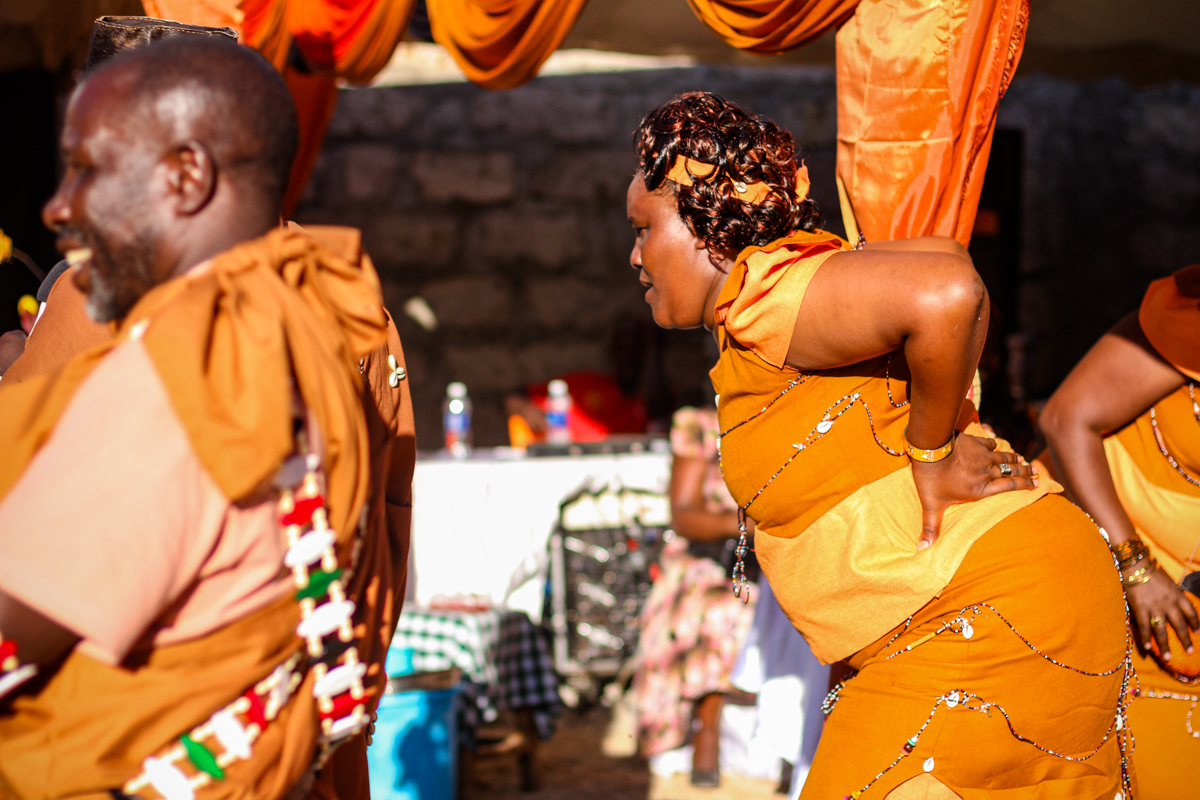
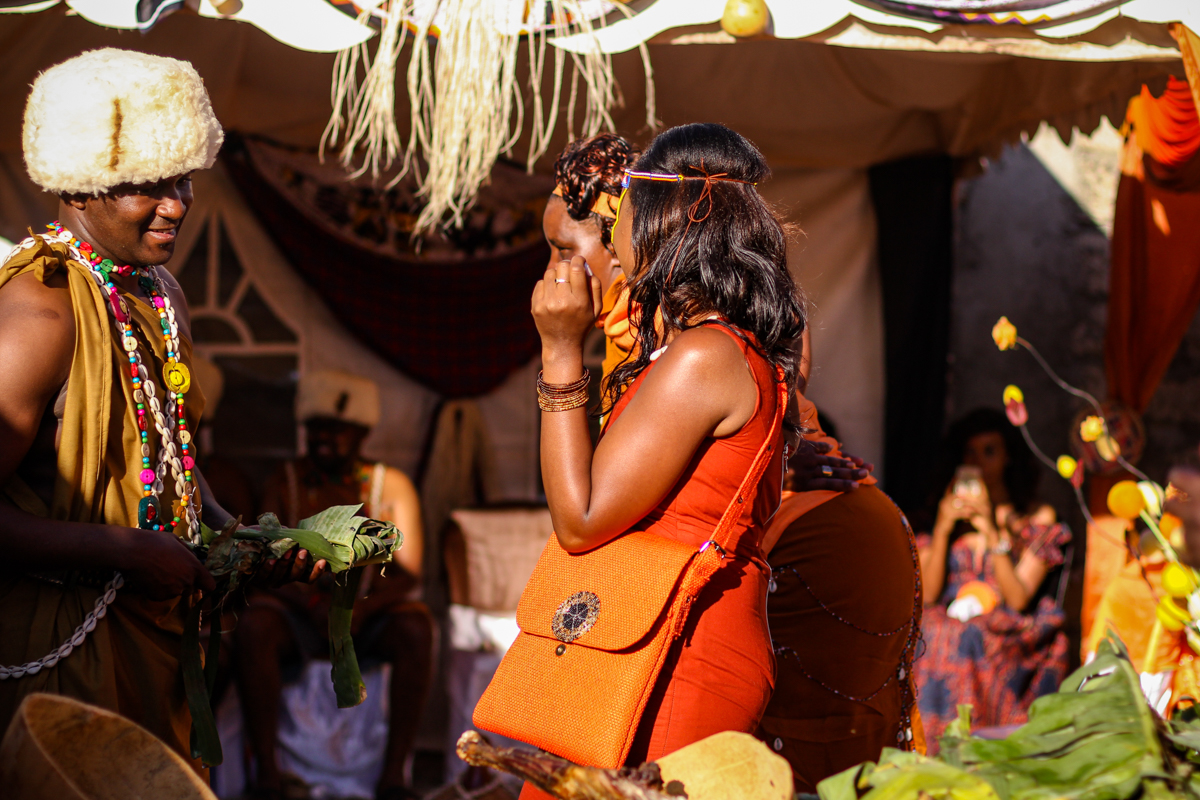
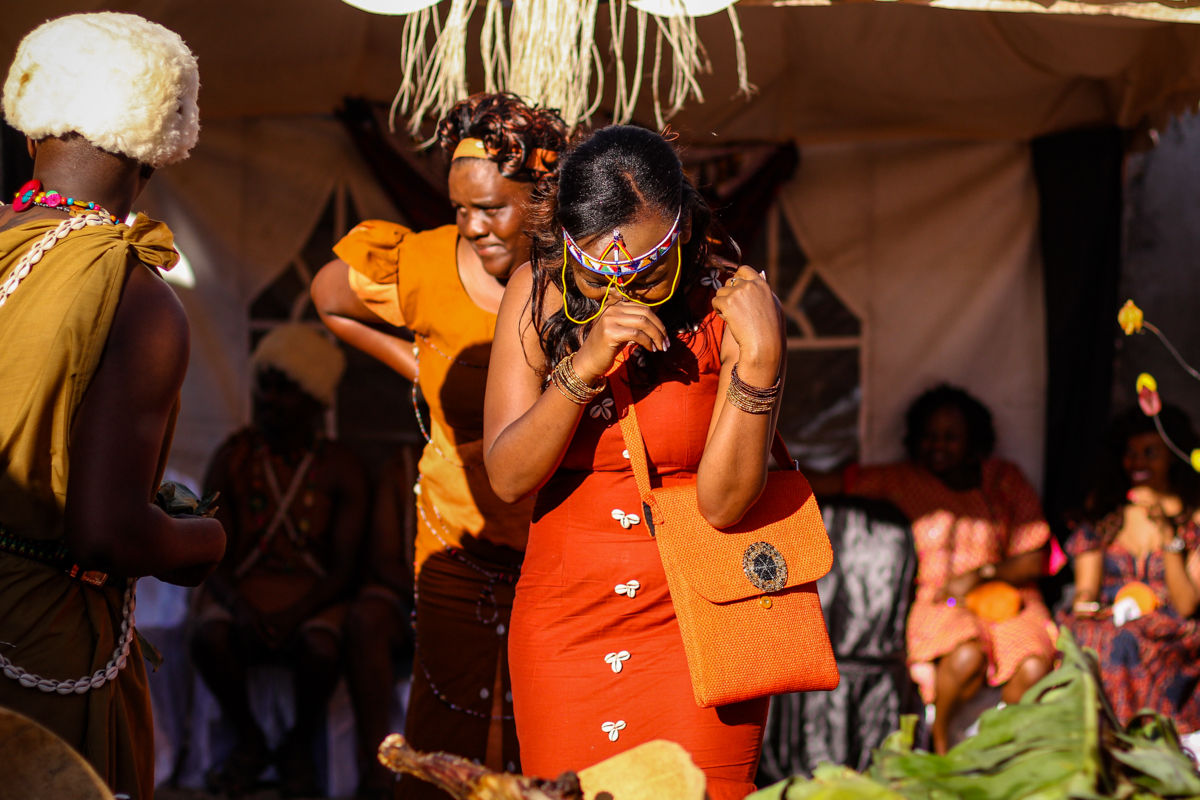
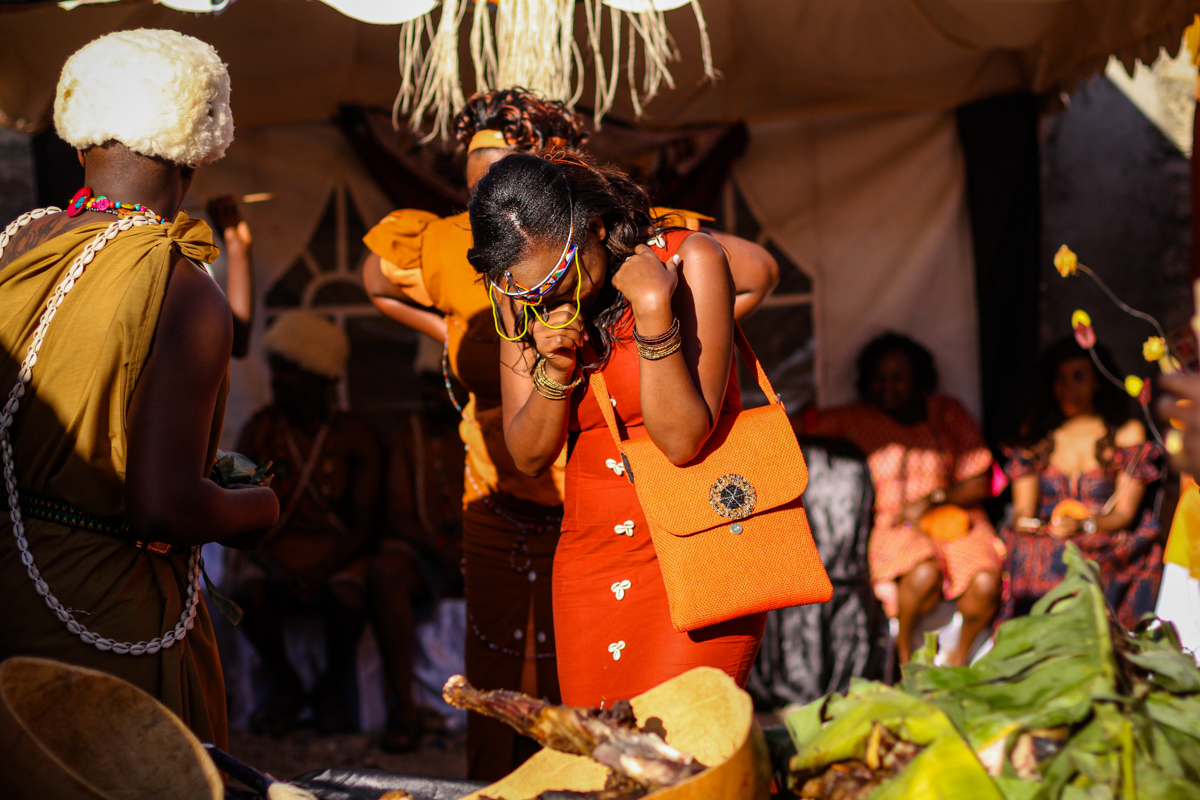
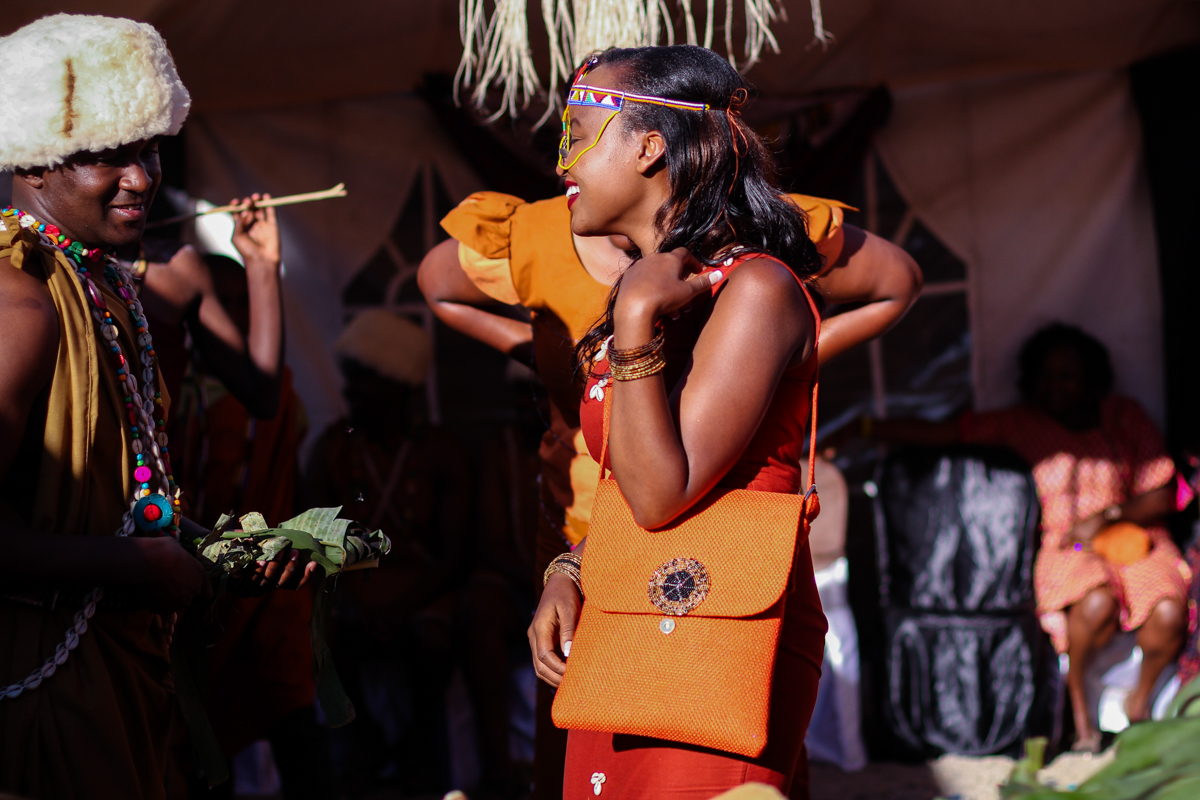
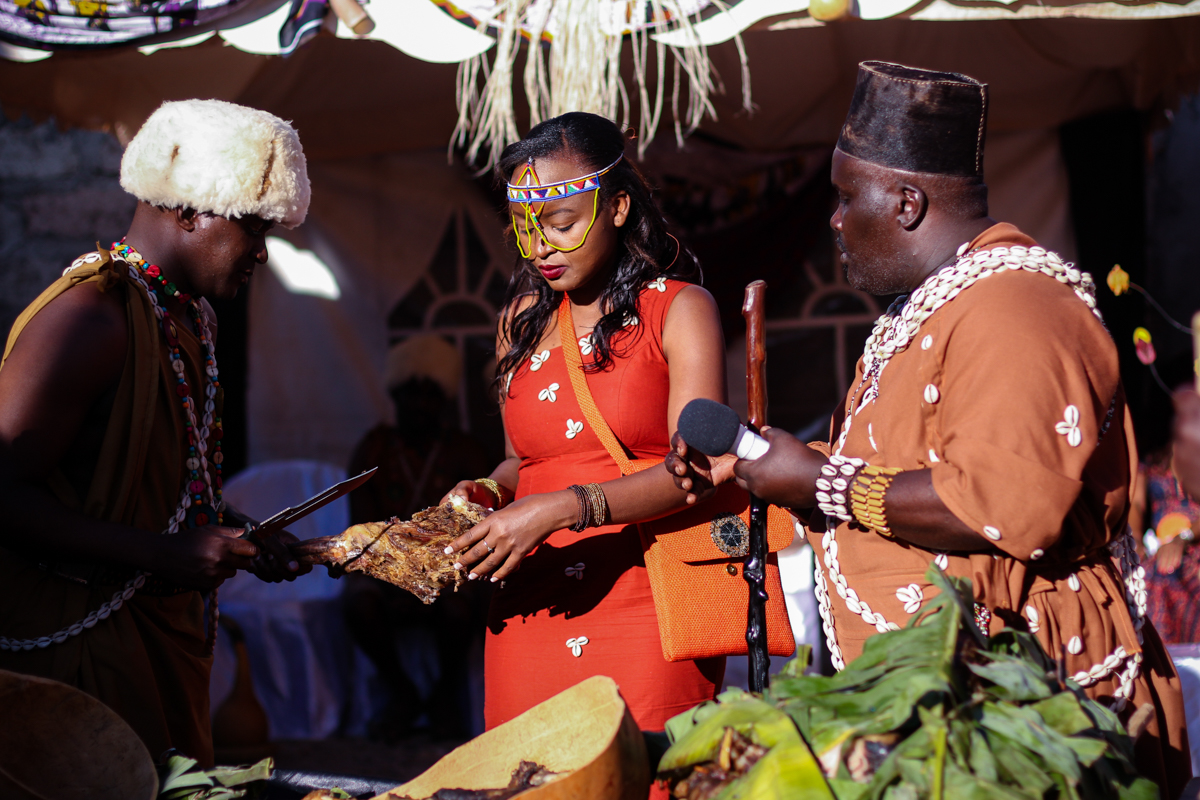
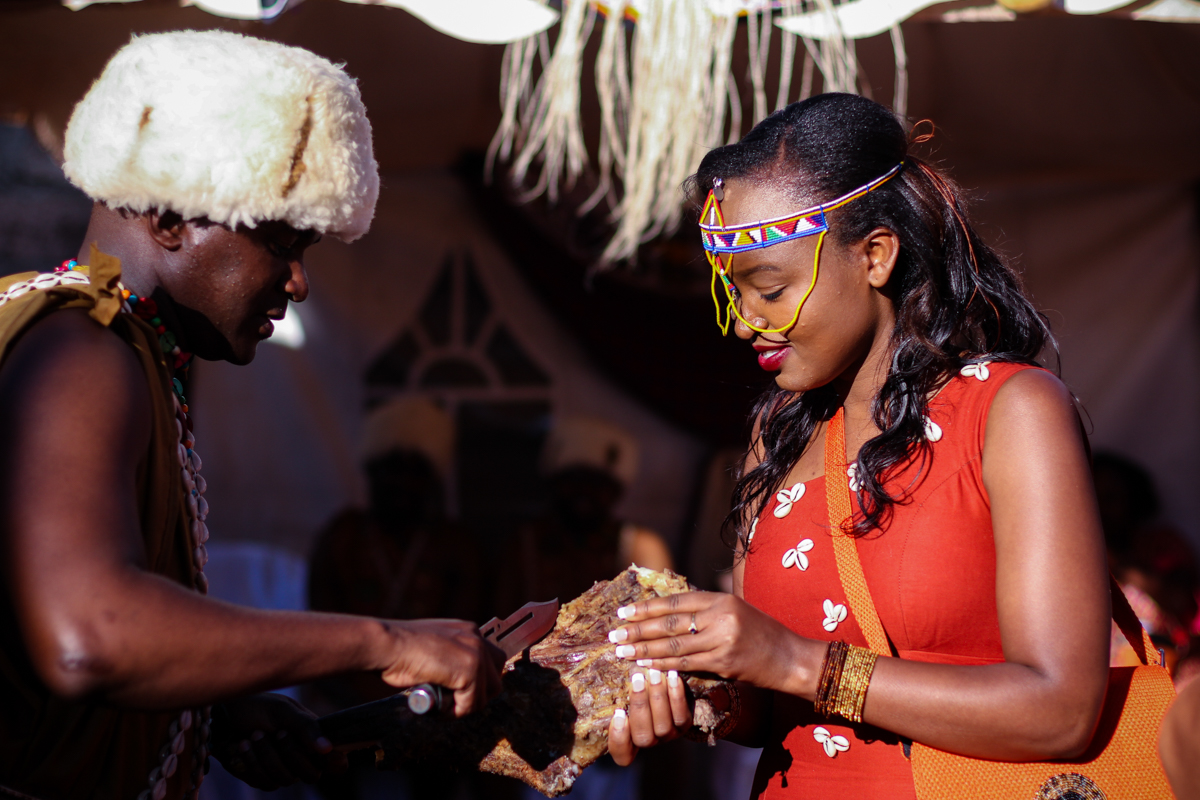
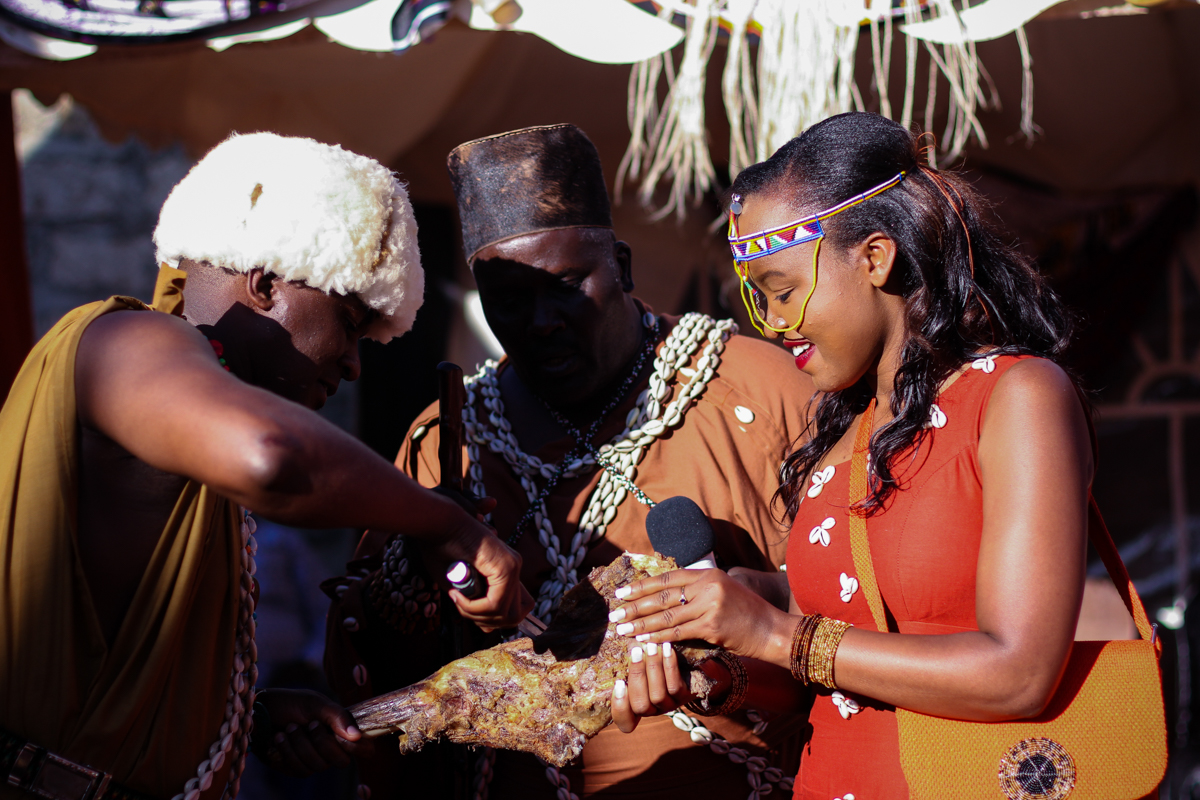
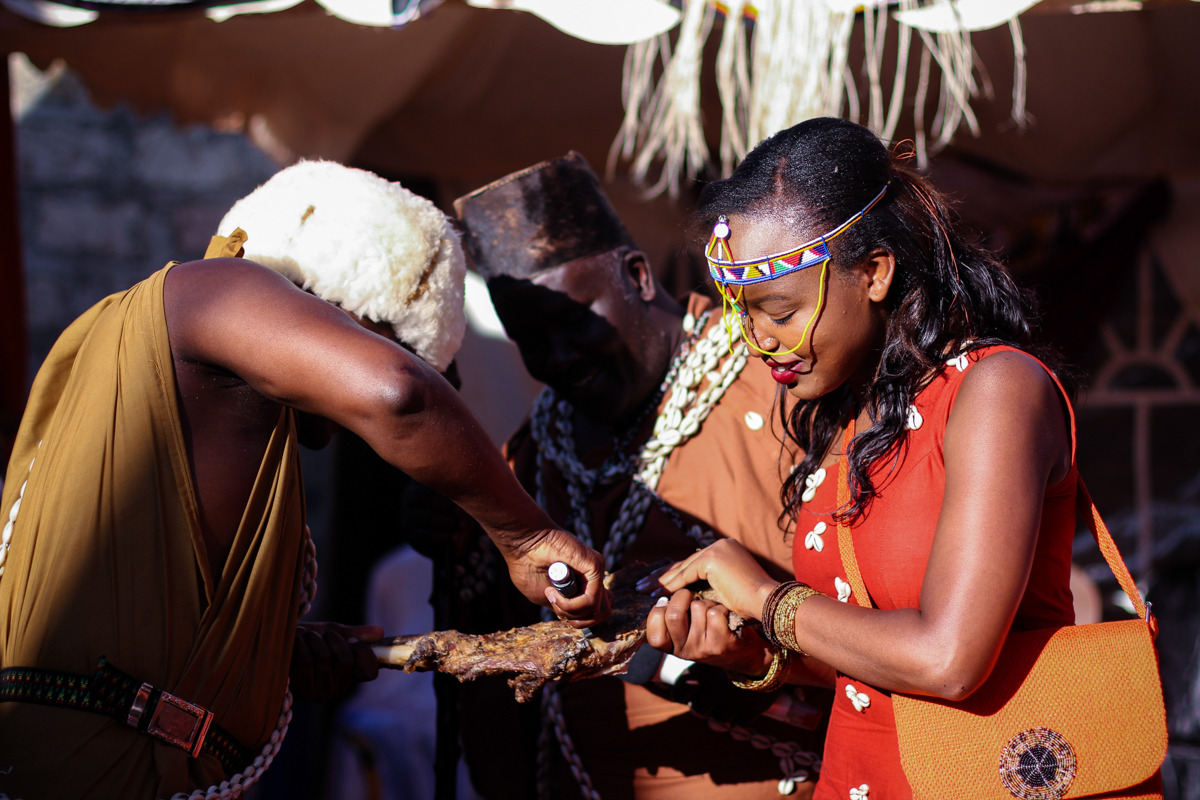
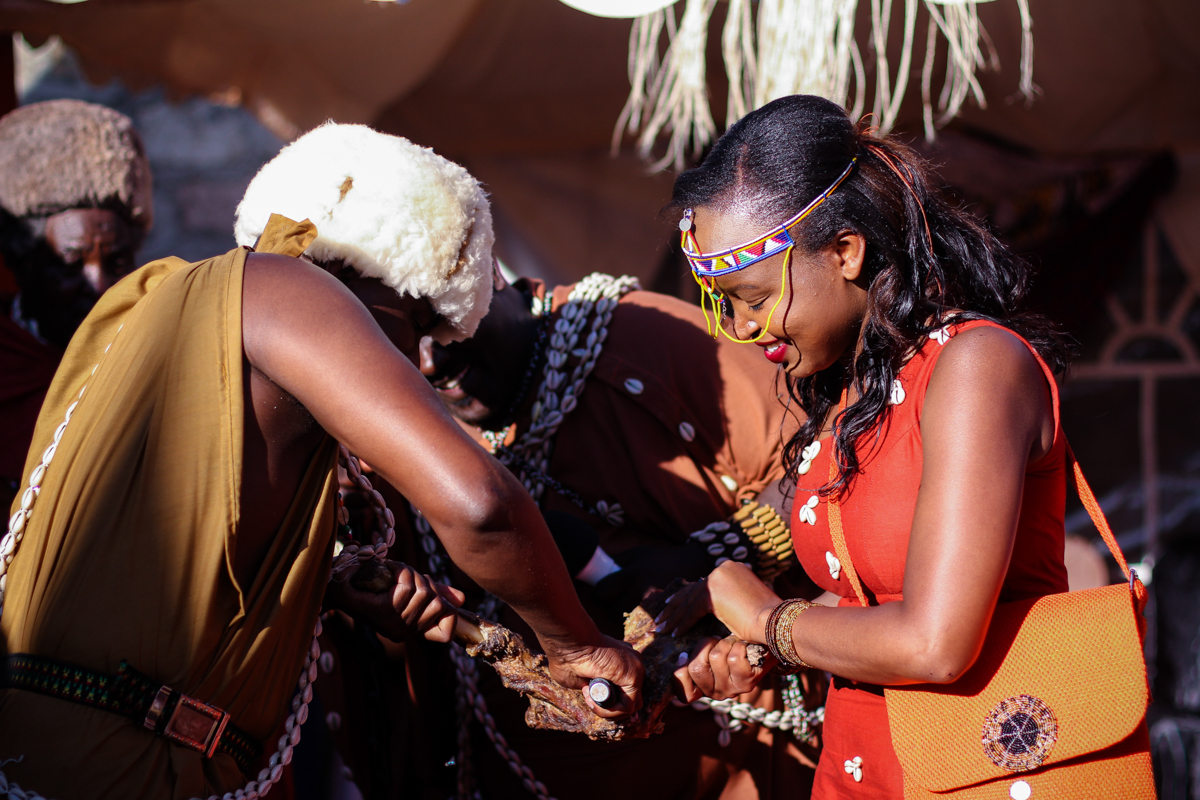
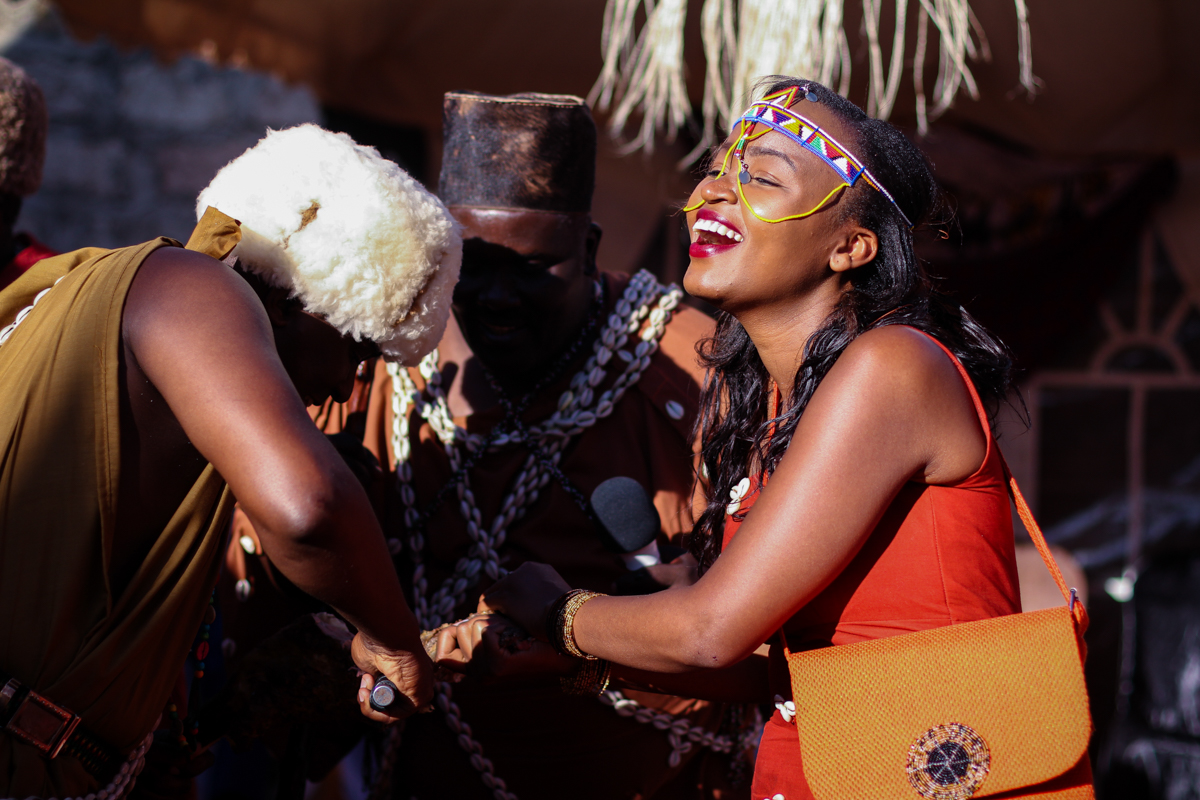
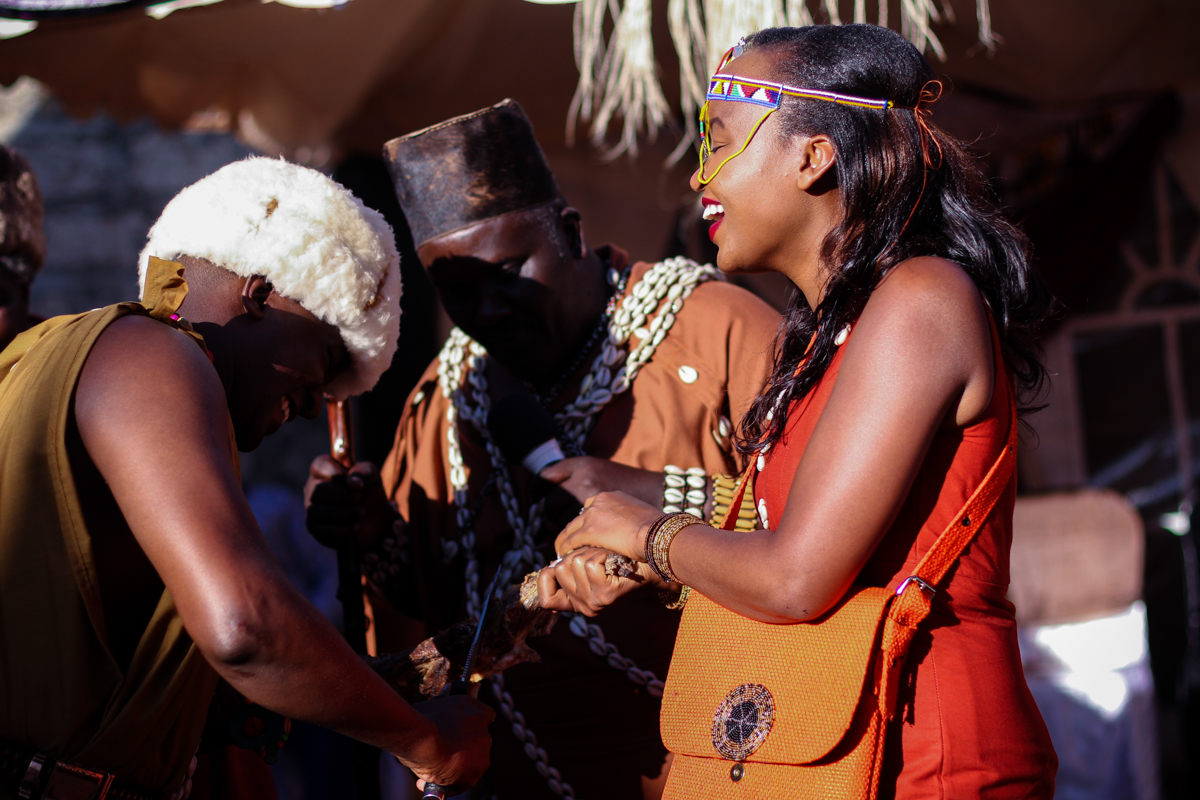
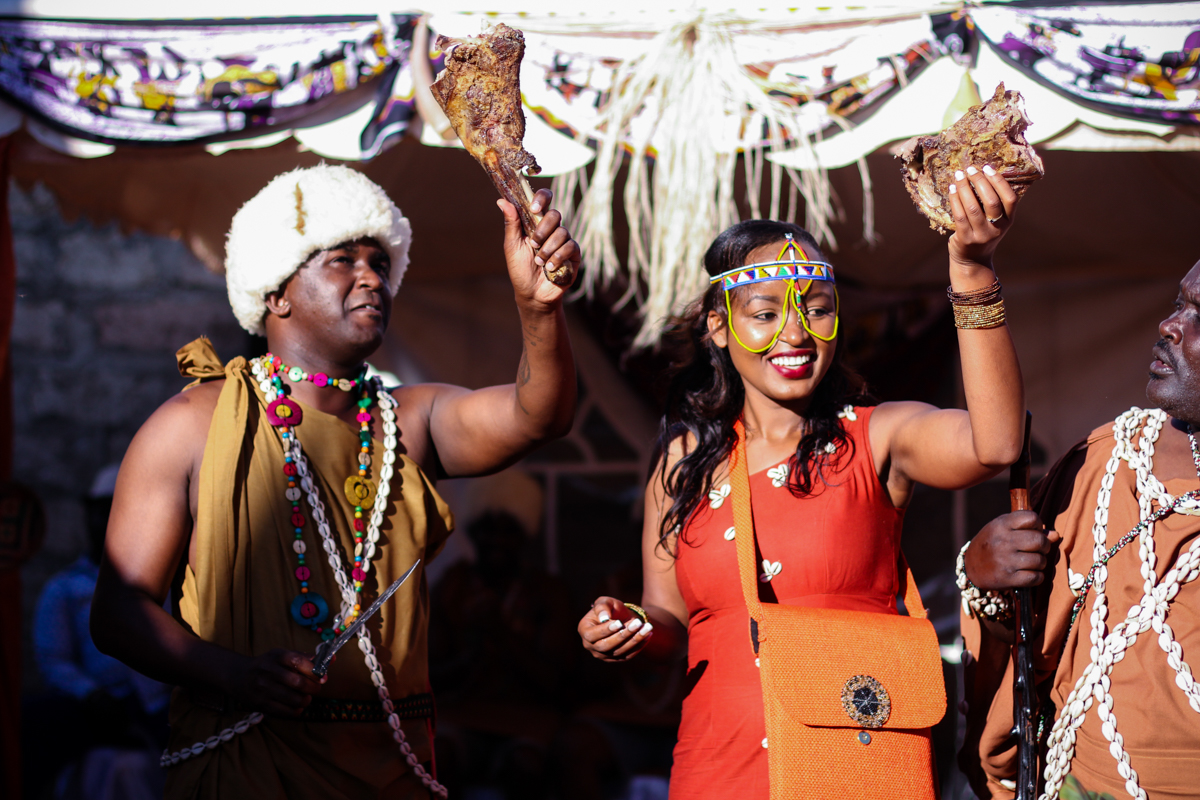
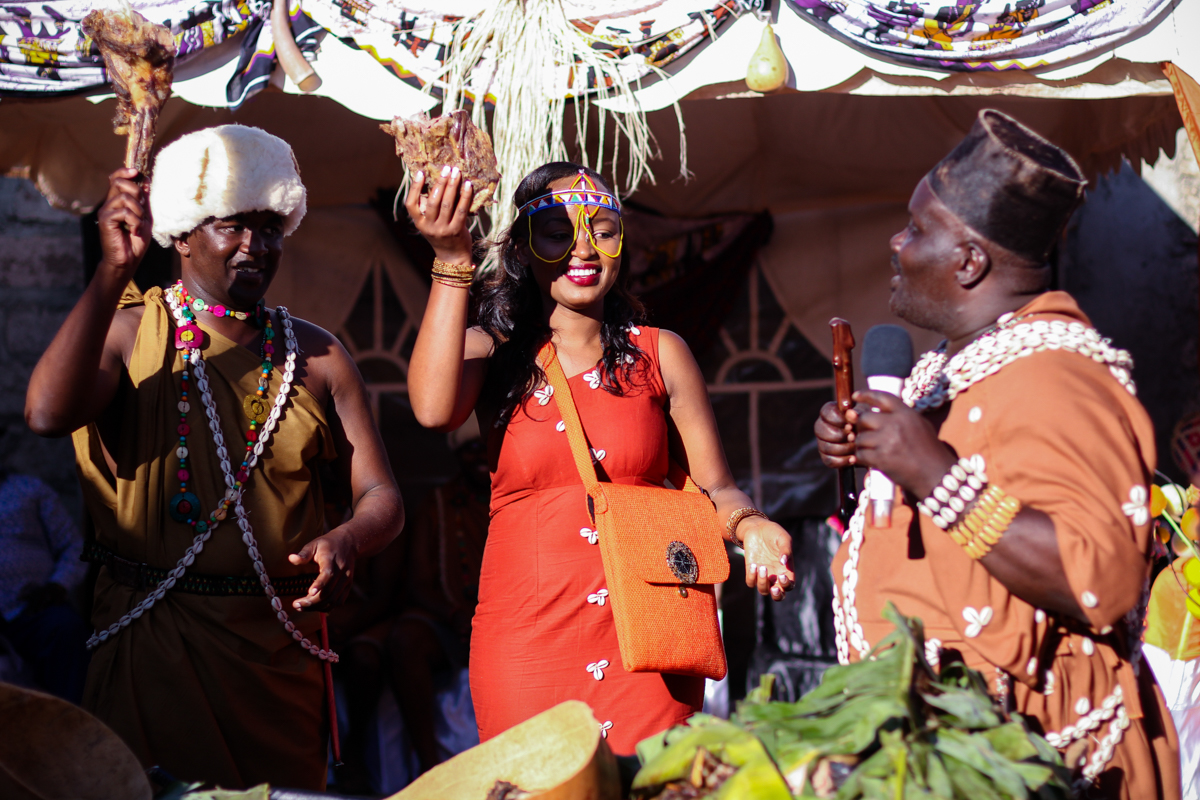
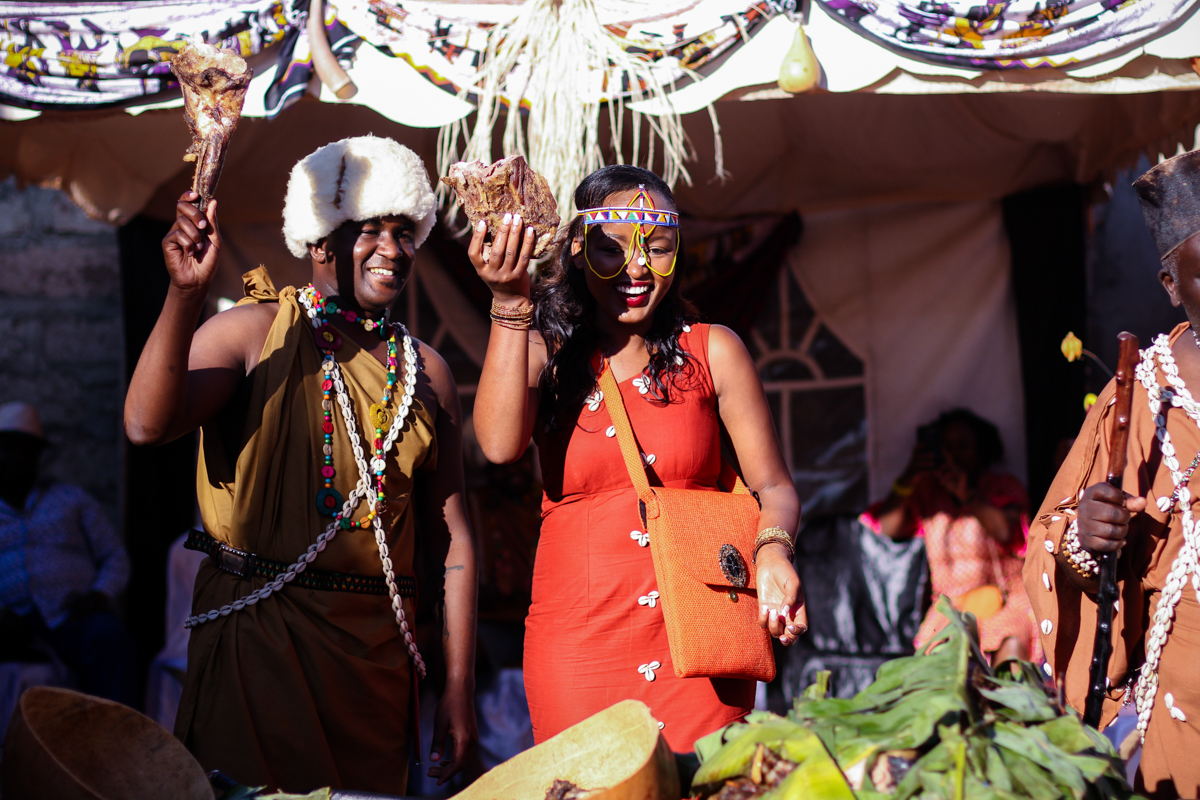
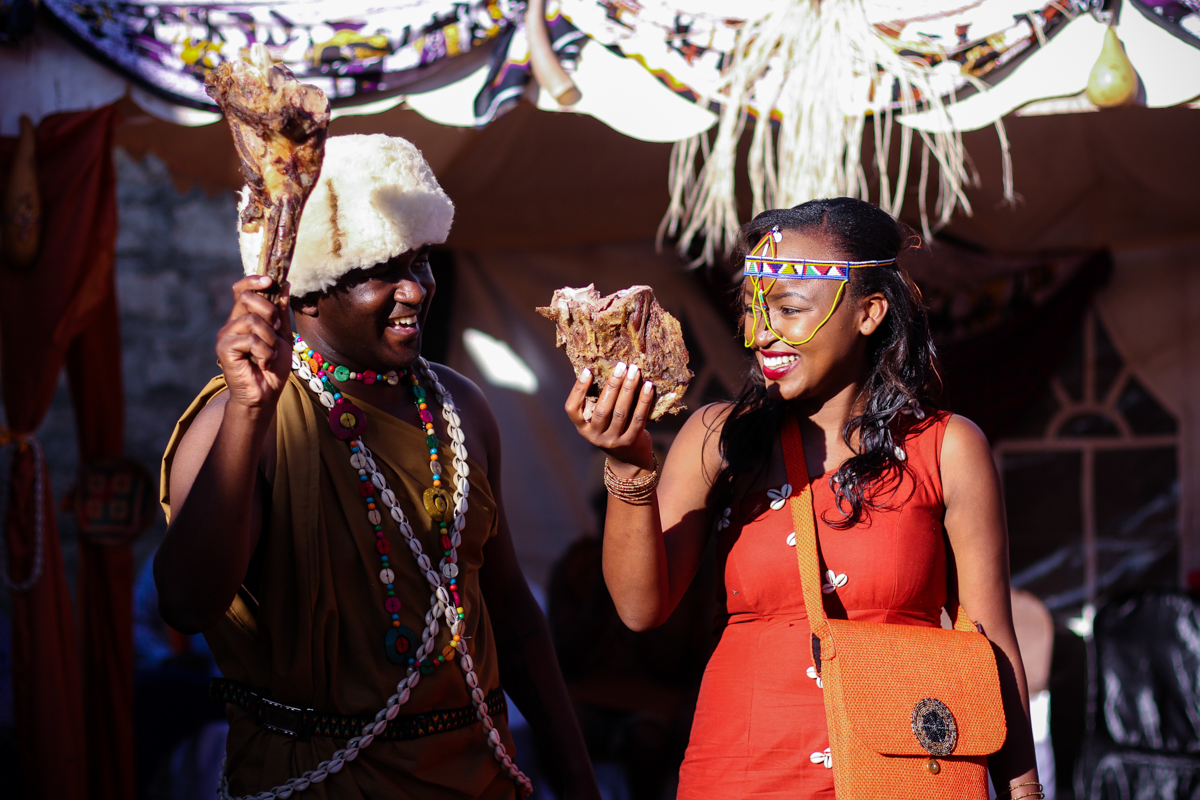
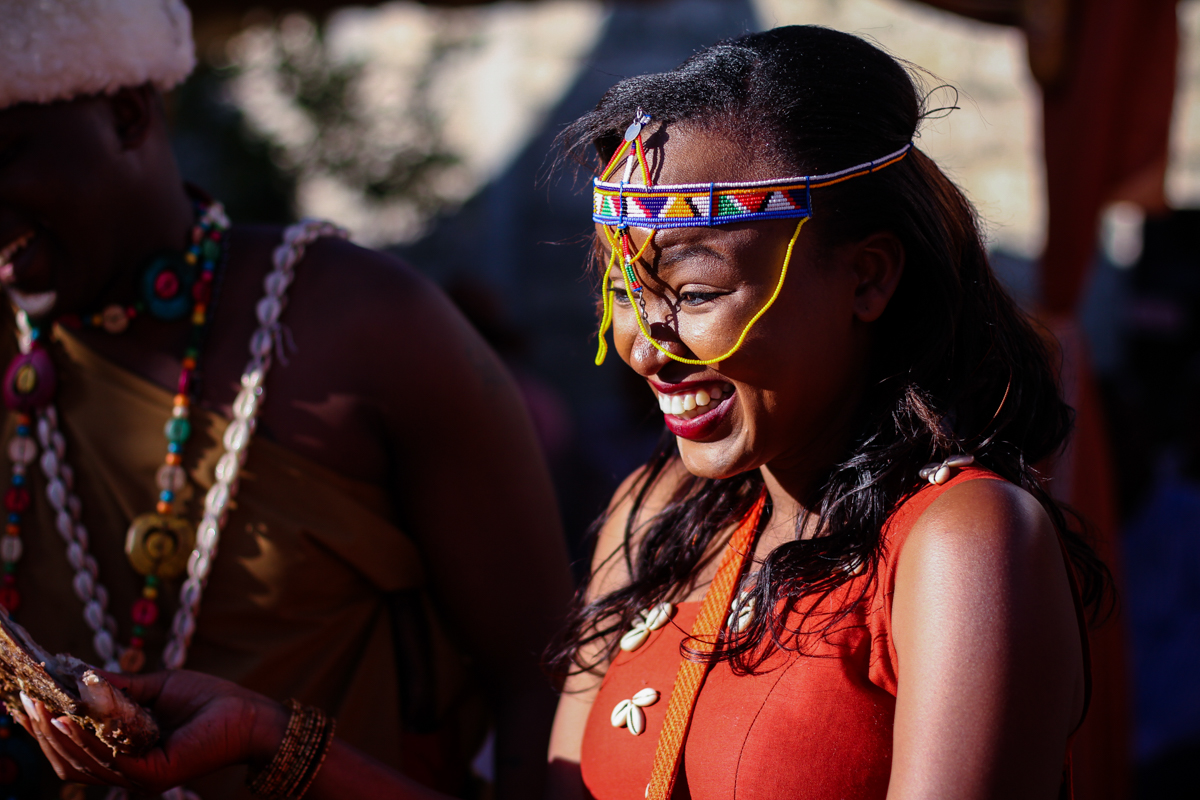
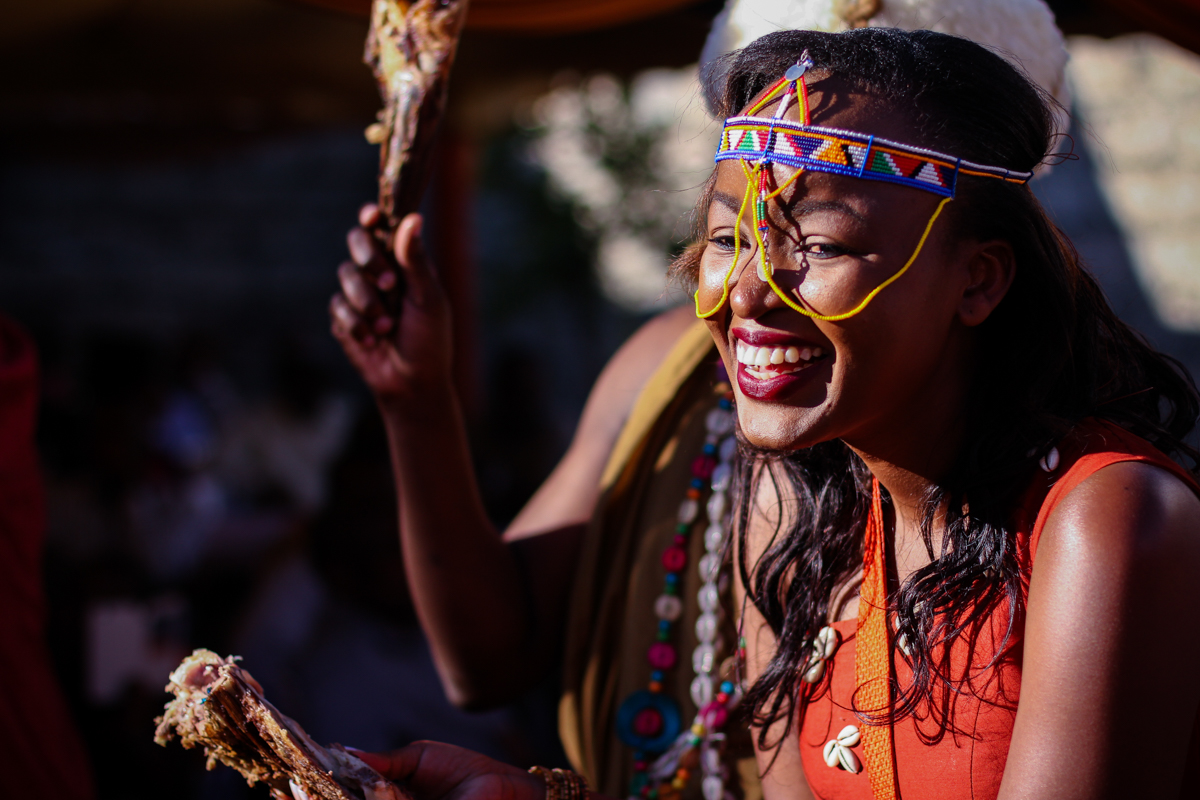
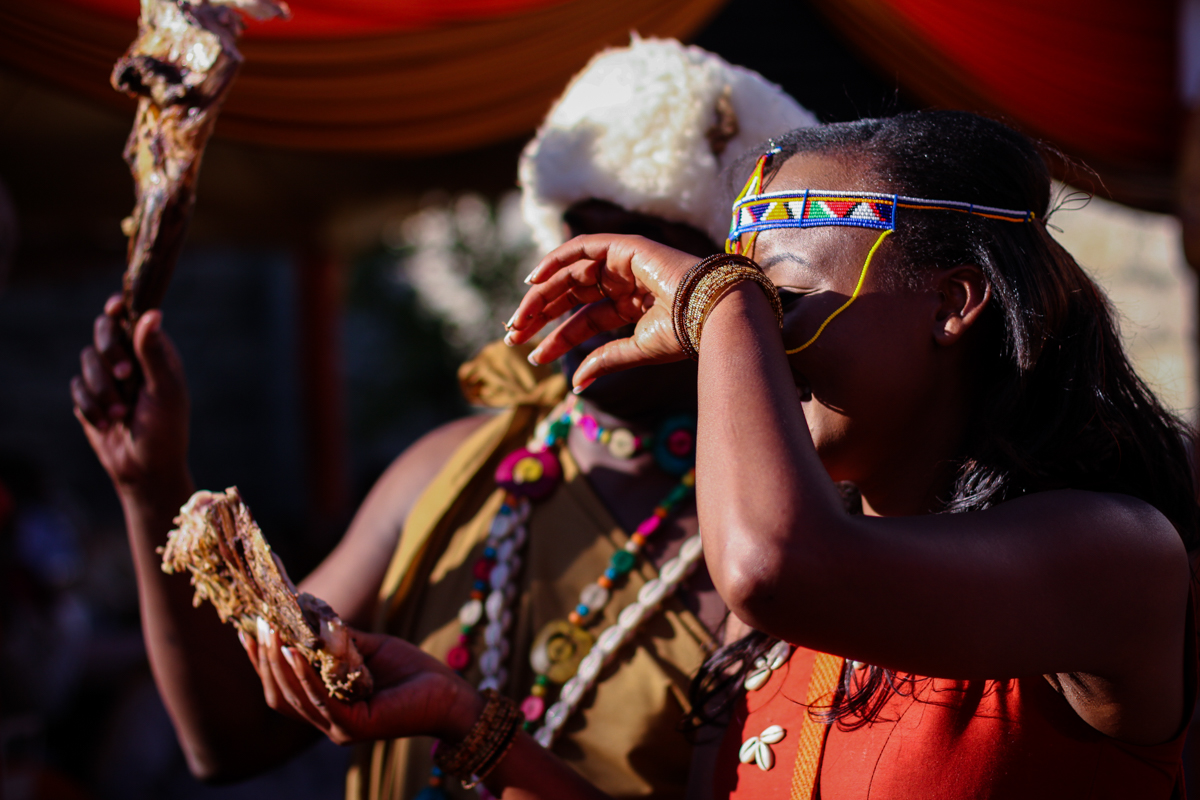
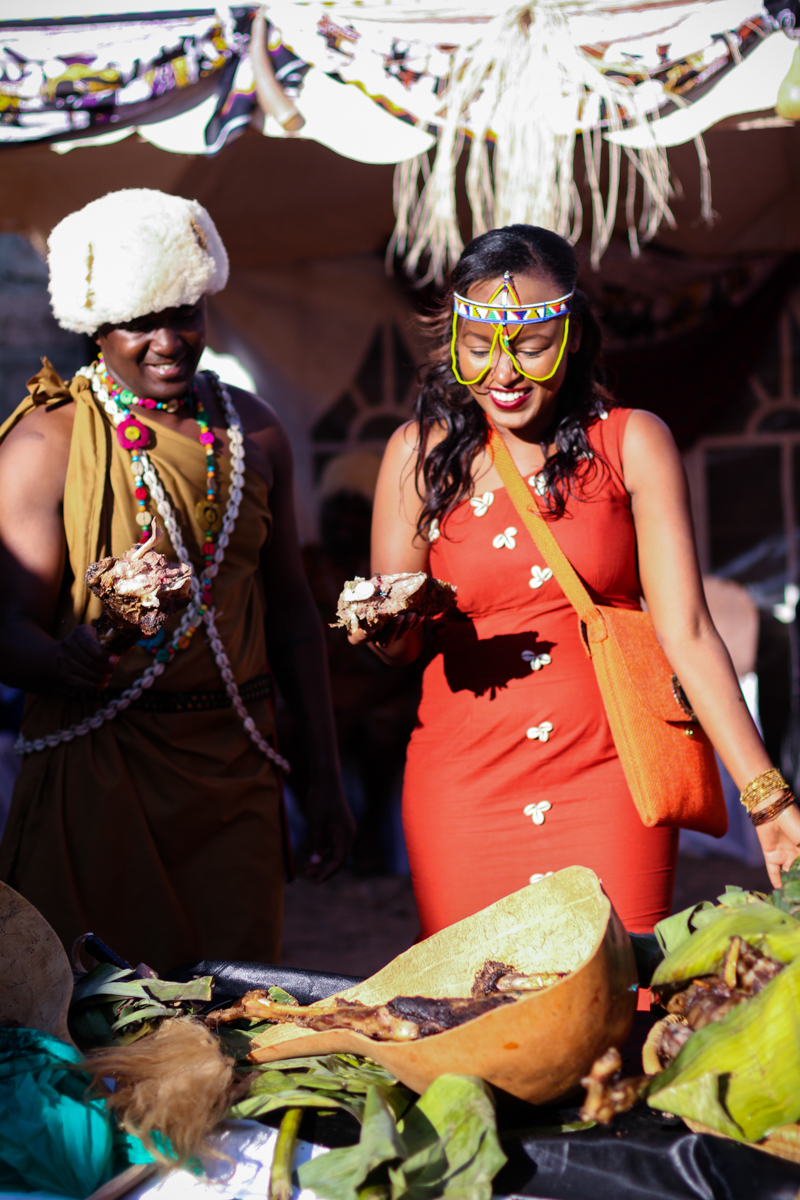
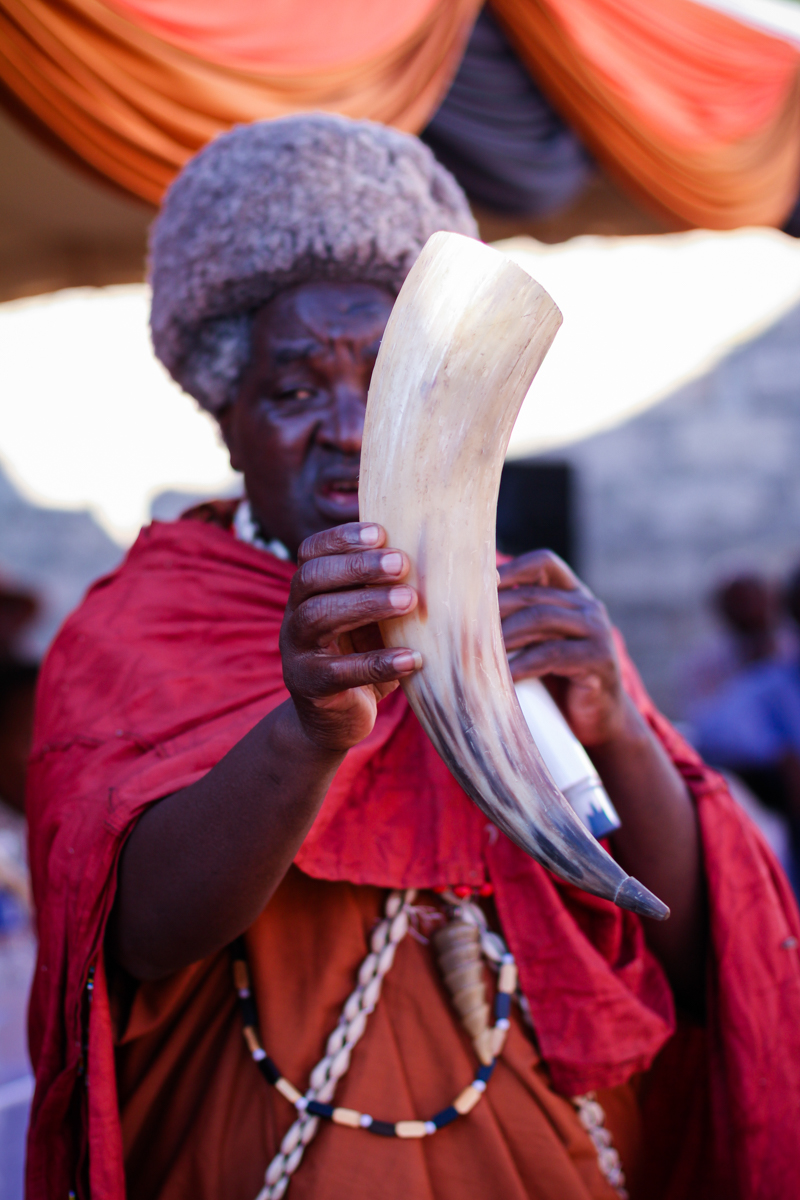
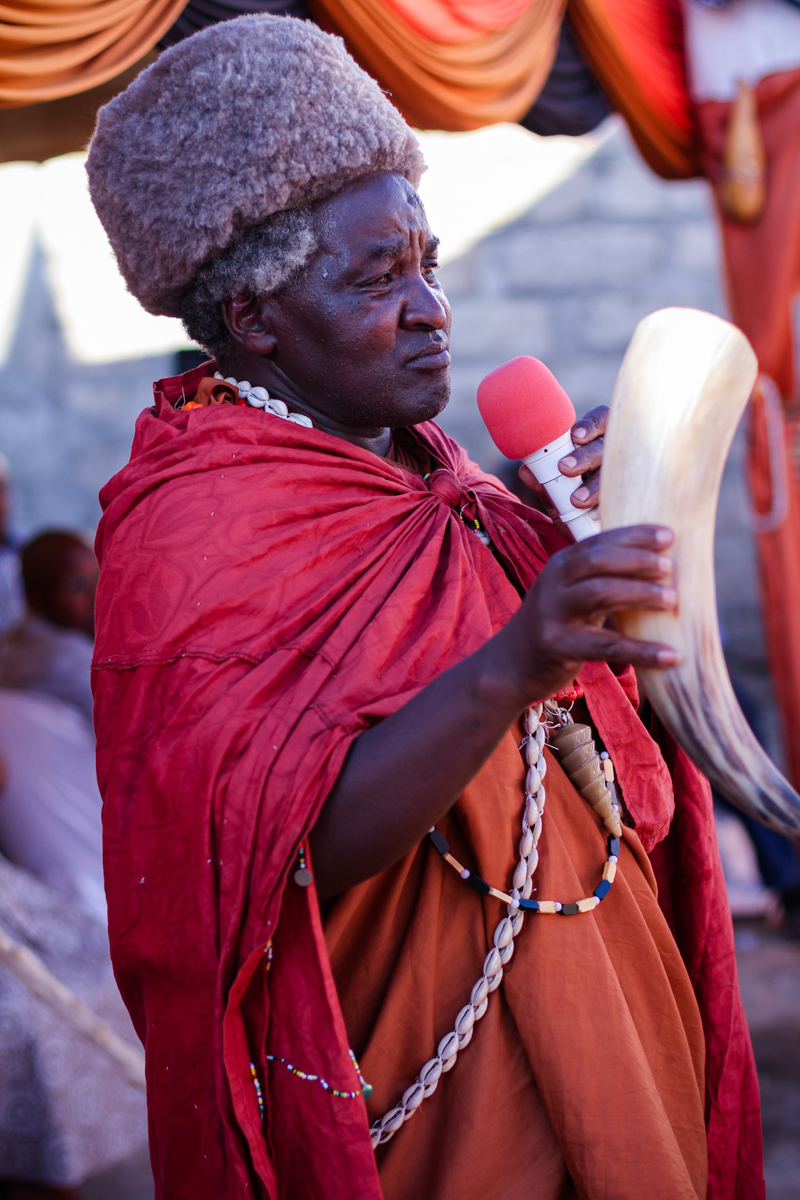
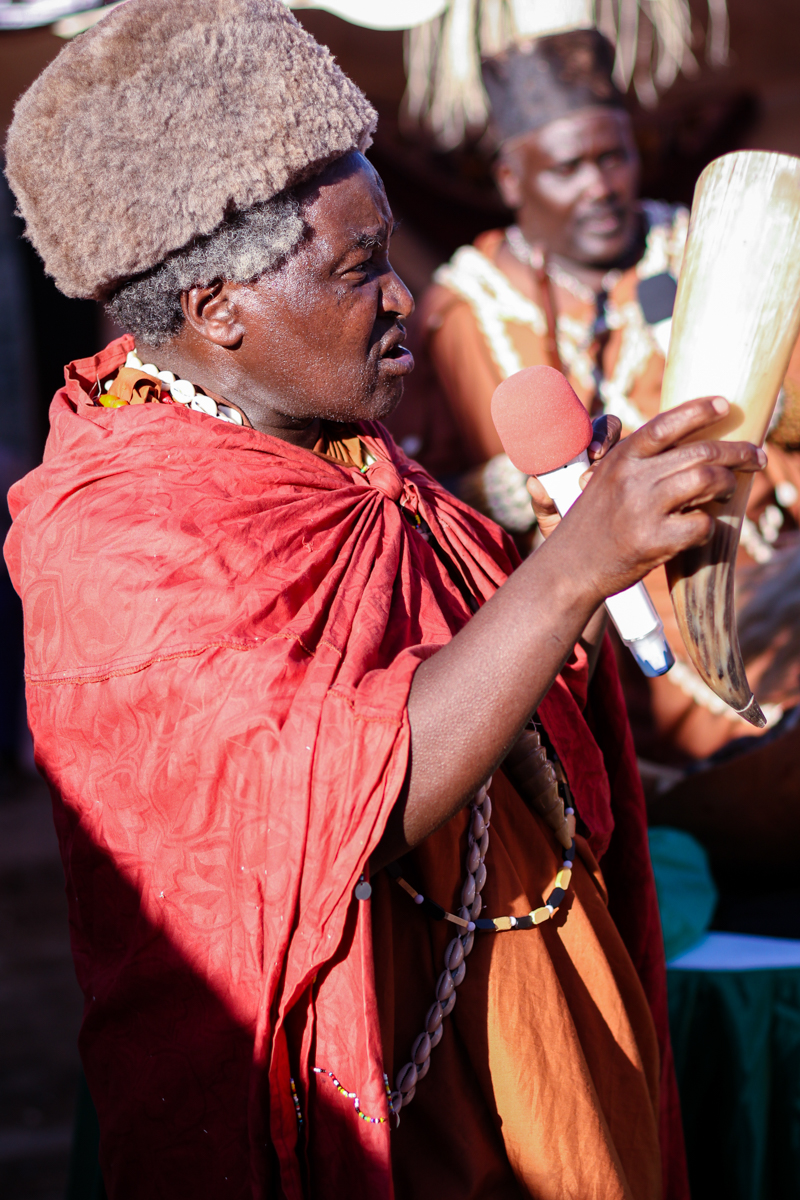
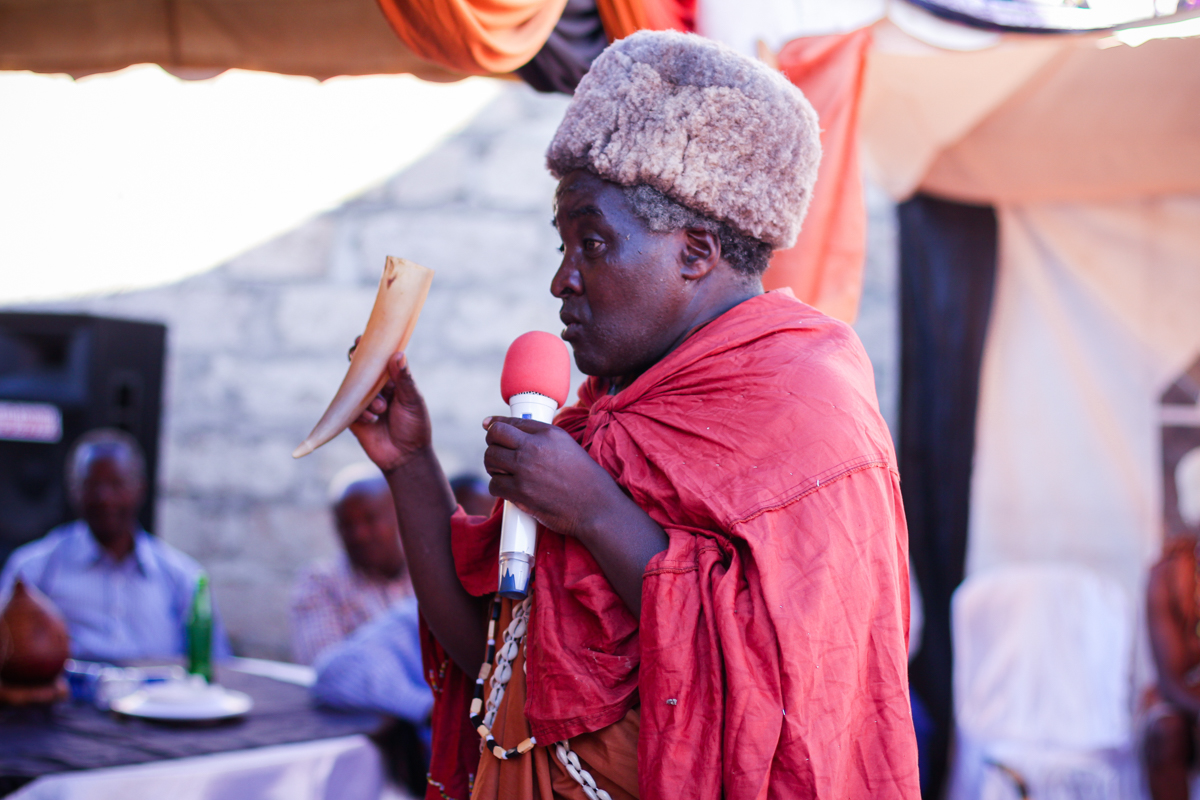
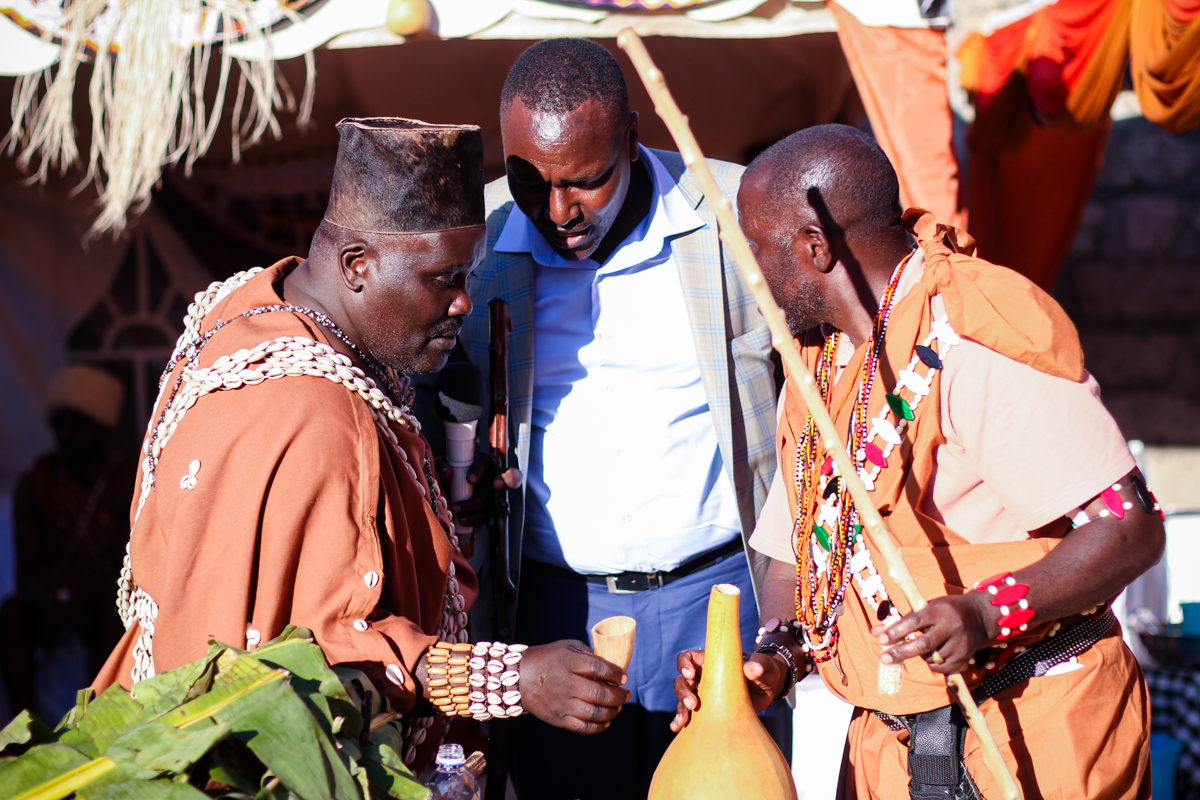
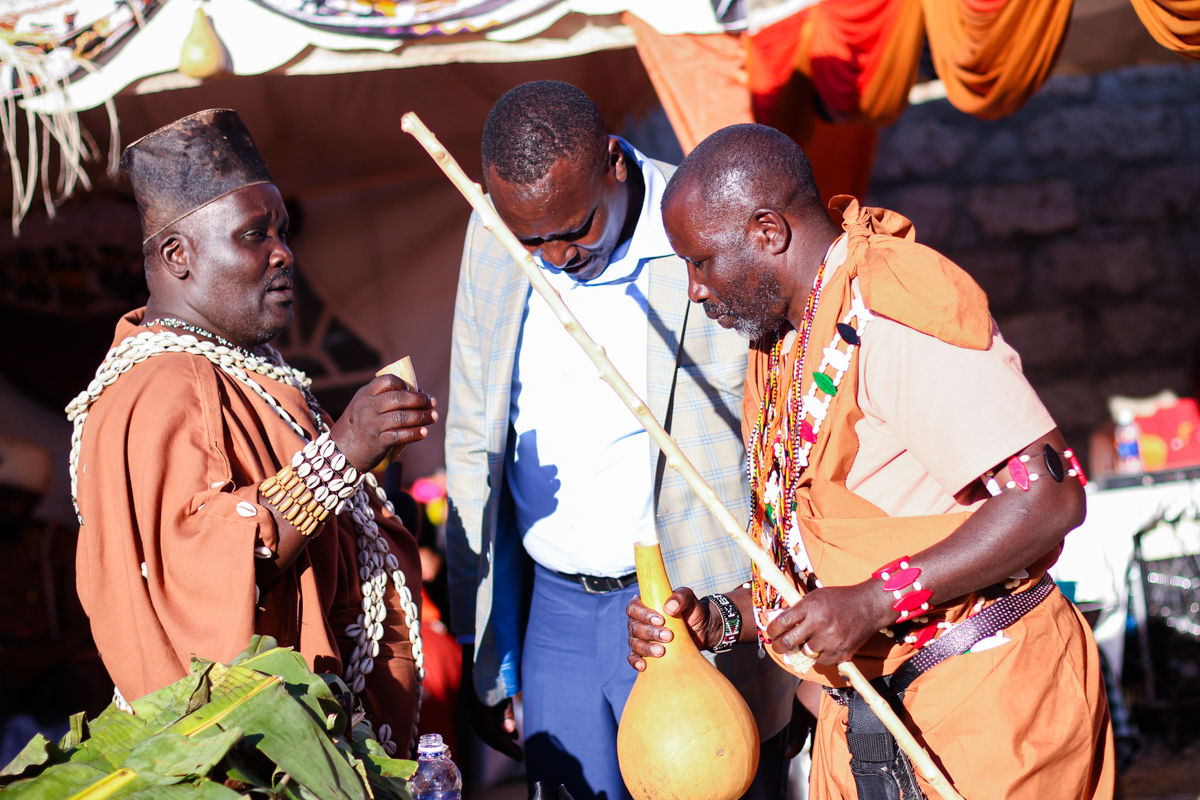
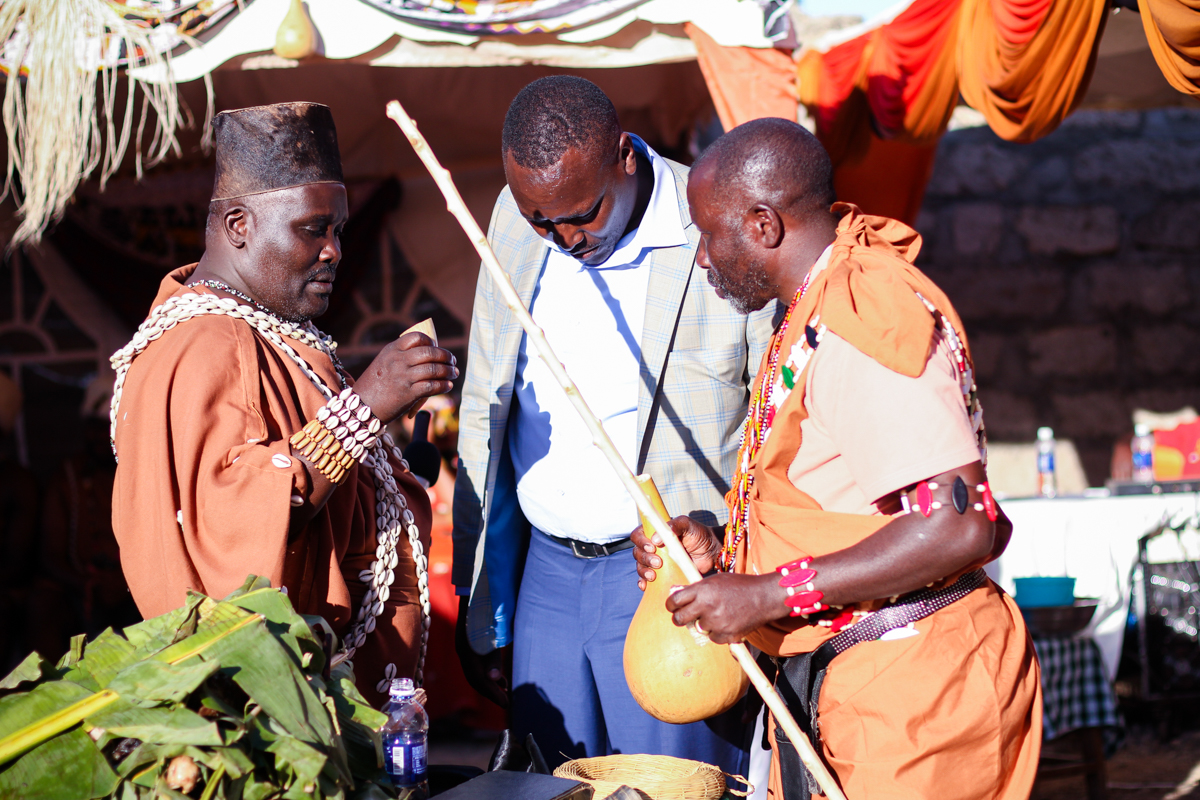
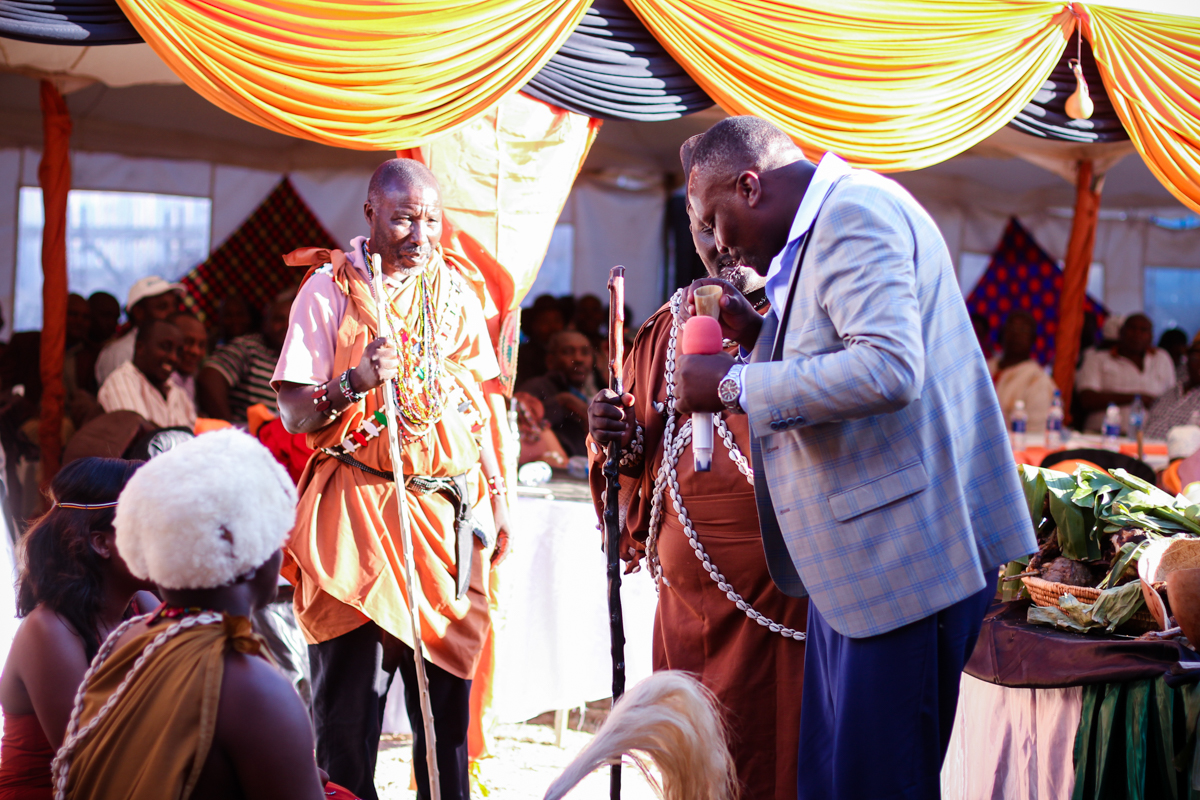
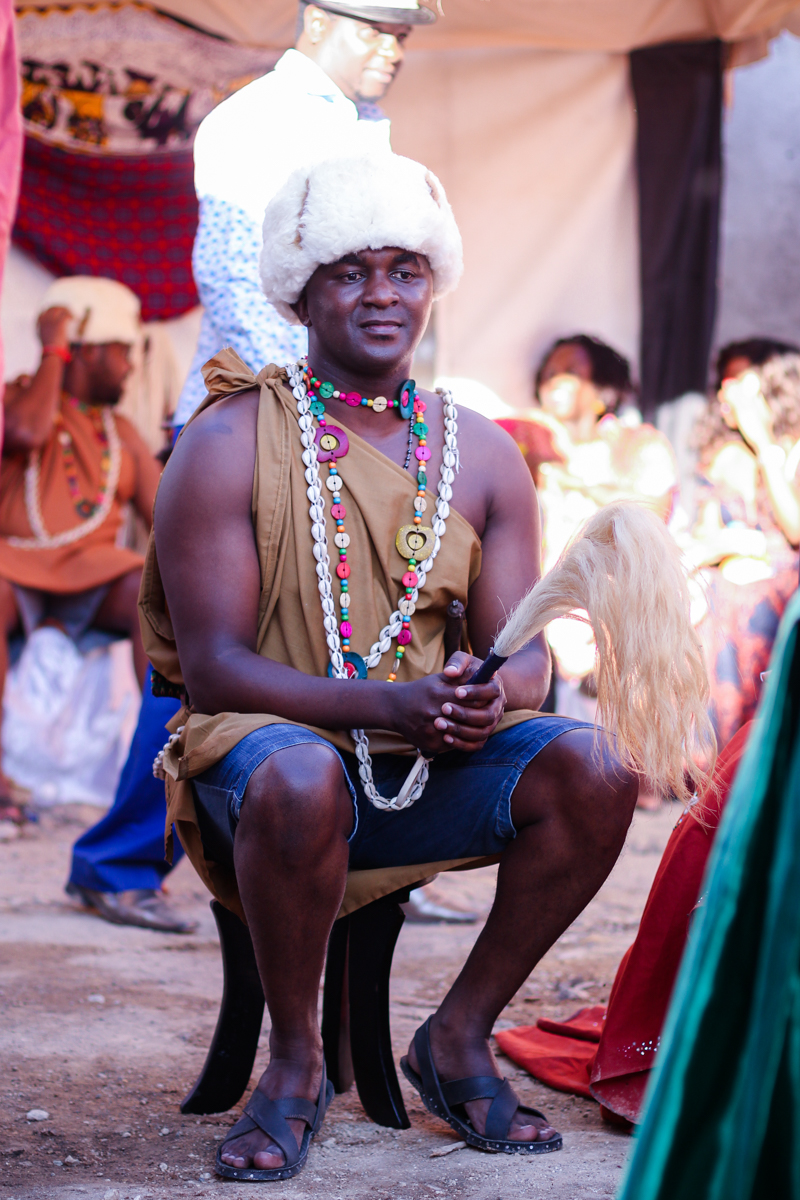
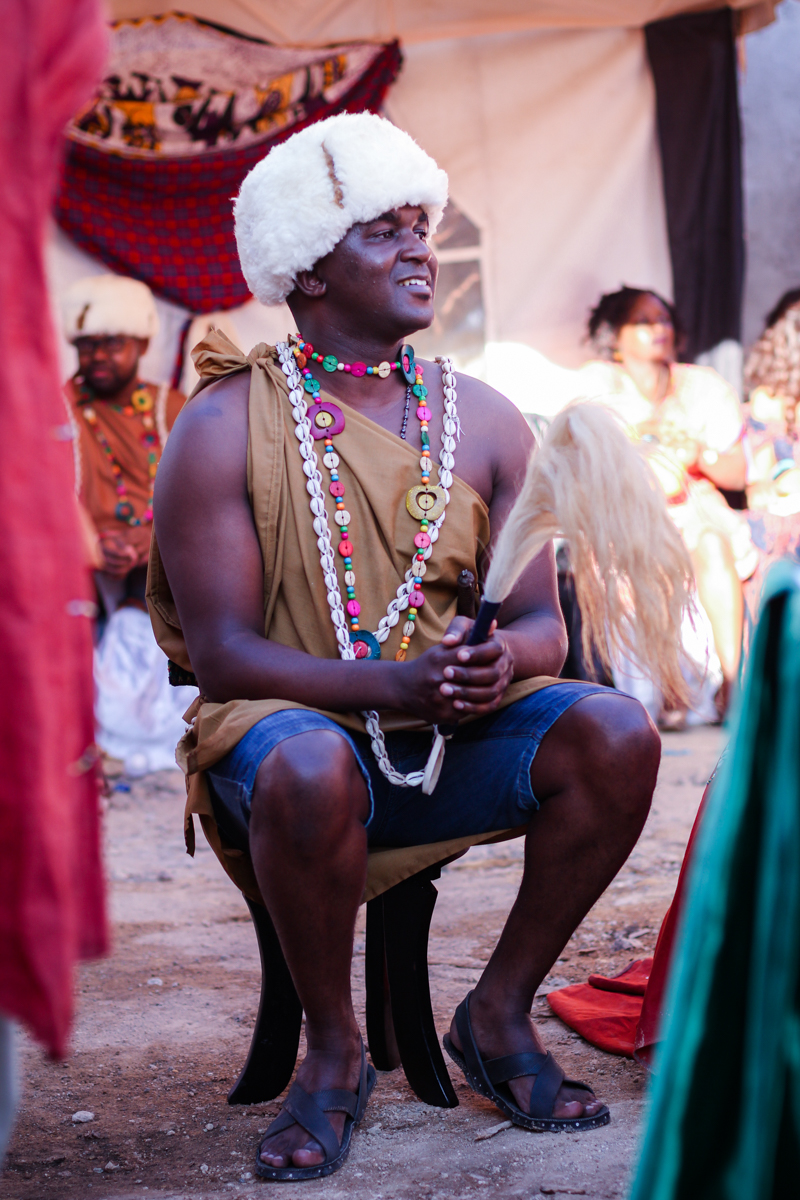
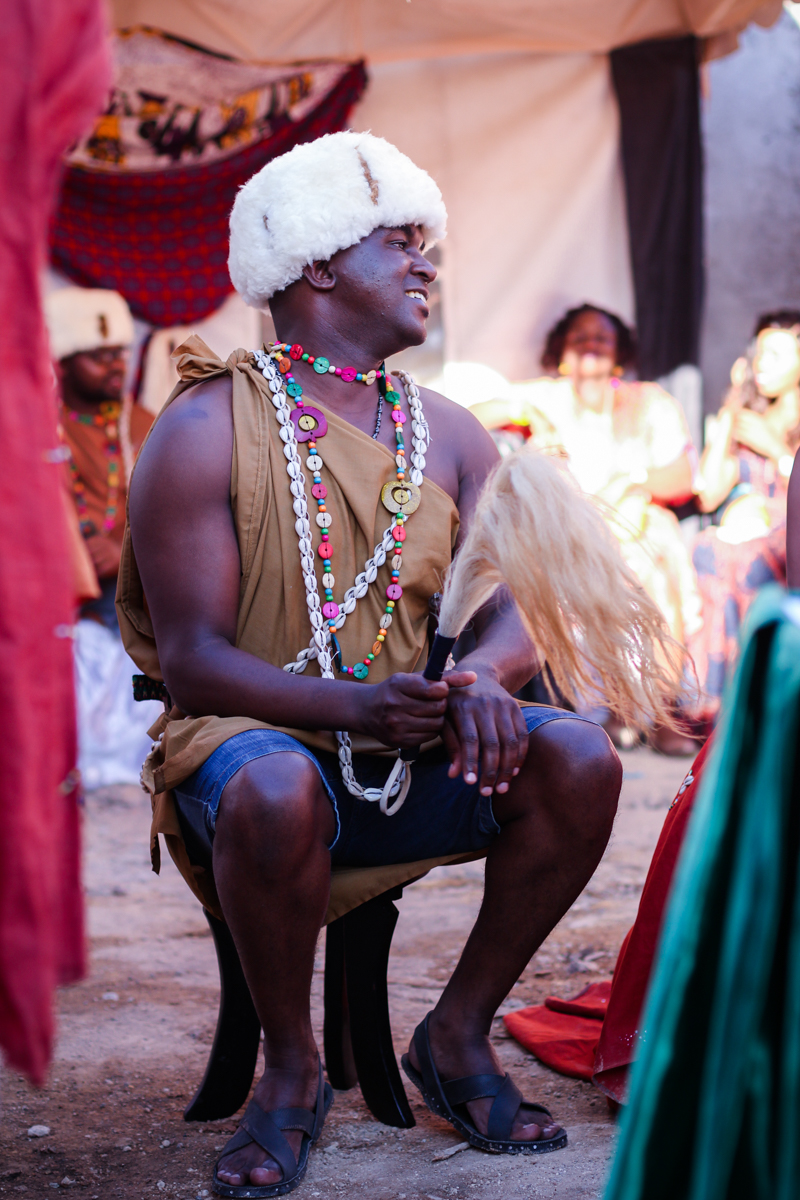
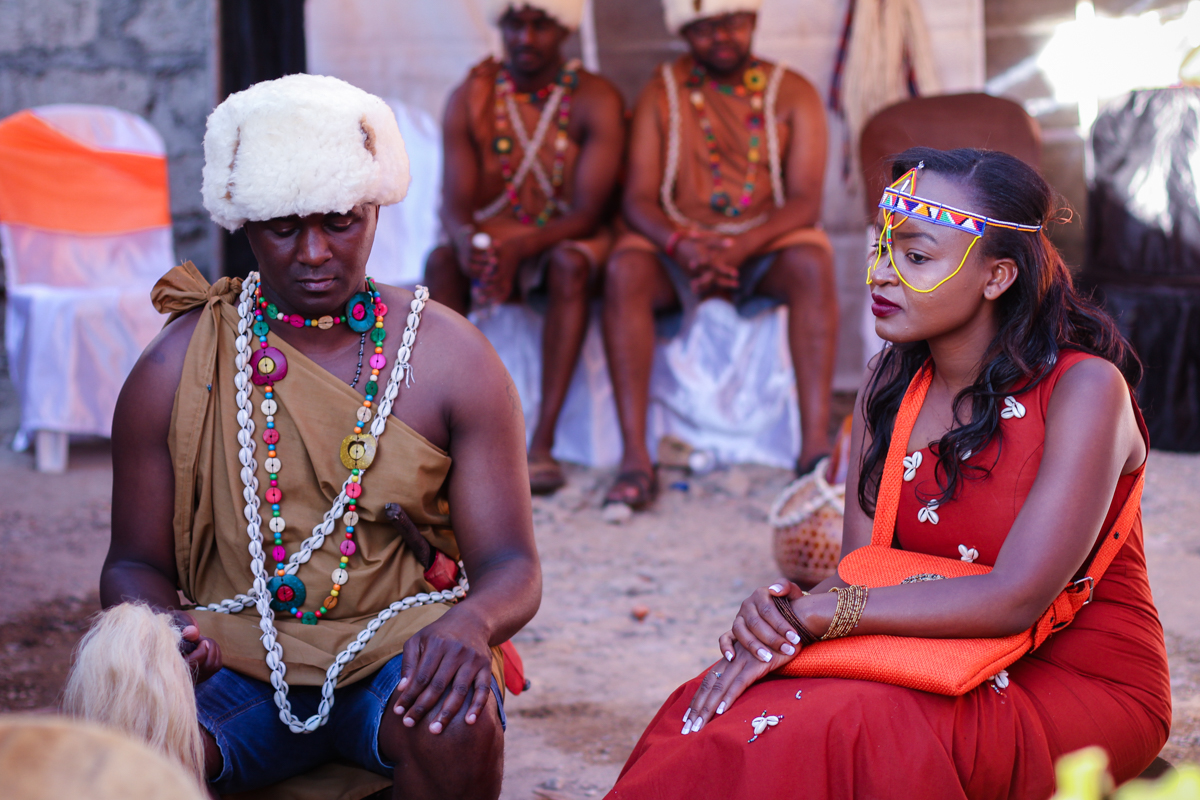
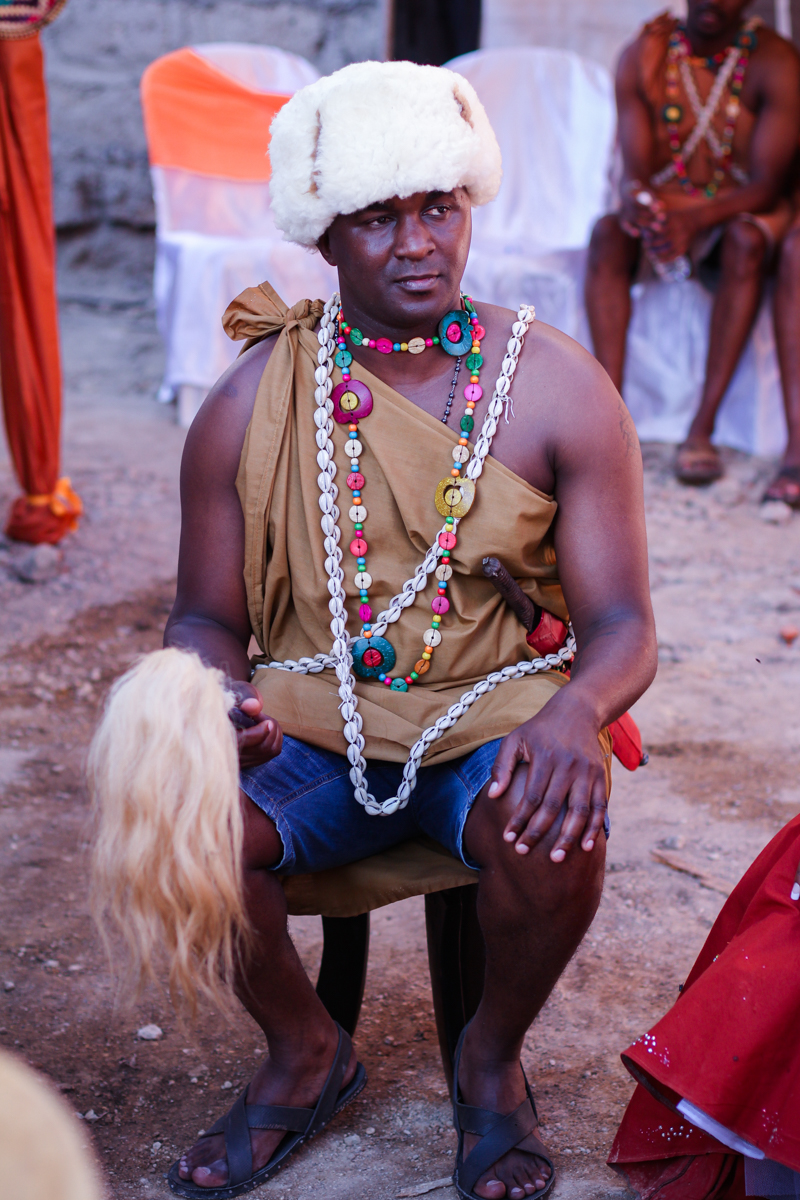
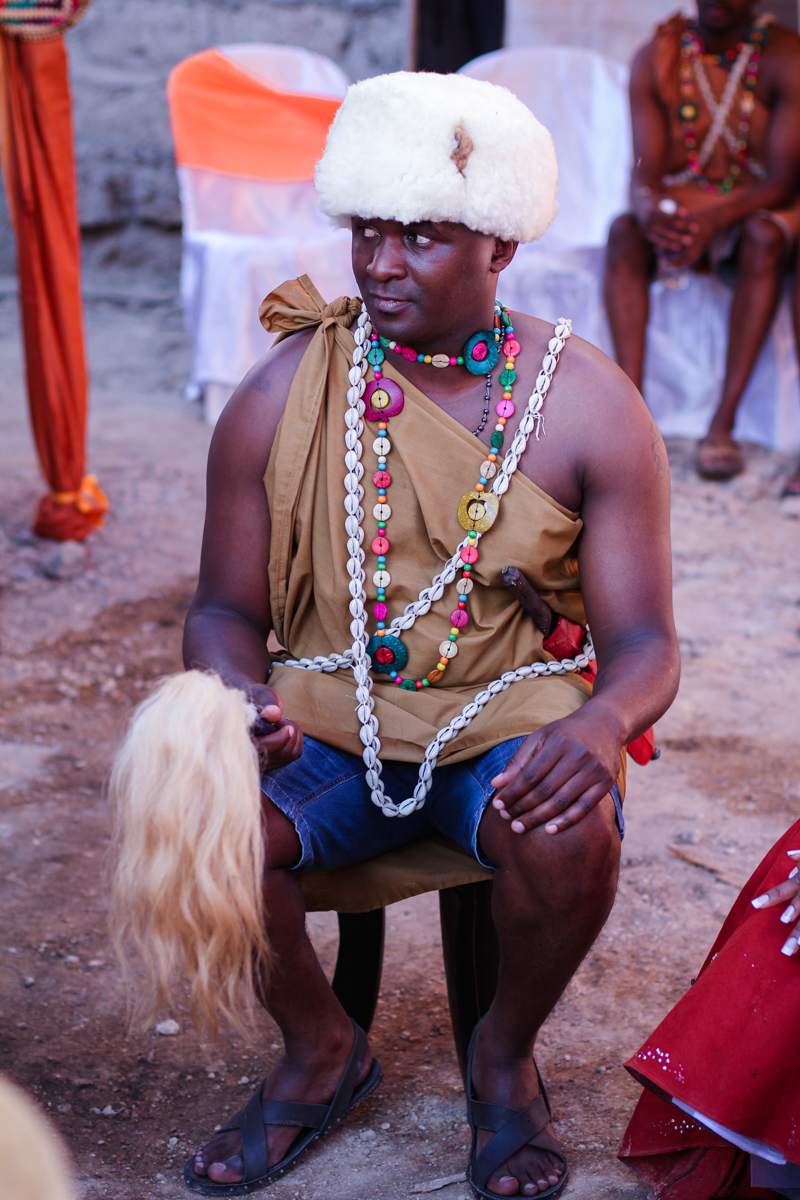
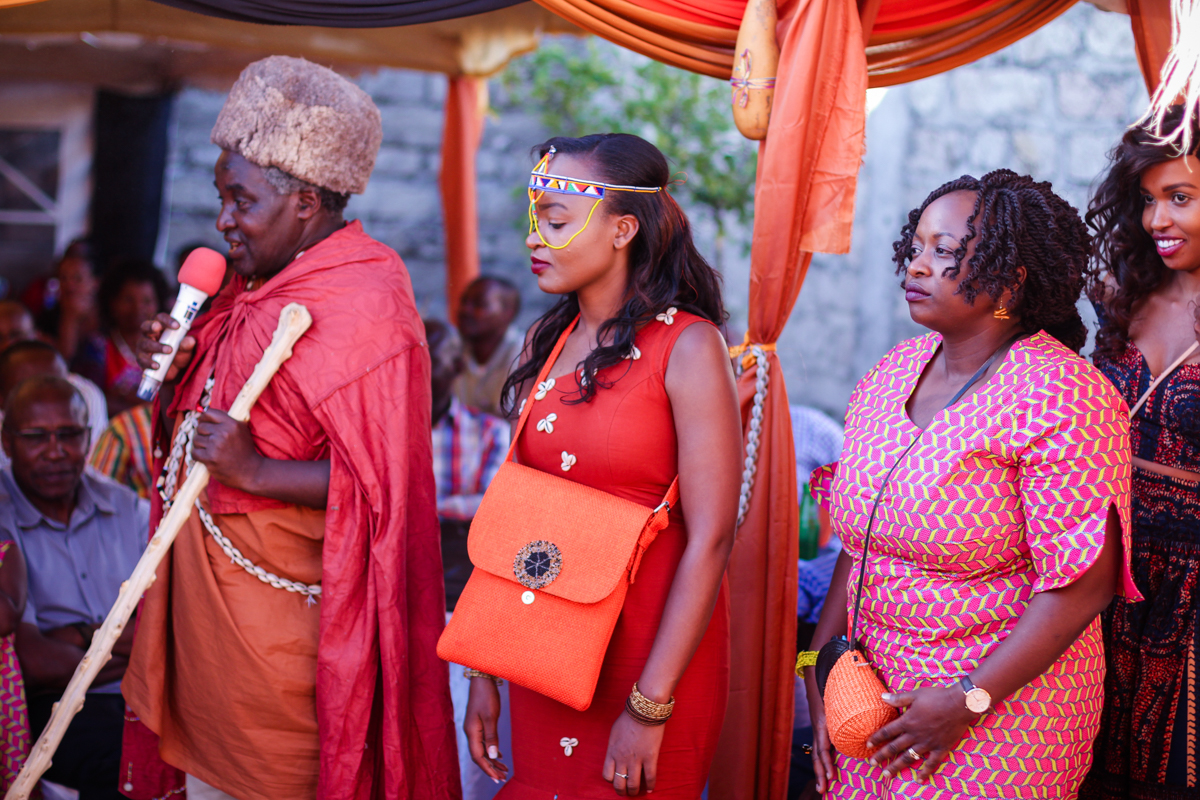
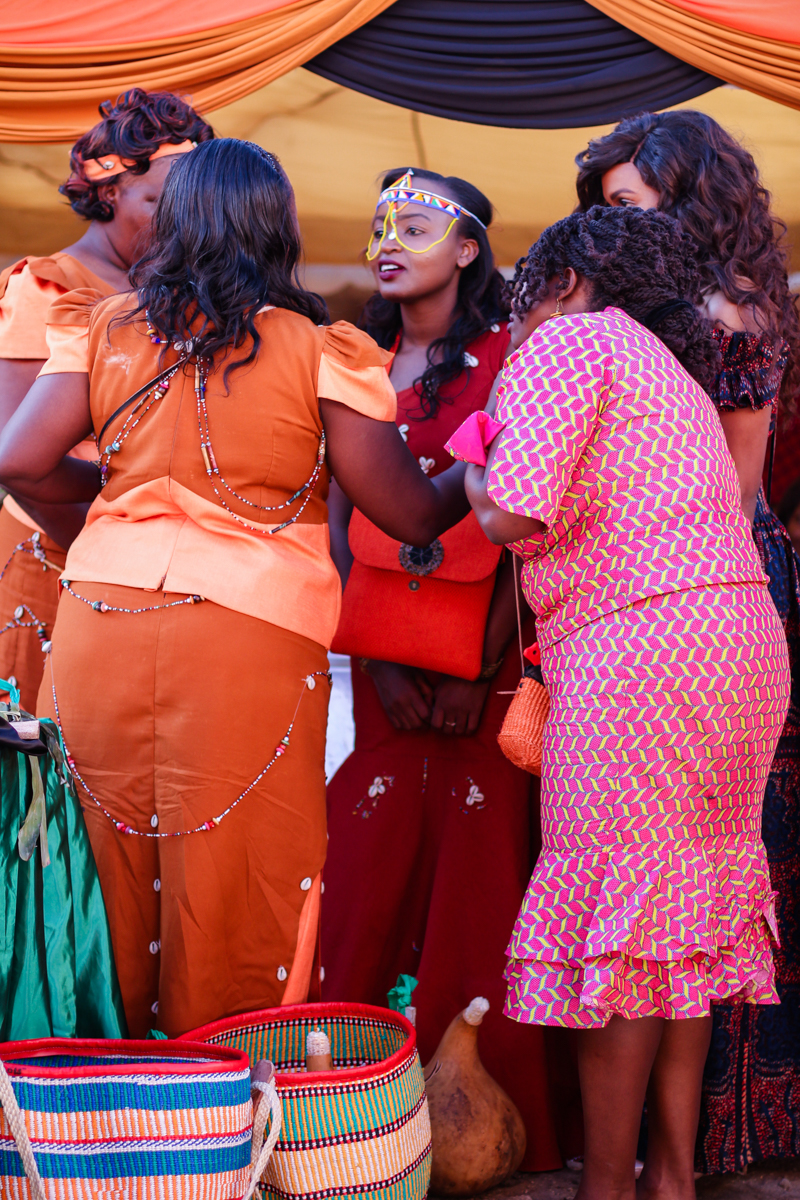
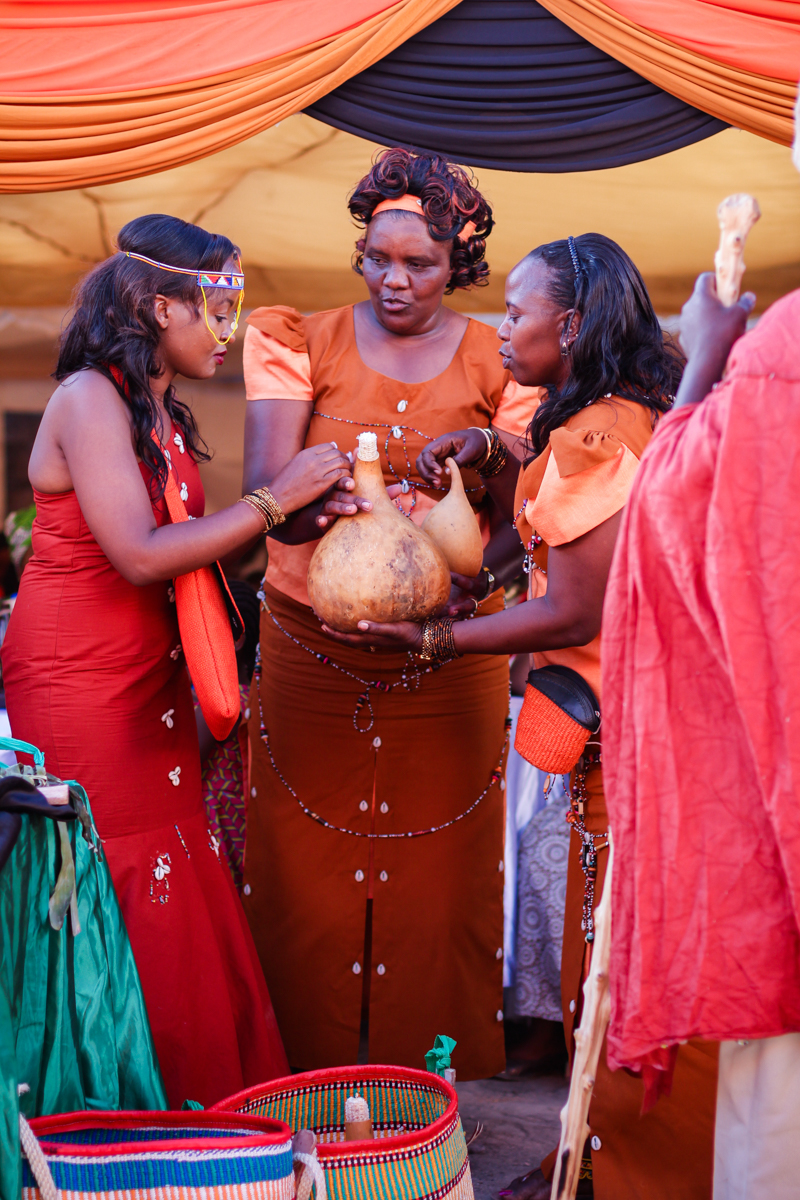
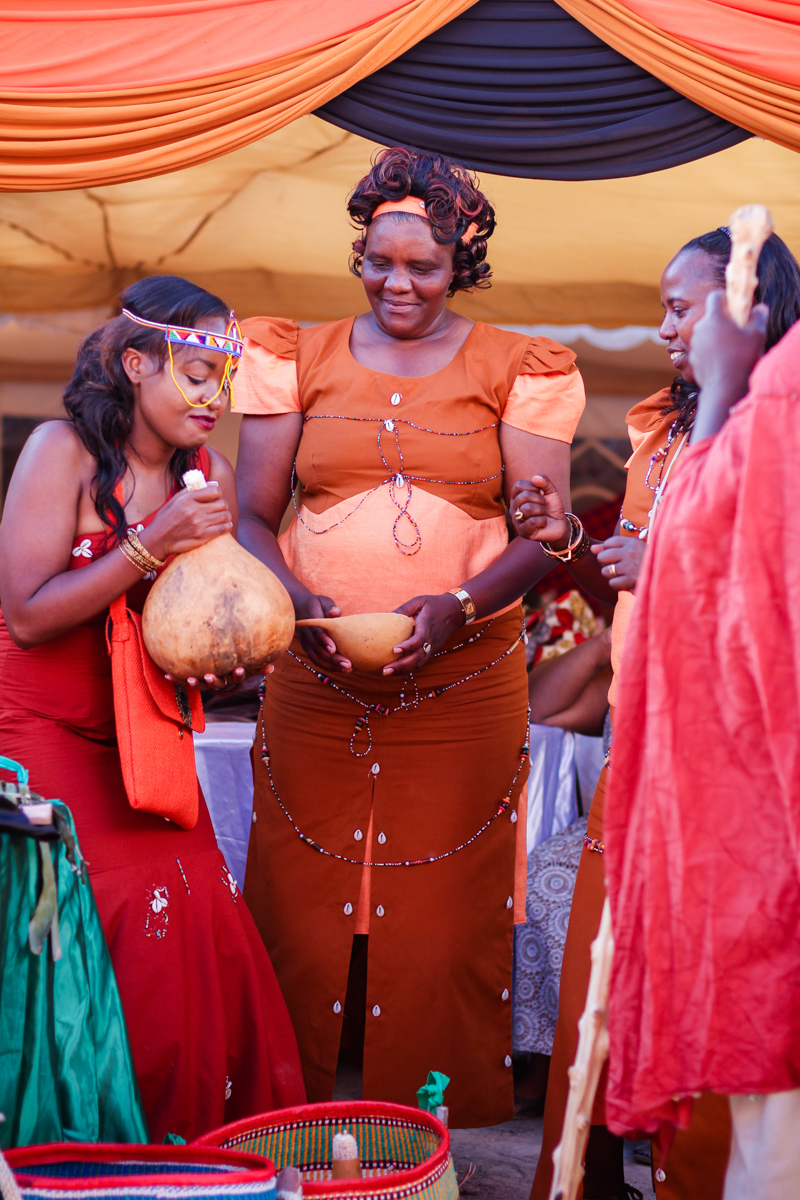
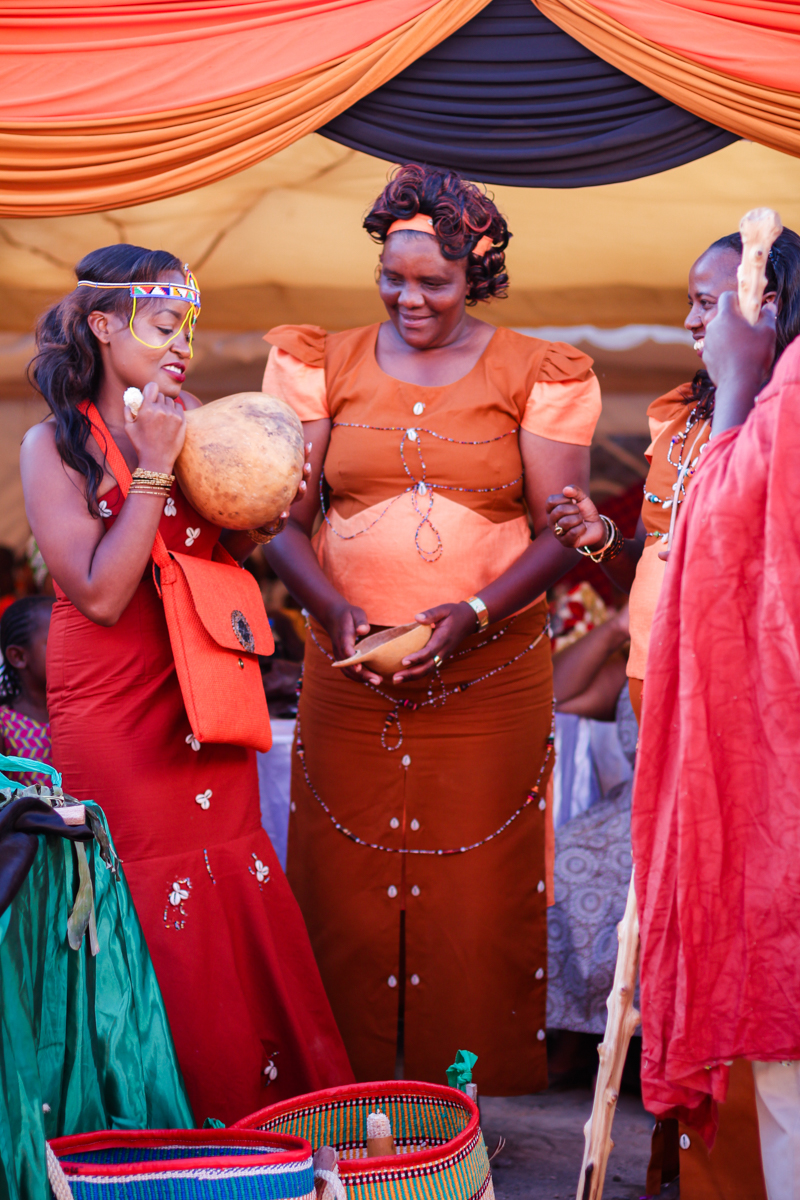
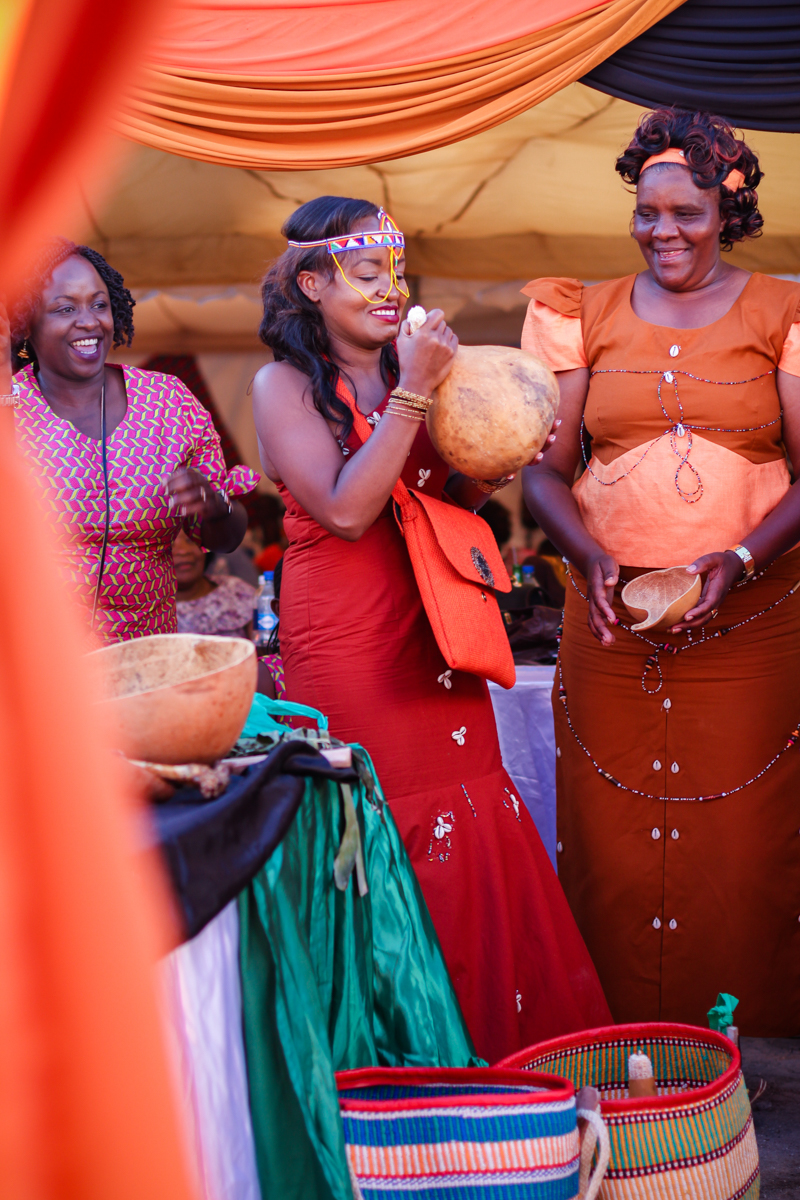
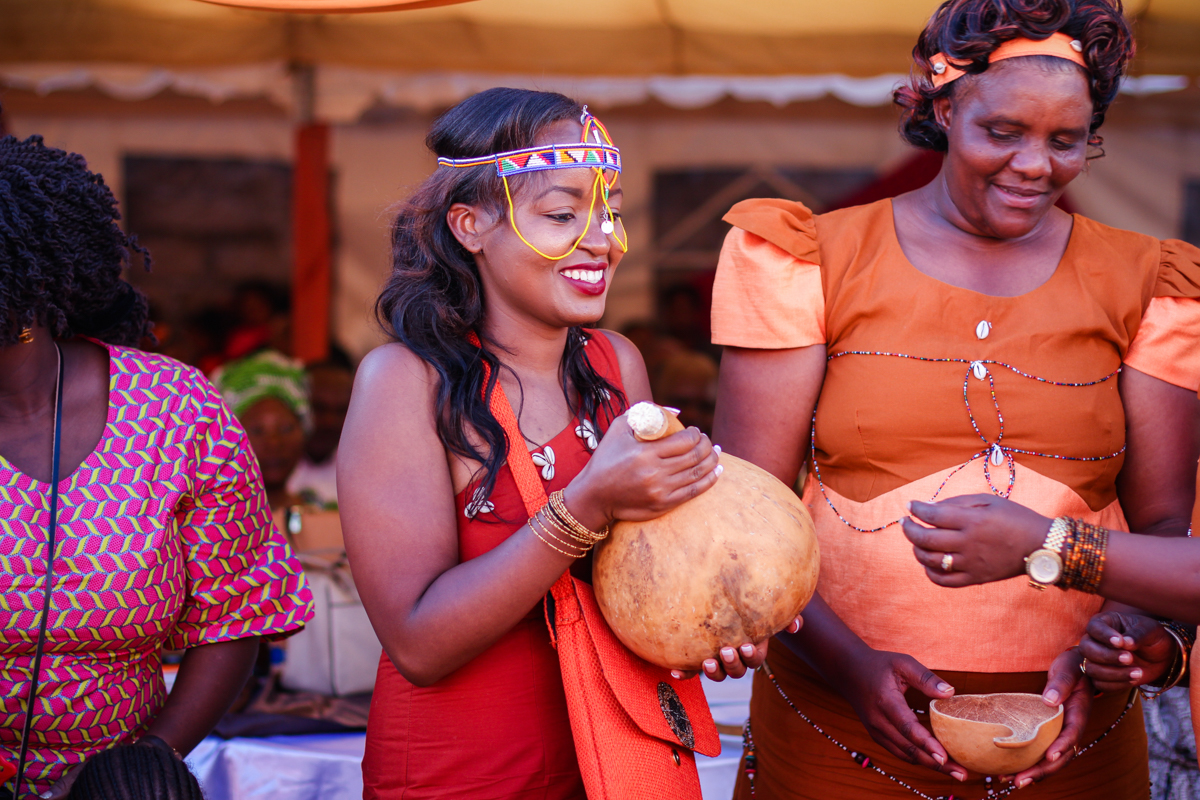
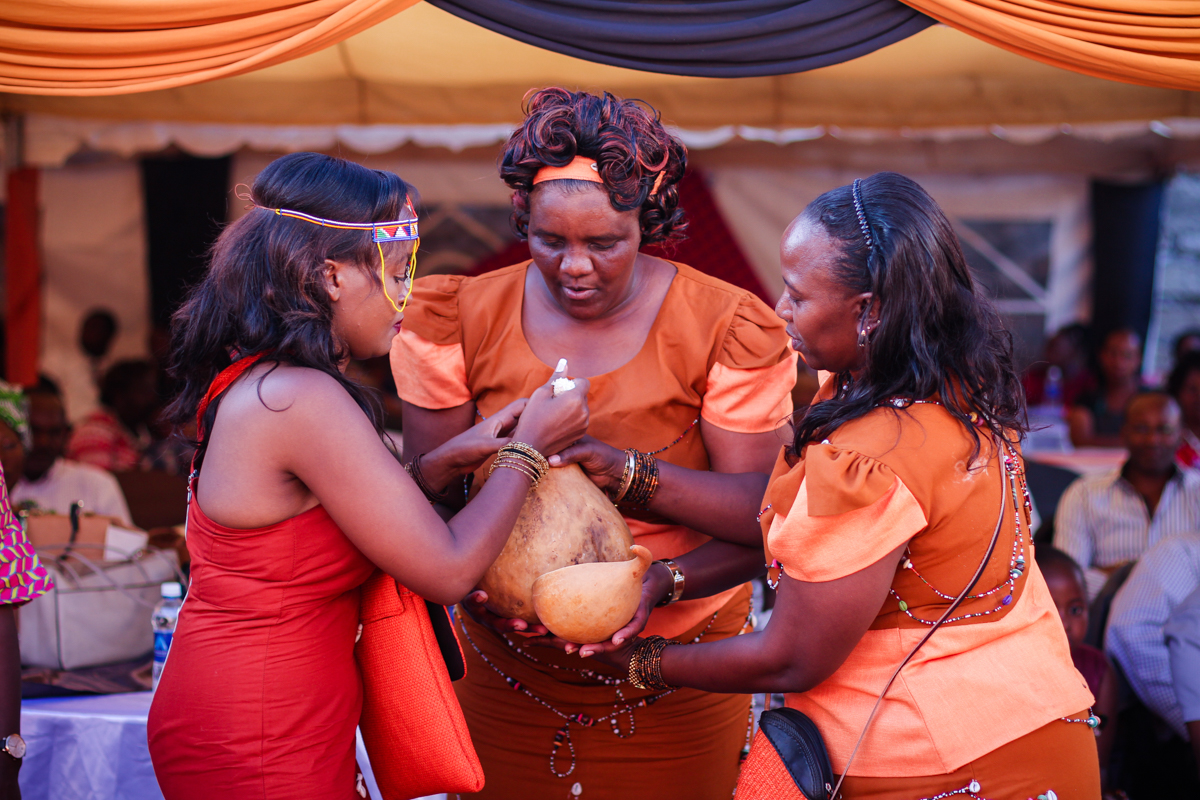
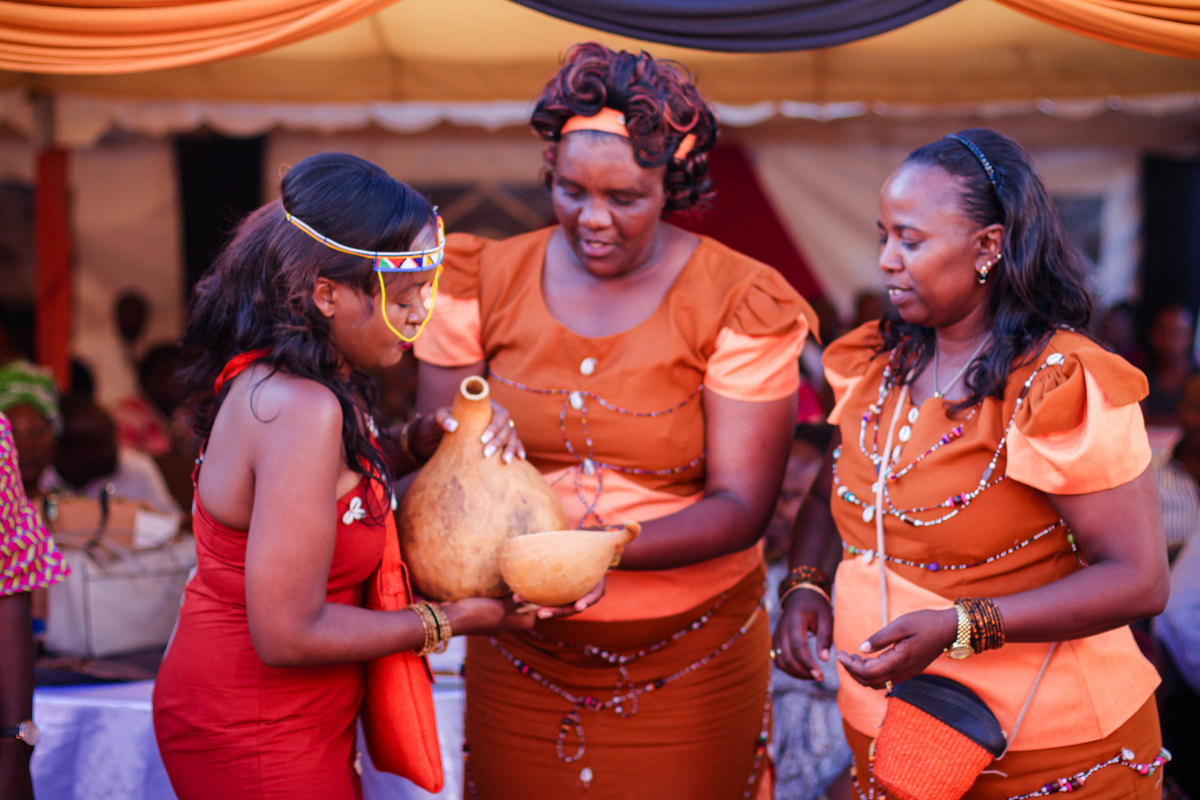
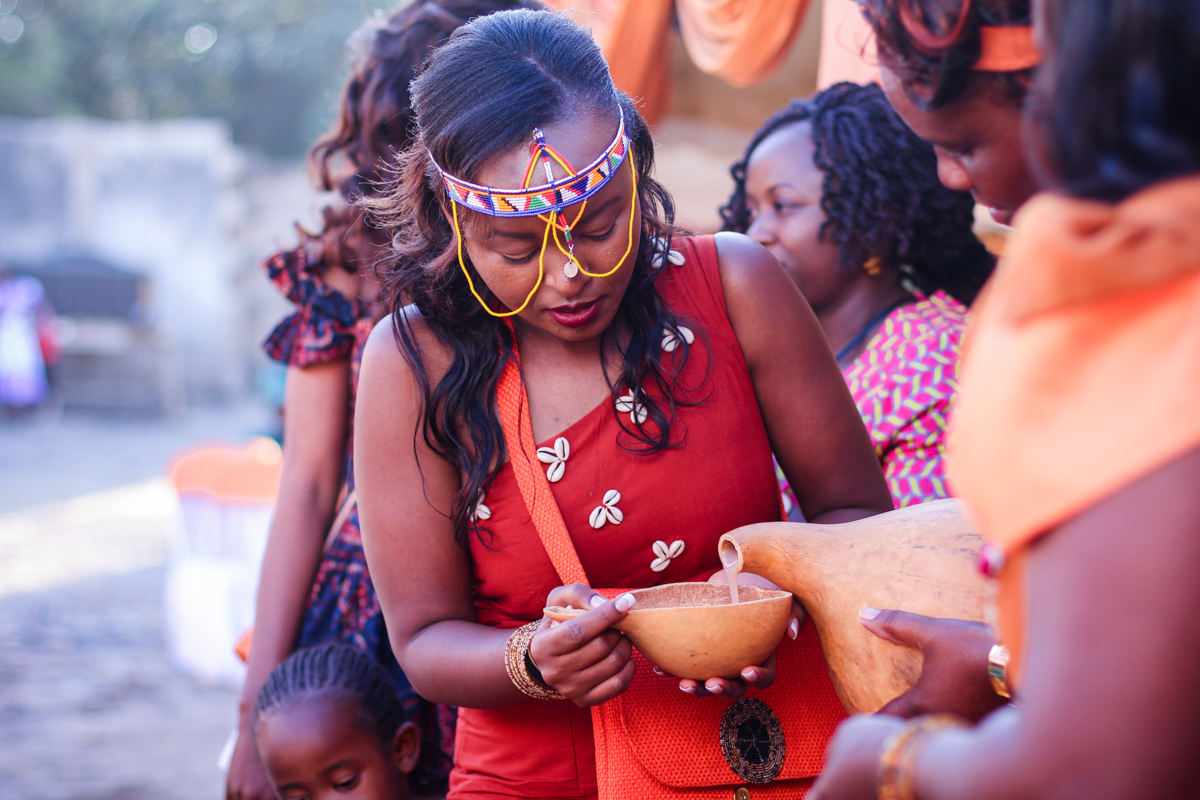
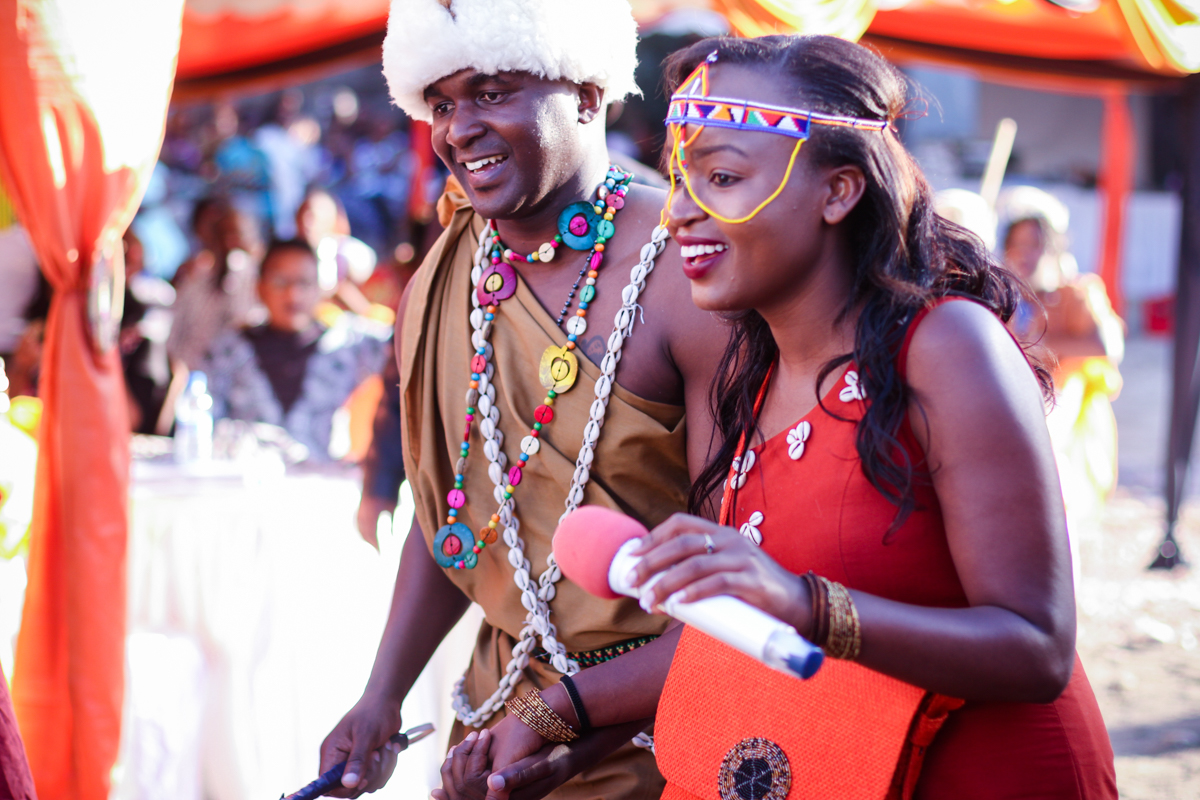
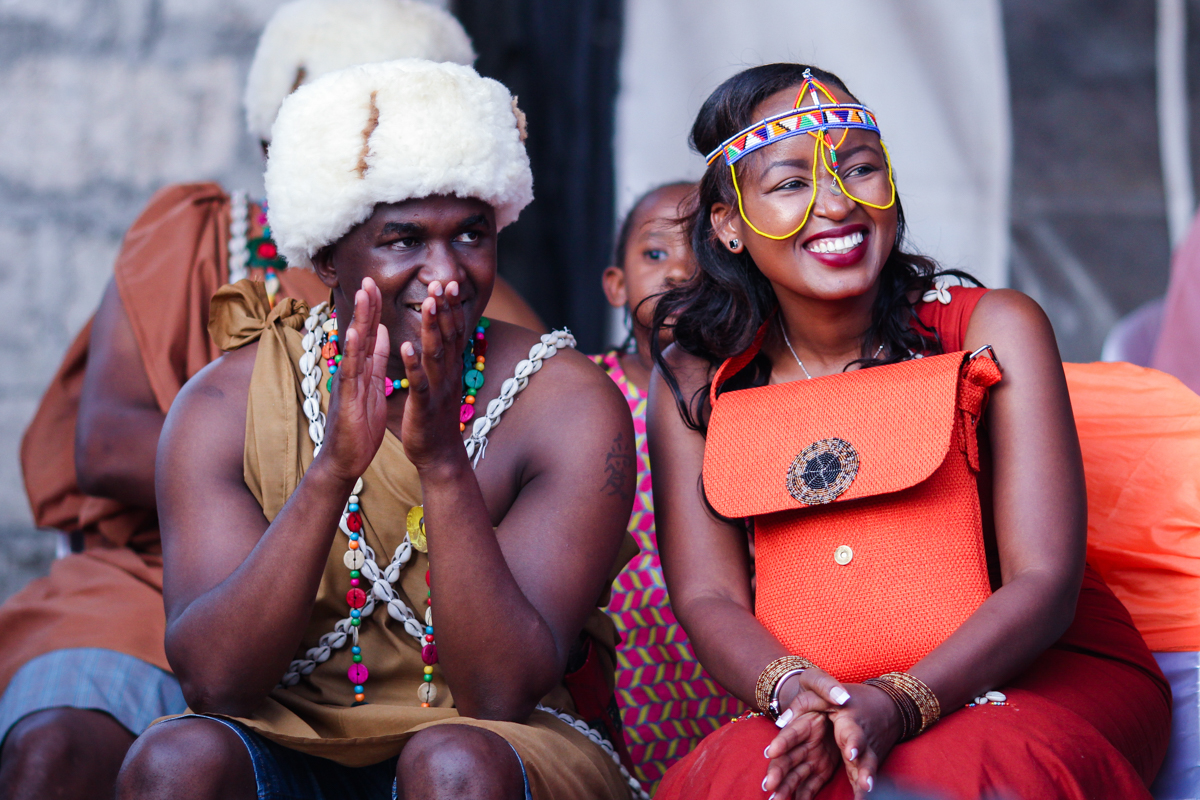
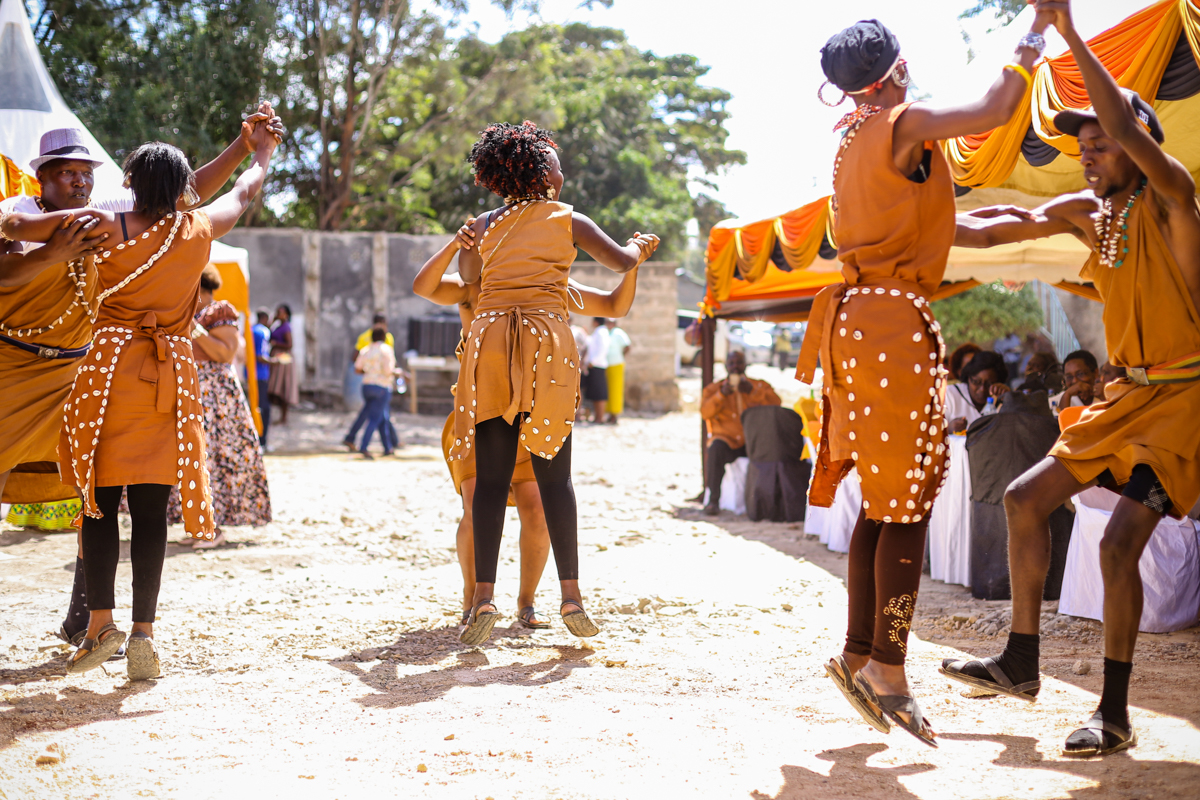
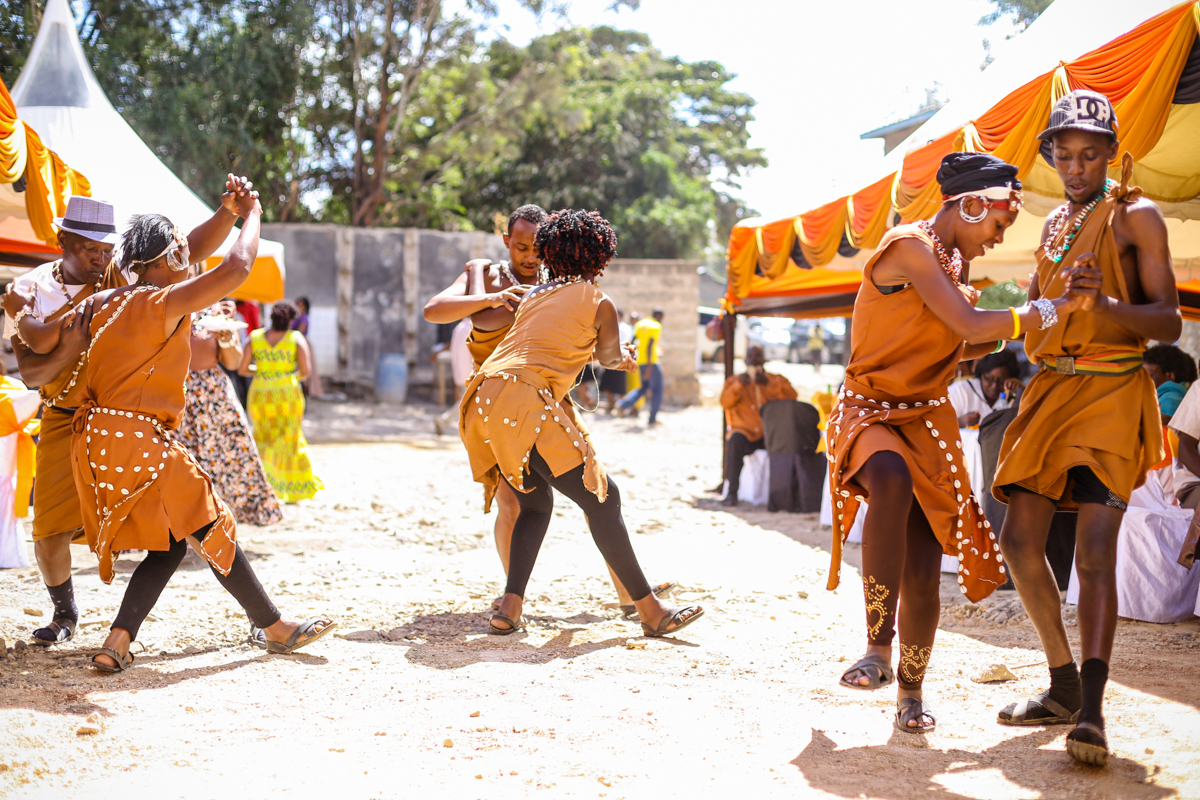
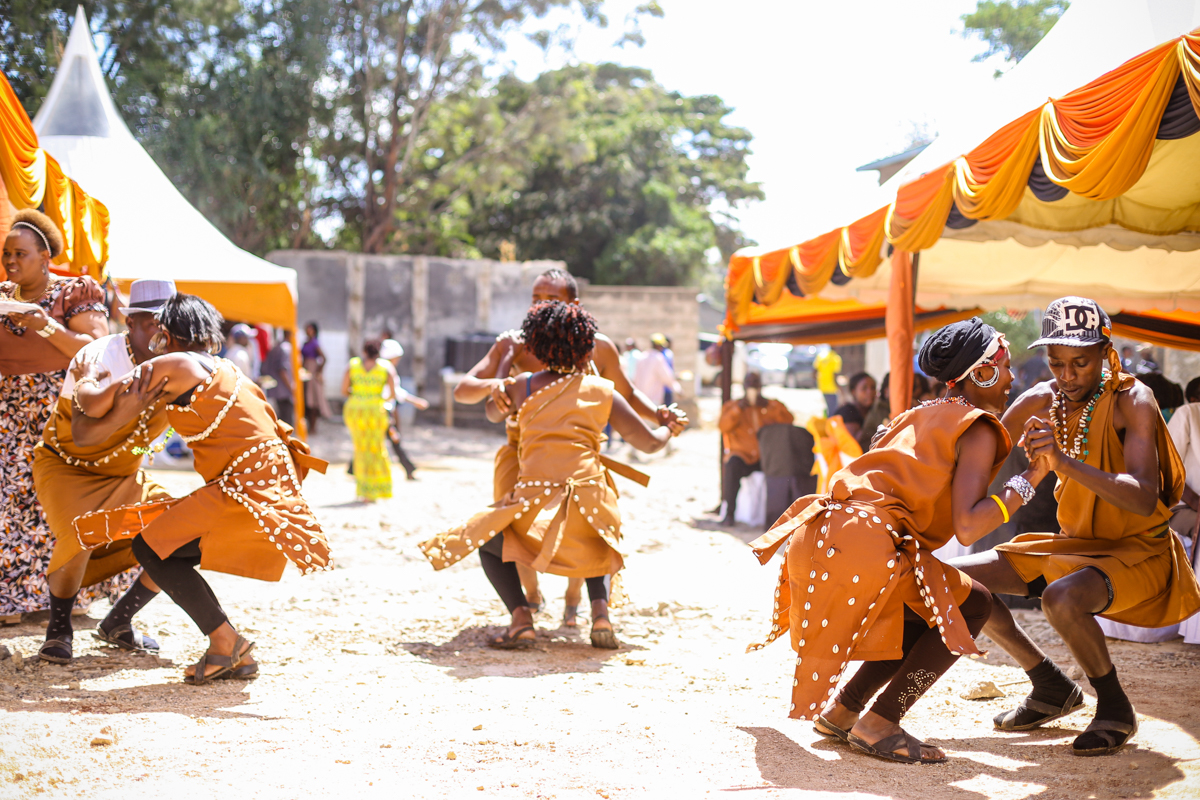
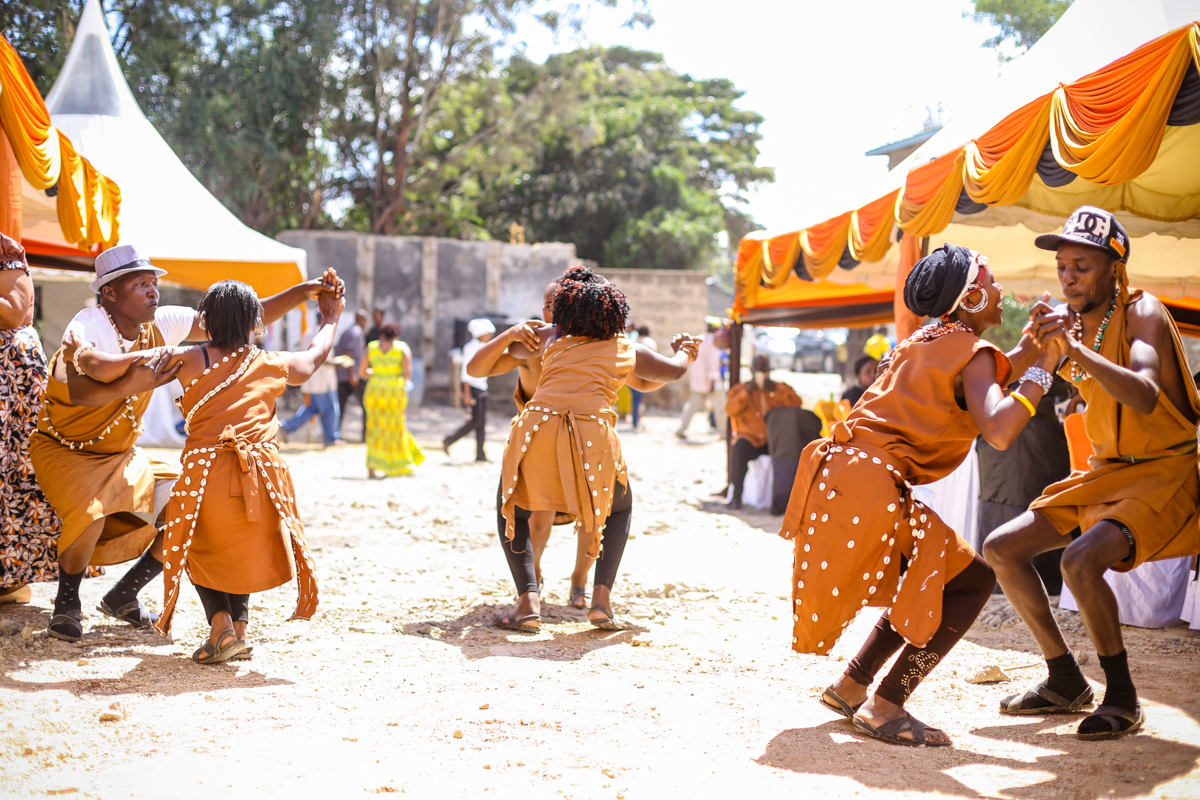
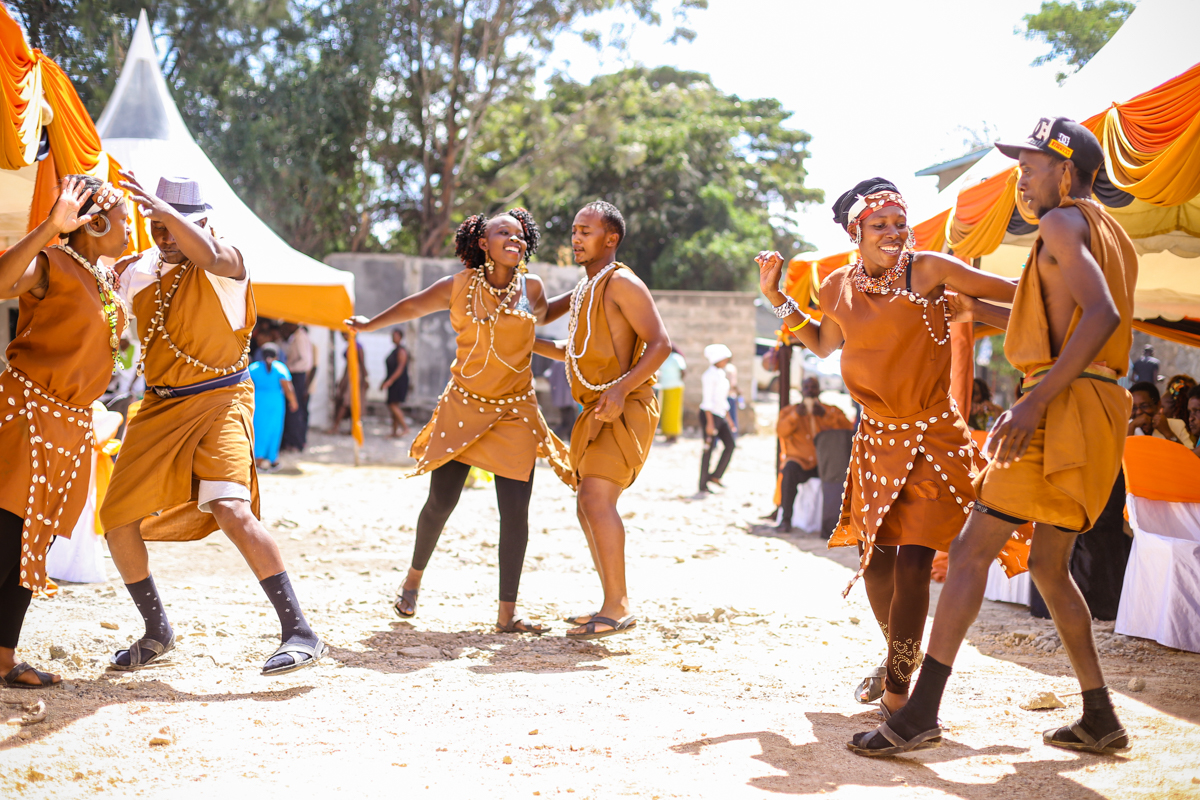
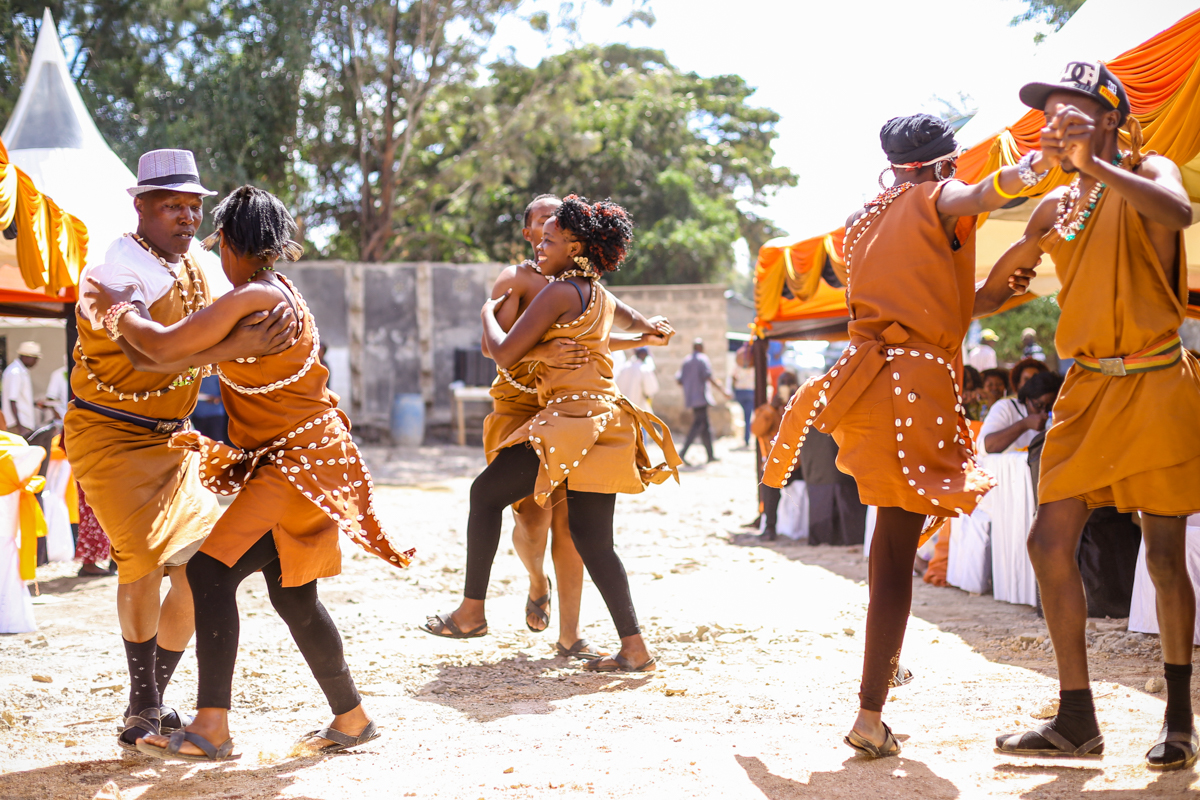
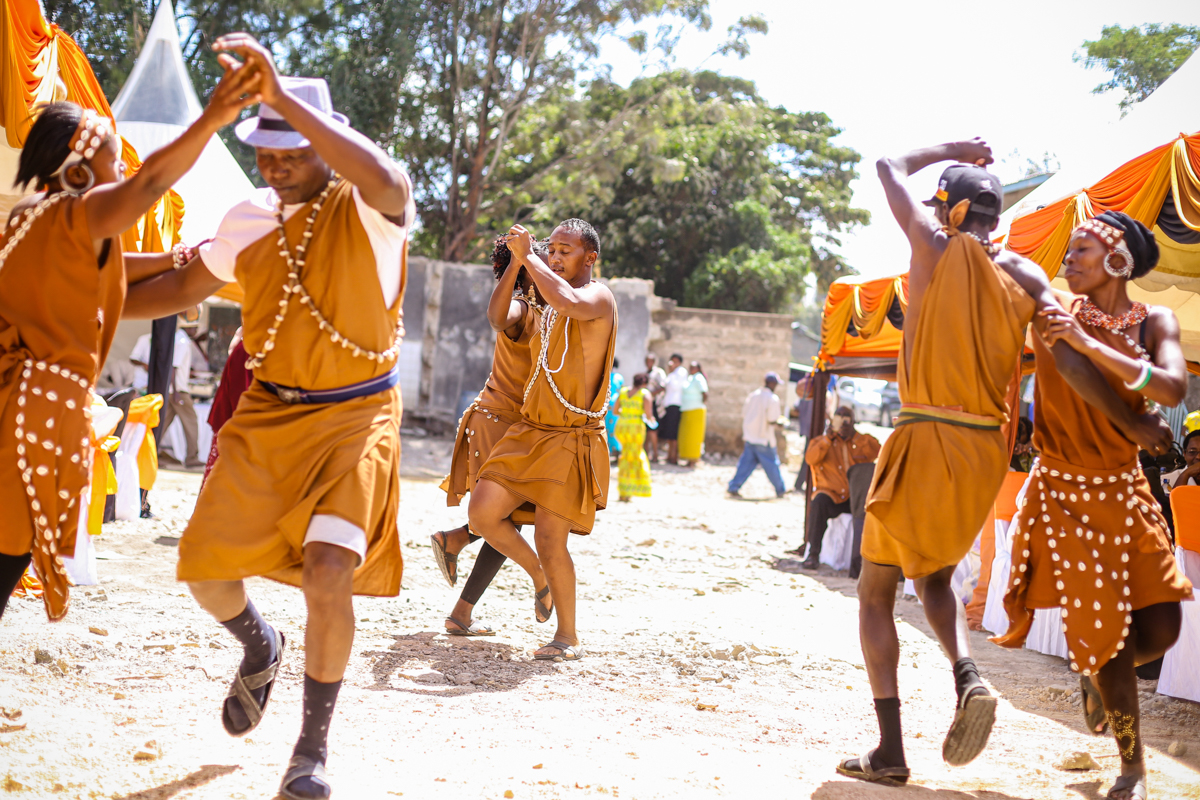
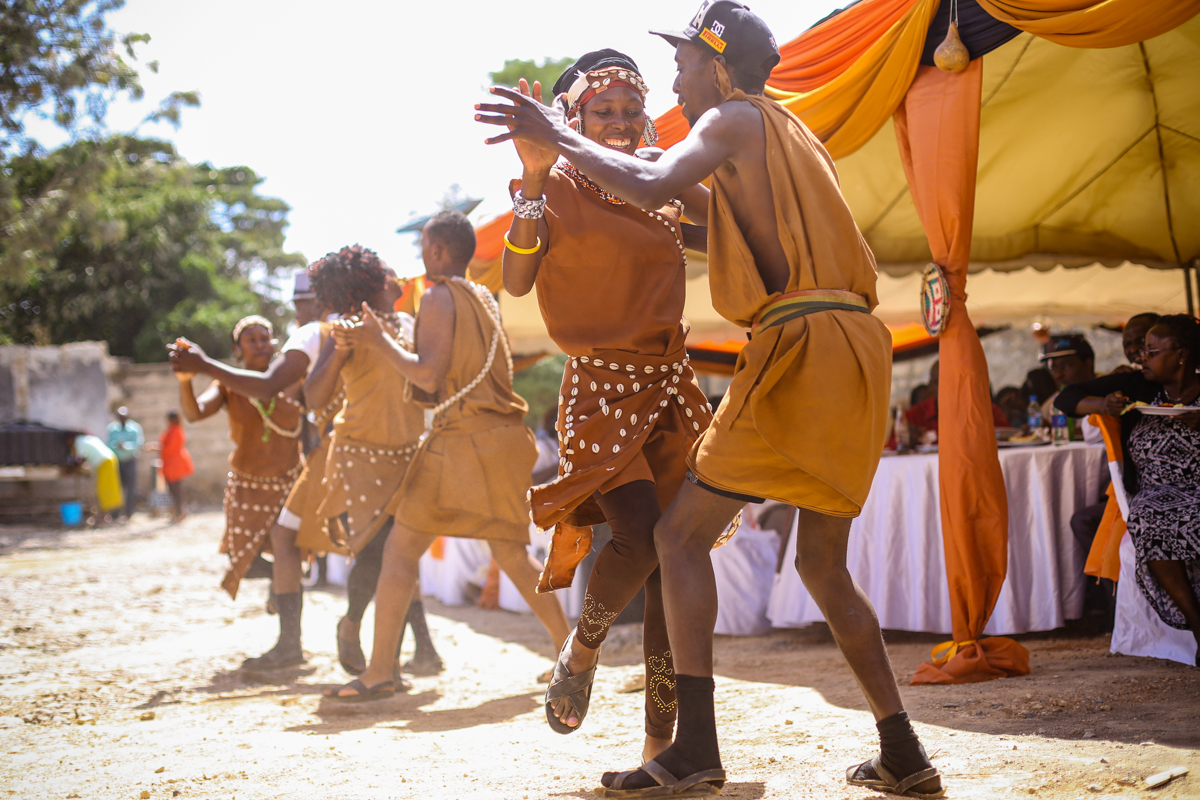
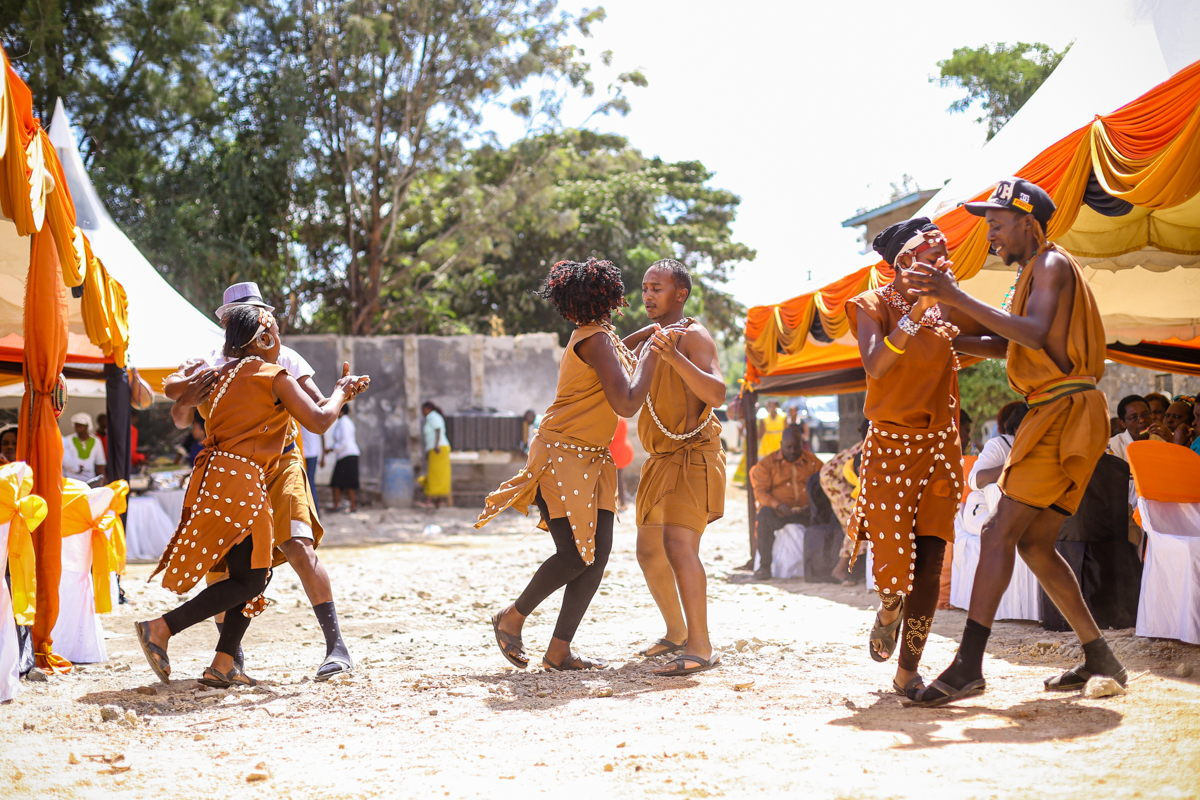
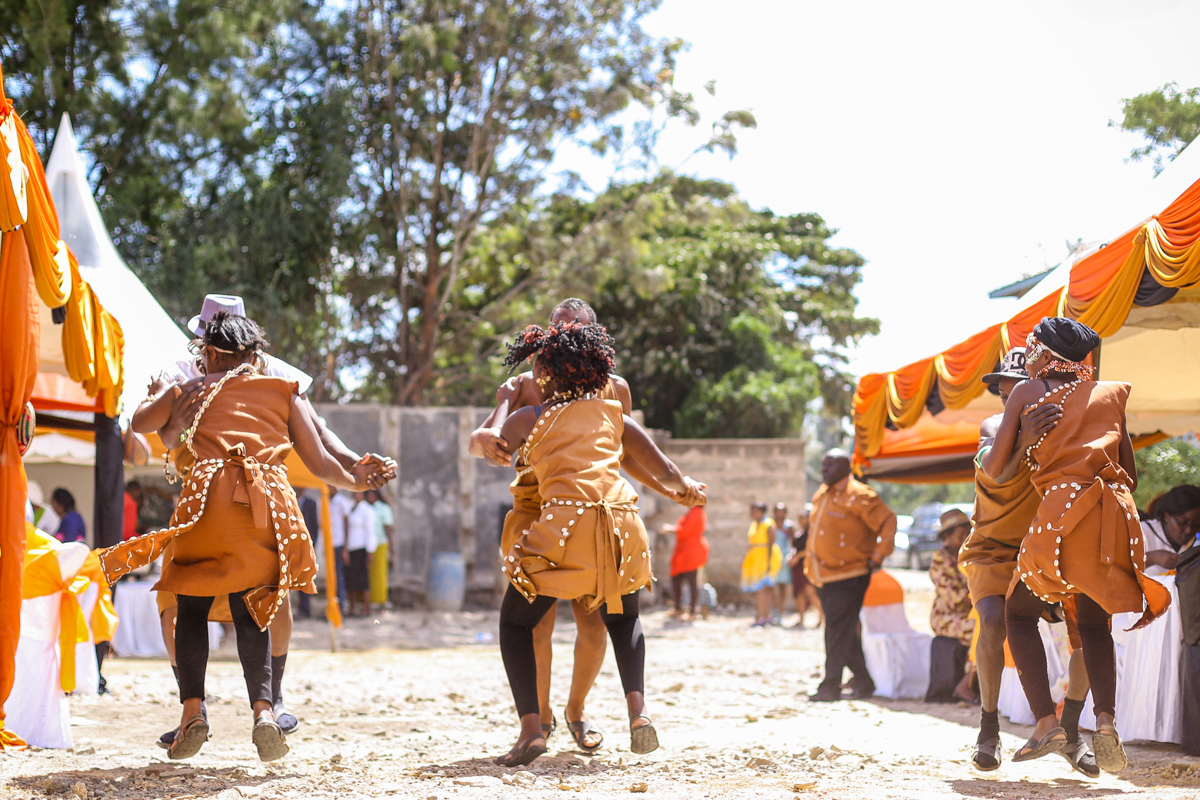
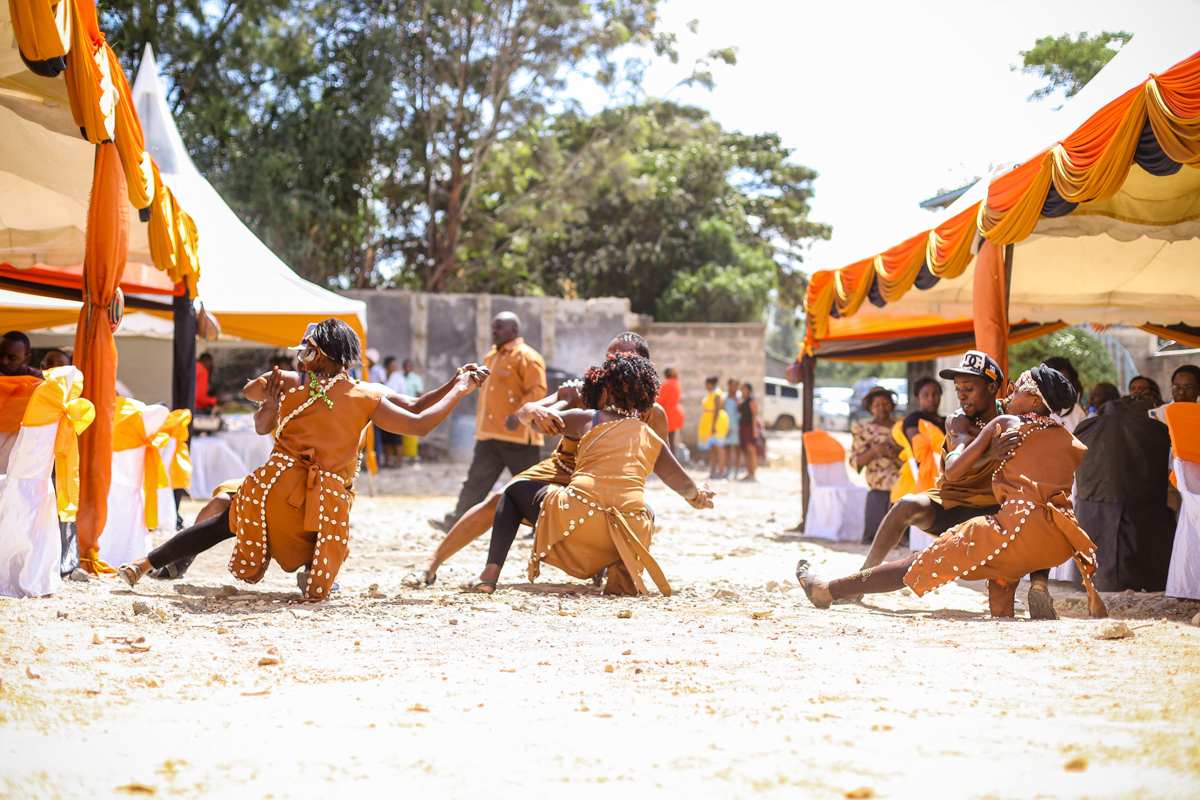
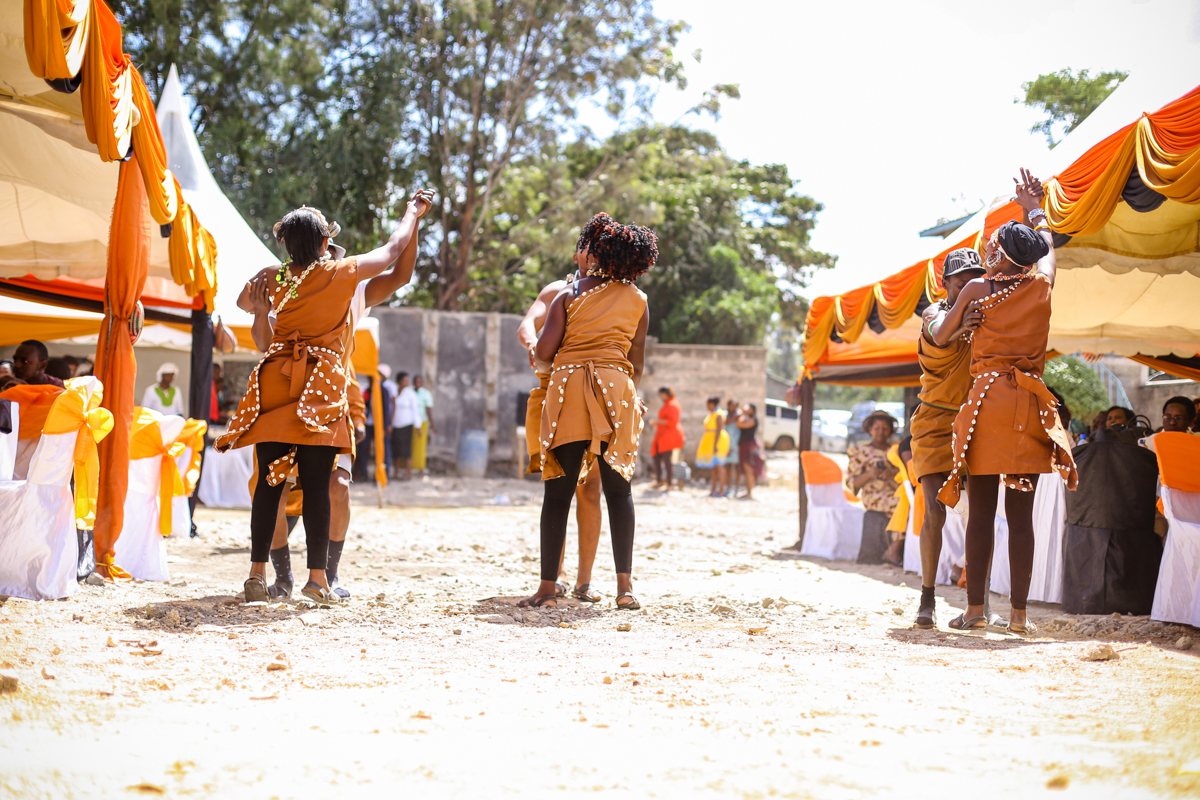
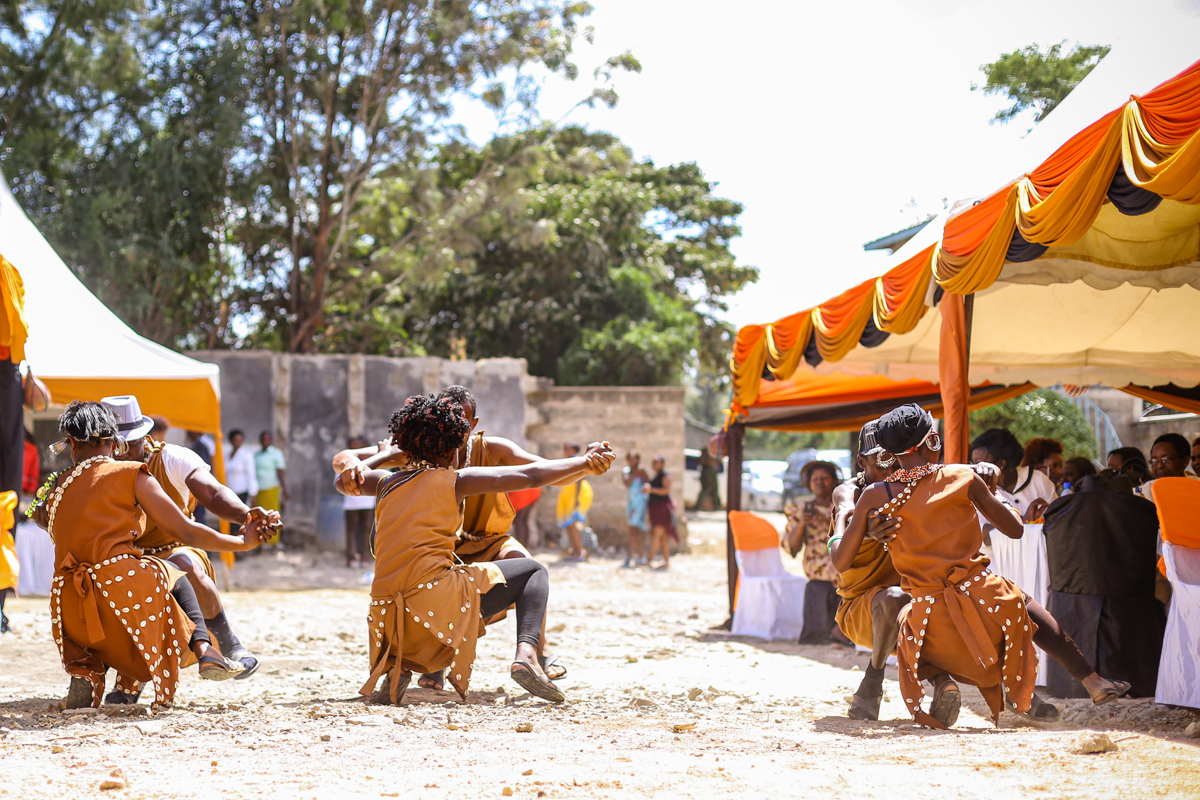
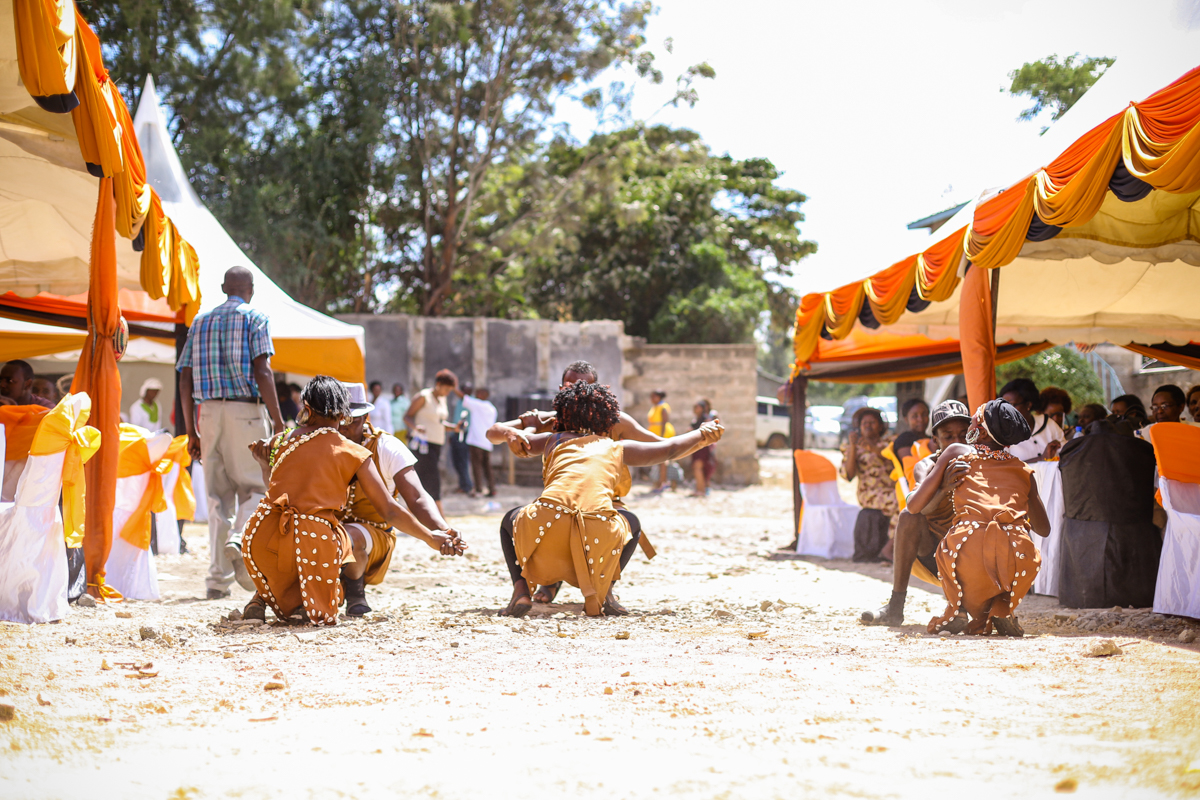
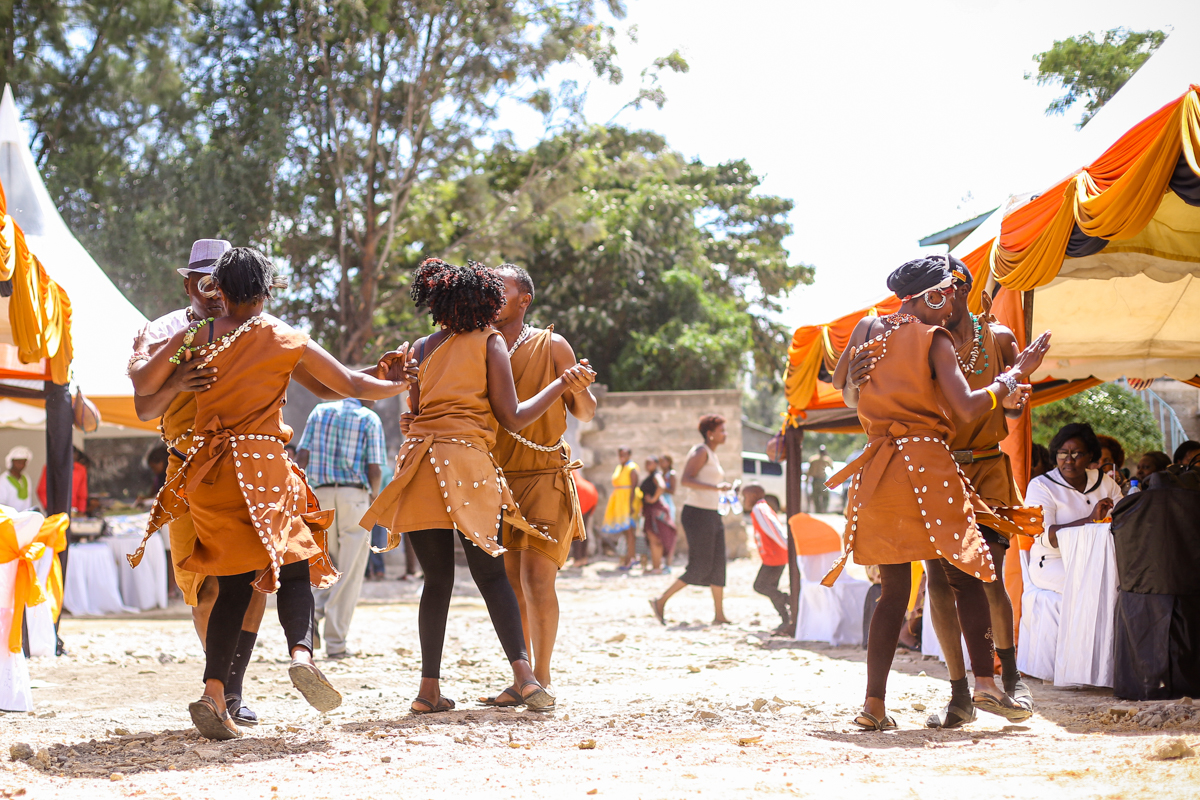
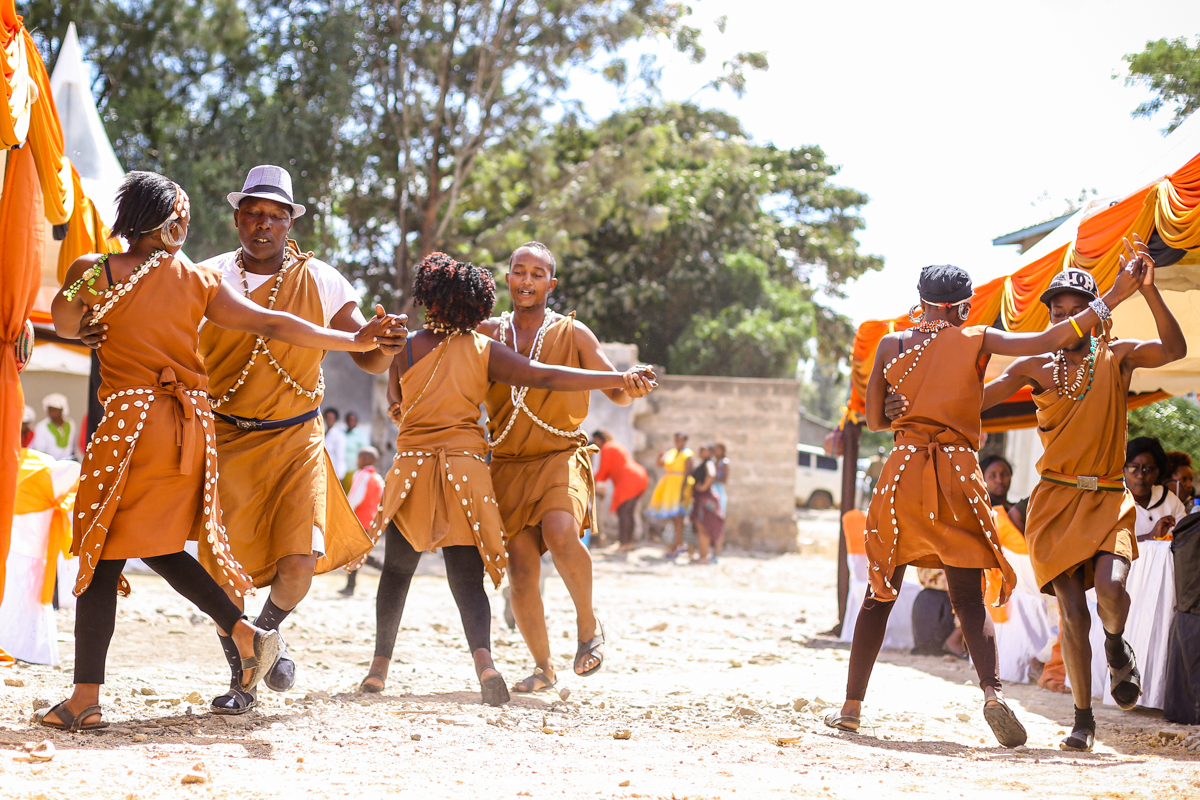
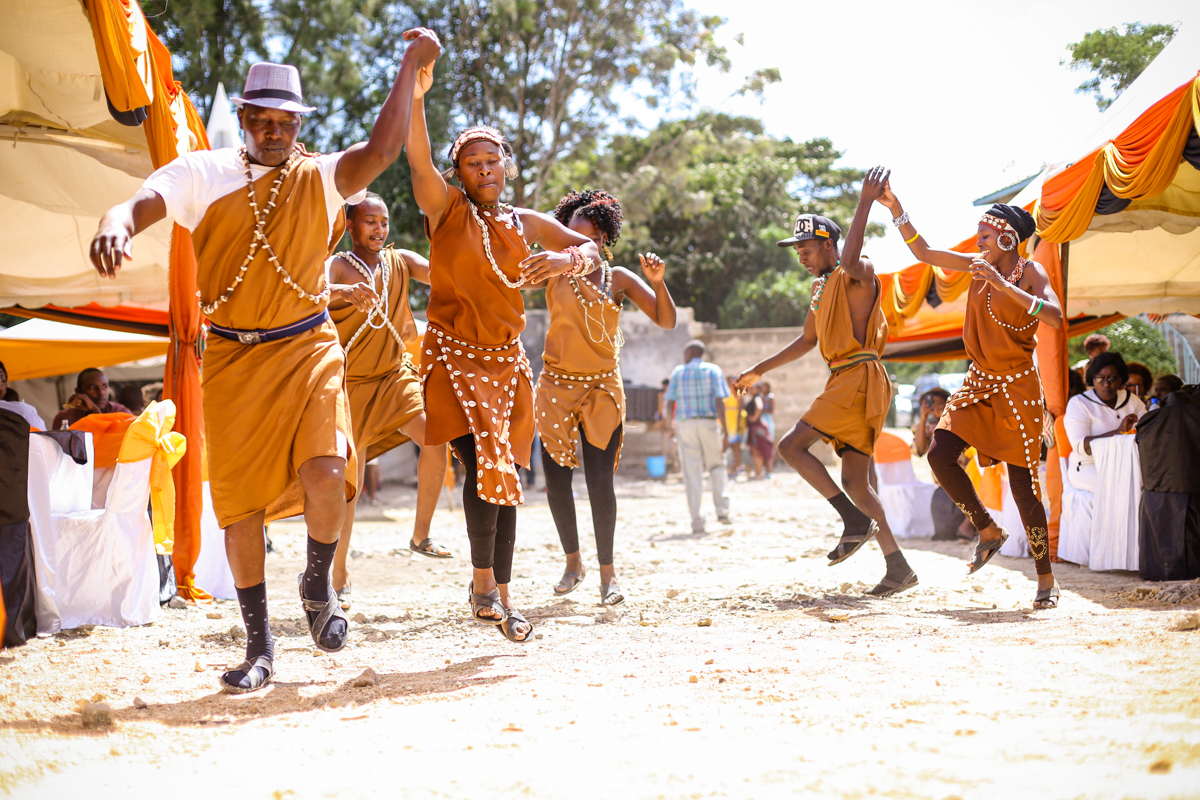
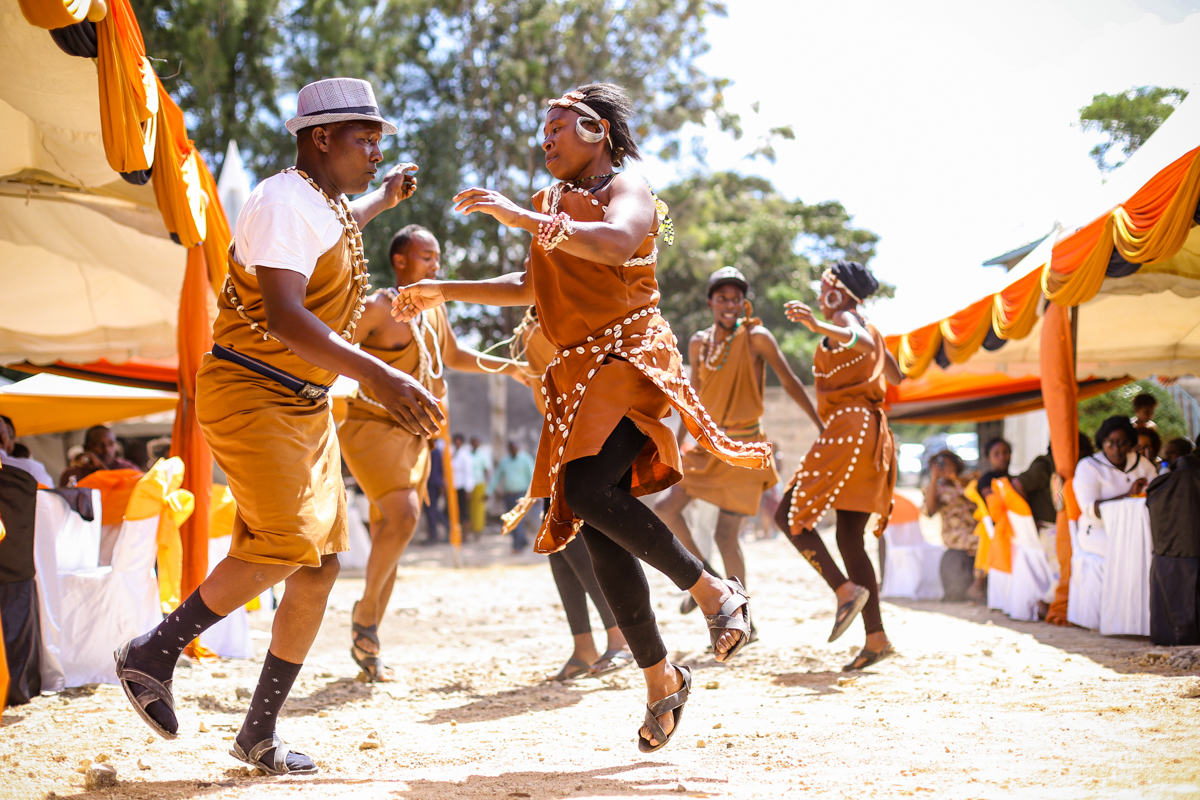
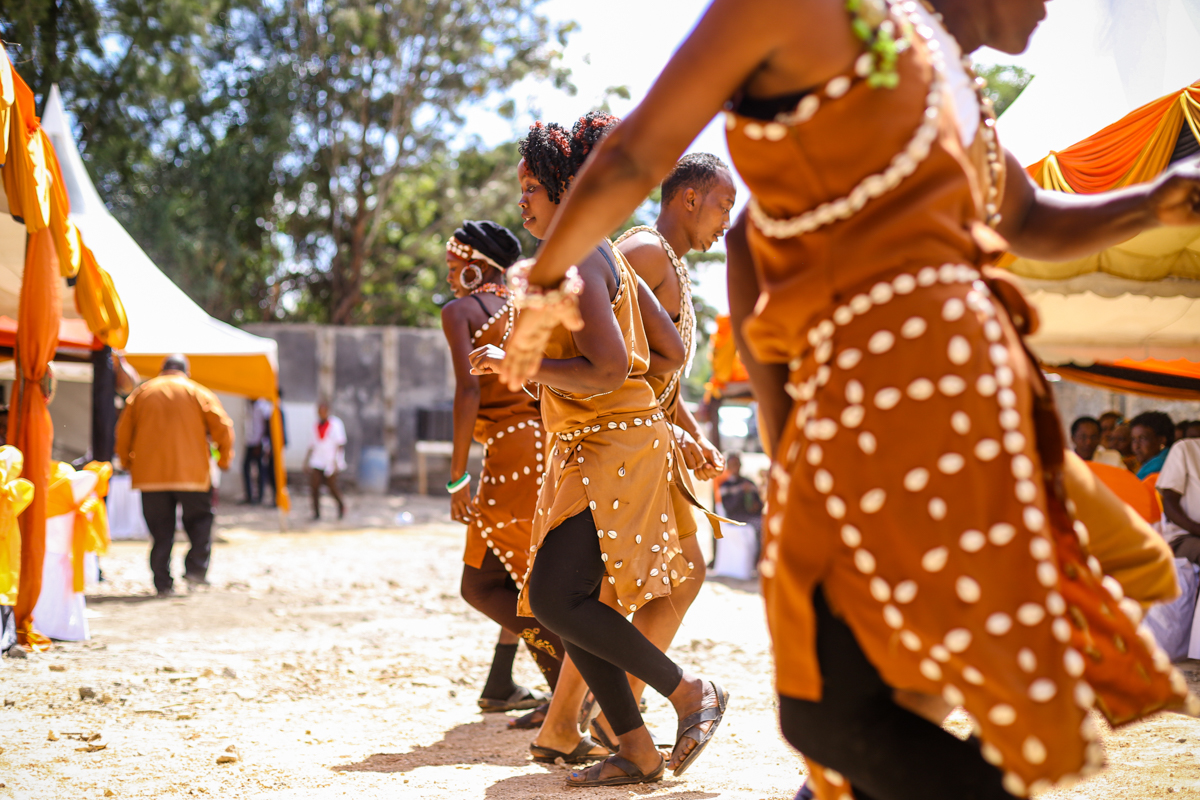
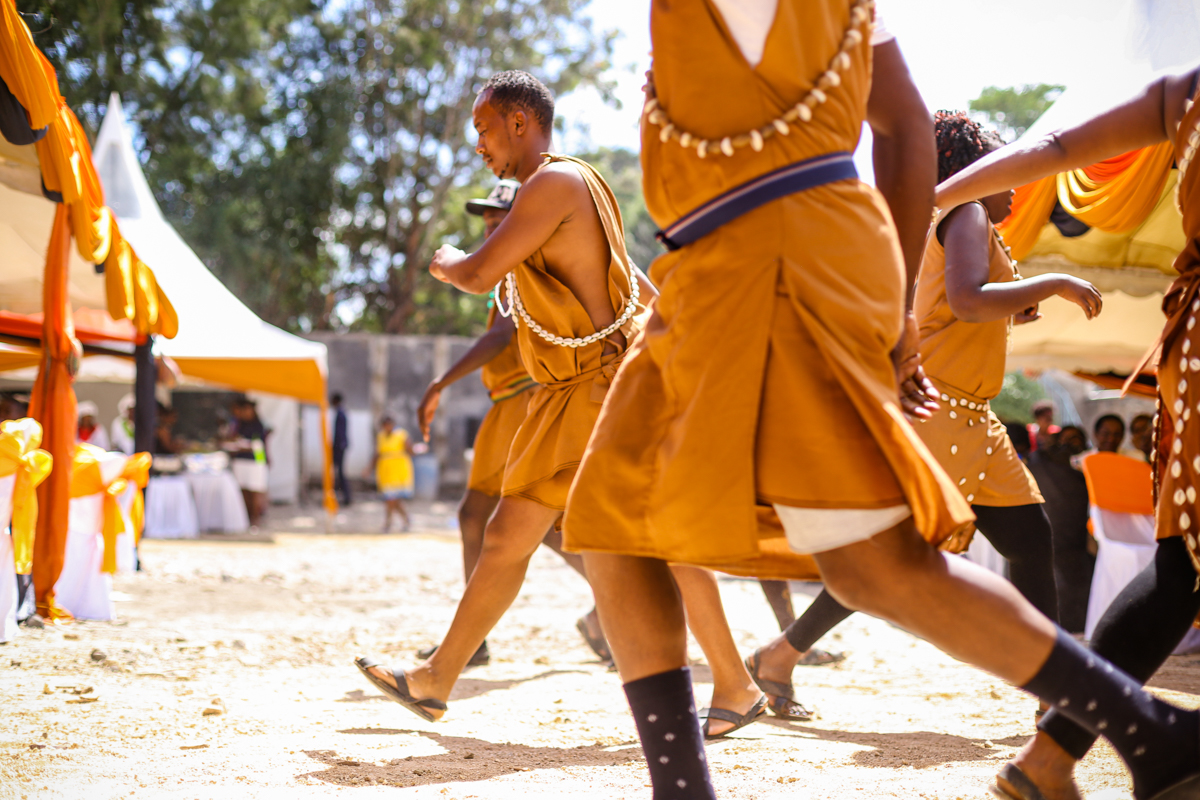
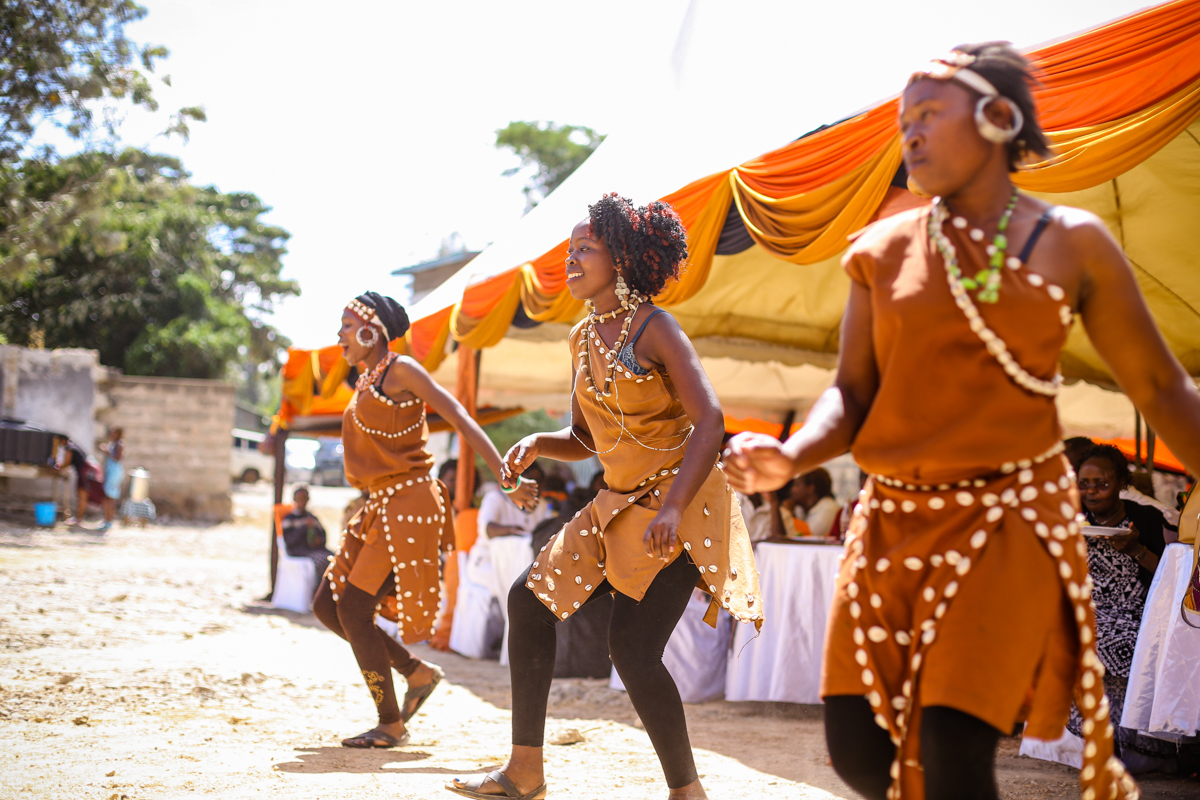
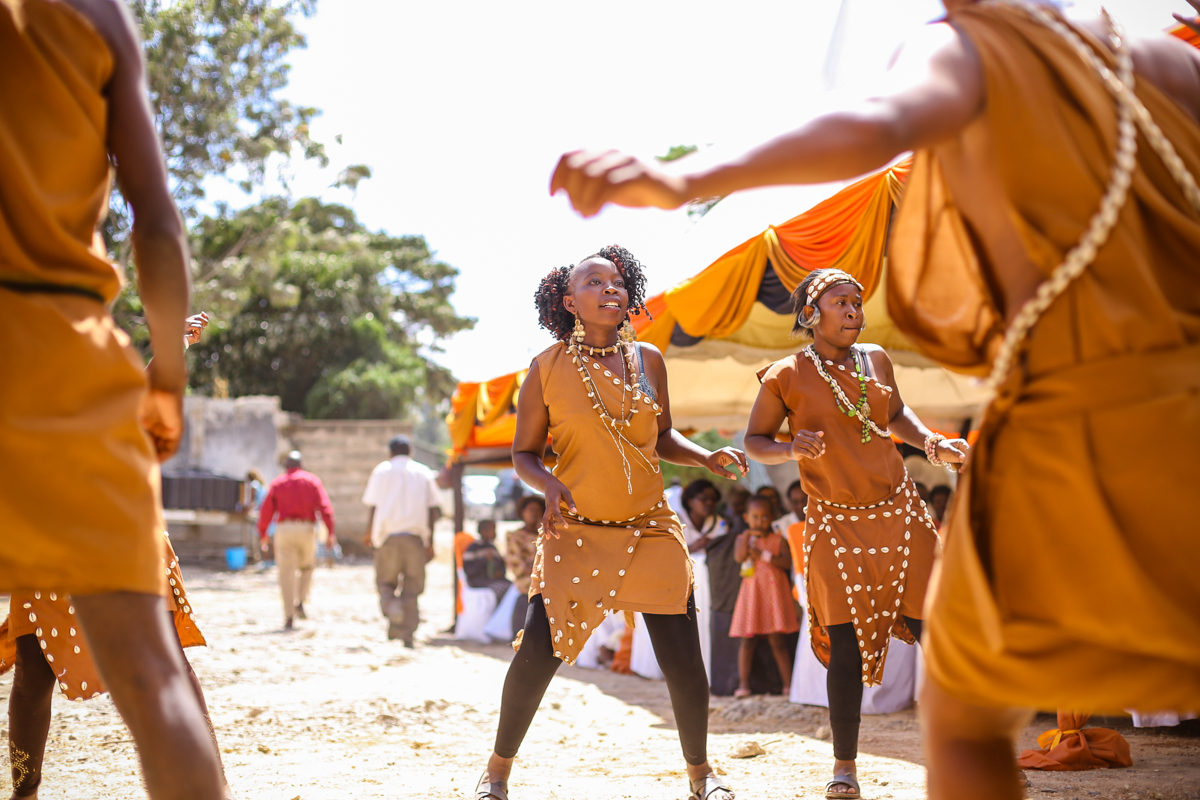
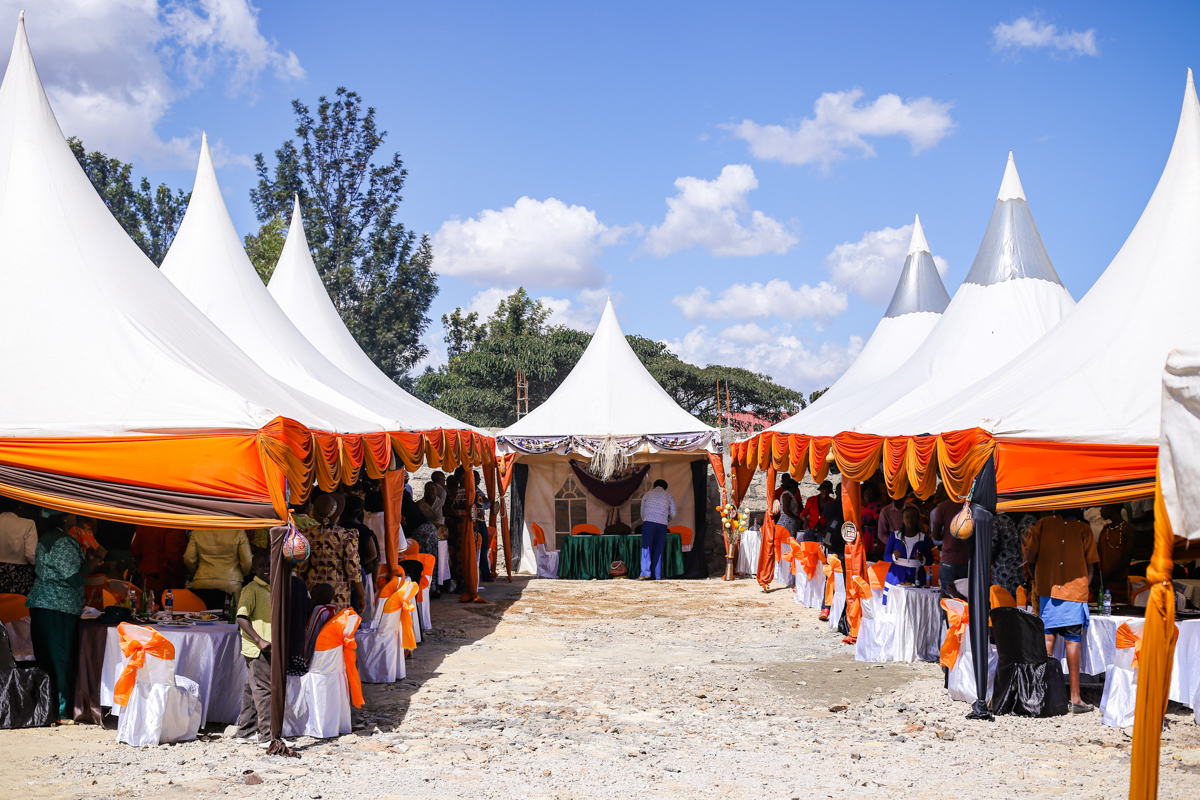
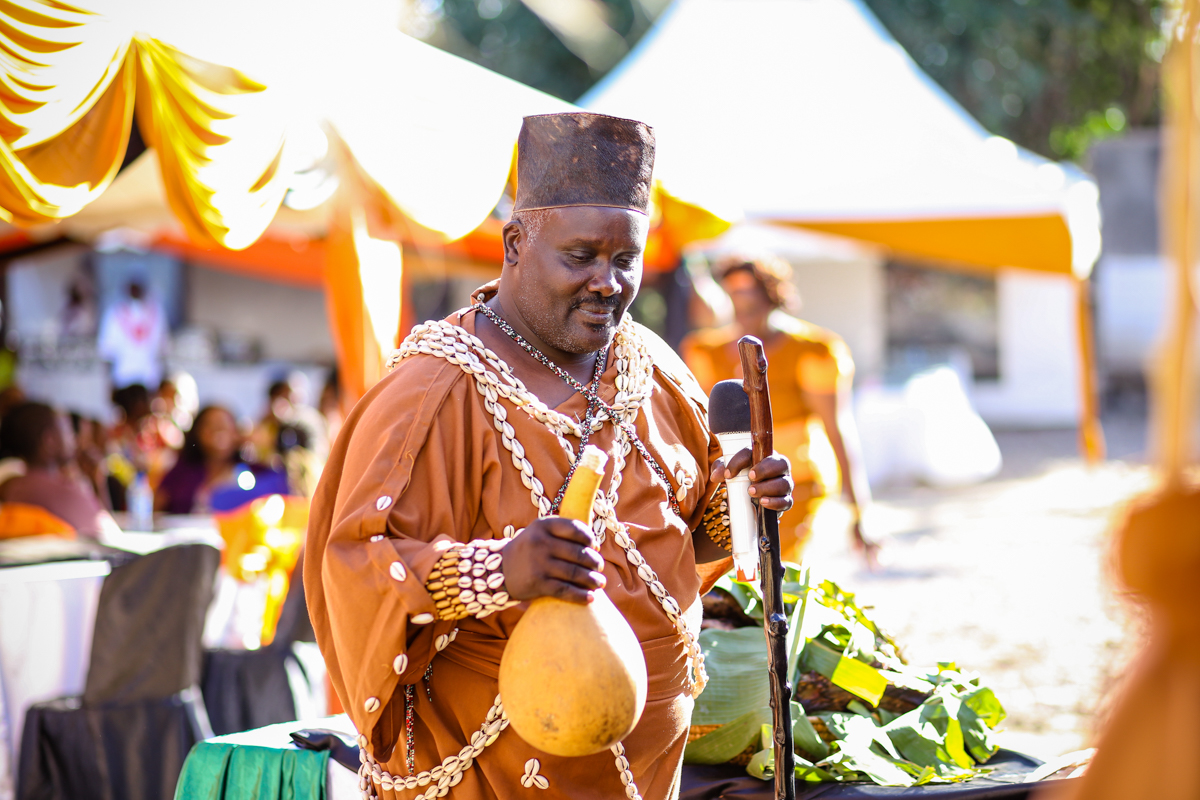
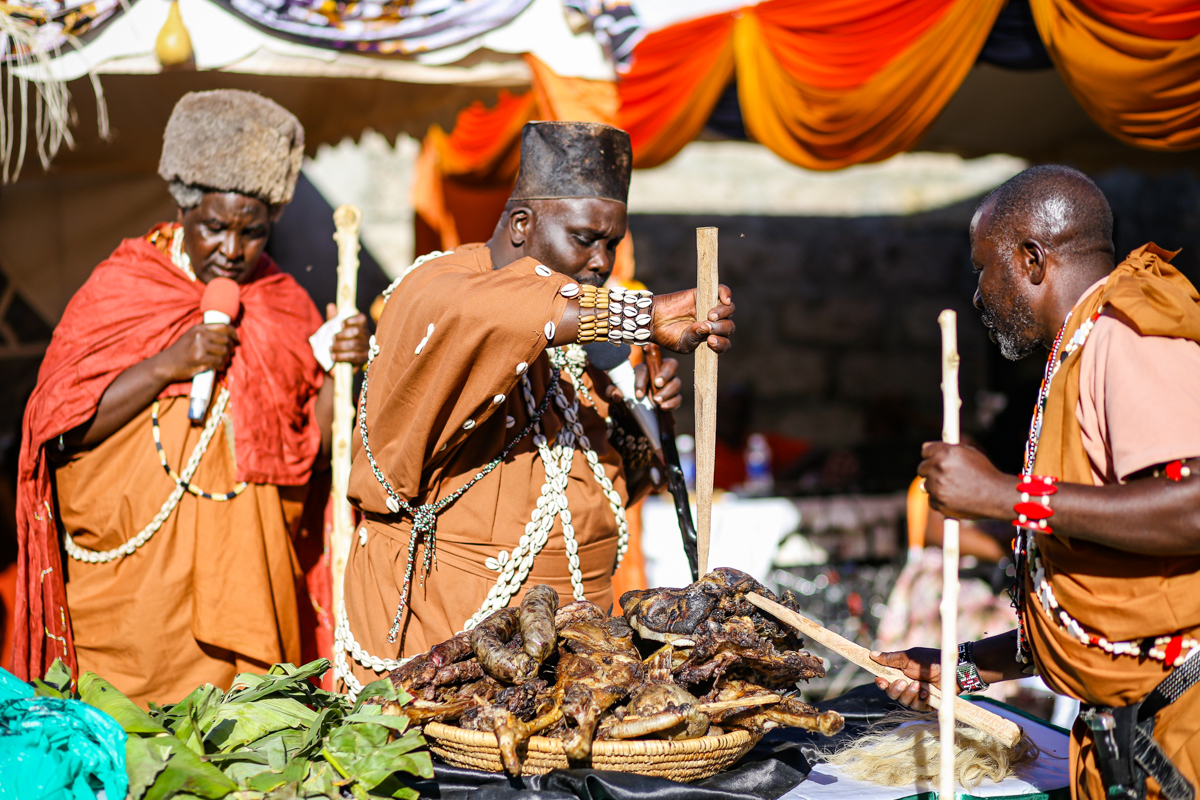
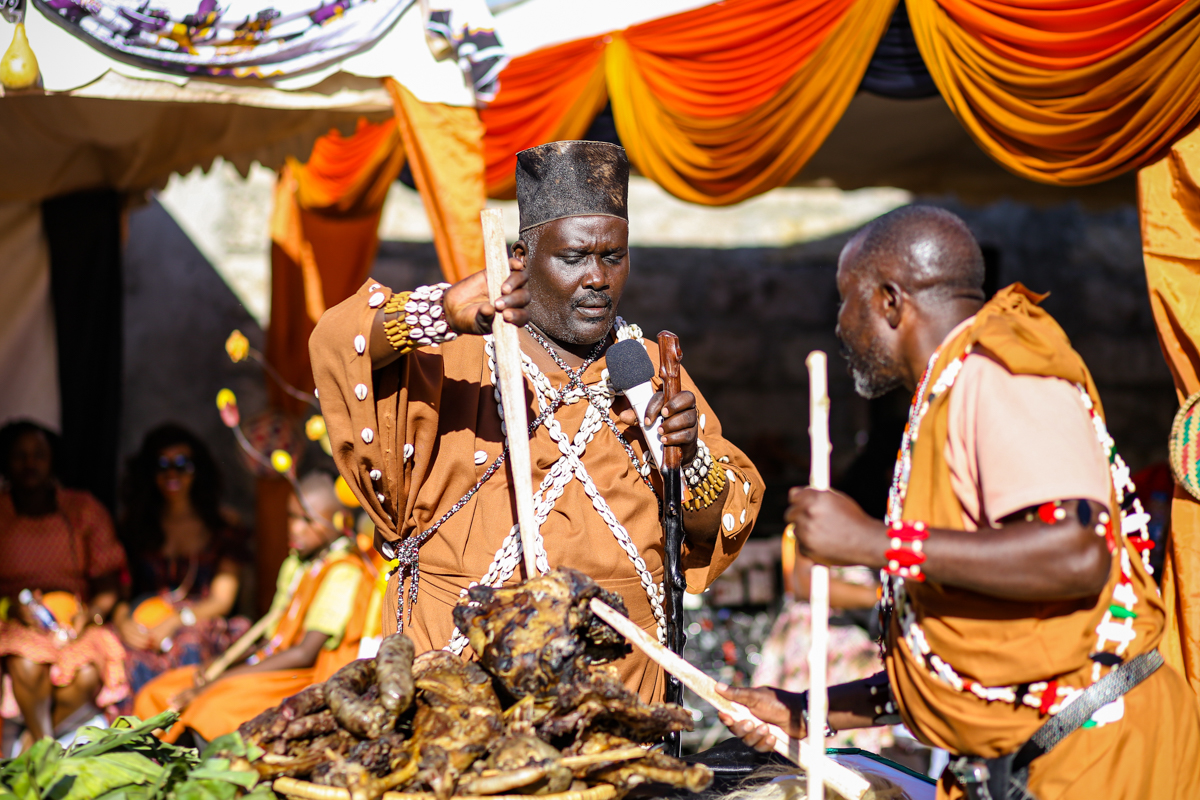
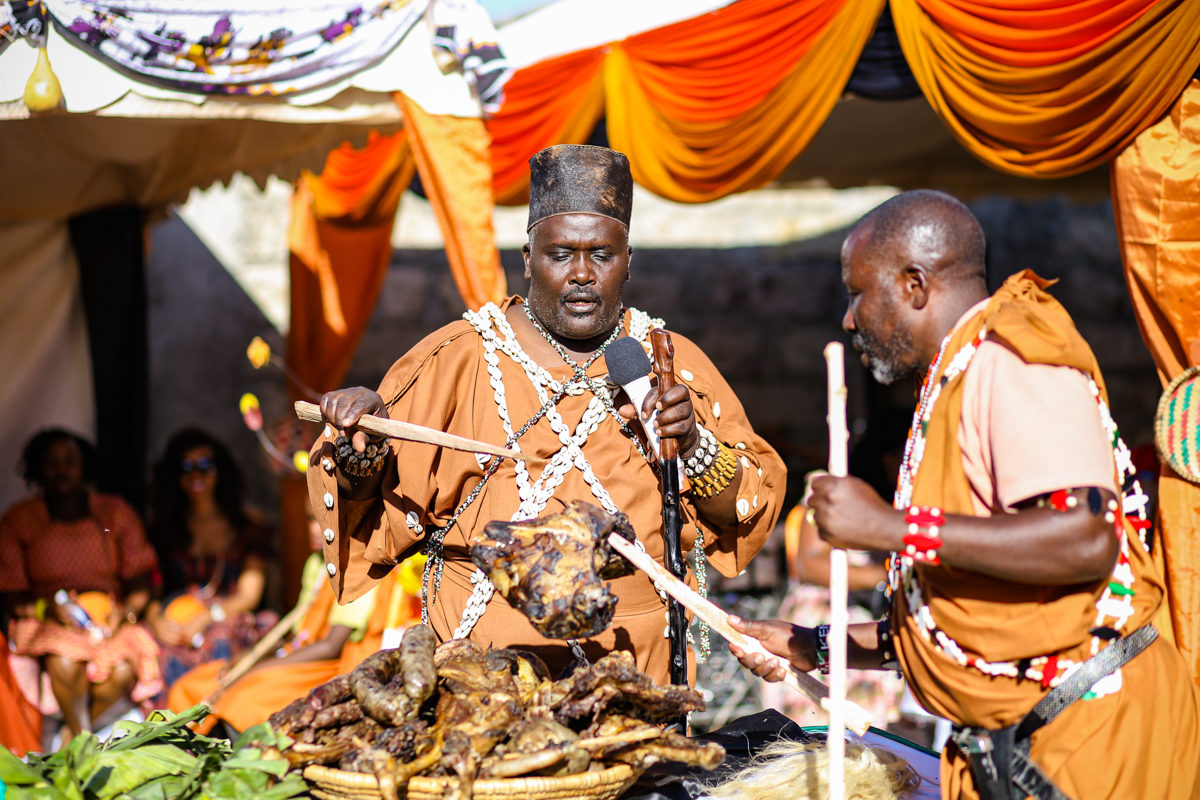
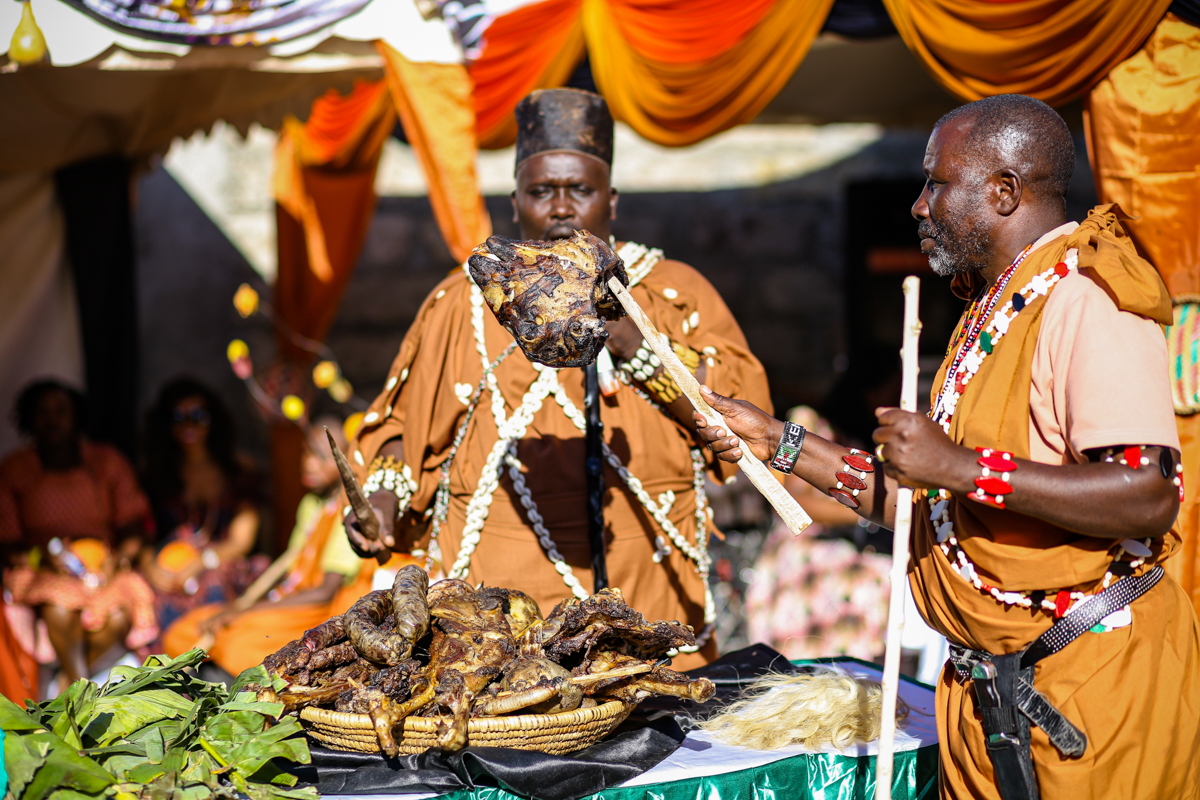
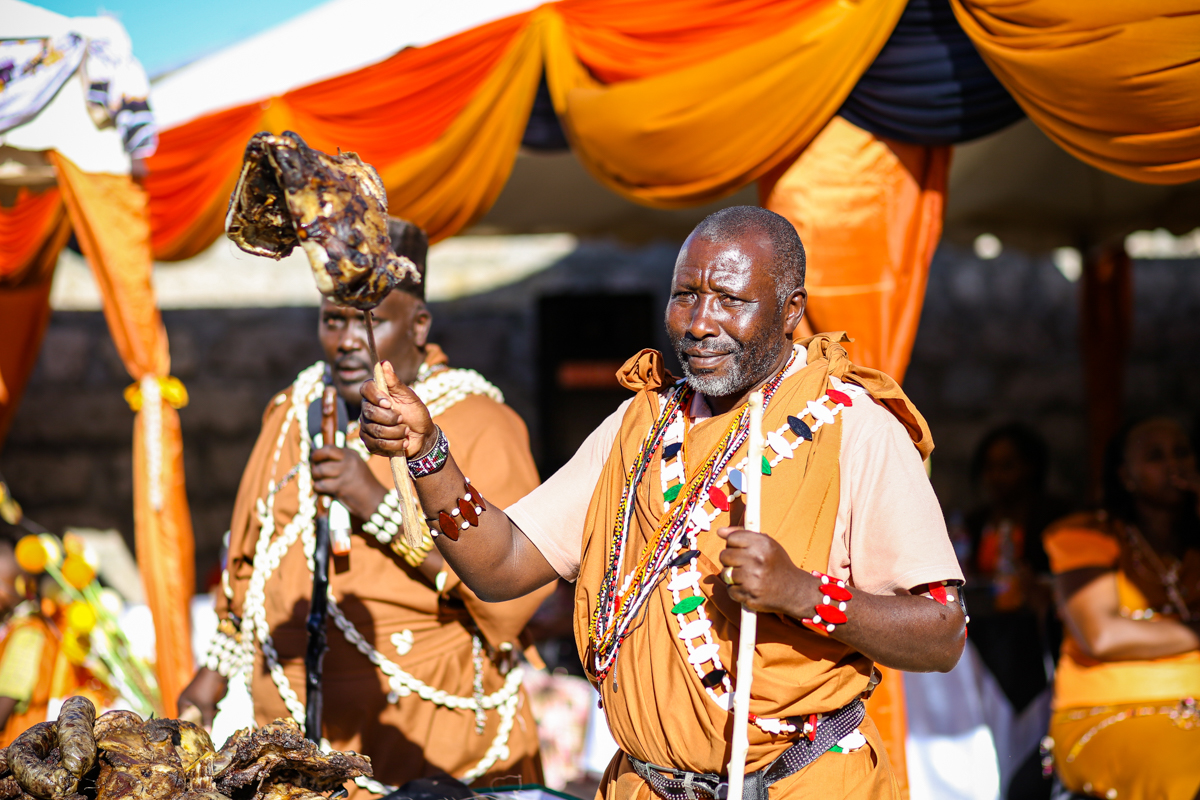
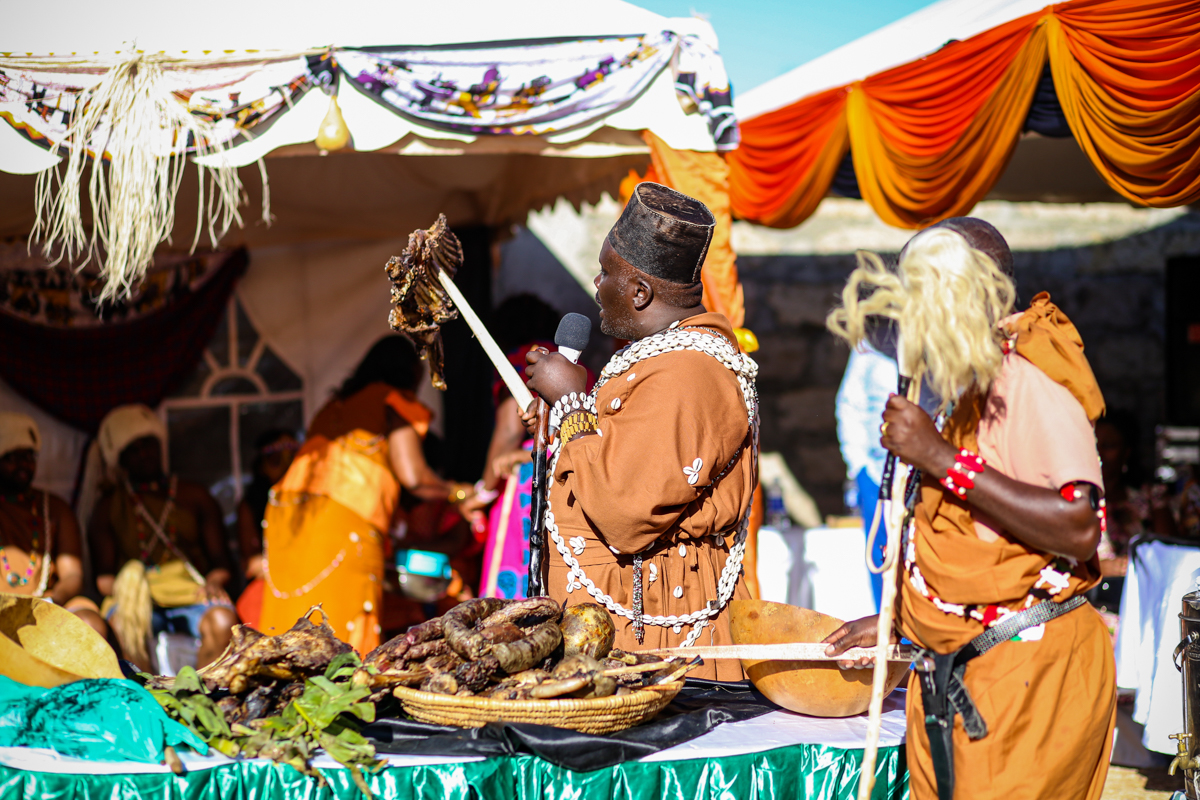
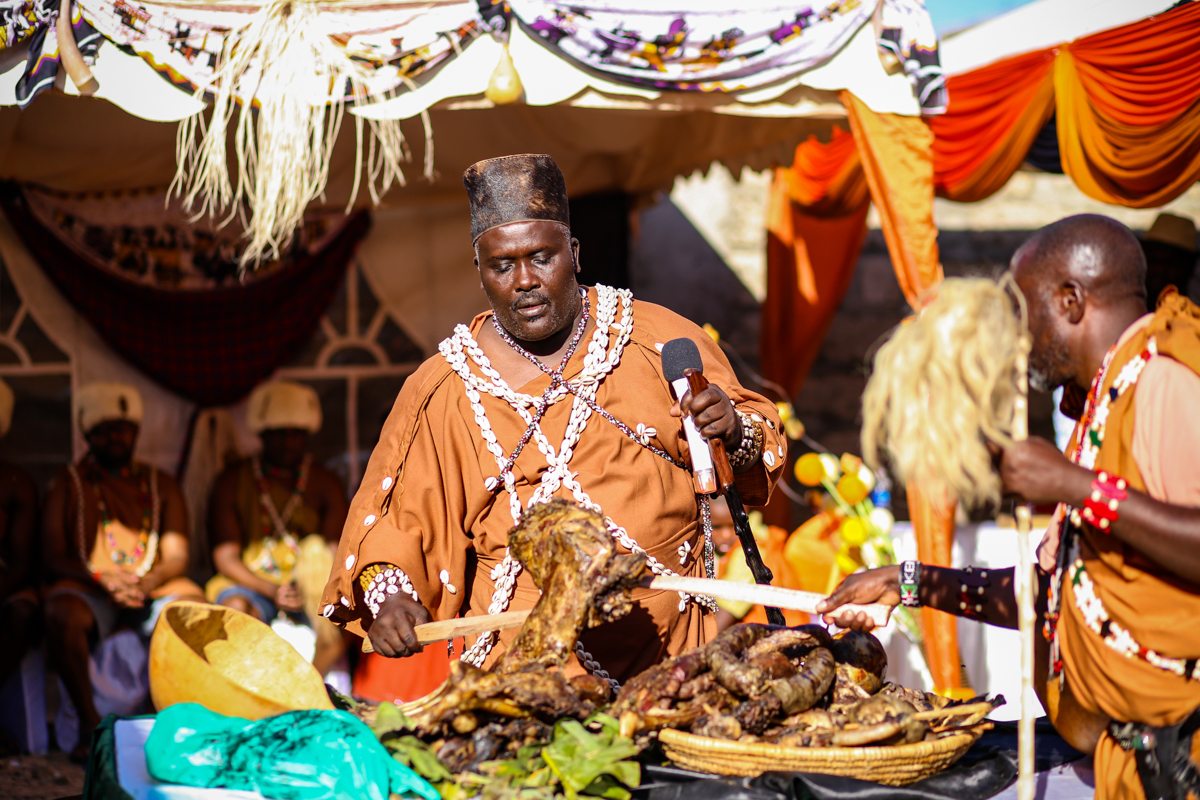
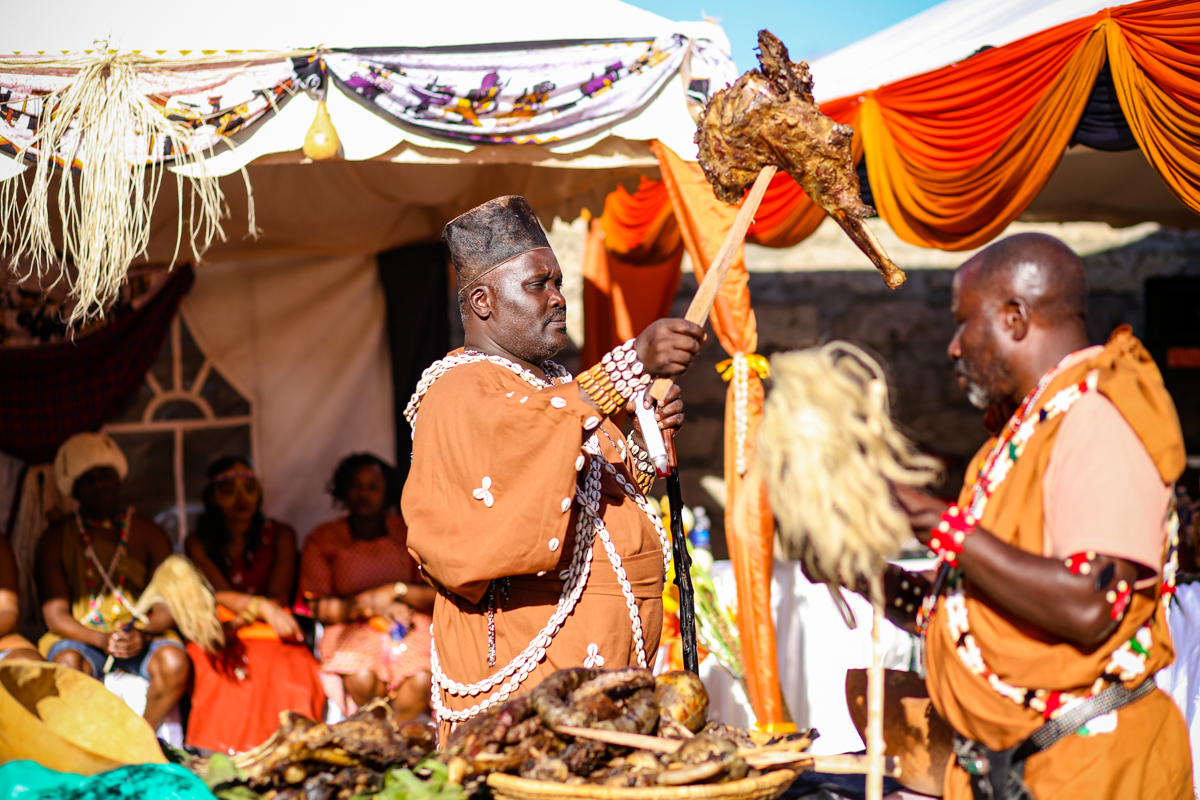
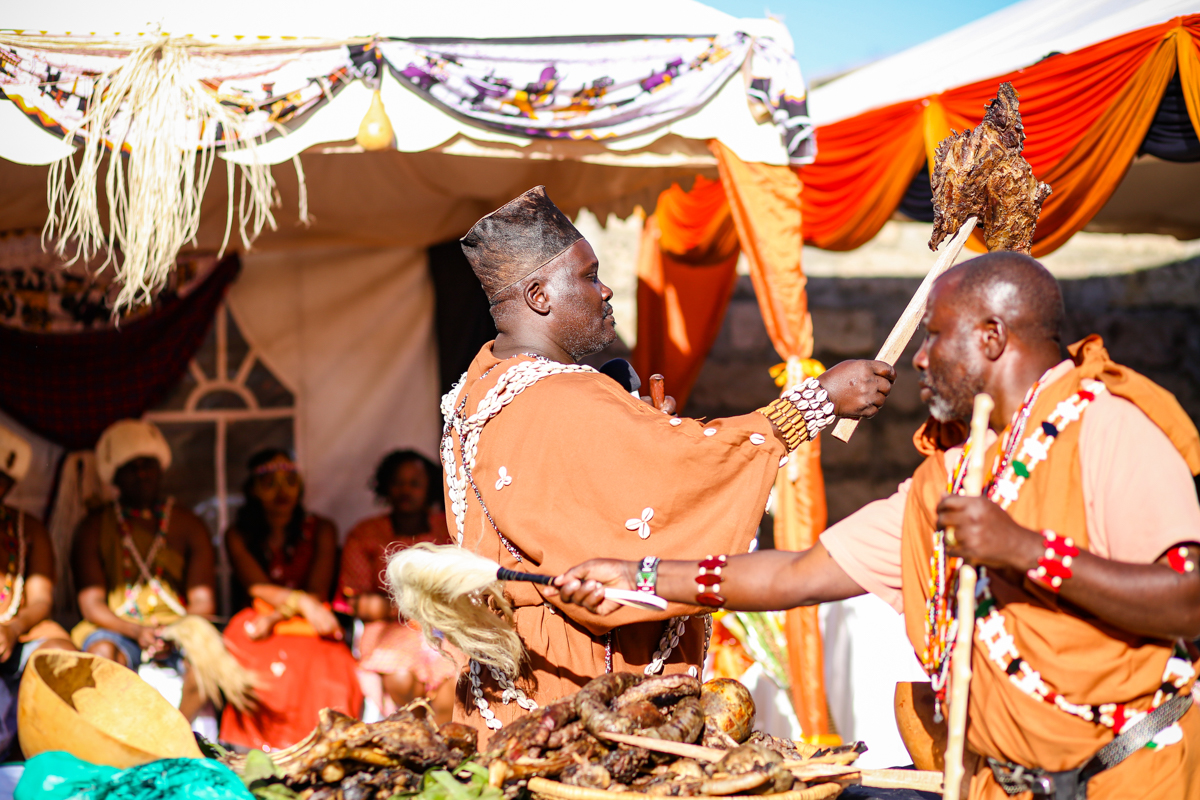
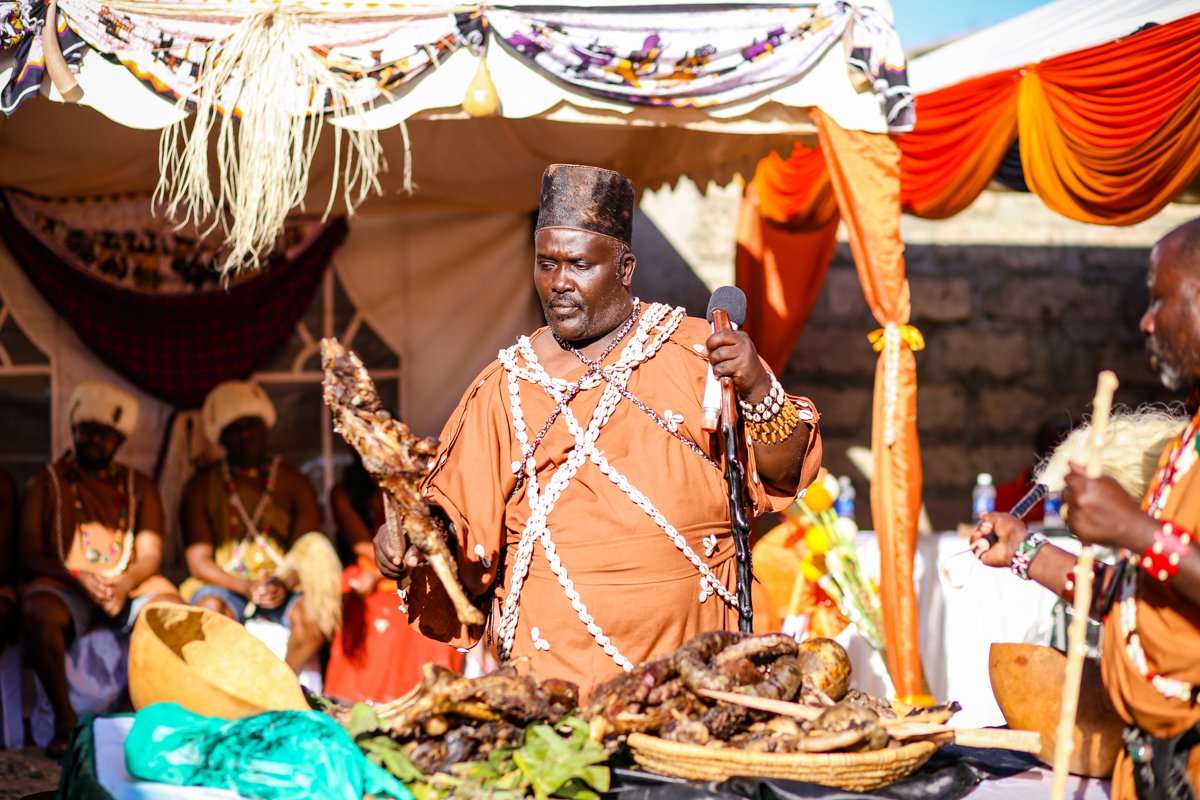
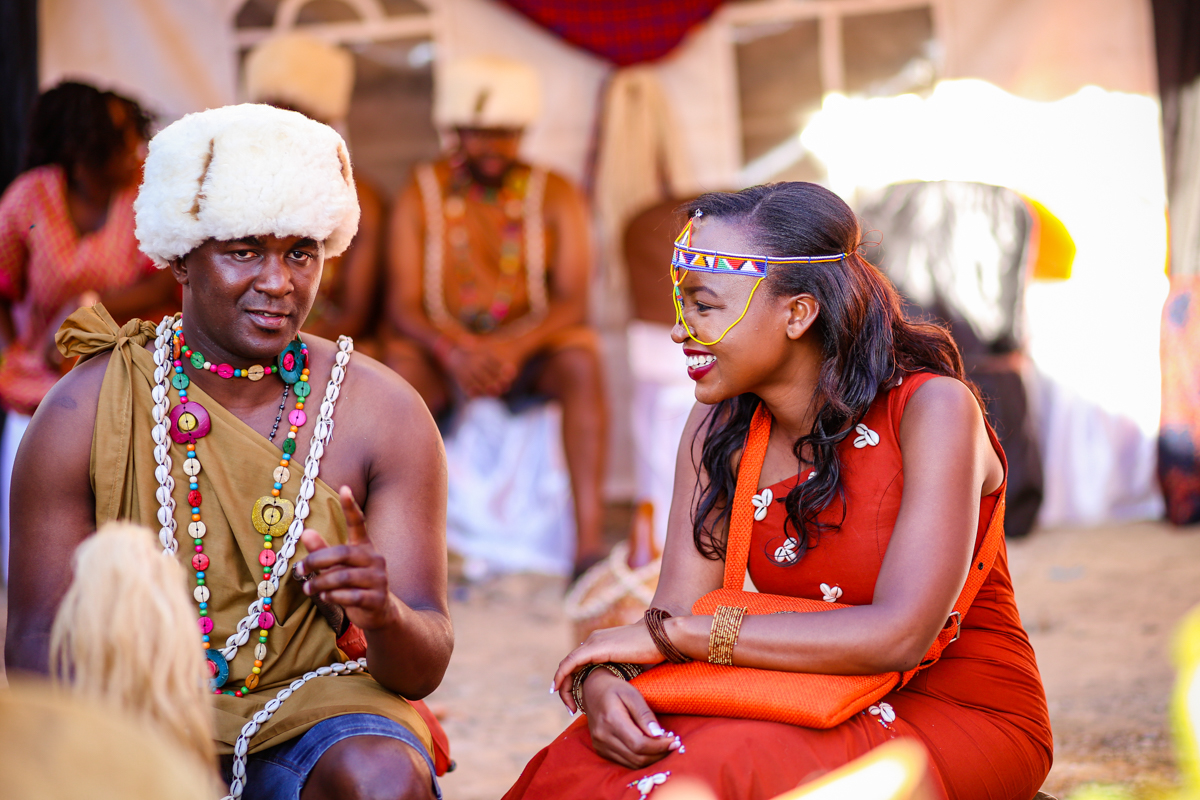
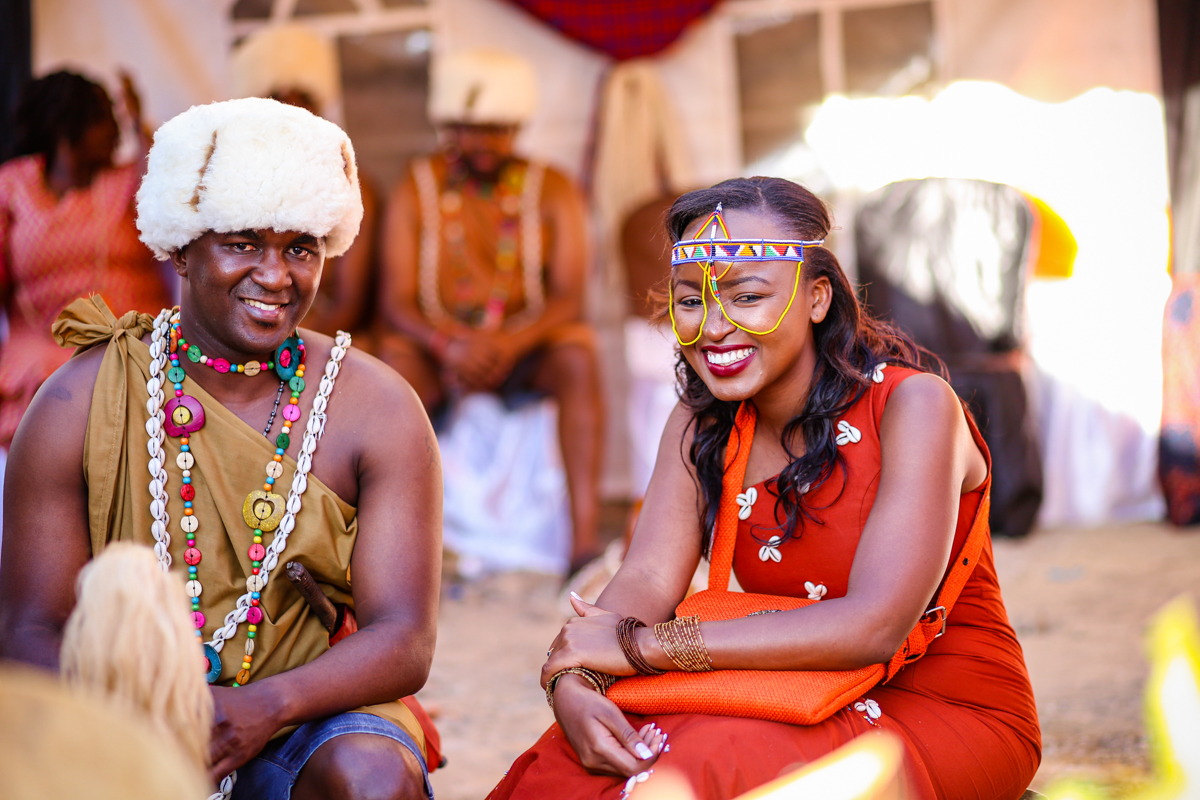
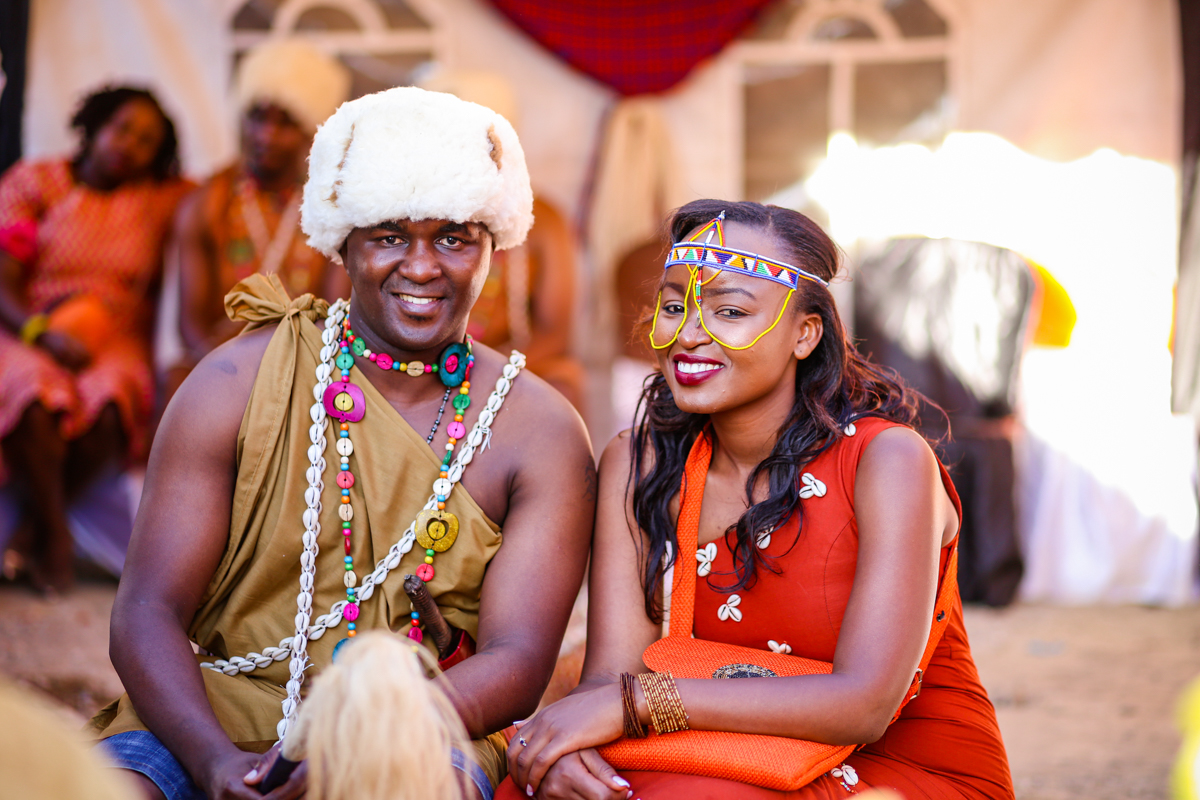
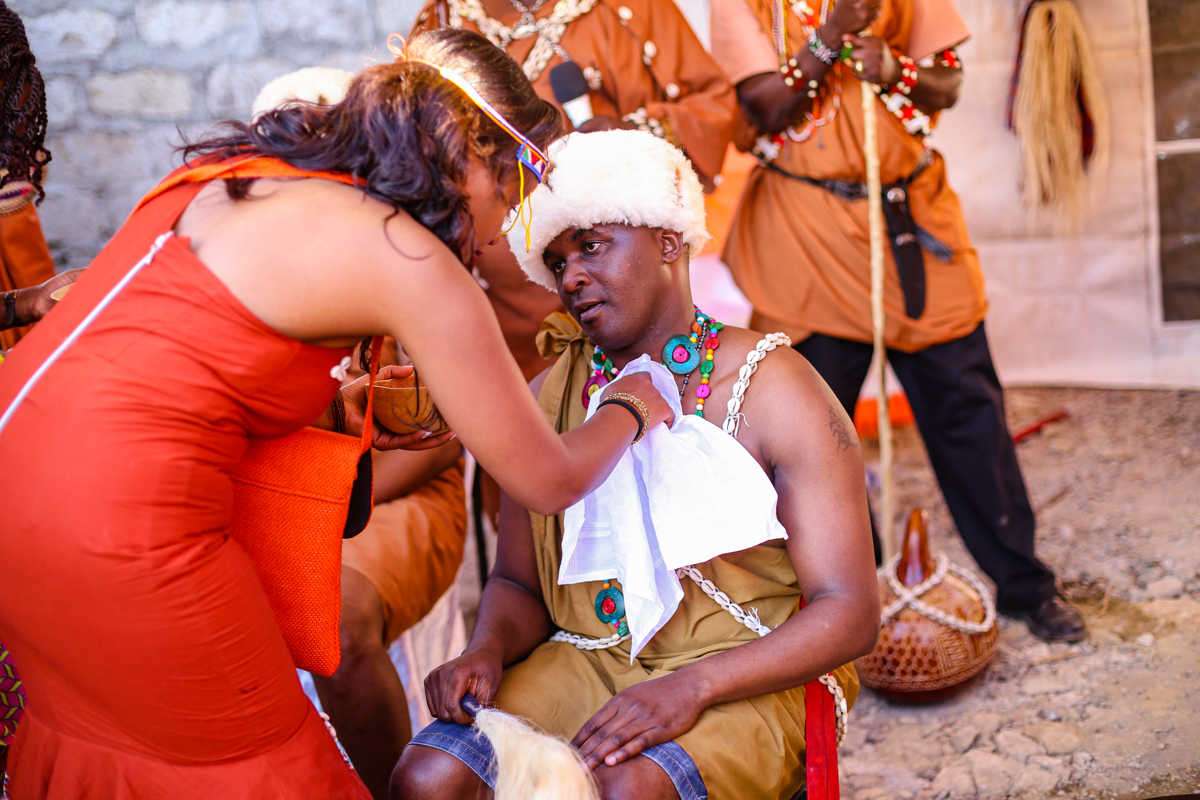
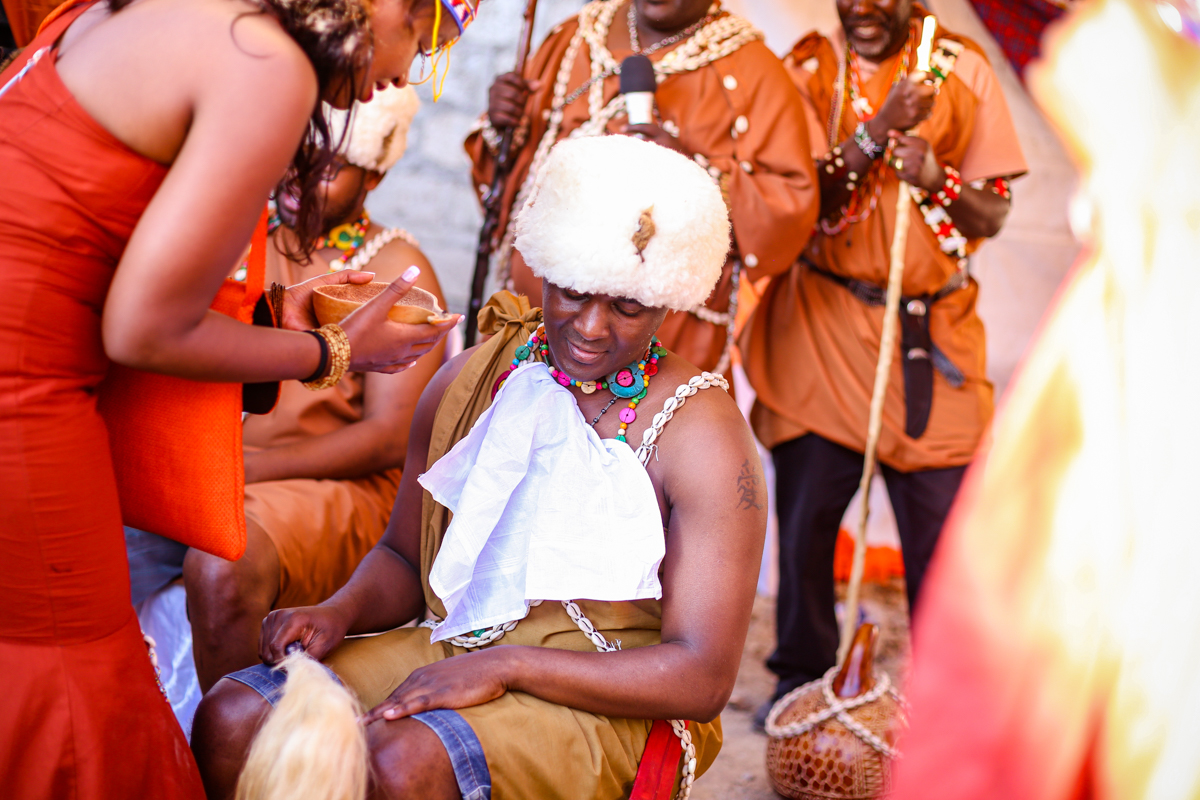
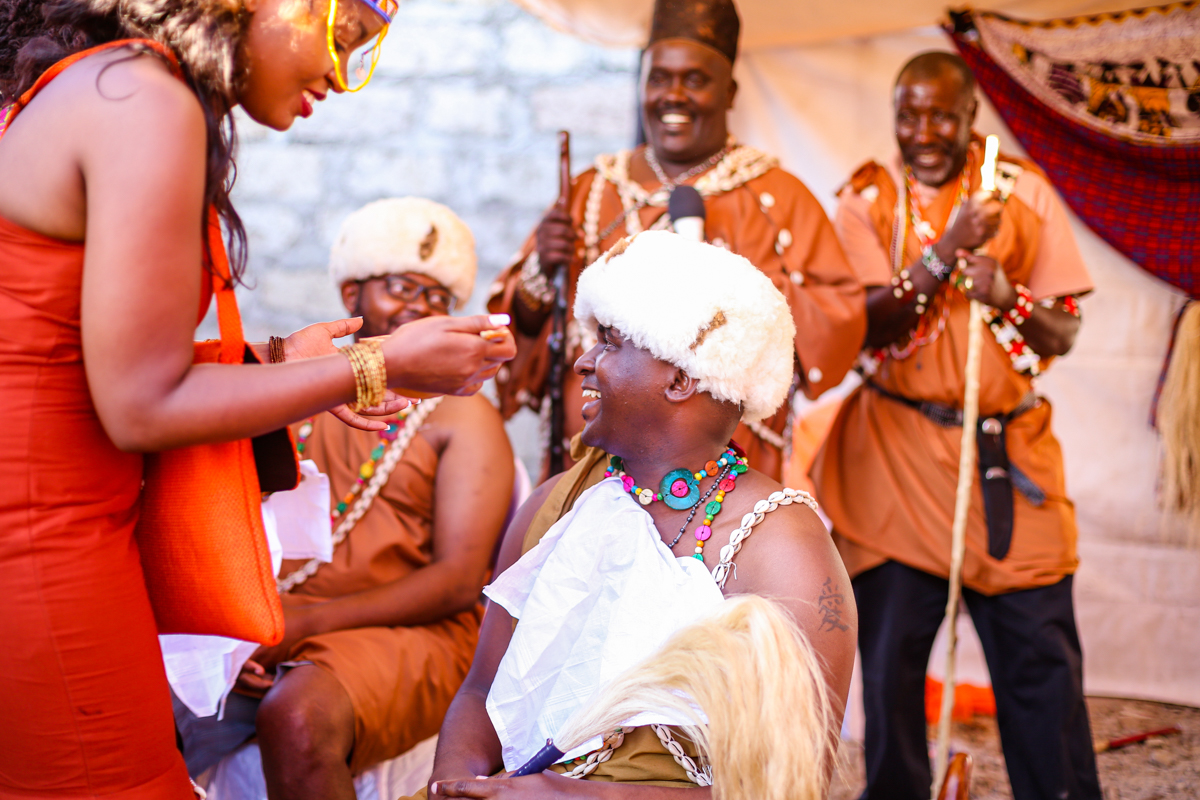
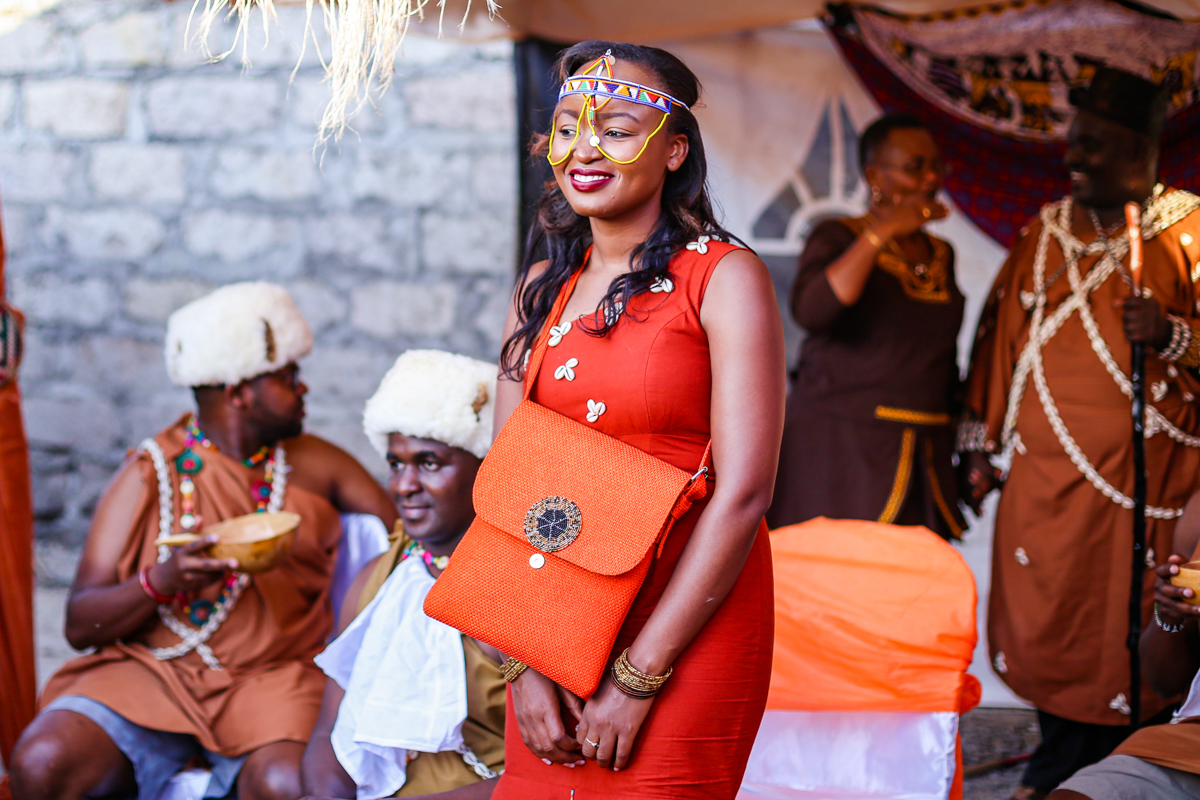
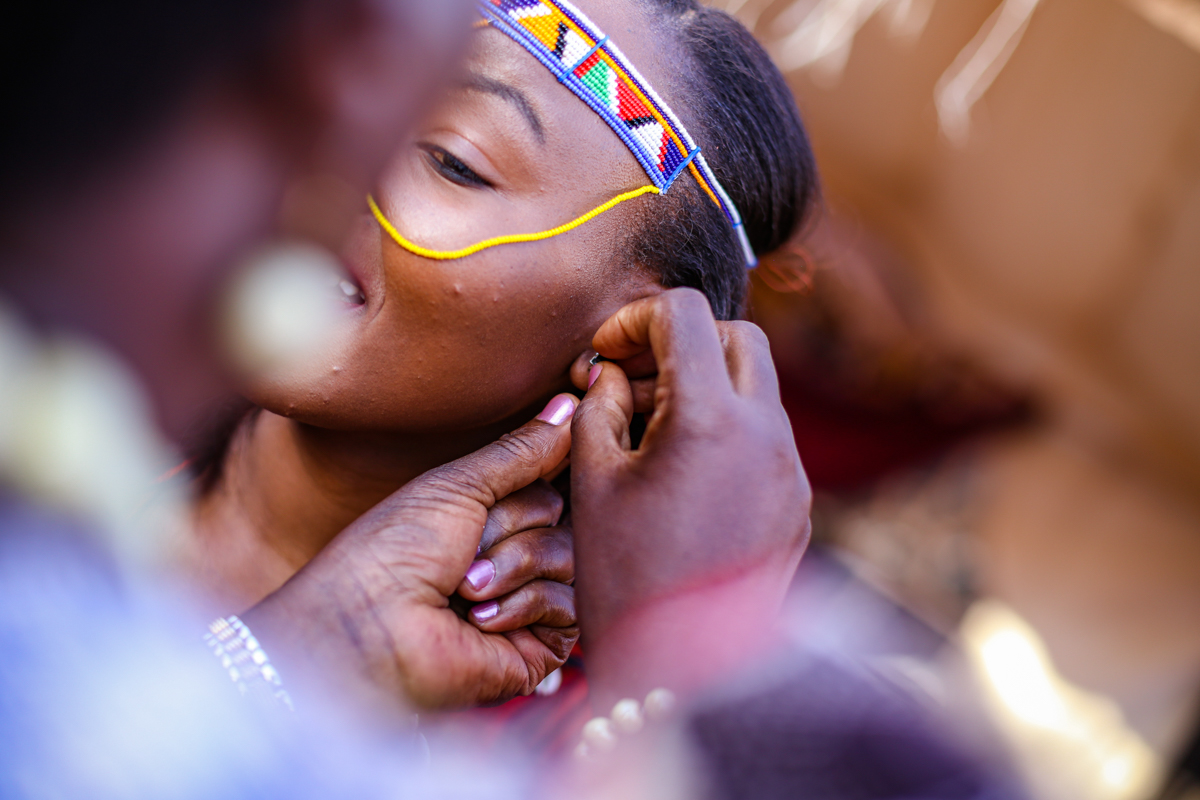
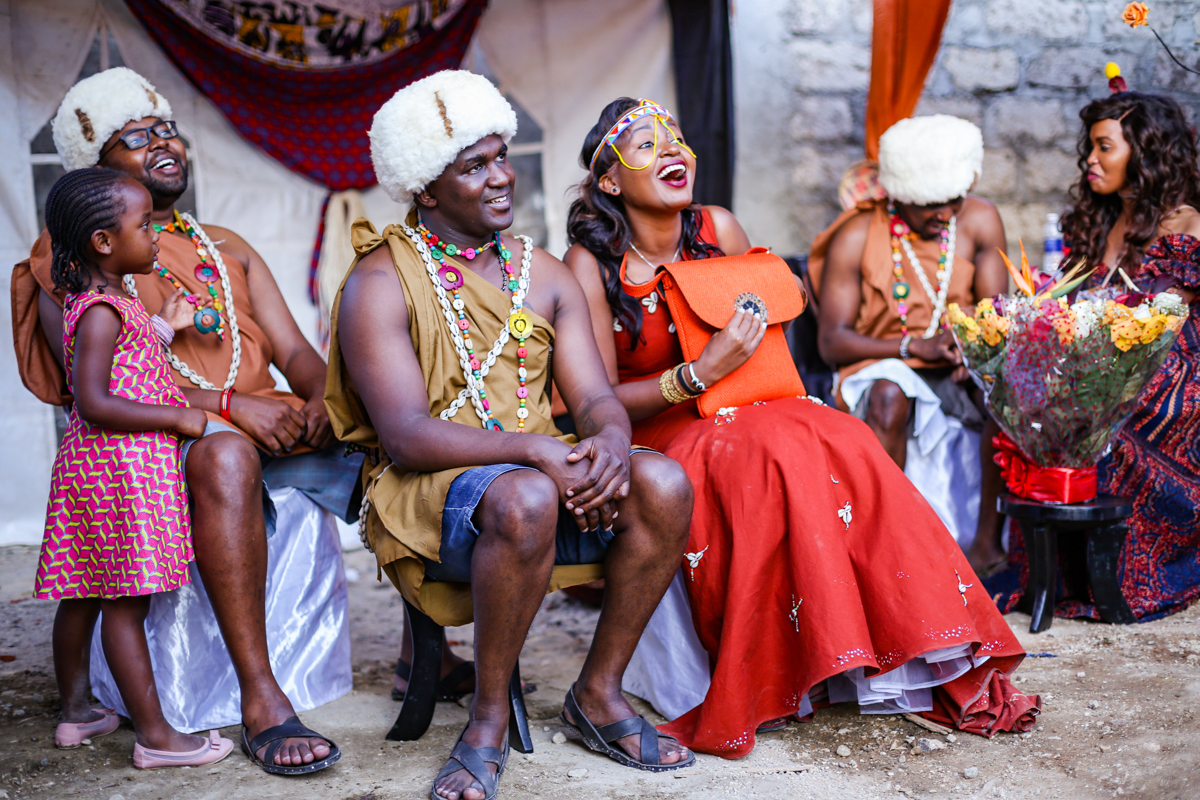
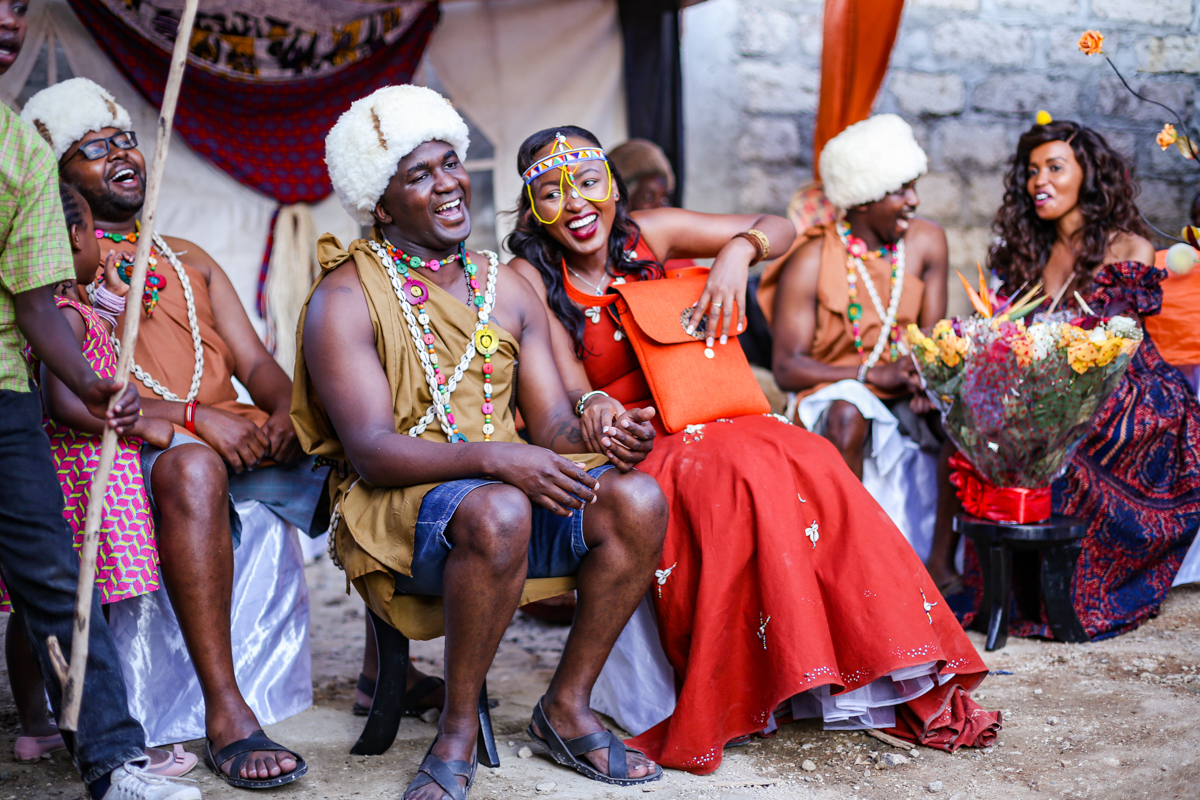
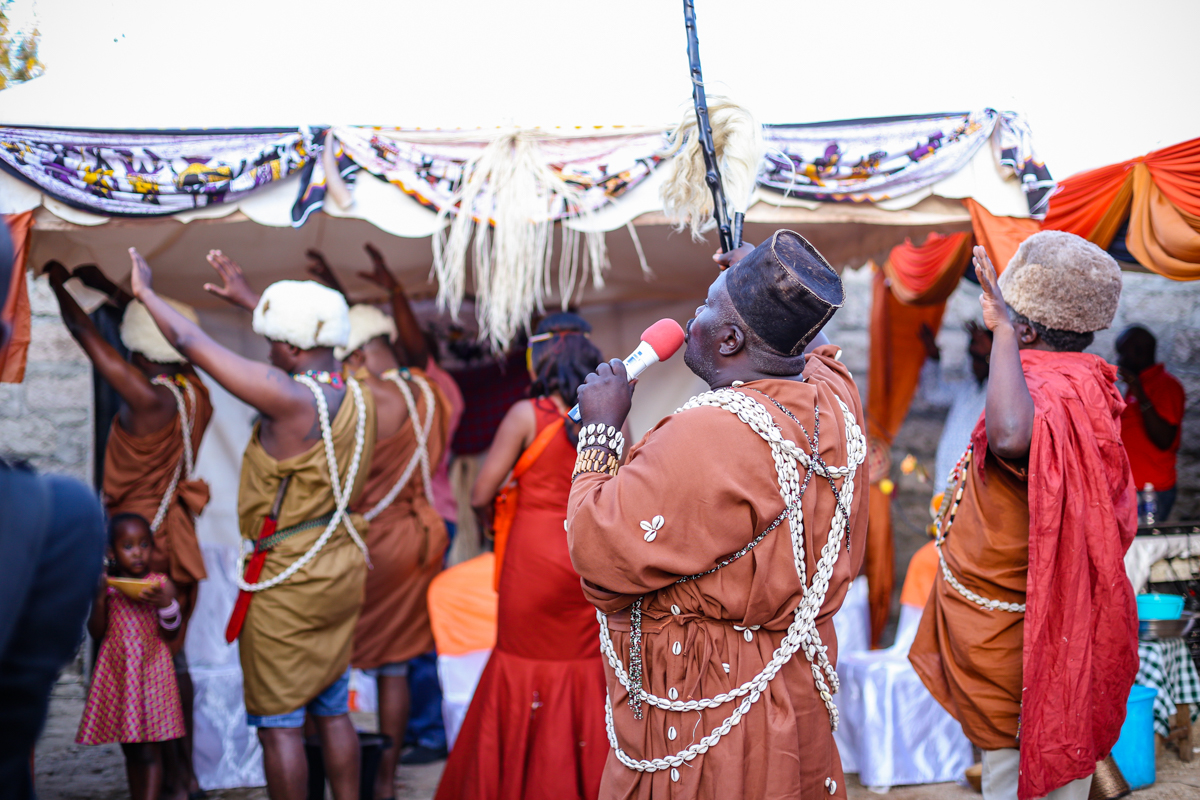
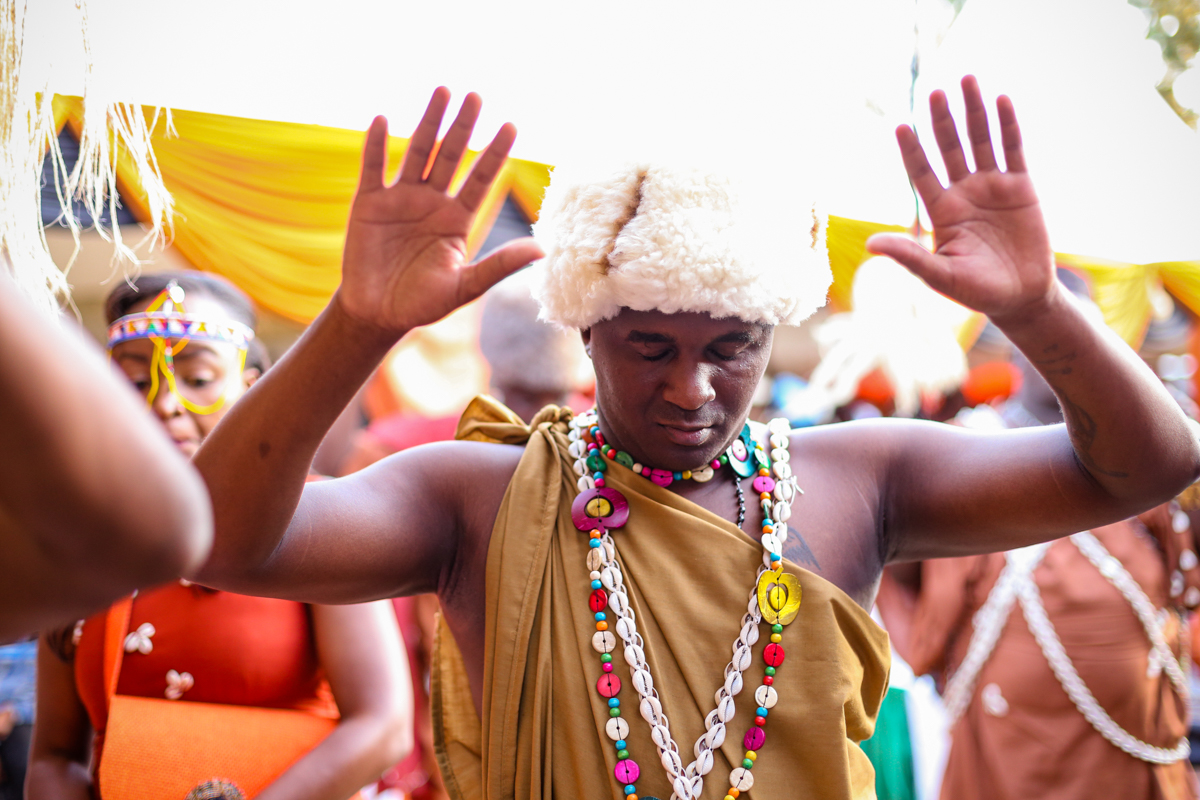
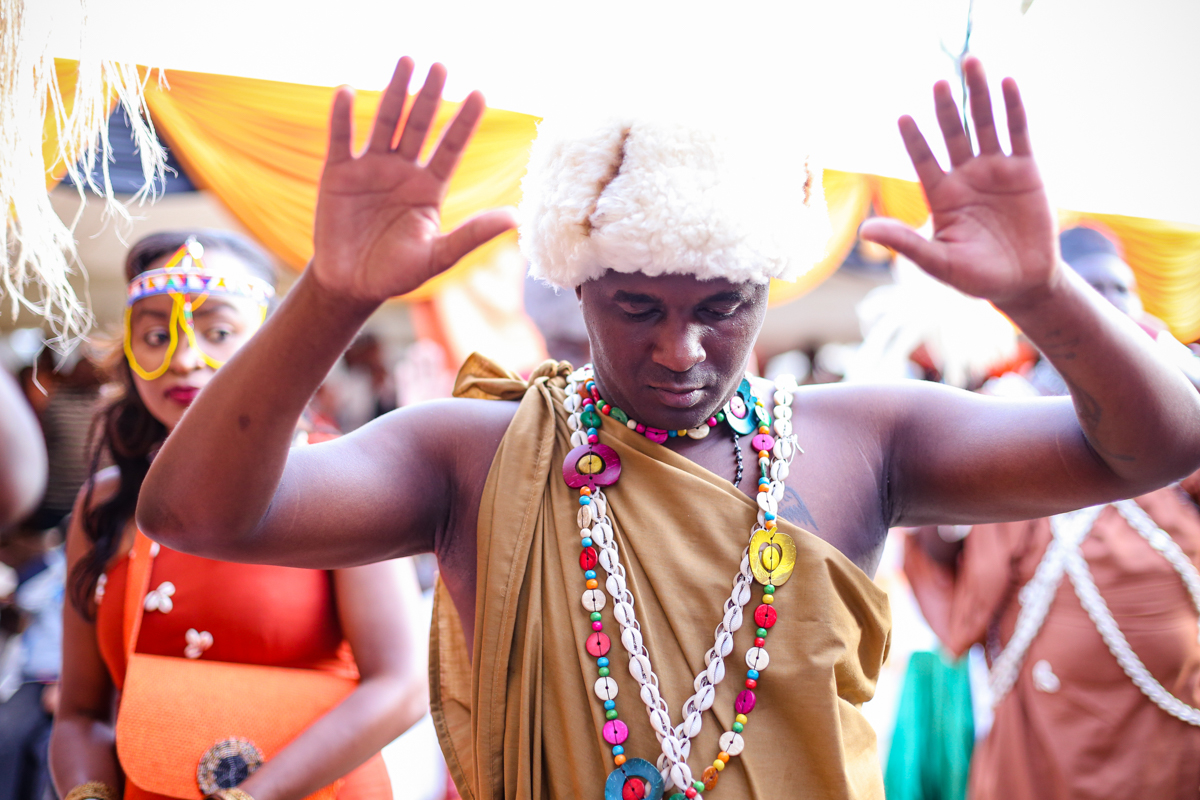
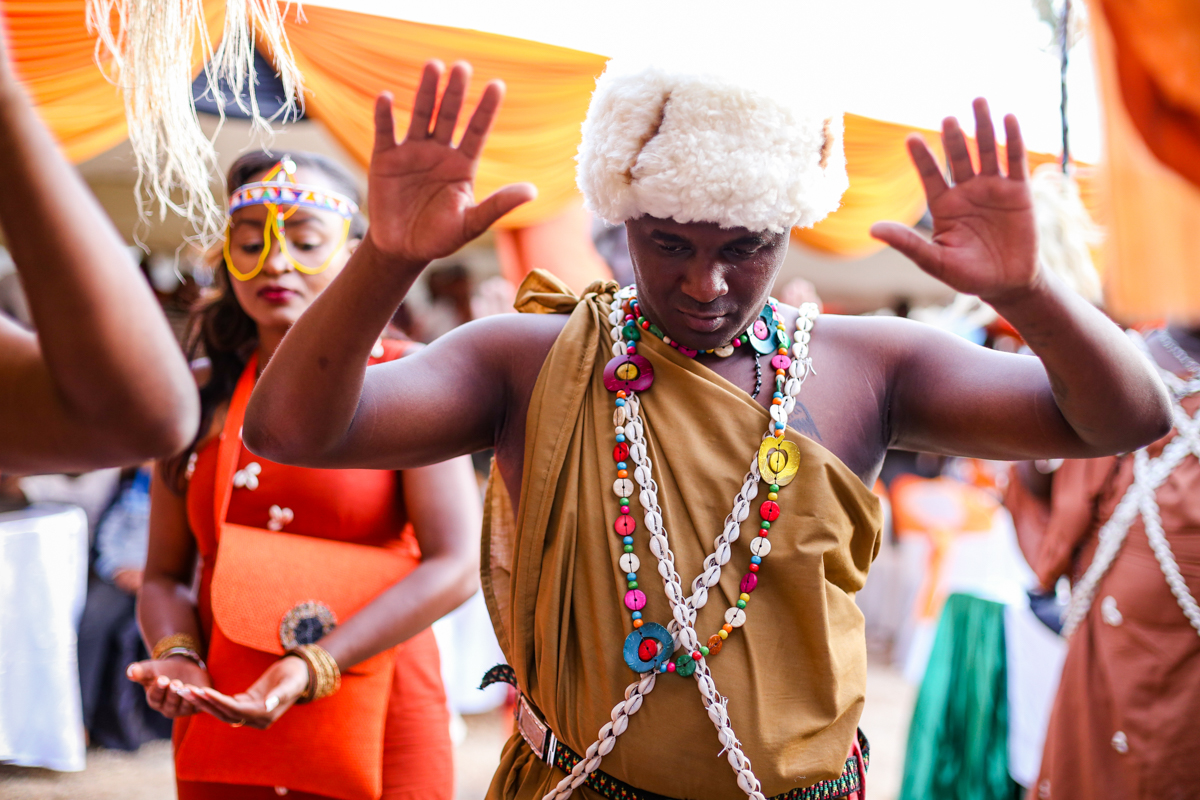
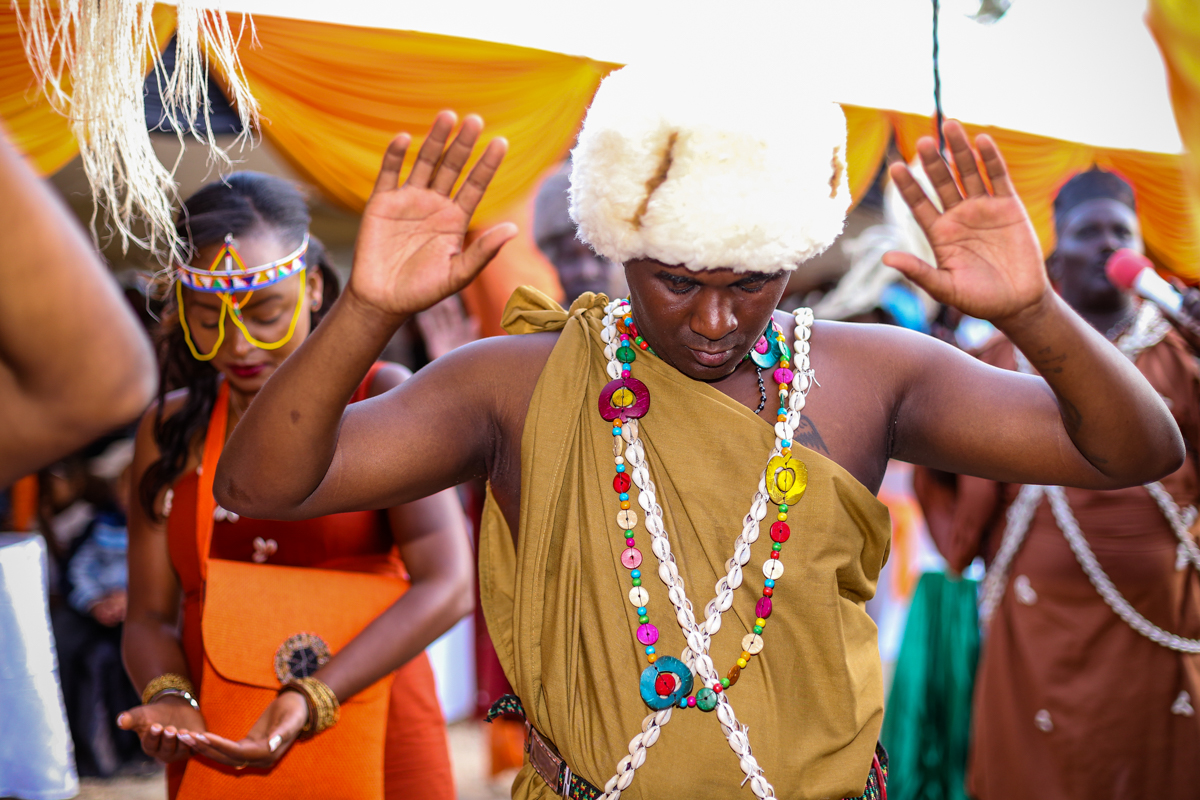
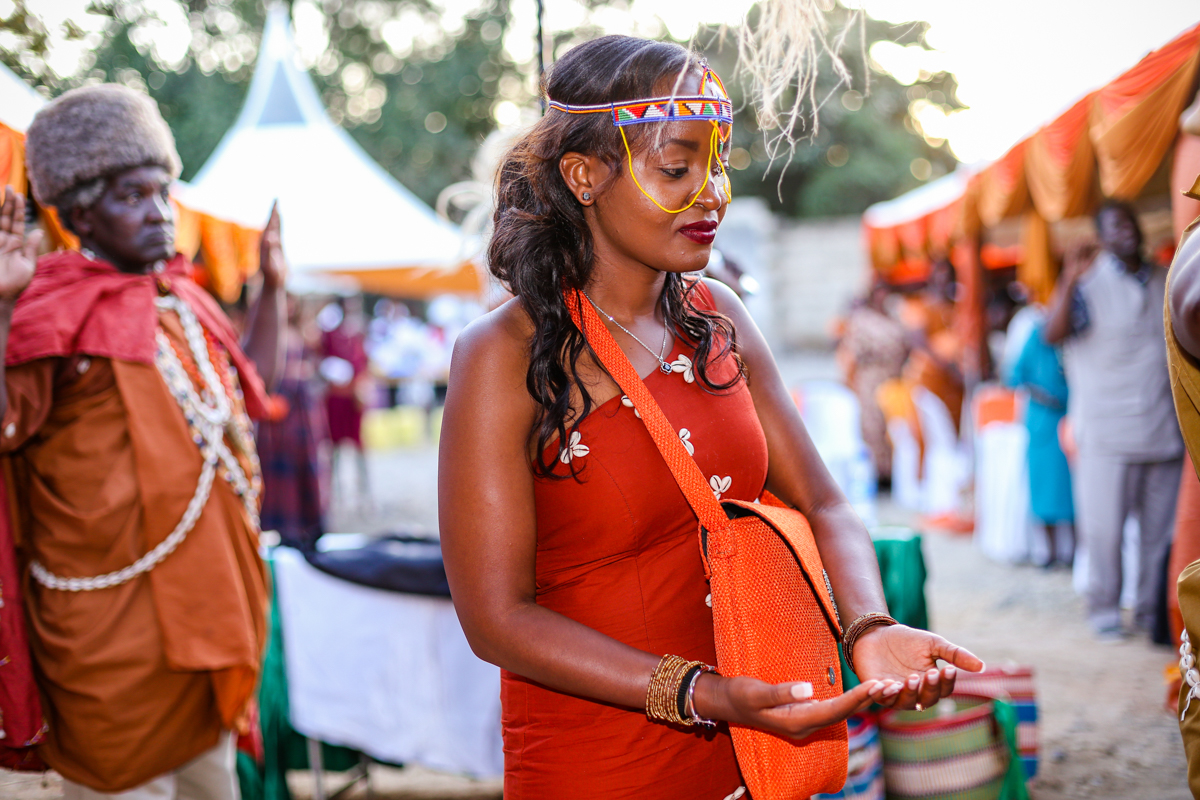
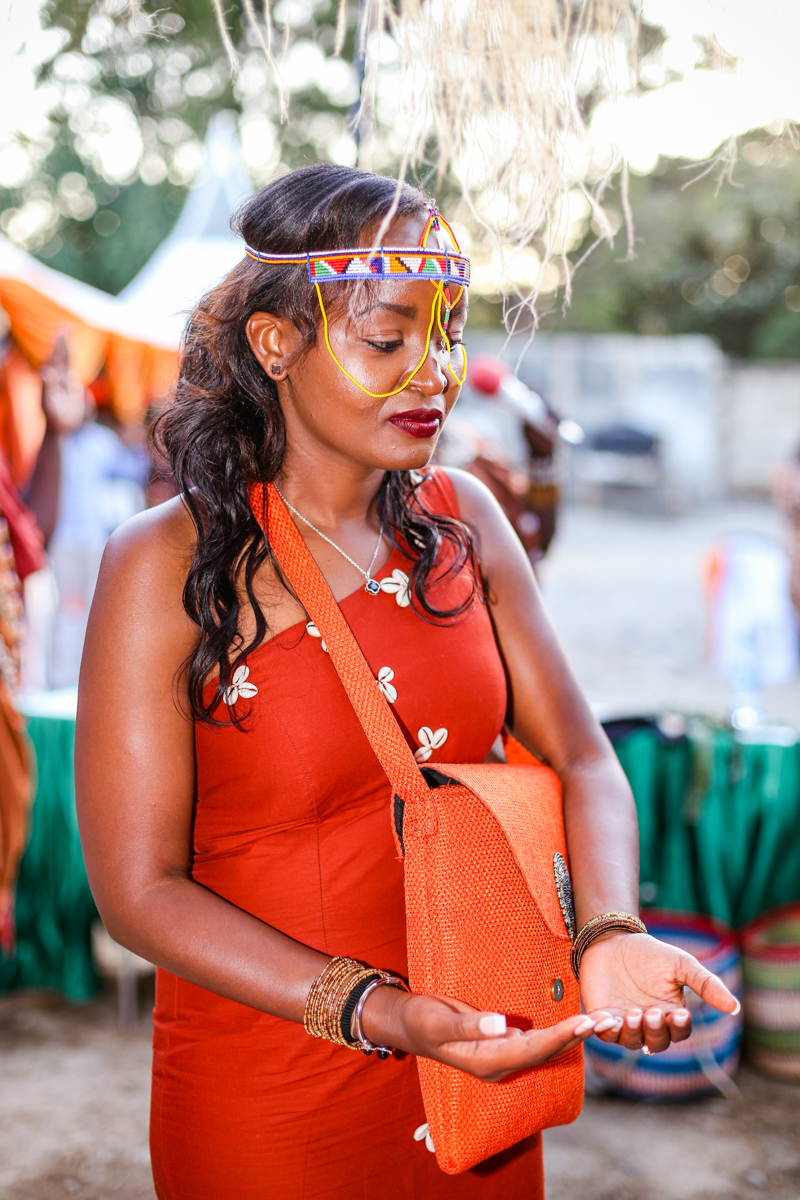
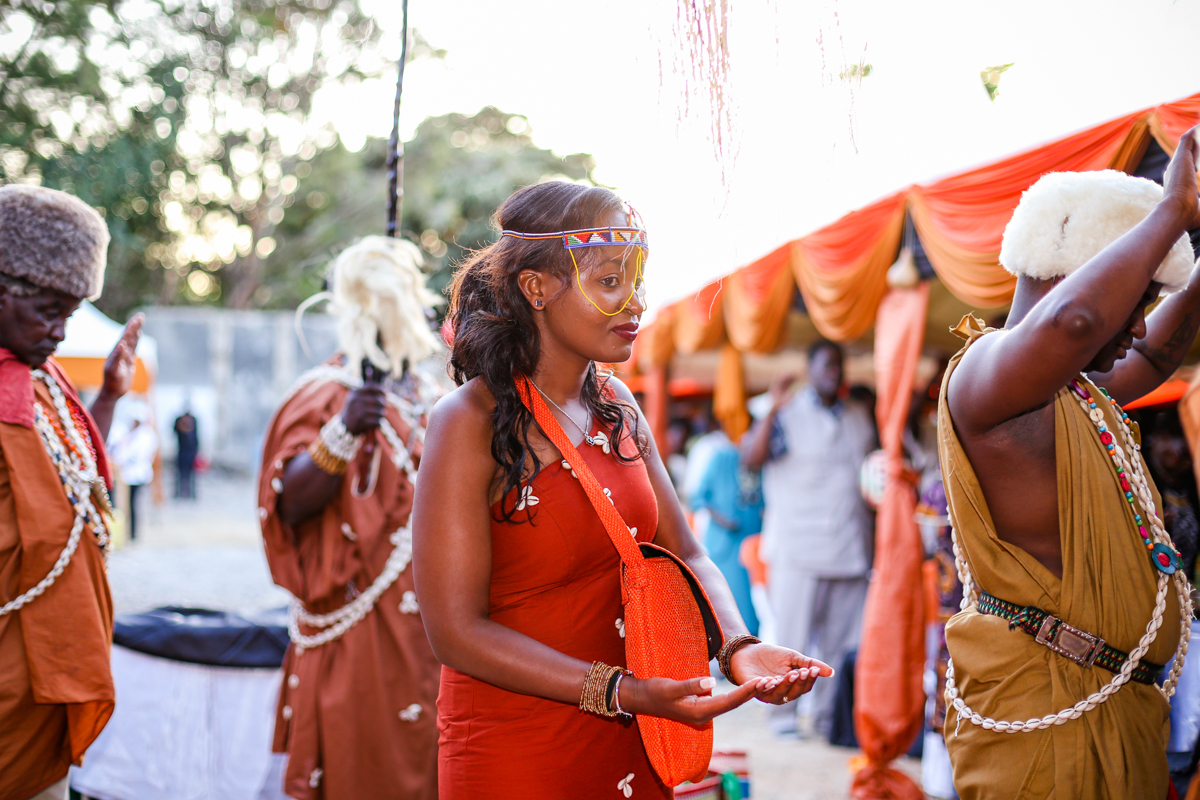
What a wonderful wedding to document to start our wedding season with Grace and Moses’ gorgeous wedding in Ruai,Kenya. I love the colors and energy in every Agikuyu wedding we document and this particular one has a lot of those. See the past Ngurario here. Check out these images to re-live this wonderful occasion from their Irunga to their Gutinia Kiande Kikuyu Wedding ceremony.
Ceremony: Ruai
Photography: Antony Trivet Photography
KIKUYU TRADITIONAL DOWRY AND MARRIAGE PROCEDURES: A COMPREHENSIVE GUIDE TO THE AGĨKŨYŨ CUSTOMARY MARRIAGE PROCESS IN KENYA
Introduction: Understanding Agĩkũyũ Traditional Marriage
Marriage among the Agĩkũyũ, commonly known as the Kikuyu, has traditionally been understood as more than the union of two individuals. It is also a relationship between families, relatives and wider kinship networks. The customary process brings together the bride’s family and the groom’s family through introductions, negotiations, exchanges, ceremonies, blessings and continuing responsibilities.
For generations, these relationships were established through a series of customary procedures commonly associated with Kũmenya mũciĩ, Kũhanda ithĩgĩ, Rũracio, and Ngurario. Other practices and ceremonies may also form part of the process, depending on the family, locality and customary tradition being followed.
The process has changed considerably over time. Some families preserve elaborate traditional procedures, while others combine selected customary rites with Christian, civil or contemporary wedding celebrations. In urban areas and among Agĩkũyũ living outside Kenya, the ceremonies may be condensed into fewer visits, and livestock or traditional gifts may be represented by agreed monetary contributions.
Agikuyu traditional marriage, Kikuyu dowry process, Kikuyu dowry procedures, Ruracio ceremony, Ngurario ceremony, Gutinia Kiande, Kuhanda Ithigi, Kumenya
Agikuyu traditional marriage, Kikuyu dowry process, Kikuyu dowry procedures, Ruracio ceremony, Ngurario ceremony, Gutinia Kiande, Kuhanda Ithigi, Kumenya Mucii, Kikuyu bride price, Kikuyu customary marriage in Kenya
Mucii, Kikuyu bride price, Kikuyu customary marriage in Kenya
There is, however, an important point to understand from the beginning: there is no single checklist that every Agĩkũyũ family follows in exactly the same order. The terminology, sequence, gifts and expectations can differ between families and regions. A practice described by elders in Murang’a may not be performed in precisely the same way by a family in Nyeri, Kirinyaga, Kiambu, Laikipia or Nairobi.
This guide documents the principal stages, explains the customary meaning of important ceremonies, examines the gifts and bridewealth traditionally exchanged, and distinguishes older practices from contemporary adaptations.
It is intended as a detailed cultural reference for couples, families, researchers, cultural enthusiasts and anyone seeking to understand an Agĩkũyũ traditional wedding.
1. The Agĩkũyũ People, Their Origins and Cultural Heritage
The Agĩkũyũ are one of Kenya’s largest ethnic communities. Their traditional homeland is in the central highlands surrounding Mount Kenya, with substantial populations historically associated with present-day Murang’a, Kiambu, Nyeri, Kirinyaga and neighbouring areas. Today, Agĩkũyũ families live throughout Kenya and in the diaspora.
Agĩkũyũ oral tradition traces the community’s ancestry to Gĩkũyũ and Mũmbi, regarded as the founding father and mother. Their traditional place of origin is associated with Mukurwe wa Nyagathanga, in Murang’a County. The account is an important part of Agĩkũyũ cultural identity and should be understood as an ancestral tradition rather than a modern geographical or archaeological claim.
Traditional Agĩkũyũ spirituality recognised Ngai, also referred to in some expressions as Mwene Nyaga. Mount Kenya, known traditionally as Kirinyaga, held profound spiritual significance and was associated with the dwelling place of Ngai.
Historically, the Agĩkũyũ were predominantly agriculturalists who also kept livestock. Goats, sheep and cattle were important sources of food, wealth, exchange and social security. Agricultural produce, including bananas, millet, sorghum and other crops, also played a role in household life and ceremonial occasions.
This agricultural and livestock-based economy helps explain why traditional marriage negotiations involved animals and other valuable goods. Livestock was not simply a convenient form of payment. It represented wealth, productive capacity, family resources and the ability to establish relationships between households.
The importance of livestock is particularly evident in the customary practice of Rũracio, in which bridewealth could be expressed through goats, sheep and cattle. Over time, cash and other forms of contribution became increasingly common.
2. Understanding the Meaning of Dowry, Bridewealth and Rũracio
The terms dowry, bride price and bridewealth are frequently used interchangeably in everyday discussions about African customary marriage. However, they do not always describe the same thing.
In the Agĩkũyũ context, Rũracio is commonly used to describe the customary bridewealth process and the gifts or contributions agreed upon between the families.
Historically, bridewealth was associated with the establishment of a recognised relationship between two families. It demonstrated appreciation for the bride’s upbringing, acknowledged the responsibilities involved in forming a new household and created an ongoing connection between the families.
It could include livestock, food, drinks, clothing, household equipment and other agreed contributions.
In contemporary arrangements, the families may agree to receive money in place of some or all of the traditional items. Some may retain livestock and selected gifts while converting other contributions into cash.
It is important not to interpret Rũracio as the purchase of a woman. Bridewealth does not make a woman property, give a husband ownership over her or remove her right to make decisions about her own life.
The bride is not a commodity being exchanged. She is an active participant in the marriage, and her consent is essential.
Why was bridewealth important?
Traditionally, bridewealth served several interconnected purposes:
- Acknowledging the bride’s family: It recognised the care, upbringing and contribution of the family that raised the bride.
- Creating an in-law relationship: The exchange established a recognised relationship between the two families.
- Demonstrating commitment: The groom and his family demonstrated their willingness to take part in the responsibilities associated with marriage.
- Establishing customary recognition: The agreed contributions formed part of the customary process through which the marriage was acknowledged.
- Strengthening family cooperation: The relationship created opportunities for mutual support, visits and assistance during important family events.
- Preserving continuity: The process connected the marriage to family history, customary obligations and the relationships between generations.
These meanings have not remained identical in every family. Modern couples may understand bridewealth primarily as a cultural expression of gratitude and family recognition, rather than as a financial obligation.
3. The Main Stages of an Agĩkũyũ Traditional Marriage
The customary process is often described through several stages. The following sequence provides a useful framework, but it should not be mistaken for a universal order that every family must follow.
The principal stages commonly discussed include:
- The couple’s decision to marry.
- Informing the respective families.
- Family enquiries and customary considerations.
- Kũmenya mũciĩ – the introductory visit.
- Kũhanda ithĩgĩ – the formal declaration of marriage intentions.
- Rũracio – bridewealth negotiations and contributions.
- Other family visits, exchanges and customary obligations.
- Itara or related visits to the groom’s home, where observed.
- Ngurario – the customary wedding ceremony.
- Gũtĩnia kĩande – the cutting of the ceremonial shoulder-blade portion.
- Post-marriage family visits, recognition and continuing relationships.
Some families combine stages, while others preserve separate visits. In certain contemporary arrangements, Ngurario may be performed before a church wedding. In others, it takes place after a civil or Christian ceremony. The timing depends on the customary understanding of the families involved.
4. The Couple’s Decision to Marry
The process begins with the couple.
A man and a woman establish a relationship and, after considering their future together, decide whether they wish to marry.
In traditional society, courtship could take place through social gatherings, dances, community activities and interactions between young people. A young man might approach a woman using indirect expressions or culturally understood language.
Today, relationships are established in many different ways. The couple may meet through friends, school, work, church, social events or online platforms.
Regardless of how the relationship begins, the decision to marry should be voluntary.
The woman’s agreement is not a formality to be obtained after the families have negotiated. Neither family should use customary expectations, financial demands or social pressure to force the couple into marriage.
Once the couple has agreed, they begin informing their respective families.
5. Informing the Groom’s Family
The prospective groom normally approaches his parents or guardians and explains his intention to marry.
This is an important family conversation because marriage traditionally involved more than the individual man. His family was expected to participate in the introductions, negotiations and arrangements.
His parents may ask questions about the woman and her family, including:
- Her family background.
- Her parents or guardians.
- Her wider family relationships.
- Her clan or lineage information, where relevant.
- Whether there are known close family relationships that could create a prohibited marriage relationship.
- Whether the two families have any unresolved disputes or important customary considerations.
- Whether the couple has freely agreed to marry.
These enquiries should be understood in their historical and cultural context. They should not become an excuse for discrimination, gossip or the rejection of a person based on disability, social status, family hardship or other prejudicial assumptions.
The groom’s family may then inform relatives who are expected to participate in the process.
6. Informing the Bride’s Family
The woman also informs her parents or guardians that she intends to marry.
Her family may wish to understand the groom’s background, family relationships and intentions.
They may ask about:
- His parents and guardians.
- His family and wider relatives.
- His character and reputation.
- His intentions towards their daughter.
- His ability and willingness to participate in the responsibilities of marriage.
- Any customary or legal issues that could affect the proposed union.
The bride’s family may also consult relatives and identify people who will represent them during the customary discussions.
The bride’s parents, uncles, aunts and other relatives may be involved according to the family’s customary arrangements.
The important principle is that the bride’s family is not merely receiving a proposal on behalf of a daughter who has no voice. Her wishes and consent must remain central throughout the process.
7. Family Enquiries, Clan Relationships and Marriage Eligibility
Traditionally, family background was an important consideration in Agĩkũyũ marriage.
The community recognised clans, lineages and extended family relationships. Enquiries helped establish whether the proposed couple were closely related and whether there were customary restrictions affecting the marriage.
The Agĩkũyũ have traditionally been organised through clan and lineage structures. The terminology and practical role of these structures may vary across historical accounts and contemporary families.
Family enquiries could also reveal whether the two families had previously established an important relationship through marriage.
Today, these conversations should be approached carefully. A family should establish genuine prohibited relationships rather than rely on rumour or vague claims about distant ancestry.
Kenyan law also prohibits marriage between people within specified prohibited relationships. Customary approval cannot override the law.
8. The Role of Elders and Family Representatives
The customary marriage process traditionally involved representatives from both families.
These representatives were expected to communicate on behalf of their respective families, discuss the proposed union, explain customary expectations and help resolve disagreements.
The elders were not simply guests attending a ceremony. They often carried the responsibility of ensuring that the families understood the agreements being made.
Who qualifies as an elder?
There is no single universally enforced qualification list for every Agĩkũyũ family.
Traditionally, respected elders were often people who had established families, understood customary procedures and were recognised for their judgement and standing in the community.
The qualities commonly valued included:
- Good character and reputation.
- Experience in family and community matters.
- Knowledge of customary language and procedures.
- The ability to negotiate calmly.
- Patience and self-control.
- Respect among the families involved.
- The ability to speak clearly and avoid unnecessary conflict.
Some traditional accounts associate senior customary responsibilities with membership in a Kiama, or council of elders. However, membership requirements and the role of different councils should not be presented as identical throughout Agĩkũyũ society.
It would be inaccurate to claim that every elder participating in a contemporary Rũracio must belong to a particular council or must have completed one identical initiation process.
The spokesman or chief negotiator
The groom’s family may appoint a spokesman to lead its discussions.
The bride’s family may also appoint a spokesman or other representatives.
The spokesman should understand the purpose of the visit, the proposed arrangements and the family’s position on the negotiations.
A good spokesman is expected to be diplomatic, composed and persuasive. He should know when to speak, when to listen and when to consult the family.
The role is important because customary negotiations can involve humour, indirect language, symbolic expressions and lengthy discussions.
The spokesman should not make promises or financial commitments that his family has not authorised.
The role of the younger couple
In some traditional accounts, the elders conducted most of the formal discussions while the young man remained relatively quiet.
This should not be interpreted as a rule that the couple must be excluded from decisions affecting their marriage.
Modern couples should understand the agreements being made, know what has been promised and have an opportunity to express their wishes.
9. The First Formal Visit: Kũmenya Mũciĩ
Kũmenya mũciĩ is commonly understood as getting to know the bride’s home or family.
It is one of the important introductory stages in many contemporary descriptions of Agĩkũyũ marriage.
The purpose is to allow the groom’s family to visit the bride’s family formally, introduce themselves and communicate their interest in the proposed marriage.
The visit is an opportunity for both families to begin building a relationship.
Arranging the visit
The groom’s family communicates its intention to visit the bride’s home.
The date is agreed between the families. The visit may be arranged weeks or months in advance, depending on their availability and the preparations required.
The size of the visiting delegation is not fixed. Some families arrive with a small group of close relatives, while others bring a larger delegation.
The bride’s family also identifies the relatives and representatives who will receive them.
What does the groom’s family bring?
It is common for visitors to arrive with foodstuffs and refreshments.
These may include:
- Rice.
- Wheat flour.
- Sugar.
- Tea.
- Cooking oil.
- Other household provisions.
- Drinks and refreshments.
These are hospitality gifts and should not automatically be classified as bridewealth.
A visitor bringing food to a family is not necessarily making a formal Rũracio payment. The purpose and status of each item should be clarified between the families.
Receiving the visiting family
The bride’s family welcomes the visitors.
Introductions are made, food and refreshments are served, and the families have an opportunity to become acquainted.
The groom’s representatives may explain why they have come.
In traditional indirect language, a delegation might refer to having seen a particular sheep in the bride’s homestead and expressing an interest in taking it to their own home.
Such expressions are part of the metaphorical language historically used during marriage negotiations. They should be understood as cultural expressions, not as a statement that a woman is livestock or property.
The bride’s family may respond in a similarly indirect manner.
The first visit may not involve detailed negotiations. It can simply establish the relationship and prepare the way for a later formal discussion.
Why Kũmenya Mũciĩ matters
This visit creates the first formal opportunity for the families to meet in the context of the proposed marriage.
It allows relatives to:
- Identify the people involved.
- Establish communication between the families.
- Confirm that the proposed marriage is known to both sides.
- Discuss the appropriate next steps.
- Begin developing a relationship between the two households.
The families may agree on a date for the next meeting.
10. Kũhanda Ithĩgĩ: Declaring the Marriage Intention
Kũhanda ithĩgĩ is one of the most frequently discussed stages in Agĩkũyũ customary marriage.
The expression is commonly translated as planting a branch or twig. It is a symbolic act associated with formally declaring the groom’s family’s interest in the bride.
The precise form of the ceremony can differ between families.
In documented accounts from Murang’a, Kũhanda ithĩgĩ involves a formal visit by the groom’s parents or representatives to the bride’s family to declare their interest. The families may share traditional brew and discuss the proposed relationship.
The symbolic meaning
The planting of a branch represents the establishment of an intention and the beginning of a recognised relationship between the two families.
It is often described in contemporary explanations as a way of marking the woman as being formally sought in marriage.
However, it should not be described as giving the groom ownership over the woman or preventing her from exercising her right to withdraw consent.
The symbolic significance belongs to the customary relationship, not to the transfer of ownership.
Gifts and animals associated with the stage
Some accounts describe the presentation of young goats or other livestock during this stage.
The names and numbers of animals differ between accounts and families. In some documented Murang’a traditions, a young female goat and a young female sheep are associated with the formal declaration.
Other families may bring different animals, cash contributions or agreed gifts.
The animals may be kept as part of the developing bridewealth arrangement. In some traditions, their offspring or replacement obligations are also discussed.
These arrangements should be recorded clearly because the families may treat the animals as part of the wider Rũracio agreement.
Confirming the bride’s consent
In some accounts, the families share traditional brew and the bride is asked whether she accepts the proposed marriage.
This is a significant part of the process because it gives the woman an opportunity to express her decision in the presence of family representatives.
The exact ritual involving the drink differs between families. Some families use Muratina, while others use tea, soda or other refreshments in contemporary ceremonies.
The presence or absence of a particular drink does not determine whether a woman has consented.
Consent must be freely given and must remain meaningful throughout the process.
11. Rũracio: The Agĩkũyũ Bridewealth Negotiations
Rũracio is one of the most important parts of the Agĩkũyũ customary marriage process.
It involves discussions between the families about the agreed bridewealth and related contributions.
Historically, bridewealth was commonly expressed through livestock. Goats, sheep and cattle were important because they represented productive wealth and could form part of the household’s livestock resources.
Today, families may use livestock, cash, household items or a combination of these.
Why is Rũracio negotiated?
The negotiations establish what the groom’s family is expected to contribute under the customary arrangement agreed by the two families.
The discussions may consider:
- The bridewealth expected by the bride’s family.
- The customary expectations of both families.
- The livestock or monetary equivalents to be contributed.
- Other gifts required by the family.
- Food and drinks for the ceremonies.
- The timing and method of payment.
- Any contributions already made during earlier visits.
- The balance that may remain outstanding.
The amount is not a legally fixed national tariff.
It is negotiated between the families, and it can vary considerably.
The historical livestock basis
Traditionally, the bridewealth arrangement could involve goats, sheep and cattle.
Some historical accounts describe quantities of goats and the use of cattle as equivalents. The exact numbers varied by period and locality.
It would be misleading to publish one fixed number as the official Agĩkũyũ bridewealth requirement.
There is no single national Agĩkũyũ price list.
The bride’s father’s own marriage arrangements
Some families refer to the bride’s father’s earlier bridewealth arrangements when discussing what should be contributed for his daughter.
This reflects a historical understanding in which marriage obligations could be linked across generations.
However, this is not a universal formula. A contemporary family may negotiate a different arrangement based on its own customs, circumstances and wishes.
It is also important to avoid treating the bride’s education, career or social status as a monetary measure of her worth.
A person’s value cannot be calculated from their qualifications, employment or income.
The role of the groom’s family
The groom may not be expected to raise the entire bridewealth alone.
Parents, uncles, grandparents, siblings and other relatives may contribute.
This reflects the historical understanding that marriage connects extended families rather than only two individuals.
The groom’s family may organise contributions and agree on who will deliver particular items.
The role of the bride’s family
The bride’s family communicates its customary expectations and participates in the negotiations.
The family should distinguish between genuine customary gifts and additional demands that are not part of the agreed arrangement.
A clear agreement helps prevent misunderstandings and disputes later.
12. The Bridewealth Items: Traditional Livestock, Gifts and Household Contributions
There is no universal Agĩkũyũ dowry checklist that applies to every family.
The items below are examples found in different accounts of customary practice. They should be treated as a cultural reference, not a compulsory shopping list.
The names, spellings, quantities and significance of individual items may vary by region and family. Where a family is preserving a particular local tradition, the appropriate elders should confirm the correct terminology.
A. Livestock and other contributions traditionally associated with men
Goima / Ngoima
Ngoima is commonly described in documented Agĩkũyũ accounts as a fattened sheep or ram associated with the Ngurario ceremony. Some families use different livestock terms or distinguish animals according to the ceremony for which they are intended.
The animal’s condition, preparation and ceremonial role are important in families that preserve the practice.
Thenge
Thenge is a term associated with a goat, commonly a male goat in some usage. The precise animal required depends on the family’s agreement.
Ng’ ondu
Ng’ ondu is a term associated with sheep in Agĩkũyũ usage. Sheep may form part of the bridewealth arrangement or be provided for ceremonial purposes.
Mburi cia mirongo
This expression is associated with goats counted in tens in some descriptions of traditional bridewealth. The actual number is not a universal requirement.
Mori
Mori is listed in some accounts among the livestock contributions and is associated with a heifer or young cow in certain usages. The exact interpretation should be confirmed locally.
Kaburi
Kaburi appears in some itemised accounts of traditional gifts. Its precise meaning and customary role should be confirmed with knowledgeable speakers before a family treats it as a standard requirement.
Njohi ya uuki
This refers to honey-based traditional beer in the accounts where the term is used. Traditional beer played a role in certain customary gatherings and negotiations.
Maaha-indo cia muthuri
This expression is used in some accounts for assorted gifts or items intended for the bride’s father. The exact contents are agreed by the families.
Itangi ria mai
A water tank appears in some contemporary item lists. It should be understood as a modern household contribution rather than a universal ancient requirement.
B. Items traditionally associated with women
Some accounts distinguish a group of gifts associated with women in the bride’s family.
These may include:
Nyungu
Cooking pots or other cooking vessels.
Ciihuri
Calabashes or containers used in traditional household life.
Ithanwa
An axe, included in some historical item lists.
Mukwa
A new rope, included in certain descriptions of traditional household gifts.
Nguo cia atumia
Women’s clothing or garments.
Lesos
Lessos or wraps traditionally worn by women.
Njohi ya atumia
A drink traditionally associated with women during the relevant gathering. In contemporary settings, some families use soda or other non-alcoholic refreshments.
Ushuru wa mukio
A fermented porridge or related traditional food preparation is mentioned in some accounts. The precise preparation and spelling should be confirmed locally.
C. Additional gifts found in contemporary family arrangements
Modern families may also agree on items such as:
- Blankets.
- Bedsheets.
- Cooking pots.
- Basins.
- Cups.
- Sufurias.
- Clothing.
- Sugar.
- Foodstuffs.
- Tea.
- Cooking oil.
- Drinks.
- Cash contributions.
- Household equipment.
These items may be presented as part of bridewealth, as separate family gifts or as hospitality contributions. The families should make clear which category applies.
D. An example of an itemised Ngurario-related gift list
One contemporary account of an Agĩkũyũ Ngurario arrangement records the following items:
- Mwati – a young goat.
- Ngoima – a sheep or ram associated with the ceremony.
- Harika – a female goat.
- Rurinja – a large cooking pot.
- Basin ya mabati – a metal basin.
- Ikombe cia mabati – twelve metal cups.
- Njora – a traditional sword.
- Murengeti – a blanket.
- Macuka – two pairs of bedsheets intended for the bride’s father.
- Kabuti – a coat.
- Gathaburia kena munyito – a small cooking pot with a handle.
- Ten crates of soda.
- Five crates of beer, where acceptable to the families.
- Marithu ma atumia – lessos or wraps for women.
- Ikunia ria cukari – a bag of sugar.
- Food and refreshments for the ceremony.
This list is useful because it illustrates the practical variety of gifts that may accompany a contemporary traditional wedding.
It must not be mistaken for a standard Agĩkũyũ requirement. Another family may ask for fewer items, different items or a monetary contribution instead.
The inclusion of beer, traditional brew or other drinks is also subject to the family’s religious beliefs and personal preferences.
13. Kũunĩrwo Mĩtĩ: Discussing and Recording the Agreed Items
Some accounts refer to a stage of reading, discussing or identifying the items expected from the groom’s family.
The expression and spelling may vary, and families may use different terminology for this exercise.
The practical purpose is to make sure both sides understand what has been agreed.
The groom’s representatives should record:
- The livestock agreed upon.
- The monetary value of any cash contribution.
- The household items to be presented.
- The gifts intended for particular relatives.
- Any ceremonial animals.
- Contributions already made.
- Any outstanding balance.
- The agreed dates for future visits or payments.
This is especially important in contemporary marriages, where the families may use a combination of cash, livestock and household goods.
A written record is not a rejection of tradition. It can help protect the relationship between the families by reducing confusion and preventing disagreements.
Neither family should later introduce substantial new demands while claiming they were part of the original agreement.
14. Is Rũracio Paid in Full Before the Wedding?
Not necessarily.
In many traditional and contemporary arrangements, bridewealth is not delivered in one single transaction.
The families may agree that an initial contribution will be made before the customary wedding ceremony, while the remaining amount is settled through later visits.
Some families expect a substantial portion to be paid before Ngurario. Others agree on a different arrangement.
The proportion is not universal.
The important point is that the families should understand what has been paid, what remains outstanding and whether the customary requirements for recognising the marriage have been fulfilled.
Some Agĩkũyũ families regard bridewealth as a continuing obligation that can extend beyond the wedding ceremony and even beyond the lifetime of the parents.
This reflects the enduring relationship between the families. It should not be interpreted as permission for unlimited or unreasonable demands.
What happens if the groom cannot complete the payment?
The answer depends on the original agreement and the family’s customary understanding.
Some families allow instalments over an extended period. Others agree that certain contributions must be completed before the final ceremony.
A balance remaining after the wedding does not automatically mean that the couple has no marriage or that the bride is owned by her parents until the final payment.
The legal recognition of a customary marriage is governed by Kenyan law and the applicable customary requirements. The families should not confuse an outstanding family contribution with the legal status or personal rights of either spouse.
The practice of requiring a father to complete his own outstanding bridewealth before his daughter can marry is sometimes described in community accounts. It should not be presented as a universal or legally enforceable rule.
15. The Role of Muratina, Traditional Beer and Other Drinks
Traditional drinks have played an important role in some Agĩkũyũ marriage negotiations.
Muratina, a traditional fermented drink associated with the sausage tree fruit, is particularly recognised in accounts of customary gatherings.
Depending on the family and locality, other drinks may include honey-based beer, fermented porridge and other traditional preparations.
The sharing of a drink can be a social and symbolic act. It provides an occasion for the families to sit together, speak, discuss the proposed marriage and acknowledge the relationship being formed.
Some contemporary families substitute tea, soda or other refreshments because of religious convictions, personal preferences or practical circumstances.
The use of a particular drink should not be treated as a universal test of whether a marriage is culturally valid.
16. Itara: Visiting the Groom’s Home
Itara is associated in some contemporary accounts with visiting or seeing the groom’s home or the place where the couple will establish their household.
The word is often explained through the idea of a nest or nesting place.
The visit can give the bride’s family an opportunity to see the groom’s home and meet relatives on his side.
It may also provide an opportunity to discuss the couple’s future living arrangements and the relationship between the two families.
The details and position of Itara in the overall marriage process are not identical across all Agĩkũyũ families.
Some families observe a distinct visit, while others combine the visit with another family gathering or do not include it as a separate stage.
It should therefore not be described as an obligatory ceremony that must always follow Rũracio in one fixed sequence.
17. Kuguraria and Gũtĩnia Kĩande: Understanding the Terminology
The terms Kuguraria, Ngurario and Gũtĩnia kĩande are sometimes used inconsistently in popular explanations of Agĩkũyũ marriage.
This creates confusion for readers.
In a number of documented accounts, Ngurario is identified as the major customary wedding ceremony, while Gũtĩnia kĩande refers to the ceremonial cutting of the shoulder-blade portion of meat associated with that wedding.
Kuguraria is also used in some contemporary descriptions of marriage-related visits or confirmation procedures.
Because local usage differs, it is not responsible to insist that all three expressions mean exactly the same thing.
For this guide, Ngurario is treated as the principal customary wedding ceremony, and Gũtĩnia kĩande is explained as one of its defining rituals.
Where a family uses Kuguraria as the name of a particular stage, its own elders should explain the precise local meaning.
18. Ngurario: The Agĩkũyũ Traditional Wedding Ceremony
Ngurario is widely recognised as a major Agĩkũyũ customary wedding ceremony.
It brings together the families, relatives and friends to witness and celebrate the customary marriage.
In traditional accounts, the ceremony is associated with the completion of important marriage negotiations and the formal recognition of the union.
The ceremony is often held at the bride’s family home, although contemporary arrangements may differ.
The groom arrives with relatives and representatives, and the bride’s family receives them.
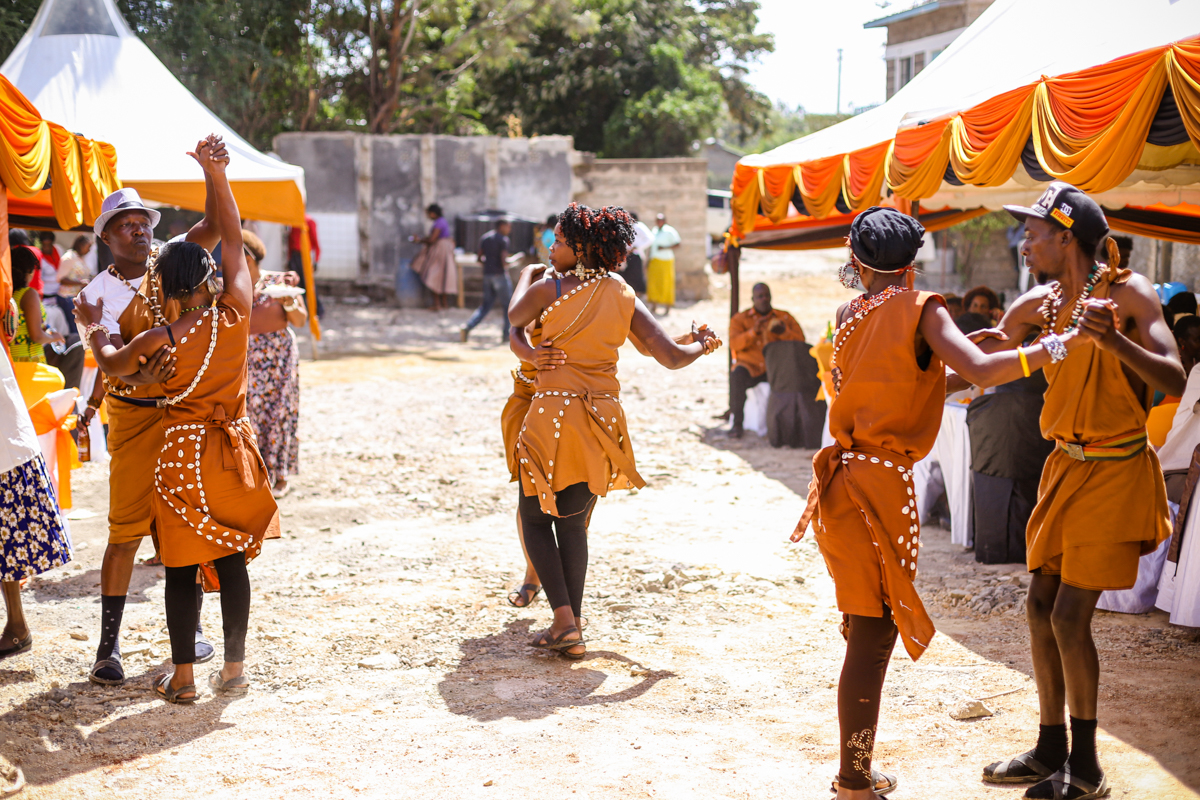
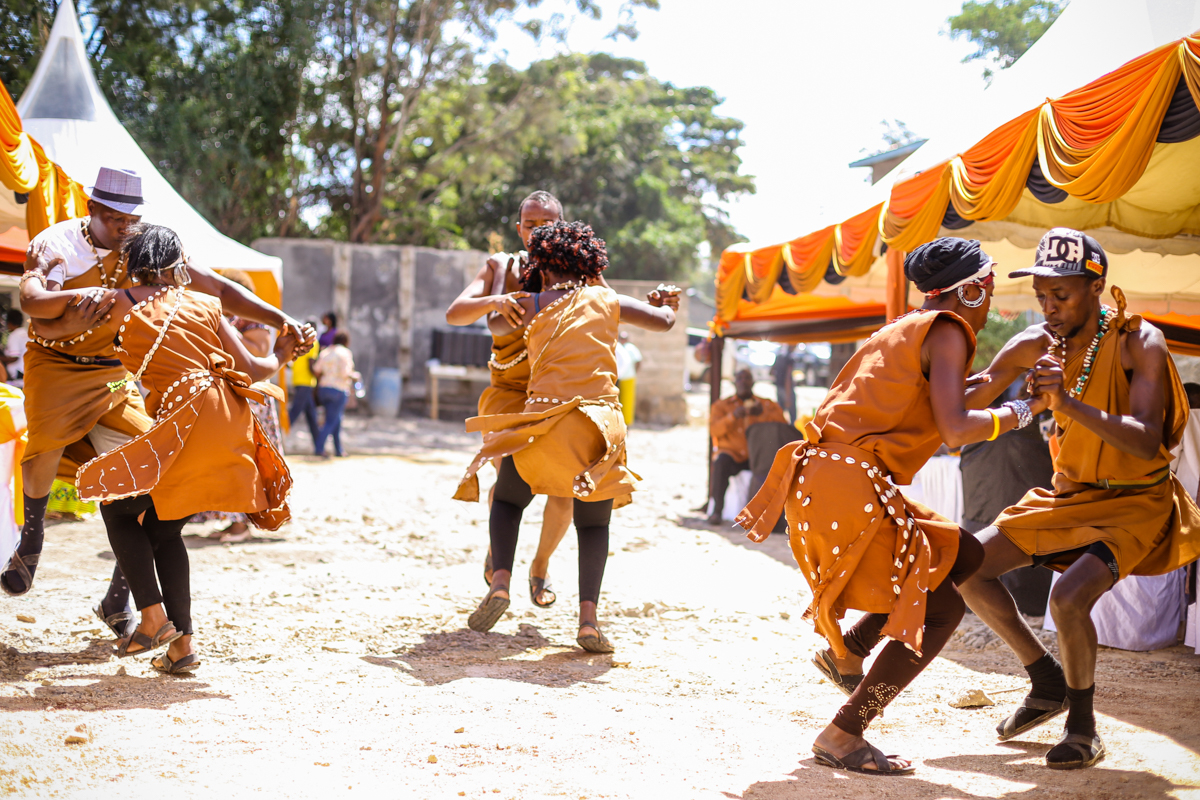
The day may include speeches, customary exchanges, food, traditional drinks, music, dancing and blessings.
The ceremonial details depend on the family’s tradition.
Preparation for Ngurario
The families agree on the date and the responsibilities of each side.
Preparations may include:
- Confirming the guest list.
- Agreeing on the ceremonial animals.
- Organising food and drinks.
- Preparing the homestead or venue.
- Arranging traditional clothing.
- Confirming the roles of elders and family representatives.
- Preparing gifts and agreed bridewealth contributions.
- Organising music, entertainment and hospitality.
Some families retain a traditional format, while others combine the customary ceremony with a modern wedding reception.
19. The Ceremonial Sheep: Ngoima
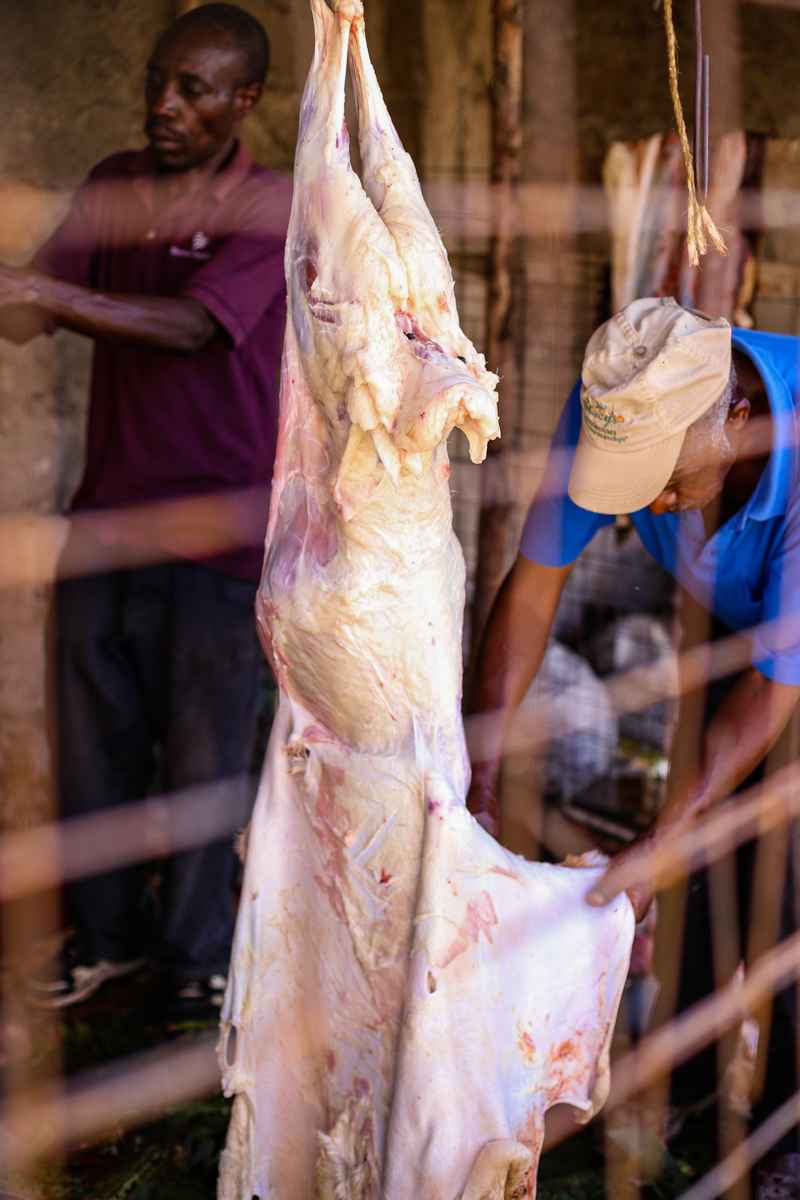
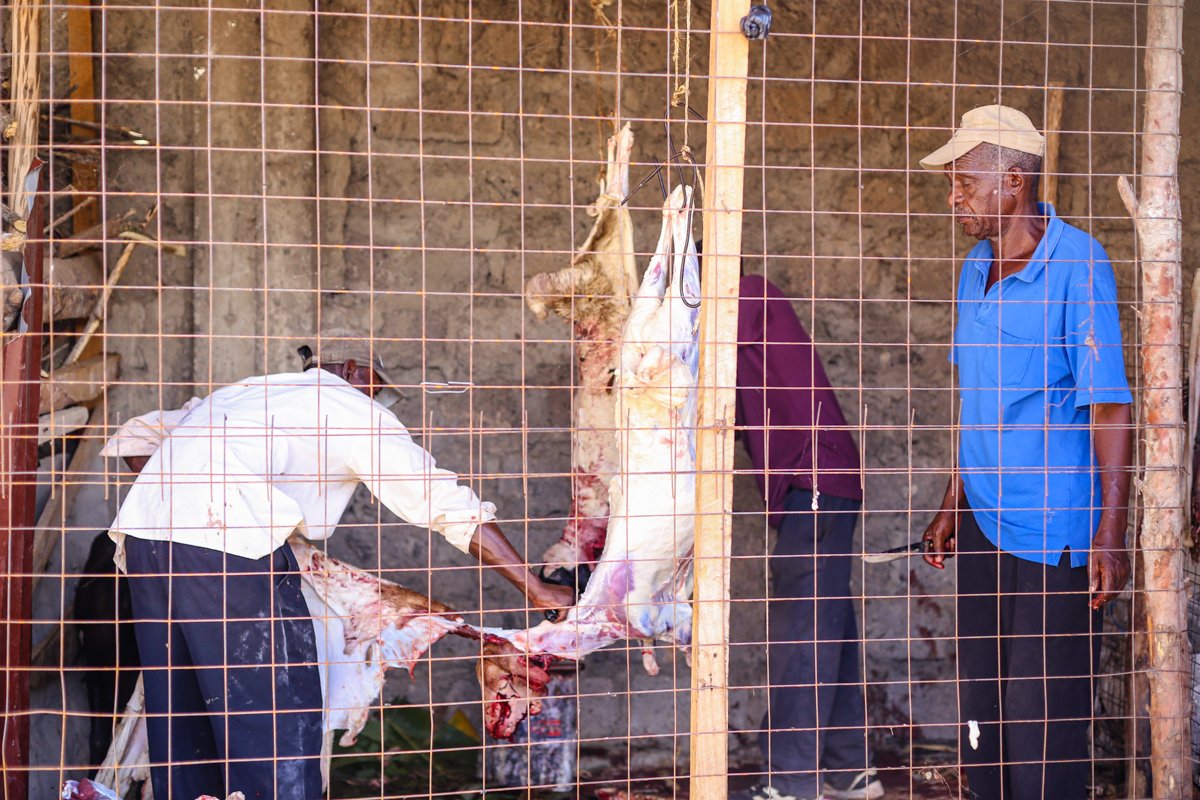
One of the important features associated with Ngurario is the ceremonial sheep known in some accounts as Ngoima.
It is described as a fattened sheep prepared for the occasion.
In certain traditional accounts, the sheep was carefully raised and fed before the ceremony. The animal was not simply selected as an ordinary meal; it had a ceremonial role.
The groom’s family may be responsible for providing the animal, depending on the arrangement.
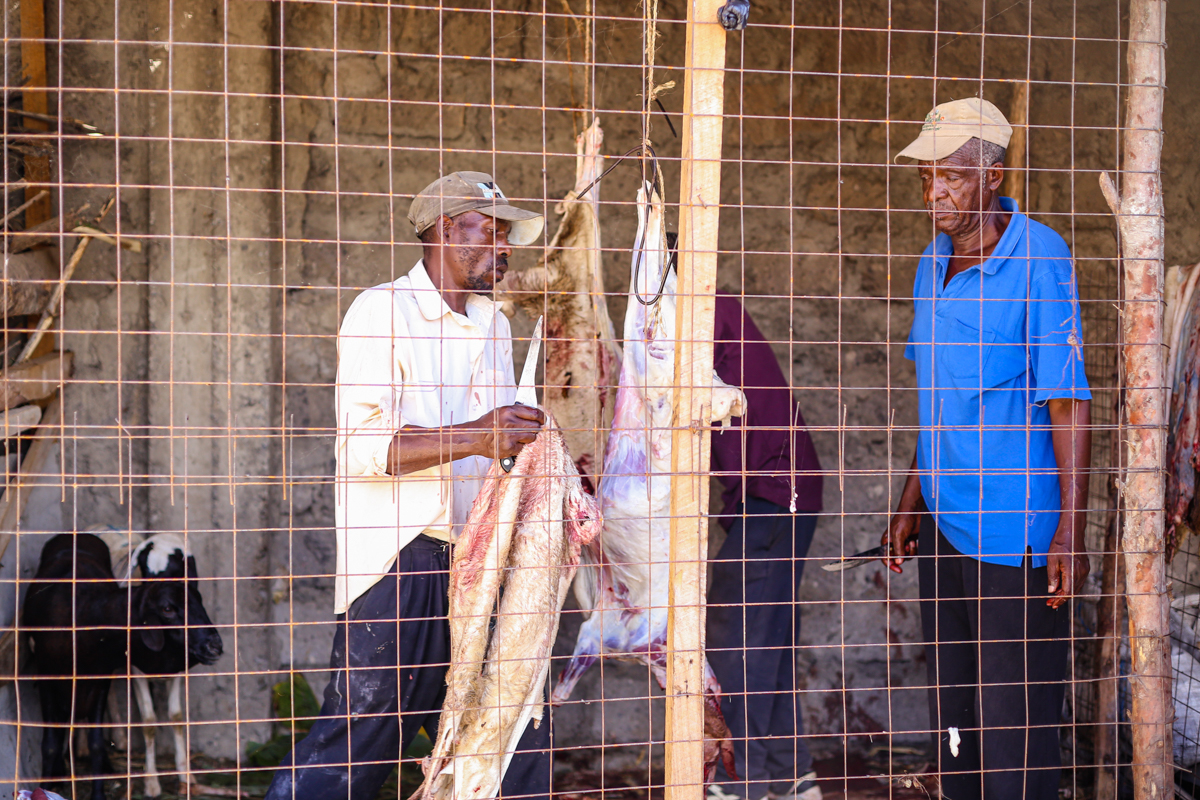
The slaughter, roasting and sharing of the meat form part of the ritual in families that preserve this practice.
The precise animal requirements and the people responsible for particular actions should be confirmed with the families’ elders.
20. Gũtĩnia Kĩande: The Cutting of the Shoulder-Blade Meat
Gũtĩnia kĩande is one of the most widely recognised rituals associated with Ngurario.
The term is commonly explained as cutting the shoulder-blade portion of the ceremonial animal.
The ritual is significant because it marks the customary wedding and is often compared to the exchange of vows or rings in a contemporary wedding.
In some documented accounts, the groom cuts a portion from the shoulder area of the roasted animal and shares it with the bride.
The exact manner of performing the ritual differs between families.
What does the Kiande represent?
The Kiande is often explained as a symbol of the bond between the couple.
It is associated with the formal recognition of the marriage and the joining of the two families.
Some interpretations connect the shoulder or forelimb with work, responsibility and the duties of family life.
Other explanations emphasise the permanence of the marriage and the importance of the couple’s commitment.
These interpretations should be understood as customary explanations rather than one universally agreed theological definition.
The ritual does not give the husband ownership of the bride. It symbolises a customary union and the responsibilities that accompany it.
The mother’s role and the ceremonial knife
Some accounts describe the bride’s mother providing the knife used during the ritual.
The groom’s side may be expected to request or negotiate for the knife, sometimes through a gift.
This is one example of the ceremonial exchanges and symbolic negotiations that may take place during Ngurario.
It should not be assumed that every family performs this exact procedure.
21. The Sharing of the Ceremonial Meat
The ceremonial animal is associated with particular portions of meat that may be displayed, allocated or shared according to family custom.
Some accounts identify the following parts:
- Kiande: the shoulder-blade portion associated with the central ritual.
- Ribs: portions of the rib area, known by different local terms.
- Mara: intestines or portions of the small intestines.
- Ngerima: a stomach portion in some descriptions.
- Higo: kidneys.
- Matu: ears.
- Honge: a pelvic or related bone portion in some accounts.
The names, allocations and explanations vary.
Some accounts describe particular portions being presented to women, elders or other participants. In certain traditions, the ears are associated with listening and receiving instruction, while other parts have different symbolic interpretations.
These explanations should not be treated as identical across all families.
The meat-sharing ritual is part of the wider ceremonial structure and provides an opportunity for the families to participate in the celebration.
22. The Bride’s Participation in Ngurario
The bride is an active participant in the ceremony.
Depending on the family tradition, she may take part in the ceremonial exchanges, receive blessings, share food or drink, and participate in the Kiande ritual.
Some families preserve traditional practices involving the bride tasting or receiving particular portions of the ceremonial meat.
Other families adapt the ritual to reflect religious beliefs or contemporary preferences.
The bride should understand the ceremony and what is expected of her before the event.
No ritual should be used to humiliate her, expose private information or force her to participate in something against her wishes.
23. The Groom’s Responsibilities During Ngurario
The groom’s participation is not limited to arriving with gifts or cutting the ceremonial meat.
He is expected to demonstrate commitment to the marriage and respect for the bride’s family.
His responsibilities may include:
- Honouring the agreements made during Rũracio.
- Participating in the customary rituals.
- Respecting the bride and her relatives.
- Receiving the families’ blessings.
- Acknowledging the responsibilities of marriage.
- Participating in the celebration and family introductions.
The groom’s family also has responsibilities. It should not treat the event as a financial transaction that ends once the gifts have been delivered.
24. The Bride’s Transition into the Groom’s Family
Historically, Agĩkũyũ marriage was often associated with the bride joining the groom’s household or family compound.
This reflected the wider patrilocal family arrangement that existed in many traditional households.
The bride became part of the groom’s family network while maintaining relationships with her own parents, siblings and relatives.
Some traditional expressions describe the bride as becoming like a son to her husband’s family. Such expressions reflect the responsibilities and relationships expected of a married family member.
They should not be interpreted as meaning that the bride loses her identity, rights or connection to her birth family.
Modern couples may live independently, rent a home, purchase property or settle in a different town or country.
The traditional idea of moving into the groom’s family homestead is therefore not a universal contemporary requirement.
25. The Bride’s Gifts and Family Exchanges
The bride’s family may also provide gifts or other contributions to the couple.
These may include clothing, household items, food, personal gifts or other things agreed by the families.
The purpose may be to support the establishment of the new household and mark the family’s participation in the marriage.
The items are not identical across all families.
Some contemporary couples receive household equipment, furniture, bedding, kitchen items or financial contributions.
The important point is to distinguish gifts exchanged between families from items that form part of the negotiated bridewealth.
26. Kurehe Soda: The Women’s Visit Before the Wedding
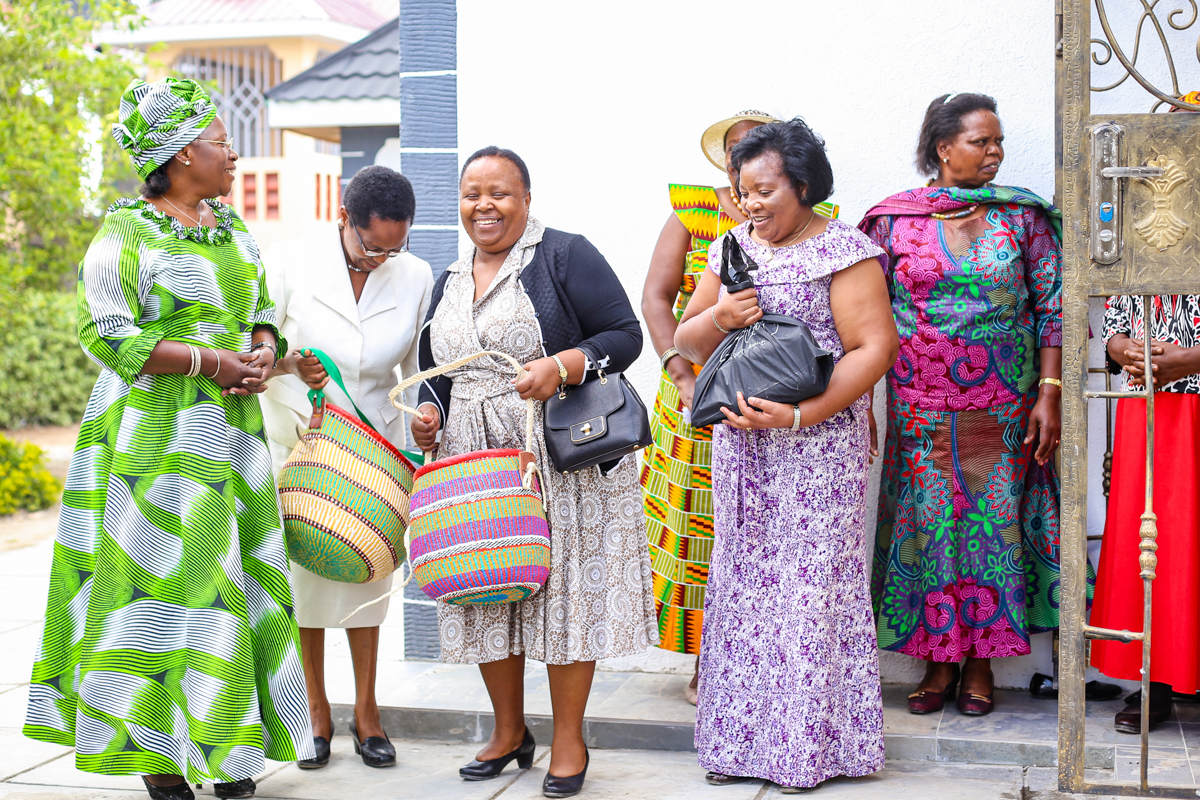
One of the memorable contemporary practices described in some Agĩkũyũ wedding accounts is Kurehe soda, a visit by women from the groom’s side to the bride’s home before the wedding.
In earlier accounts, the visit is associated with traditional drinks or fermented porridge, including ucuru.
Today, soda and other refreshments are commonly used by families that retain the gathering.
The visit is not simply a delivery of drinks. It is also a social occasion through which women from both families meet, interact and establish relationships.
Why do the women visit?
The women from the groom’s side may visit to support the bride’s family as preparations for the wedding continue.
Traditionally, the bride’s family might be preparing food for a large gathering, and the visiting women would bring refreshments and other contributions.
The visit also gives the women an opportunity to socialise, exchange information and become familiar with one another.
It can be an important part of building relationships between the families beyond the formal negotiations conducted by elders.
The arrival and reception
In some contemporary accounts, the visiting group arrives in vehicles and announces its presence through hooting.
Women from the bride’s village may gather at the gate and temporarily block the entrance.
The visitors are then required to negotiate their way into the homestead.
This is often done through songs, playful exchanges and humorous demands.
The women at the gate may sing that they did not hear the visitors arrive and ask why they have come to take away their daughter.
The visitors may be told to return and approach the homestead properly.
In some accounts, the visiting group may be asked to reverse and return before being allowed to enter.
The exchange is playful and symbolic. It expresses the emotional and social significance of the bride’s relationship with her family and community.
The gifts requested
The women may request blankets, sugar, tea, soda, lessos and other household items.
These requests vary by family.
The items are sometimes shared among the women or members of the bride’s community.
The traditional explanation is that the bride has been part of her family’s daily life, helping with household activities and social responsibilities. Her departure into married life is therefore marked by a gathering in which the women acknowledge the change.
The role of music and song
Music and song are central to this gathering in families that preserve the practice.
The women use songs to welcome, challenge, tease and negotiate with the visiting group.
The exchange can involve ululation, dancing and humorous dialogue.
A woman from the groom’s side may lead the negotiations, while women from the bride’s side respond.
The gathering can continue for some time before the visitors are allowed into the homestead.
The modern Kurehe Soda gathering
Professional catering has changed how many weddings are prepared.
The traditional all-night cooking gatherings are less common in some families because food is now supplied by caterers.
Nevertheless, Kurehe Soda continues to be observed by some families as a social and cultural event.
It should not be assumed that every Agĩkũyũ wedding includes this gathering.
27. Community Participation and the Preparation of the Wedding
Traditional Agĩkũyũ weddings often involved the wider community.
The preparation was not necessarily left to the couple or their parents alone.
Women, men, young people and extended relatives could contribute in different ways.
The women’s contribution
Women traditionally played an important role in organising food, preparing meals, receiving guests and coordinating social gatherings.
They could contribute foodstuffs, help with cooking and organise the activities surrounding the bride’s family.
The men’s contribution
Men could assist with transport, livestock arrangements, venue preparation, construction and other practical responsibilities.
Elders and family representatives handled the formal negotiations and customary discussions.
The young people’s contribution
Young people could help organise fundraising activities, transport, entertainment and refreshments.
In contemporary weddings, pre-wedding celebrations and fundraising gatherings often provide financial support for the event.
These activities are modern expressions of the wider community’s participation in the marriage.
The importance of collective responsibility
The community’s involvement reflects the historical understanding that marriage establishes a relationship extending beyond the couple.
However, participation should be voluntary and financially realistic.
Families should not be forced into excessive expenditure simply to satisfy expectations about the size or appearance of a wedding.
28. Traditional Clothing and Appearance
Traditional clothing forms an important part of the visual identity of an Agĩkũyũ wedding.
The clothing worn by the bride, groom, elders and guests can reflect cultural pride, family identity and the ceremonial importance of the day.
There is no single outfit that every Agĩkũyũ bride or groom must wear.
The bride
The bride may wear traditional wraps, garments, beadwork, jewellery and other accessories selected for the occasion.
Some contemporary brides combine traditional elements with modern wedding gowns.
The groom
The groom may wear traditional clothing, a modern suit or a combination of the two.
Some families prefer clothing that reflects the traditional identity of the ceremony, while others choose a contemporary formal style.
Family members and elders
Elders and relatives may also wear traditional garments or coordinated clothing.
The choice of attire can help create a visual connection between the ceremony and the family’s cultural heritage.
29. Food, Drinks, Music and Celebration
Food is an important part of Agĩkũyũ family gatherings.
Traditional foods and drinks may be served alongside contemporary meals.
Depending on the family, the menu may include:
- Traditional vegetables.
- Bananas.
- Meat.
- Rice.
- Ugali.
- Traditional porridge.
- Other locally prepared foods.
- Tea and refreshments.
- Traditional drinks where acceptable.
Music and dancing are also important features of many ceremonies.
Traditional songs, ululations and contemporary music may be combined.
Women may lead songs associated with marriage, family relationships and the celebration of the couple.
The celebration provides an opportunity for the two families to meet, share food and acknowledge the new relationship.
30. What Happens After Ngurario?
Ngurario is commonly described in documented accounts as the final major customary wedding ceremony.
However, the relationship between the families does not end when the ceremony is complete.
The couple may continue visiting both families and participating in family occasions.
The groom and bride become part of a wider network of relatives and responsibilities.
These may include:
- Visiting parents and grandparents.
- Attending family ceremonies.
- Supporting relatives during important events.
- Maintaining relationships with both sides of the family.
- Participating in naming, birth and other family celebrations.
- Supporting relatives during illness, bereavement or hardship.
The bride retains her relationship with her birth family. Marriage does not erase those ties.
31. Outstanding Bridewealth and Continuing Family Obligations
In some Agĩkũyũ families, bridewealth is understood as a continuing process.
The groom’s family may have completed the main customary requirements for the wedding while still having an agreed balance to deliver.
Some families continue making contributions over several years.
The relationship between the families may also involve support during later family events.
This is one reason bridewealth is sometimes described as an ongoing family obligation rather than a single transaction.
However, it is important to distinguish customary expectations from enforceable legal obligations.
Families should keep clear records of their agreements and avoid using outstanding contributions to threaten, intimidate or control the couple.
32. Divorce, Separation and the Historical Treatment of Bridewealth
Traditional accounts sometimes describe bridewealth as an important consideration when a marriage ended.
In certain historical customary arrangements, livestock or other contributions could be returned or discussed between the families following separation.
The exact expectations depended on the circumstances and the customary law applied.
Some traditional accounts describe divorce as socially difficult because marriage involved the wider family network.
That history should not be used to suggest that a person must remain in an abusive or unsafe marriage.
No cultural ceremony should be used to justify violence, coercion or the denial of personal safety.
Modern marriage and family disputes are also governed by Kenyan law. A person facing abuse or a serious marital dispute should seek appropriate legal and safety support.
33. Agĩkũyũ Customary Marriage and Christianity
Christianity has significantly influenced contemporary Agĩkũyũ wedding practices.
Some families combine customary negotiations with a church wedding. Others prefer a civil ceremony or retain the customary wedding as their principal celebration.
Historically, there were tensions between certain missionary churches and Agĩkũyũ customary practices, including the use of traditional drinks and the performance of customary rituals.
These tensions contributed to changes in how some families conducted marriage negotiations.
Today, families make different decisions.
Some Christian families retain Ngurario and other customary practices while adapting particular elements to their religious beliefs.
Others avoid traditional brew or ceremonies they believe conflict with their faith.
There is no single Christian position followed by every Agĩkũyũ family.
The important thing is for the couple and both families to discuss these differences before the ceremonies.
A couple should not discover on the wedding day that the families have fundamentally different expectations about the rituals.
34. Agĩkũyũ Customary Marriage and Intercommunity Marriages
Contemporary Kenya includes many marriages between people from different ethnic communities.
An Agĩkũyũ person may marry someone from the Kalenjin, Luo, Luhya, Kamba, Kisii, Meru, Maasai, Somali, Mijikenda or another community.
Such marriages require communication between the families because each community may have different customary expectations.
The families may agree to observe selected Agĩkũyũ procedures alongside the customs of the other community.
Some couples organise separate ceremonies, while others combine selected practices into one celebration.
The objective should be mutual respect rather than forcing one family to abandon its identity.
The couple should discuss:
- Which customary procedures will be observed.
- Which family will host each ceremony.
- What gifts or contributions are expected.
- Whether bridewealth will be exchanged.
- Whether the families will use traditional drinks.
- How the couple’s consent will be confirmed.
- How religious and legal requirements will be handled.
The process should be agreed before the families begin making expensive arrangements.
35. Agĩkũyũ Traditional Marriage in the Diaspora
Agĩkũyũ families living outside Kenya may preserve their marriage traditions in different ways.
Some return to Kenya for the customary ceremonies.
Others organise family gatherings abroad and invite elders or representatives from both sides.
The distance may make it difficult to transport livestock or traditional items, so families may agree on monetary equivalents or other practical arrangements.
Technology has also changed how families communicate.
Video calls can help relatives participate in discussions when they cannot travel.
The use of technology does not remove the cultural significance of the process, but it does require the families to agree on how the relevant customary requirements will be fulfilled.
36. The Legal Recognition of Agĩkũyũ Customary Marriage in Kenya
Cultural recognition and legal recognition are related, but they are not the same thing.
Kenya’s Marriage Act, 2014 recognises customary marriages as one of the legally recognised forms of marriage.
A customary marriage is celebrated in accordance with the customs of the community or communities concerned.
The Act also establishes legal requirements that must be observed.
Minimum age
The legal minimum age for marriage in Kenya is 18 years.
A customary practice cannot lawfully authorise the marriage of a person below that age.
Consent
Marriage must be voluntary.
The consent of both parties is essential. A family agreement, bridewealth contribution or customary ceremony cannot replace the free consent of the people getting married.
Prohibited relationships
The law prohibits marriage between people within specified prohibited relationships.
Families should not rely solely on customary discussions when there may be a legal impediment to the marriage.
Notification and registration
The Marriage Act provides for notification of customary marriage within three months after completion of the relevant customary ceremonies or steps required to confer marital status under the applicable community’s customs.
The Act also provides for an application for registration and a marriage certificate within six months of the marriage.
The Registrar of Marriages is responsible for the relevant registration process.
The parties should confirm the current administrative requirements, documents, witnesses and procedure with the Office of the Registrar of Marriages before applying.
Does paying bridewealth alone automatically register a marriage?
No.
Bridewealth is one element that may form part of customary marriage. The legal recognition of the marriage depends on the applicable customary requirements and the provisions of the Marriage Act.
The Act also states that where payment of dowry is required to prove a customary marriage, a token amount is sufficient for that purpose.
This is important because it demonstrates that Kenyan law does not require families to impose an unlimited or commercially excessive bridewealth demand.
Couples should obtain accurate legal guidance rather than assume that a particular payment or ceremony automatically completes every legal requirement.
37. Common Misunderstandings About Agĩkũyũ Dowry and Marriage
Misunderstanding 1: Every Agĩkũyũ family must demand the same number of goats.
This is incorrect.
Bridewealth arrangements vary by family, region and customary understanding. There is no single fixed national Agĩkũyũ tariff.
Misunderstanding 2: A woman is bought through Rũracio.
This is incorrect and misleading.
Rũracio is a customary bridewealth arrangement associated with family recognition and the establishment of an in-law relationship. It does not make a woman property.
Misunderstanding 3: The groom must pay everything before the wedding.
Not necessarily.
Some families require particular contributions before Ngurario, while others allow agreed instalments or continuing payments.
Misunderstanding 4: Ngurario and a church wedding are the same ceremony.
They are different ceremonies with different cultural and religious contexts.
A couple may have both, but one should not be inaccurately described as the other.
Misunderstanding 5: Every family must use Muratina.
No.
Some families retain traditional brew, while others use tea, soda or other drinks because of religious or personal preferences.
Misunderstanding 6: Every Agĩkũyũ wedding must include Itara.
No.
The role and timing of Itara differ between families. Some families observe it as a separate visit, while others combine or omit it.
Misunderstanding 7: The bride cannot return to her parents after Ngurario.
This is an oversimplification of historical customary expectations.
Marriage does not remove a woman’s relationship with her birth family or her right to seek help, support or safety.
Misunderstanding 8: The groom’s family can decide the marriage without the bride’s consent.
No.
The bride’s consent is essential. Family negotiations cannot replace it.
Misunderstanding 9: A large dowry means a more successful marriage.
No.
The quality of a marriage is not measured by the number of animals, the amount of money exchanged or the size of the wedding celebration.
38. A Practical Agĩkũyũ Traditional Marriage Planning Checklist
The following checklist is intended to help couples and families organise the process. It is not a compulsory cultural formula.
Before the first family visit
-
The couple has freely agreed to marry.
-
The groom has informed his parents or guardians.
-
The bride has informed her parents or guardians.
-
Both families have discussed the proposed marriage.
-
Relevant family background enquiries have been made.
-
The families have identified their representatives.
-
The date for the introductory visit has been agreed.
Kũmenya Mũciĩ
-
The groom’s family has communicated its intention to visit.
-
The bride’s family has confirmed the date.
-
The visiting delegation has been agreed.
-
Hospitality gifts and refreshments have been arranged.
-
The families have been introduced.
-
The purpose of the visit has been explained.
-
The next stage has been discussed.
Kũhanda Ithĩgĩ
-
The families have agreed on the format of the visit.
-
The bride’s consent has been clearly established.
-
Any symbolic gifts or livestock have been discussed.
-
The families understand the significance of the ceremony.
-
The next negotiations have been scheduled.
Rũracio
-
The bridewealth expectations have been discussed.
-
Livestock and cash equivalents have been agreed.
-
Household gifts have been identified.
-
Contributions already made have been recorded.
-
Outstanding balances have been clarified.
-
Payment arrangements have been agreed.
-
Both families understand the agreement.
Itara or other family visits, where observed
-
The visit has been agreed by both families.
-
The host family has been identified.
-
The purpose of the visit has been explained.
-
The couple’s future arrangements have been discussed where relevant.
Ngurario
-
The date and venue have been confirmed.
-
The ceremonial animal arrangements have been agreed.
-
The roles of the elders have been confirmed.
-
The Kiande ritual has been discussed.
-
Food and refreshments have been organised.
-
Traditional clothing has been prepared where desired.
-
The guest list has been confirmed.
-
Music and entertainment have been arranged.
-
The families have agreed on any religious adaptations.
After the ceremony
-
Any outstanding customary contributions have been recorded.
-
The couple understands the family’s continuing expectations.
-
The legal notification and registration requirements have been checked.
-
The couple has retained relevant records and documents.
-
Both families continue to maintain their relationship.
39. Frequently Asked Questions About Agĩkũyũ Dowry and Traditional Marriage
What is the first step in a Kikuyu traditional marriage?
The process begins when the couple decides to marry and informs their respective families. The families then discuss the proposed union and arrange the first formal visit.
What is Kũmenya Mũciĩ?
Kũmenya Mũciĩ is commonly understood as getting to know the bride’s home or family. It is an introductory visit through which the groom’s family formally meets the bride’s family and communicates its intention.
What is Kũhanda Ithĩgĩ?
Kũhanda Ithĩgĩ is a symbolic customary stage associated with formally declaring the groom’s family’s interest in the bride. The precise ceremony and gifts differ between families.
What is Rũracio?
Rũracio is the Agĩkũyũ bridewealth process. It involves discussions and agreed contributions between the families, traditionally involving livestock and other gifts, and today often including cash.
What is Ngurario?
Ngurario is widely recognised as a major Agĩkũyũ customary wedding ceremony. It brings the families together to celebrate and formally recognise the customary union.
What is Gũtĩnia Kĩande?
Gũtĩnia Kĩande refers to the ceremonial cutting of the shoulder-blade portion of meat associated with Ngurario. It is an important symbolic feature of the customary wedding in families that observe the practice.
Is Ngoima a goat or a sheep?
In documented accounts of Ngurario, Ngoima is described as a fattened sheep. However, livestock terminology and local usage should be confirmed with the relevant family elders.
How many goats are required for Kikuyu dowry?
There is no single number that applies to every Agĩkũyũ family. The amount is negotiated and may involve goats, sheep, cattle, cash or other contributions.
Can dowry be paid in cash?
Yes. Many contemporary families agree to use money as a substitute for some or all of the traditional livestock and gifts.
Must the bridewealth be fully paid before Ngurario?
Not in every family. Some families require particular contributions before the ceremony, while others allow the balance to be settled later under an agreed arrangement.
Is Itara compulsory?
No single rule applies to every family. Itara is observed as a separate visit in some arrangements, while other families combine or omit it.
Can an Agĩkũyũ couple have both Ngurario and a church wedding?
Yes. Many couples combine customary and Christian ceremonies. The order and timing depend on the couple, their families and their religious arrangements.
Is an Agĩkũyũ customary marriage legally recognised in Kenya?
Yes. Customary marriages are recognised under Kenya’s Marriage Act, 2014, provided the relevant legal and customary requirements are fulfilled. The marriage must also be notified and registered in accordance with the law.
Does Rũracio mean that the bride belongs to the groom?
No. Bridewealth does not make a woman property. Marriage is a relationship entered into voluntarily, and the bride retains her rights and identity.
Can the couple marry if the bridewealth is not fully paid?
The answer depends on the customary requirements and agreement of the families. Kenyan law provides that where dowry is required to prove a customary marriage, a token amount is sufficient. Couples should obtain appropriate legal guidance about their circumstances.
40. Preserving Agĩkũyũ Marriage Traditions for Future Generations
Traditional marriage ceremonies are an important part of cultural heritage.
They preserve language, family histories, songs, symbolic objects, food traditions, forms of dress and the relationships between generations.
However, preserving culture does not mean every historical practice must remain unchanged.
Some customs have been adapted because of Christianity, education, urbanisation, migration, changing household structures and modern legal requirements.
Other practices have become less common because younger generations have not had the opportunity to learn their meaning.
The most effective way to preserve the traditions is to document them carefully, listen to knowledgeable elders, encourage younger people to participate and explain the meaning behind the ceremonies.
It is equally important to acknowledge differences between families rather than presenting one family’s practices as the only authentic version of Agĩkũyũ culture.
Cultural preservation requires accuracy, respect and an understanding that traditions evolve.
41. The Role of Photography in Preserving Agĩkũyũ Traditional Weddings
A traditional wedding is not simply an event to be photographed. It is a gathering of family history, identity, relationships and cultural expression.
For a photographer, documenting an Agĩkũyũ customary wedding requires more than recording the bride and groom or capturing the decorations.
The photographer should understand the sequence of the ceremony and recognise the importance of the people and rituals involved.
Important moments may include:
- The arrival of the groom’s family.
- The welcome and introductions.
- The elders’ negotiations.
- The presentation of traditional gifts.
- The ceremonial livestock.
- The bride’s participation.
- The Kiande ritual.
- The sharing of ceremonial meat.
- The women’s songs and ululations.
- Kurehe Soda.
- Traditional clothing and jewellery.
- Family blessings.
- The gathering of relatives from both sides.
- The celebrations, dancing and family portraits.
Some of these moments happen quickly and cannot be repeated for the camera.
A photographer who understands the ceremony can anticipate important moments without interrupting the proceedings.
Photography also preserves details that future generations may otherwise struggle to recall: the clothing worn by grandparents, the people who attended, the items exchanged, the expressions of the elders and the atmosphere of the celebration.
At Antony Trivet Photography, cultural wedding documentation is approached as a record of people, place, family and tradition. The photographs become part of the visual history of the couple and their families.
42. Conclusion: Understanding the Agĩkũyũ Customary Marriage Process
The Agĩkũyũ traditional marriage process is a rich cultural institution built around family relationships, customary negotiations, bridewealth, symbolic ceremonies and community participation.
From the couple’s decision to marry and the first family introductions to Kũmenya Mũciĩ, Kũhanda Ithĩgĩ, Rũracio and Ngurario, each stage can carry meaning for the families involved.
Gũtĩnia Kĩande, the sharing of ceremonial meat, the exchange of gifts, the women’s gatherings and the participation of elders all contribute to the cultural identity of the wedding.
Yet no single sequence or gift list should be imposed on every Agĩkũyũ family. The customs differ, and contemporary families continue to adapt them.
A proper understanding of these traditions requires distinguishing historical practice from modern arrangements, recognising regional differences, respecting the couple’s consent and understanding the legal requirements governing marriage in Kenya.
The most important lesson is that Agĩkũyũ marriage is not simply about the number of goats delivered or the money exchanged. It is about the establishment of a relationship between two people and their families.
Preserving that heritage requires more than repeating ceremony names. It requires documenting the practices accurately, explaining their meanings and allowing future generations to understand the cultural history behind them.

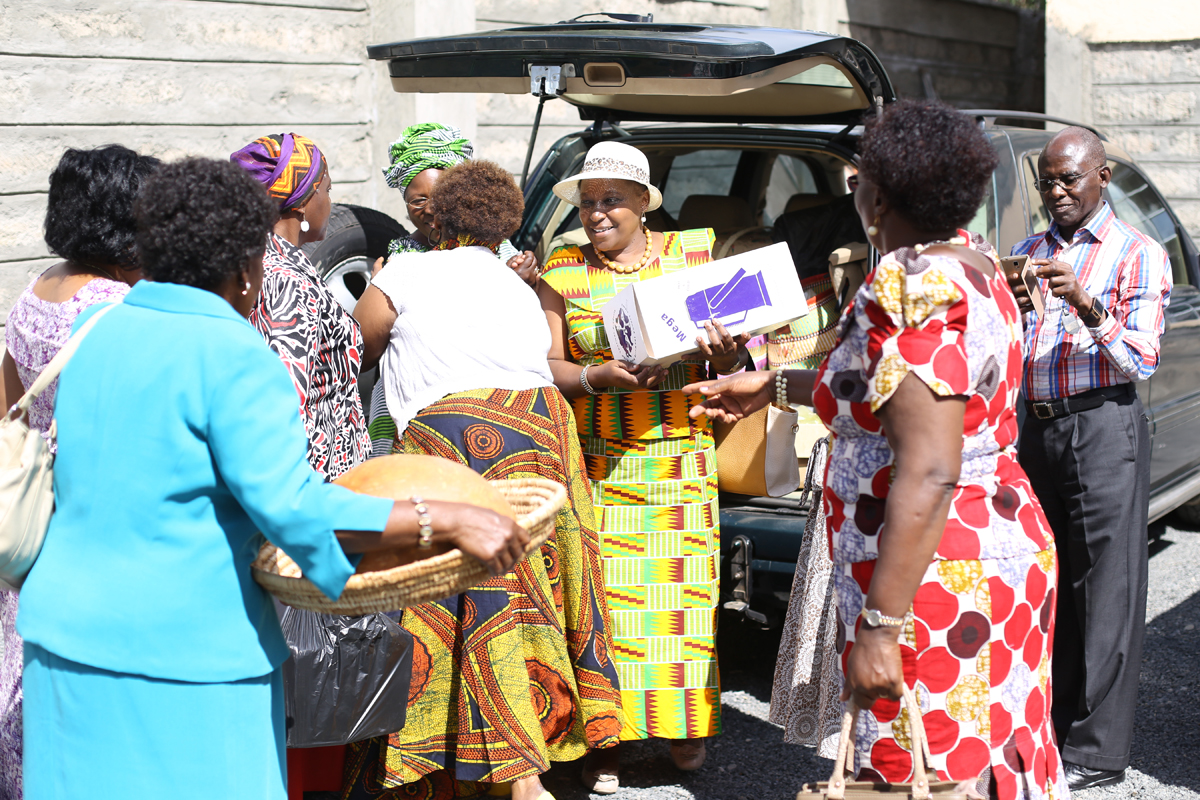


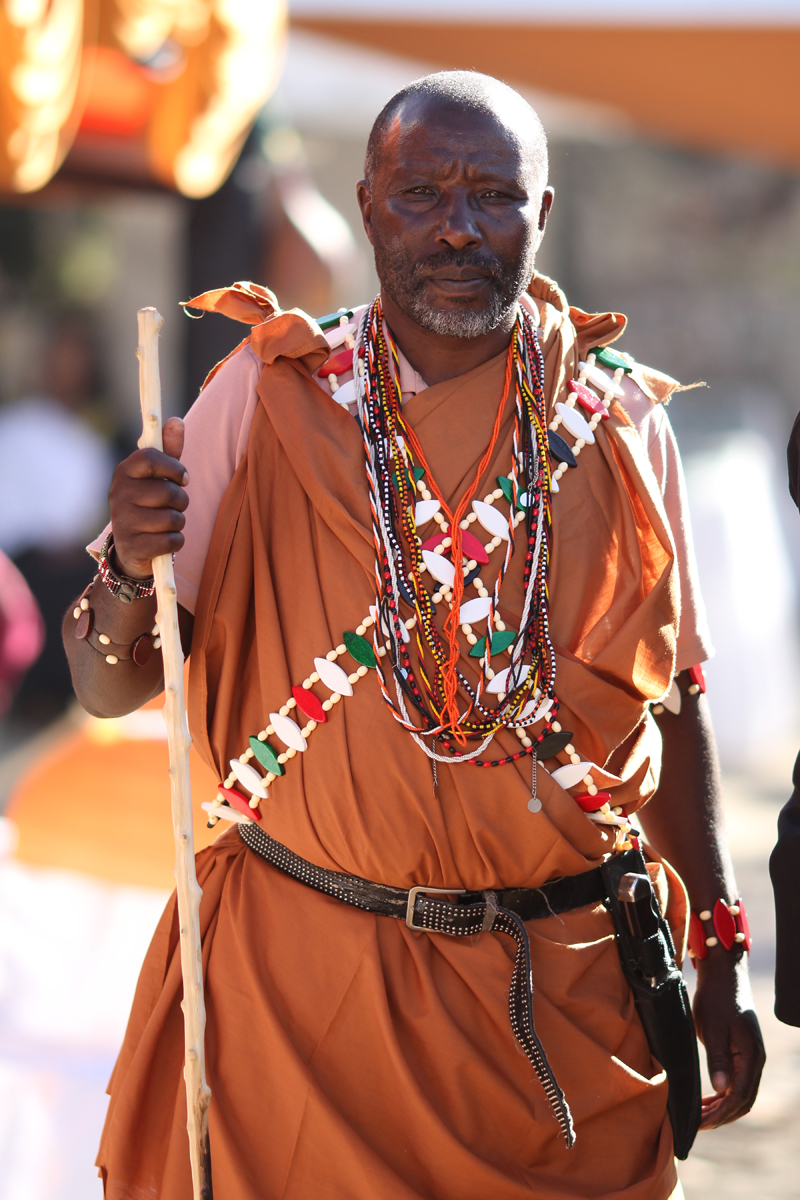


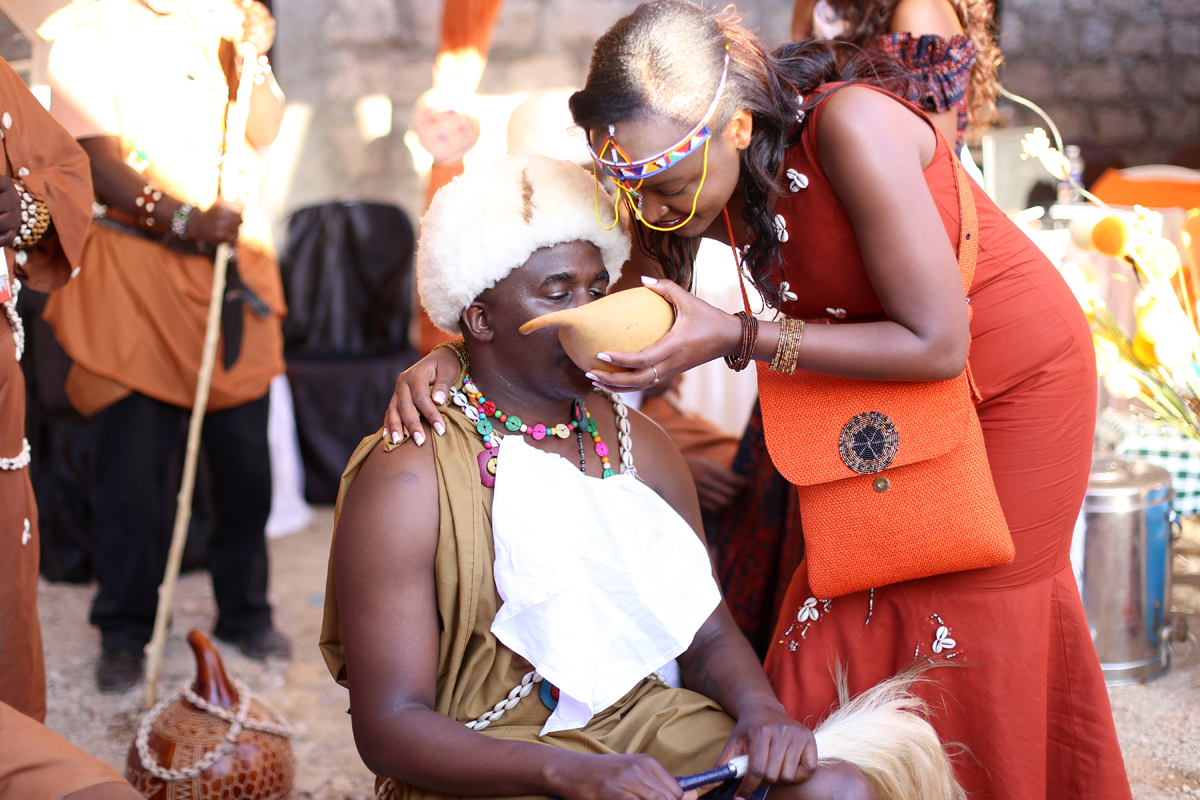










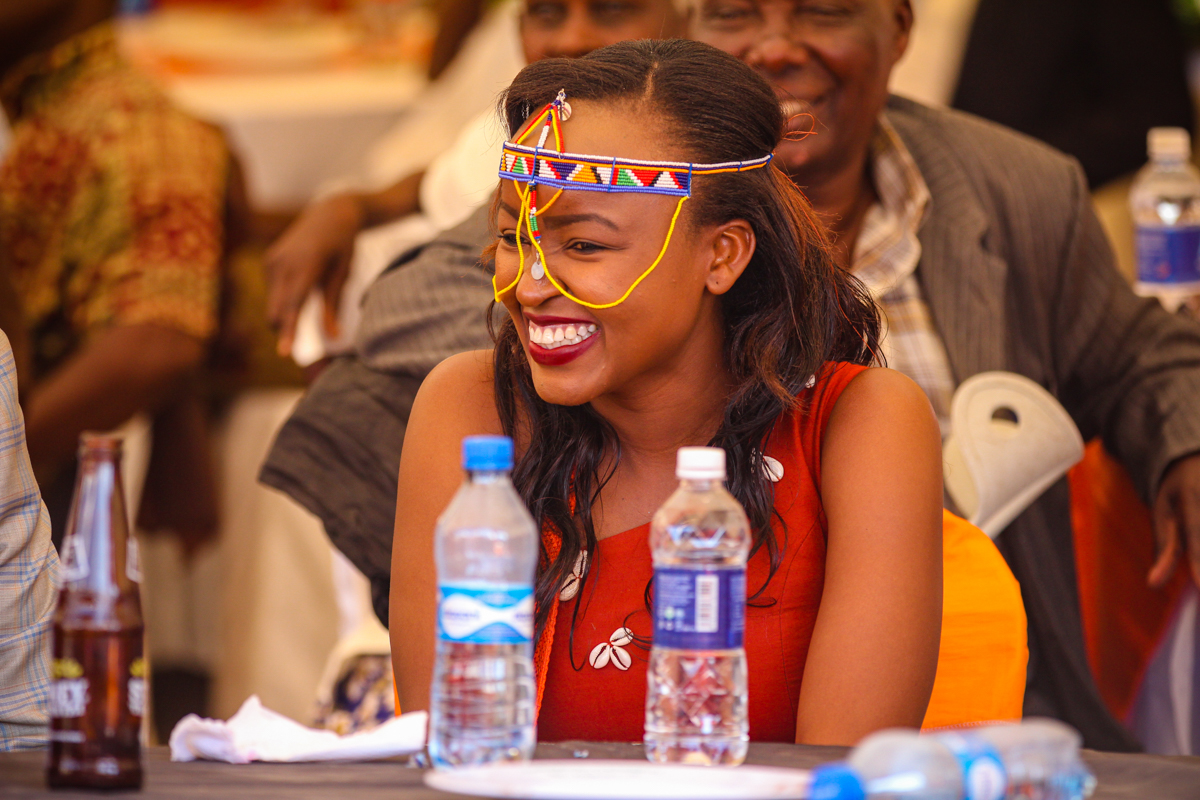

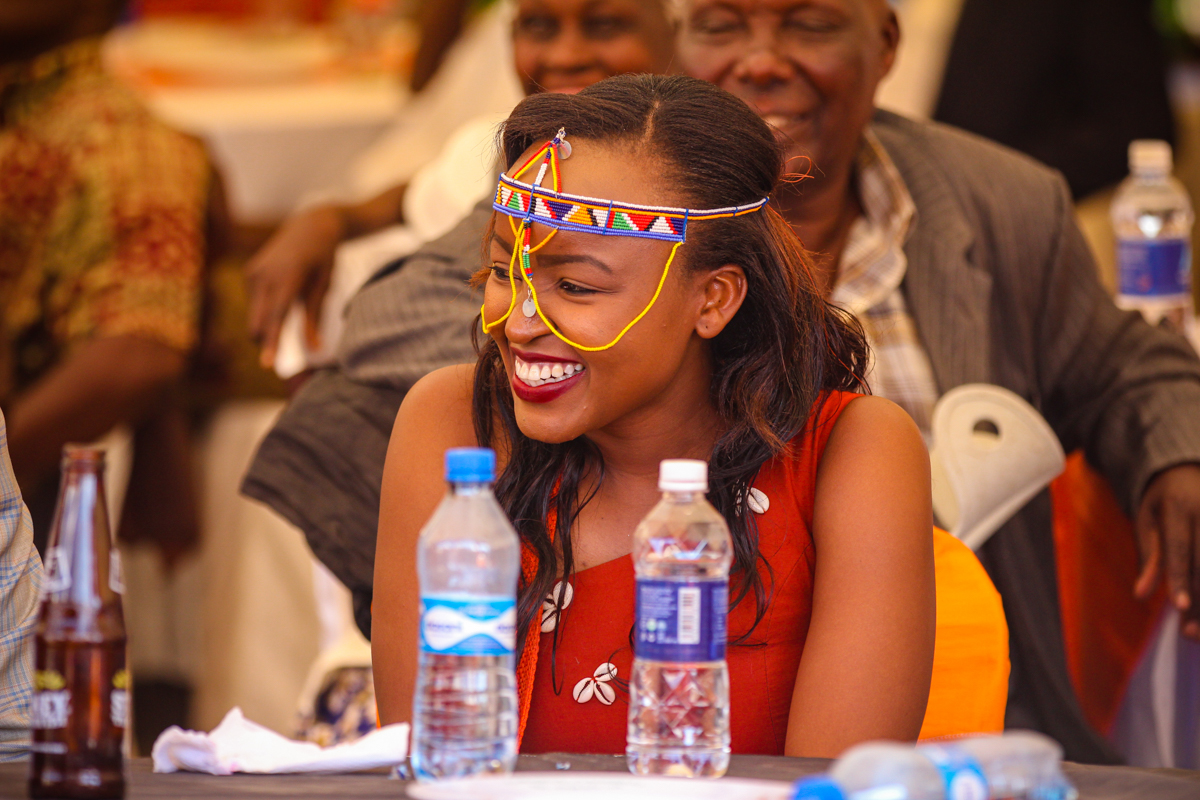
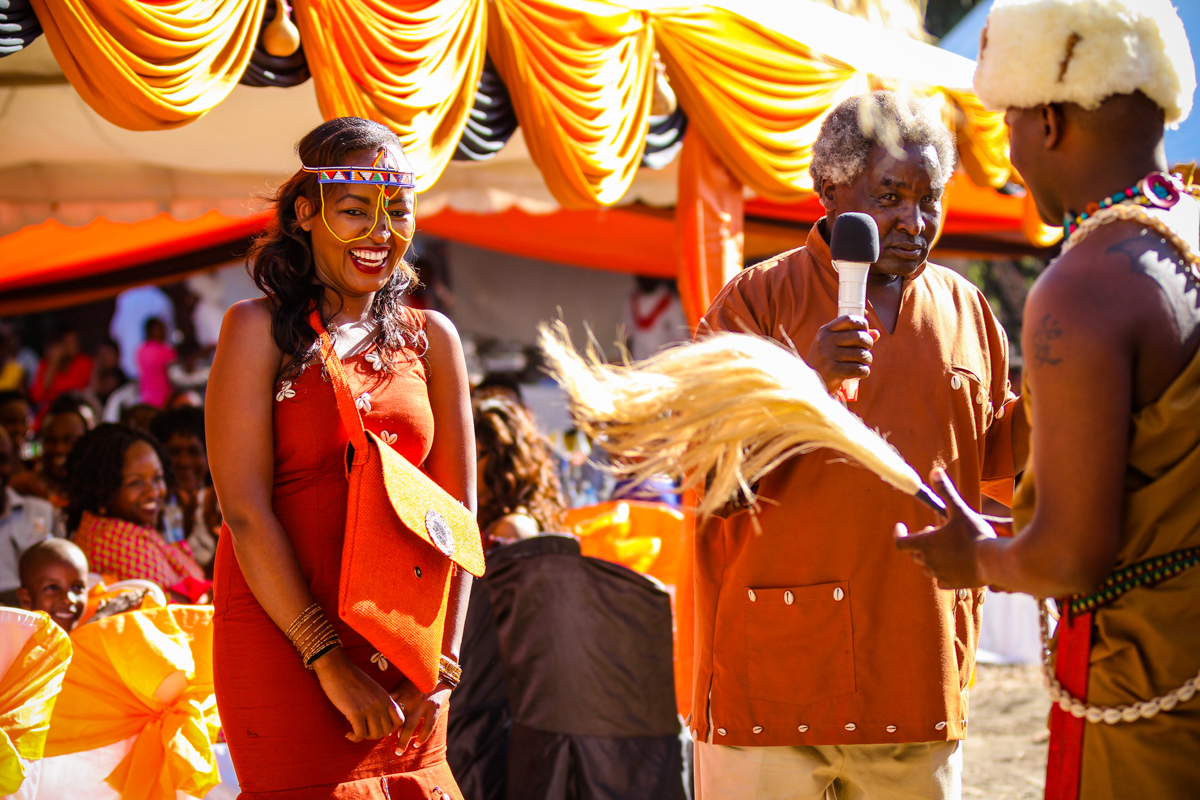
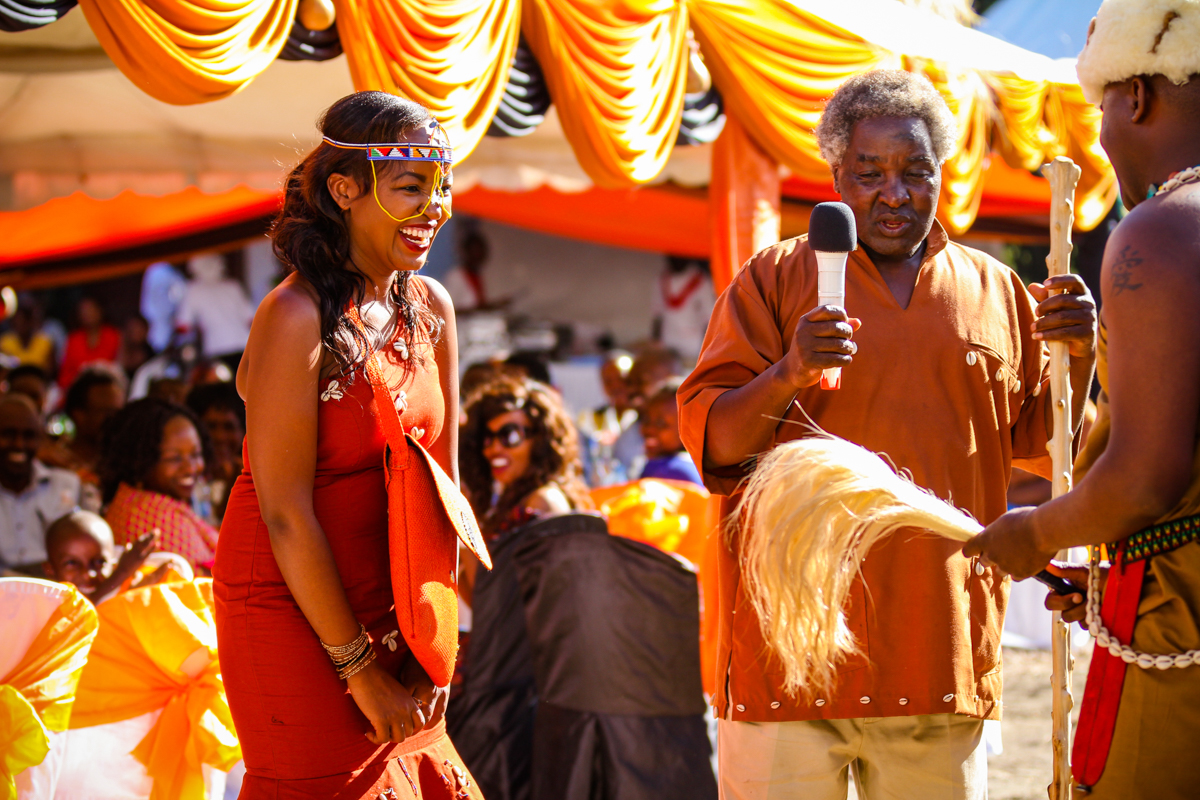
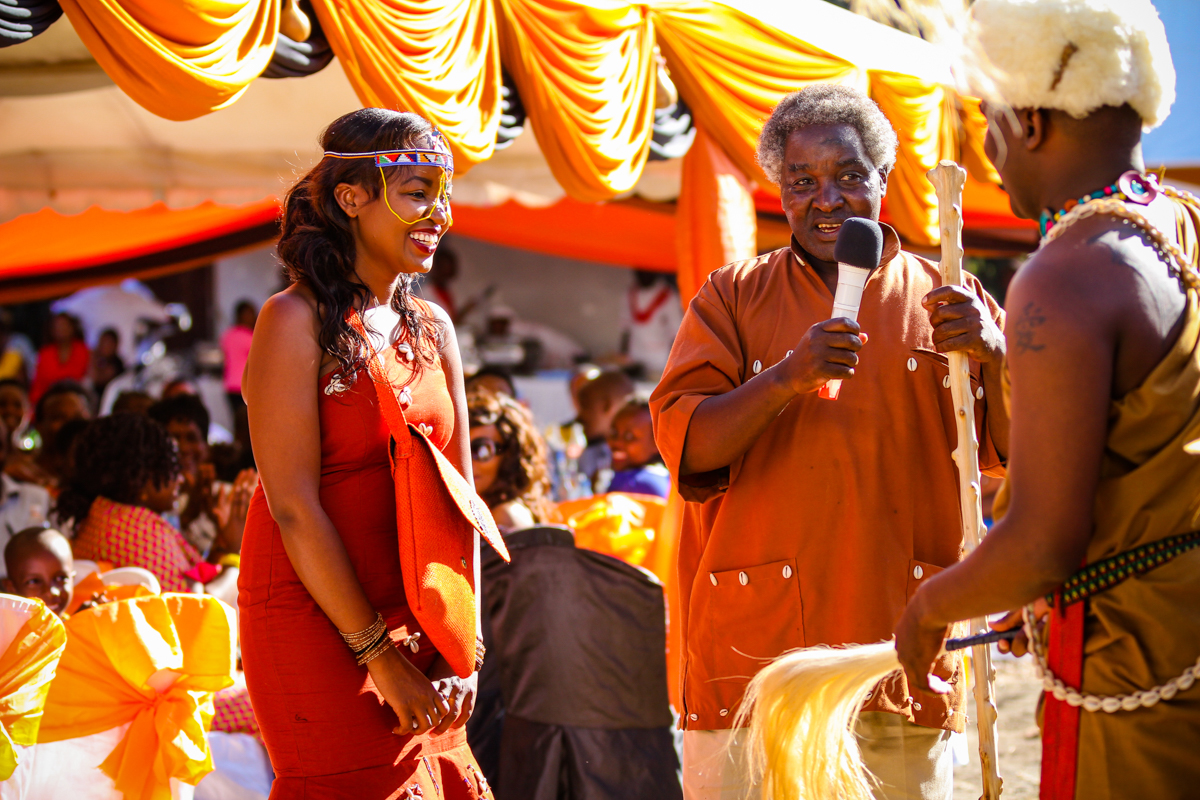
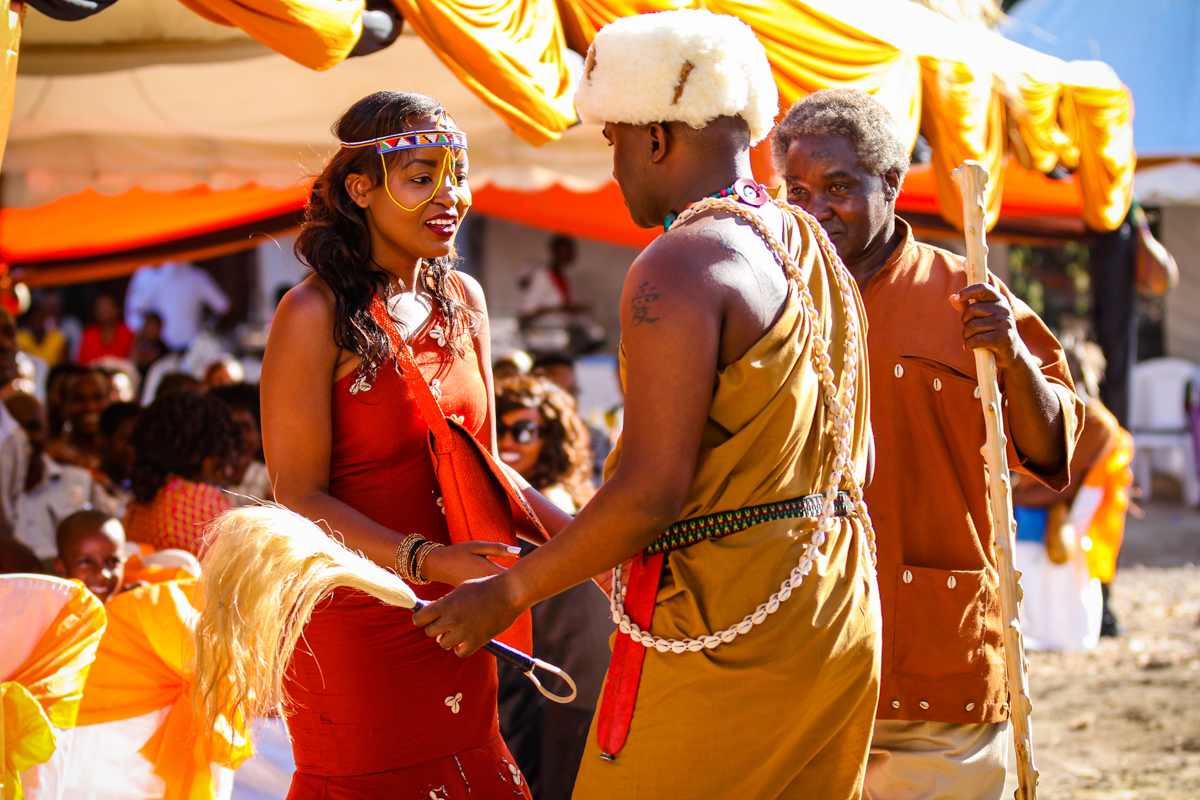
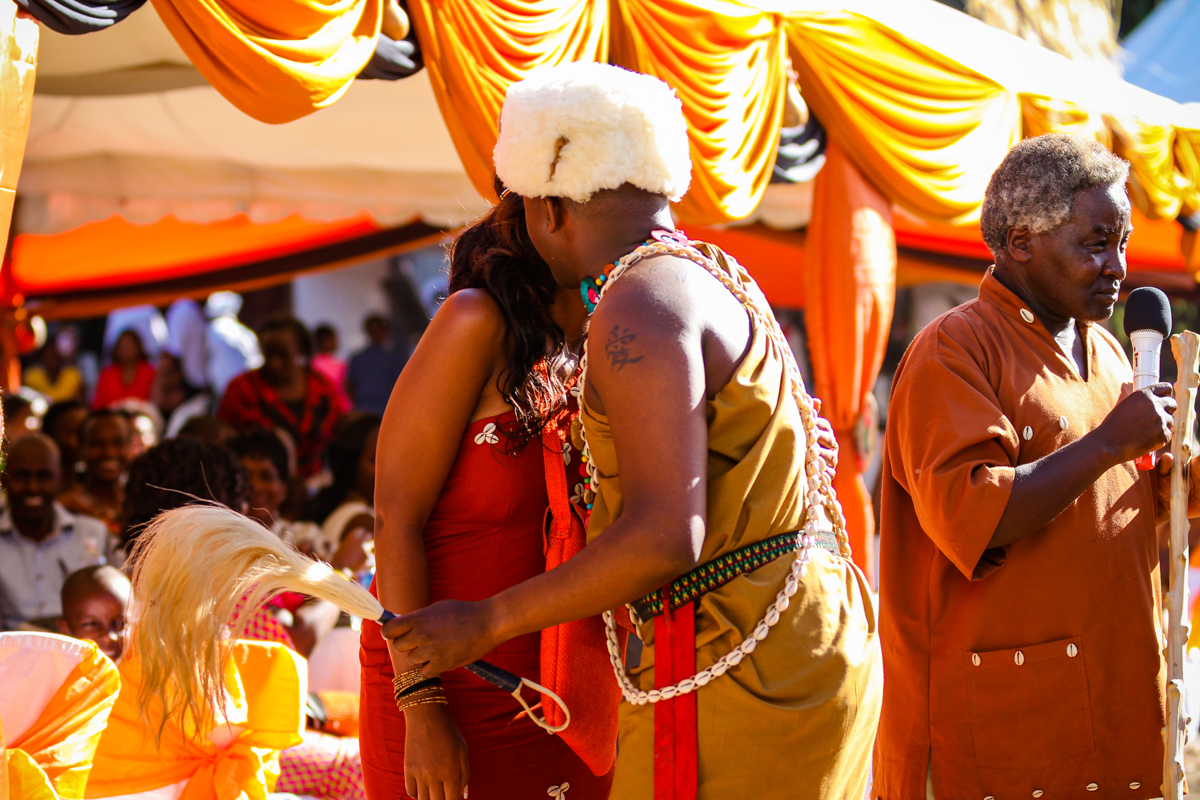
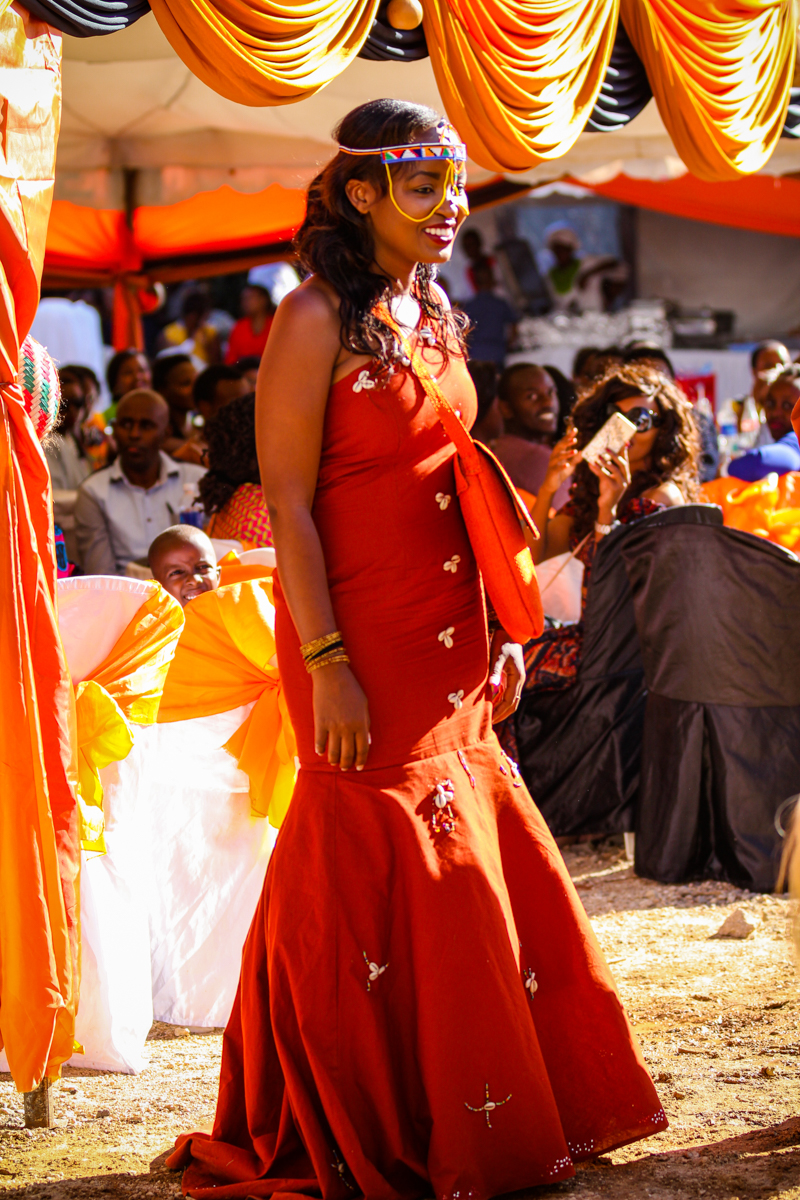

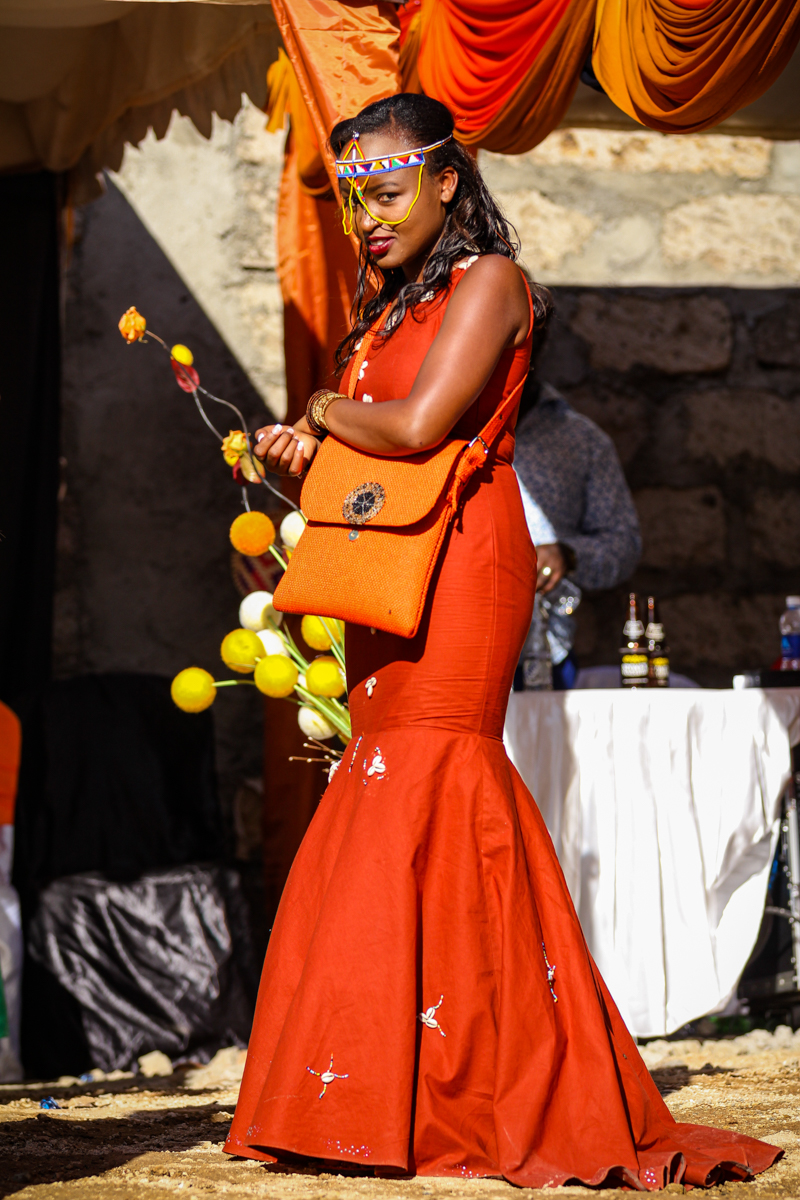
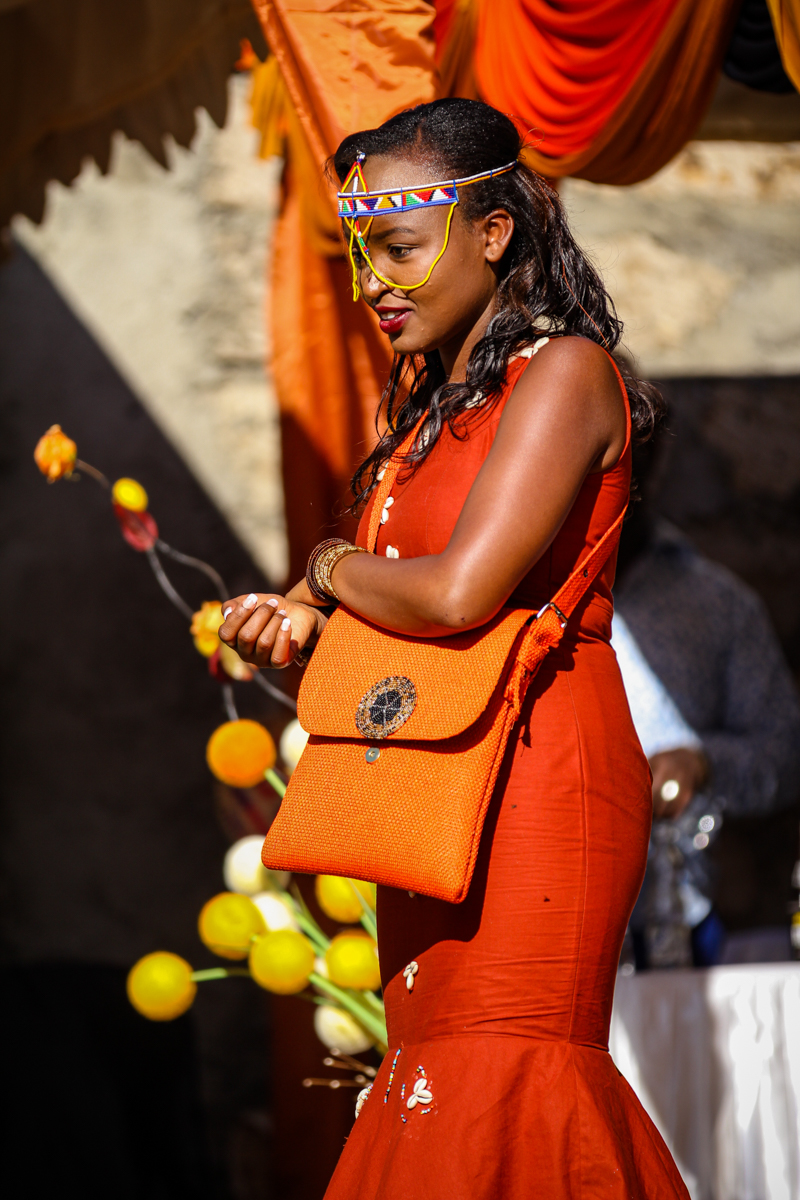
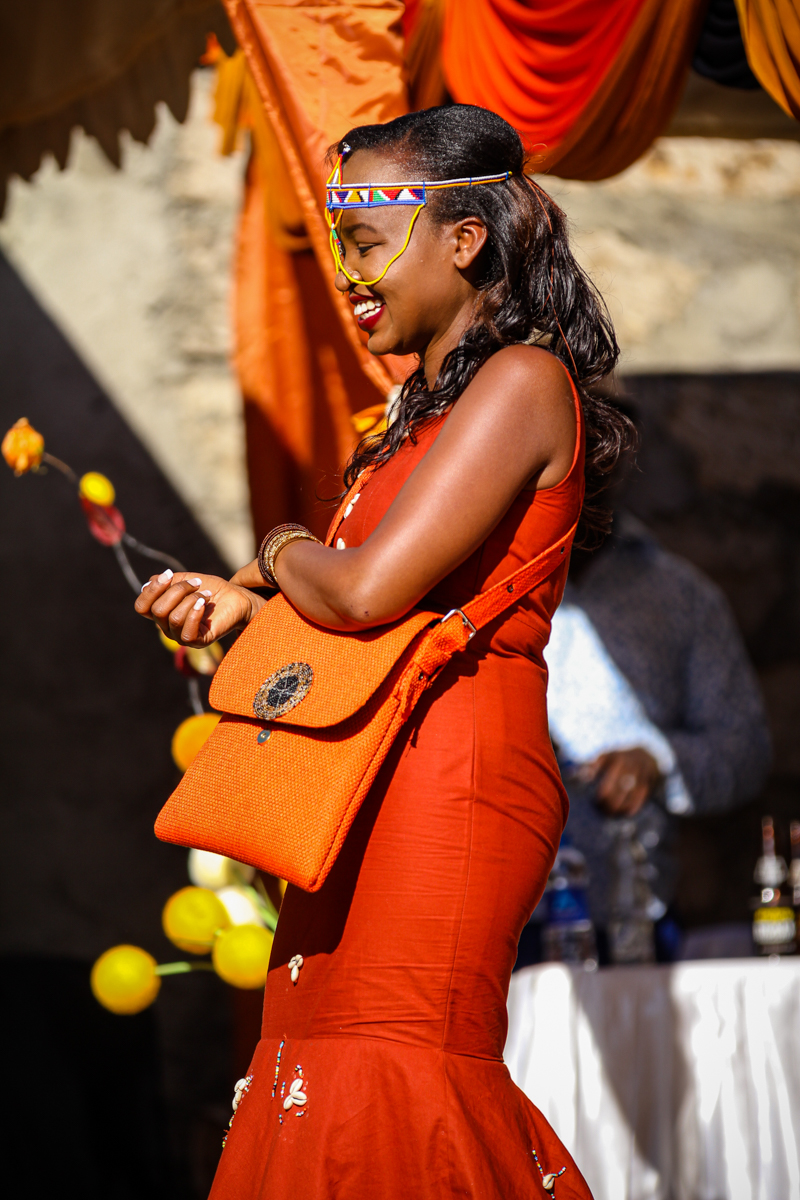
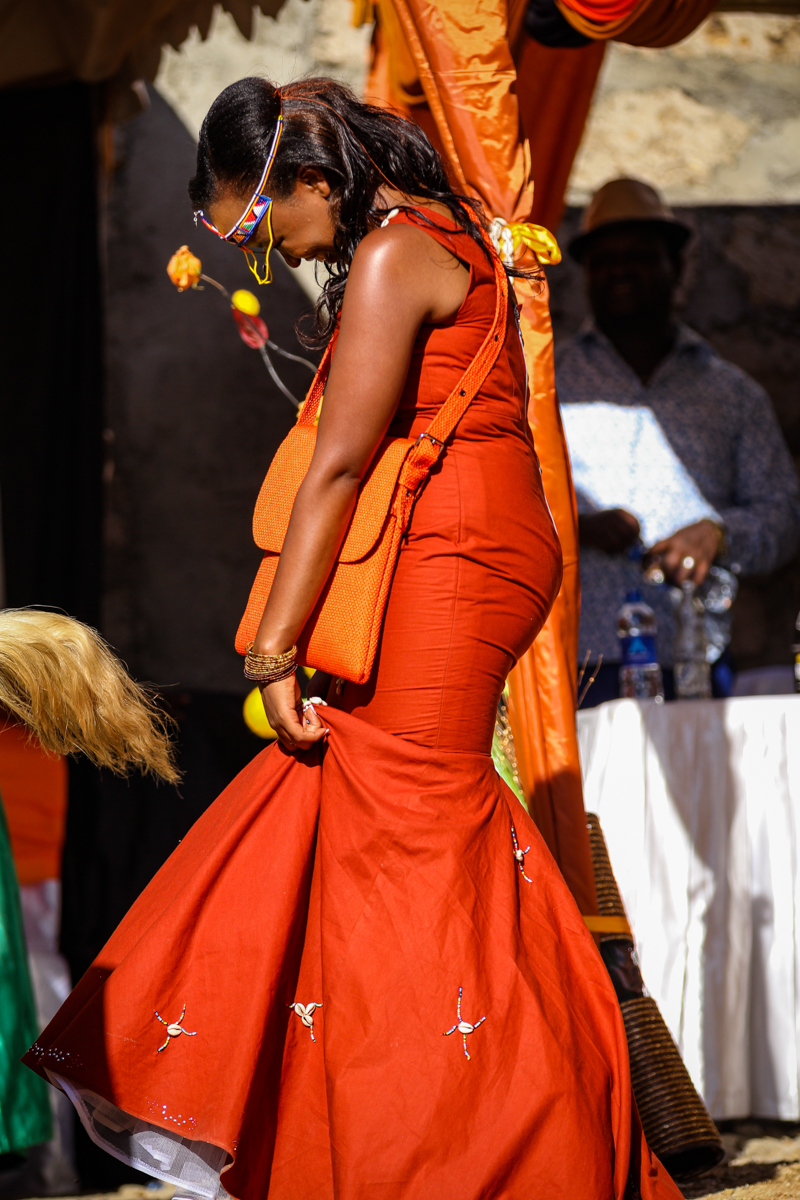
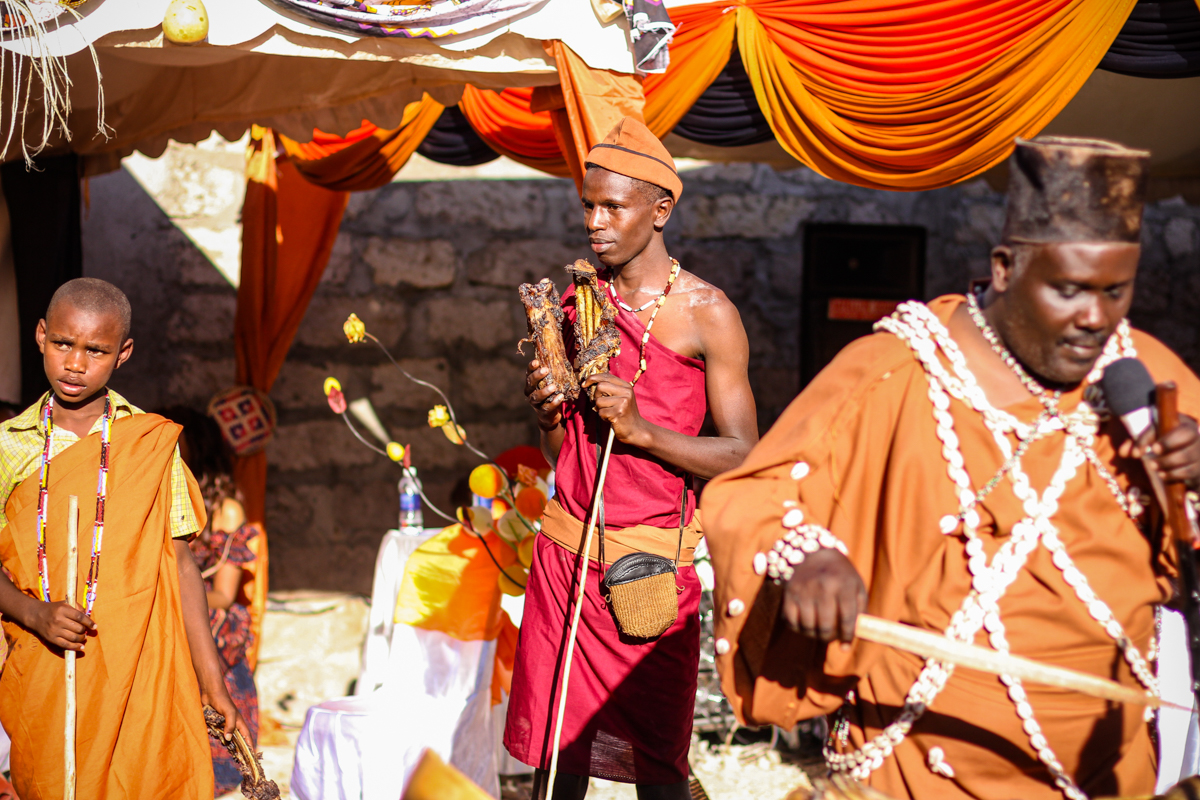
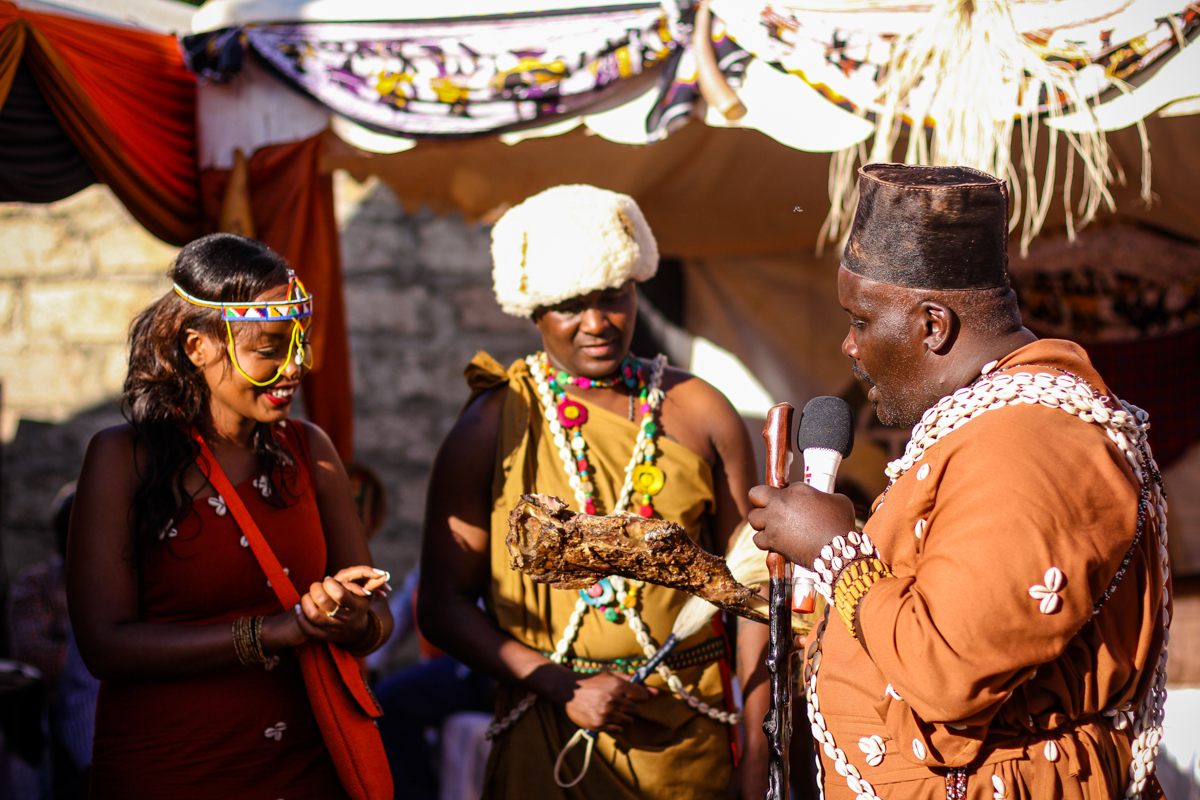
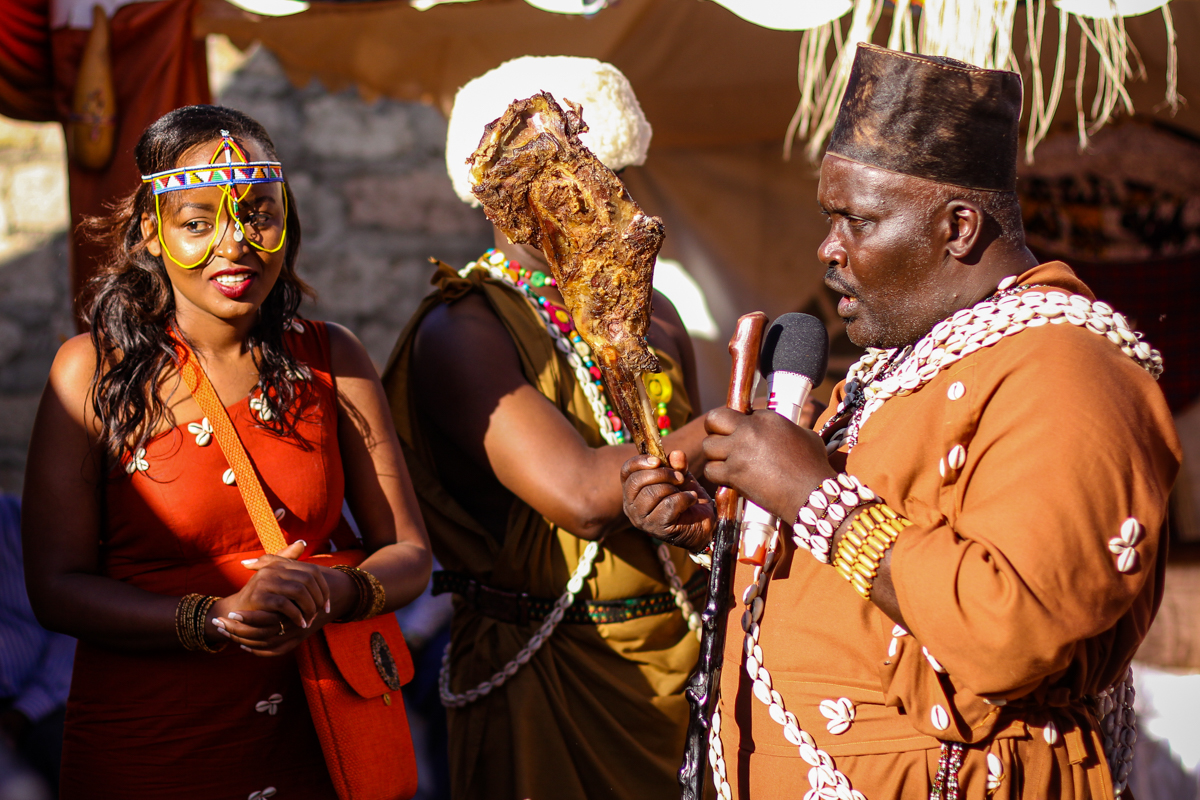
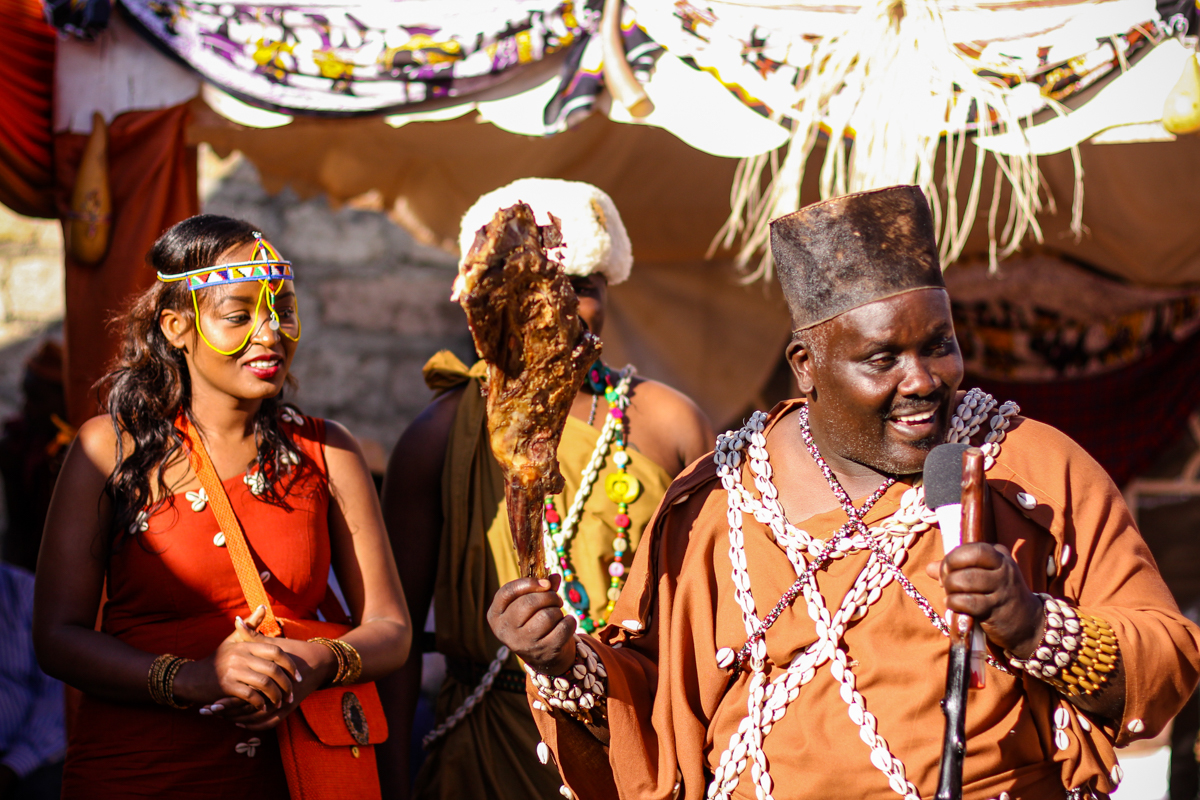
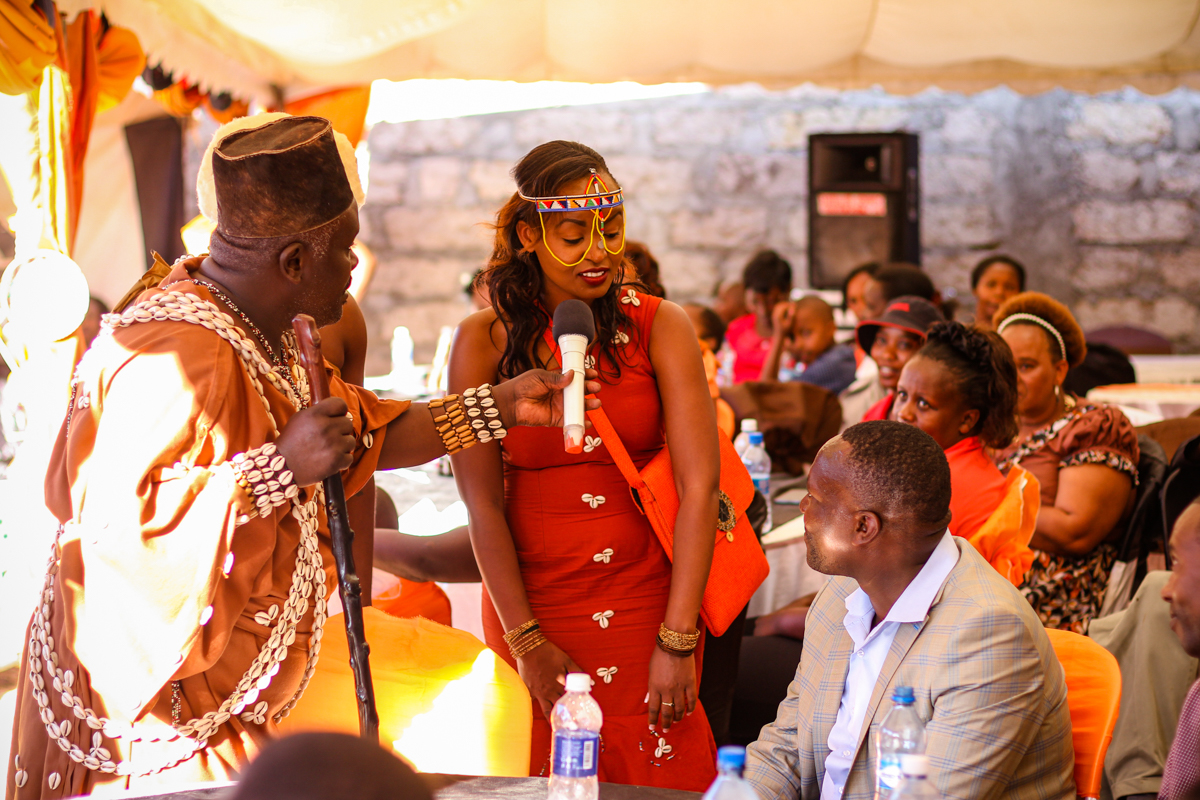
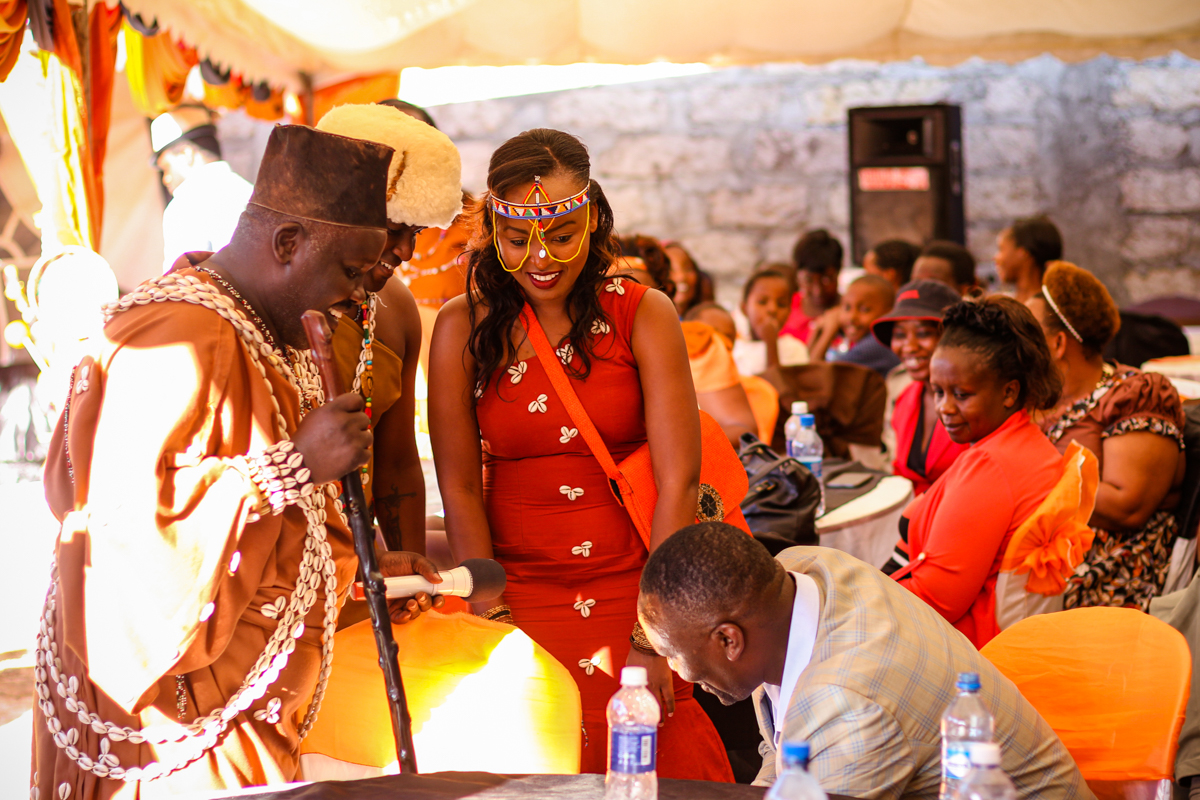
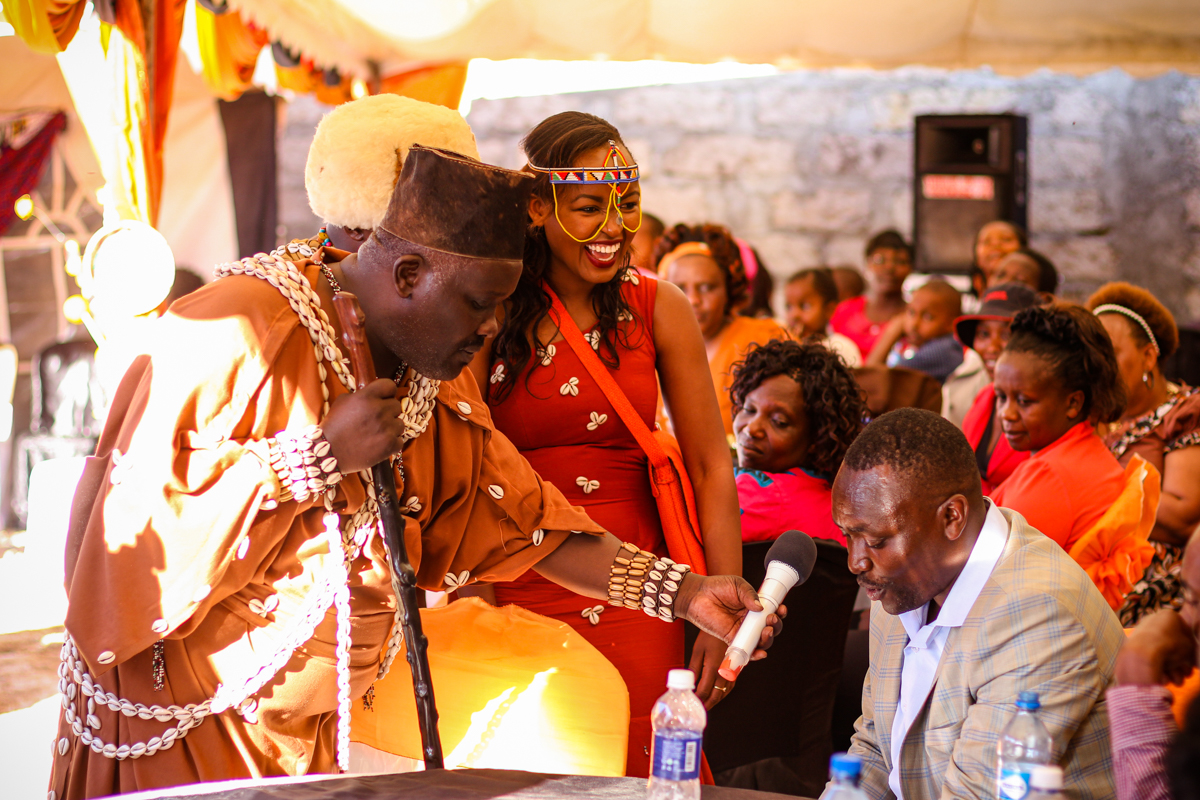
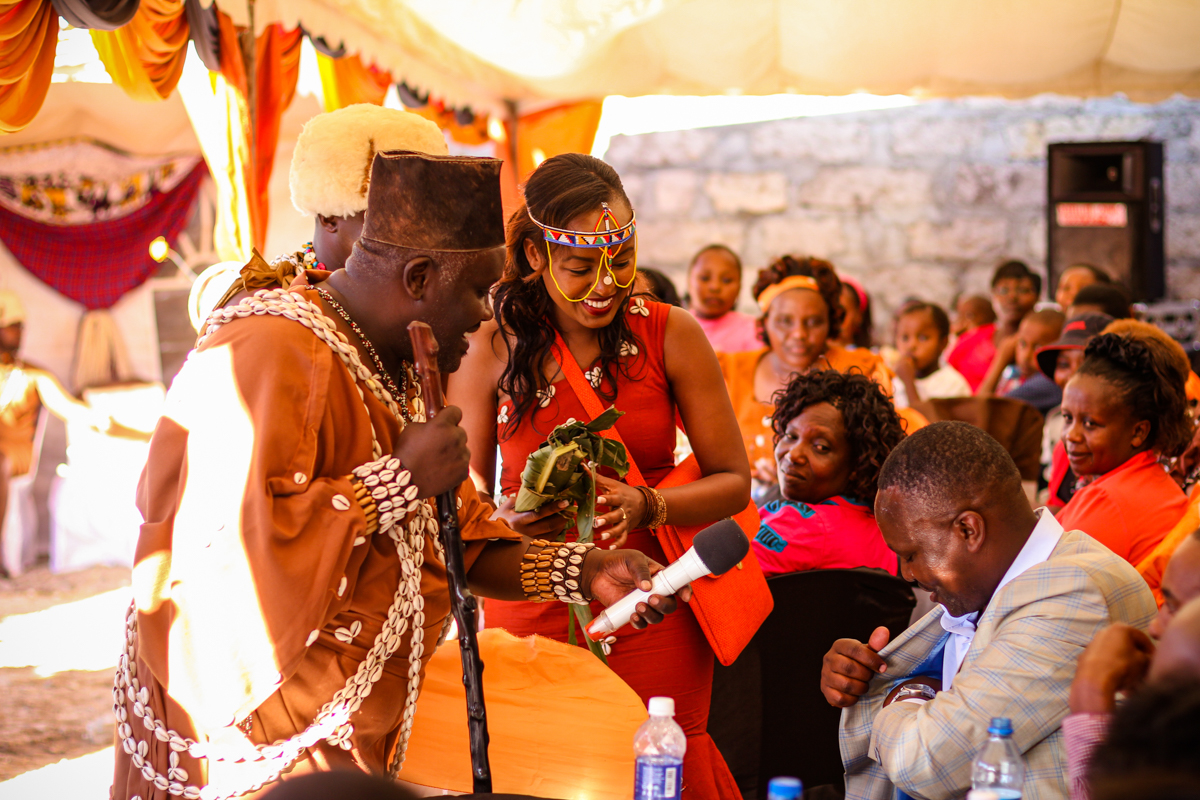
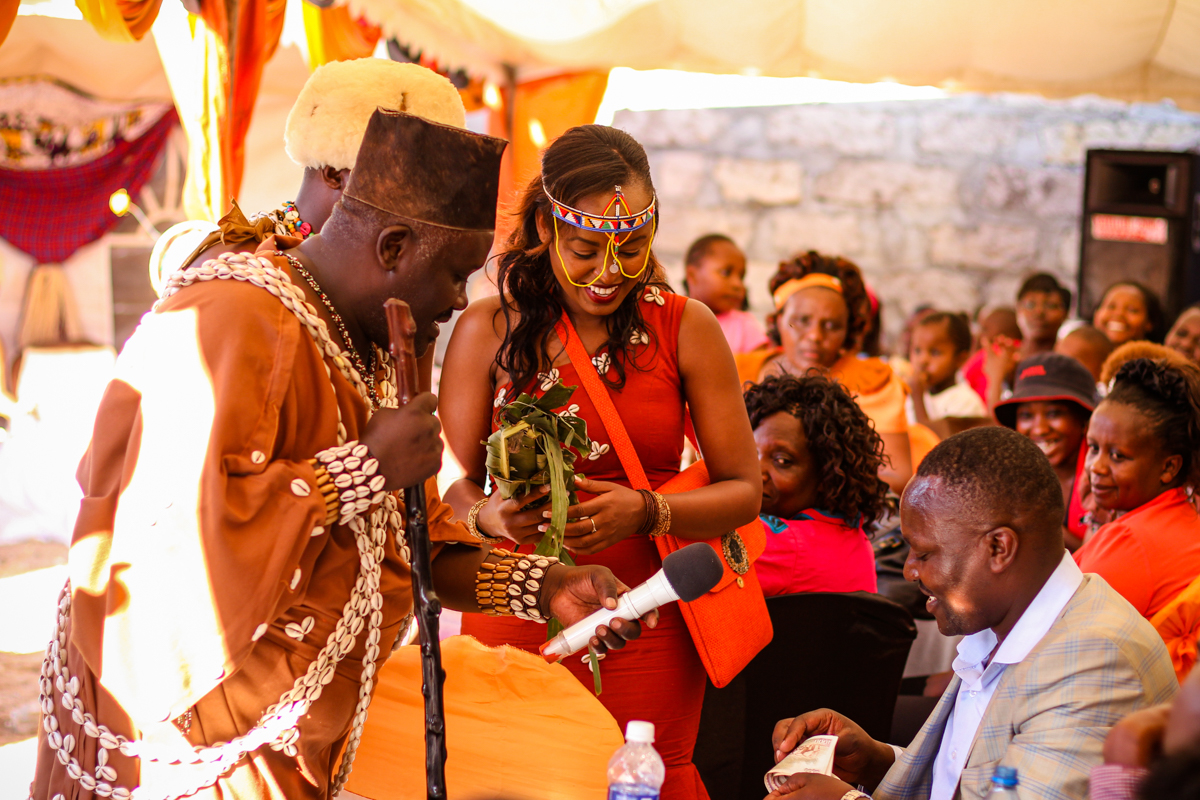
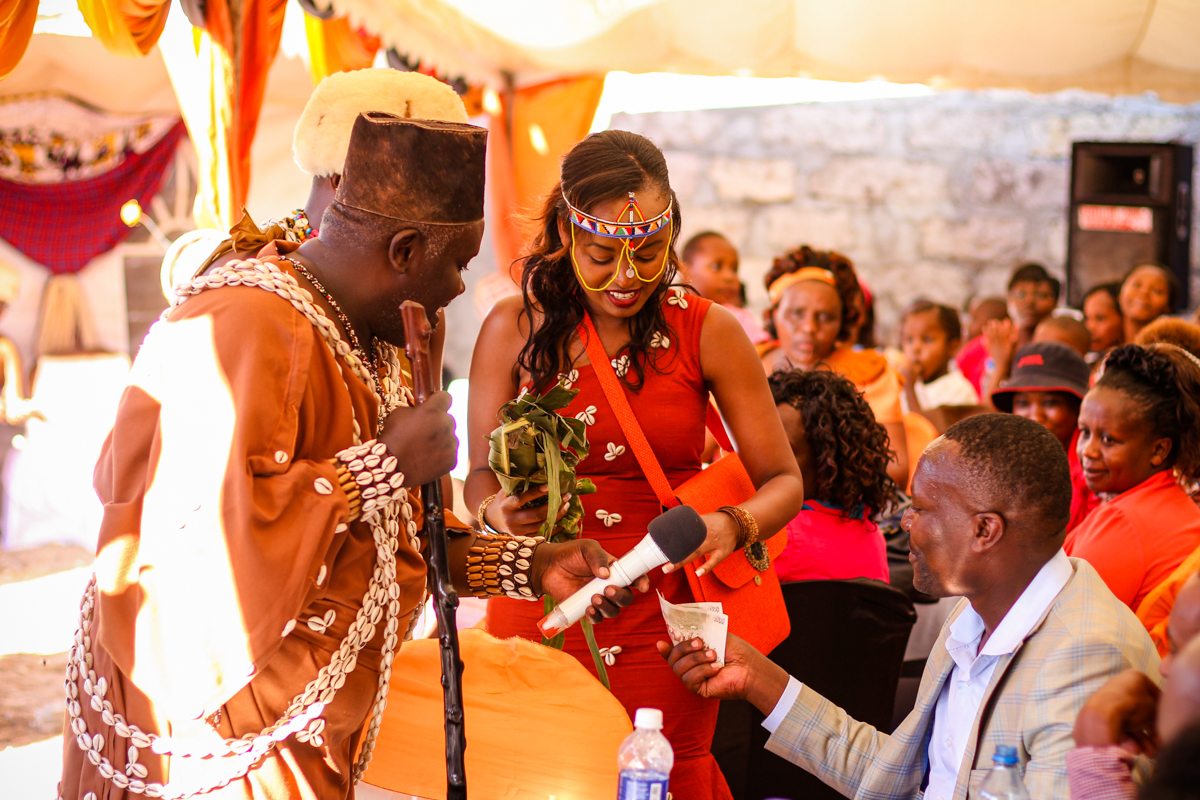
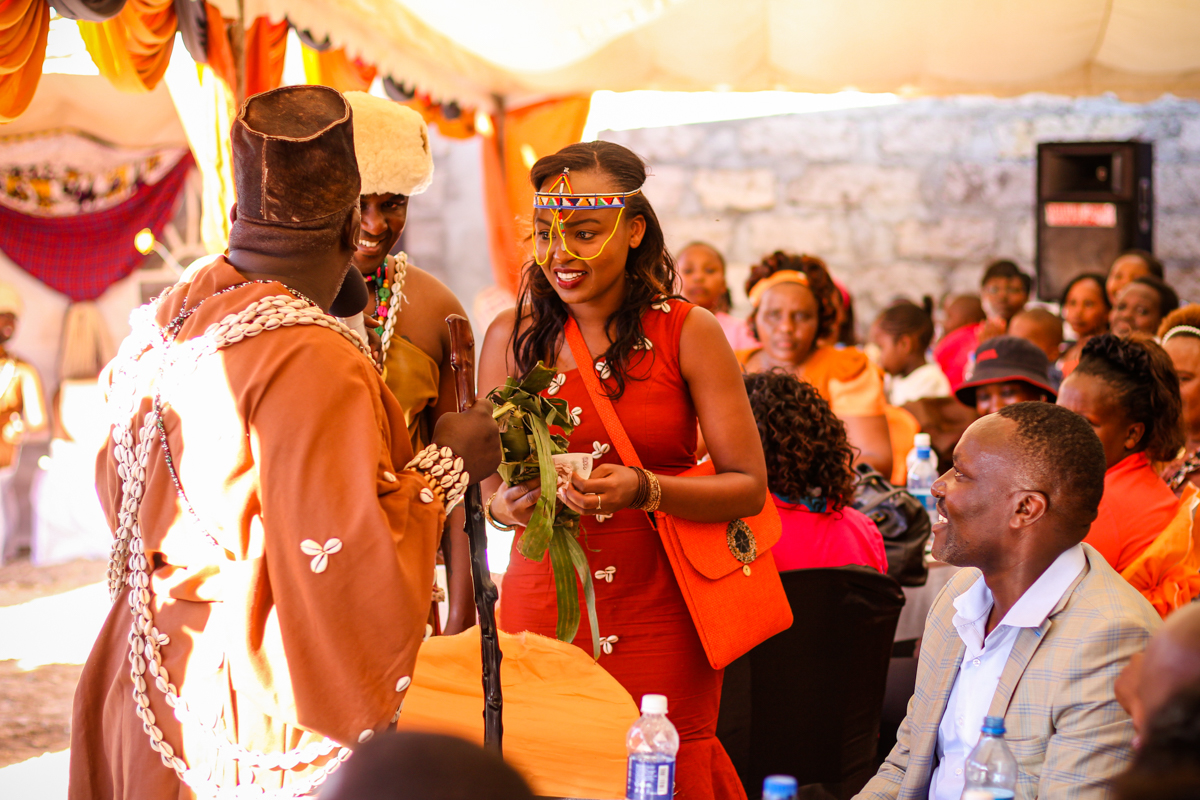
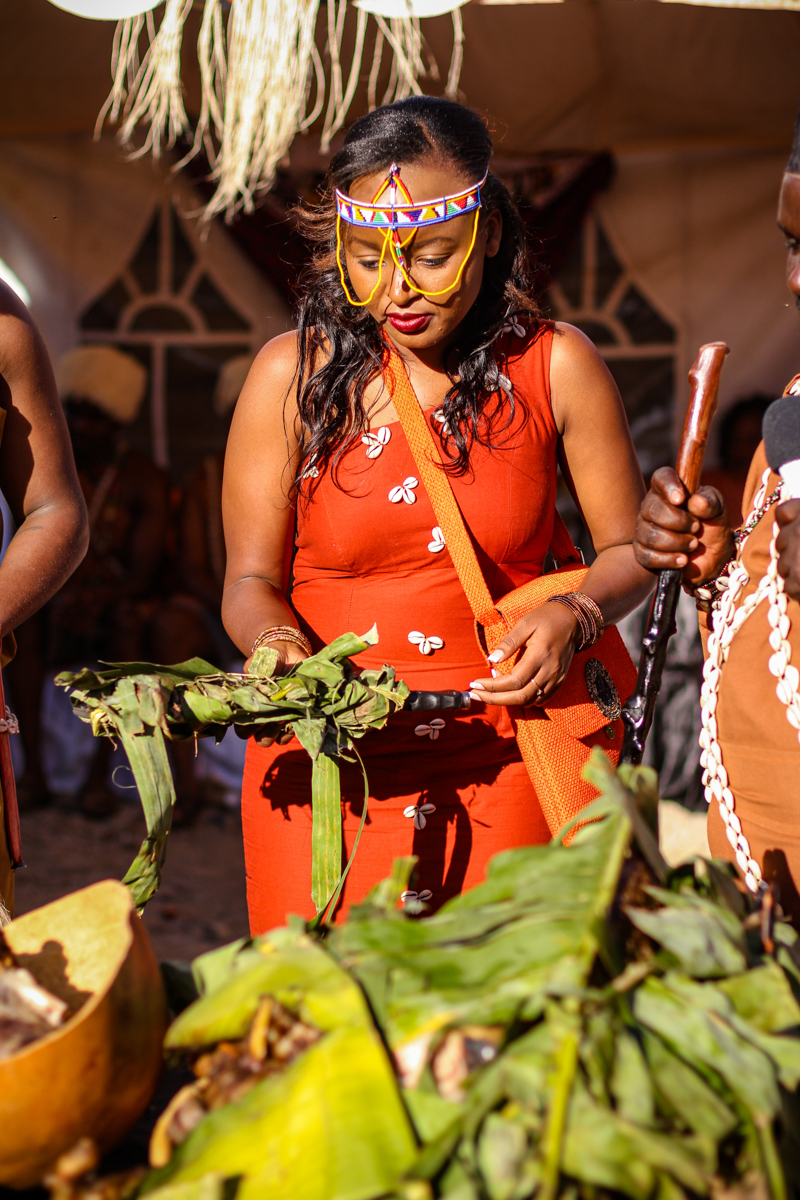
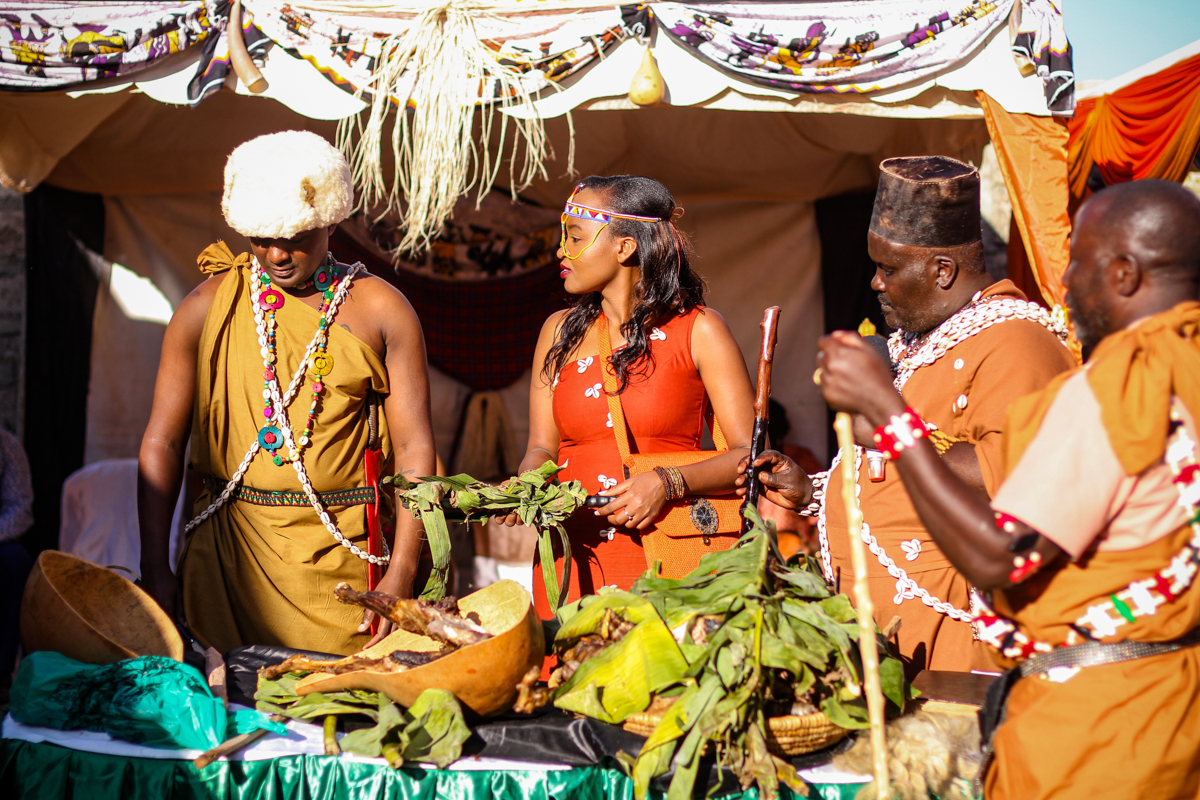
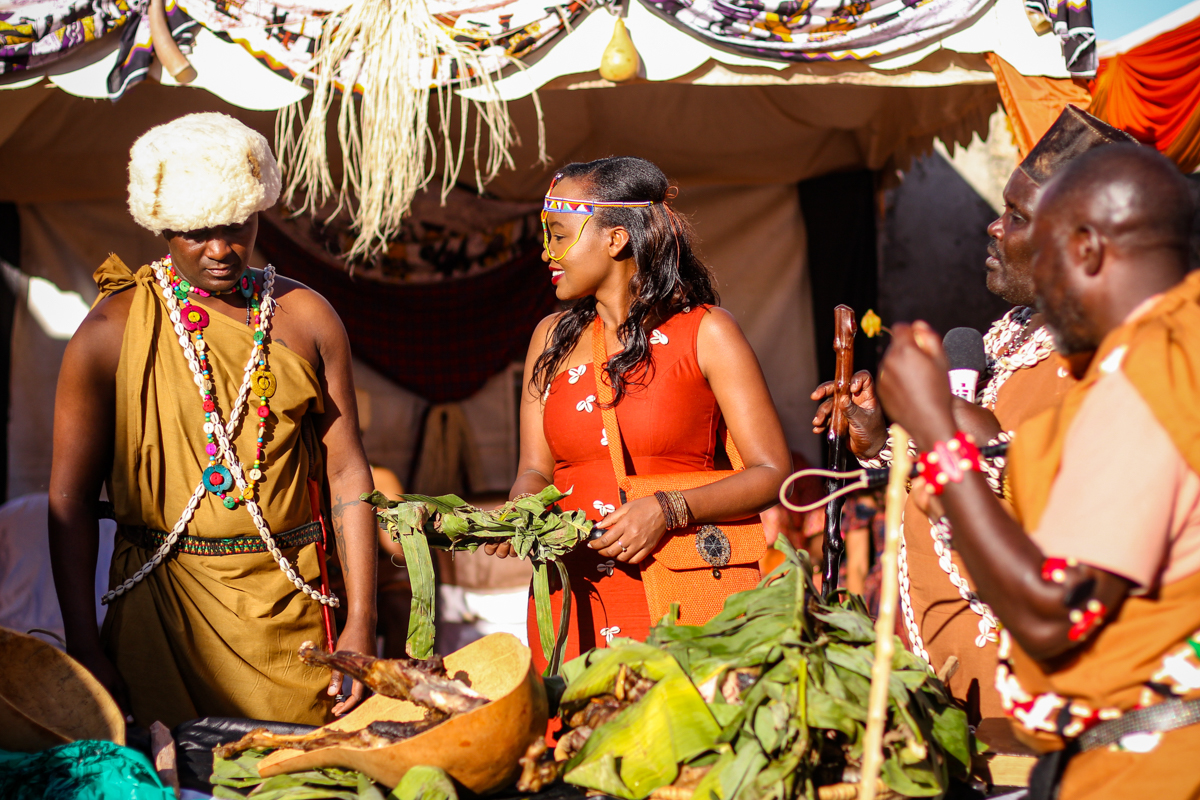
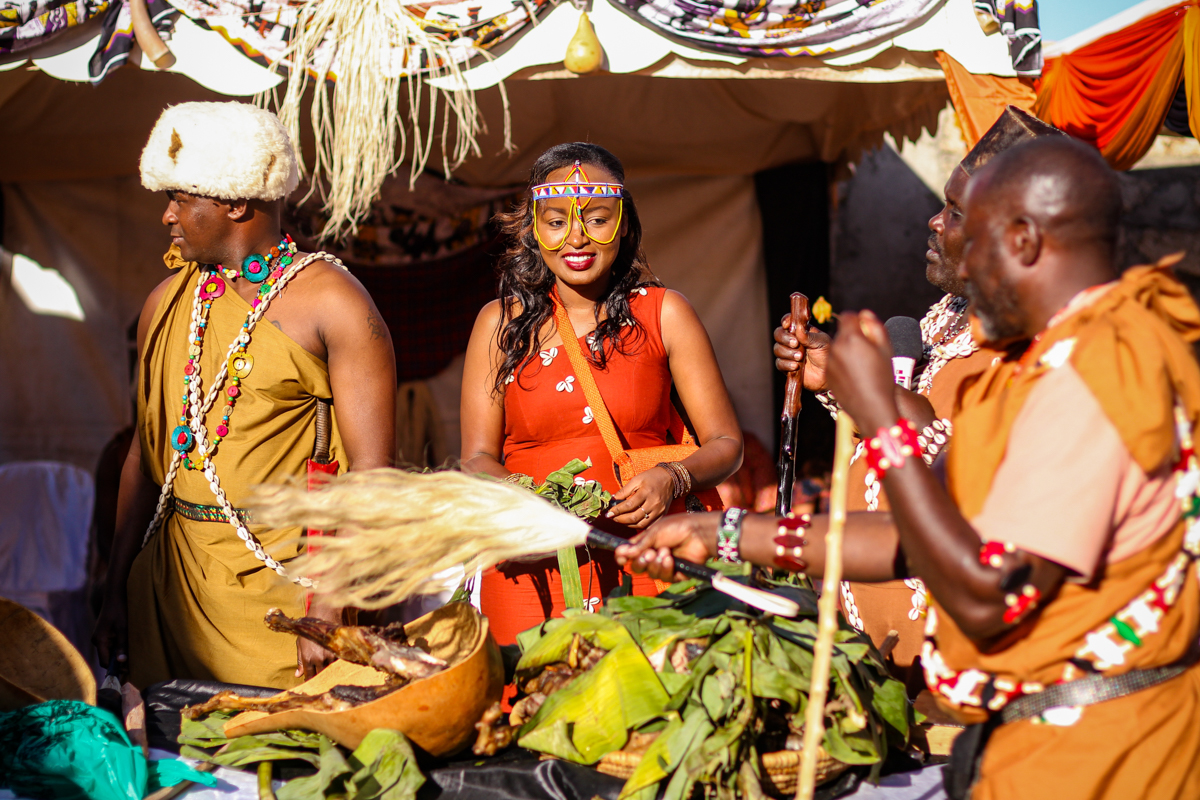
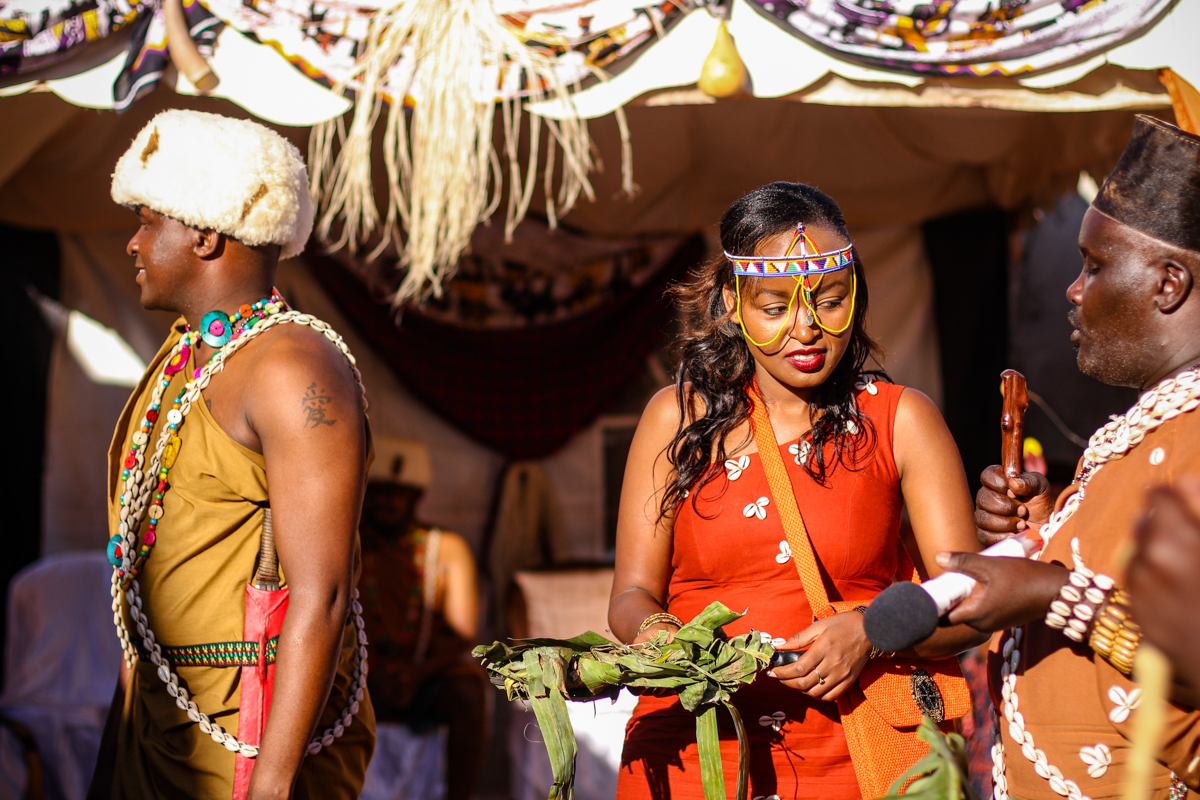
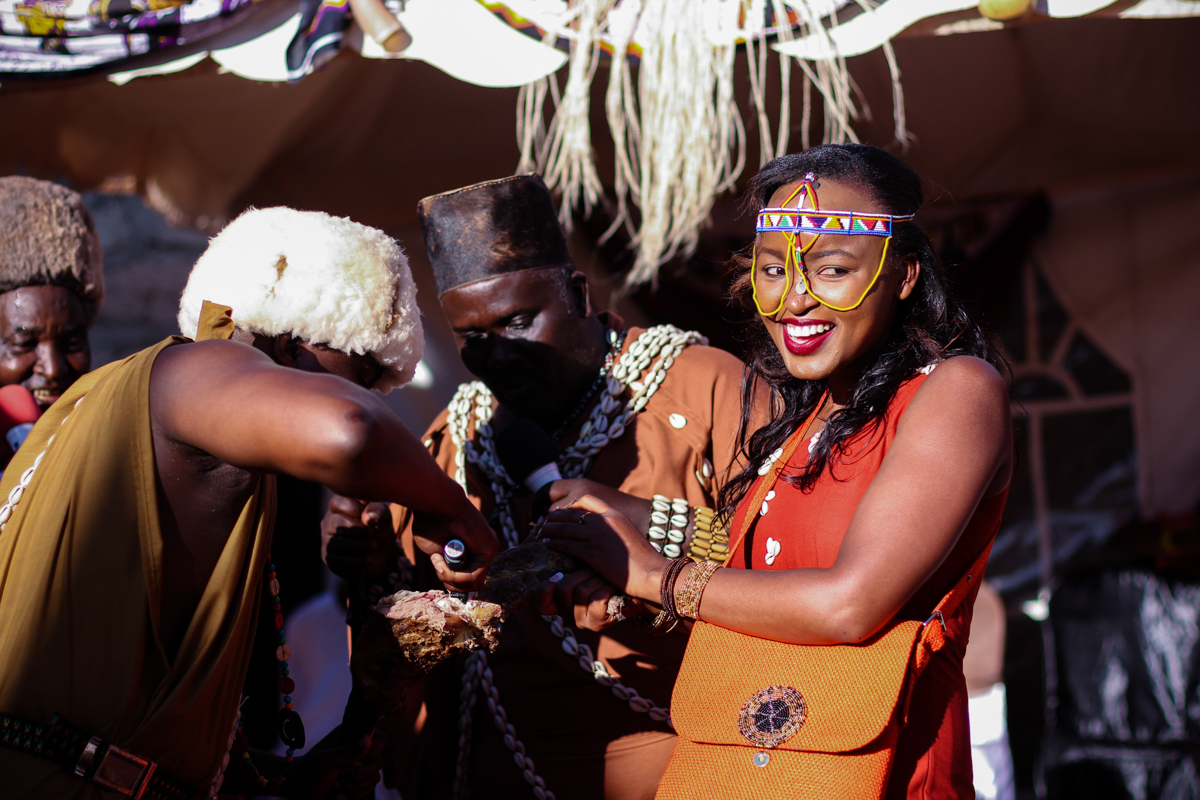
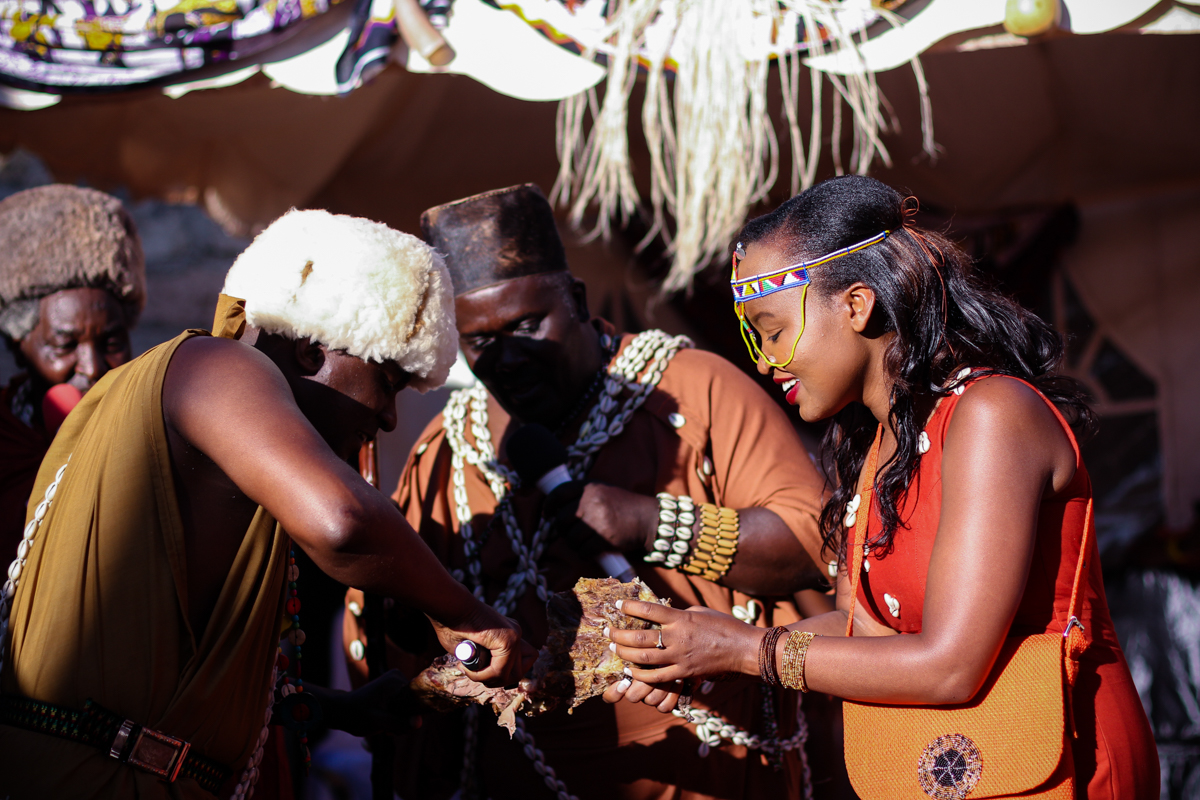
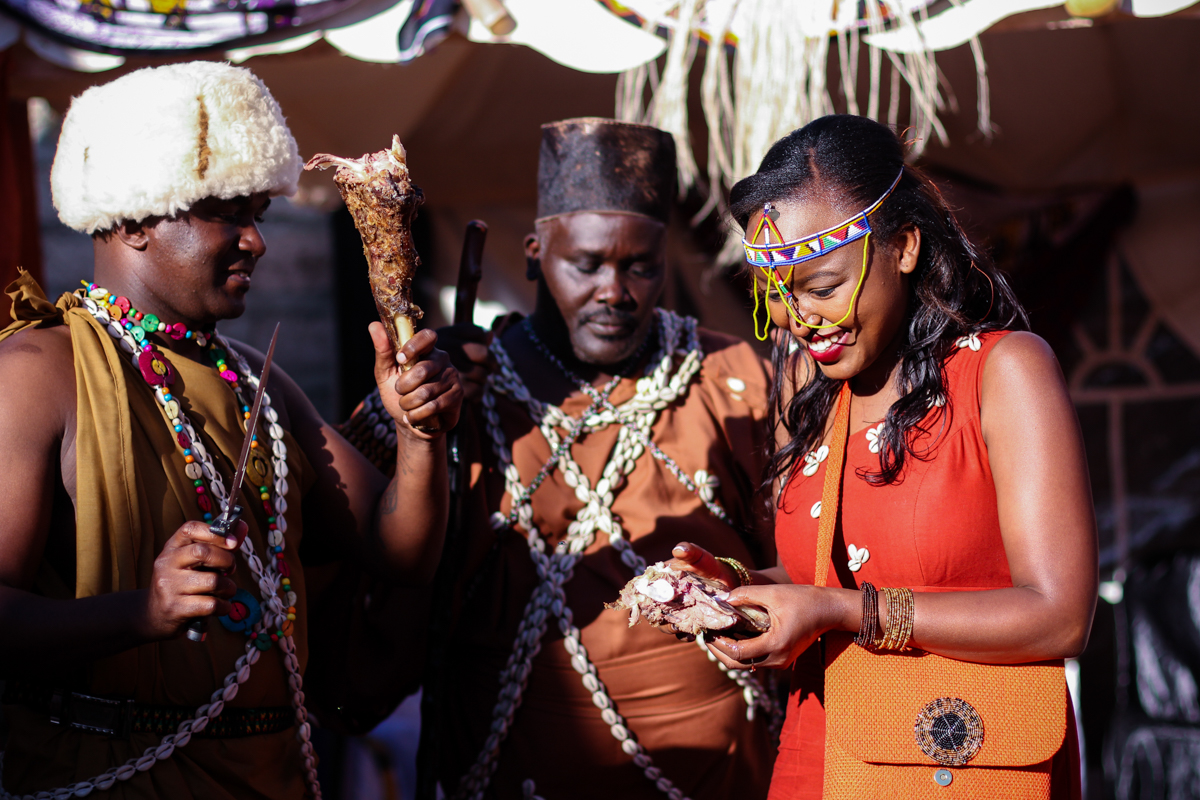
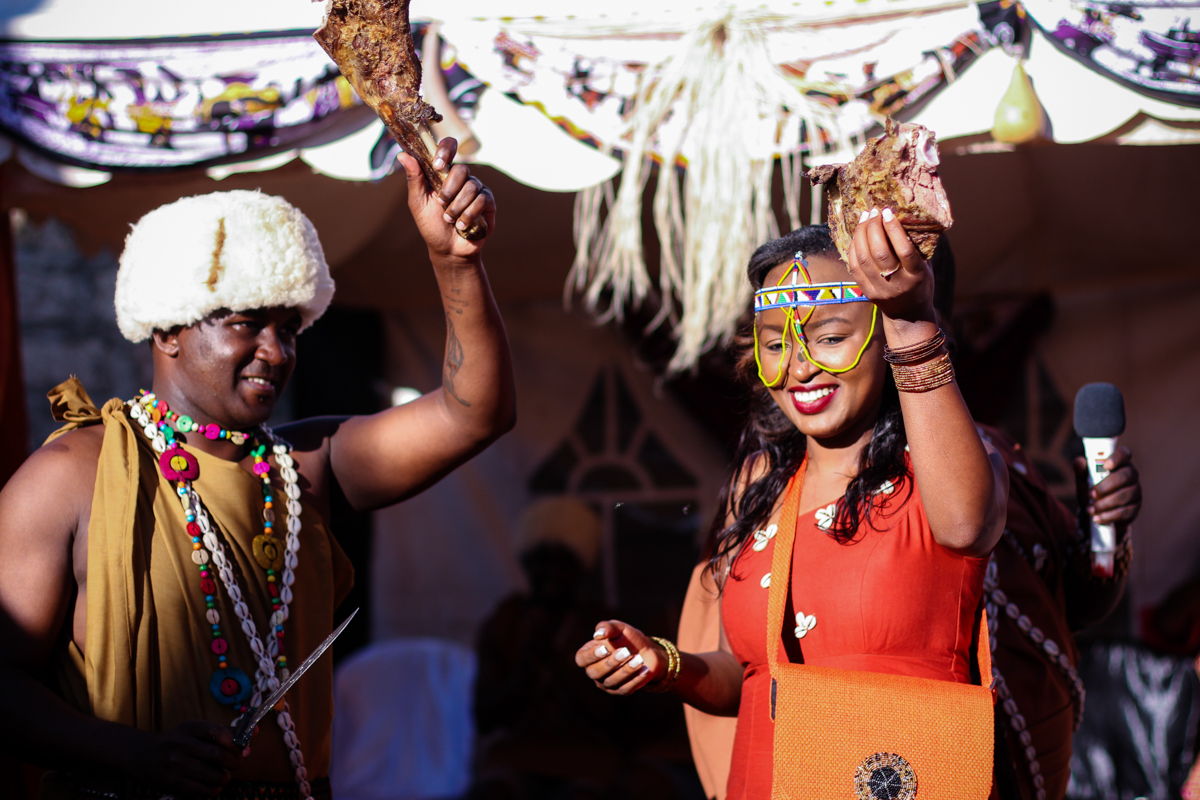
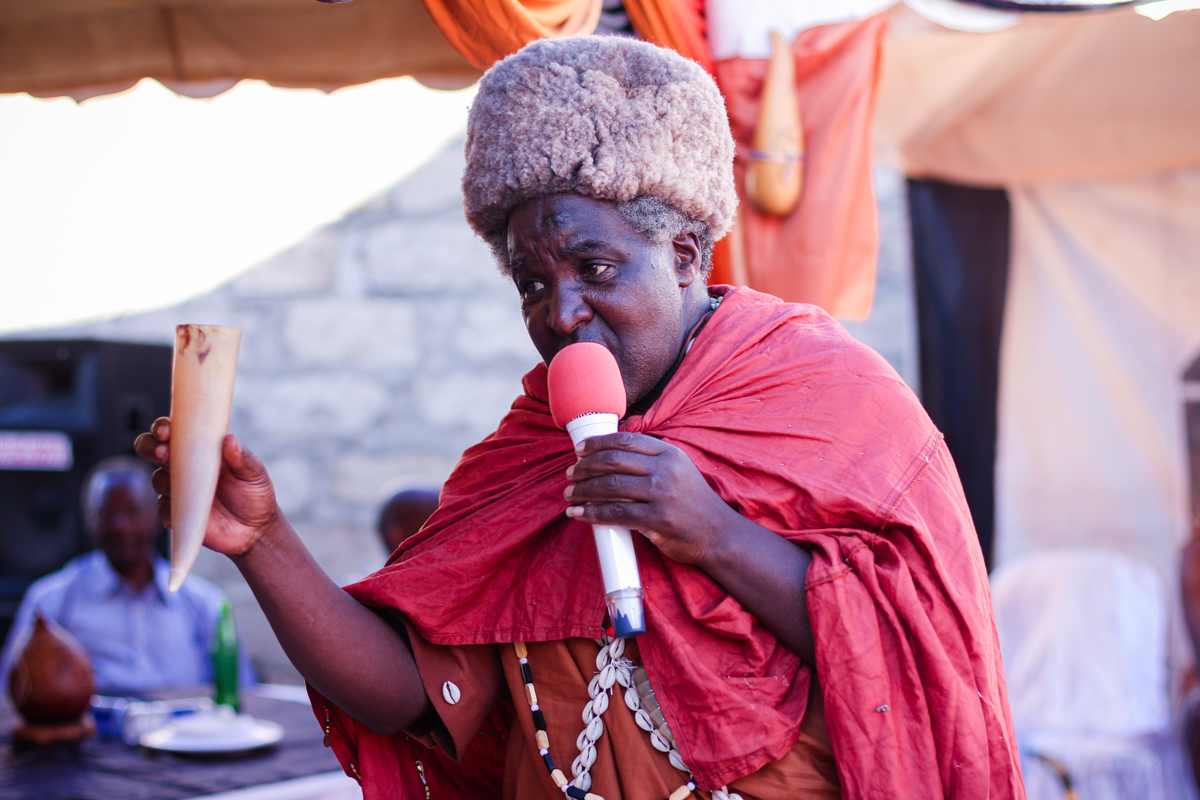
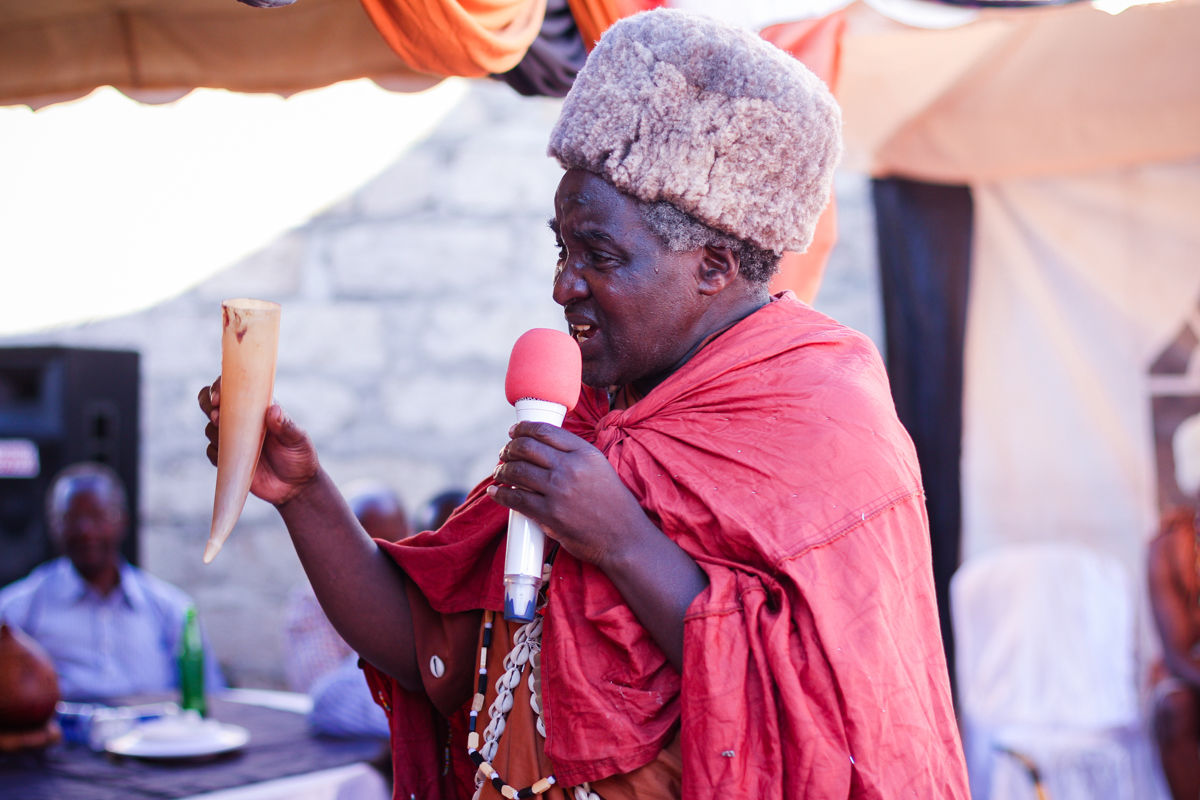
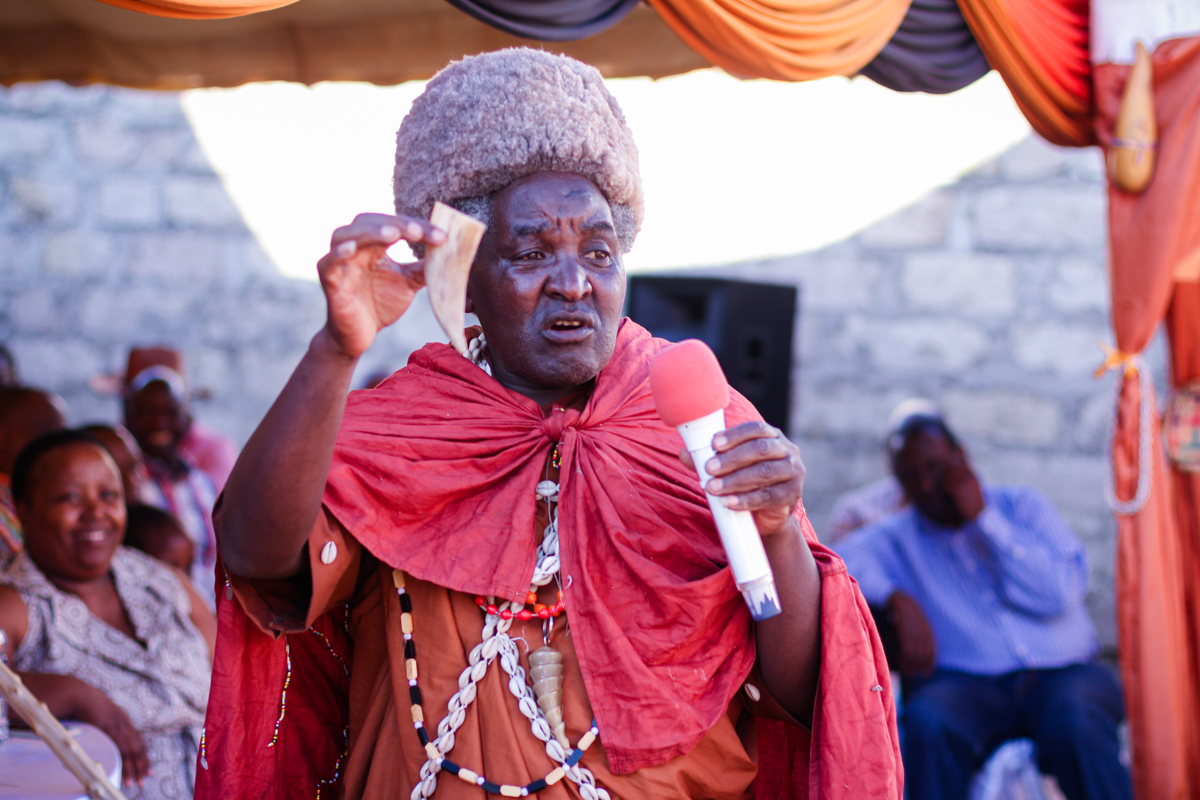
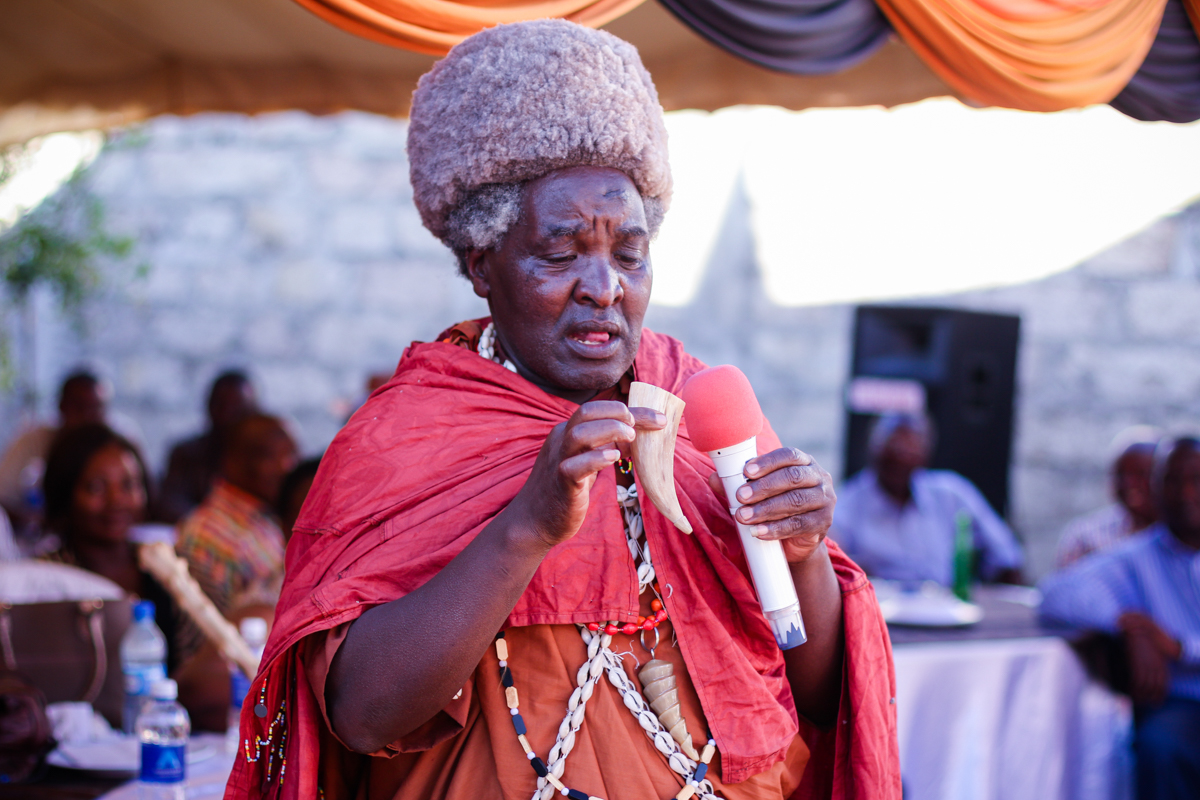
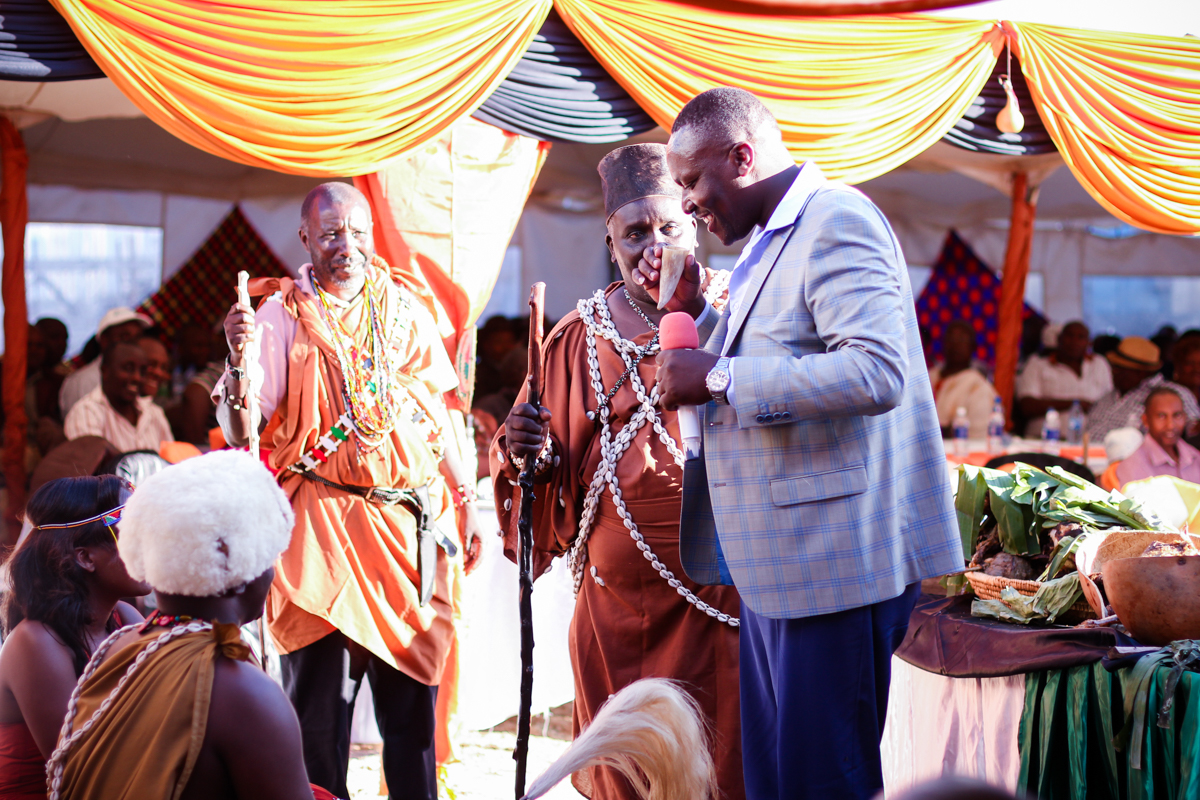
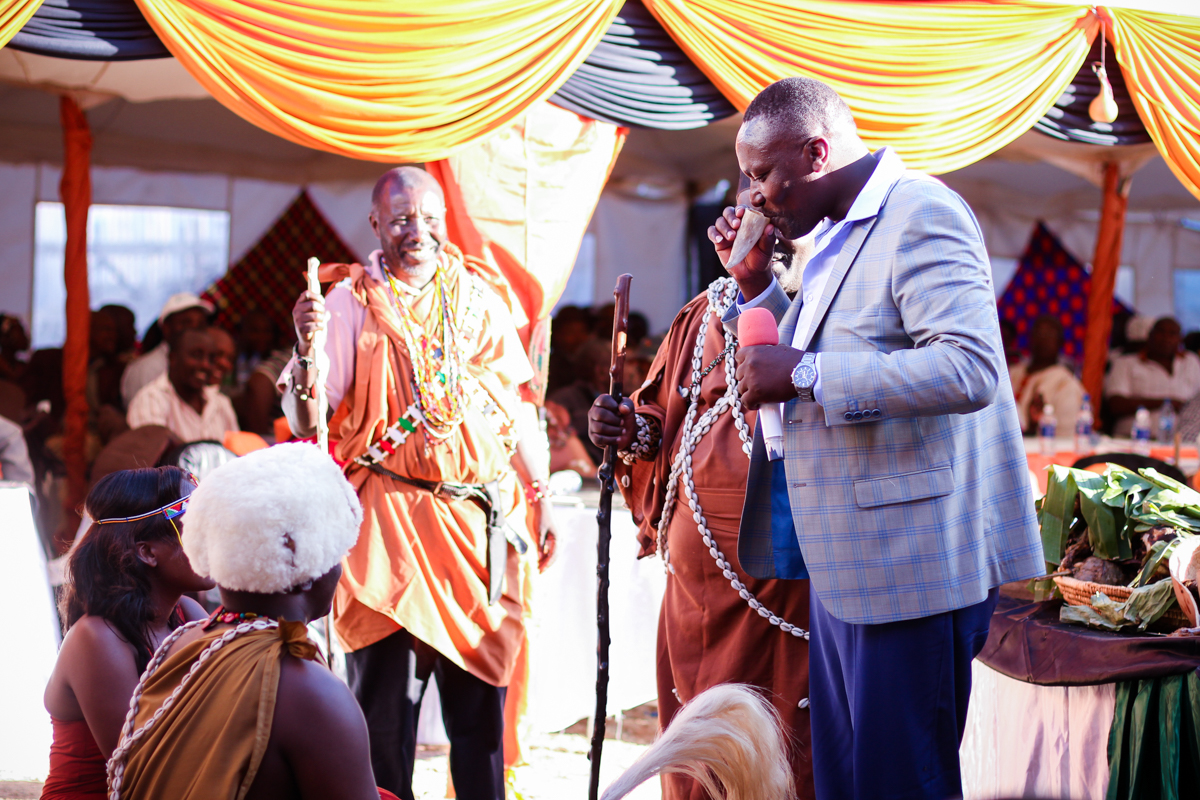
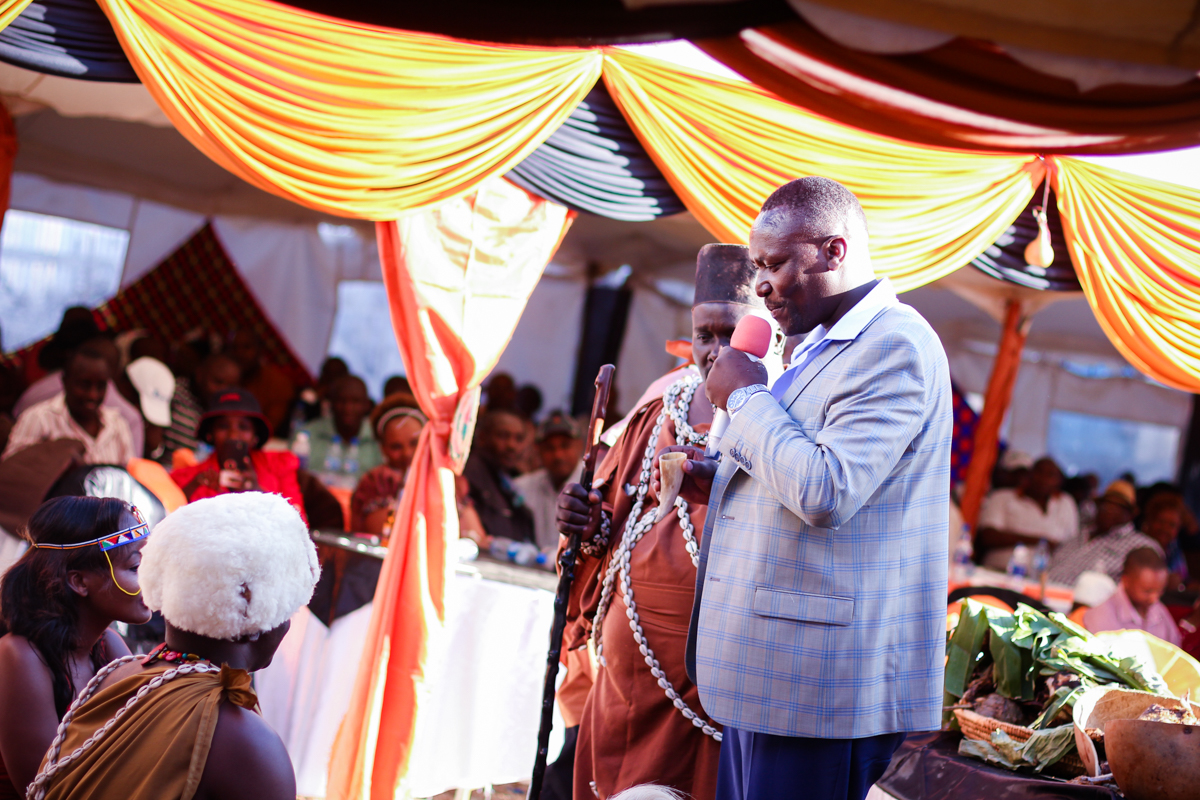
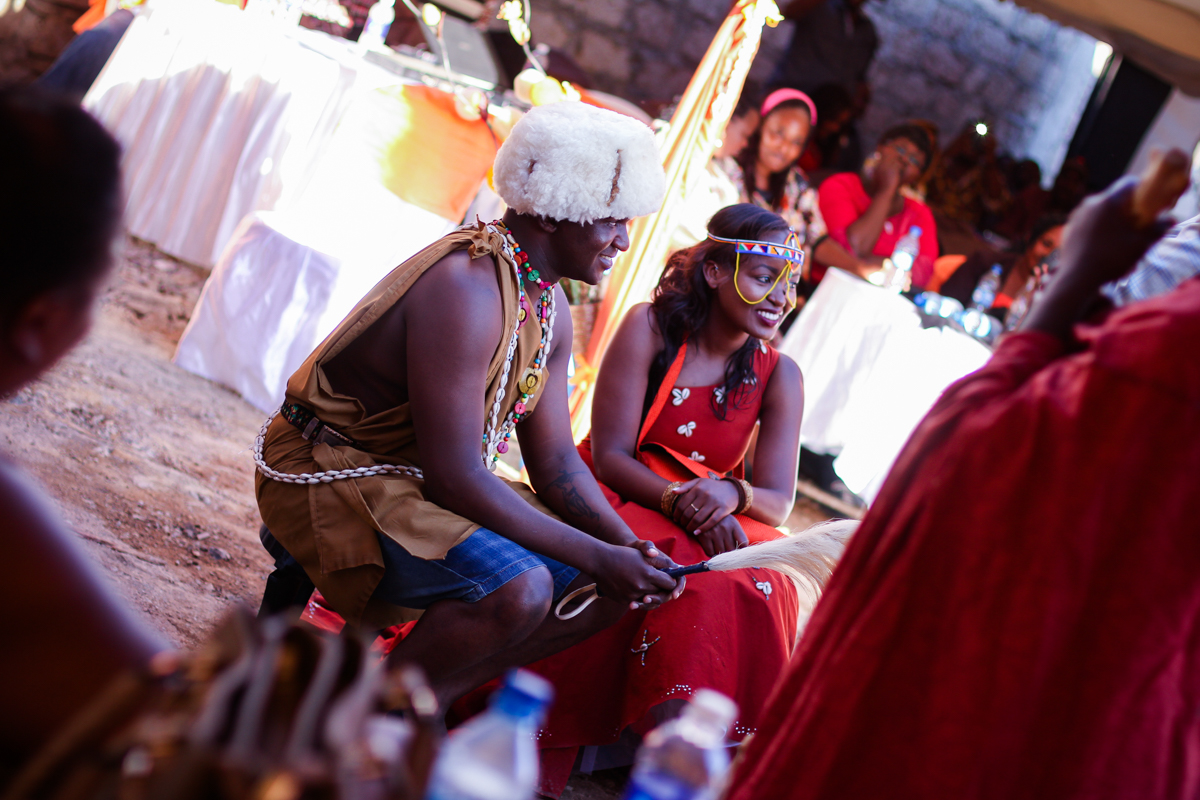
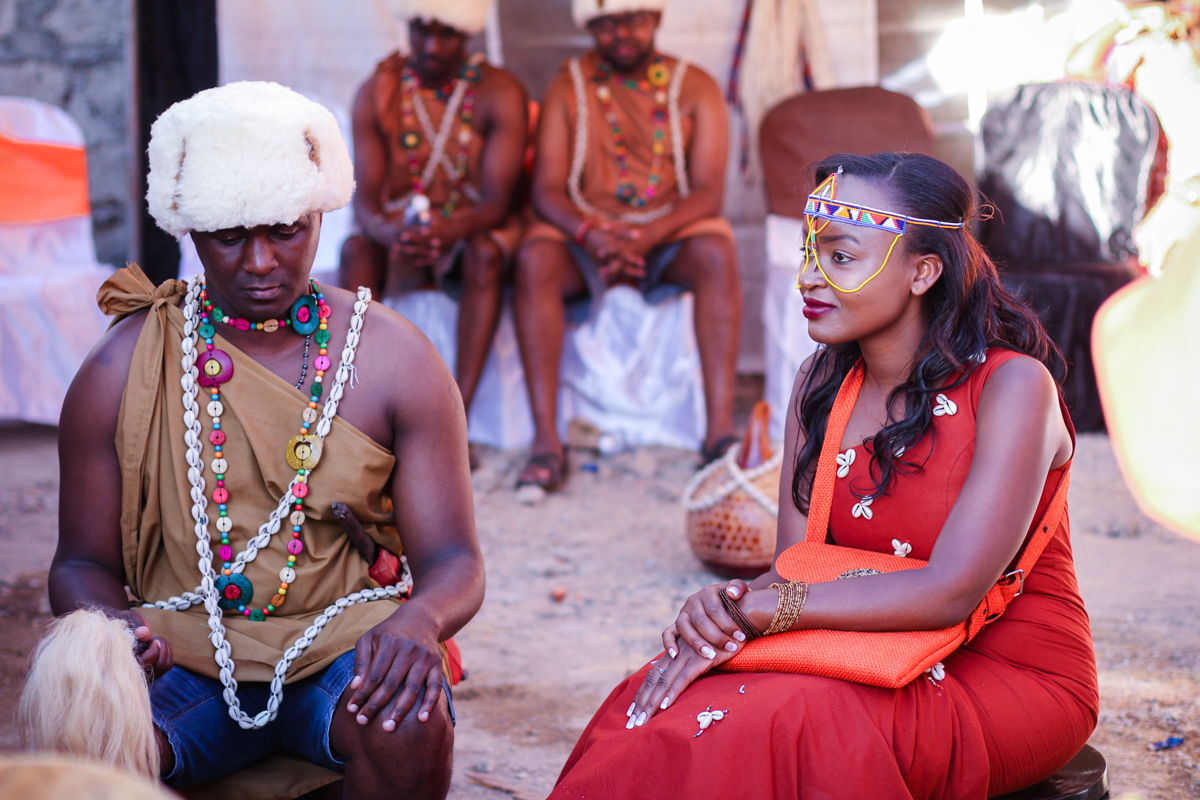
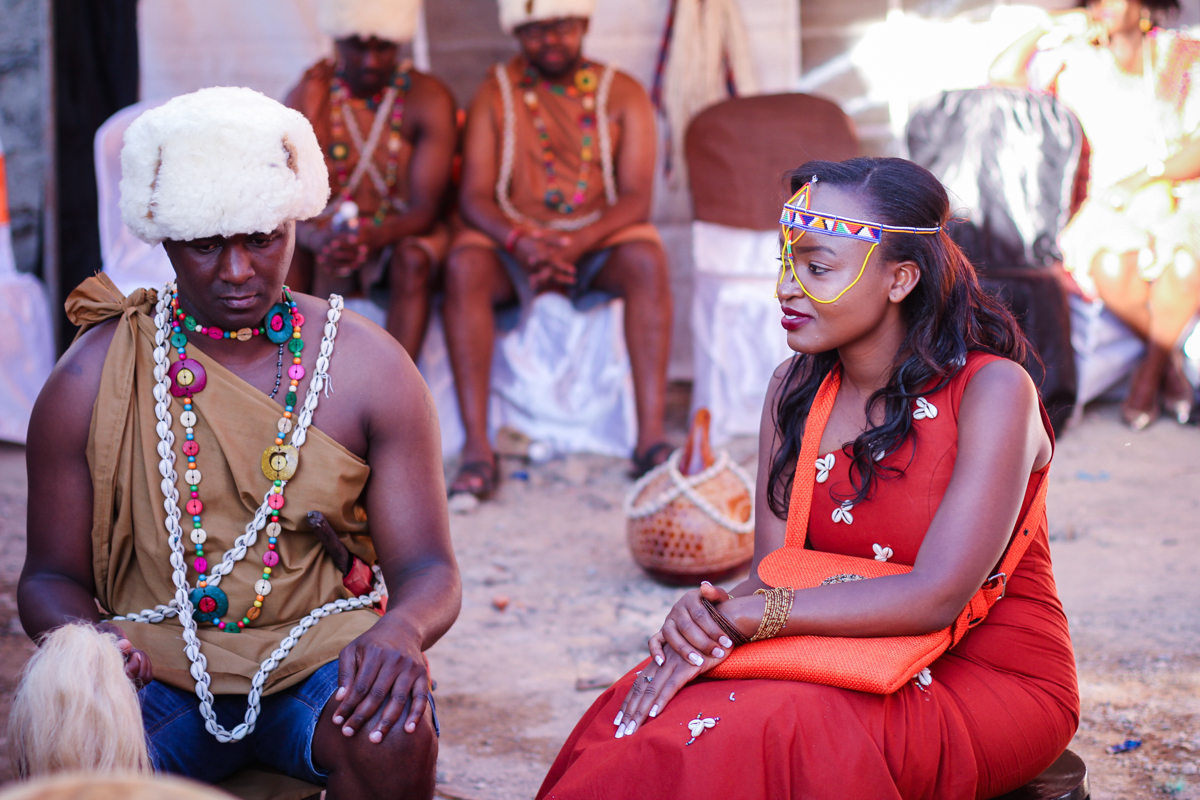
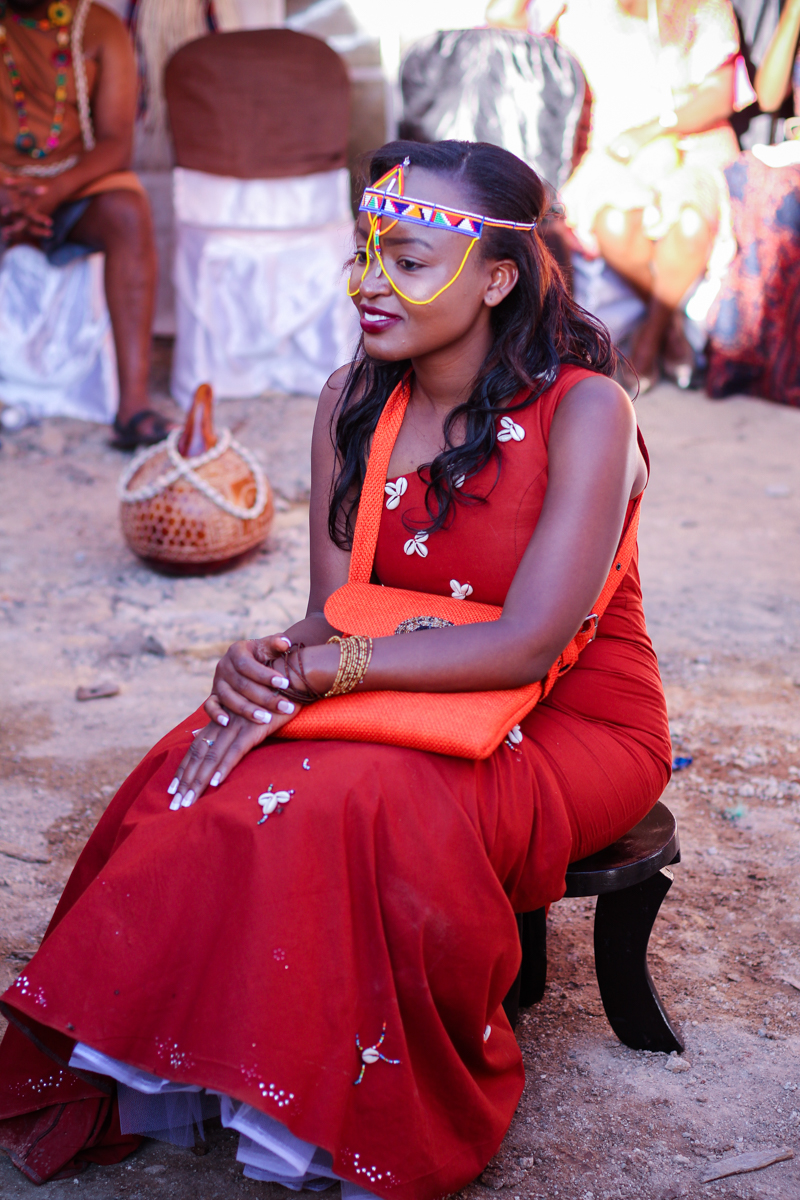
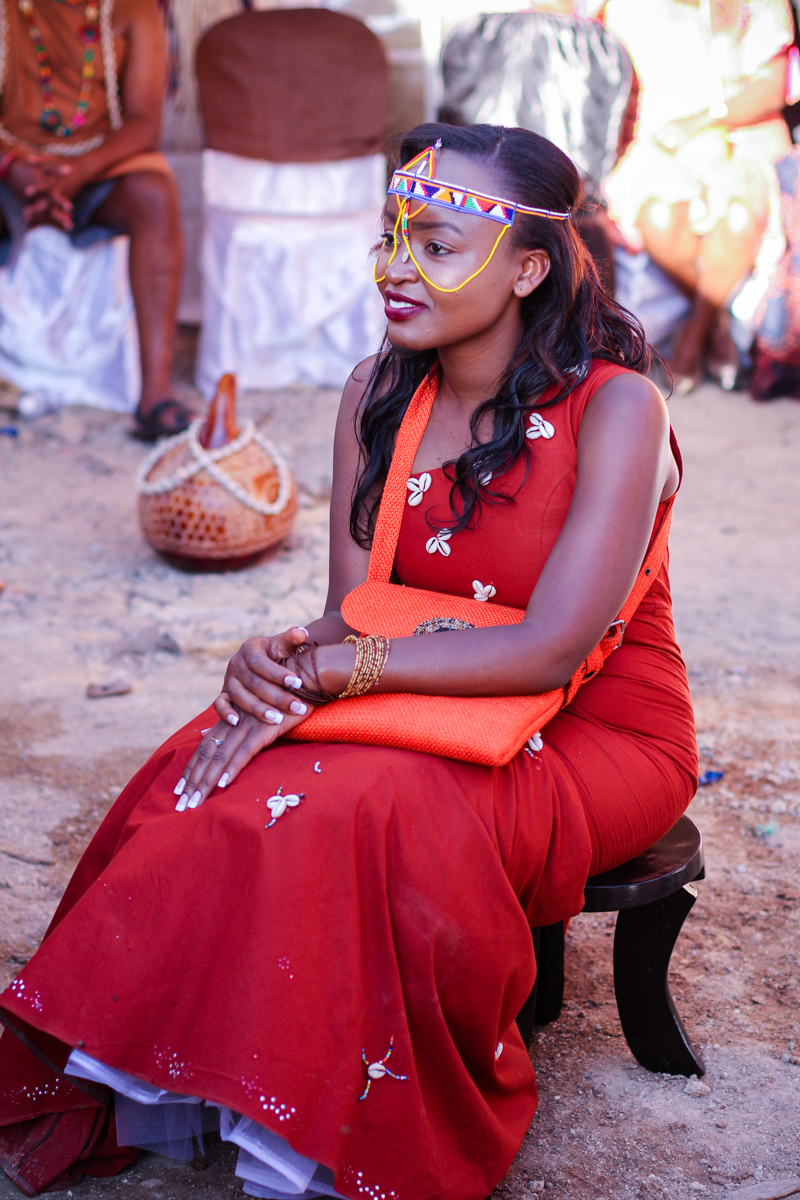
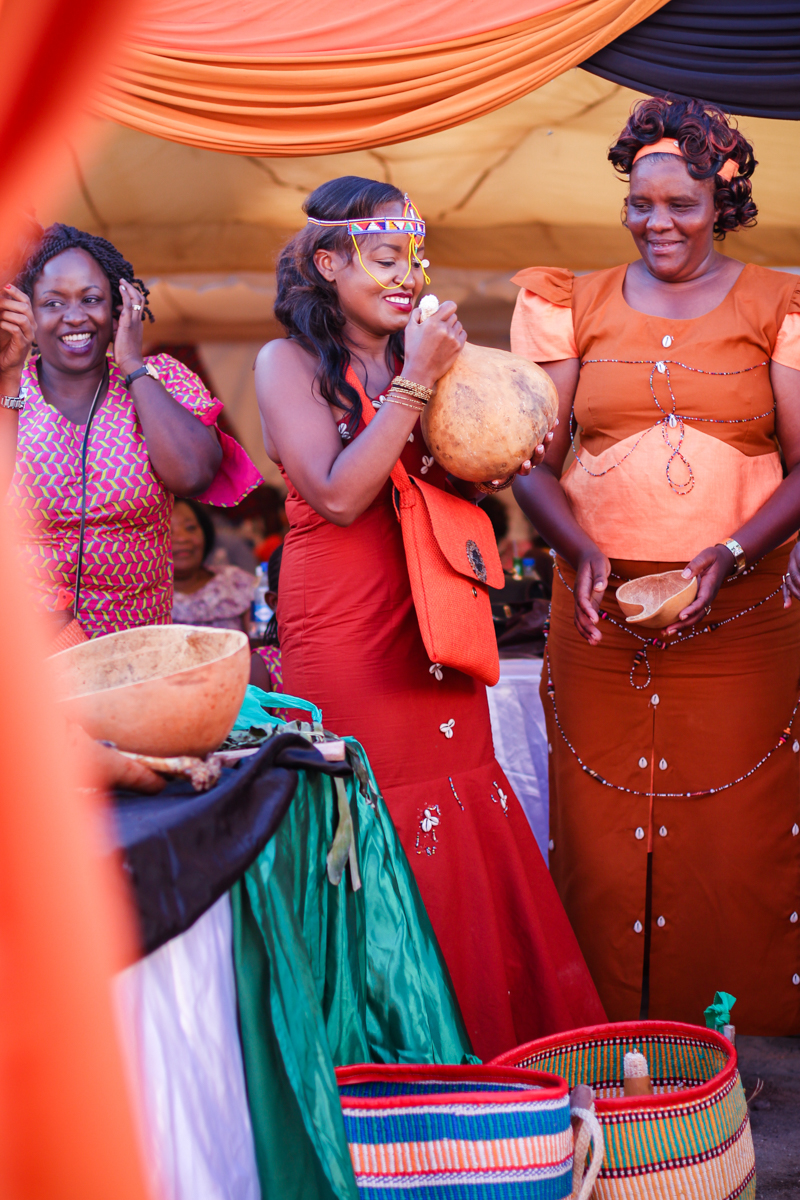
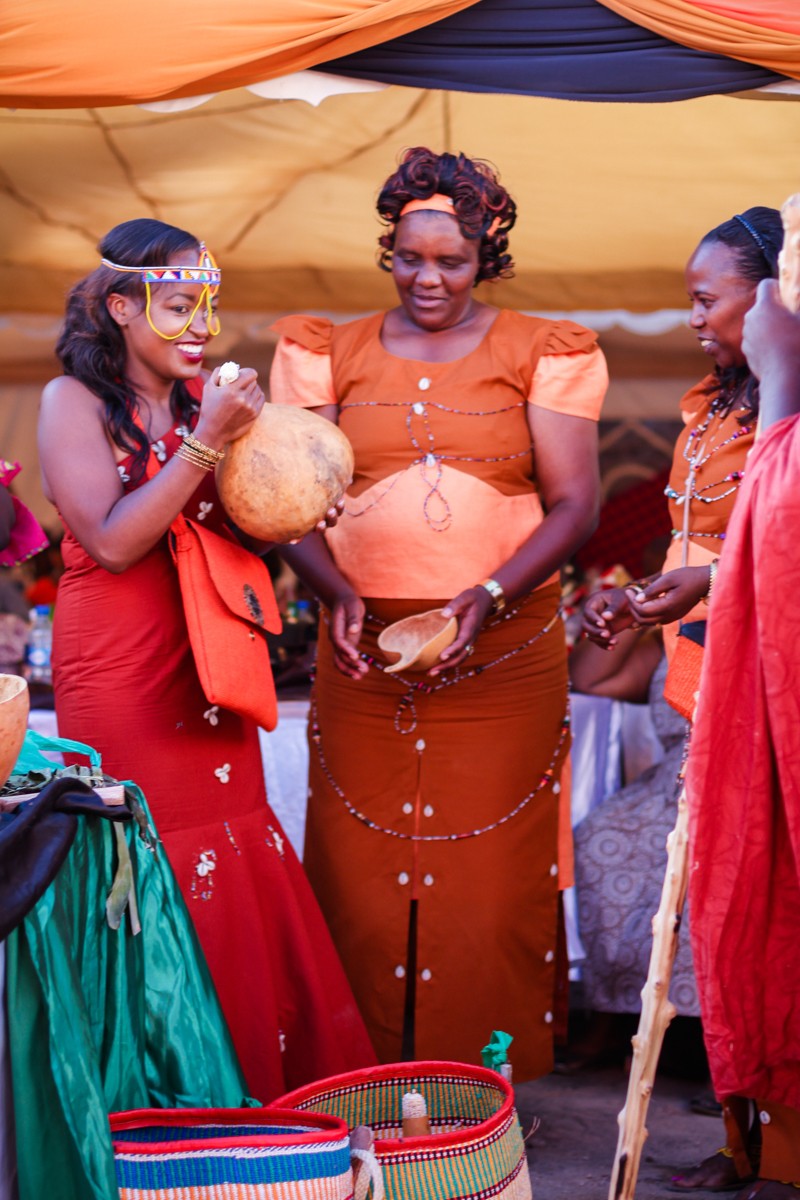
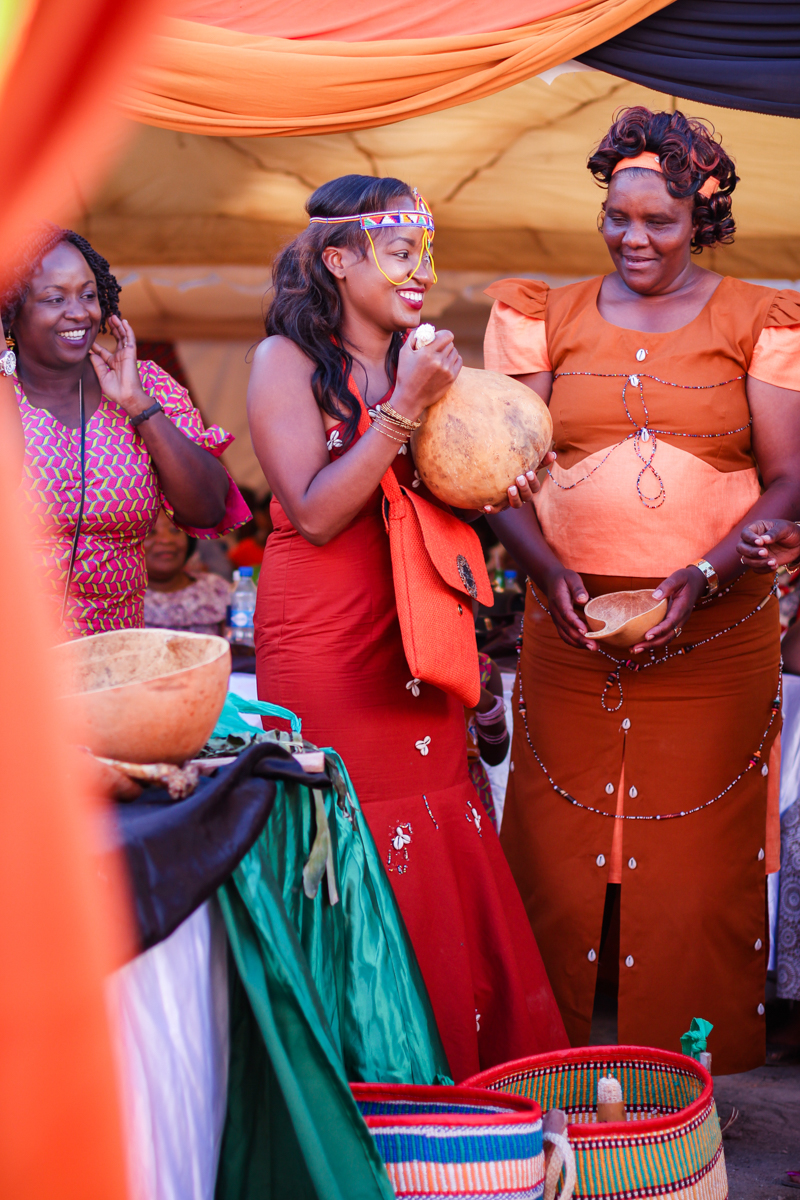
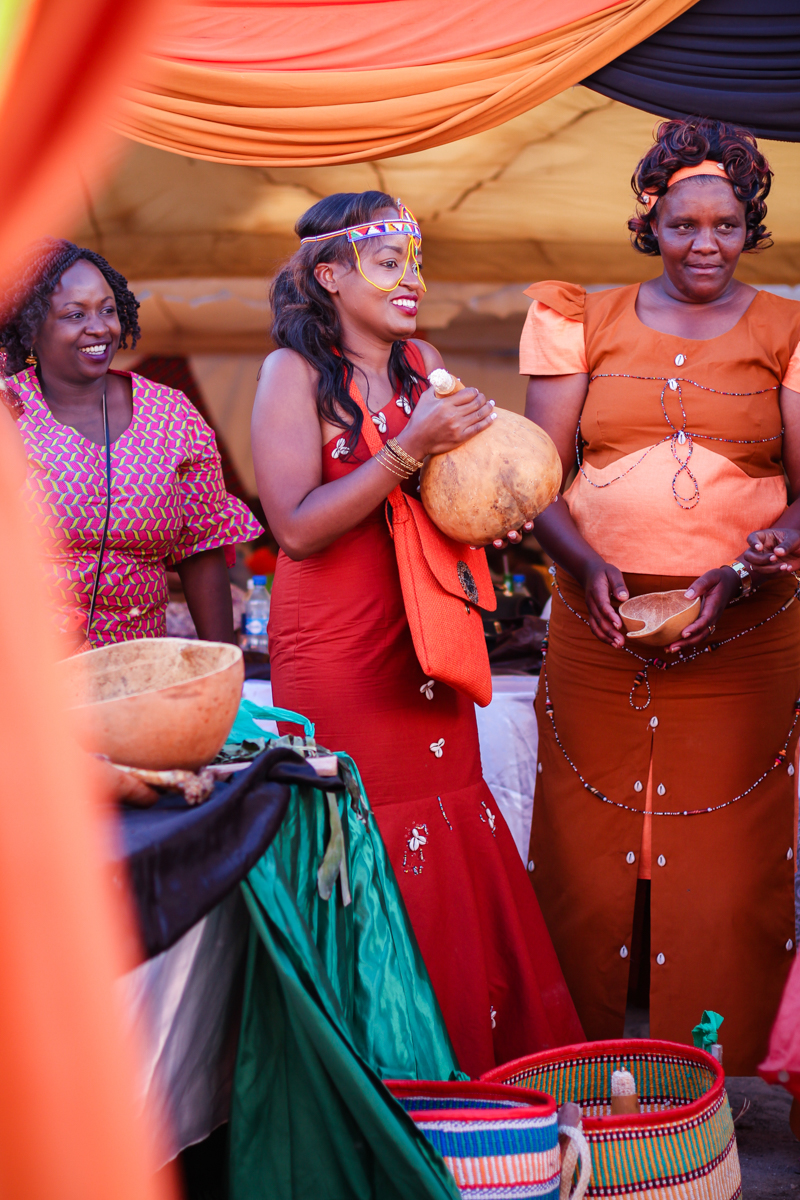
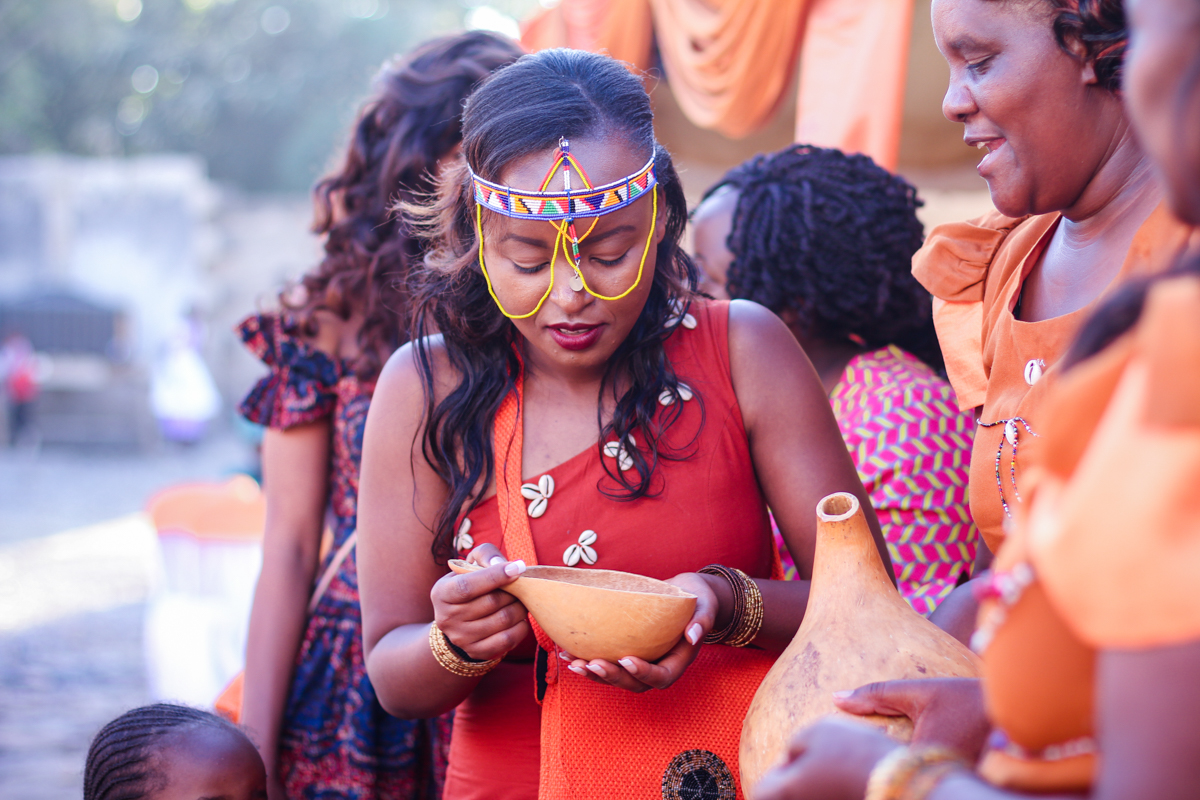
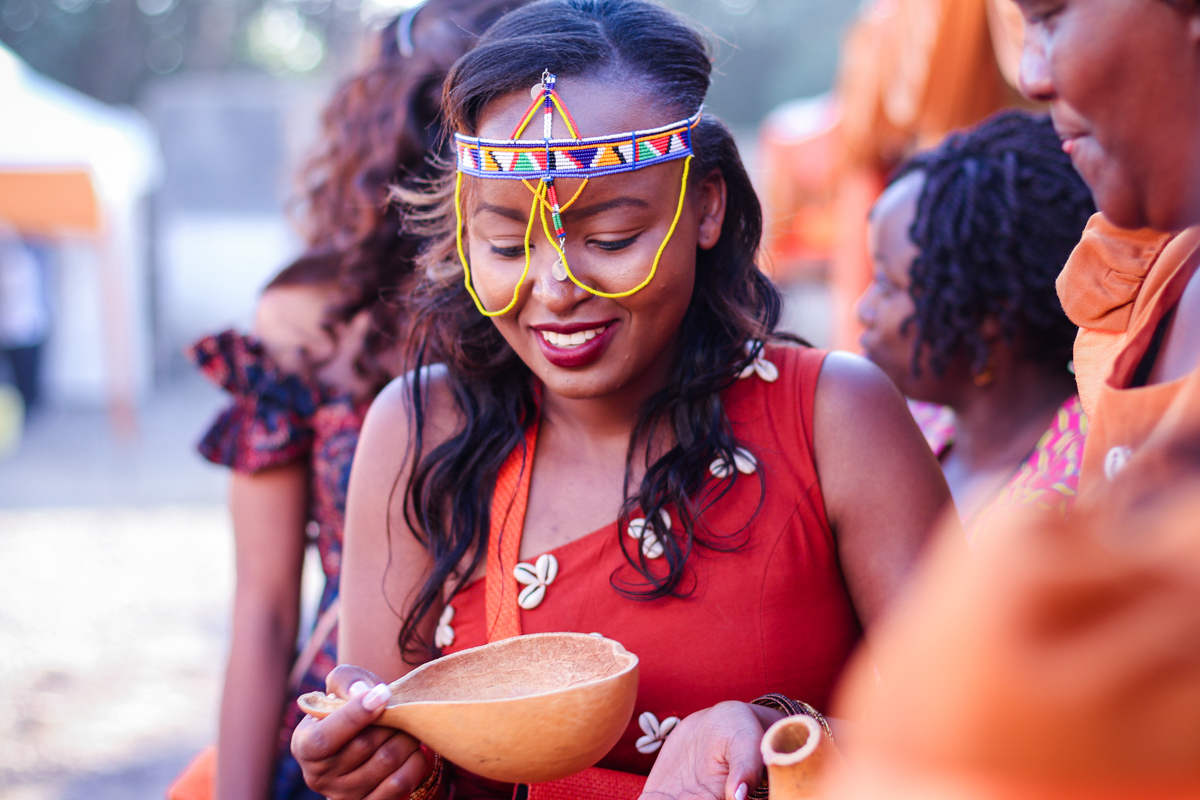
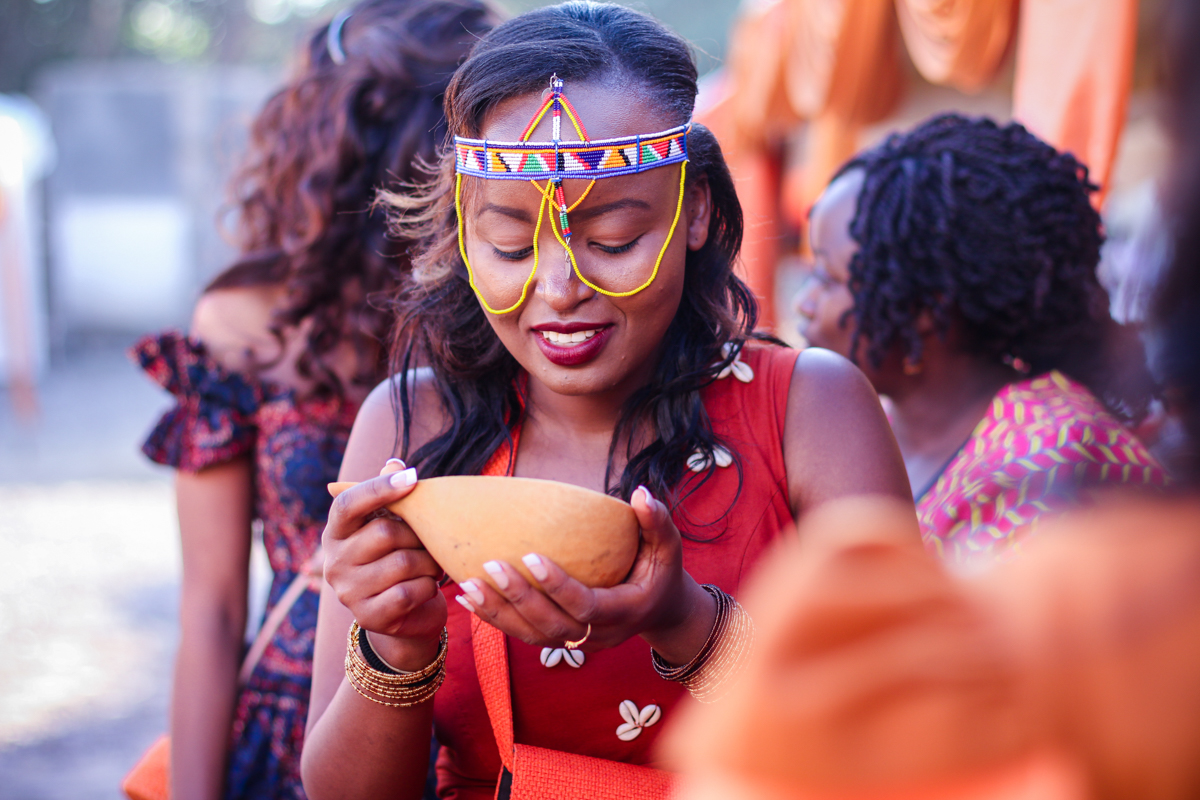
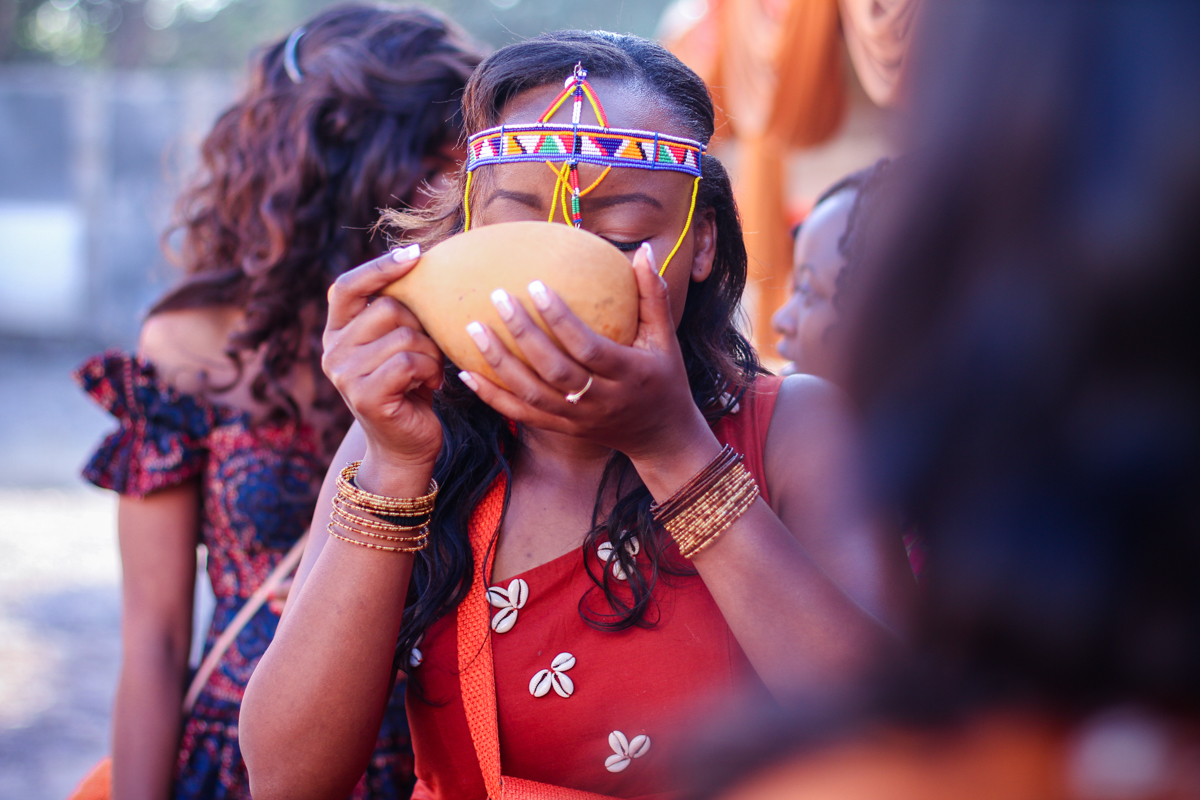
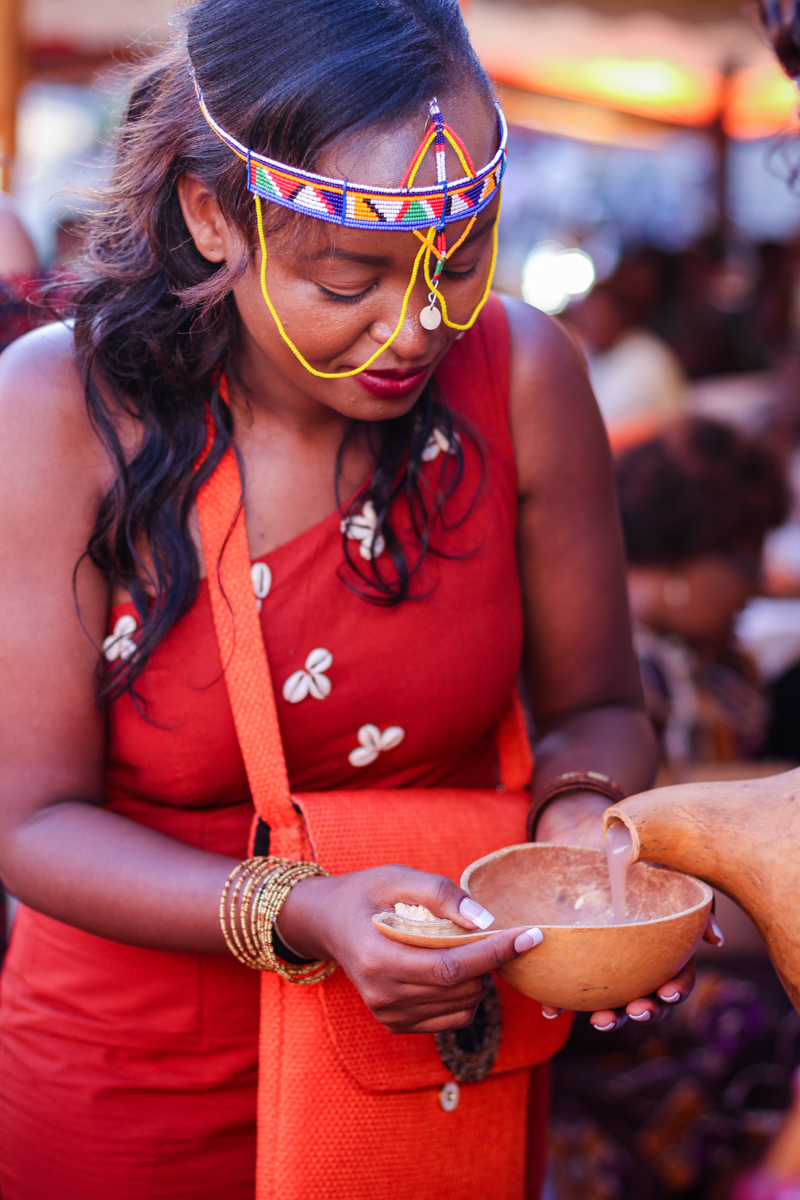
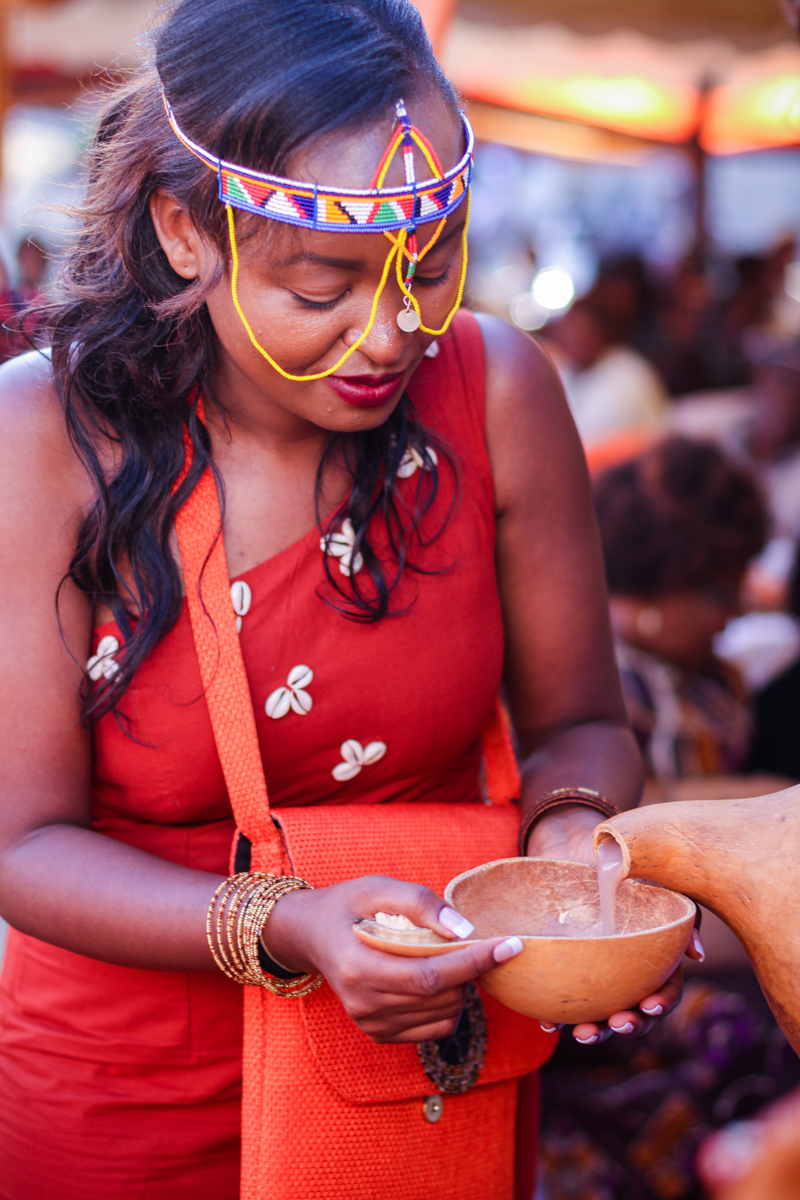
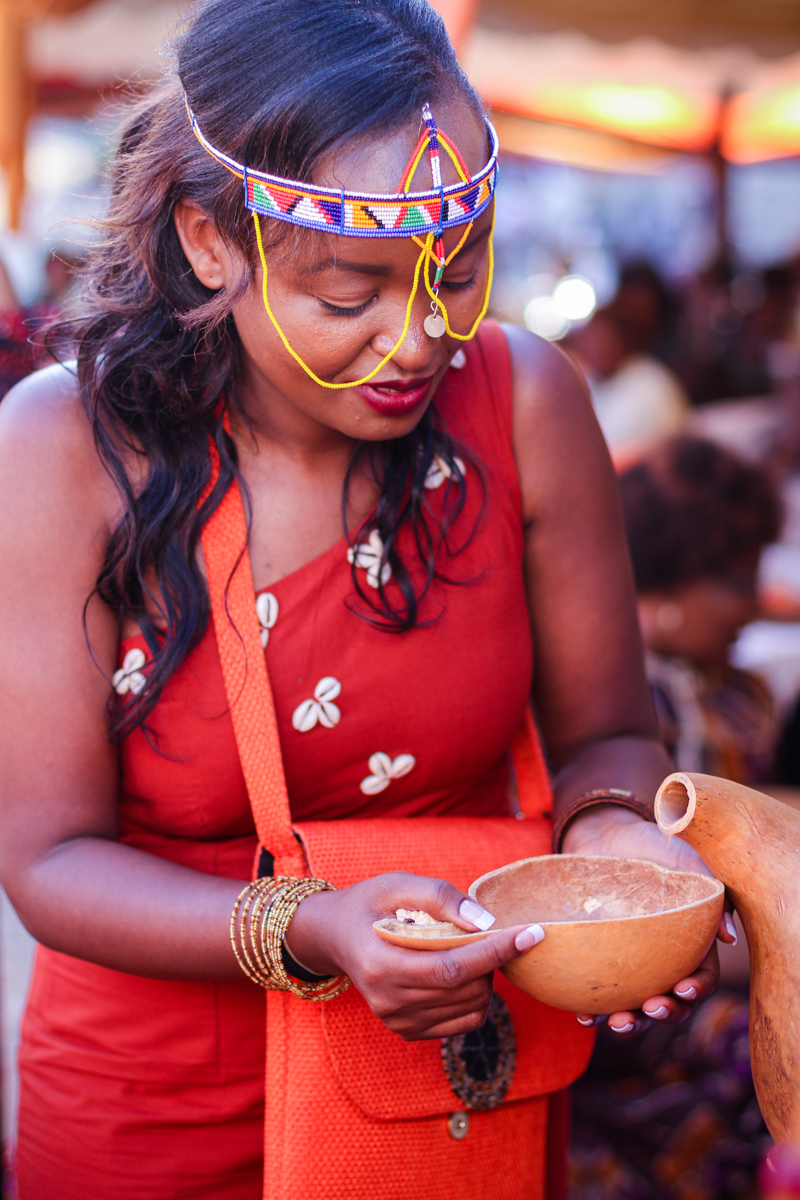
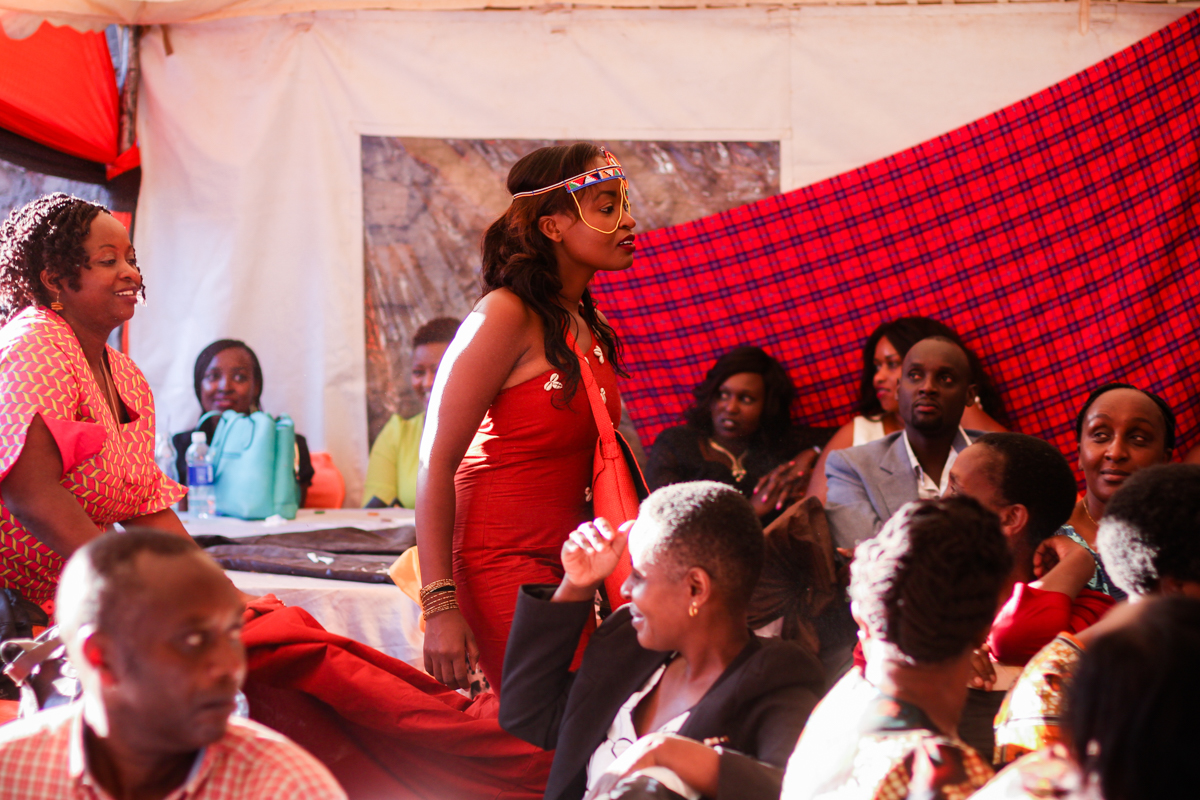
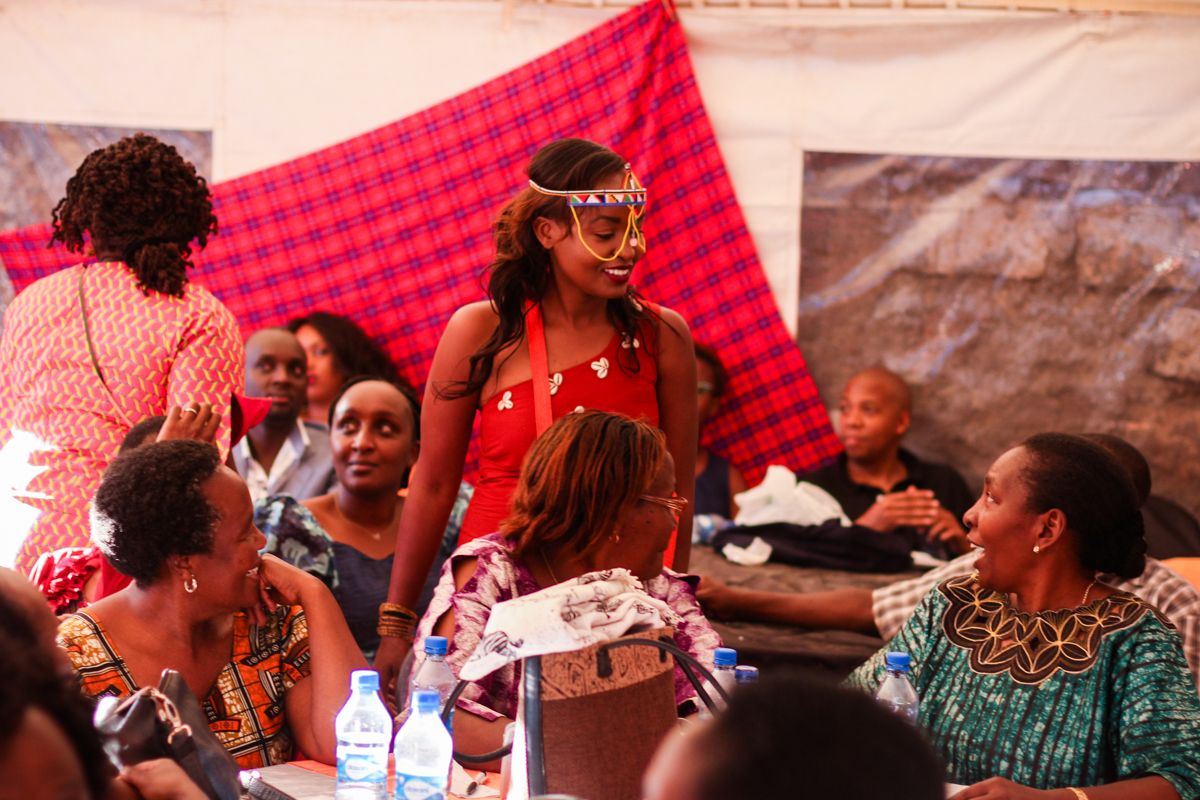
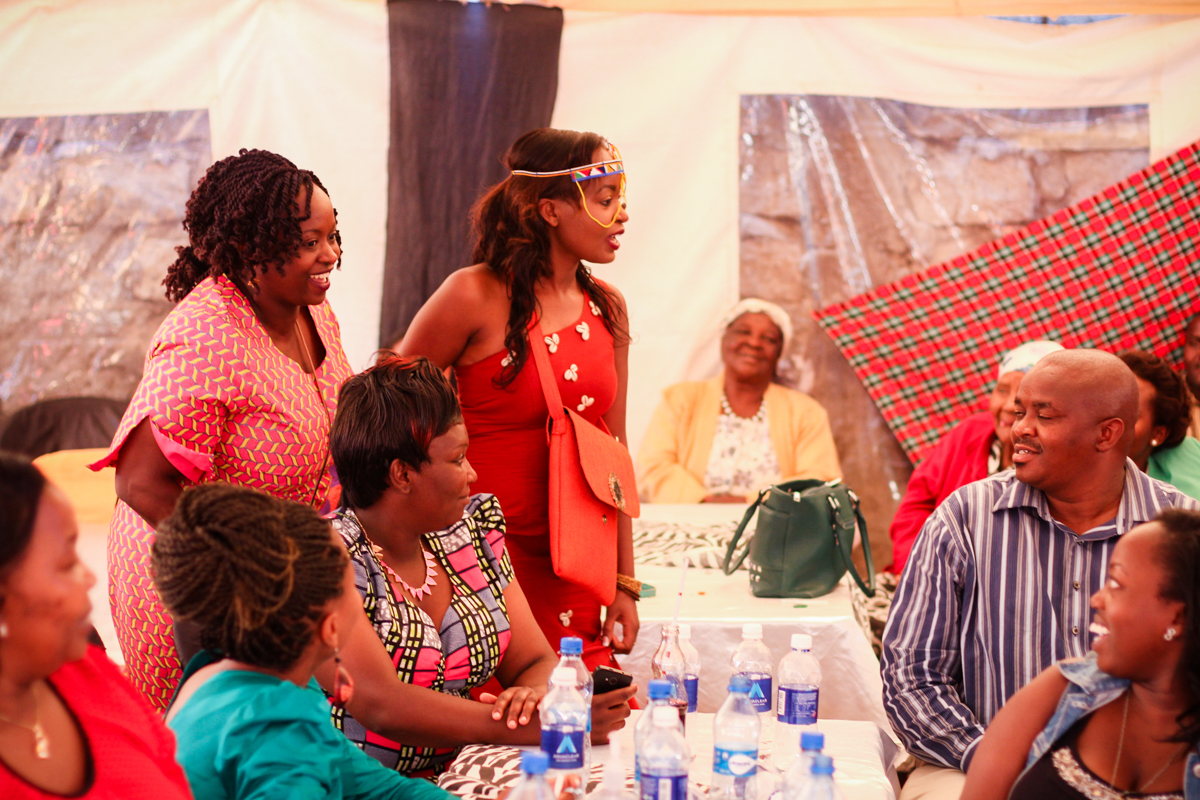
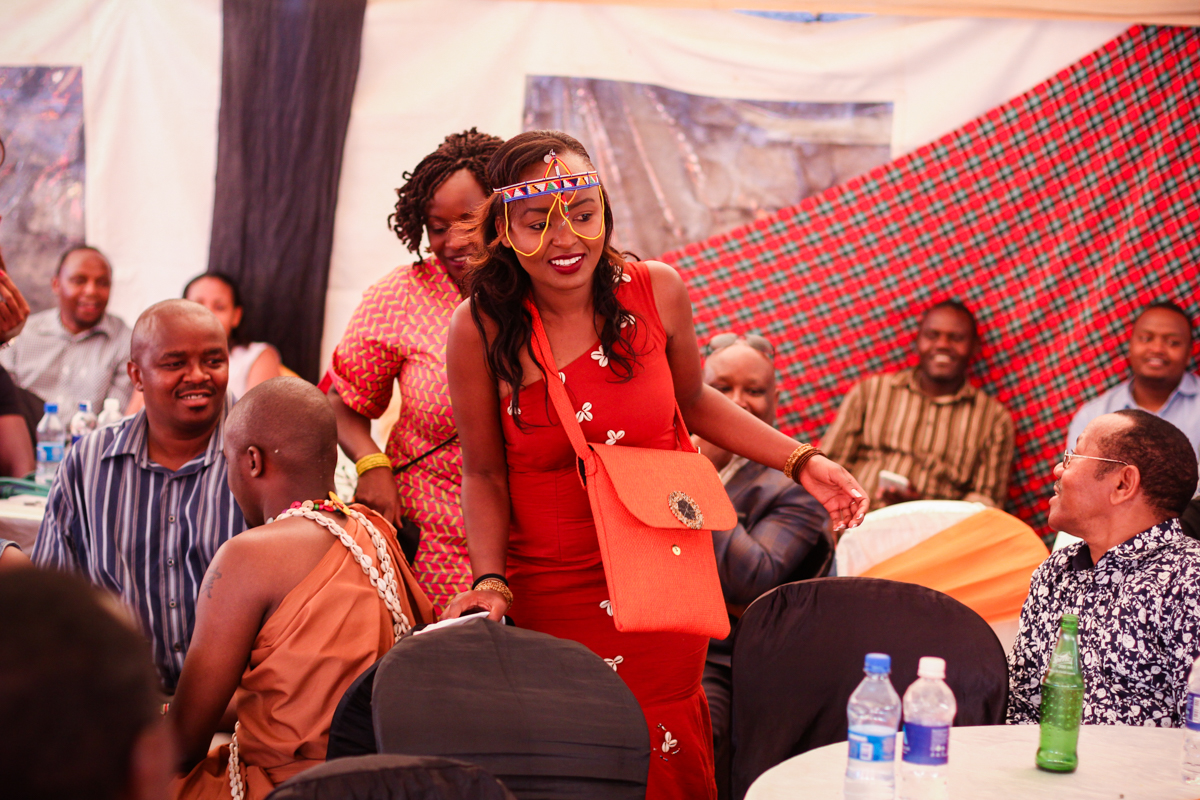
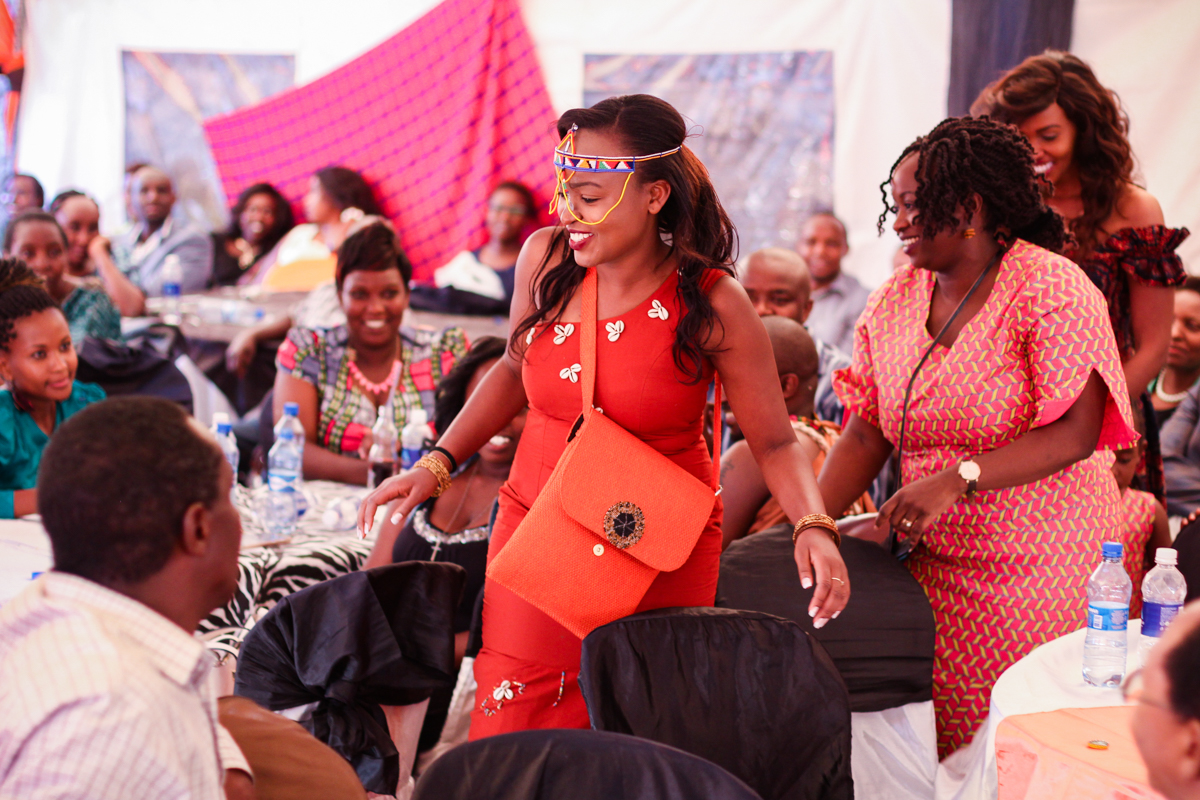
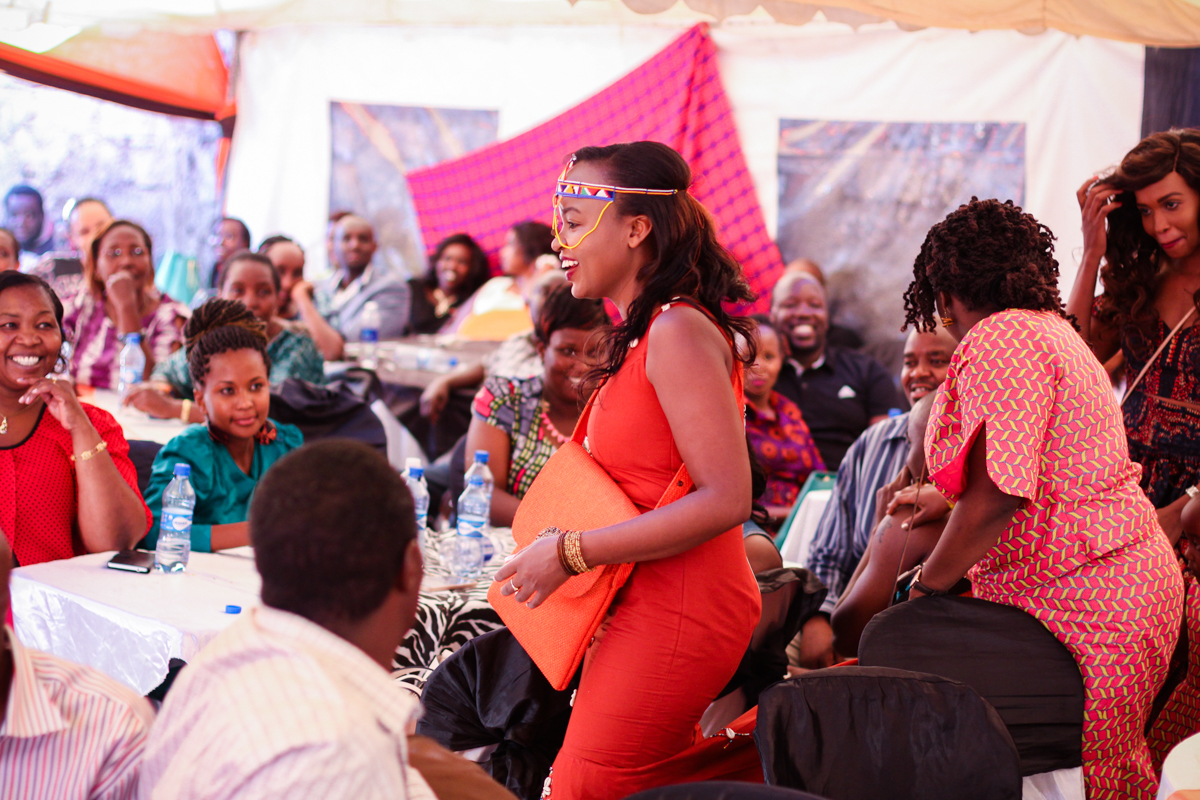
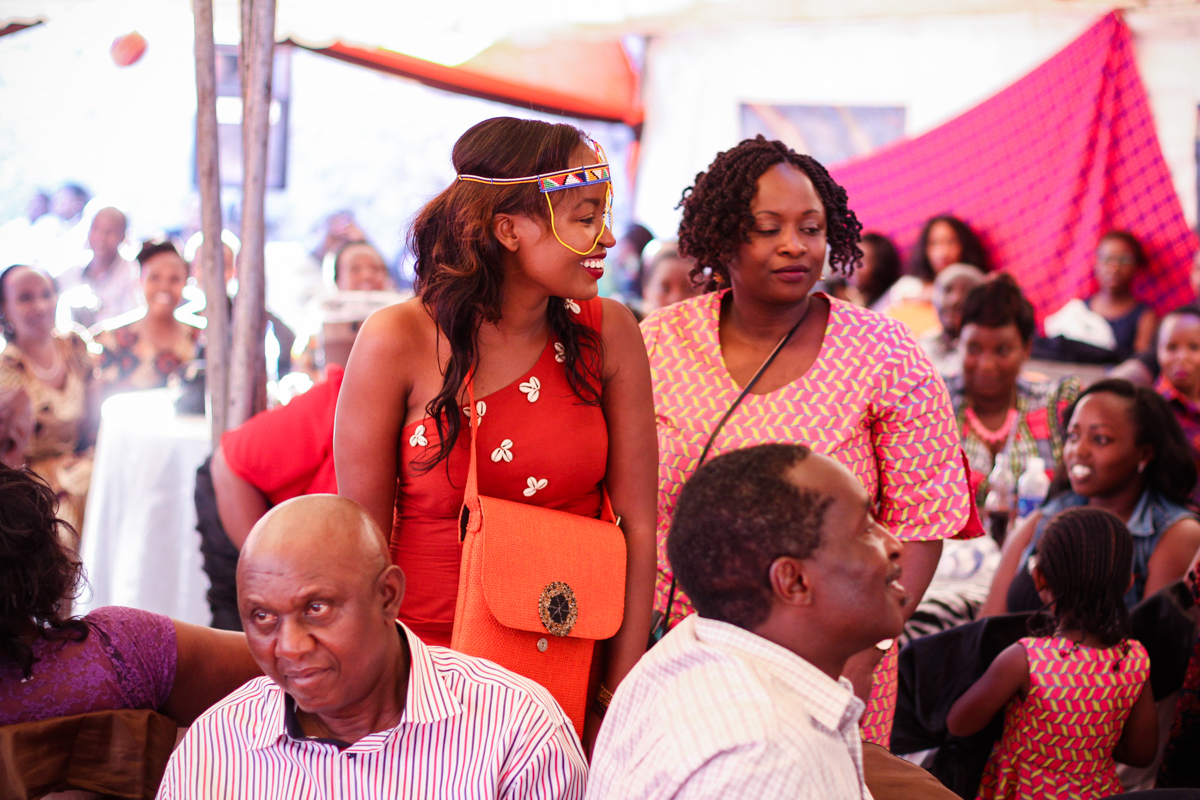
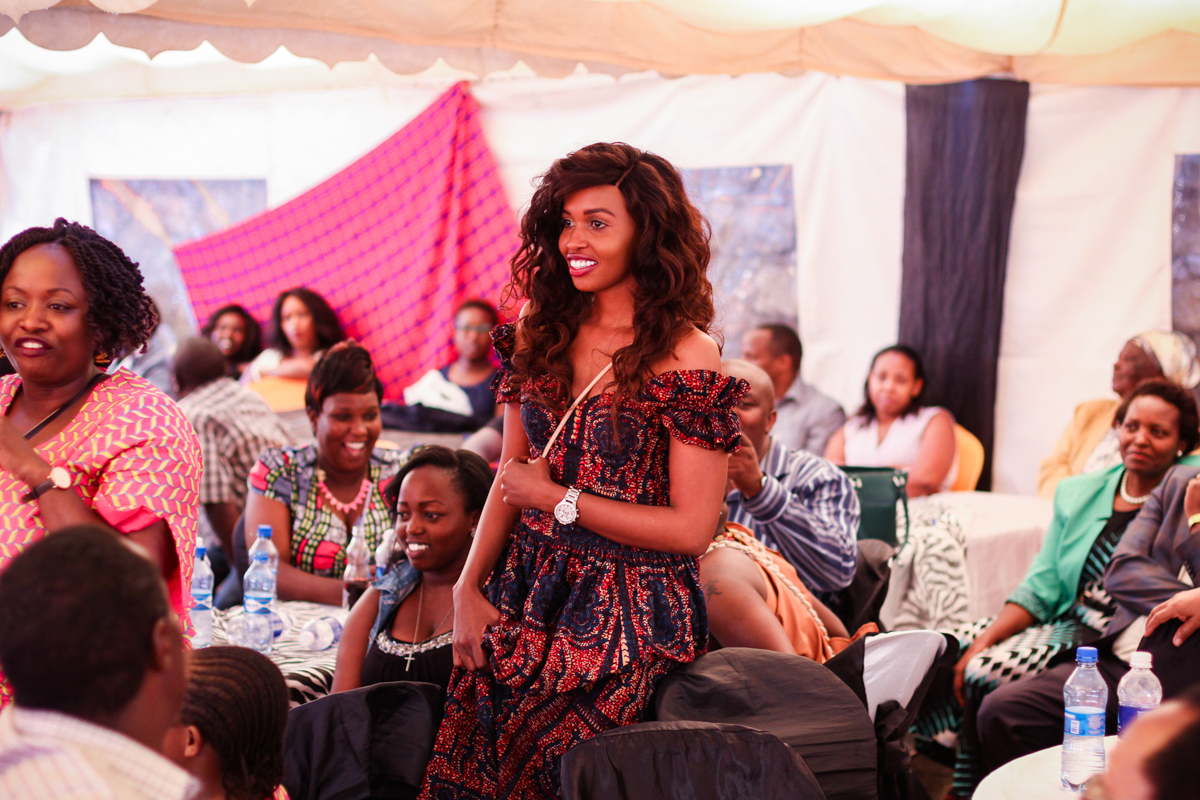

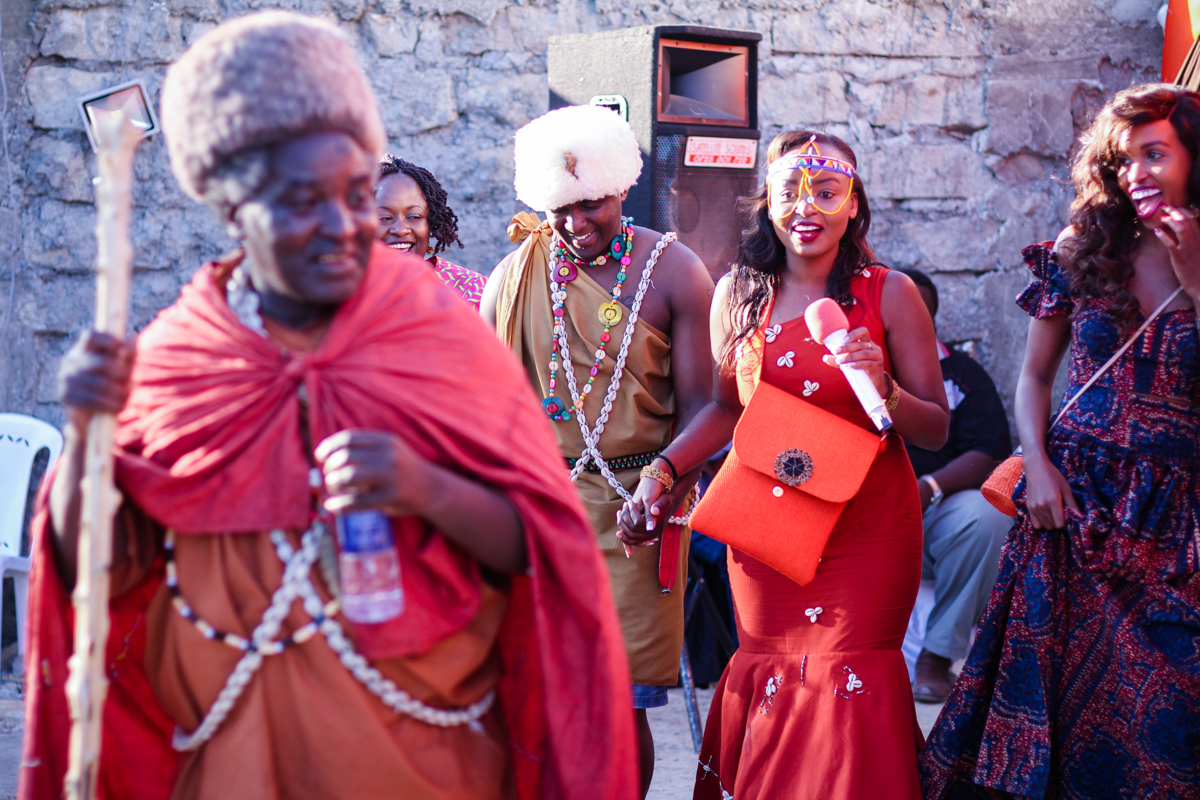
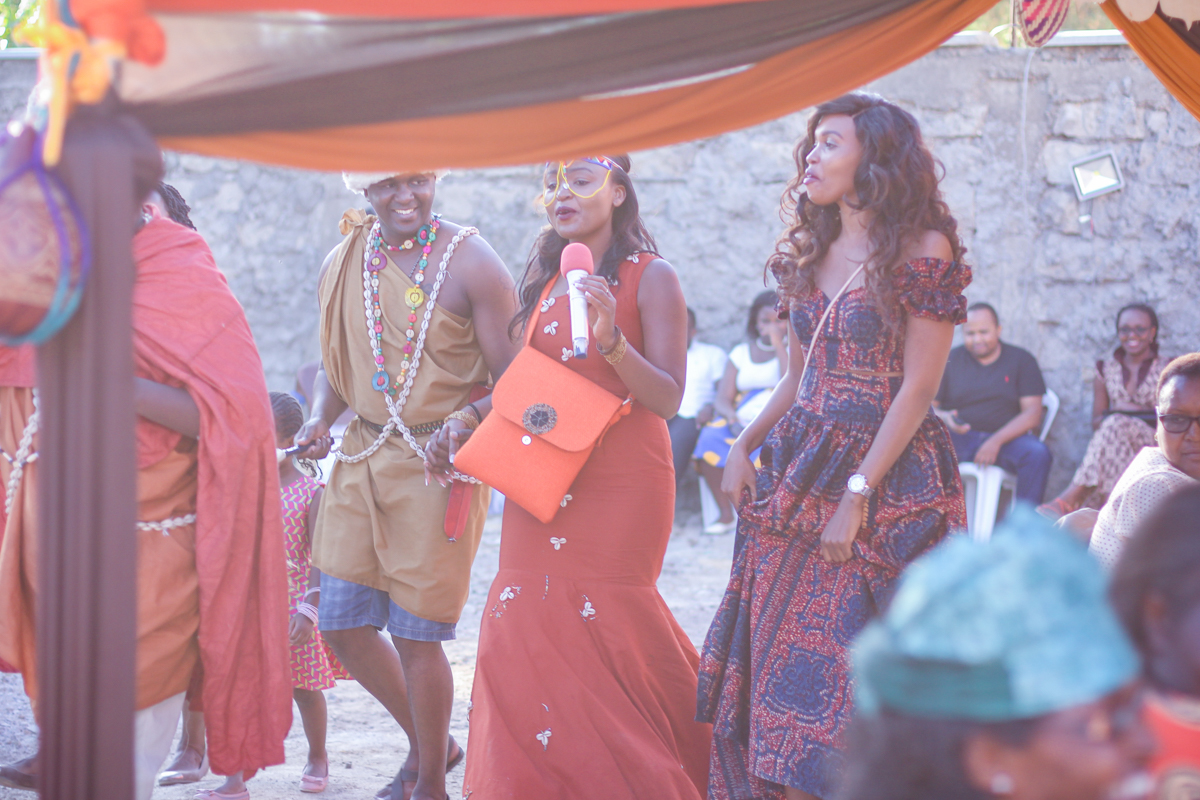
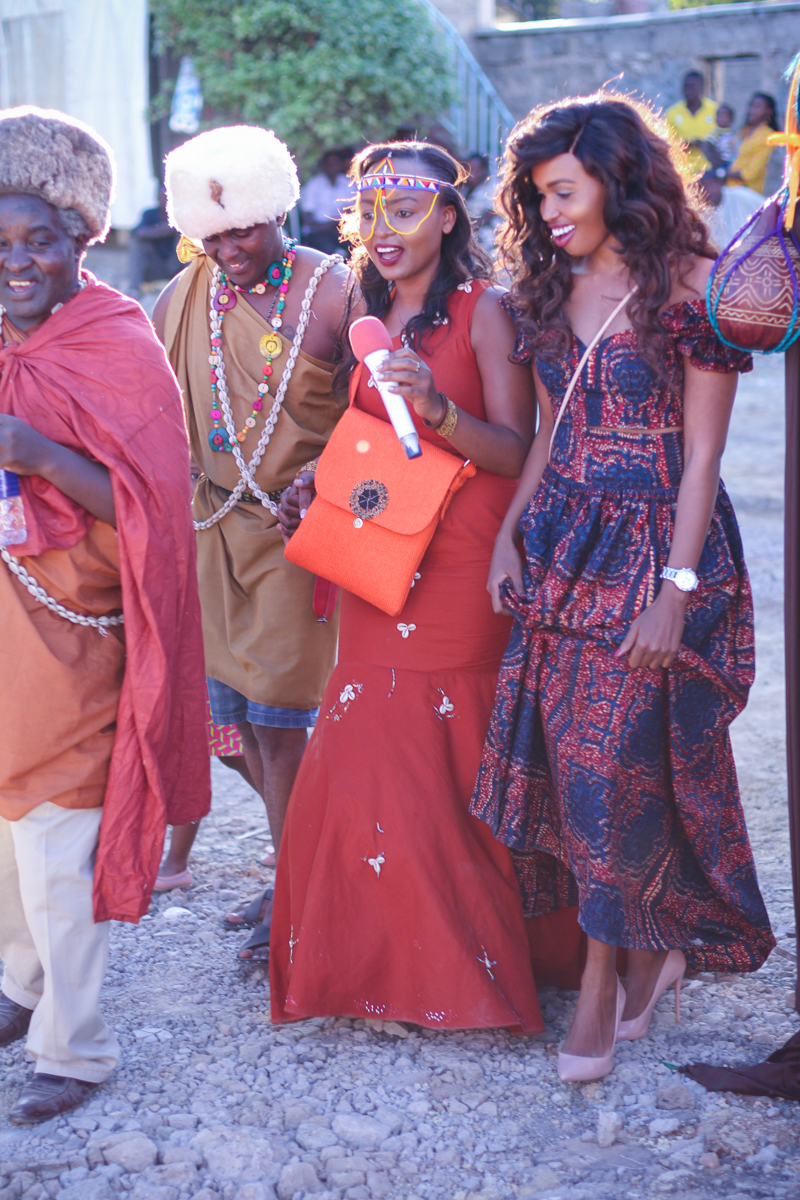
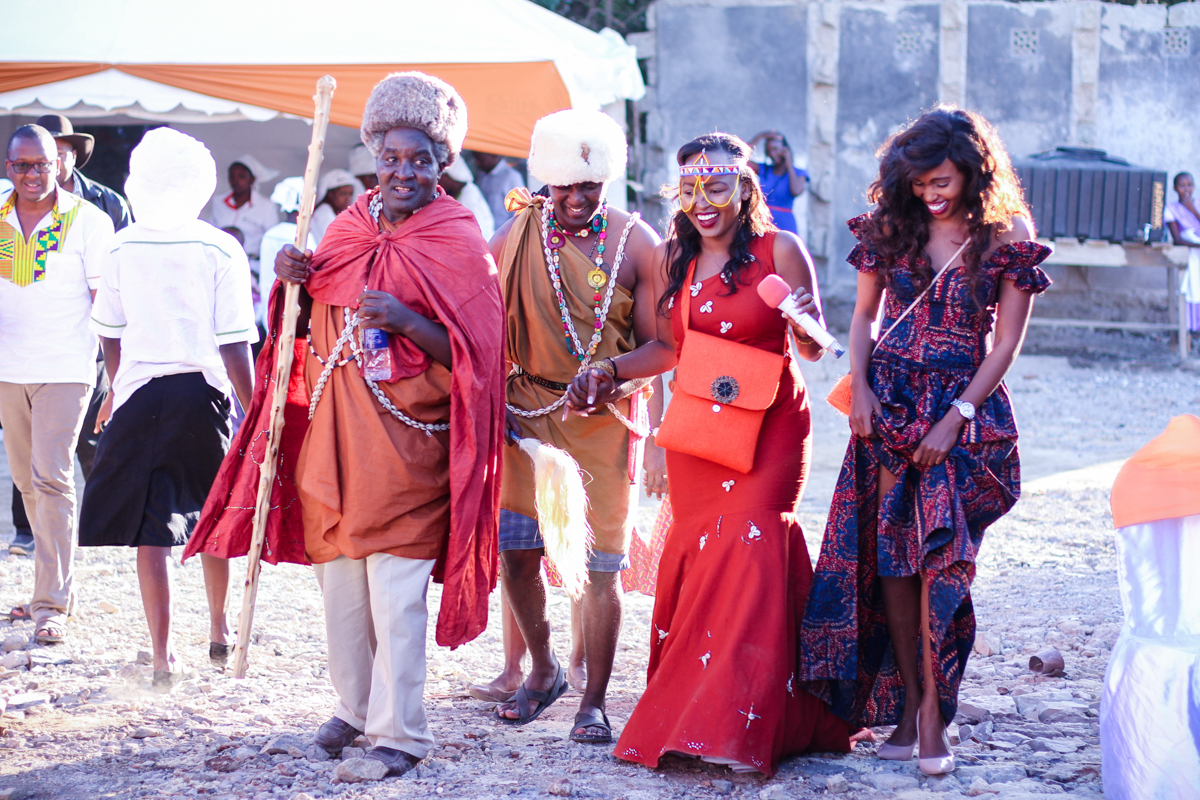
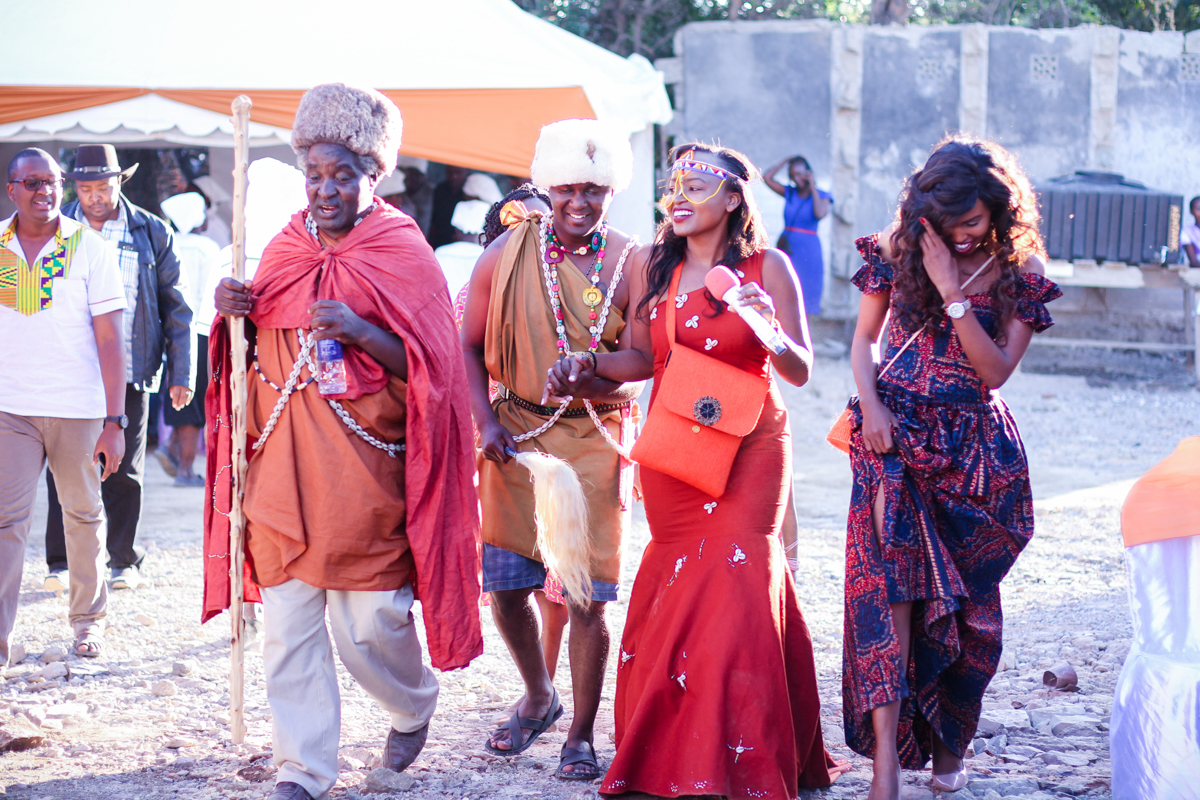

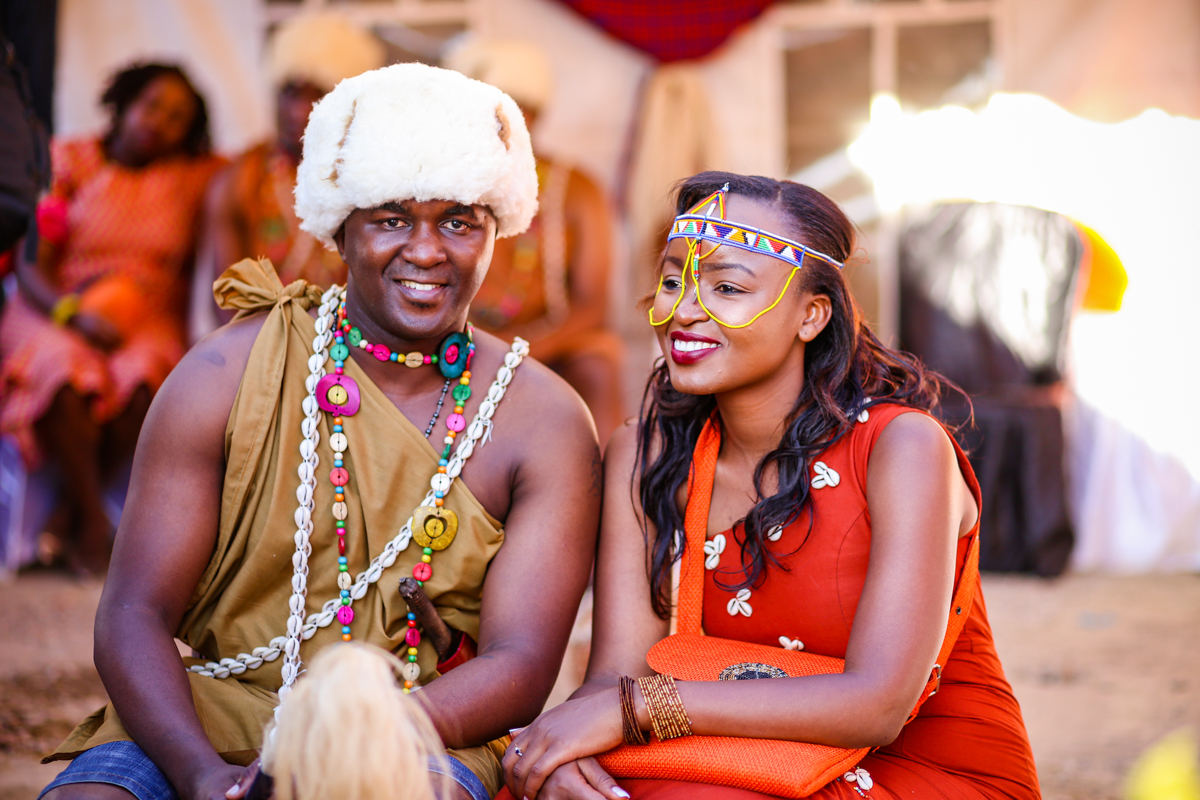
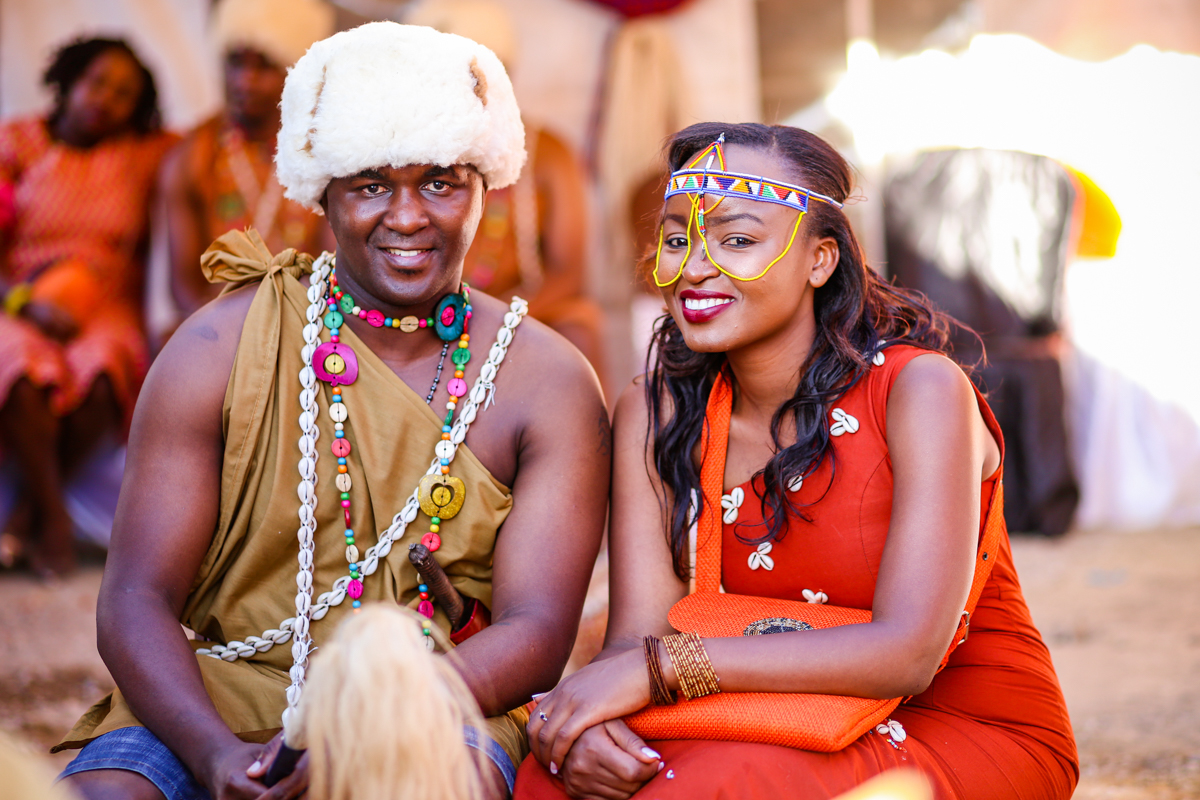
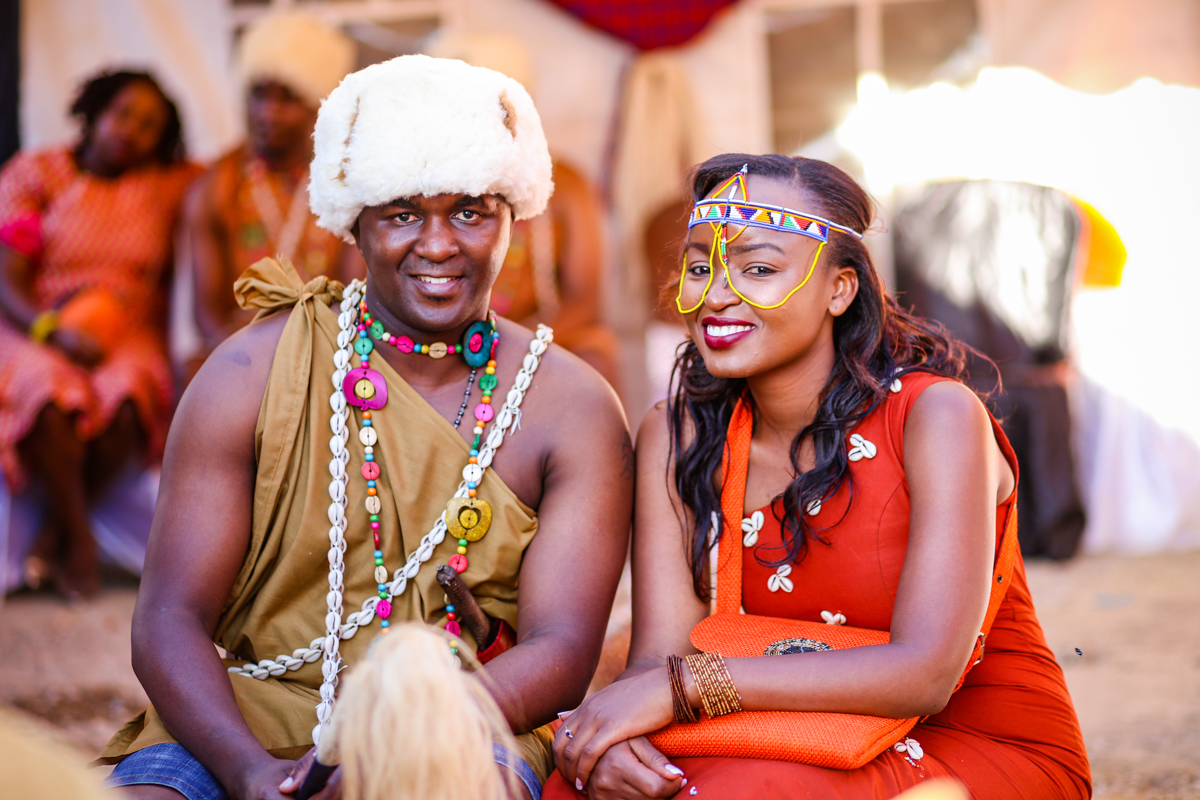
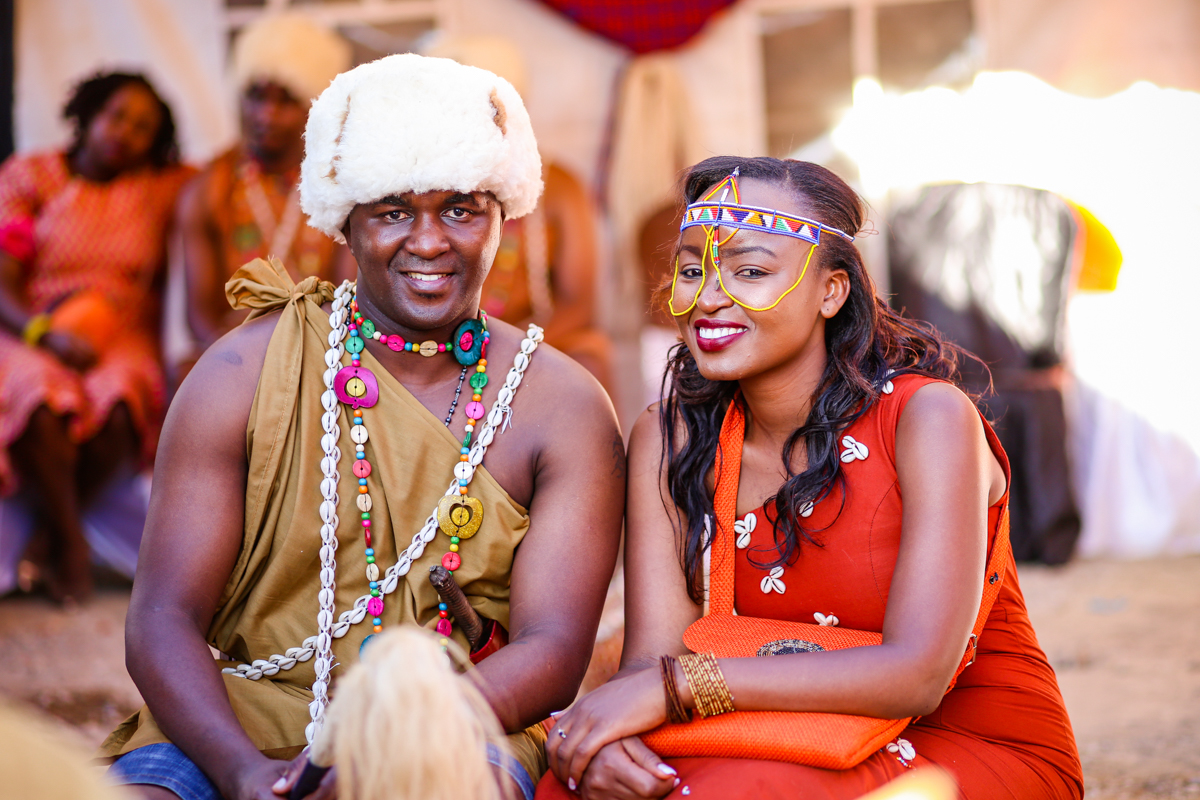
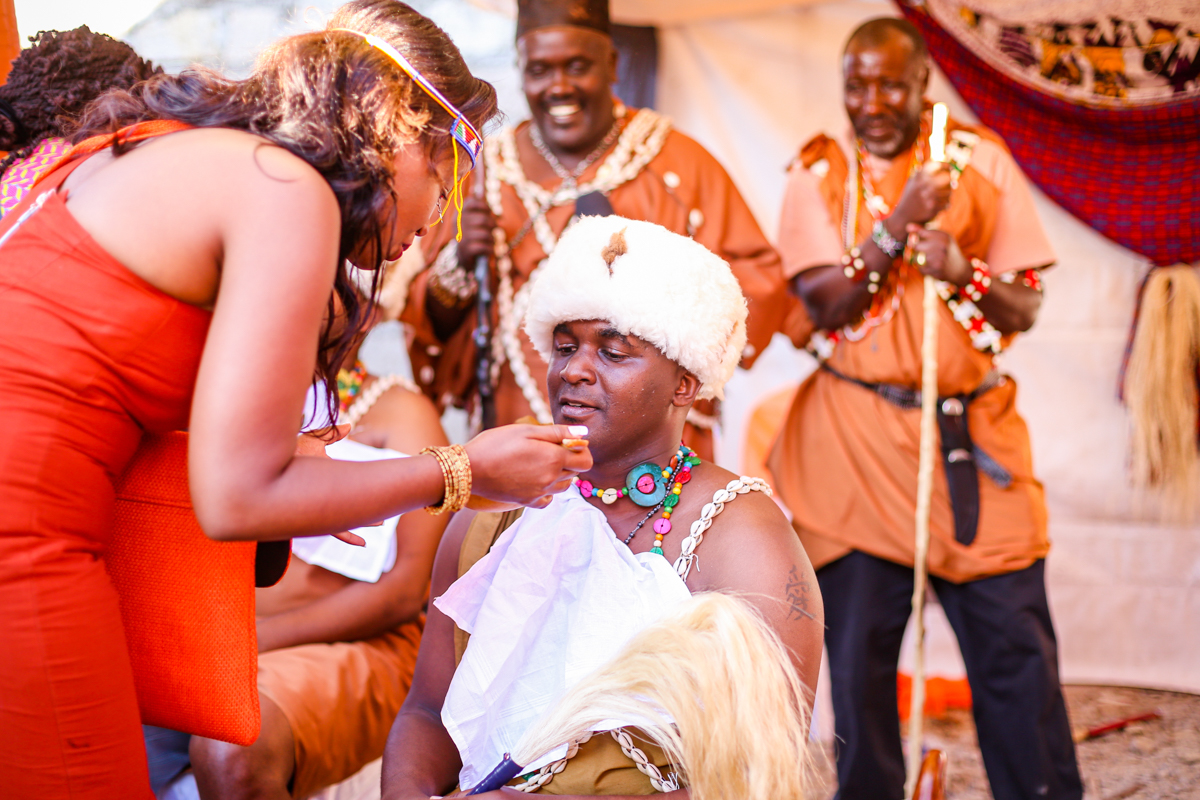
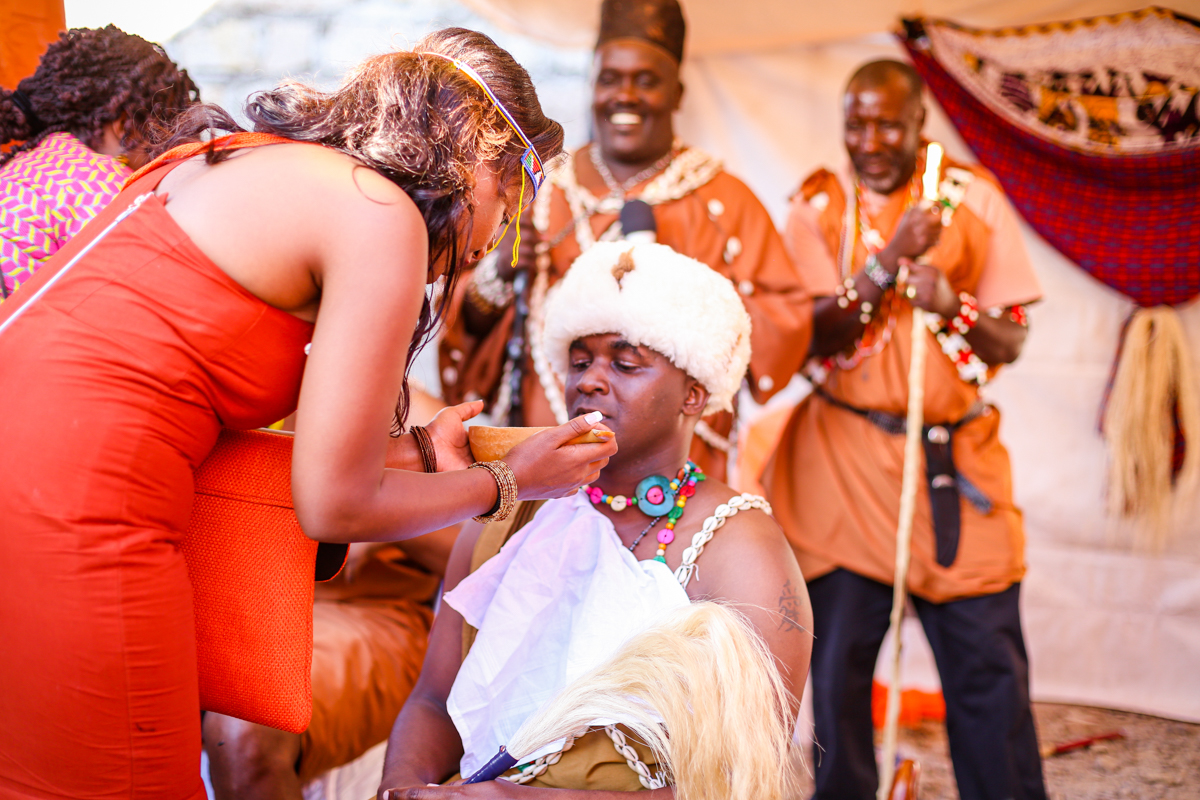
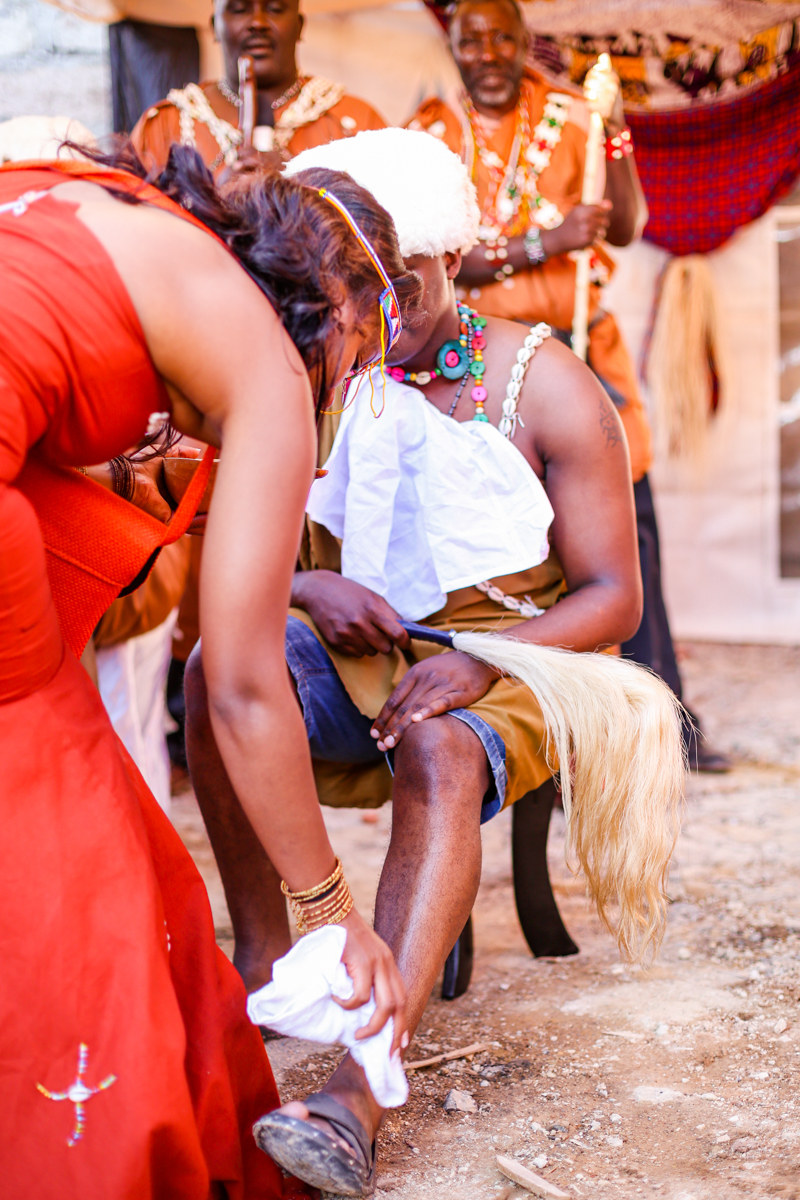
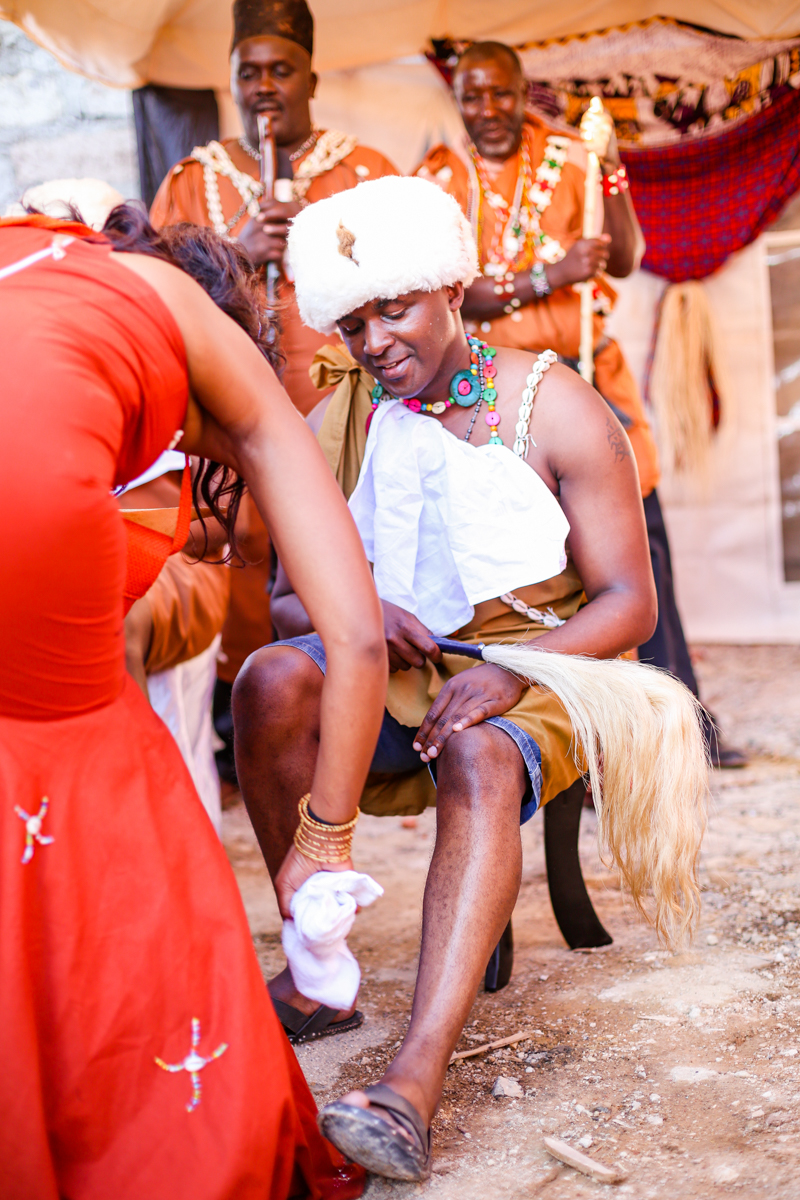
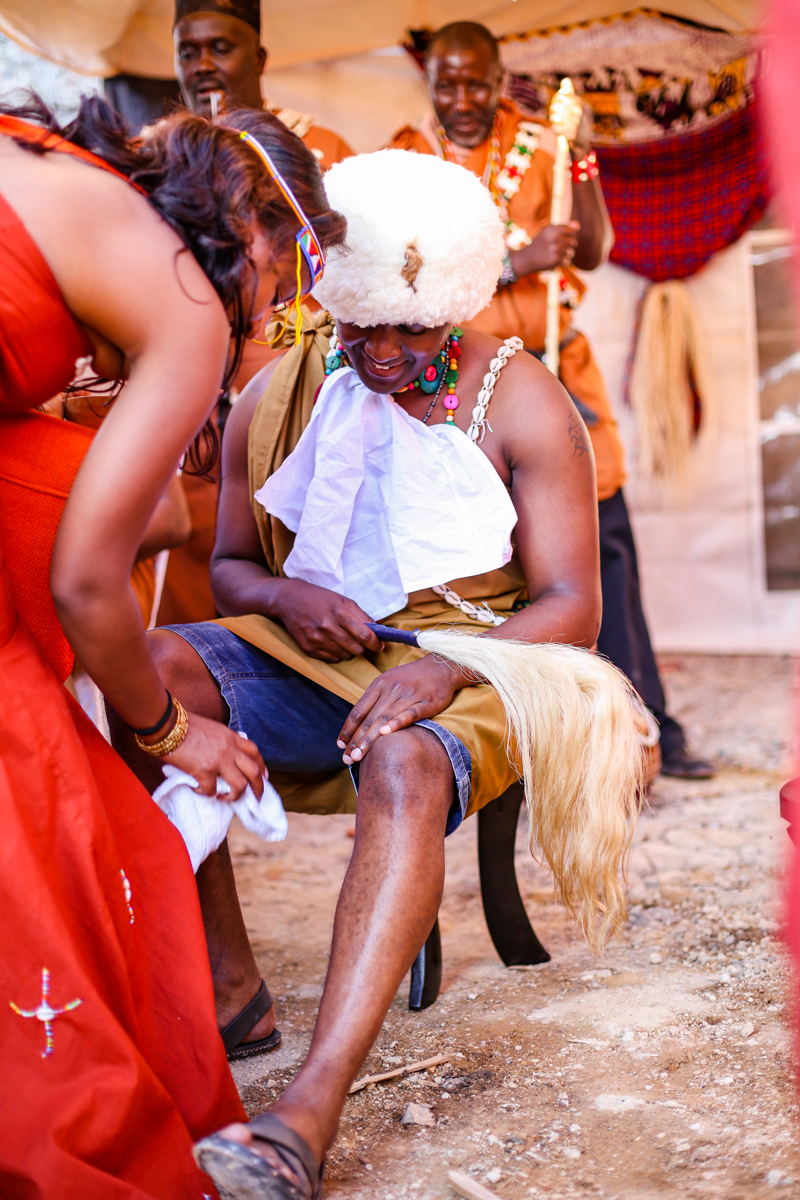
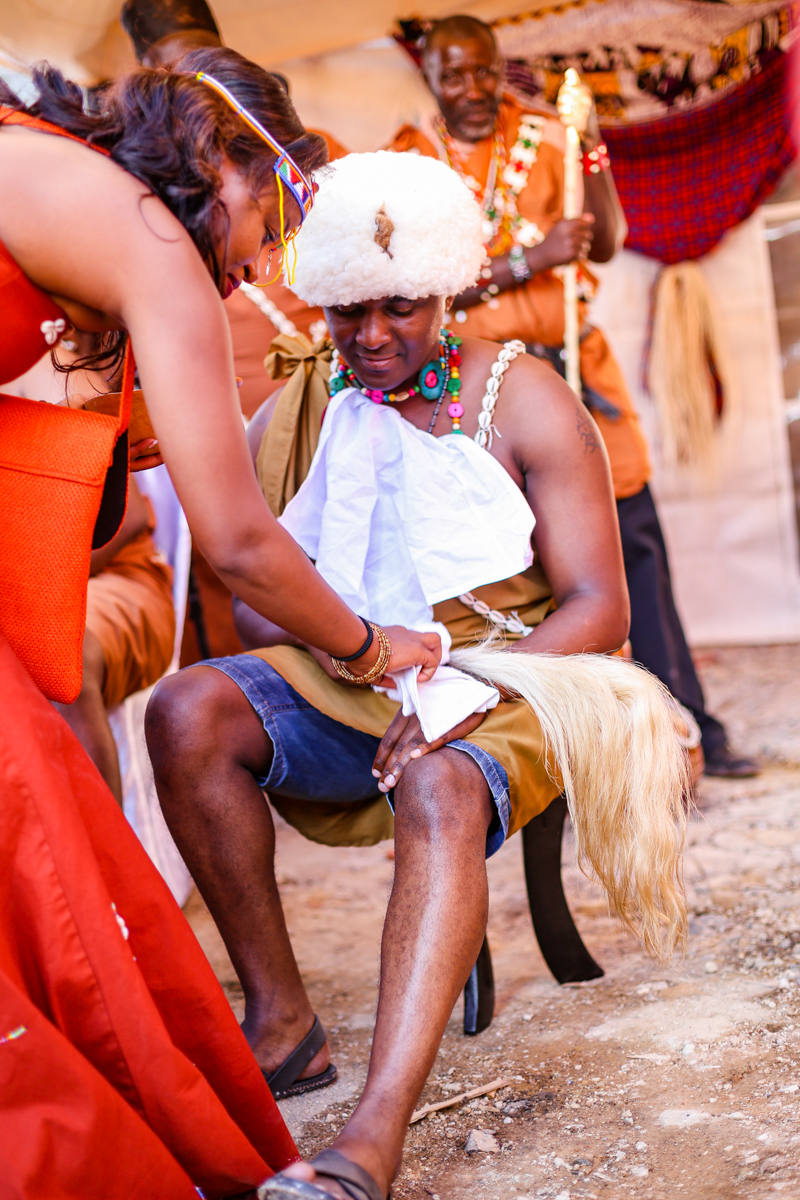
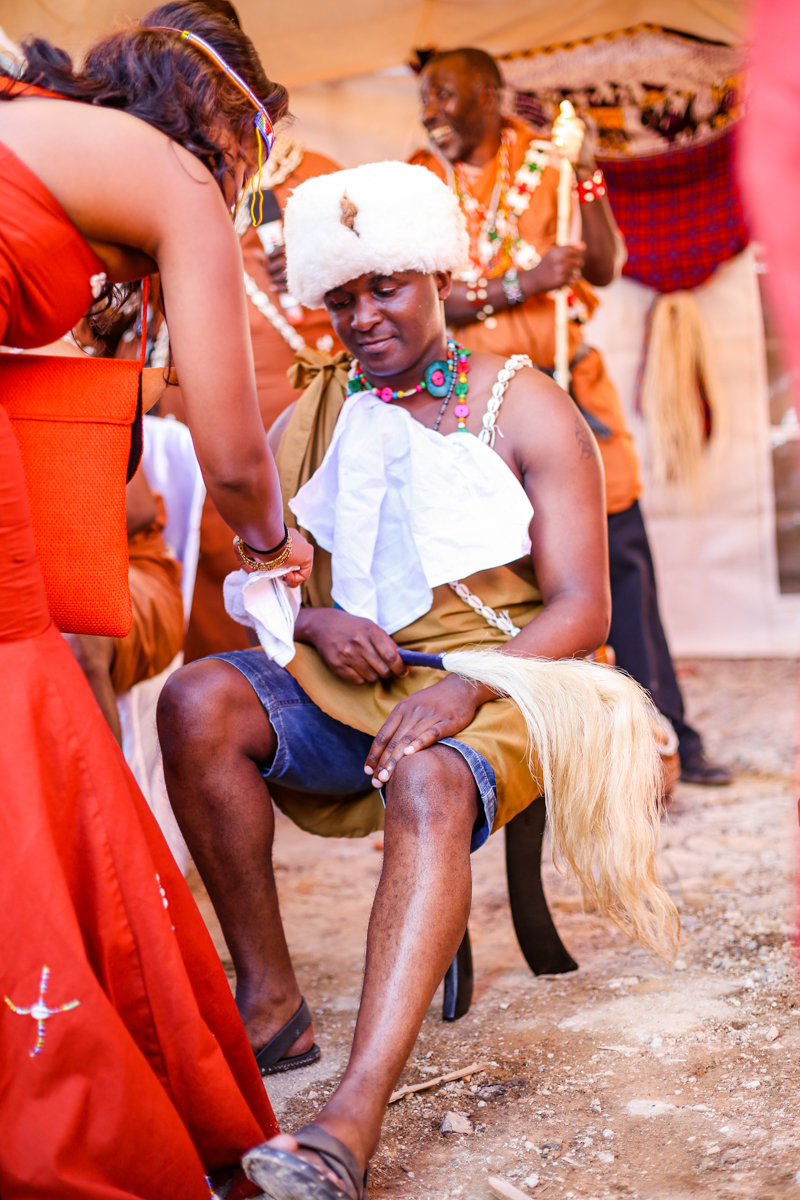
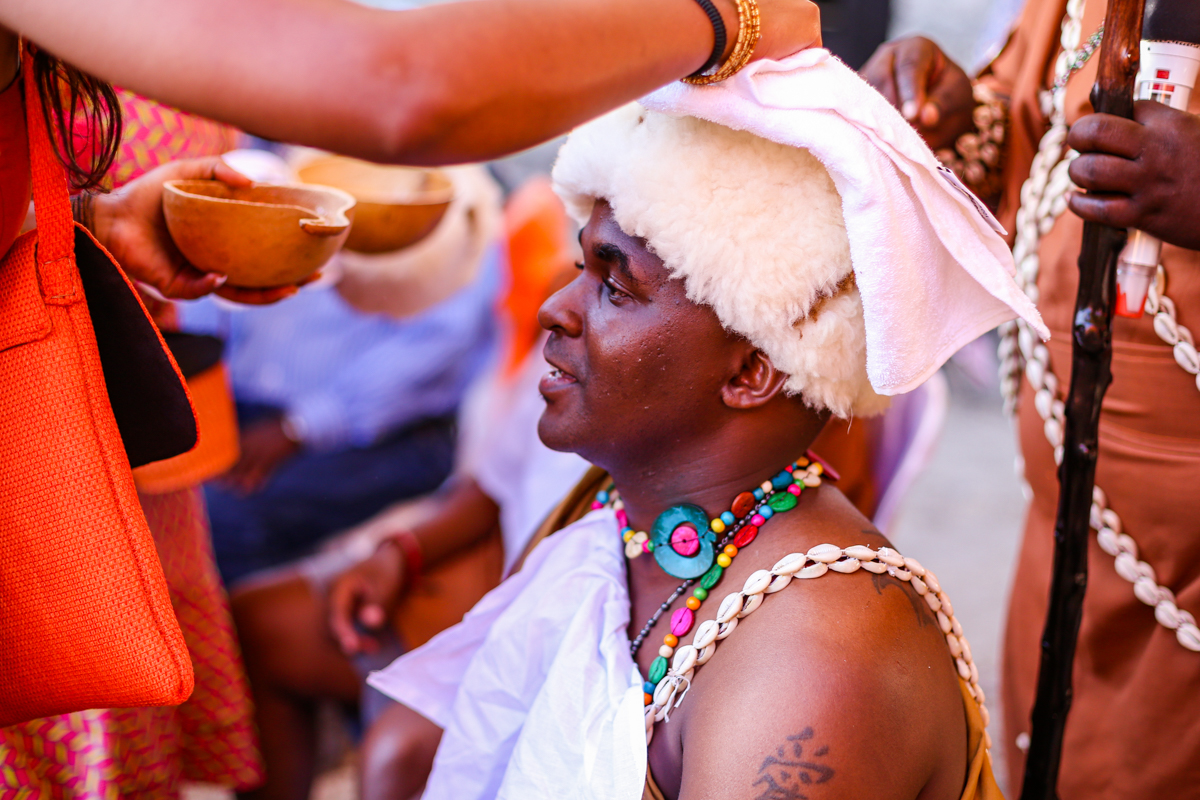
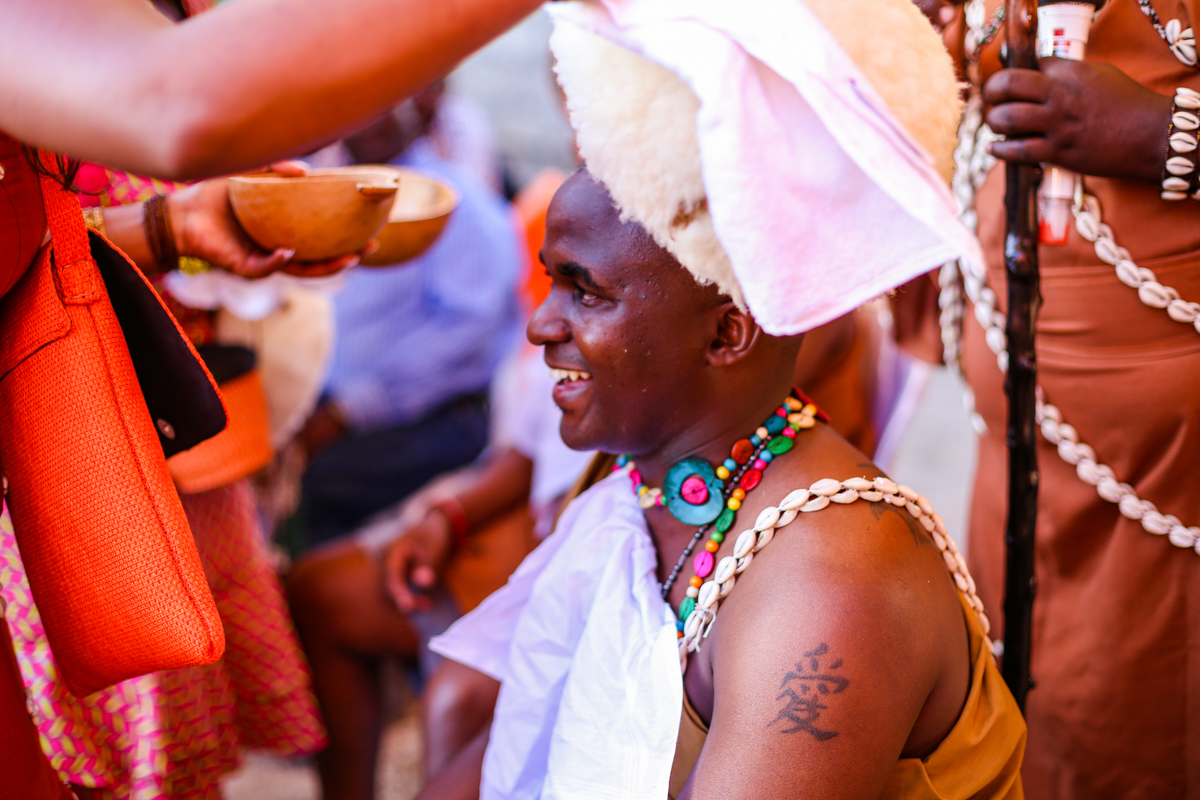
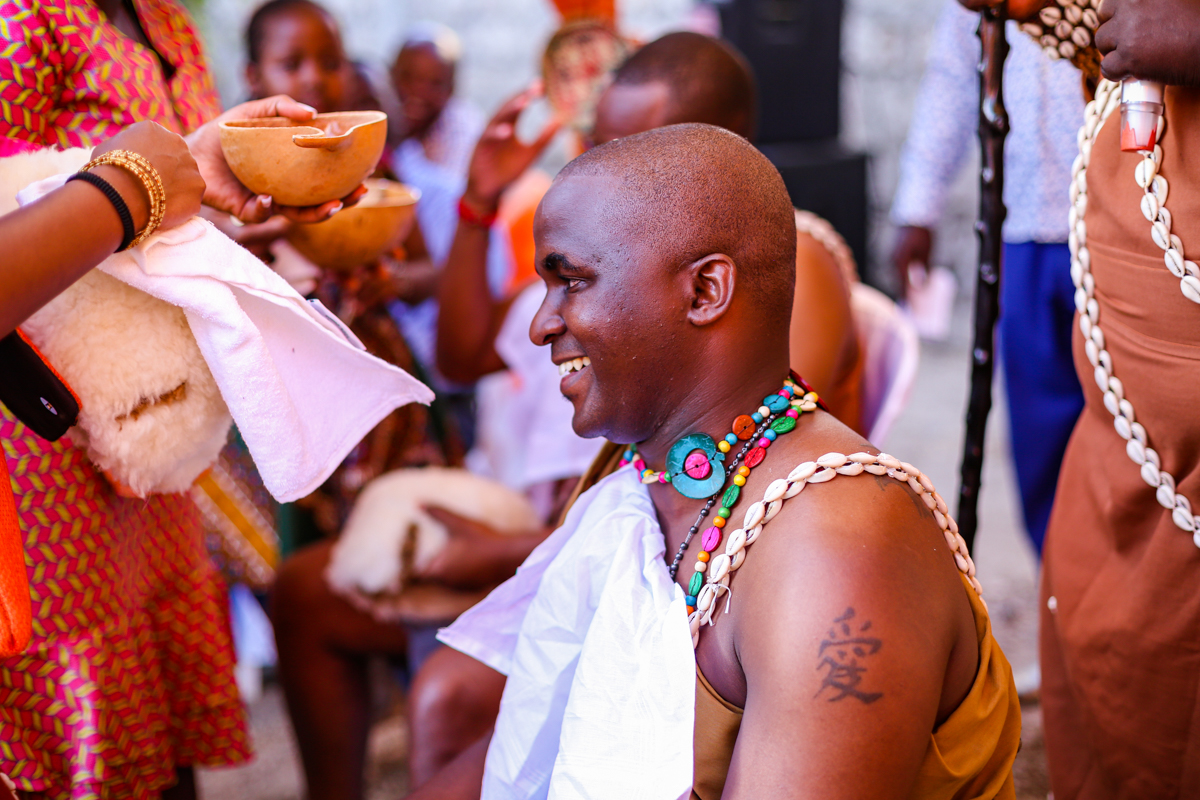
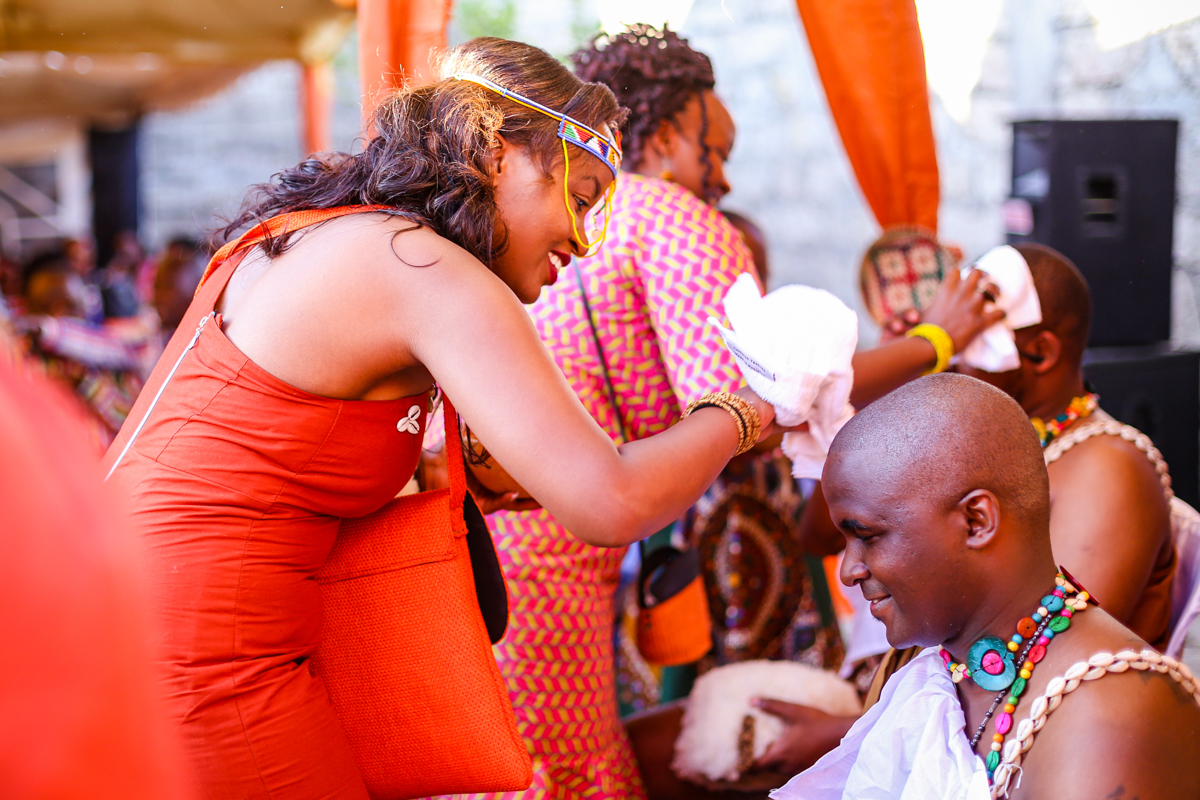
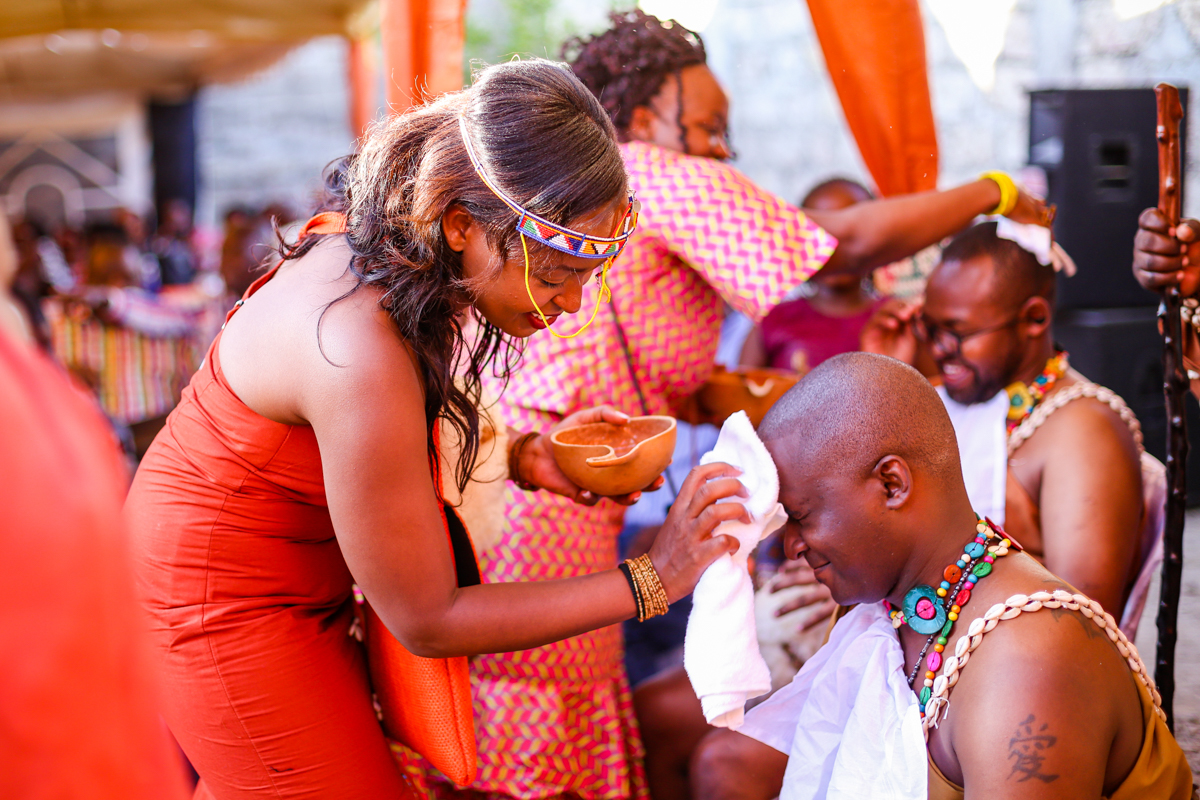
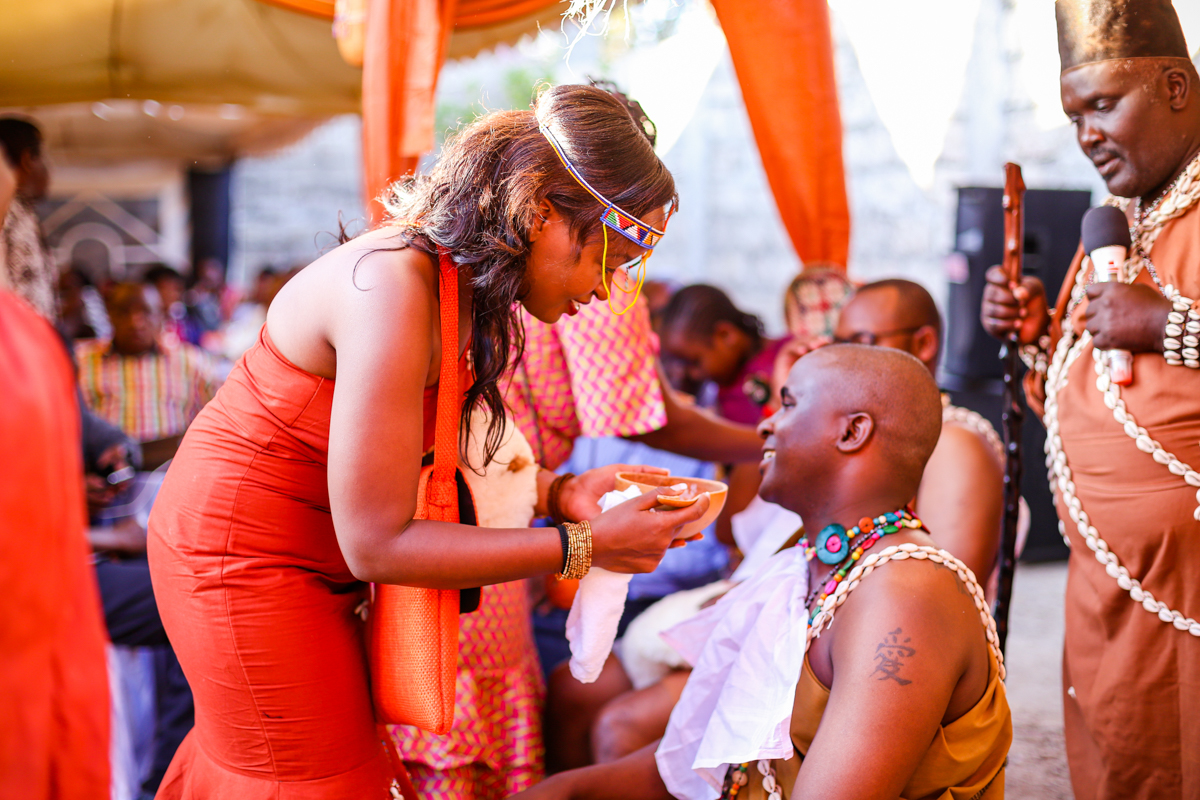
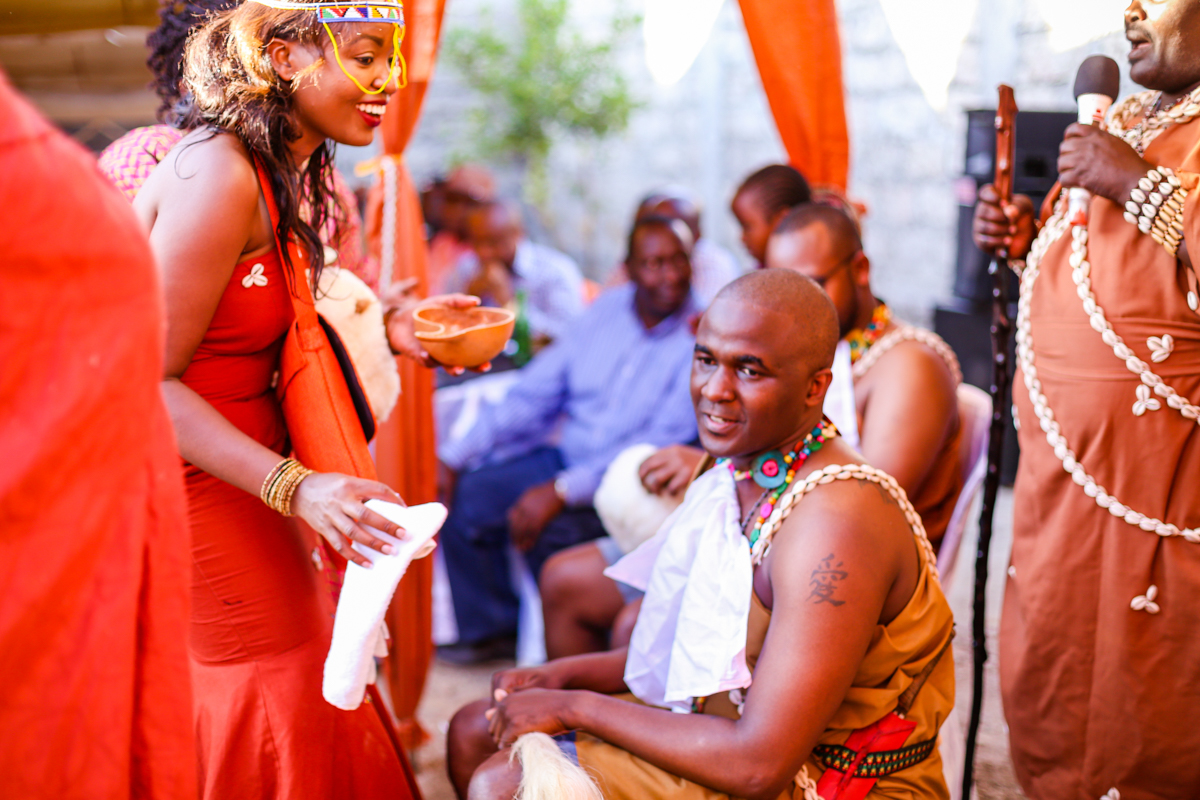
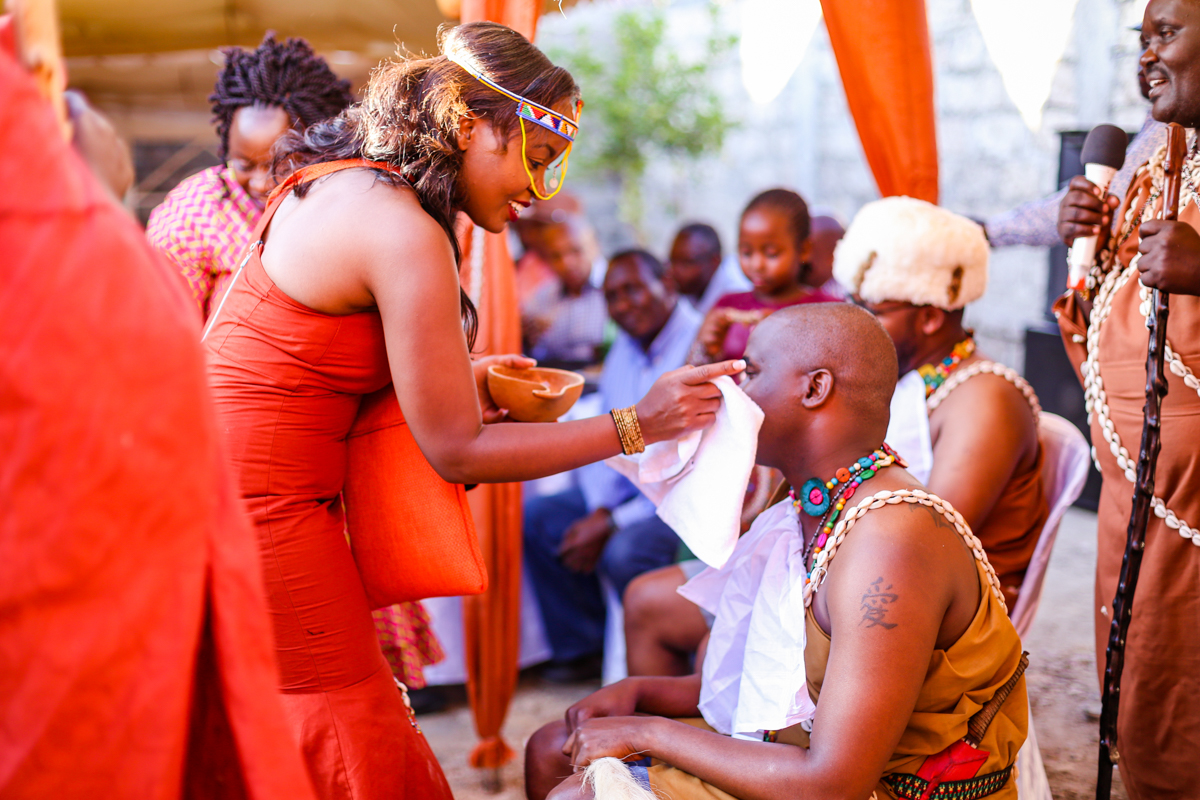
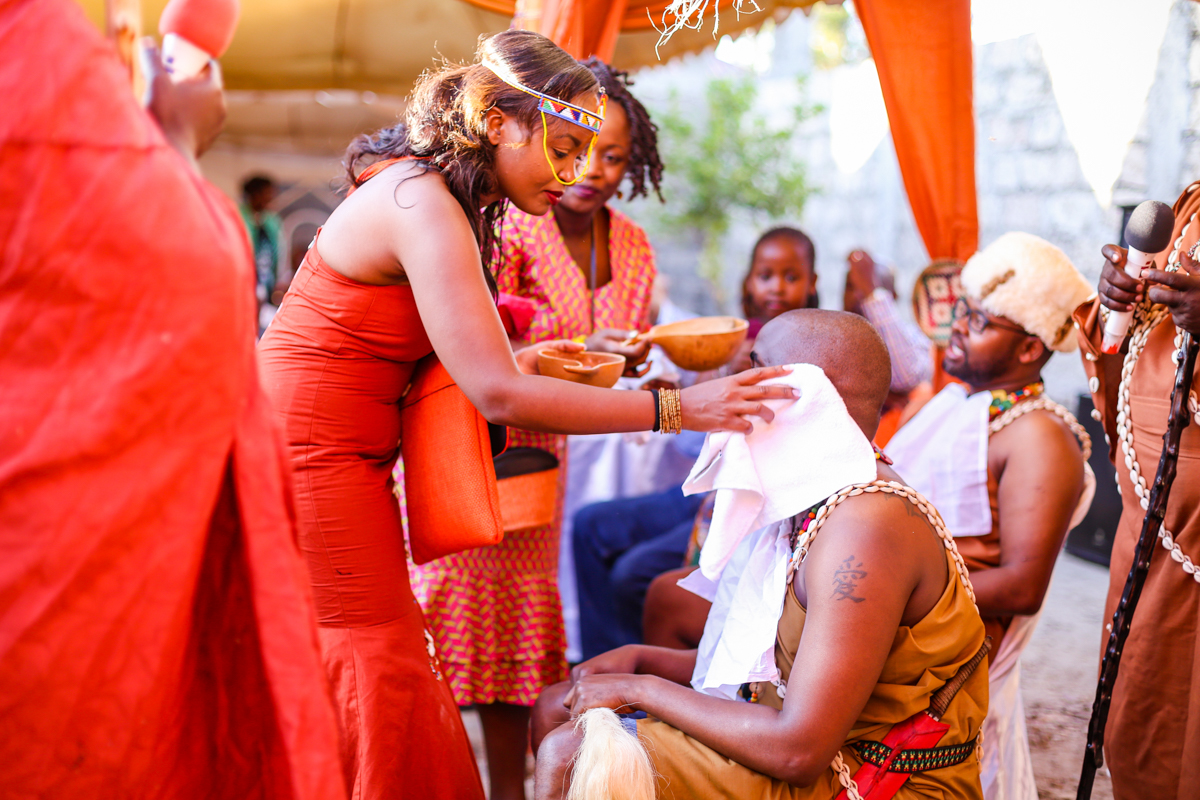
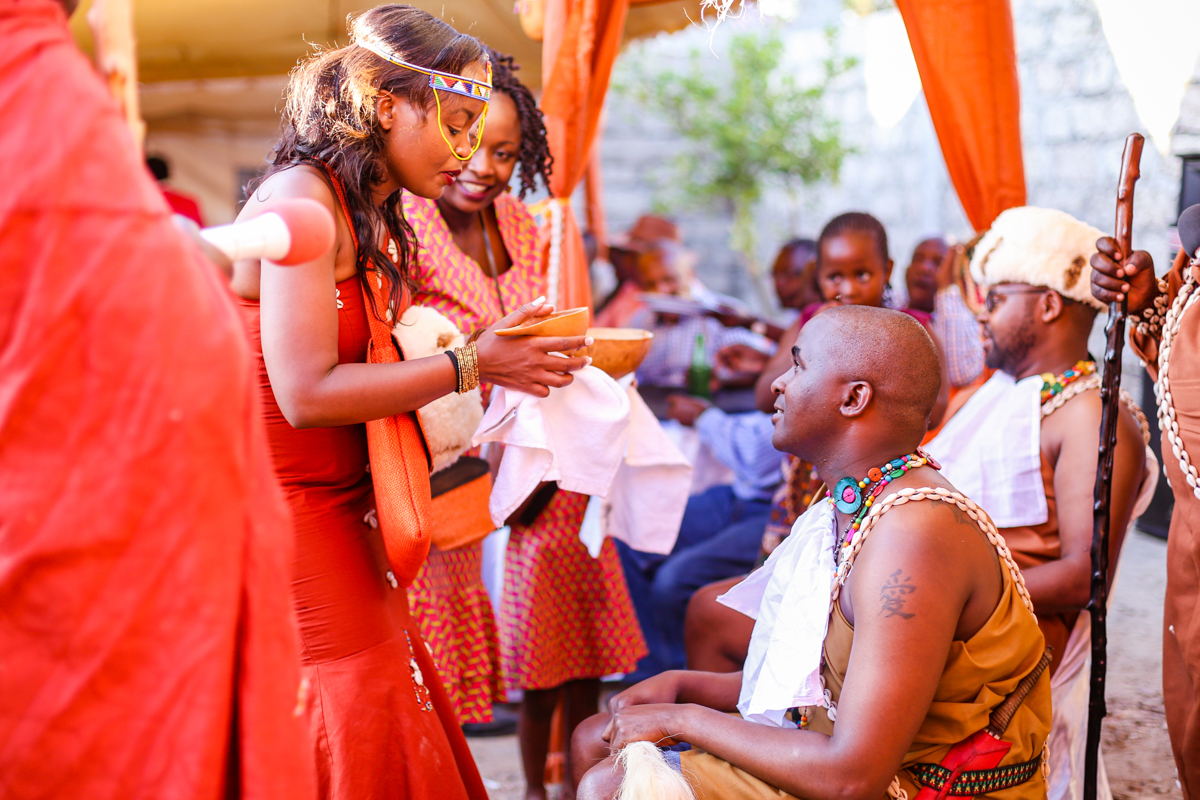
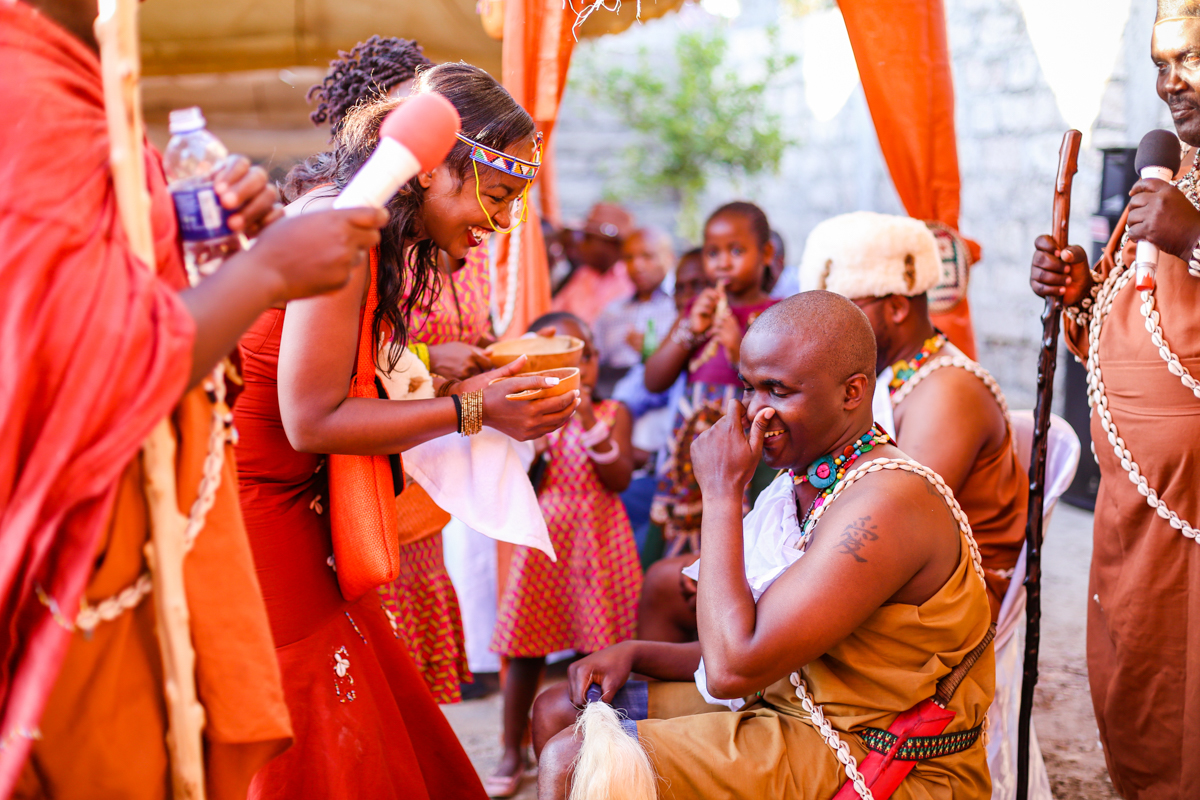
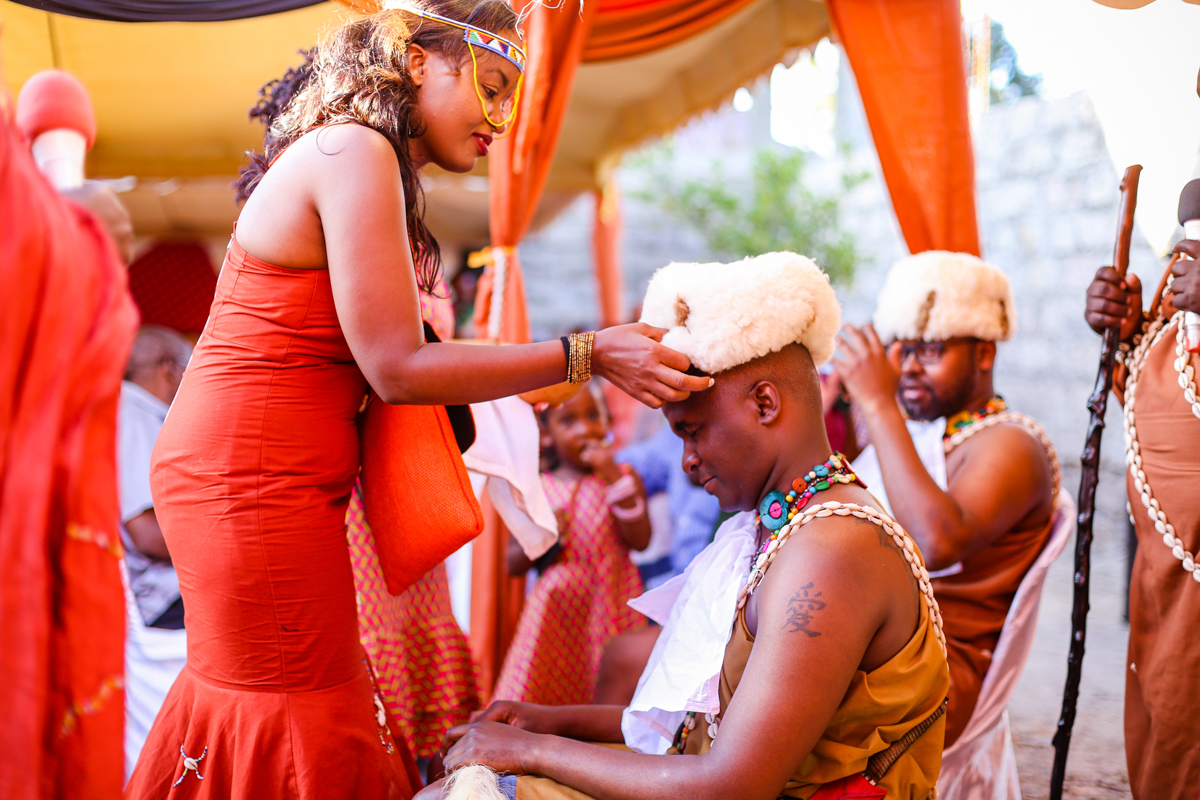
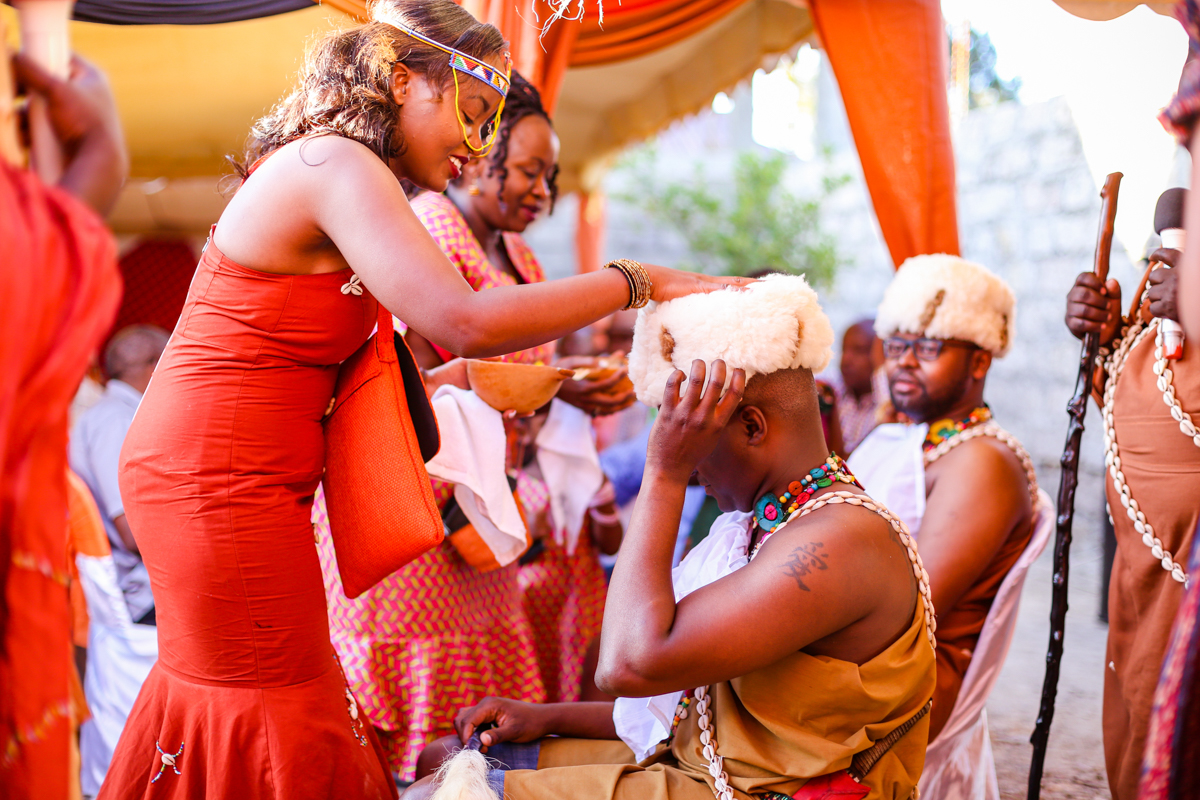
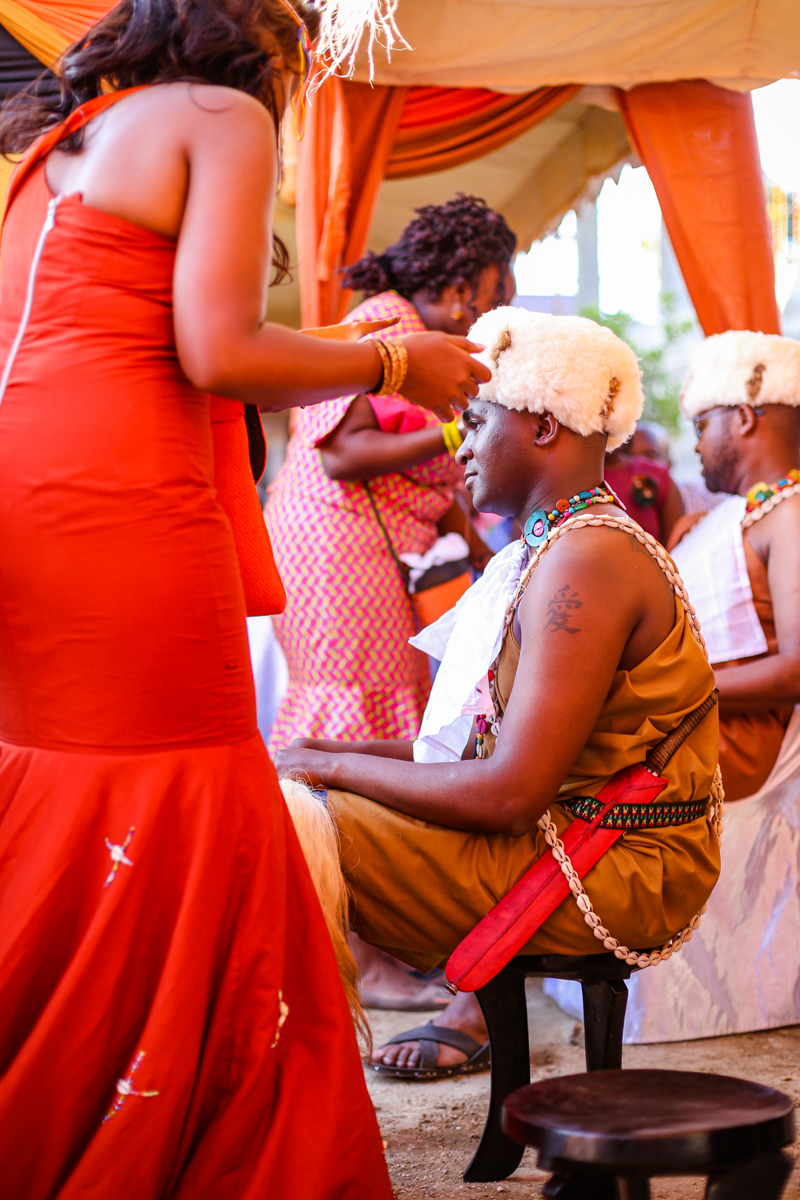
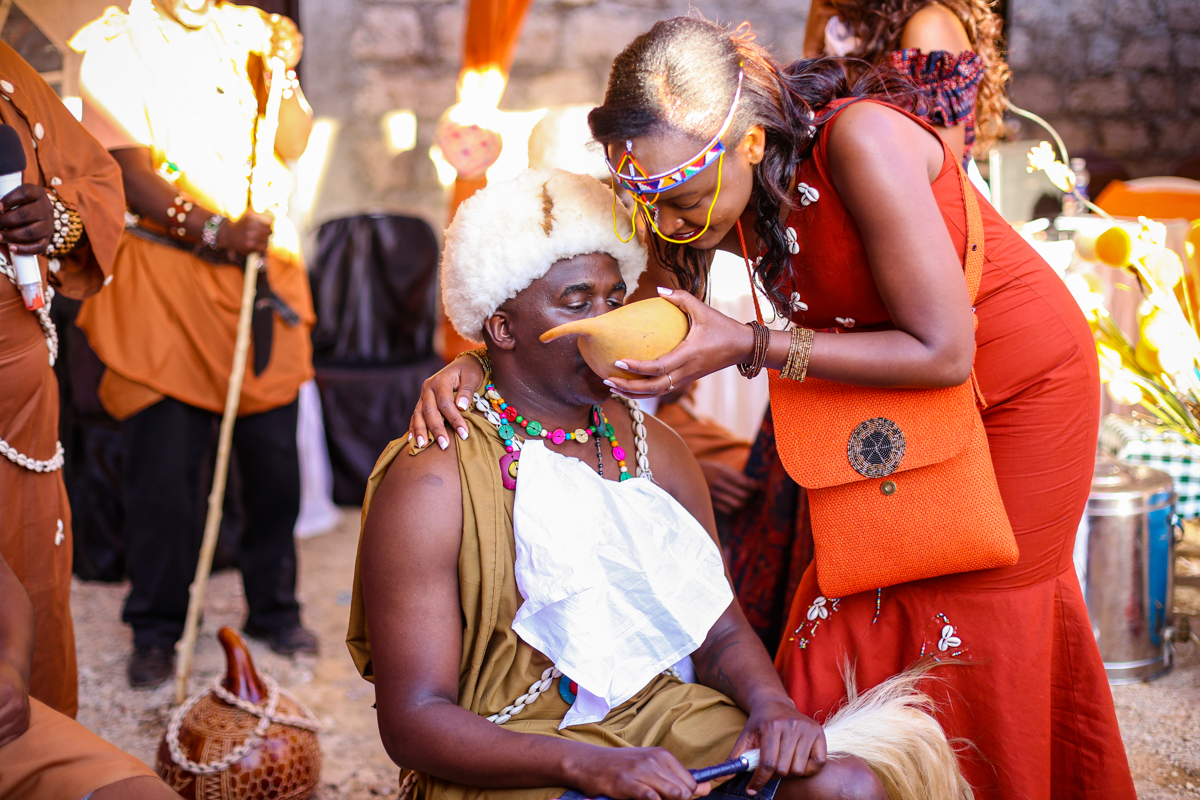
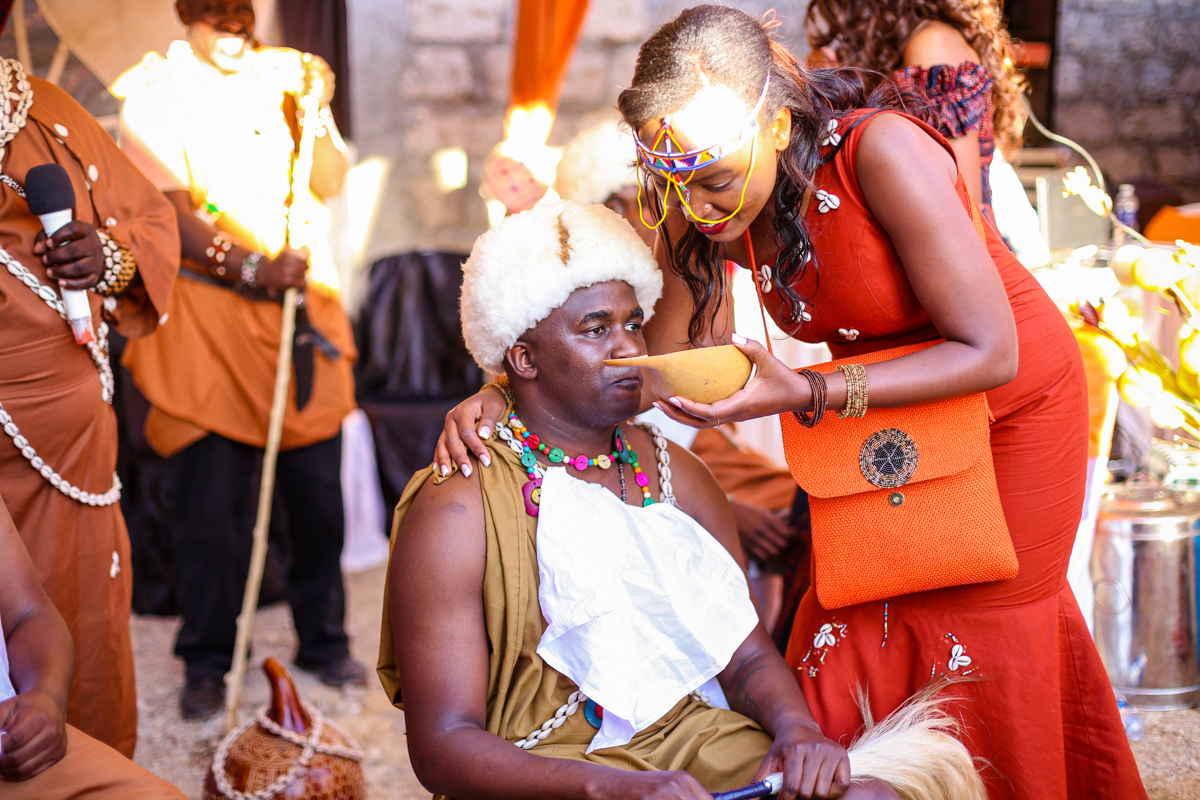
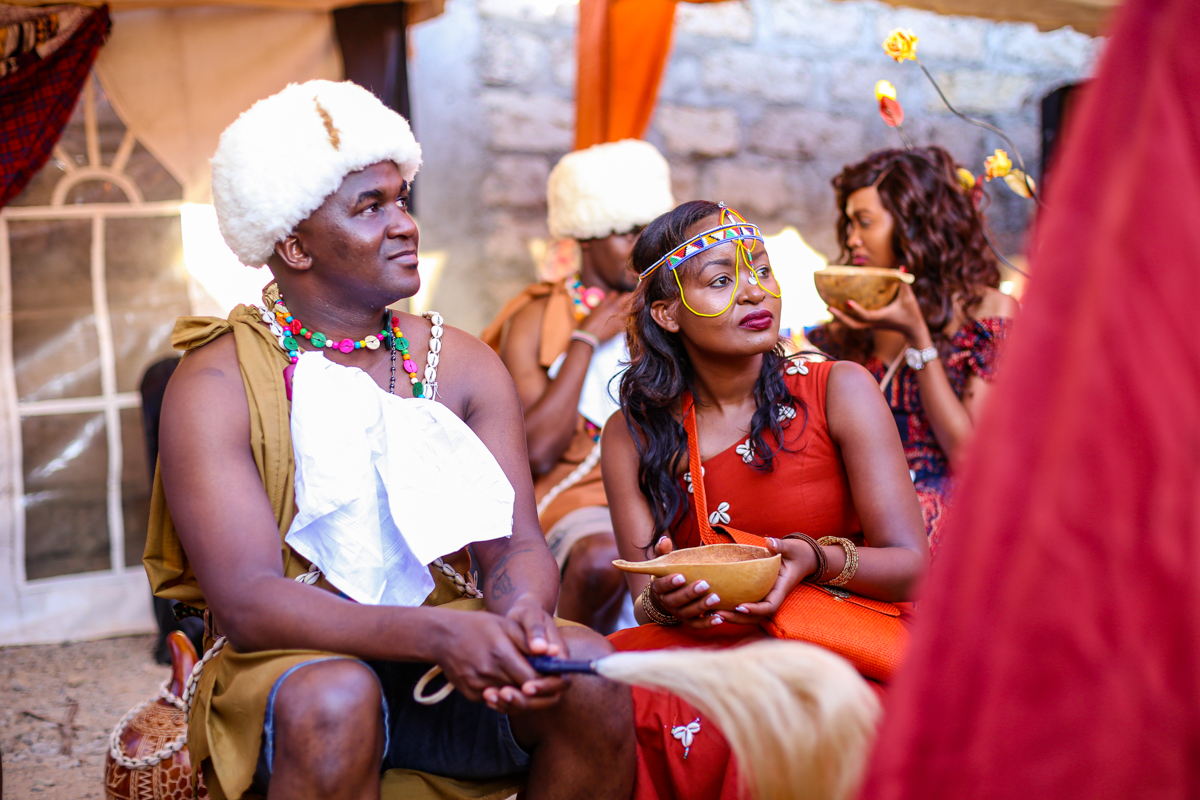
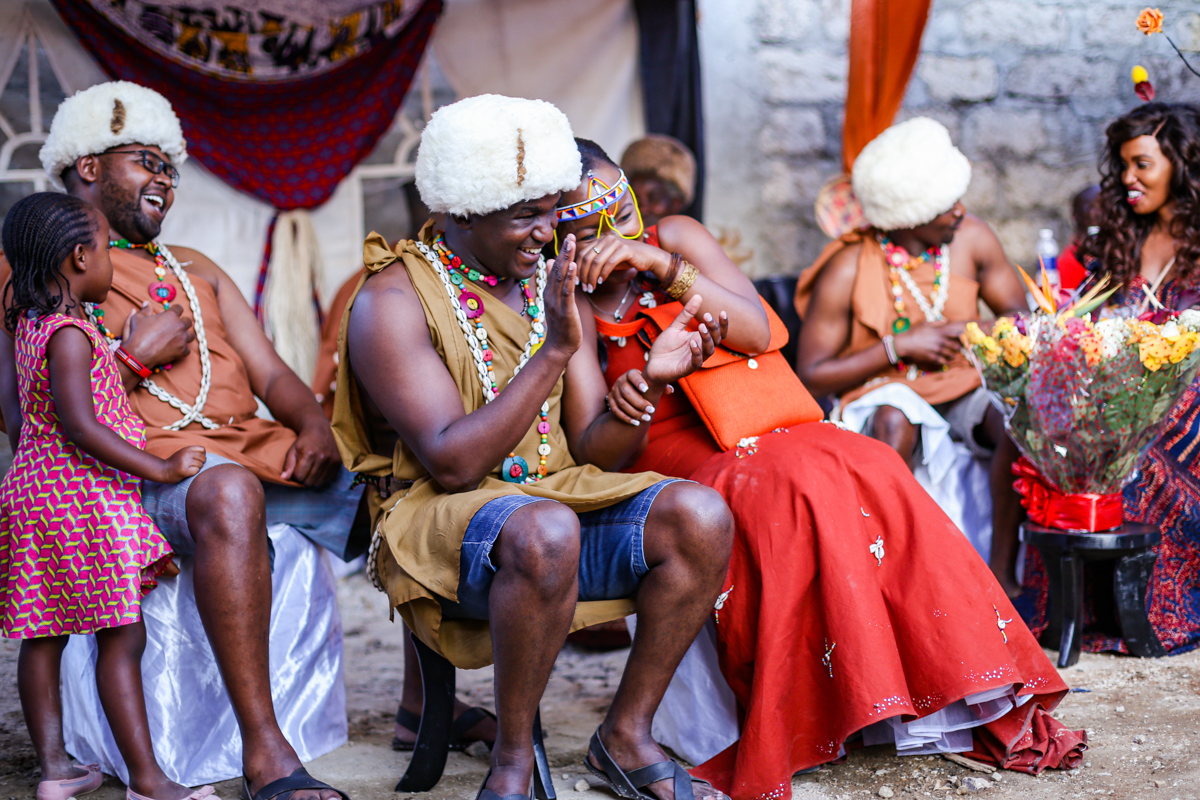
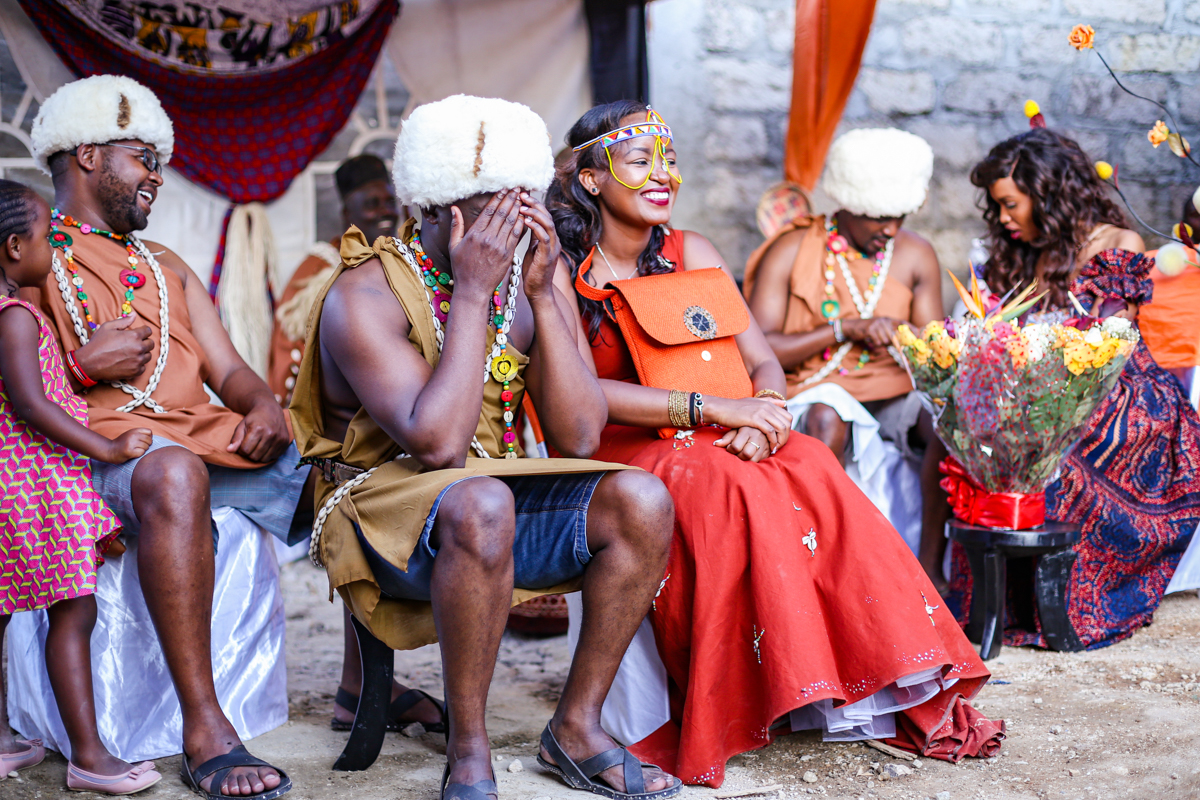
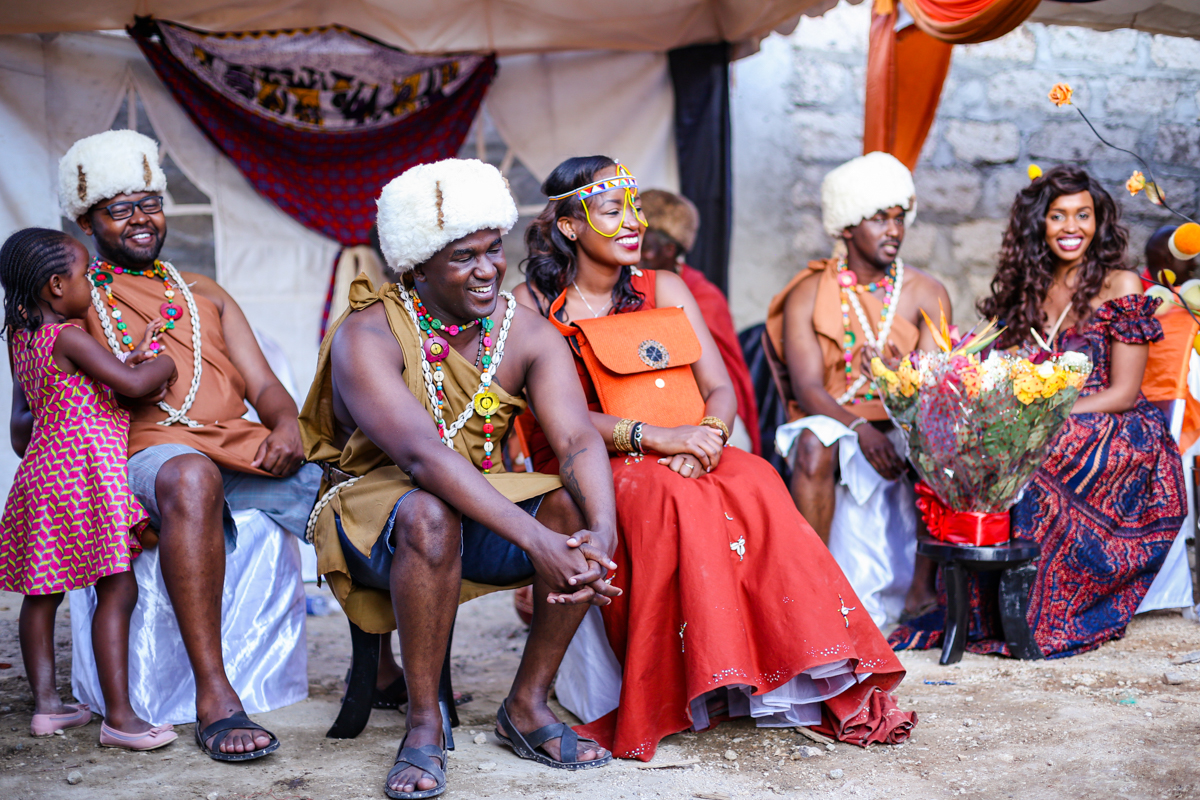
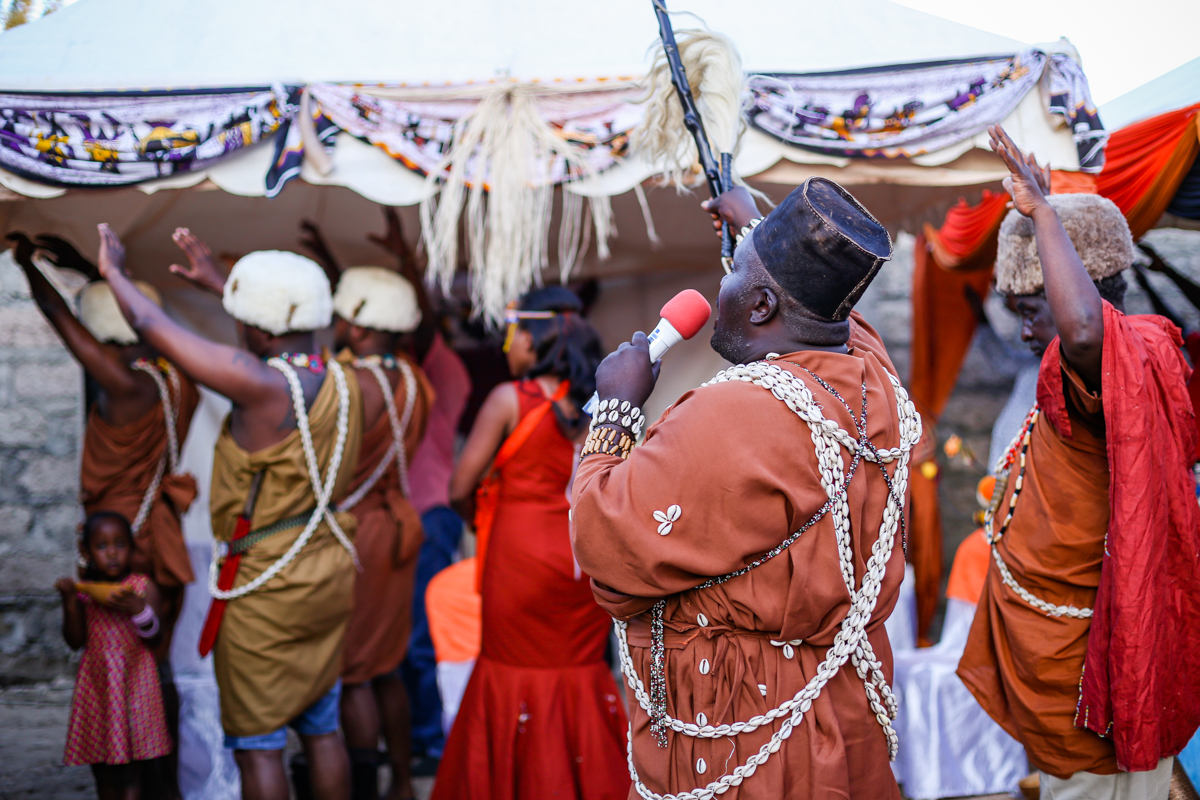
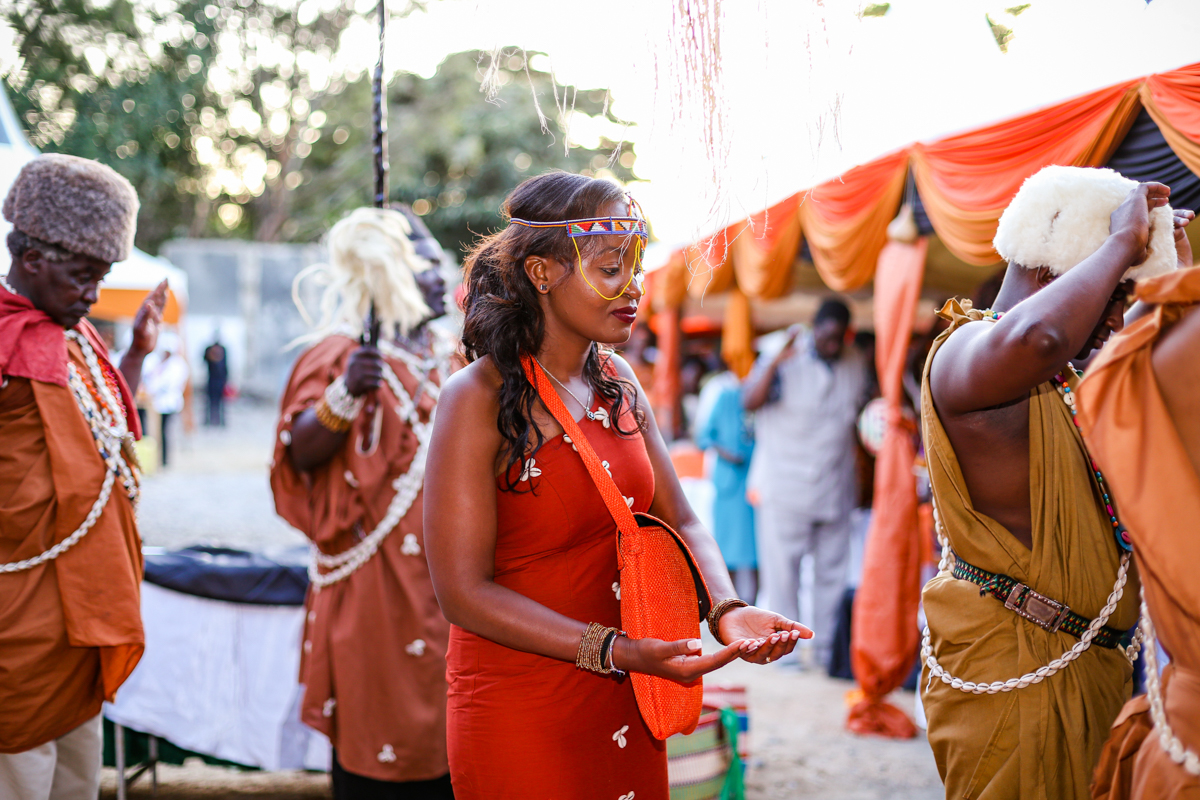
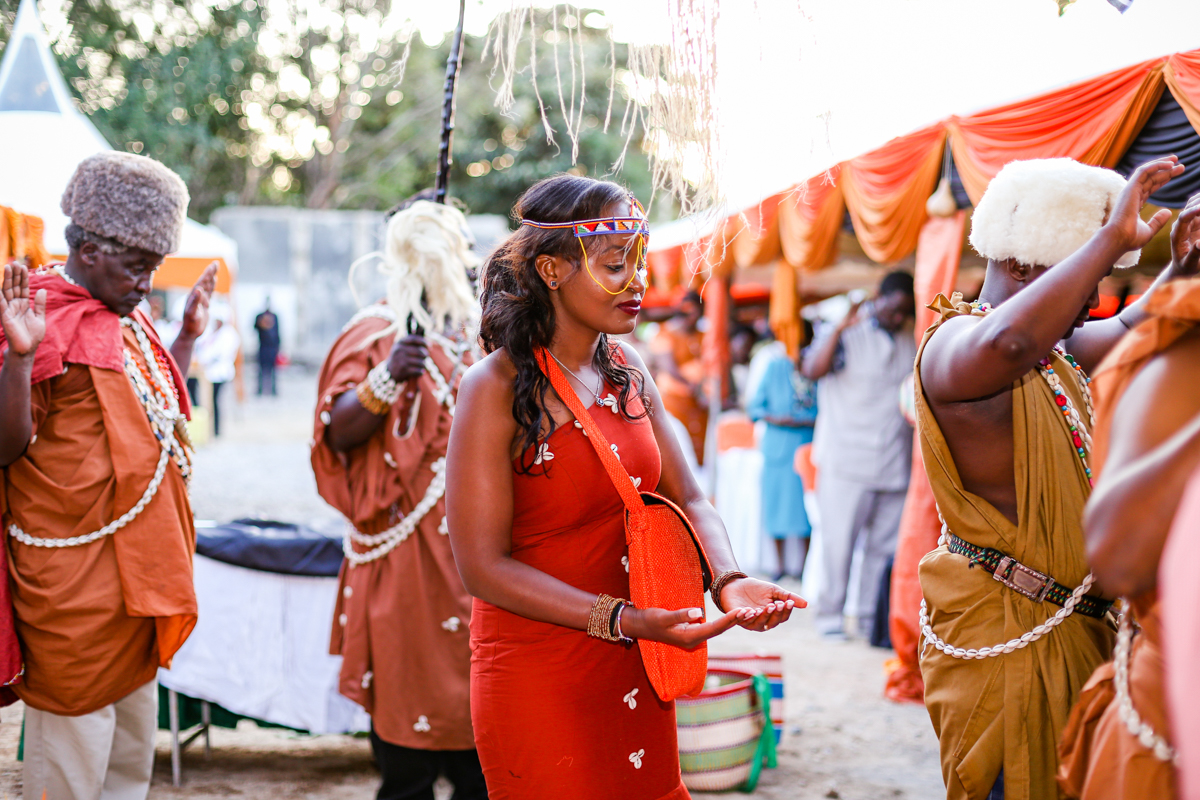
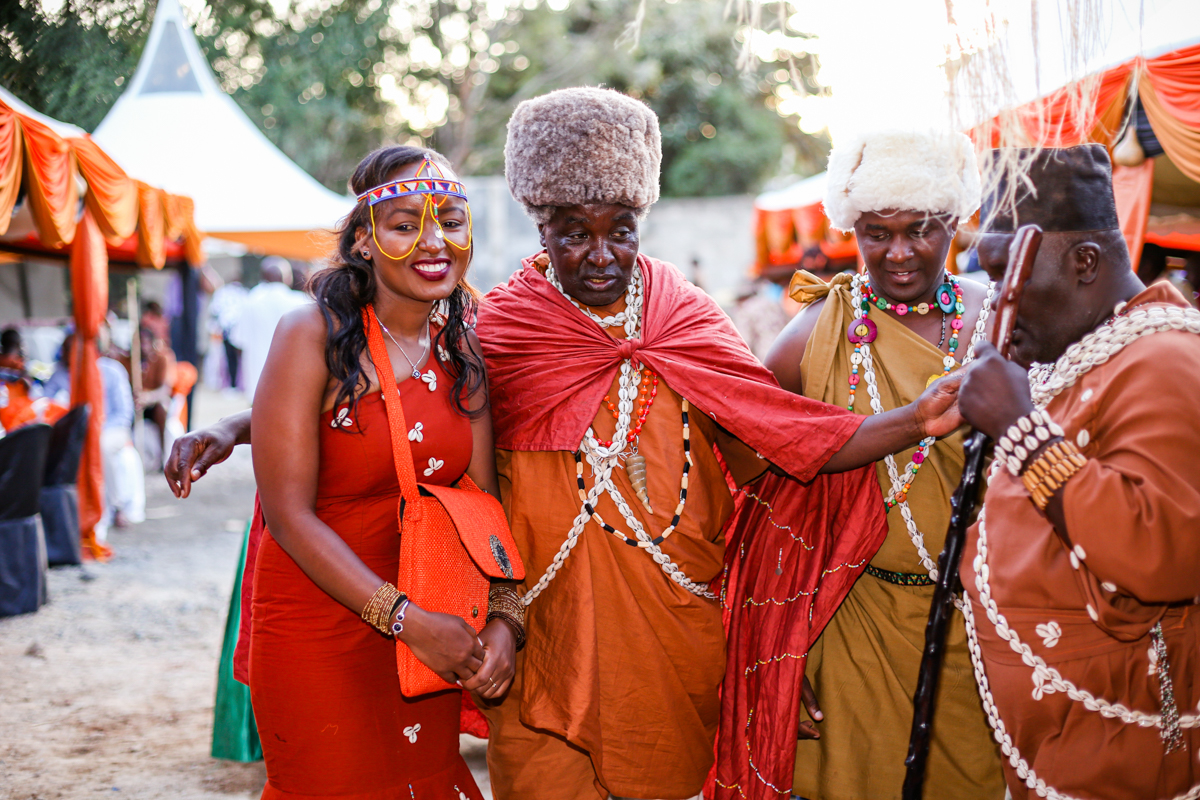
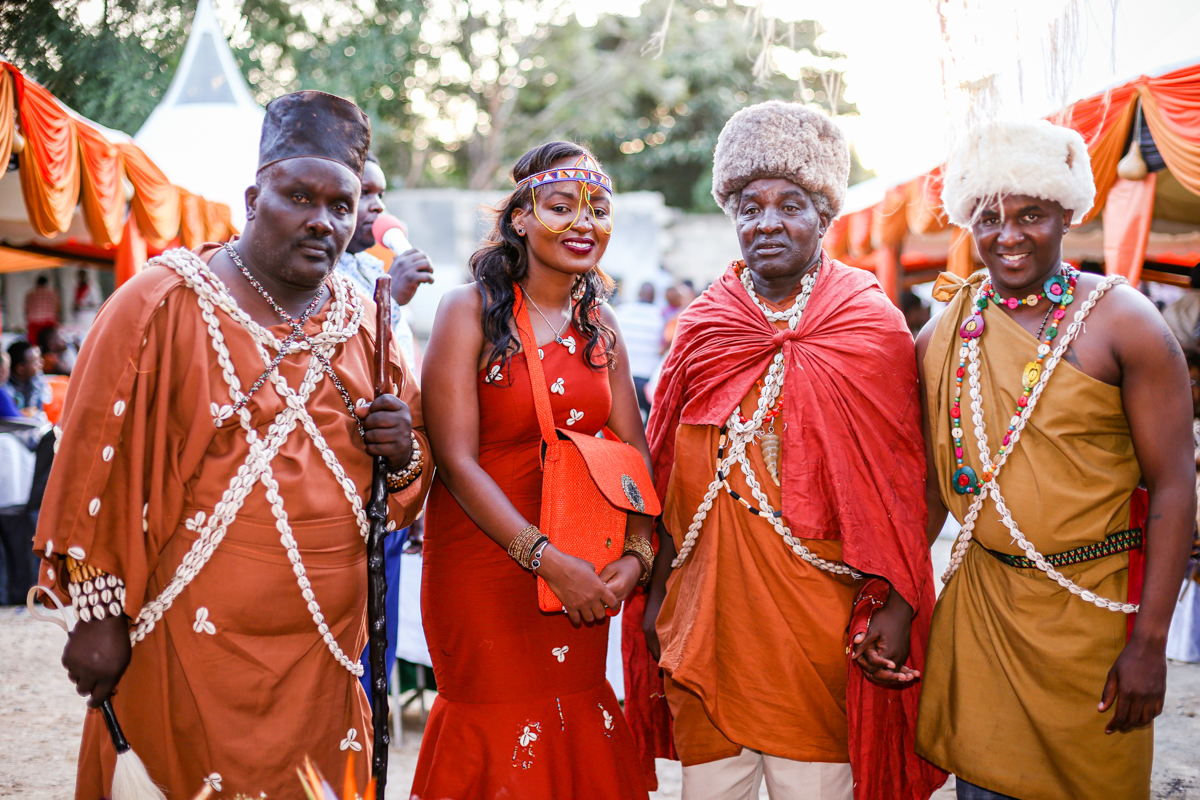
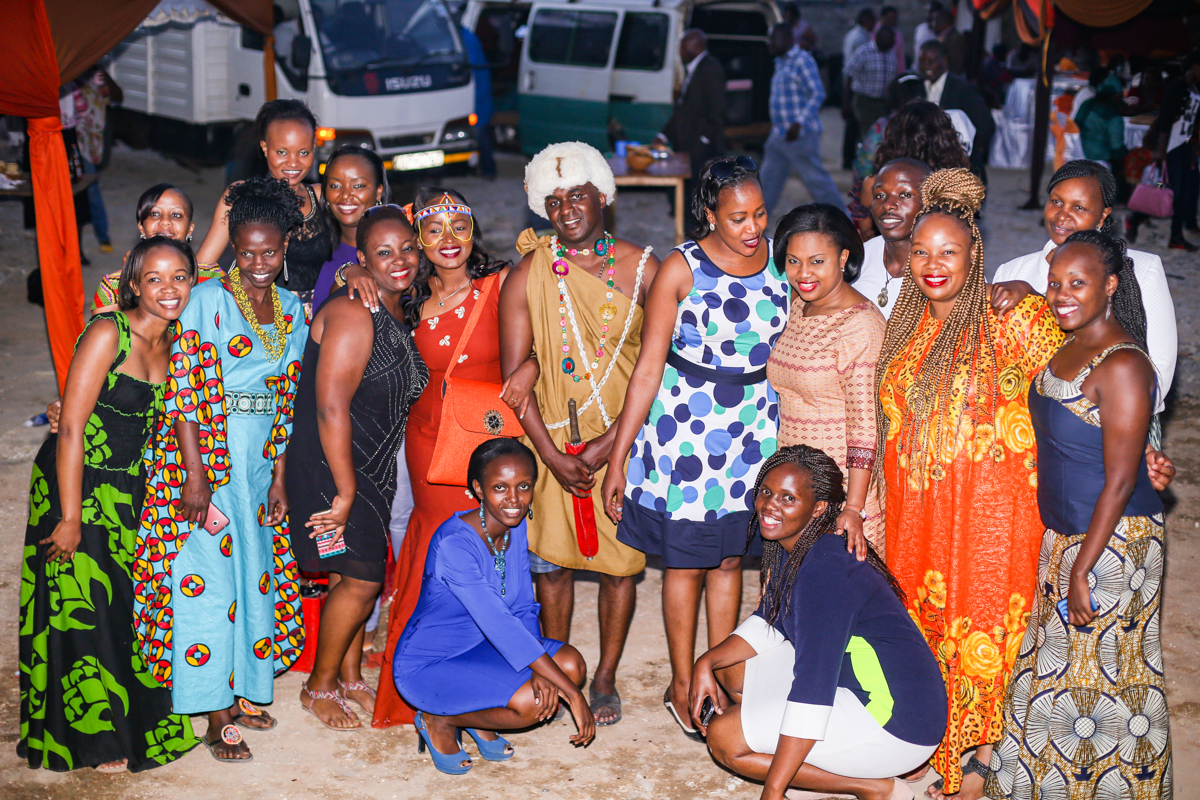
Kikuyu Traditional Wedding Ceremony
Kenyan Kikuyu Traditional Wedding :: Ngurario Marriage Ceremony Kikuyu Traditional Kenyan Wedding Kikuyu Traditional Kenyan Wedding
Who designed that dress?
This traditional Kikuyu Wedding is awesome. I love it. Regards, Peter Oluoch, http://vc.uonbi.ac.ke and passion : http://www.doxa.co.ke
Thanks a lot Peter…we appreciate your feed-backs.
Hallo Antony,i like what ive seen on your site so far.i love the traditional kikuyu wedding and it has inspired me to do one too.i saw the wedding packages and as i could read i think you just do pictures bila videos ama sikuelewa vizuri?swali langu ni kama u do videos pia? Thanks . Best regards!
Hey Monica,Thanks a lot for the compliment,we only deal with Photography but for the video we can refer you to several video-graphers.